
Reviewed · WAWEL CASTLE TOURS
Krakow: Wawel Castle & Cathedral Guided Tour
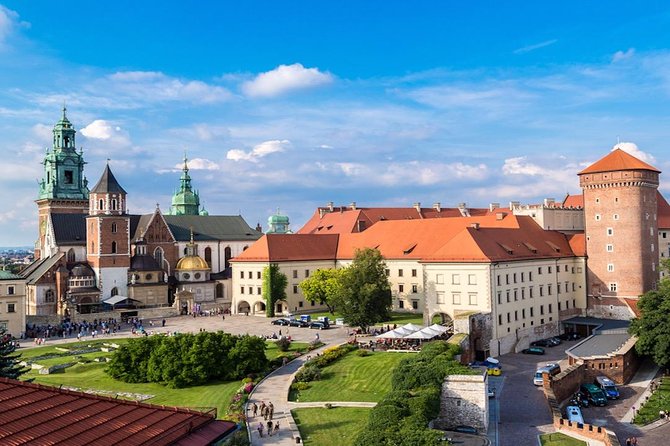
Wawel is where Poland’s royal story comes together in one compact hilltop visit. Inside the castle, you move through grand rooms, royal art, military objects, and rare Ottoman tents. In the cathedral, you see the place of royal coronations, funerals, and national memory, then descend into the crypts.
I like two things here. Admission is included, which saves you from sorting out museum tickets on the day, and the small-group format gives the castle and cathedral a clear narrative rather than leaving you to guess why each room matters. The guides Helena and Ana have earned especially warm praise for their lively, personal approach.
The main caution is pace. Two hours is enough for a strong introduction, but not enough for every detail. Some guides speak quickly or quietly, and the material can become a rush of kings, dates, and names. Arrive early, listen closely, and ask for clarification when needed.
Key points to know before you book
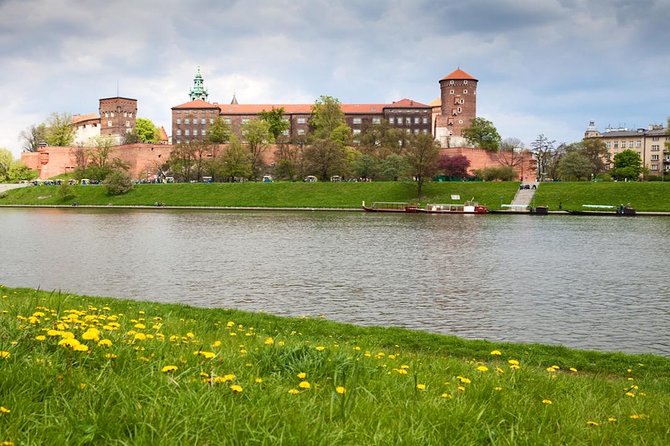
- Royal rooms and rare objects: See Renaissance and Baroque interiors, paintings, sculpture, porcelain, military pieces, and royal furnishings.
- A serious look at Polish history: The castle connects art and ceremony with the political story of Poland’s kings.
- The Sigismund Bell and royal crypts: Enter Wawel Cathedral, climb to the bell, and visit the burial place of monarchs, poets, and national heroes.
- English-speaking guided visit: Tours are conducted in one selected language, with a maximum of 30 people.
- Meeting point below Wawel Hill: You do not meet at the castle itself. Follow the voucher instructions carefully and arrive 10 minutes early.
- A good value for first-time visitors: At $59.26 per person, the price makes the most sense if you want context, included admission, and help moving through two major sights.
Why Wawel tells Krakow’s story so well
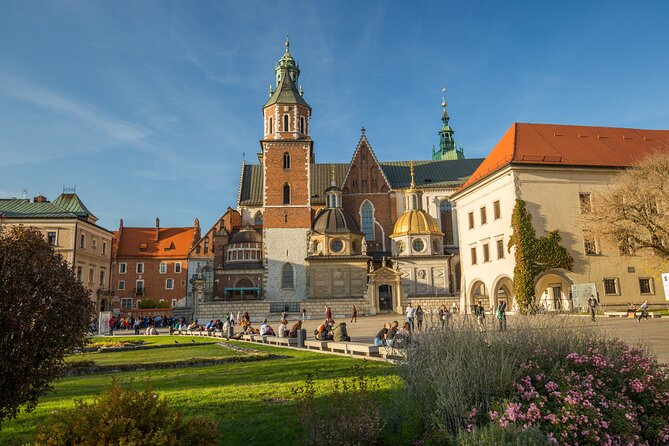
Wawel Castle and Wawel Cathedral are not simply two attractive buildings beside one another. Together, they show how Polish power worked: the castle handled royal life and ceremony, while the cathedral carried the religious and national meaning of the monarchy.
That pairing is the real strength of this tour. You begin with rooms, art, weapons, and objects connected with the royal court. You then move into a church where kings were crowned, married, buried, and remembered. The change from palace to cathedral gives the visit a useful shape.
I especially like this arrangement if you are new to Polish history. The country’s past can be difficult to follow because it involves many monarchs, shifting borders, religious conflicts, and long periods of political struggle. A strong guide gives you a framework, so the objects do not feel like disconnected museum pieces.
The experience lasts about two hours, with roughly one hour at each stop. That is a sensible introduction, though you should not expect a slow museum study. The guide must keep the group moving, and the castle itself contains far more than can fit into one short visit.
More Wawel Castle tours in Krakow:
- Krakow: Wawel Castle & Cathedral Guided Tour
★ 4.7 · 2,111 reviews - Old Town Krakow & Wawel Castle Walking Tour
★ 5.0 · 1,508 reviews - Krakow: Wawel Royal Hill with Optional Castle and Cathedral
★ 4.2 · 1,220 reviews
Inside the Royal Castle’s grand chambers
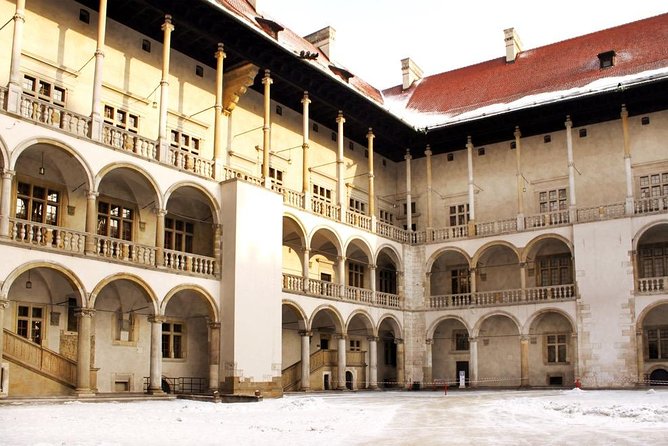
The first hour focuses on Wawel Royal Castle, the former home of Polish kings. The building became a major museum in 1930, and the visit takes you through rooms filled with Renaissance and Baroque decoration.
Expect an art-and-state collection rather than a bare royal residence. You might see painted panels, sculpture, porcelain, military objects, furniture, and other pieces that show how the court presented itself. The rooms matter not only for their decoration, but also for the way they reveal royal ceremony and power.
One of the most memorable collections is the group of Flemish woven wall hangings commissioned by King Sigismund II Augustus. These were not minor decorations. They helped turn the castle into a place of ceremony and display, giving the royal rooms color, scale, and a sense of wealth.
The Italian Renaissance works from the Lanckoroński collection add a different note. Here, the focus shifts from royal furnishings to fine art. A guide can help you understand why particular paintings matter instead of leaving you to read labels while the group moves on.
Wawel also holds a notable collection of Eastern art. The highlight is the large set of Ottoman tents, described as the biggest collection of its kind in Europe. This is a useful reminder that Poland’s royal world was connected to neighboring powers, military campaigns, trade, and diplomacy. It also gives the castle visit more range than a standard procession of portraits and royal bedrooms.
I would pay close attention during the castle portion if you enjoy political history. The guide links the objects to the rulers who commissioned, owned, or used them. If you care more about architecture or art than dates, say so politely and ask the guide to focus on the rooms and objects that best match your interests.
The most common weakness is information density. Some guides provide a long run of names and dates, and a few have been difficult to hear because they spoke fast or quietly. A microphone or headset would help, but it is not listed as a feature of this experience. Stay near the guide and do not hesitate to ask for a point to be repeated.
Wawel Cathedral, the emotional center of the visit
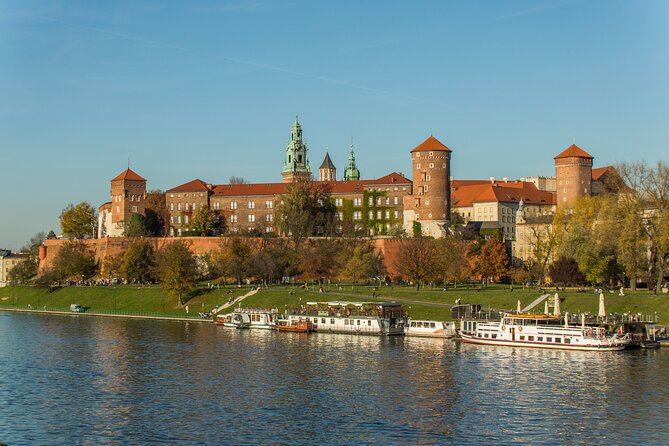
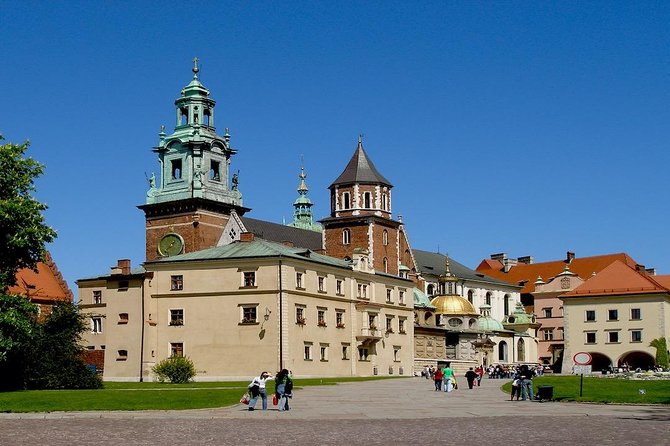
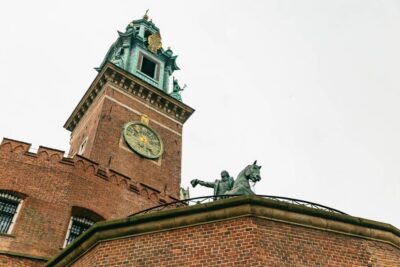
The cathedral is often the stronger half of the tour. Its Gothic form is striking, but its meaning comes from the events held here over centuries. This is where Polish monarchs were crowned, married, and buried.
Inside, you visit chapels and altars as the guide explains their place in Poland’s religious and political life. The cathedral is not presented as a silent architectural stop. It is a place tied to royal succession, national identity, and remembrance.
The tower provides one of the visit’s most memorable moments. You climb to see the Sigismund Bell, a huge bell linked with Polish tradition. The custom says that touching it brings good luck. The climb has been described as awkward by some people, so wear sensible shoes and take care on the stairs.
The tower is also a practical point to consider if you have limited mobility or dislike tight, uneven climbs. The tour is described as accessible for everyone in one review, but the tower itself requires a climb, and the experience includes several different spaces. Ask the operator before booking if you need specific accessibility information.
After the tower, the route continues below ground into the crypts. Kings and queens are buried there, along with poets and national heroes. This part can feel more personal than the grand state rooms. Instead of looking at objects made for display, you are standing among the people who shaped Poland’s public memory.
I find the cathedral portion most rewarding when the guide connects individual burials with the larger story. The crypts can otherwise become a list of names. A good guide explains why a particular monarch, poet, or national figure still matters.
One practical issue deserves attention. The tour ends at Wawel Cathedral, and one person reported being taken outside before wanting to climb the tower independently. If you plan to spend extra time inside after the guided portion, clarify the ending point with the guide before leaving. You may need to arrange or pay for re-entry.
Guides make the biggest difference
The experience depends heavily on who leads it. The strongest comments describe guides who are warm, passionate, patient, and able to connect personal stories with the larger past.
Helena has been praised as an academic and historian who gave the visit a strong sense of purpose. Ana has also been singled out for keeping the group engaged, using the available time well, and maintaining a comfortable pace without rushing through the exhibits.
Those names do not guarantee who will lead your departure. Still, they show what a successful version of this tour can feel like: clear explanations, a sense of enthusiasm, and enough flexibility to make the material human rather than mechanical.
The less successful experiences point to three possible problems. A guide may speak too quickly, use an accent or phrasing that is difficult to follow, or spend too much time on royal dates. One person also felt the guide did not adapt well to a hearing aid. If you have hearing concerns, contact the operator before booking and ask what arrangements are possible.
You can improve your own experience by standing close to the guide and raising your hand when you miss something. The group may include people with very different interests, so a useful question can steer the explanation toward art, architecture, religion, or politics.
A handful more Krakow trips to weigh up
- From Krakow: Auschwitz-Birkenau Guided Tour & Hotel Pickup
★ 4.5 · 33,358 reviews - From Krakow: Auschwitz-Birkenau Guided Tour & Hotel Pickup
★ 4.5 · 29,340 reviews - Krakow: Auschwitz Guided Tour with Optional Hotel Pickup
★ 4.5 · 15,280 reviews - Krakow: Auschwitz-Birkenau Guided Tour with Pickup & Lunch
★ 4.5 · 9,800 reviews
Meeting point, timing, and group size
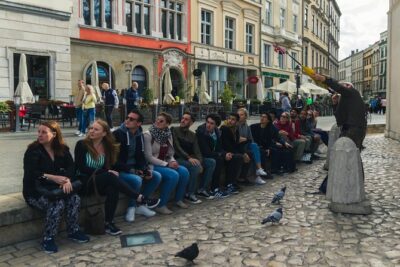
The meeting point is at the monument to Piotr Skarga on Plac Świętej Marii Magdaleny, not on Wawel Hill. That distinction matters. If you walk straight to the castle expecting to find the group there, you may miss the departure.
Arrive at least 10 minutes early. Once the group has left, late arrivals cannot join, and the ticket is not refundable. The meeting location is near public transportation, but you should still allow extra time to identify the exact spot shown on your voucher.
The maximum group size is 30 people, set according to museum limits. That is not a tiny private tour, but it is more manageable than a large open group. Your experience will be best if you stay close enough to hear and keep the group in sight while moving between rooms.
The tour ends at Wawel Cathedral. That is convenient if you want to remain in the Wawel area afterward, take photographs, or continue exploring on your own. It does mean the tour is not a round trip and does not return you to the starting point.
Dress modestly. Shorts and sleeveless tops are not allowed in places of worship and selected museums. Both men and women must cover their knees and shoulders. This is easy to manage with a light layer, especially if you are visiting Wawel as part of a full day in Krakow.
Is $59.26 a fair price?
At $59.26 per person, this is not the cheapest way to see Wawel. The value comes from the included admission and the explanation provided as you move through two major sights.
If you visit independently, you may spend less, especially if you already understand Polish history and prefer to read labels at your own speed. You would also have more control over how long you spend in a particular room or chapel.
I would consider the tour good value for a first visit if you want the main story in a fixed two-hour window. It saves time at the ticket stage, removes some uncertainty about what to see, and gives meaning to objects that could otherwise seem random.
The value is weaker if you dislike groups, want quiet time for photography, or already know the castle and cathedral well. It is also less attractive if you need a very slow pace or detailed attention to one collection.
The booking pattern, with reservations commonly made about 27 days ahead, suggests that planning early is sensible during busy periods. The tour is offered in English, and all groups operate in one selected language, so confirm that English is chosen when you book.
Who should choose this Wawel tour?
I would recommend it to a first-time visitor to Krakow who wants a clear introduction to the city’s royal and religious past. It suits people who appreciate art but also want political context, since the castle objects are explained as part of the story of Polish rulers.
It also works well for a short Krakow stay. In two hours, you cover the key sections of Wawel without giving up an entire day. Afterward, you can decide if you want to explore more of the hill or move back toward Krakow’s Old Town.
Families and mixed-interest groups may find the format useful because the guide keeps everyone moving. The castle has enough variety to hold attention, from art and royal rooms to weapons and Eastern objects. The cathedral adds a change of mood and setting.
I would think twice if you are sensitive to fast speech, have hearing difficulties, or need a fully flexible route. The tour’s success rests on the guide’s delivery, and the group must follow a set schedule.
My verdict: book it for context, not unlimited museum time
Book this tour if you want Wawel’s major sights organized into one understandable story. The castle’s royal chambers, Flemish wall hangings, Renaissance art, Ottoman tents, cathedral tower, bell, and crypts make a strong two-hour introduction.
Go in with realistic expectations. You may hear many names and dates, and the guide’s pace will shape the experience. Arrive early at the correct meeting point, dress for the cathedral, stay close enough to hear, and ask questions when the commentary moves too fast.
For most first-time visitors, the included admission and strong English-language guides make the $59.26 price reasonable. For repeat visitors or independent museum fans, a self-guided visit may offer more freedom.
FAQ
How long does the Wawel Castle and Cathedral tour last?
The tour lasts approximately two hours, with about one hour at Wawel Royal Castle and one hour at Wawel Cathedral.
What language is the tour offered in?
The tour is offered in English. Each group is conducted in one language selected at booking.
Is admission included?
Yes. Admission to both Wawel Royal Castle and Wawel Cathedral is included.
Where does the tour begin?
It begins at the monument to Piotr Skarga on Plac Świętej Marii Magdaleny, 31-044 Kraków. The meeting point is not on Wawel Hill.
Where does the tour finish?
The tour ends at Wawel Cathedral on Wawel Hill.
How large can the group be?
The maximum group size is 30 people.
What should I wear?
Shorts and sleeveless tops are not allowed in places of worship and selected museums. Knees and shoulders must be covered for both men and women.
What happens if I arrive late or need to cancel?
You should arrive 10 minutes before the start. Once the group has departed, latecomers cannot join and tickets are non-refundable. Free cancellation is available up to 24 hours before the start time. Cancellations or changes made less than 24 hours before the tour are not accepted.
Just added around Krakow
- From Krakow: Zakopane Full-Day Tour with Lunch Option★ 4.4 · 62 reviews
- From Krakow: Zalipie and Painted Village Guided Tour★ 4.0 · 4 reviews
- From Krakow: Zakopane and Dunajec River Rafting Tour★ 4.6 · 31 reviews
- From Krakow: Zakopane and the Tatra Mountains★ 4.7 · 36 reviews
- From Krakow: Zakopane and Gubałówka Cable Car Private Tour★ 4.3 · 12 reviews
- From Krakow: Zakopane Tatra Mountains & Hot Springs Tour★ 3.0 · 29 reviews
- Zakopane & Tatra Mountains Private Full-Day Tour from Krakow★ 4.5 · 33 reviews
- From Krakow: Hot Springs and Zakopane with Gubałówka★ 4.7 · 25 reviews
Wawel Castle Tours, compared.
Wawel Royal Hill with Optional Castle and Cathedral
Read our review →
Old Town & Wawel Castle Walking Tour in English
Read our review →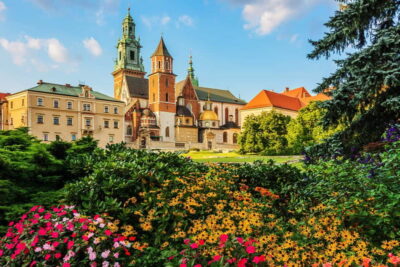
Krakow’s Essential Tour of the Old Town and Wawel Castle
Read our review →Browse the lists this tour appears in