
Reviewed · WAWEL CASTLE TOURS
Krakow: Wawel Castle and Cathedral Guided Tour
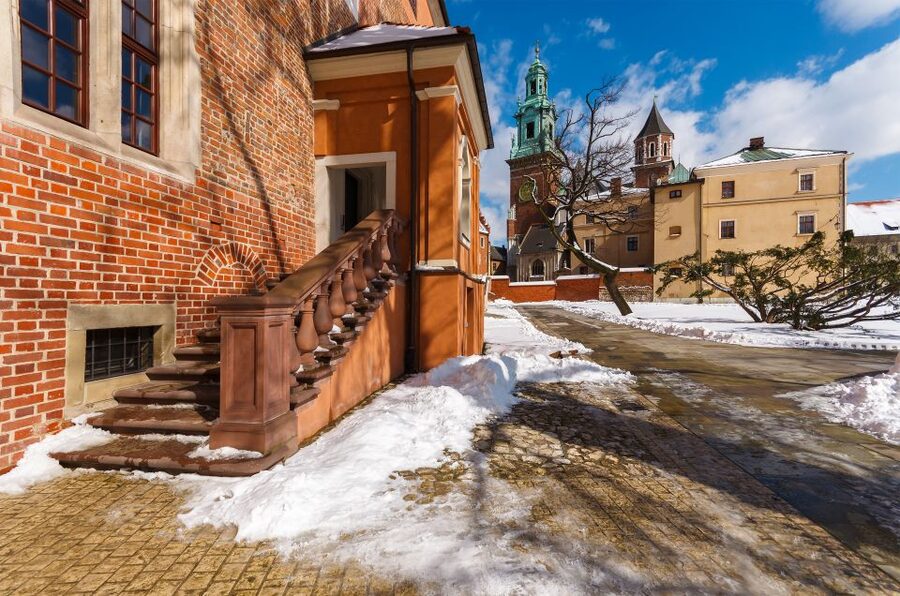
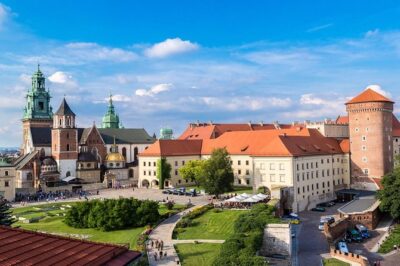
Wawel Castle and Cathedral pack Poland’s royal story into one hilltop visit. In two hours, you move from Renaissance state rooms and Italian paintings to coronation chapels, royal tombs, and the huge Sigismund Bell. The guide turns a grand but confusing complex into a readable story, which is the main reason to book.
I especially like the fast-track entry to one permanent castle exhibition and the chance to climb the cathedral tower for Krakow views. Guides such as Helena, Anna, Jacek, and Krzysztof have been praised for clear explanations and a good walking pace. The catch is time: two hours gives you a strong overview, not a complete tour of every Wawel collection.
Key points to know before booking
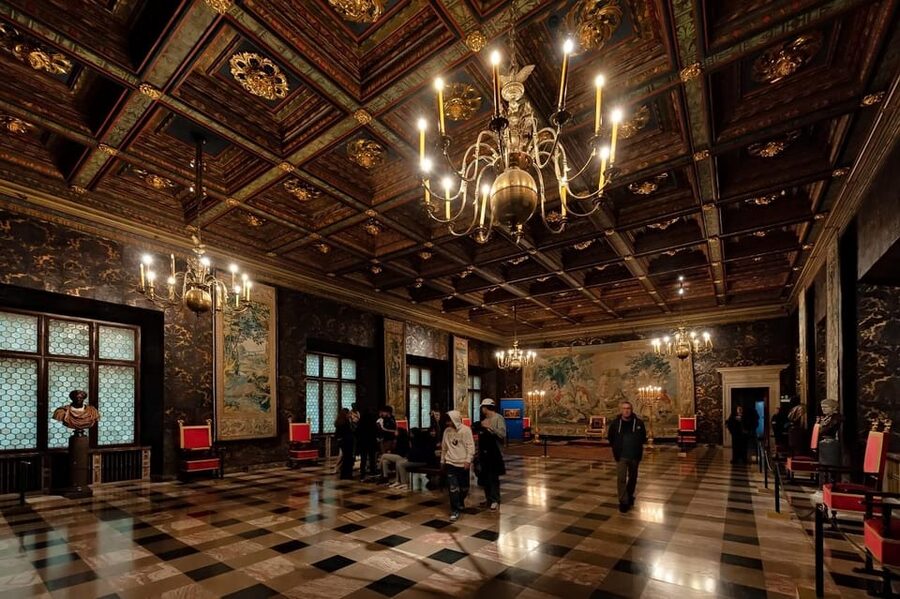
- Royal apartments and Italian art: See Renaissance interiors, State Rooms, elaborate wall hangings, and works linked to the Lanckoroński collection.
- One castle exhibition is included: The exact permanent exhibition can vary, so do not expect every castle gallery in one visit.
- The Cathedral is the emotional center: Coronation spaces, ornate chapels, royal sarcophagi, and crypts bring Poland’s past close.
- Touch the Sigismund Bell: The tower climb adds stairs, but rewards you with a memorable Krakow panorama and a local good-luck ritual.
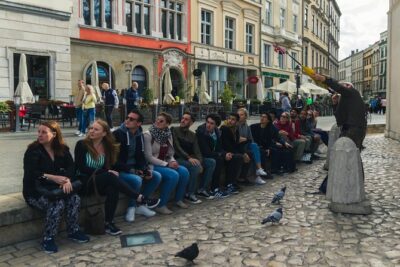
- Meet away from Wawel Hill: Find the Piotr Skarga Monument on St. Mary Magdalene Square, not at the castle entrance.
- Plan for a brisk overview: Comfortable shoes, covered shoulders and knees, and a ten-minute early arrival will make the visit much easier.
Why Wawel Hill deserves a guided visit
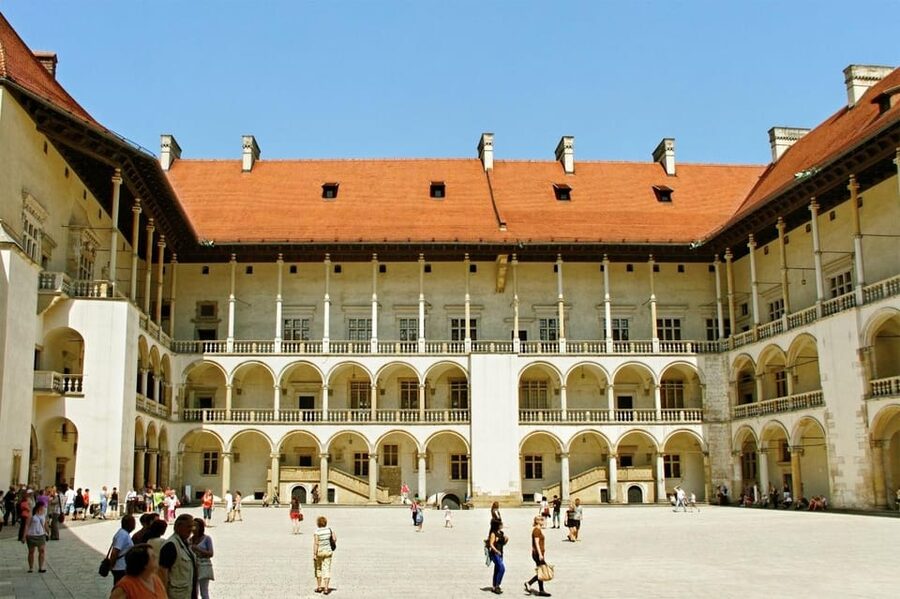
Wawel is not just one building with a ticket desk. It is a cluster of royal, religious, and museum spaces, each with its own entrance, rules, and historical role. Without context, you can admire the courtyards and paintings yet miss why the hill matters so much to Poland.
This is where the guide earns the fee. A good guide connects monarchs, coronations, marriages, national heroes, and burials into one clear account. The strongest guides on this tour, including Helena, Anna, and Jacek on various departures, have been praised for making Polish history easy to follow without turning the visit into a lecture.
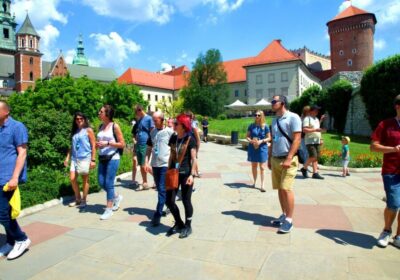
The tour is conducted in one language chosen at booking: English, German, French, Polish, Italian, or Spanish. Groups can reach 30 people under museum rules, though some departures are much smaller. A group of only two or four people has been possible, while larger groups receive headsets when there are at least nine participants.
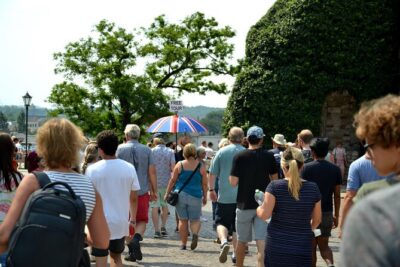
That range matters. A small group allows more questions and a closer exchange with the guide. In a full group, headsets help you hear, but you will have less freedom to pause. Either way, the guide keeps the party moving through a site where timing and ticket availability matter.
More Wawel Castle tours in Krakow:
- Krakow: Wawel Castle & Cathedral Guided Tour
★ 4.7 · 2,111 reviews - Old Town Krakow & Wawel Castle Walking Tour
★ 5.0 · 1,508 reviews - Krakow: Wawel Royal Hill with Optional Castle and Cathedral
★ 4.2 · 1,220 reviews
Meeting at St. Mary Magdalene Square
Your starting point is the Piotr Skarga Monument on St. Mary Magdalene Square. This is not on Wawel Hill, so allow time to identify the correct monument and find the person holding a Wawel Castle and Cathedral Guided Tour sign.
Arrive at least ten minutes early. Once the group has entered, late arrivals cannot join, and the ticket is non-refundable. This is one of the few parts of the outing that demands strict attention. Do not stroll directly to Wawel and assume you can meet the group there.
Wear comfortable shoes. You will walk between rooms and religious spaces, and the tower visit includes stairs. Places of worship and selected museums require clothing that covers your shoulders and knees, so leave shorts and sleeveless tops for another part of the day.
Inside the State Rooms and castle collections
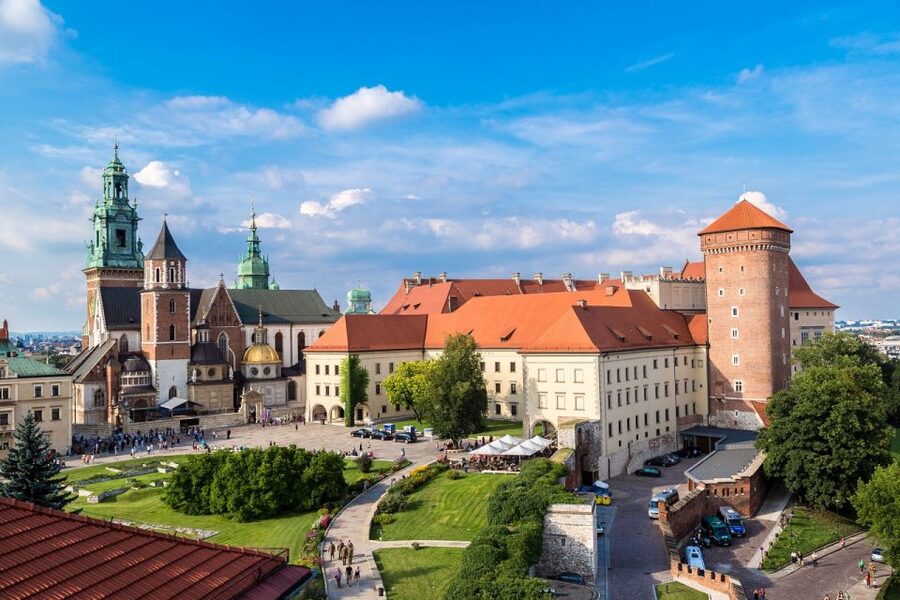
The castle portion introduces you to Wawel as a royal residence and a museum. The State Rooms are the visual highlight for many people, with Renaissance details, formal interiors, elaborate wall hangings, and works of art that show the court’s taste and international connections.
The guide helps you read the rooms rather than simply pass through them. Look for the way furniture, paintings, decorative objects, and architectural details work together to create a royal setting. The value is not only in seeing old rooms. It is in understanding how the castle functioned as a center of political power and ceremony.
The tour also touches collections of porcelain, weapons, and Eastern art. One especially unusual feature is the large collection of Ottoman tents, described as the biggest in Europe. That detail gives the castle a wider reach than a standard royal residence. Poland’s links with neighboring powers and distant cultures become visible through objects, not just dates and names.
The Lanckoroński collection of Italian paintings adds another layer. If you enjoy art, this section may be the strongest reason to choose the castle and cathedral combination rather than a simple walk around the hill. The guide can explain what you are seeing and place the works within the castle’s larger story.
There is one practical limitation. The fast-track entry covers one permanent Wawel Castle exhibition, with availability varying by departure. The tour description features the State Rooms and several collections, but you should not assume that every permanent gallery is part of your ticket. If you want a particular exhibition, check the details for your chosen date before booking.
Some visitors may find the castle less furnished than expected. This is not a grand theatrical palace in every room, with complete bedrooms and dining halls waiting around each corner. The emphasis is often on architecture, art, selected objects, and the explanation of what was lost or changed over time. A guide is especially useful here, since the setting alone may not tell the whole story.
Wawel Cathedral and the royal chapels
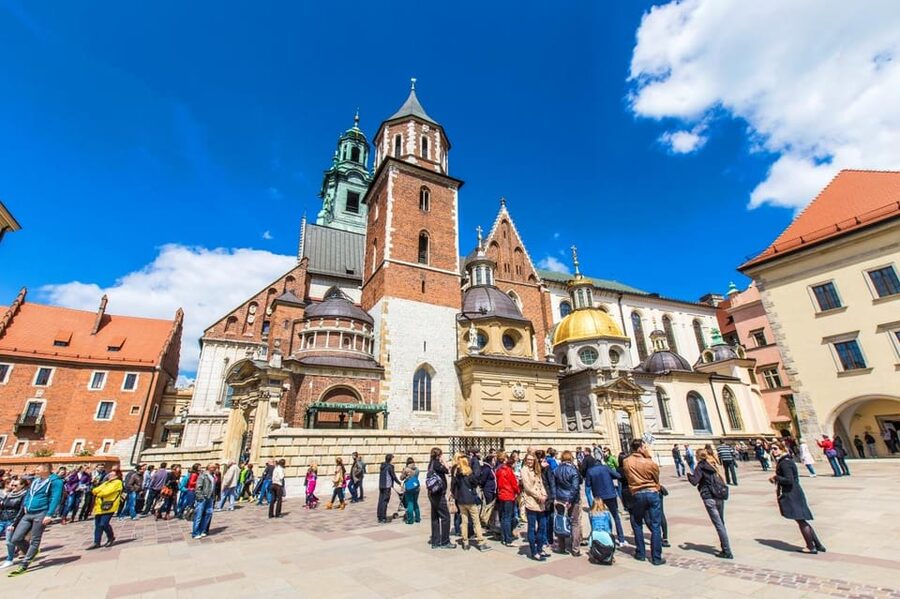
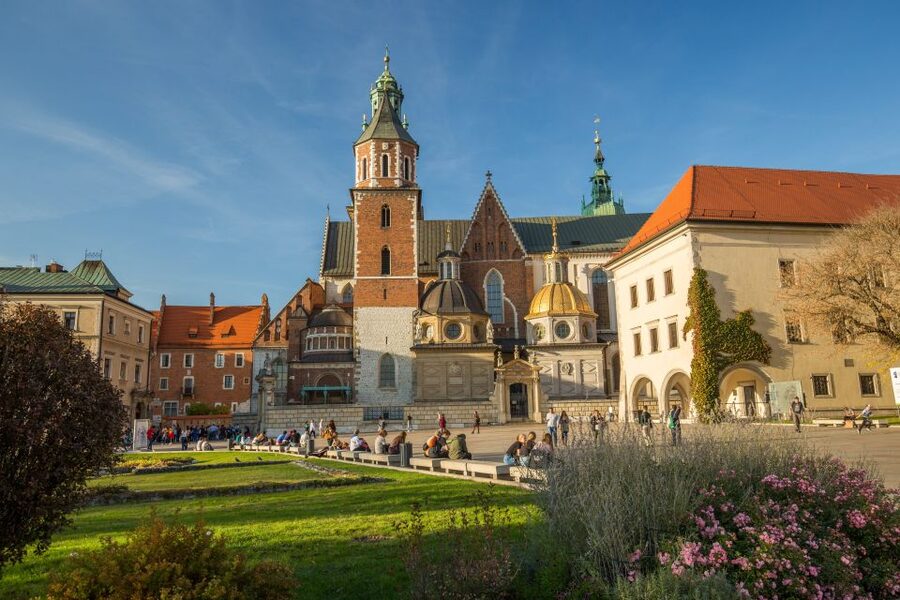
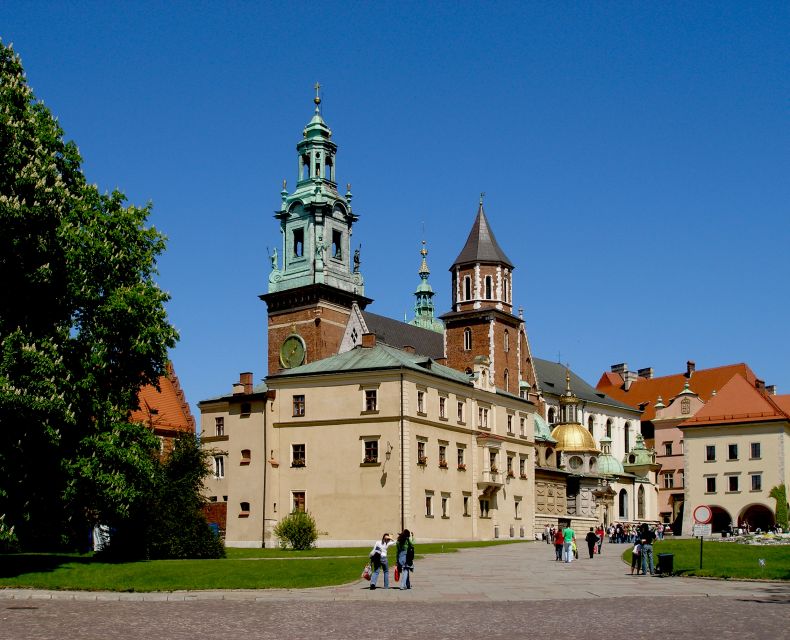
The Cathedral shifts the tone from court life to national memory. Polish monarchs were crowned, married, and buried here, and the building contains chapels, domes, tombs, and memorials tied to major figures in the country’s past.
I find this part more intimate than the castle rooms. The royal sarcophagi make the history feel physical. You are no longer looking only at paintings and furnishings. You are standing among the burial places of rulers and national heroes, inside a functioning place of worship with its own dress rules and sense of quiet.
The chapels reward close attention. Golden details, carved decoration, and varied architectural styles show how the cathedral changed over centuries. Your guide explains which spaces matter and why, helping you avoid the common problem of looking at a beautiful chapel without knowing its place in Polish history.
Access to the Cathedral can feel crowded at times, especially around busy visiting periods. The tour continues at a practical pace, but you may not have long stretches for silent viewing or photography. Several past participants have wished for more time, particularly for the views and the castle interiors. That is the tradeoff for seeing both major sites in one compact outing.
A handful more Krakow trips to weigh up
- From Krakow: Auschwitz-Birkenau Guided Tour & Hotel Pickup
★ 4.5 · 33,358 reviews - From Krakow: Auschwitz-Birkenau Guided Tour & Hotel Pickup
★ 4.5 · 29,340 reviews - Krakow: Auschwitz Guided Tour with Optional Hotel Pickup
★ 4.5 · 15,280 reviews - Krakow: Auschwitz-Birkenau Guided Tour with Pickup & Lunch
★ 4.5 · 9,800 reviews
The Sigismund Bell and Krakow from above
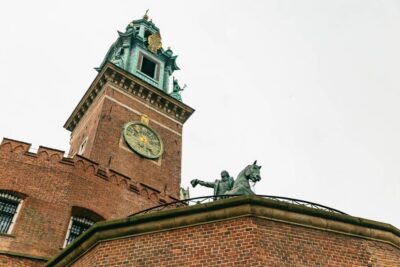
The tower climb is one of the tour’s most memorable details. You go up to see the Sigismund Bell, traditionally touched for good luck, and to look out across Krakow.
The bell itself gives the visit a human ritual. After so much formal history, placing your hand on an object connected with generations of Polish memory makes the experience feel personal. The view adds another reward, letting you see Krakow from above rather than only from street level.
The climb does require stairs, and the schedule may limit how long you can stay at the top. One of the clearest practical lessons from the feedback is to take your photos promptly and make the most of the viewpoint. If you want extended time for city views, you may find the tour’s two-hour format a little tight.
Still, I would not skip this part. The bell and panorama break up the indoor touring and give you a strong visual sense of Wawel’s position at the heart of Krakow.
The royal crypts beneath the Cathedral
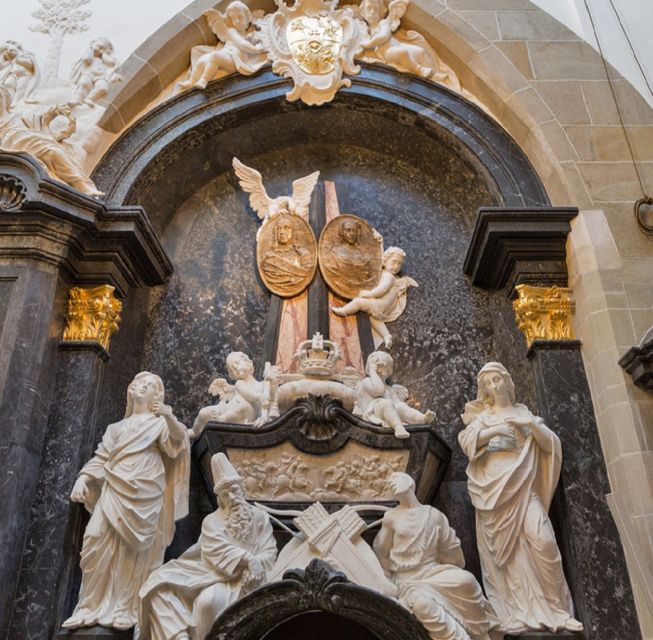
The tour then descends to the royal crypts, where many of Poland’s rulers and important national figures rest. This is a darker, quieter counterpart to the bright chapels and formal rooms above.
The crypts provide the clearest link between Wawel and Polish national identity. The castle tells you how power was displayed. The Cathedral shows how power was sanctified. The crypts show how that memory was preserved after death.
You may find this section especially meaningful if you are interested in political history, monarchy, or the way nations remember their leaders. It also helps explain why Wawel remains more than a museum complex. The hill continues to carry religious and national importance.
The guide’s role is valuable here because the names and dates can quickly blur together. A well-paced explanation gives you the main figures without forcing you to memorize a long list. Guides have been praised for keeping the information clear, adding humor when appropriate, and making the two hours feel full without becoming chaotic.
A two-hour pace, and what you will miss
Two hours is a sensible length for a first visit. You see the castle, Cathedral, bell tower, and crypts without giving up an entire day. The pace is usually brisk but manageable, with time for photos and questions.
You should think of this as a focused introduction, not a complete museum visit. The permanent exhibition included can vary, and Wawel contains more art and historic material than any short guided tour can cover. If you are a serious museum visitor, you may want to return independently for additional exhibitions.
The compact schedule works best for a first day in Krakow, a short city break, or anyone who wants the essential story before exploring on their own. It also suits families and teenagers who might lose interest during a much longer museum visit. A 15-year-old has found the format engaging, helped by the guide’s use of clear stories rather than a heavy stream of dates.
The tour is less suitable if you want a slow, contemplative visit with long time in every room. It is also not ideal for anyone who dislikes stairs or needs a highly flexible pace. Museum regulations limit group size, but a group of up to 30 can still feel busy in narrow rooms and crowded cathedral areas.
Is $57 a fair price?
At $57 per person, this is not the cheapest way to see Wawel. You are paying for entry, a certified local guide, priority access to one permanent castle exhibition, Cathedral admission, and the structure of a timed two-hour visit.
The value depends on what you would otherwise do. If you are comfortable sorting out separate tickets, choosing an exhibition, and researching Polish royal history yourself, you may prefer an independent visit. You will have more control over the pace and may spend longer in the rooms that interest you.
For most first-time visitors, the guide makes the price easier to justify. Wawel’s importance is not always obvious from its objects alone, and the best guides explain missing furnishings, royal ceremonies, changing collections, and the Cathedral’s national role. You also avoid the uncertainty of entering without knowing which exhibition or queue applies to your ticket.
The fast-track access is useful during busy periods, though it does not mean every part of the complex will be empty. You still need to follow museum regulations and keep pace with the group. Reserve now and pay later is available, and cancellation is free up to 24 hours before the start time, which helps if your Krakow schedule is still shifting.
Who will get the most from this tour?
I would choose this experience if you want the main Wawel story in one clear visit. It is a good fit for:
- First-time visitors to Krakow who want an efficient introduction
- People interested in monarchs, coronations, art, and national memorials
- Families with older children or teenagers
- Visitors who prefer explanation over reading labels alone
- Anyone who wants the bell tower and royal crypts included in a guided route
- Short-break visitors who cannot spare half a day for a larger museum visit
Art lovers will appreciate the Italian paintings, Renaissance interiors, porcelain, weapons, and Eastern collections. History students may especially enjoy the way the guide links the castle, Cathedral, and crypts. The tour also suits people who want a lively explanation, as guides such as Helena and Anna have been praised for passion, clarity, and a well-judged walking pace.
You may want another plan if you need lots of time for photography, quiet reflection, or every castle exhibition. The tour is an overview with strong highlights, not a private visit through the entire Wawel complex.
Should you book the Wawel Castle and Cathedral tour?
I would book it if this is your first time at Wawel and you want the essential sites explained in plain language. The Cathedral, royal crypts, State Rooms, and Sigismund Bell give you a satisfying cross-section of Krakow’s royal and national story.
Book with two points in mind: meet at the Piotr Skarga Monument, not at Wawel Hill, and arrive early. Wear comfortable, modest clothing, keep your expectations realistic about the two-hour limit, and treat the tour as a well-organized introduction rather than the final word on the castle.
For $57, the strongest value is the guide. You are not simply buying entry to impressive buildings. You are buying a sensible route through a complicated site, with the stories that make the rooms, chapels, bells, and tombs matter.
FAQ
How long does the Wawel Castle and Cathedral tour last?
The tour lasts two hours. Starting times vary, so check availability when booking.
Where is the meeting point?
Meet at the Piotr Skarga Monument on St. Mary Magdalene Square. The meeting point is not on Wawel Hill, and your voucher provides the exact location.
Which languages are available?
Tours are offered in English, German, French, Polish, Italian, and Spanish. Each group tour is conducted in one language chosen at booking.
Is skip-the-line access included?
Yes. The tour includes fast-track access to one permanent Wawel Castle exhibition, though the specific exhibition can vary by availability. Cathedral admission is also included.
What should I wear and bring?
Bring comfortable shoes. Clothing must cover shoulders and knees in places of worship and selected museums, so shorts and sleeveless tops are not permitted.
What happens if I arrive late?
You should arrive at least ten minutes before the scheduled start. After the group enters, late arrivals cannot join, and the tickets are non-refundable.
Just added around Krakow
- From Krakow: Zakopane and Dunajec River Rafting Tour★ 4.6 · 31 reviews
- From Krakow: Zakopane Full-Day Tour with Lunch Option★ 4.4 · 62 reviews
- From Krakow: Zalipie and Painted Village Guided Tour★ 4.0 · 4 reviews
- From Krakow: Zakopane and the Tatra Mountains★ 4.7 · 36 reviews
- From Krakow: Zakopane and Gubałówka Cable Car Private Tour★ 4.3 · 12 reviews
- From Krakow: Zakopane Tatra Mountains & Hot Springs Tour★ 3.0 · 29 reviews
- Zakopane & Tatra Mountains Private Full-Day Tour from Krakow★ 4.5 · 33 reviews
- From Krakow: Hot Springs and Zakopane with Gubałówka★ 4.7 · 25 reviews
Wawel Castle Tours, compared.
Wawel Royal Hill with Optional Castle and Cathedral
Read our review →
Old Town & Wawel Castle Walking Tour in English
Read our review →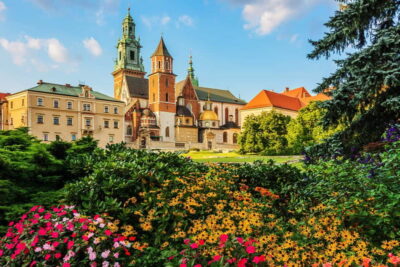
Krakow’s Essential Tour of the Old Town and Wawel Castle
Read our review →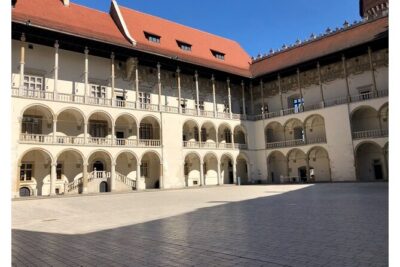
Historic Krakow : Old Town & Wawel Castle Walking tour
Read our review →Browse the lists this tour appears in