
Reviewed · SCHINDLER'S FACTORY TOURS
Krakow: Schindler’s Factory Guided Tour
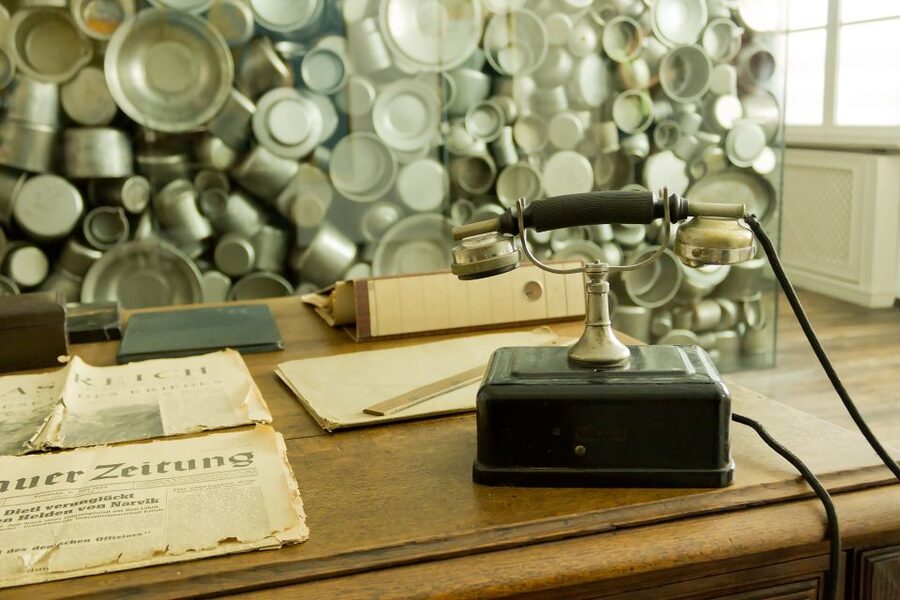
The most moving part of this tour is the way it connects Krakow’s wartime story with ordinary routines: work, family, fear, forced movement, and survival. You visit the building once used by Oskar Schindler’s Enamel Factory, including the desk still kept in his office, while a guide explains how Nazi rule changed daily life from 1939 to 1945.
I like the two-hour guided format, especially when the guide brings clear historical context and a human touch. I also like the skip-the-line entry and headsets, which help you follow the talk in a crowded museum. The main caution is that some groups have felt rushed, and the tour focuses more on Krakow under occupation than on factory operations themselves.
Key points to know before you book
- Schindler’s office and desk: See the building connected with Oskar Schindler and the desk preserved in his former office.
- Krakow from 1939 to 1945: Follow the changing lives of local citizens during Nazi occupation, including the story of the Krakow ghetto.
- Strong guide-led experience: Guides such as Barb have been praised for clear explanations, energy, and personal connections to wartime history.
- Two hours inside a popular museum: Skip-the-line admission saves time, but a busy group can make it harder to pause at every display.
- Bring physical identification: Every participant needs a passport or photo ID to enter.
- Best for older visitors: The activity is not suitable for children under 14 and is especially useful for adults and teenagers ready for serious historical material.
Why this museum matters in Krakow
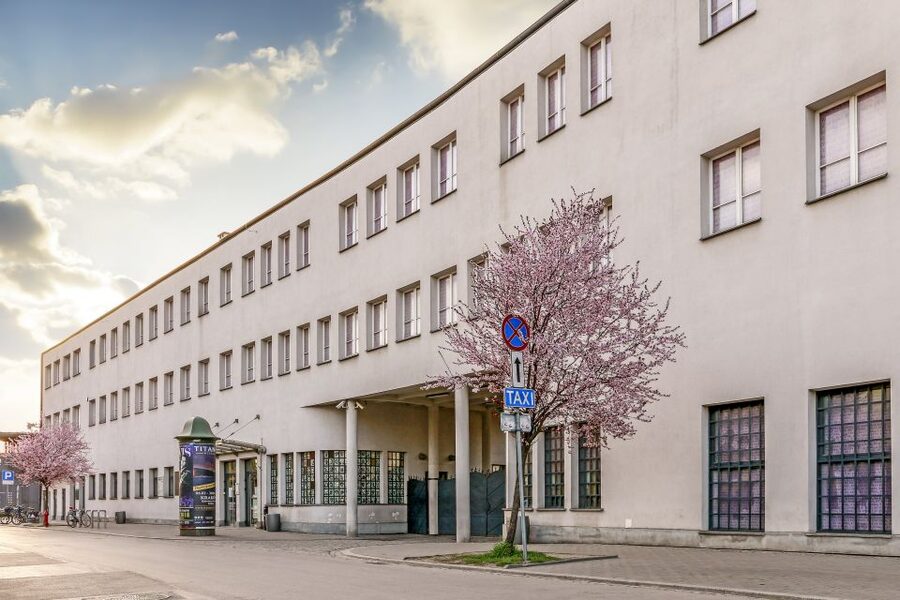
Oskar Schindler’s Enamel Factory is not simply a place connected with a famous film. It is a museum about Krakow during German occupation, and Schindler’s role is one thread in a much wider story.
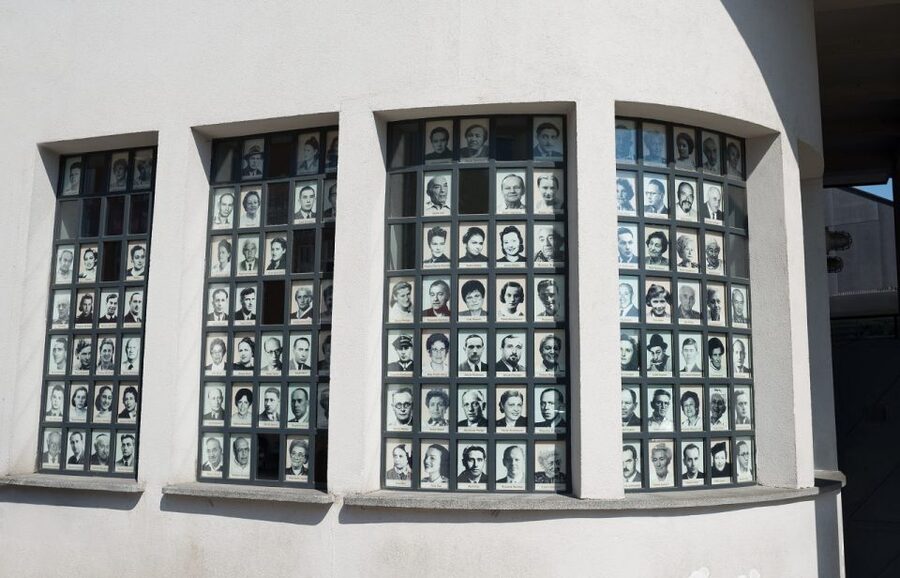
The factory was established in 1937 as Deutsche Emailwarenfabrik. After German forces invaded Poland on September 1, 1939, Schindler arrived in Krakow around September 6, when German troops entered the city. He soon took control of the factory and employed more than 1,000 Jewish people from the Krakow ghetto.
That background matters because the museum does not present Schindler as an isolated hero. The wider setting explains the pressure faced by Jewish workers, Polish residents, and families caught under Nazi rule. You learn how government orders and racial persecution reached into workplaces, homes, streets, and personal relationships.
The museum also deals with the difficult overlap between individual rescue stories and mass suffering. More than 1,200 Jewish people were saved through Schindler’s efforts, but the tour places that achievement beside the much larger destruction caused by the Nazi regime. That balance gives the visit its weight.
More ways into Schindler's Factory in Krakow:
- Krakow: Oskar Schindler’s Factory Entry Ticket & Guided Tour
★ 4.2 · 3,793 reviews - Krakow: Schindler’s Factory Tour with Entrance Ticket
★ 4.5 · 3,182 reviews - Krakow: Schindler’s Factory Skip-the-Line Ticket
★ 4.4 · 3,105 reviews
Starting outside Oskar Schindler’s Factory
Your meeting point is directly in front of the museum entrance. Look for a greeter holding a GetYourGuide banner. This is a useful arrangement because you do not need to search through the surrounding area for a separate office or ticket desk.
The guide provides your museum entry and leads the group inside. Since this is a popular Krakow attraction, skip-the-line access has real value, particularly when your sightseeing schedule is tight. It does not mean the museum will feel empty. Inside, several groups may be moving through the same rooms, and the atmosphere can become crowded.
Bring a physical passport or photo ID for every person in your party. The information provided for this tour is clear: without a photo ID, you may not be admitted. A phone image of your passport may not be enough, so carry the original document or accepted physical identification.
Large bags and luggage are not allowed inside. Pets are also prohibited, and the museum does not provide animal care. Smoking, alcohol, drugs, weapons, and sharp objects are forbidden. Flash photography and video recording are not permitted, so plan to listen and look rather than document every room.
The first part of the tour: Krakow under occupation
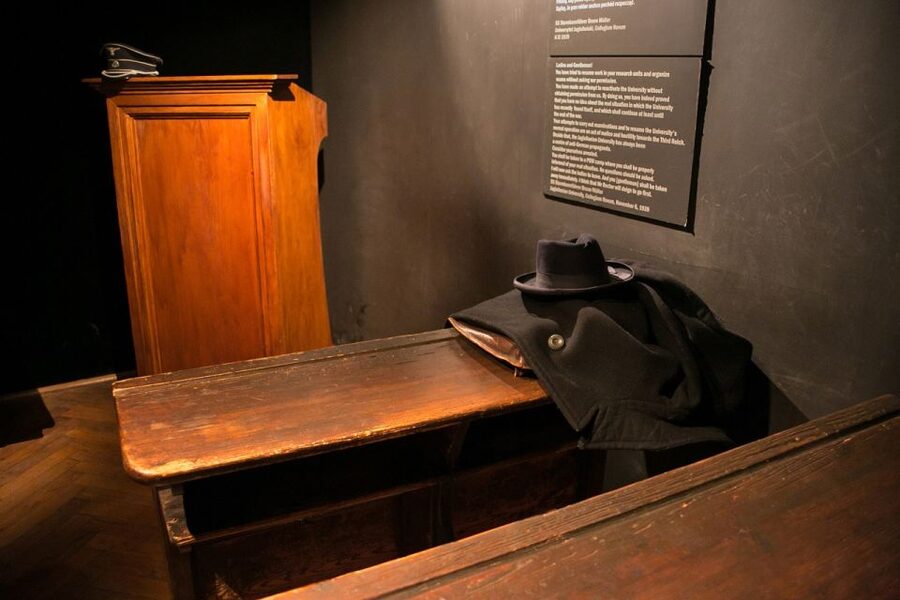
The opening section sets the scene for life in Krakow after the German invasion. Your guide explains how the occupation changed the city and how the Nazi regime affected people in very different ways.
This is where the tour’s strongest feature comes through: it links major wartime events to personal drama. You are not only hearing dates and political facts. You are also considering what those events meant for people trying to work, protect relatives, maintain homes, or simply get through another day.
The subject is serious, and the museum is not designed as a light family attraction. It covers persecution, forced labor, the ghetto, and the fate of victims. The minimum age is 14, which makes sense for the material and the tone of the visit.
A good guide can make this section easier to follow. Barb, one guide associated with the experience, has been praised for making the two hours engaging while explaining a difficult period with care. Another guide connected the subject to family experiences during World War II, adding a personal dimension without losing the wider historical picture.
That personal approach can be valuable, but it also requires balance. One account raised concern about comments that gave too little attention to the suffering of Austrians and Germans after the war. If you care about a careful treatment of postwar experiences on all sides, keep in mind that the quality and emphasis may depend on the individual guide.
The Krakow ghetto and the people behind the numbers
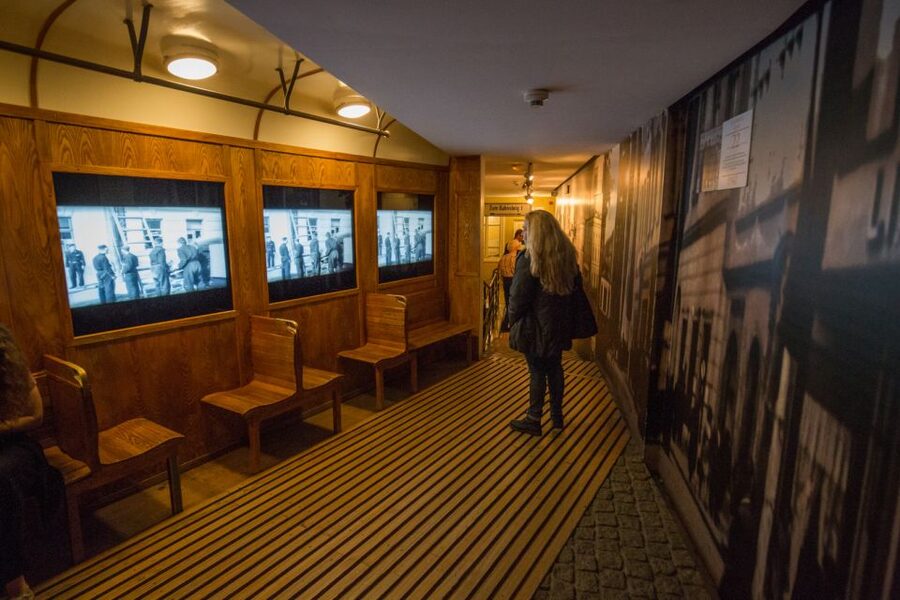
A substantial part of the tour concerns the Krakow ghetto and the Jewish population affected by Nazi policies. This section helps you understand the difference between knowing a number and grasping what that number represents.
The guide places the ghetto within the city’s wider wartime story, showing how persecution became part of everyday administration. The visit is strongest when it moves between broad events and individual lives. You hear about victims as people with families, jobs, fears, and decisions, not only as statistics.
This is also where the tour may feel less focused on the factory itself. Several participants felt the presentation gave them a strong account of the ghetto and Krakow, but not enough detail about how the factory operated. If you are mainly interested in industrial history, manufacturing, or the daily work of the enamel plant, you may find the museum’s wider occupation story more prominent than expected.
I see that as an important point when choosing this activity. The title may lead you to expect a narrow factory tour. In practice, you should book it for the history of Krakow under Nazi rule, with Schindler’s factory as the setting and Schindler’s rescue efforts as a central thread.
A handful more Krakow trips to weigh up
- From Krakow: Auschwitz-Birkenau Guided Tour & Hotel Pickup
★ 4.5 · 33,358 reviews - From Krakow: Auschwitz-Birkenau Guided Tour & Hotel Pickup
★ 4.5 · 29,340 reviews - Krakow: Auschwitz Guided Tour with Optional Hotel Pickup
★ 4.5 · 15,280 reviews - Krakow: Auschwitz-Birkenau Guided Tour with Pickup & Lunch
★ 4.5 · 9,800 reviews
Schindler’s office and the preserved desk
The factory building gives the tour a direct physical connection to Schindler. One of the most specific highlights is the office and the authentic desk associated with Oskar Schindler, still kept there.
That detail may sound small, but objects can make history more immediate. A desk is not a dramatic monument. It is an ordinary working object linked to decisions that affected the lives of more than 1,200 Jewish people. Seeing it can help you connect the famous name with a real workplace rather than a purely cinematic story.
Do not expect every minute of the visit to focus on this room. The museum uses the former factory setting to tell the story of occupation, and the guide has a limited amount of time to move the group through the displays. If you want to read every panel or spend time in each room, the guided pace may feel quick.
The best approach is to listen closely during the guide’s explanations and note which exhibits you want to revisit. That option is not always available with this booking arrangement. One participant was told that returning to the museum after the guided visit was not possible because the ticket had been booked through an outside company. If independent reading time matters to you, ask about the entry conditions before paying.
How the two-hour pace feels inside
Two hours is enough to give you a strong overview, but it is not enough for a slow, detailed reading of every exhibit. The guide has to keep the group together, and busy rooms can make the experience feel even faster.
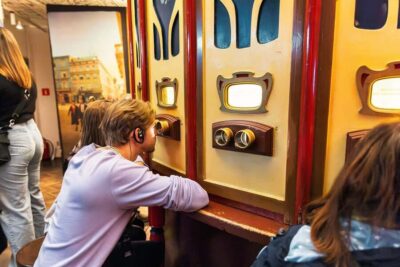
Headsets are a helpful feature. They allow you to hear the guide while standing among other groups, and they reduce the need to crowd around one person. This matters in a museum where several tours may be underway at once.
The tradeoff is simple:
- You get a clear route through a large amount of historical material.
- You can ask questions and receive live explanations.
- You may have limited time to read every display.
- A large group can make some rooms feel crowded.
- The tour may finish before the full two-hour period has passed.
That last point deserves attention. Some people found the tour ended around 90 minutes rather than the full two hours. The exact pace may depend on the guide, crowd levels, and group size, but you should not assume you will have a separate half hour to explore alone afterward.
I would choose this format if you want help making sense of the museum and prefer a structured visit. I would choose direct museum admission instead if your priority is quiet reading, long pauses, or complete control over the pace.
Guide quality makes the biggest difference
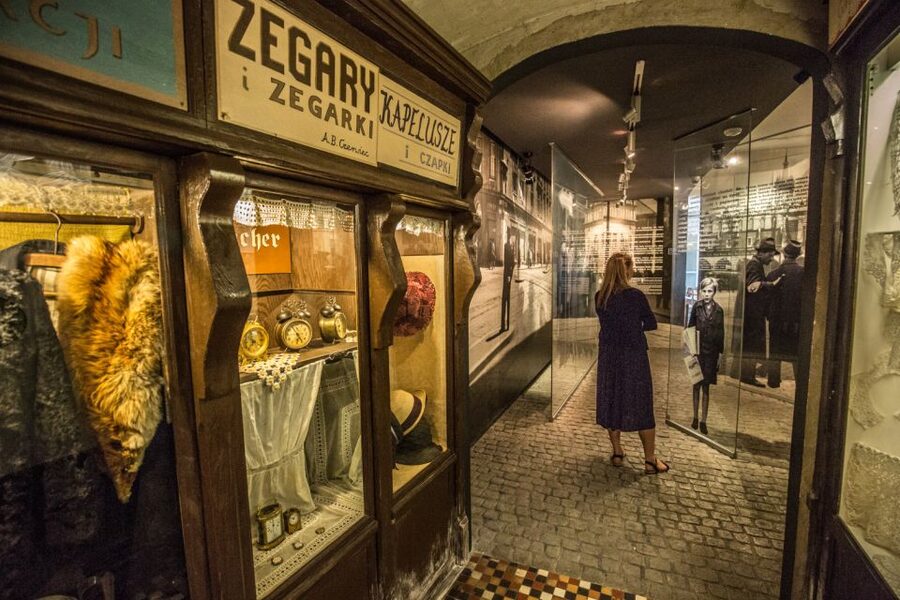
The experience depends heavily on the person leading it. The strongest guide reports describe clear explanations, strong energy, and genuine care. Barb, in particular, has been singled out for making the full two hours interesting and for using headsets well.
Another guide was praised for passion and a strong command of modern history. That matters here because the museum contains a lot of information. A flat presentation could leave you lost among dates and names, while a good guide can show how the pieces fit together.
Personal stories can also bring the material closer. One guide discussed family connections to World War II and the effect of the war on Polish people. That kind of perspective can help you understand that occupation was not an abstract event happening somewhere else.
Still, personal interpretation should not replace balance. Guides may emphasize different communities or aspects of the war. If you want a strictly even treatment of every national experience, listen carefully and compare the guide’s comments with the museum displays.
Is $42 good value?
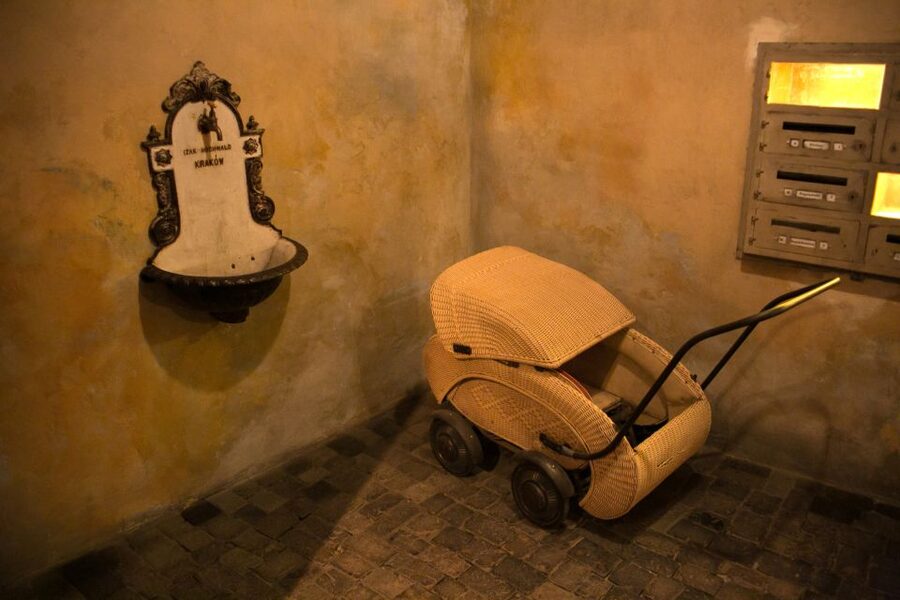
At $42 per person, this is not the cheapest way to enter a museum. You are paying for a professional guide, a tour in English or Spanish, and skip-the-line admission.
I think the price can be fair if you value historical explanation more than extra museum time. The guide helps connect the factory, the ghetto, Schindler’s workers, and the occupation into one story. For a first visit to Krakow, that structure can save you from moving through the exhibits without understanding the context.
The value is weaker if you mainly want to browse at your own pace. Since food and drinks are not included, the price covers the guided museum experience only. There is no separate meal, transport service, or additional attraction included.
The non-refundable condition also means you should be sure about your schedule before booking. Check the starting time and plan to arrive at the marked meeting point with your ID already prepared.
Who should take this tour?
I would recommend it to adults and visitors aged 14 or older who want a serious introduction to Krakow’s wartime past. It suits you if you prefer a guide to explain difficult material and keep the visit moving.
It is also a good choice if you have limited time in Krakow. Two hours gives you a focused account of the occupation without requiring you to plan the museum route yourself.
You may want another option if you dislike group tours, read every display in full, or want a technical account of enamel production. The factory setting is important, but the emphasis is on people, occupation, persecution, and rescue rather than industrial processes.
The museum is wheelchair accessible, which makes this a practical option for many visitors with mobility needs. You still need to manage the restrictions on large bags, animals, flash photography, and filming.
My advice before you go
Bring your physical photo ID and leave large luggage at your accommodation. Wear something comfortable for standing and walking through the museum, though the information provided does not specify a dress code.
Choose English or Spanish when booking, and confirm the starting time before you leave. Arrive at the factory entrance and look for the GetYourGuide banner rather than wandering around the building looking for the guide.
Most of all, set the right expectation. This is a guided history visit in Schindler’s former factory, not a narrow tour of machinery or a film-themed attraction. The most valuable parts are the links between the building, the ghetto, the occupation, and the personal choices made under extreme conditions.
Should you book it?
Book this tour if you want a well-organized, guide-led introduction to Krakow during Nazi occupation and you appreciate the context provided by a live historian. The strongest guides make difficult material clear, personal, and easier to place in the city’s wider story.
Think twice if you need generous time for reading or want a detailed factory-only visit. In that case, direct museum admission may give you more freedom. At $42, this tour is best value for you when the guide’s explanation and skip-the-line entry matter as much as seeing the building itself.
FAQ
How long does the Schindler’s Factory guided tour last?
The advertised duration is two hours. The actual guided portion may sometimes finish earlier, so do not assume you will automatically receive extra time for independent viewing afterward.
What languages are available?
The tour is available with a live guide in English or Spanish.
Where is the meeting point?
Meet in front of the entrance to Oskar Schindler’s Enamel Factory museum. A greeter will be holding a GetYourGuide banner.
Do I need to bring identification?
Yes. Every participant must bring a physical passport or photo ID. Without it, you may not be allowed into the museum.
Are children allowed on the tour?
The activity is not suitable for children under 14.
Can I take photographs or videos inside?
Flash photography and video recording are not allowed inside the museum. Large luggage, pets, smoking, alcohol, drugs, weapons, and sharp objects are also prohibited.
Just added around Krakow
- From Krakow: Zakopane Full-Day Tour with Lunch Option★ 4.4 · 62 reviews
- From Krakow: Zalipie and Painted Village Guided Tour★ 4.0 · 4 reviews
- From Krakow: Zakopane and Dunajec River Rafting Tour★ 4.6 · 31 reviews
- From Krakow: Zakopane and the Tatra Mountains★ 4.7 · 36 reviews
- From Krakow: Zakopane and Gubałówka Cable Car Private Tour★ 4.3 · 12 reviews
- From Krakow: Zakopane Tatra Mountains & Hot Springs Tour★ 3.0 · 29 reviews
- Zakopane & Tatra Mountains Private Full-Day Tour from Krakow★ 4.5 · 33 reviews
- From Krakow: Hot Springs and Zakopane with Gubałówka★ 4.7 · 25 reviews
Schindler's Factory Tours, compared.
Oskar Schindler’s Factory Entry Ticket & Guided Tour
Read our review →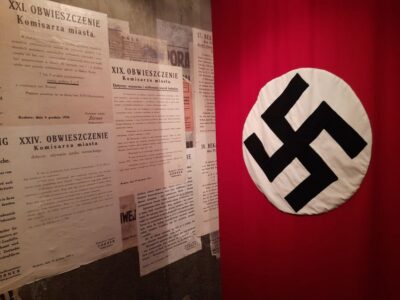
Schindler’s Factory Tour with Entrance Ticket
Read our review →
Schindler’s Factory Tour with Entrance Ticket
Read our review →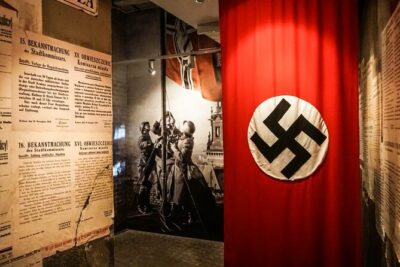
Schindler’s Factory in Krakow: Guided Tour & Skip the Line Ticket
Read our review →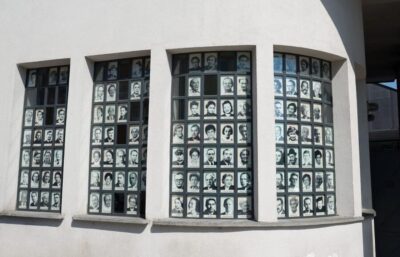
Schindler’s Factory Ticket with Guided Tour Option
Read our review →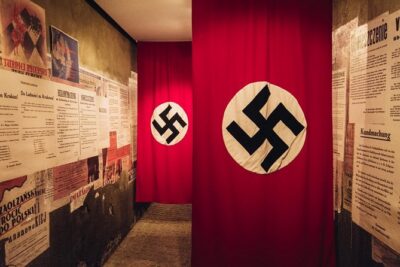
Krakow Schindler’s Factory Guided Tour with Admission Ticket
Read our review →Browse the lists this tour appears in