
Reviewed · SCHINDLER'S FACTORY TOURS
Krakow: Oskar Schindler’s Factory Entry and Guided Tour
The most powerful part of this Krakow tour is the way the museum turns wartime history into a walk through the city. You move past recreated streets, a Jewish apartment, a tram film, Schindler’s preserved office, and the striking Survivor’s Ark, made from enamel pots. I like the mix of personal evidence and physical spaces, and I like having a guide to connect the photographs, films, and objects.
The main drawback is crowding. Some rooms and walkways are narrow, and a large group can make it hard to hear or see the guide. You should also allow extra time after the 90-minute tour if you want to study the displays on your own, since the guided visit moves at a set pace.
Key points to know before you go
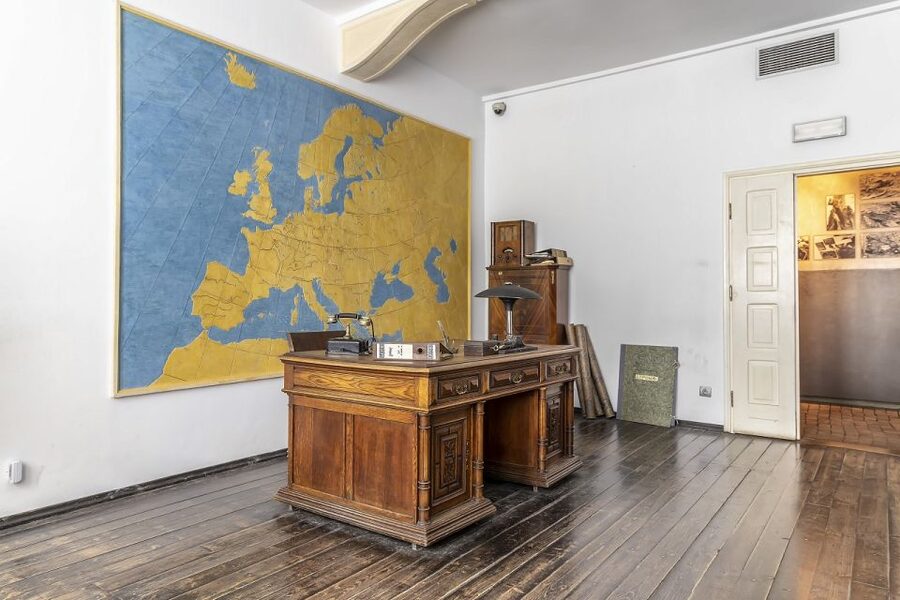
- Schindler’s preserved office gives the visit a direct link to the factory’s wartime story.
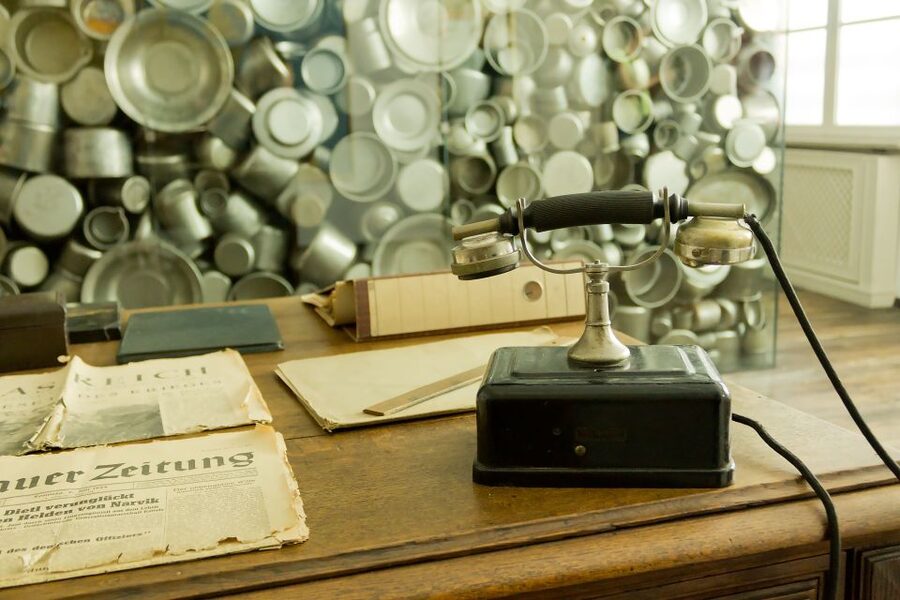
- The Survivor’s Ark uses thousands of enamel pots to create one of the museum’s most memorable visual symbols.
- A recreated Krakow tram helps show what daily life looked like during the Nazi occupation.
- The Hall of Choices focuses on the moral decisions people faced under extreme pressure.
- Skip-the-line entry saves time at a busy museum, though it does not guarantee a quiet visit inside.
- Six tour languages are available: English, French, German, Italian, Spanish, and Polish.
Why Schindler’s Factory matters in Krakow
Oskar Schindler’s Enamel Factory is more than a stop connected to Steven Spielberg’s Schindler’s List. The museum uses the former factory and its surrounding story to explain what happened in Krakow from 1939 to 1945.
That means the focus is not only Schindler. You learn about Polish residents, Jewish families, Nazi occupiers, forced labor, and the ways the occupation broke apart Krakow’s long Polish-Jewish connections. The museum asks you to look at the city from several viewpoints, rather than treating one famous man as the whole story.
I find that approach valuable. Schindler provides an entry point, but the visit goes beyond the film. You see how political violence affected ordinary routines, homes, streets, workplaces, and family life. The result is a more useful understanding of Krakow during the war than a short visit focused only on movie locations.
The guided format helps because the museum contains many forms of evidence. Documentary photographs, eyewitness accounts, film footage, objects, and multimedia displays can be difficult to absorb without context. A professional guide gives the material a clear order and helps you understand why each room is there.
More ways into Schindler's Factory in Krakow:
- Krakow: Oskar Schindler’s Factory Entry Ticket & Guided Tour
★ 4.2 · 3,793 reviews - Krakow: Schindler’s Factory Tour with Entrance Ticket
★ 4.5 · 3,182 reviews - Krakow: Schindler’s Factory Skip-the-Line Ticket
★ 4.4 · 3,105 reviews
Starting at Lipowa 4
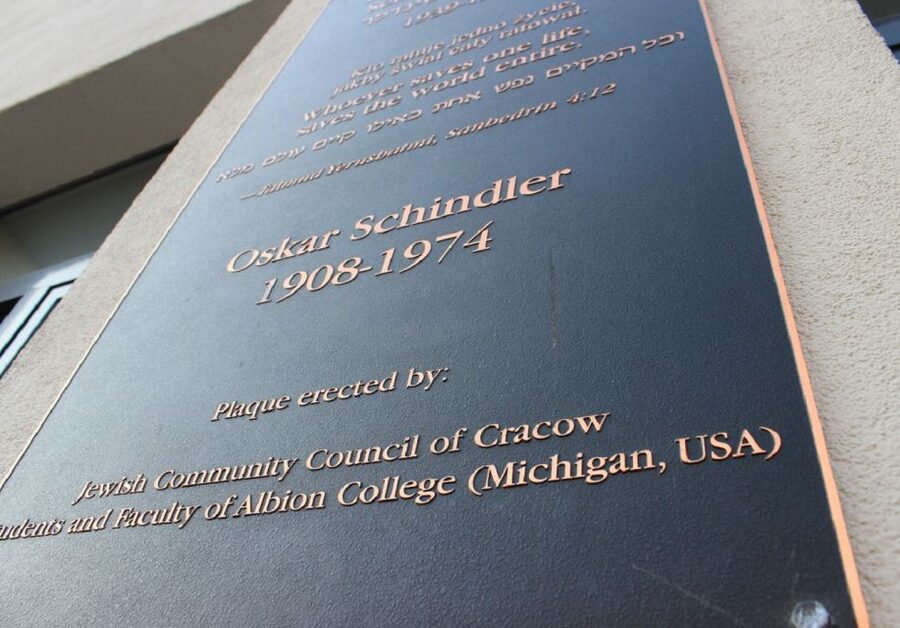
The tour begins at Lipowa 4, at the main entrance of the museum. You are asked to wait for the guide, who will hold an excursions.city sign.
This is a simple meeting point, but it matters because the factory building is part of a larger museum setting. Look for the main entrance rather than assuming that any nearby entrance is the correct place. Arrive with enough time to identify the sign and join the group before the tour starts.
The activity returns to the same location after the guided visit. You do not need to arrange transport between stops. The tour is built around the museum itself, so the practical question is not getting from place to place. It is how much time you want to spend inside once the guide has finished.
The first rooms: Krakow under Nazi occupation
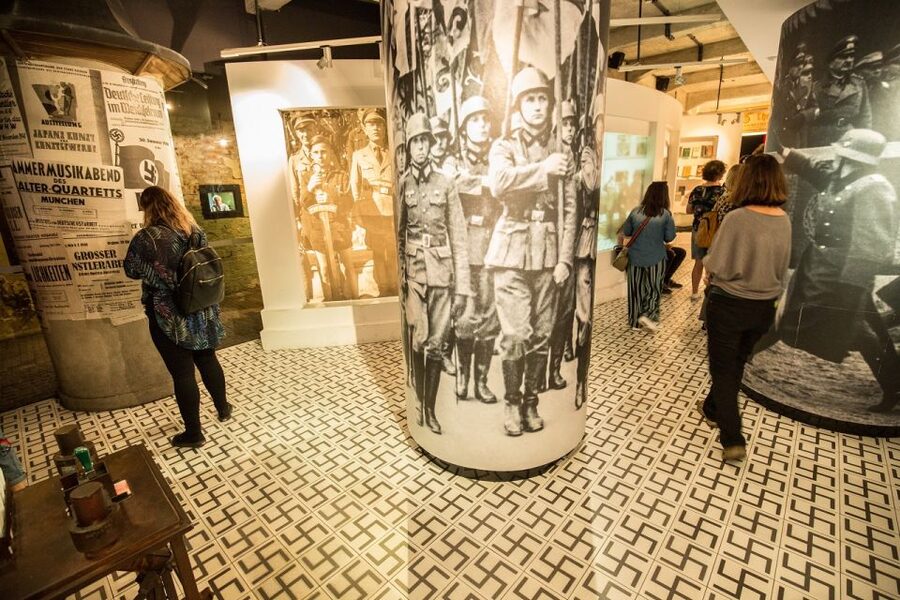
Inside, the permanent exhibition presents Krakow between 1939 and 1945. The story begins with the city and its people, then shows how Nazi rule changed daily life.
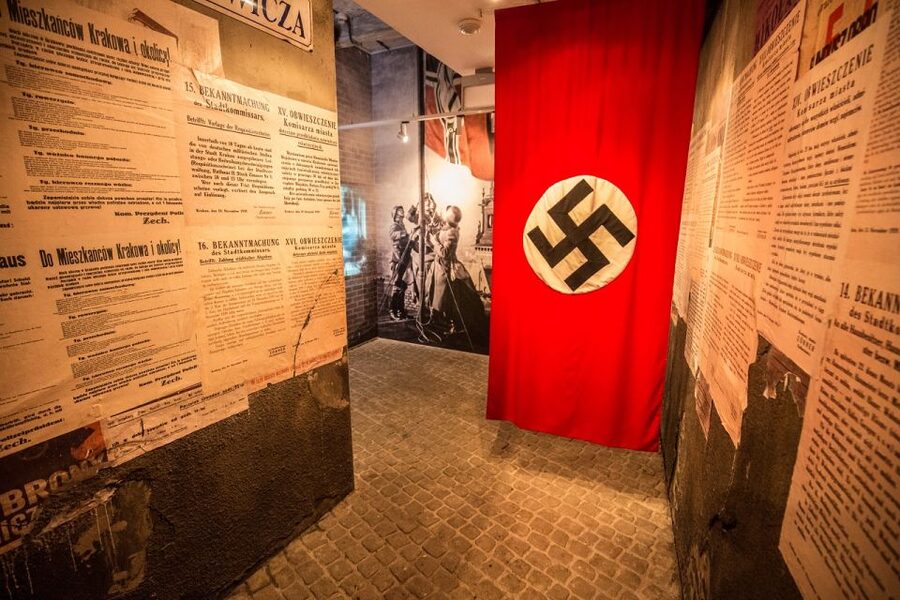
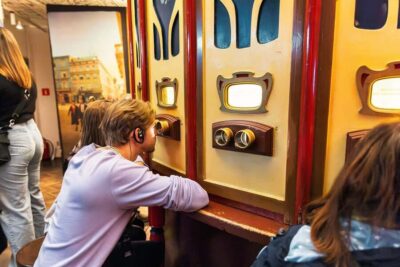
Expect photographs, eyewitness accounts, documentary films, and multimedia displays. These materials help put faces and voices to events that can otherwise feel distant. You are not simply reading dates on a wall. You are seeing how occupation entered streets, homes, jobs, and public life.
The museum also presents the experience of both Poles and Jews. That distinction is important. The Nazi occupation did not affect every person in the same way, and the exhibition does not flatten those differences into one general wartime story.
I like that the museum connects private life with larger events. A family apartment, a workplace, or a city tram can tell you how political decisions reached ordinary people. That makes the exhibition easier to follow, especially if you have limited background knowledge about Krakow during the war.
A theatrical walk through the city
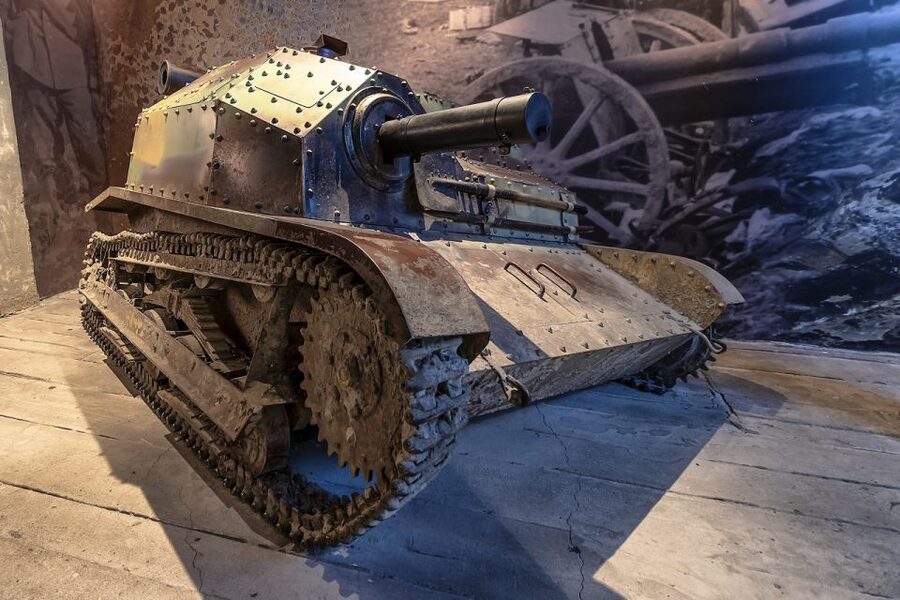
One of the more unusual parts of the exhibition is a theatrical recreation of Krakow’s historical city space. Instead of moving through only conventional gallery rooms, you pass through settings designed to suggest the city as it was experienced during the occupation.
This approach makes the visit more physical. You are not looking at the city from a distance. You move through a sequence of spaces that suggest streets, homes, and public places. The recreation is not a substitute for seeing Krakow itself, but it gives the museum a strong sense of place.
You also board a tram and watch a documentary about everyday city life. The tram is a smart museum device because it links movement through the city with the people who depended on that city to work, shop, worship, and live.
Do not expect a sightseeing tram ride through modern Krakow. This is part of the indoor exhibition, and its purpose is to show documentary material. Still, it breaks up the gallery visit and gives you a different way to take in the story.
A handful more Krakow trips to weigh up
- From Krakow: Auschwitz-Birkenau Guided Tour & Hotel Pickup
★ 4.5 · 33,358 reviews - From Krakow: Auschwitz-Birkenau Guided Tour & Hotel Pickup
★ 4.5 · 29,340 reviews - Krakow: Auschwitz Guided Tour with Optional Hotel Pickup
★ 4.5 · 15,280 reviews - Krakow: Auschwitz-Birkenau Guided Tour with Pickup & Lunch
★ 4.5 · 9,800 reviews
The Jewish apartment and the Plaszow artifacts
The recreated Jewish apartment is one of the stops that brings the exhibition into the private sphere. Instead of thinking only about camps, armies, and official orders, you are asked to consider what happened inside homes and families.
The apartment setting helps explain what was being lost. Krakow had centuries of Polish-Jewish connections, and the occupation attacked that shared urban life. A home can communicate that loss more directly than a long written explanation.
Later, the tour includes artifacts connected with the Plaszow camp. These objects carry a different weight from the apartment. The apartment shows everyday life before and during the disruption. The camp material points toward imprisonment, forced labor, and the violence of the Nazi system.
The change in atmosphere is part of the museum’s design. You move from a city made of homes and routines toward spaces that show coercion and survival. The guide’s role is especially useful here because the displays deserve careful explanation, not a rushed glance.
Schindler’s office and the Survivor’s Ark
The preserved office is the clearest physical link to Oskar Schindler himself. You enter the office inside the factory’s administrative building, where the setting helps explain Schindler’s place within the larger story.
This is not simply a celebrity room. Its value comes from seeing the workplace connected with a person whose actions became known around the world. The museum keeps Schindler in context, alongside the people affected by the occupation and the factory system.
The Survivor’s Ark is another major visual moment. Made from thousands of enamel pots, it recalls the kind of goods produced in the factory. Its shape and scale make it easy to remember, but its meaning is more important than its appearance. The installation points toward survival, memory, and the people whose lives were caught in the war.
I would not rush through this section. The office and the ark are among the places where the museum’s physical objects carry much of the emotional force. Even with a guide, take a moment to look closely before moving on.
The Hall of Choices
The Hall of Choices is a sculptural installation about the ethical decisions people faced during the war. It asks you to think about choices made under fear, pressure, loyalty, and danger.
This room gives the museum a moral focus. The exhibition is not only asking what happened. It is also asking how people responded when every option carried a cost.
That can make the visit feel heavier than a standard museum tour, but it is also one of the reasons the experience has lasting value. The Hall of Choices connects the historical material to human decisions without reducing the period to simple heroes and villains.
Your guide can help place the installation in context, but you may want a little quiet time afterward. The tour lasts 1.5 hours, and the pace may not allow much time to stop for long reflection.
What the guide adds to a 90-minute visit
A guide changes the way you use the museum. Without one, you can still see the permanent exhibition, but it may be harder to understand how the rooms connect. With a guide, the visit has a beginning, middle, and end.
The professional guide leads the group through the main spaces and explains the material as you go. The available languages are English, French, German, Italian, Spanish, and Polish. The supplied information does not name individual guides, so you should select your language when checking the available departure.
The best part of the guided format is the connection between objects. A photograph may show a street, the tram may show daily life, and an artifact may point to the camp system. The guide helps you see how these pieces belong to one story.
The limit is time. Ninety minutes is enough for a strong introduction, but not enough to study every display at length. One useful plan is to treat the guided visit as your first pass, then stay afterward to look at the cases and multimedia material that caught your attention.
Crowds, narrow rooms, and hearing the explanation
The museum’s rooms and walkways can feel tight when several groups arrive at once. This is the main practical weakness of the activity.
A large group may spread out while the guide explains an object or display. If you are standing at the back, you may be too far away to see what the guide is discussing. In one French-language visit, the group size and narrow aisles made it difficult for people at the rear to follow the explanation.
You can improve your chances by staying near the guide and moving promptly with the group. If you have trouble hearing, say so early rather than waiting until the tour is halfway finished. The skip-the-line feature gets you past the ticket queue, but it cannot remove other groups already inside.
This is also a reason to consider the starting time carefully. The activity page asks you to check availability, but it does not give fixed times in advance. Choose a departure that fits your day and, if possible, leave room afterward so you are not forced to hurry through the final rooms.
Is $45 a fair price?
At $45 per person, this is not the cheapest museum visit in Krakow. The value depends on how much help you want with the material.
You are paying for entrance, a professional guide, and skip-the-line access. That makes the price easier to justify if you have limited time in the city or want a clear explanation in your own language. Avoiding the ticket queue also matters when your Krakow schedule is tight.
The price is less attractive if you prefer to read every display slowly on your own. A 90-minute guided visit moves at a fixed pace, and the group may not pause whenever you want. In that case, the best value comes from staying after the tour and using the remaining time to explore.
I see this as a focused history visit rather than a casual museum stop. If the subject matters to you, the guide and organized route are useful. If you only have a passing interest in Schindler because of the film, you may find the full exhibition more serious and demanding than expected.
Who should book this experience?
I would recommend it to you if you want to understand Krakow during the Nazi occupation, not simply see a place associated with a famous movie. It is also a good fit if you prefer learning through a mix of film, objects, photographs, recreated spaces, and spoken explanation.
The tour suits first-time visitors who want a structured introduction. It can also work well for returning visitors who have already seen Krakow’s main sights and want to examine the city’s wartime story more closely.
You should think twice if you dislike guided groups or need a great deal of time at each display. The narrow spaces and possible crowding may frustrate you. Likewise, if you want a light museum outing, this is not the right choice. The subject is difficult, and the exhibition does not avoid the human cost of occupation.
Free cancellation up to 24 hours before the activity and reserve-now, pay-later booking give you some flexibility. Those terms are useful when your Krakow plans are still changing, but the main booking decision is simpler: do you want context and structure, or quiet independent browsing?
Should you book the Schindler’s Factory tour?
Book it if you want a serious, well-organized look at Krakow from 1939 to 1945, with the factory, Schindler’s office, the Jewish apartment, Plaszow artifacts, and the Hall of Choices tied together by a guide.
The strongest reasons are the museum’s range of evidence and the way it turns city life into something you can see and follow. The main cautions are the $45 price, the fixed 90-minute pace, and the chance of a crowded group in narrow rooms.
My practical advice is to join the tour for the explanation, stay afterward for the displays, and remain close to the guide from the start. If you can accept those limits, this is one of Krakow’s more meaningful museum visits.
FAQ
Where does the tour begin?
The tour begins at Lipowa 4, at the main entrance of the museum. Wait for the guide holding an excursions.city sign.
Where does the activity end?
The activity ends back at the meeting point at Lipowa 4.
How long does the guided tour last?
The guided tour lasts 1.5 hours.
What languages are available?
The live guide is available in English, French, German, Italian, Spanish, and Polish.
Is entrance to the museum included?
Yes. Entrance fees and a professional guide are included.
Does the tour include skip-the-line entry?
Yes. The activity includes skip-the-line access to the ticket line.
How much does the experience cost?
The listed price is $45 per person.
Can I cancel for a full refund?
Yes. You can cancel up to 24 hours in advance for a full refund.
Just added around Krakow
- From Krakow: Zalipie and Painted Village Guided Tour★ 4.0 · 4 reviews
- From Krakow: Zakopane and Dunajec River Rafting Tour★ 4.6 · 31 reviews
- From Krakow: Zakopane Full-Day Tour with Lunch Option★ 4.4 · 62 reviews
- From Krakow: Zakopane and the Tatra Mountains★ 4.7 · 36 reviews
- From Krakow: Zakopane and Gubałówka Cable Car Private Tour★ 4.3 · 12 reviews
- From Krakow: Zakopane Tatra Mountains & Hot Springs Tour★ 3.0 · 29 reviews
- Zakopane & Tatra Mountains Private Full-Day Tour from Krakow★ 4.5 · 33 reviews
- From Krakow: Hot Springs and Zakopane with Gubałówka★ 4.7 · 25 reviews
Schindler's Factory Tours, compared.
Oskar Schindler’s Factory Entry Ticket & Guided Tour
Read our review →
Schindler’s Factory Tour with Entrance Ticket
Read our review →
Schindler’s Factory Tour with Entrance Ticket
Read our review →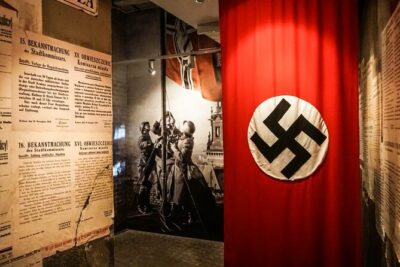
Schindler’s Factory in Krakow: Guided Tour & Skip the Line Ticket
Read our review →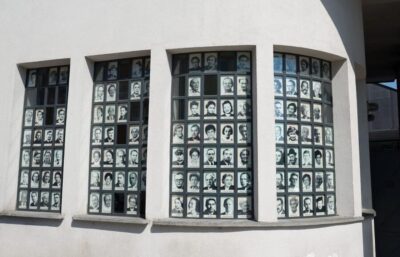
Schindler’s Factory Ticket with Guided Tour Option
Read our review →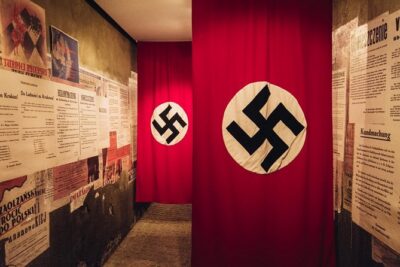
Krakow Schindler’s Factory Guided Tour with Admission Ticket
Read our review →Browse the lists this tour appears in