
Reviewed · SCHINDLER'S FACTORY TOURS
Krakow: Schindler’s Factory Tour with Entrance Ticket
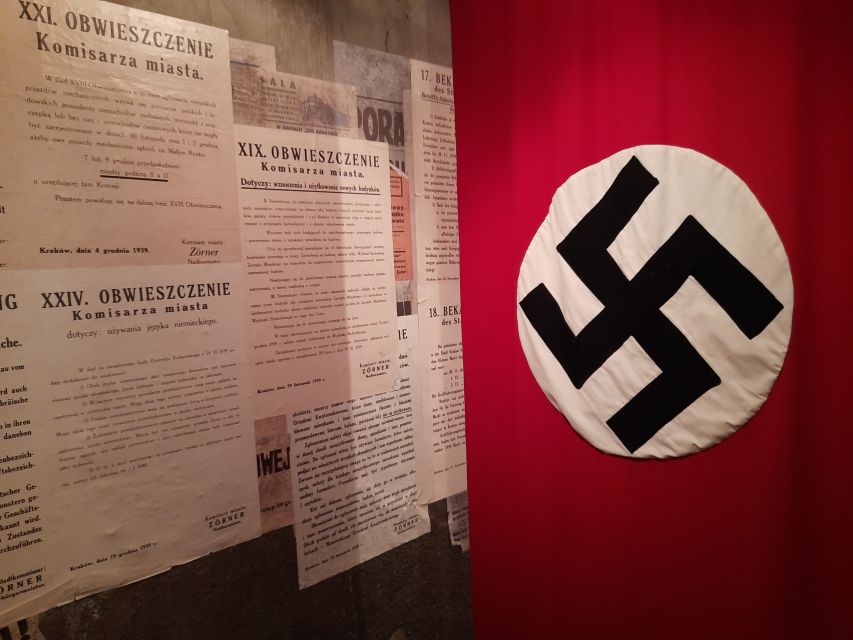
Schindler’s Factory is not mainly a museum about one heroic businessman. Its stronger story is Krakow under Nazi occupation, told through photographs, objects, reconstructions, and rooms designed to make you feel boxed in. I like the way the tour places Oskar Schindler’s actions within the larger destruction of the city’s Jewish community. I also like the licensed guides, who add context that is easy to miss when reading displays alone.
The main drawback is also clear: Schindler himself gets less attention than you may expect. The factory has no original machinery, and the narrow galleries can feel crowded, especially with the maximum group size of 25. You will learn far more about wartime Krakow than about the production process or the man portrayed in the famous film.
Key points to know before you book
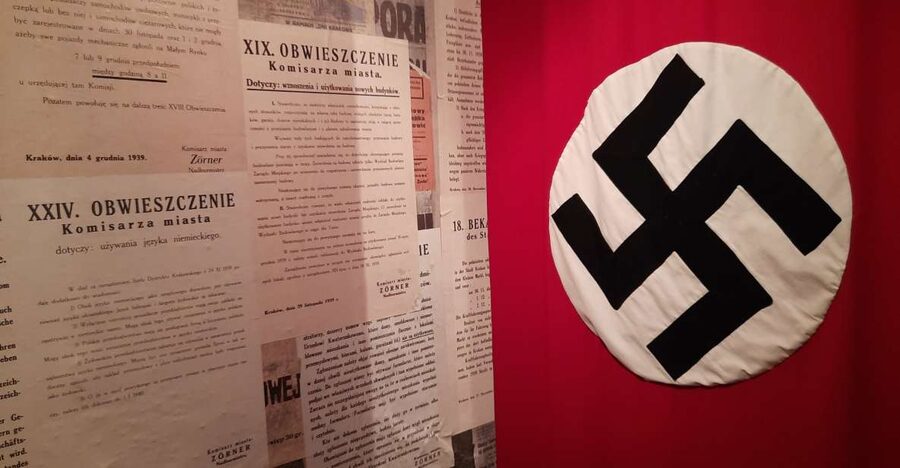
- The museum tells the story of wartime Krakow: Schindler is part of the tour, but the main focus is the city and its people between 1939 and 1945.
- The guided format adds real value: Guides such as Anna, Helena, Kinga, Joanna, and Dominique have been praised for clear explanations, personal stories, and strong command of English.
- The 90-minute visit moves at a firm pace: You see the main displays, but you may not have much quiet time to read every photograph or panel.
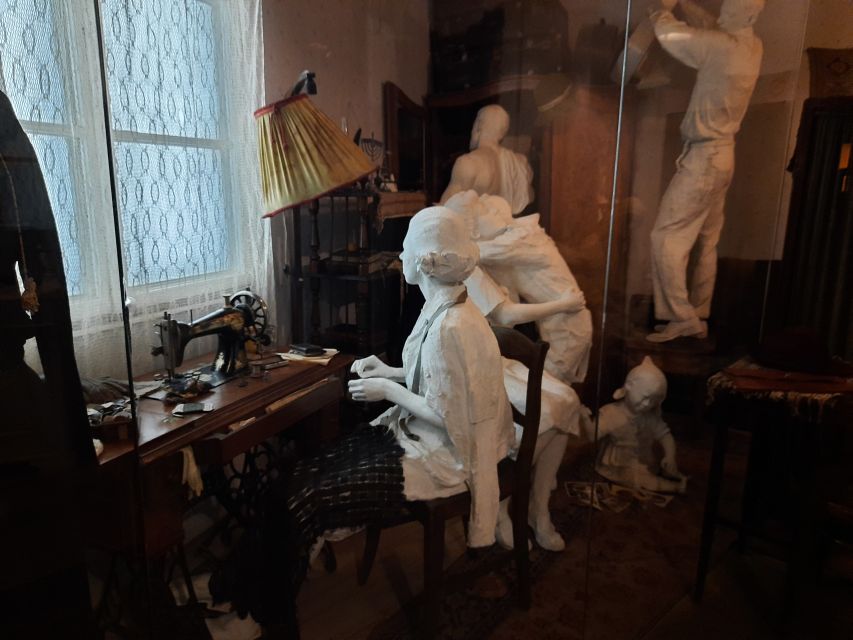
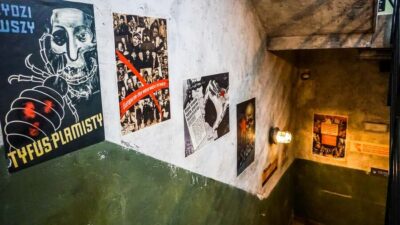
- The setting is deliberately uncomfortable: Narrow corridors, dim rooms, and symbolic design details recreate a sense of pressure and confinement.
- A timed ticket matters: A queue can be lengthy, while this tour lets you enter with your group at the arranged time.
- Bring matching identification: Museum tickets are personalized, and the name on your ticket must match your ID.
What this Schindler Factory tour is really about
The name naturally brings the film Schindler’s List to mind. That can set up the wrong expectation. At Oskar Schindler’s former enamel factory, you will not spend 90 minutes following a simple biography of Schindler or touring a preserved industrial plant.
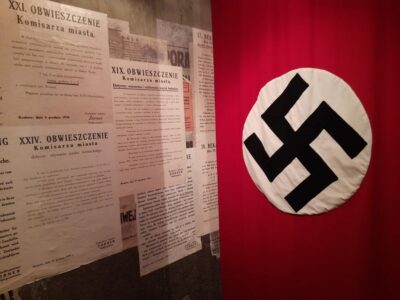
The main exhibition is called Krakow under Nazi Occupation 1939 to 1945. It looks at how the German occupation reshaped the city, affected Jewish and non-Jewish residents, and destroyed the fabric of everyday life. Schindler’s story appears within that setting, which makes it more meaningful.
I prefer this approach. A museum about Schindler alone could turn history into a tidy story about one good man. Here, his factory is part of a much larger picture of persecution, forced labor, deportation, resistance, survival, and loss. You see the scale of the catastrophe, then consider the choices made by individuals inside it.
That said, you should book with the right expectations. If your main aim is to see machinery, factory floors, or a detailed account of Schindler’s business, this will not deliver that. The building once housed his factory, but it is now a museum, and the original industrial equipment is not on display.
More ways into Schindler's Factory in Krakow:
- Krakow: Oskar Schindler’s Factory Entry Ticket & Guided Tour
★ 4.2 · 3,793 reviews - Krakow: Schindler’s Factory Skip-the-Line Ticket
★ 4.4 · 3,105 reviews - Krakow: Schindler’s Factory Tour with Entrance Ticket
★ 4.6 · 1,737 reviews
Entering the former enamel factory
The tour begins outside the museum, where you meet your guide before entering. The meeting point can vary according to the option you book, so check your confirmation carefully. Arrive at least 10 minutes early. Once the group has left, latecomers may not be admitted and the ticket cannot be refunded.
This timing matters because Schindler’s Factory is one of Krakow’s most visited museums. A timed group admission can save you from waiting in a long public queue. One visitor reported seeing a line of about an hour and a half while the booked group went straight in at its time slot. That is a strong reason to reserve ahead, particularly on a busy day.
The guide will hold a sign or laminated card identifying the tour operator. This makes the meeting easier, though you still need to allow time to find the correct group. Tours operate in English, Italian, Spanish, French, or German, and each group uses only one language.
The museum limits each group to 25 people. That limit keeps the tour manageable, but it does not make every room spacious. The galleries are narrow in places, and several people have found a full group a little tight. If your group is large, stand close enough to hear and be prepared to keep moving with the guide.
The opening galleries and the changing city
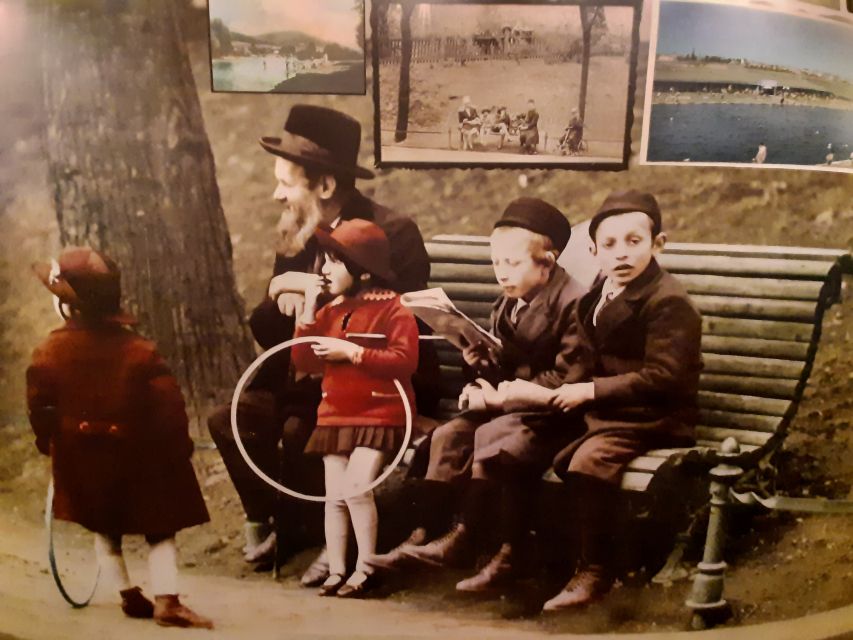
The first part of the exhibition sets up Krakow before and during the occupation. This is important because the museum is not asking you to view the war as an isolated series of dramatic events. It shows a city with ordinary routines, communities, streets, workplaces, and family life before those things were disrupted.
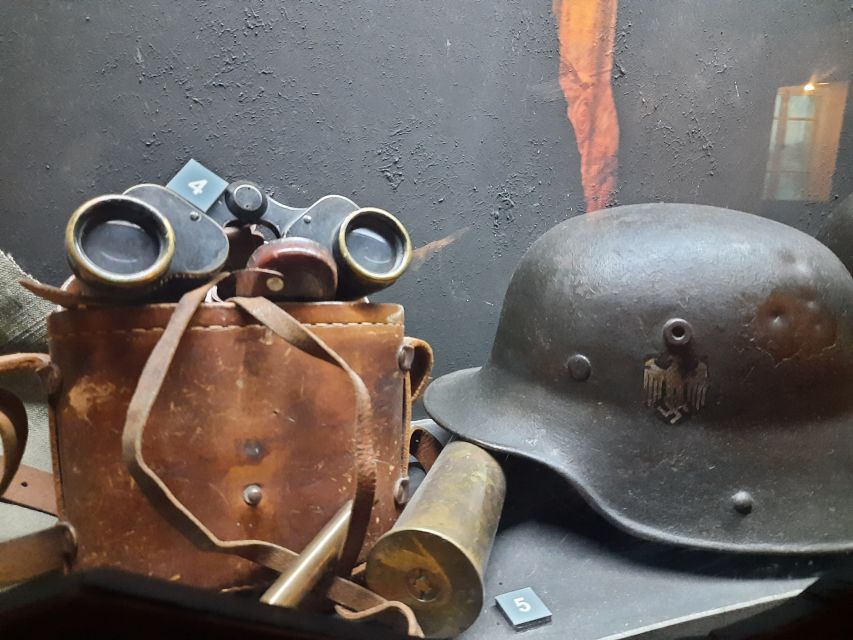
Original photographs and objects help place the story in real surroundings. You begin to see Krakow not as a backdrop to Schindler’s life, but as a community under pressure. The exhibition then leads you toward the German occupation and the changing rules imposed on the population.
Your guide does much of the connecting work. Without guidance, you can read labels and look at displays, but it may be harder to understand how one stage of the occupation led to the next. A good guide explains what you are seeing, points out details, and gives the individual stories enough space to feel human rather than abstract.
Several guides have been singled out for their presentation style. Anna gave one visitor a near-private tour when the expected group did not form. Helena was praised for bringing passion and personal feeling to the subject. Kinga was noted for clear English and for explaining the museum’s focus at the start. Joanna, Dominique, Agnieszka, Ivana, and others have also been praised for making difficult material easier to follow.
Guide quality can vary in tone, of course. One person found the delivery a little accusatory, while most descriptions emphasize warmth, clarity, and feeling. If you want a neutral, purely factual museum visit, the personal style of some guides may be more direct than expected.
The Jewish experience and life under occupation
The most powerful part of the tour is the focus on daily life under Nazi rule. The exhibition gives attention to both Jewish and non-Jewish residents, but the destruction of Krakow’s Jewish community is central to the story.
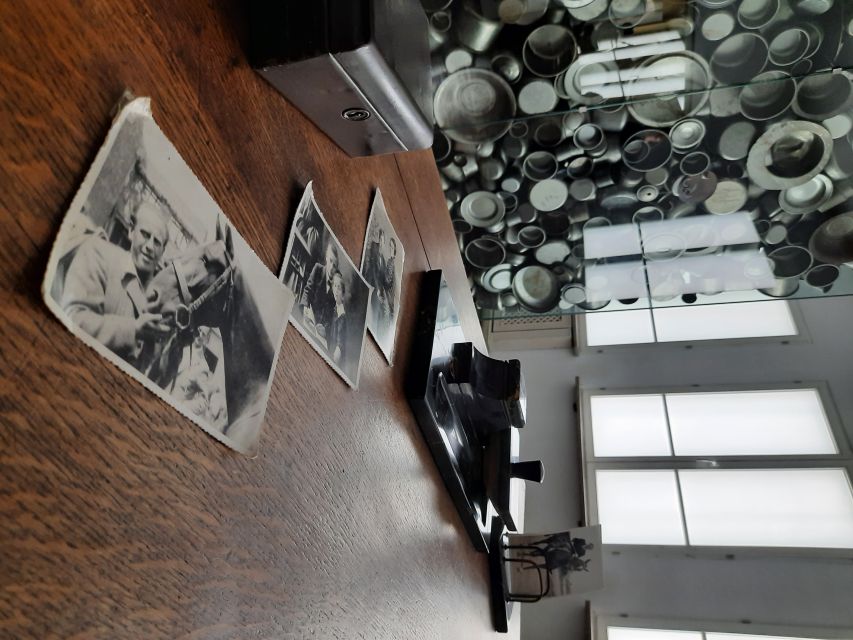
You learn about persecution, restrictions, deportations, and the shrinking space available to Jewish families. The photographs and surviving objects make the story painfully concrete. Some images are disturbing. This is not a light museum stop, and you should not schedule it when you are looking for a cheerful break between cafés and sightseeing.
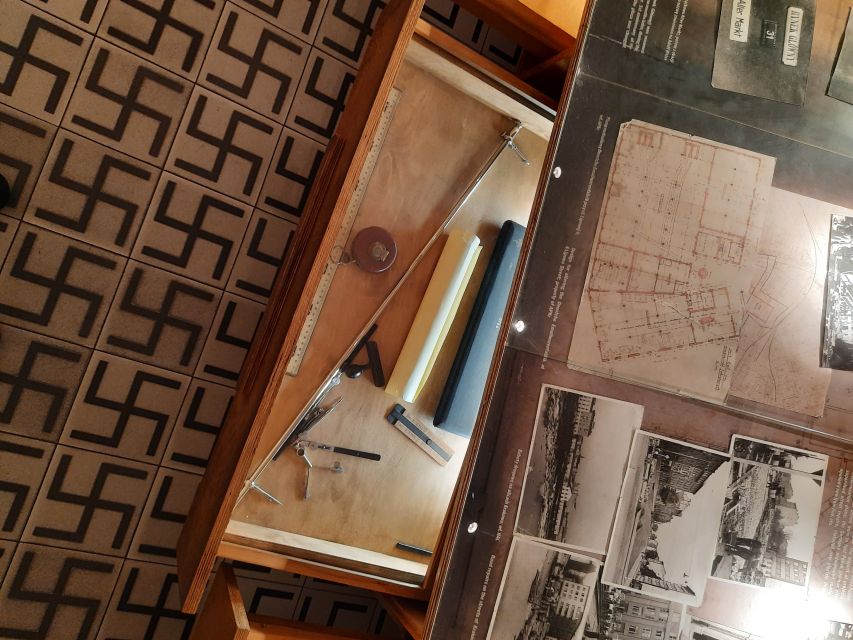
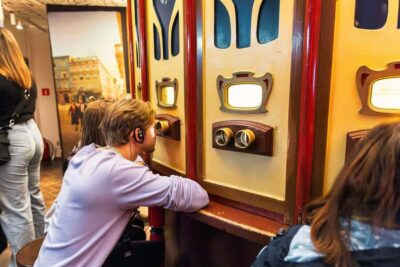
The exhibition’s design adds to the effect. Some areas use narrow passages and dim lighting. The enclosed spaces are meant to echo the fear and lack of control experienced during the occupation. One guide even explained symbolic features such as a soft or uneven floor, showing that the museum’s design is not accidental decoration.
I find this approach effective, though it will not suit everyone. The physical setting can make the visit more affecting, but it can also feel intense, especially when the museum is crowded and people are trying to pass through. Parents bringing older children or teenagers should decide in advance whether the subject matter and enclosed layout are appropriate. The tour can be educational for a teenager, particularly because the guide explains the displays rather than leaving a young visitor to read dense panels alone.
A handful more Krakow trips to weigh up
- Krakow to Auschwitz Birkenau Guided Tour with Transfer and Ticket
★ 5.0 · 8,197 reviews - Krakow: Wieliczka Salt Mine Fast-Track Ticket & Guided Tour
★ 4.5 · 5,872 reviews - Auschwitz Birkenau Guided Tour with Ticket Hotel Pickup Small Van
★ 5.0 · 4,769 reviews - From Krakow: Wieliczka Salt Mine Tour & Skip the Line Ticket
★ 4.4 · 3,925 reviews
Where Oskar Schindler fits into the story
Schindler appears as one person operating inside a brutal system. His enamel factory provided refuge to more than 1,000 Jewish workers, and the tour explains his role alongside the wider persecution taking place in Krakow.
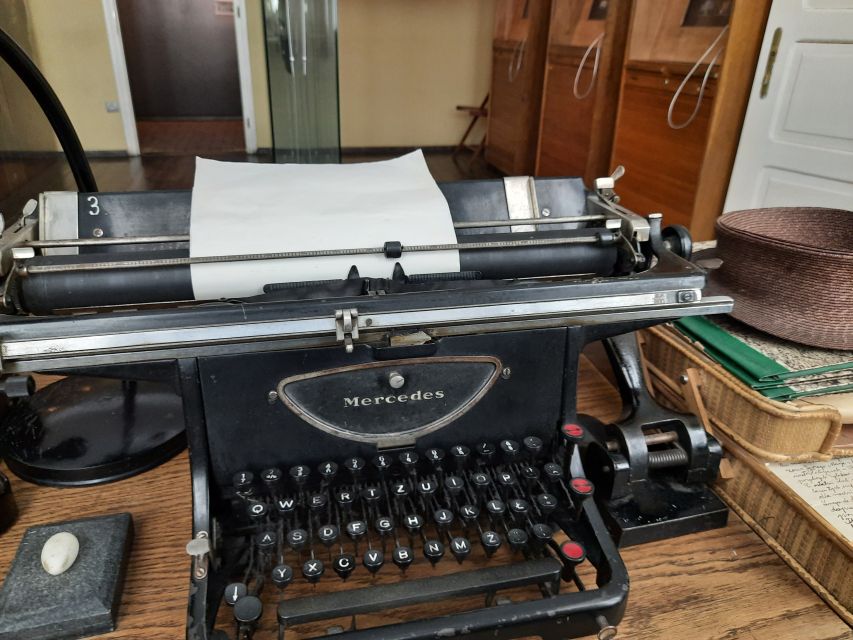
You will see Schindler’s office, which gives the famous story a physical point of reference. You will also hear about his efforts to protect workers and about the risks involved in doing so. Some guides add personal accounts connected with people saved by Schindler, giving the subject a more direct human dimension.
Still, do not expect a room-by-room biography. The museum does not spend most of its time on Schindler’s childhood, personality, business career, or postwar life. The tour keeps returning to the wider occupation and to the people affected by it.
That balance is one of the experience’s strengths. Schindler’s actions matter, but they do not erase the suffering of the many people he could not save. The tour avoids making the war look like a simple contest between one villain and one hero. You come away with a better sense of both individual courage and the enormous scale of the crime.
If you have watched Schindler’s List, the museum can correct a common assumption: this is not a film set or a memorial devoted only to its central character. It is a historical museum in a former factory, with Schindler as one important thread.
Why a guide is worth the extra cost
The admission and guide cost about $49 per person. That is not a low-cost museum ticket, especially if you are traveling with a family or larger group. The value depends on how you prefer to visit museums.
If you are happy reading every panel at your own pace, independent admission may suit you better, if available. This guided option gives you a fixed 90-minute visit, a licensed guide, and skip-the-line entry. You pay for structure as much as for access.
I think the guide is the strongest reason to choose this version. The museum has a lot to communicate, and the displays move quickly from one part of the occupation to another. A guide can explain why a room is designed a certain way, identify the role of a photograph, and bring together details that might otherwise remain separate.
The tradeoff is time. A 90-minute tour is a useful overview, not a full afternoon of close study. Some people have found the pace fast and wished for more time with the written and photographic displays. You may want to return to the museum independently if you are determined to read everything, though the guided visit gives you a solid framework first.
For a first visit to Krakow, I see the price as reasonable if you value context and a smooth entry. It is less attractive if you mainly want a quiet, self-paced museum visit or if you are paying for several people and already have strong background knowledge of wartime Poland.
Group size, headsets, and the pace inside
Groups can contain up to 25 people. That is a sensible museum limit, but the building’s tight spaces make the number noticeable. A smaller group would allow more room around displays and make it easier to hear the guide without standing shoulder to shoulder.
Headsets are supplied for groups of 15 or more. This helps in busy rooms, though a headset does not solve every problem. You still need to stay near the group, and the tour’s movement can make it hard to pause over a particular object.
The pace is purposeful. Your guide leads you through the key sections, explains the main story, and keeps the group on schedule. You are unlikely to become lost, but you may not have time to study every caption.
I suggest treating the 90 minutes as a guided introduction. Listen closely when the guide explains the setting and the personal stories. If a certain display catches your attention, remember its location and return to it if the museum allows time after the tour.
Practical details that can save you trouble
The ticket is personalized, so provide the full name of every participant when booking. Bring an ID card or another accepted identification document. The name and surname on the ticket must match the document, or museum staff can refuse entry.
Your selected time is a preference rather than an absolute guarantee. Museum scheduling can cause changes, so check the final confirmation and keep a little flexibility in your day.
You can cancel up to 24 hours before the activity for a full refund, and the reserve-now-pay-later option lets you hold a place without paying immediately. These policies are useful when your Krakow plans are still shifting, but they do not protect a late arrival on the day.
Choose your language carefully. Group tours operate in one language only, with English, Italian, Spanish, French, and German available. The guide’s ability to explain the subject clearly matters here, since the museum’s power depends as much on context as on what you see.
Who should book this 90-minute visit
I would choose this tour if you want a focused introduction to Krakow during World War II, especially if you learn better through spoken explanation than through labels. It also suits anyone who wants Schindler’s story placed within the wider Jewish experience and occupation of the city.
It is a good choice for a first-time Krakow visit, for history-minded adults, and for older teenagers who can handle difficult subject matter. The guide can make the museum easier to understand than an independent walk through the displays.
You may want another option if your main interest is the factory itself. There is no original machinery, and the tour is not a technical account of enamel production. You may also prefer an independent visit if you need long stretches of quiet time with photographs and written material.
Finally, consider your mood. This is a serious and sometimes disturbing experience. You will see real images connected to war and persecution, and the dim, narrow design is intended to unsettle you. That is part of the museum’s purpose, but it is worth knowing before you arrive.
Should you book Schindler’s Factory?
Book it if you want to understand wartime Krakow rather than only the Schindler film story. The guide is the main advantage, and a strong guide can turn a crowded, complex museum into a clear and moving account of the city, its Jewish community, and the people caught in the occupation.
At $49, the tour is best value for visitors who want skip-the-line access and expert explanation in one 90-minute package. Accept the tradeoffs: the group may feel large, the rooms are tight, and Schindler himself is only one part of the story.
Bring your ID, arrive early, and go in prepared for a serious visit. If that sounds like the history you came to Krakow to face, this is a worthwhile booking.
FAQ
How long does the Schindler’s Factory tour last?
The guided tour lasts 90 minutes, or 1.5 hours.
What does the tour focus on?
It focuses on the exhibition Krakow under Nazi Occupation 1939 to 1945, including the experiences of Jewish and non-Jewish residents during World War II. Oskar Schindler’s story is included within this wider account.
Is the original factory machinery still inside?
No. The building once housed Schindler’s factory, but it is now a museum and does not contain the original machinery.
Does the tour include skip-the-line admission?
Yes. The experience includes skip-the-line admission to Schindler’s Factory.
What languages are available?
Guided tours are available in English, Italian, Spanish, French, and German. Each group tour operates in one language.
How many people can be in one group?
Museum regulations limit each group to a maximum of 25 participants.
Are headsets provided?
Headsets are provided for groups of 15 or more participants.
Do I need to bring identification?
Yes. Bring an ID card or another identification document. The name on your ticket must match the name on your ID, or entry may be denied.
What happens if I arrive late?
You should arrive 10 minutes before the scheduled start. Once the group has departed, latecomers may not be allowed to join, and the ticket cannot be refunded.
Just added around Krakow
- From Krakow: Zakopane Full-Day Tour with Lunch Option★ 4.4 · 62 reviews
- From Krakow: Zalipie and Painted Village Guided Tour★ 4.0 · 4 reviews
- From Krakow: Zakopane and Dunajec River Rafting Tour★ 4.6 · 31 reviews
- From Krakow: Zakopane and the Tatra Mountains★ 4.7 · 36 reviews
- From Krakow: Zakopane and Gubałówka Cable Car Private Tour★ 4.3 · 12 reviews
- From Krakow: Zakopane Tatra Mountains & Hot Springs Tour★ 3.0 · 29 reviews
- Zakopane & Tatra Mountains Private Full-Day Tour from Krakow★ 4.5 · 33 reviews
- From Krakow: Hot Springs and Zakopane with Gubałówka★ 4.7 · 25 reviews
Schindler's Factory Tours, compared.
Oskar Schindler’s Factory Entry Ticket & Guided Tour
Read our review →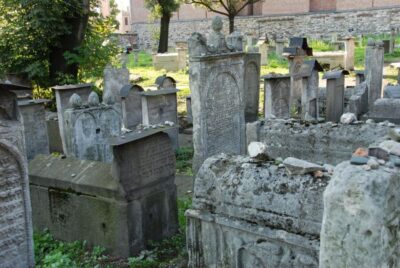
Schindler’s Factory Tour with Entrance Ticket
Read our review →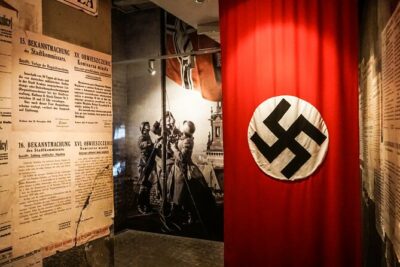
Schindler’s Factory in Krakow: Guided Tour & Skip the Line Ticket
Read our review →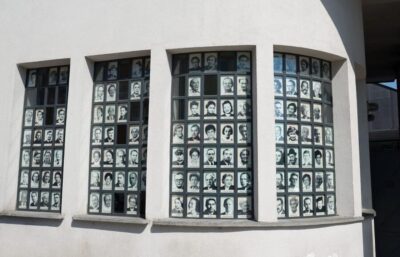
Schindler’s Factory Ticket with Guided Tour Option
Read our review →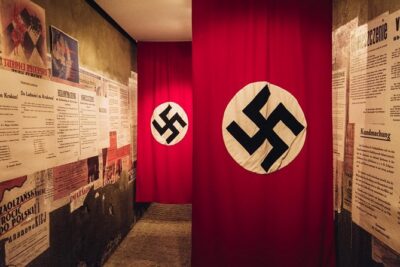
Krakow Schindler’s Factory Guided Tour with Admission Ticket
Read our review →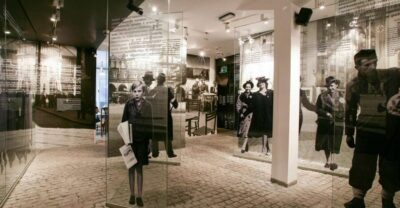
Schindler’s Factory Guided Tour with Entry Ticket
Read our review →Browse the lists this tour appears in