
Reviewed · WALKING TOURS
Creepy Krakow: 2-Hour City Walking Tour
Krakow’s Old Town takes on a different character after sunset. This two-hour walking tour mixes ghost stories, murders, witchcraft, vampires, and true events with the grand sights you may already have seen by day. I like the nighttime setting, and I like that the stories reach across many periods of Krakow’s past rather than sticking to one narrow theme.
I also like the frequent stops, which keep the walk manageable and give you time to listen. Guides such as Navia, Tomasz, Anna, and Stefan have been praised for humor, storytelling, and easy conversation. The main drawback is the subject matter: children under 15 cannot join, and anyone hoping for a standard architecture tour may find the gruesome tales take center stage.
Key points to know before you go
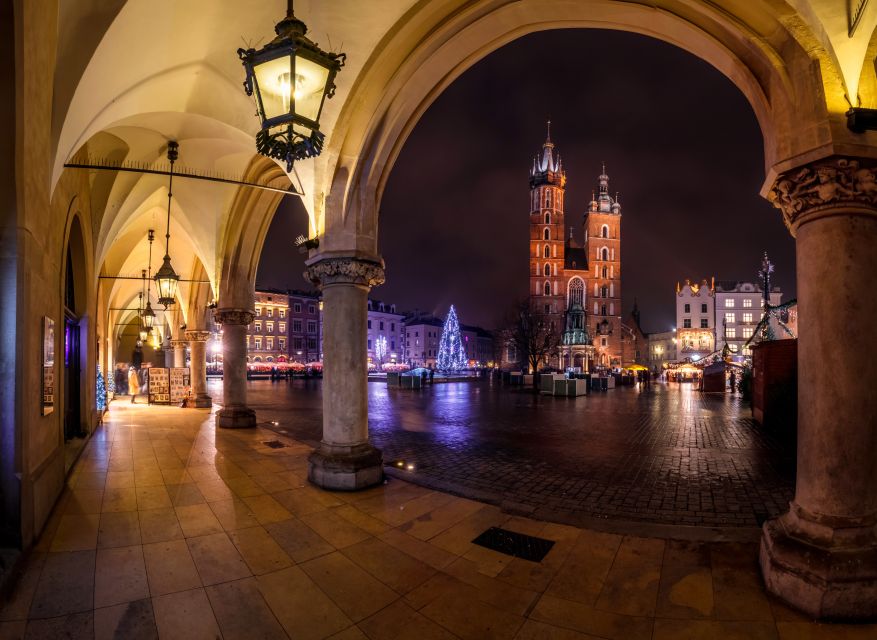
- Nighttime Krakow feels different: The Cloth Hall, St. Mary’s Basilica, Florian Gate, and Town Hall Tower become story settings after dark.
- The stories cover more than ghosts: Expect legends, criminal history, witchcraft, the undead, vampires, and tales based on true events.
- You pause often: The walk includes many stops and breaks, so you are not marching for two hours without a rest.
- The guide makes the difference: Strong storytelling and humor are central, with guides including Navia, Tomasz, Anna, Damian, and others.
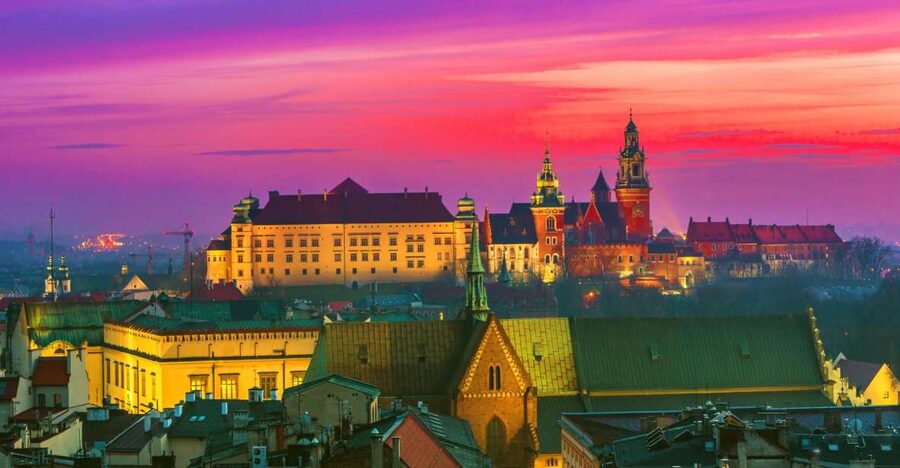
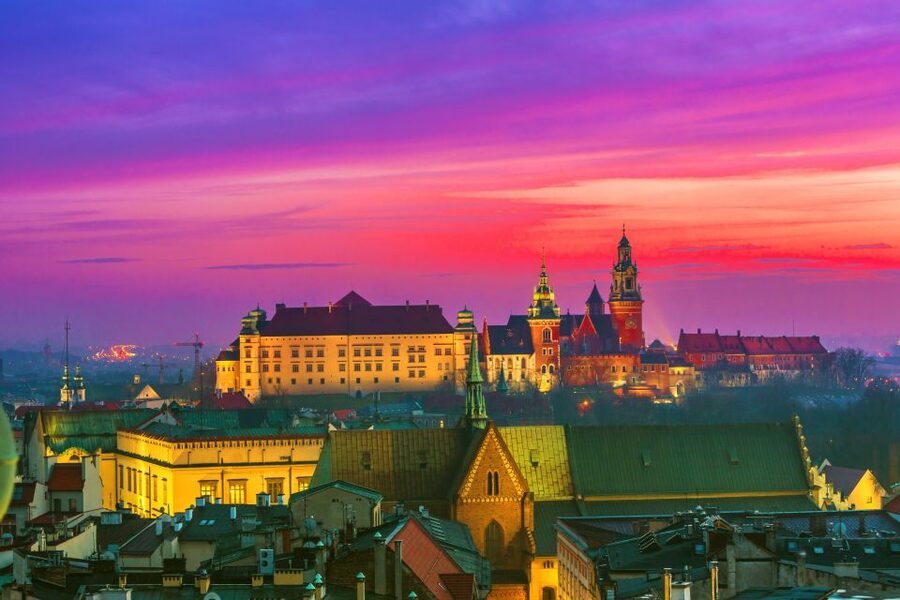
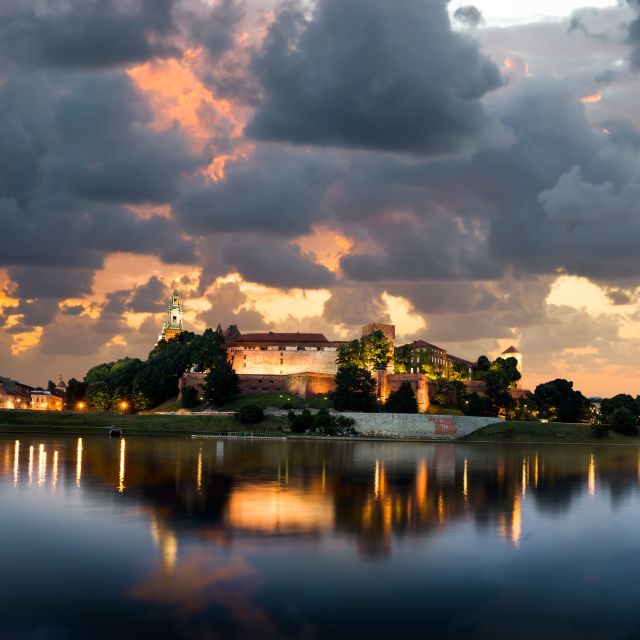
- You finish by Wawel Castle: The route ends at the Royal Castle on Wawel Hill, with views toward the Vistula River and the spot linked to Krakow’s dragon legend.
- It suits older teenagers and adults: The activity is not suitable for children under 15 and includes disturbing themes.
Why Krakow is especially good after dark
Krakow’s Old Town is easy to admire in daylight. Its churches, medieval streets, market square, and royal buildings are already popular stops on a first visit. At night, the same places offer a different kind of history lesson.
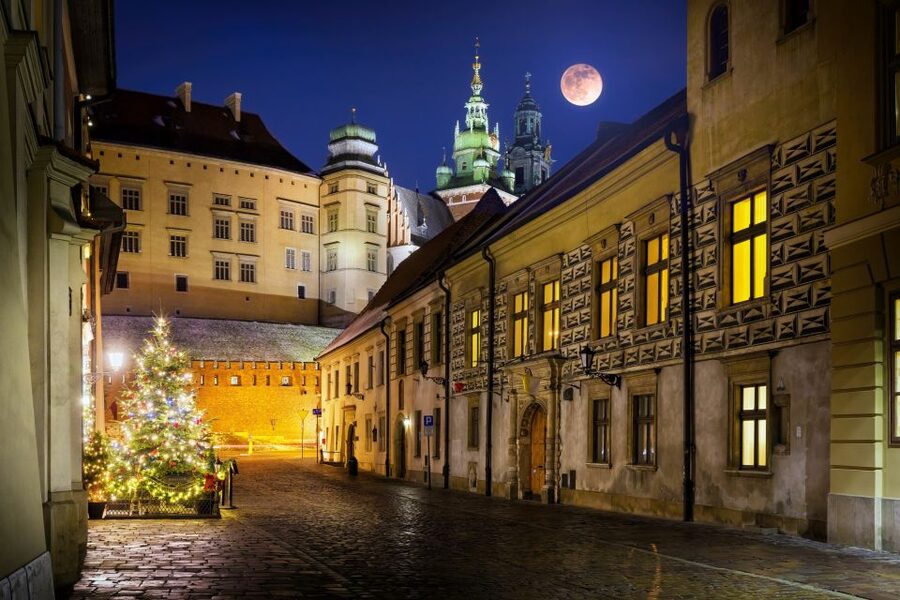
The tour begins after sunset, when the illuminated facades give the stories a more theatrical setting without turning the walk into a staged haunted house. You are still outdoors in the real city, standing beside landmarks that have witnessed centuries of religious ceremony, public punishment, crime, politics, and local folklore.
That balance is the main appeal. You are not simply hearing random ghost stories. The guide uses famous places as anchors, then adds the darker tales connected with Krakow’s past. The tone can move from serious history to grim folklore to a joke that lets the group breathe.
I would not book this as your only introduction to Krakow. It does not aim to explain every major church, museum, or royal event. But after you have seen the city by day, it gives you another way to understand its streets and legends.
More Old Town walking tours in Krakow:
- Old Town Krakow & Wawel Castle Walking Tour
★ 5.0 · 1,508 reviews - Krakow: The Old Town Walking Tour
★ 4.8 · 794 reviews - Krakow: Kazimierz Jewish Quarter Walking Tour
★ 4.8 · 571 reviews
Meeting at Hotel Polski and entering the Old Town
The meeting point is in front of Hotel Polski pod Białym Orłem, also referred to as Hotel Polski. This places you near the edge of Krakow’s central Old Town, a practical starting point for a route through the historic core.
You meet your live guide there after dark. Guides work in Polish, Italian, English, and Spanish, so check that your chosen departure offers the language you need. The experience is a walking tour, with no food, drinks, or transport included.
The opening part of the walk sets the mood. You begin near streets that can look familiar during a daytime sightseeing circuit, then hear how the guide interprets them through darker stories. The best guides make clear which tales are legends, which are based on real events, and which belong to the city’s long tradition of folklore.
That distinction matters. A creepy walk is more interesting when it respects the difference between history and myth. The strongest guide style here appears to combine factual background with storytelling, humor, and questions for the group.
Florian Gate and the old defensive walls
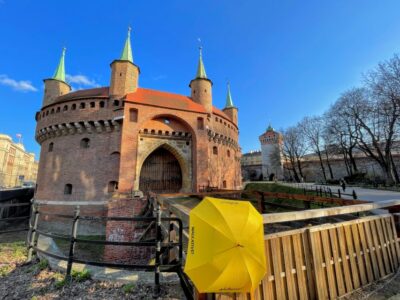
One early stop is Florian Gate, one of the Polish Gothic towers that once formed part of Krakow’s defenses. You stop outside rather than entering a museum or tower, so this is a quick look at the monument as part of the route.
Florian Gate works well for this kind of tour because defensive structures naturally bring up questions about danger, law, punishment, and life inside a medieval city. The guide can use the gate to move from visible architecture to the less polished side of Krakow’s past.
Do not expect a long architectural lecture here. The focus is on atmosphere and the stories tied to the Old Town. The stop is most useful if you enjoy hearing how ordinary landmarks fit into tales of crime, fear, and public order.
St. John Street and the center of the city
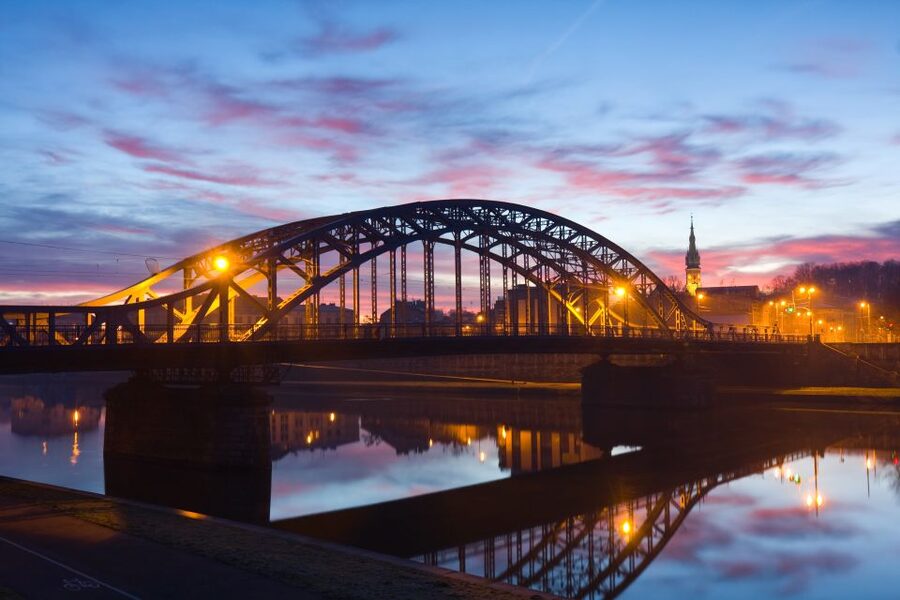
The route continues along St. John Street toward the heart of the Old Town. This section links several important sights, so you get a useful orientation to central Krakow even while the subject remains dark.
You pass the Cloth Hall, Town Hall Tower, Collegium Maius, City Hall, Maria Magdalena’s Square, and Katyński’s Square. The guide does not treat each place as a full sightseeing stop, so you should not expect detailed access information or interior visits. Instead, these landmarks form a series of settings for legends and historical anecdotes.
The Cloth Hall is especially striking at night, with its long illuminated facade facing the main square. St. Mary’s Basilica, with its Gothic towers, adds another memorable backdrop. The guide may help you notice details you passed over during the day, though the exact stories can vary by guide and departure.
One useful feature is the pace. Several accounts describe frequent pauses and relatively short stretches between stops. That makes the tour easier for you if you prefer listening to a long, uninterrupted walk. It also gives the guide room to involve the group with questions and conversation.
A handful more Krakow trips to weigh up
- Krakow: Old Town Segway Tour 2 hours
★ 4.8 · 83 reviews - Krakow: 2h Kazimierz (Jewish Quarter) Walking Tour
★ 4.5 · 75 reviews - Great fun in GOjump MEGAPARK Kraków-Sikorki – 2 hours ticket
★ 5.0 · 32 reviews - New Year’s Eve crawl with 2 Hours free alcohol + Buffet – Krawl Through Krakow
★ 4.5 · 26 reviews
St. Mary’s Basilica and the darker side of famous sights
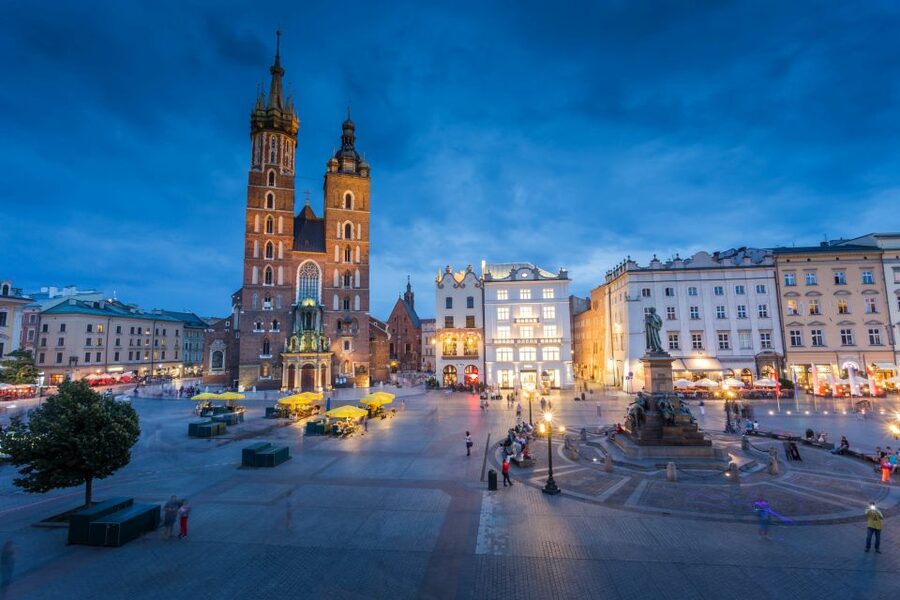
The 14th-century St. Mary’s Basilica is one of Krakow’s best-known buildings. During the day, most people focus on its Gothic form, towers, and place on the main square. At night, it becomes part of a more unsettling picture.
The tour uses familiar sights to show that Krakow’s history was not only royal ceremonies and beautiful churches. Religious belief, superstition, punishment, illness, and fear all shaped life in the city. You might hear stories tied to death, the undead, or unusual local beliefs, depending on the guide.
This is also where the storytelling matters most. A flat list of grim facts would become tiring quickly. The guides who receive the strongest praise tend to blend information with humor and direct questions, keeping the subject engaging without making light of every serious event.
If you are sensitive to stories involving murder or disturbing historical events, keep that in mind before booking. The activity is designed to give you goosebumps, not simply to offer a gentle evening stroll.
The legends around the market and City Hall
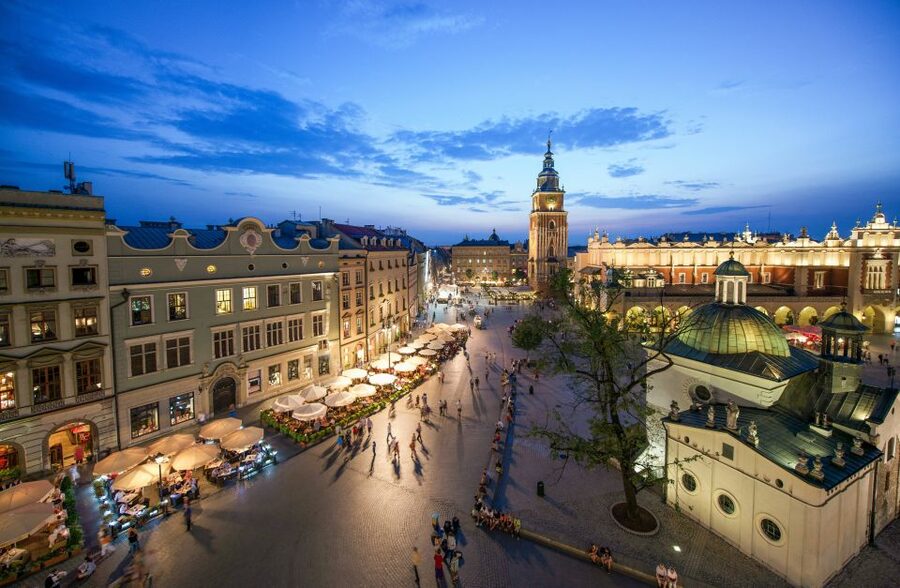
The Cloth Hall, Town Hall Tower, and City Hall give the middle part of the tour a strong sense of place. These are central Krakow landmarks, but the guide presents them through stories that may not appear in a standard introductory tour.
The subject can range from criminals and killings to myths and strange incidents. The material covers a broad stretch of time, from Krakow’s early legends to more recent events. That range keeps the walk from feeling like a single repeated ghost tale.
You may also hear about Polish society, politics, and the development of law. This is one of the more valuable parts of the experience because it adds context to the scary material. Dark history makes more sense when you understand how communities defined crime, punishment, belief, and social order.
The tour is interactive rather than a speech delivered over your head. Guides may ask questions or invite you to consider how legal systems and modern Poland developed. If you enjoy history but usually skip ghost walks, this broader approach may win you over.
Maria Magdalena’s Square and Katyński’s Square
The stops at Maria Magdalena’s Square and Katyński’s Square add less familiar names to the route. These places are useful because they move you beyond the most photographed parts of the main market.
You will not spend the entire evening surrounded by headline sights. That is a strength. The tour points out corners you might otherwise pass without stopping, then gives them meaning through local stories and historical background.
The exact length of each stop can vary. Some locations may involve a longer explanation, while others serve as brief links between major points. You should expect an active walk with plenty of standing, not a seated performance, though a break is included and the route does not require nonstop walking.
Toward Wawel and the dragon’s river
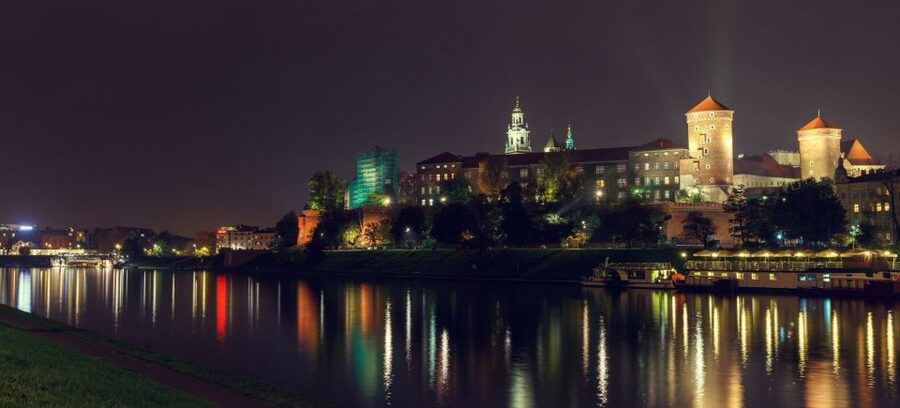
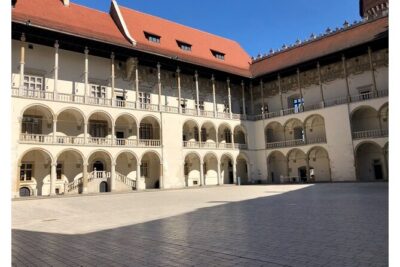
The walk finishes at Zamek Królewski na Wawelu, the Royal Castle on Wawel. Along the way, you take in views toward the Vistula River and hear about the legendary dragon associated with the place where Krakow grew.
The dragon story brings a lighter note after tales of murder, witchcraft, and the undead. It also connects folklore with one of Krakow’s most famous symbols. The ending gives you a clear sense of where you are in the city and leaves you near one of its major attractions.
Since the tour ends at Wawel rather than returning to the hotel meeting point, plan your evening from there. You can treat the walk as a compact Old Town route, then continue on your own after the final story. The tour does not include food or drinks, so arrange dinner or a late snack separately.
The guides and the value of good storytelling
This experience depends heavily on the person leading it. The listed guides include Navia, Tomasz, Anna, Stefan, Damian, Susanna, Alicja Wrobel, Brenda, and others. Your guide will depend on the date and departure, so do not book solely on the hope of getting one particular person.
The strongest guiding style has several parts: clear historical detail, an easy sense of humor, good pacing, and the ability to answer questions. Navia is noted for mixing gruesome tales with friendly interaction. Tomasz is described as energetic and committed to his subject. Anna is associated with keeping the group engaged even in wet and very cold weather.
That last point is practical. Krakow evenings can feel cold, and the tour runs outdoors for two hours. Guides keep you moving between stops, but you will also stand while listening. Wear warm layers and shoes suitable for a city walk. In rain, a waterproof jacket will make a real difference.
A small group can make the experience feel more personal, though group size can vary. A guide who keeps people involved can make a larger group work well, while a quiet guide would make the same route less effective.
Is $24 a fair price?
At $24 per person, the tour offers reasonable value if you want an evening activity with a clear theme. You get two hours of guided walking through central Krakow, several major landmarks, local legends, and historical context. There are no extra admission costs because the tour is conducted outdoors.
The value is strongest for first-time visitors who want to learn the city’s layout while doing something different from a standard daytime circuit. It can also work well on a return visit, when you have already seen the main sights and want another angle on them.
The price is less appealing if you dislike folklore, true crime, or repeated stops outside famous buildings. You are paying for interpretation and storytelling, not entry to the castle, basilica, or museums. Anyone expecting a formal history lecture or an interior tour should choose a different activity.
The reserve-now-and-pay-later option also gives you flexibility, and cancellation is free up to 24 hours before the start for a full refund. That is useful when your Krakow schedule depends on weather or changing plans.
Who should book this Krakow night walk?
I would recommend it to adults, older teenagers aged 15 and above, history fans, and anyone who enjoys a good ghost story with real context behind it. It suits couples, friends, and solo visitors who want a guided evening rather than another meal or bar stop.
It is also a good choice if you do not want a demanding hike. The walk includes many stops, a break, and short stretches between some locations. Still, you should be comfortable spending two hours outdoors and standing at several points.
Wheelchair access is listed, which makes this one of the more broadly usable walking options. Since accessibility can depend on the exact route and conditions, contact the provider if you need detailed assistance.
I would skip it if you are traveling with children under 15, dislike macabre subjects, or want a tour focused mainly on art and architecture. The dark material is not a small extra. It is the reason to book.
Should you book Creepy Krakow?
Book this tour if you want Krakow’s famous Old Town sights presented through murder, myth, witchcraft, vampires, and local legends. The nighttime setting, frequent pauses, and guide-led humor give it more variety than a simple ghost-story walk.
At $24, it is a sensible evening spend, especially if you value a lively guide and a different view of places you may already have visited. Bring warm clothing, expect some grim stories, and remember that the exact guide and story mix can change.
FAQ
How long is the Creepy Krakow walking tour?
The tour lasts two hours and covers Krakow’s Old Town before finishing at Zamek Królewski na Wawelu.
Where does the tour begin?
You meet in front of Hotel Polski pod Białym Orłem, also known as Hotel Polski.
Where does the tour finish?
The walk finishes at the Royal Castle on Wawel, known in Polish as Zamek Królewski na Wawelu.
What sights are included?
The route passes St. Mary’s Basilica, the Cloth Hall, Town Hall Tower, Collegium Maius, City Hall, Maria Magdalena’s Square, Katyński’s Square, Florian Gate, and the Vistula River area.
What kind of stories will I hear?
You can expect Krakow legends, scary anecdotes, stories based on true events, criminal history, witchcraft, ghosts, vampires, and the undead.
Is the tour suitable for children?
No. The activity is not suitable for children under 15.
What languages are available?
The live guide service is available in Polish, Italian, English, and Spanish.
Is the walking tour wheelchair accessible?
Yes, the activity is listed as wheelchair accessible.
Can I cancel the booking?
Yes. You can cancel up to 24 hours in advance for a full refund. You can also reserve now and pay later.
Just added around Krakow
- From Krakow: Zakopane Full-Day Tour with Lunch Option★ 4.4 · 62 reviews
- From Krakow: Zalipie and Painted Village Guided Tour★ 4.0 · 4 reviews
- From Krakow: Zakopane and Dunajec River Rafting Tour★ 4.6 · 31 reviews
- From Krakow: Zakopane and the Tatra Mountains★ 4.7 · 36 reviews
- From Krakow: Zakopane and Gubałówka Cable Car Private Tour★ 4.3 · 12 reviews
- From Krakow: Zakopane Tatra Mountains & Hot Springs Tour★ 3.0 · 29 reviews
- From Krakow: Hot Springs and Zakopane with Gubałówka★ 4.7 · 25 reviews
- From Krakow: Zakopane & Tatra Mountains Tour★ 3.8 · 42 reviews
Walking Tours, compared.
Old Town & Wawel Castle Walking Tour in English
Read our review →
Historic Krakow : Old Town & Wawel Castle Walking tour
Read our review →Browse the lists this tour appears in