
Reviewed · AUSCHWITZ-BIRKENAU TOURS FROM KRAKOW
Krakow: Auschwitz-Birkenau Guided Tour Pickup/Lunch Options
Auschwitz-Birkenau is not a sightseeing stop you simply tick off. It is a place of evidence: barracks, documents, personal belongings, and the physical remains of a Nazi camp system that murdered more than one million people. This guided day trip gives you the structure to understand what you are seeing at both Auschwitz I and Birkenau, rather than wandering through a vast memorial without context.
I like the English-speaking museum guide, who explains the site with care, and I like the practical round-trip transport from Krakow. The smaller guided groups, headsets, and well-run transfers can make a difficult day easier to follow. The main drawback is the rigid schedule: you may have little time to read displays at your own pace, and the pickup process can be confusing when several tour companies gather in the same place.
Key points to know before booking
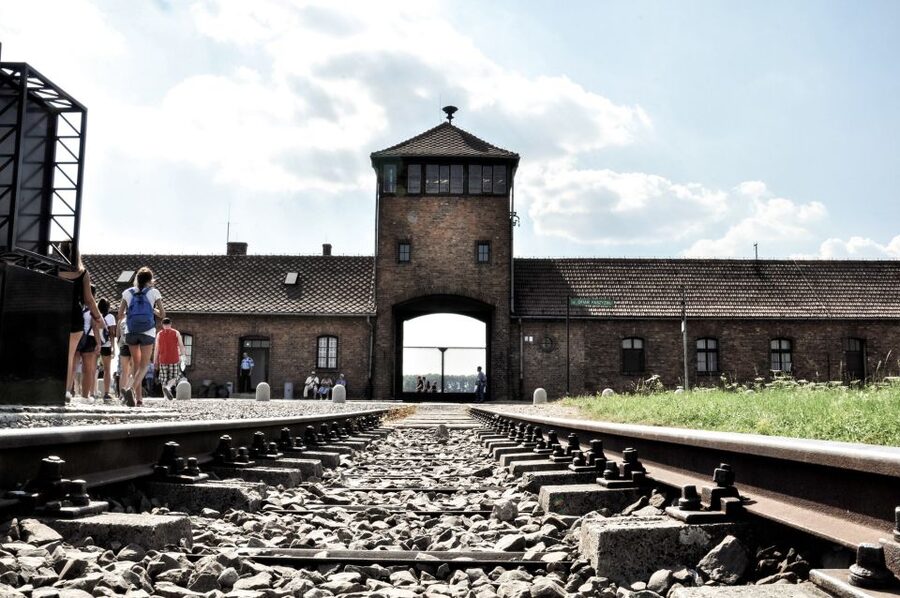
- Two very different camp sites: Auschwitz I is the former administrative camp and museum area, while Birkenau shows the huge scale of the extermination site.
- About 3.5 hours inside the memorial: Roughly 2 to 2.5 hours are spent at Auschwitz I and about 1 hour at Auschwitz II-Birkenau.
- Transport takes time: The drive from Krakow is about 1.5 hours each way, making this an approximately 8-hour day.
- Guides make the difference: Guides such as Leah have been praised for clear, sensitive explanations, while the quality of the experience depends heavily on your assigned guide.
- Food is not simple: No meal break is included under the museum visit rules. A lunchbox can be added, but food and drinks are not allowed inside the camp areas.
- Be exact with your name: Your booking name must match the passport or ID you show at entry.
Why this day trip matters
The Auschwitz-Birkenau complex is in Poland’s Silesian Voivodeship, outside Krakow. The Nazi camp system here had three main sections: Auschwitz I, the administrative center; Auschwitz II-Birkenau, the extermination site; and Auschwitz III-Monowitz, a labor camp. This tour visits the first two.
A guided visit is especially useful because the sites are large and their purposes changed over time. At Auschwitz I, you move through preserved buildings and permanent exhibitions. At Birkenau, the open space, railway entrance, barracks, and remains of the gas chambers make the scale of the killing system easier to grasp.
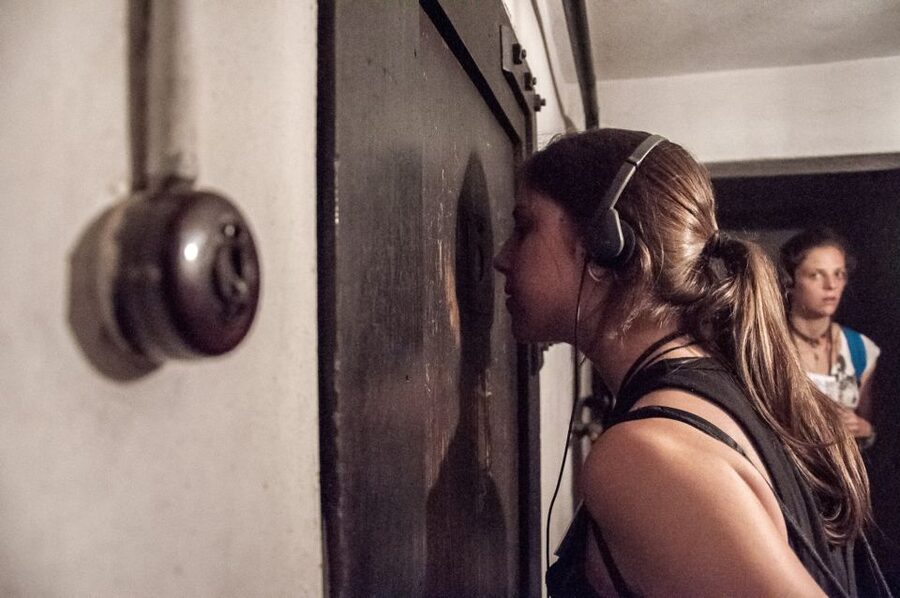
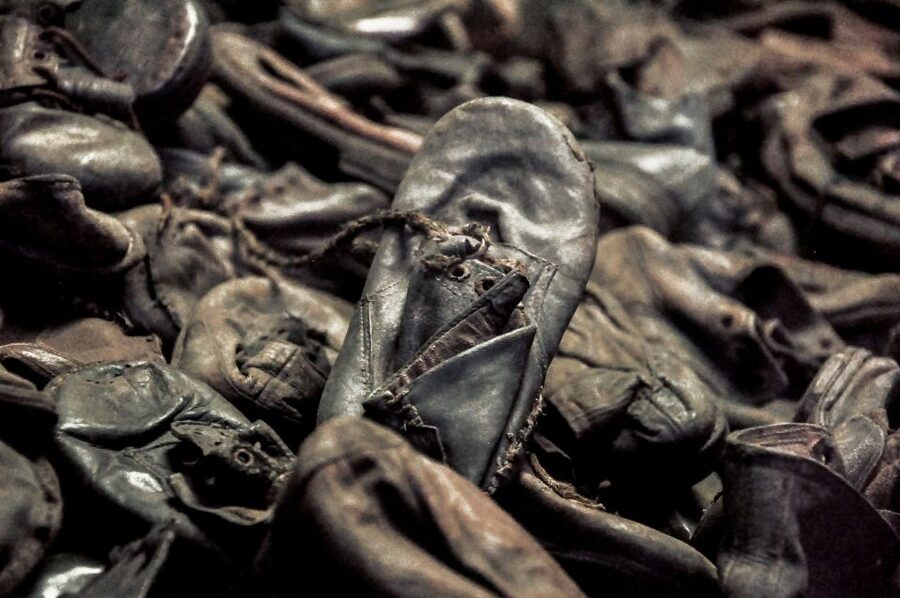
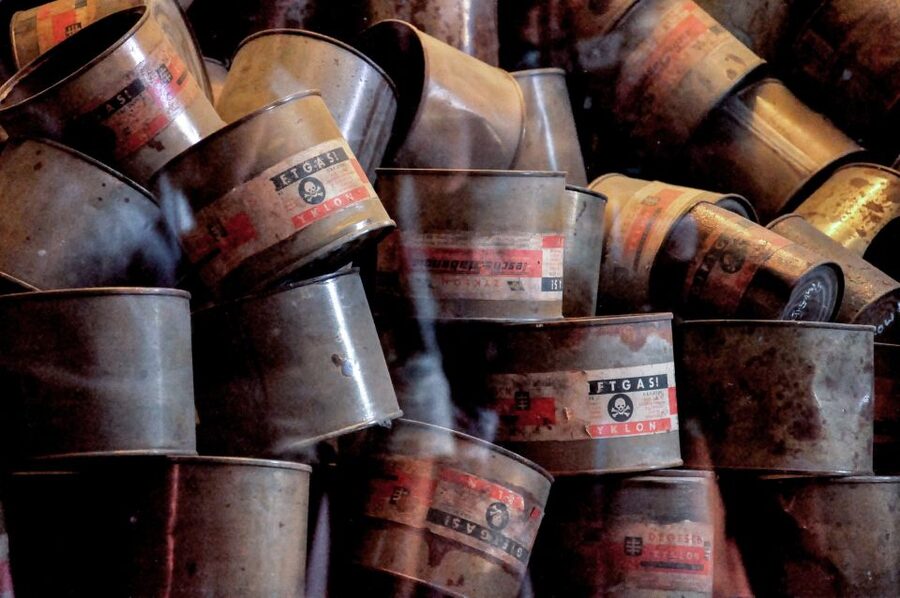
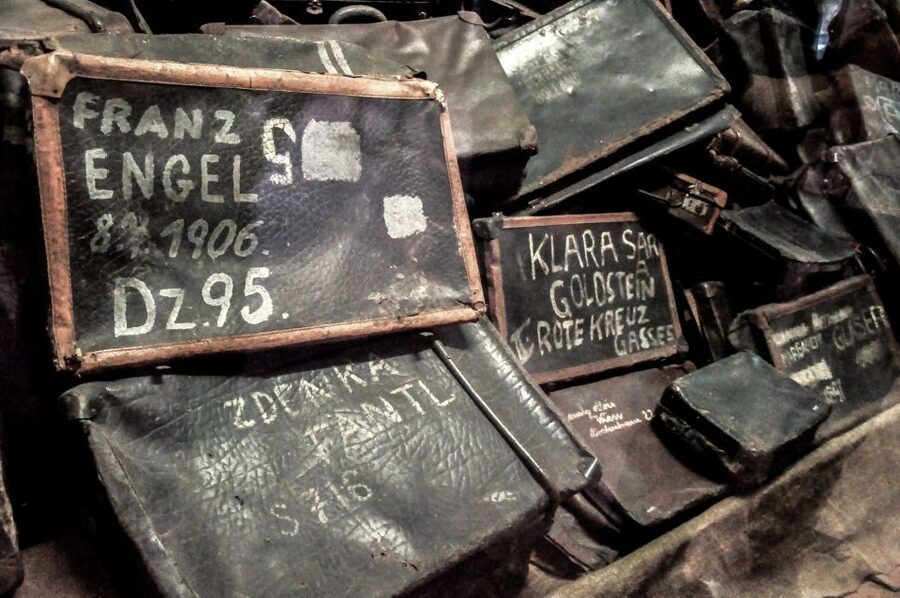
This is not a light historical excursion. You will see personal belongings taken from prisoners, including the evidence of people who arrived with no idea that they were being sent to their deaths. You may also enter a gas chamber. The visit can be emotionally exhausting, and that is a normal response to the place.
The tour is intended for adults and older teenagers. It is not suitable for children under 14. Plan your day with some quiet time afterward rather than scheduling a packed evening in Krakow.
More Auschwitz-Birkenau trips in Krakow:
- From Krakow: Auschwitz-Birkenau Guided Tour & Hotel Pickup
★ 4.5 · 33,358 reviews - From Krakow: Auschwitz-Birkenau Guided Tour & Hotel Pickup
★ 4.5 · 29,340 reviews - Krakow: Auschwitz Guided Tour with Optional Hotel Pickup
★ 4.5 · 15,280 reviews
The Krakow pickup can be the untidiest part
Your exact pickup point depends on the option you choose. Drop-off points include Kiss&Ride, ibis Krakow Stare Miasto, Art & Garden Residence, Aparthotel Lwowska 1, Hotel Galaxy, Starowiślna 65, Mercure Kraków Fabryczna City, Qubus Hotel Kraków, Premium Hostel, and Wielopole 2.
The pickup time is not fixed when you choose your preferred slot. The operator may set a start between 5:30 a.m. and 3 p.m., then confirm the actual time the day before. Check the email carefully, since the time can change from the original estimate.
Allow extra time at the meeting point. Several companies may collect passengers in the same area, and staff may call out names rather than hold a large, obvious sign. Arrive early and keep your phone available. This is one part of the day where a little preparation saves a lot of stress.
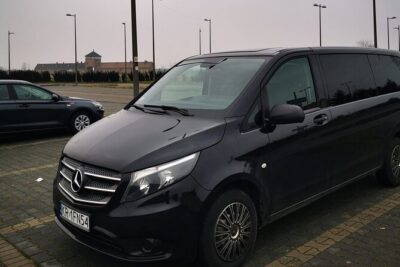
Transport is usually by coach or van. Some vehicles have been clean and comfortable, with a documentary shown on the ride. Other departures have had tight legroom, particularly in smaller vans. Driving styles can also vary, from calm and careful to noticeably fast when traffic is heavy.
The journey takes about 1.5 hours each way. That is a sizeable part of your day, but it also gives you time to prepare mentally for the visit. Bring headphones or use the onboard presentation if provided, but do not expect the drive itself to replace the museum tour.
Auschwitz I: buildings, belongings, and personal stories
After the transfer, there is usually a break of about 10 to 20 minutes. You then pass through security and show your ID and booking details. Your name must match exactly. If it does not, entry may be refused.
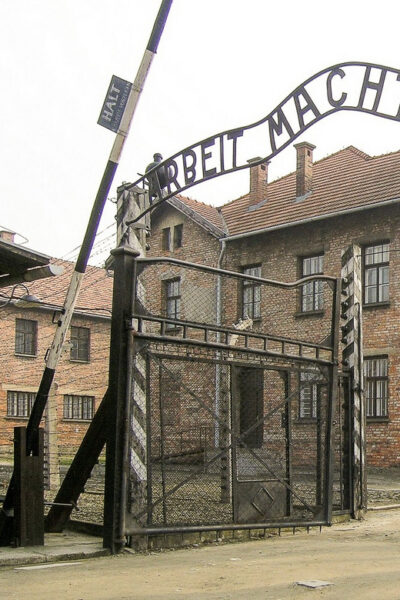
Auschwitz I has the brick barracks and former administrative buildings most people recognize from photographs. The entrance area and original camp structures provide a physical sense of how the site was organized. The buildings are not just backdrops. They help explain the bureaucracy, control, and daily routine imposed on prisoners.
The permanent exhibitions contain personal belongings and photographs connected to the people imprisoned here. Suitcases, shoes, clothing, and other objects are difficult to see, but they make the victims more than a number in a history lesson. A strong guide connects these items to individual stories and explains what happened without turning the visit into a performance.
The Auschwitz I section lasts around two to two and a half hours, depending on the museum’s pace and the exact schedule. You will walk between buildings, enter exhibition spaces, and move through areas with many other groups. The ground can be uneven, and there are stairs in some buildings.
This is where the guide matters most. A good guide gives you a framework: how the camp operated, who was imprisoned there, how deportations worked, and how the system expanded. Guides named Leah in particular have been praised for delivering difficult information sensitively. Other guides, including Robert, have received mixed personal assessments, showing why the individual guide can shape your day.
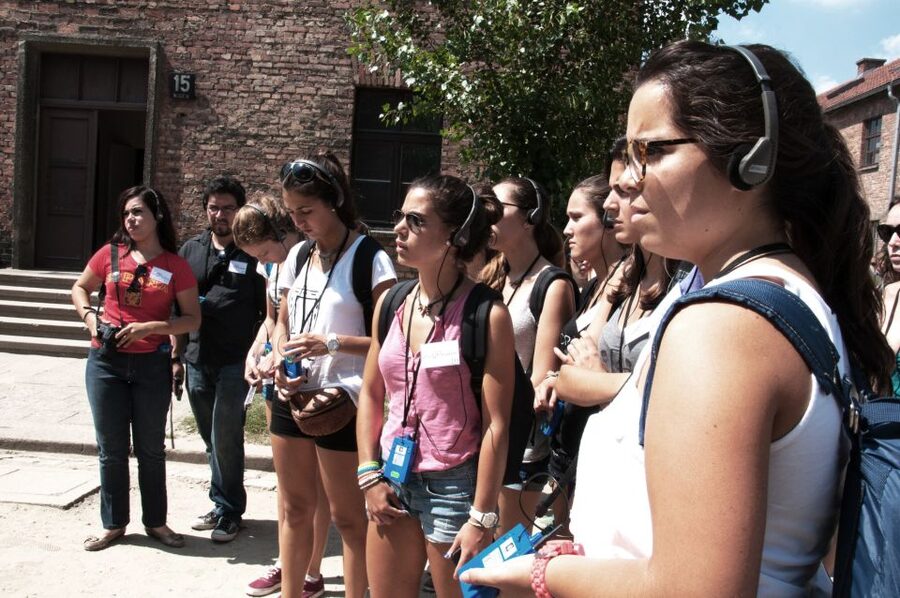
You will usually wear a headset so you can hear the guide among other groups. Headsets have generally worked well, but occasional crackling or signal loss is possible. Stay close enough to your group to reconnect quickly if the audio cuts out.
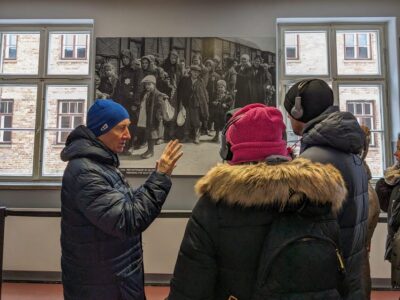
The schedule can feel hurried in the exhibition rooms. If you like reading every panel, you may wish for more time, especially in the room displaying prisoners’ photographs. This is the central tradeoff of a group tour: you gain explanation and organization, but you give up some freedom to linger.
The short break before Birkenau
After Auschwitz I, you usually have a break of about 10 to 15 minutes before continuing to Birkenau. This is a good moment to use the facilities and collect yourself.
Do not count on a proper sit-down meal during the museum visit. Museum rules mean that lunch is not built into the tour, and food and drinks are not allowed inside the camp areas. Vending machines may be available, but options are limited.
A lunchbox can be selected with some booking options. It may be convenient if you want something organized, but the quality is not guaranteed to suit everyone. Bringing food from Krakow may be wiser if your option allows it, though you still need to follow the museum’s restrictions about where you can eat.
Cold or wet weather makes this pause more important. One winter visit involved snow and temperatures around minus 10 degrees, so warm layers matter. The tour continues outdoors, and Birkenau has little shelter compared with the enclosed exhibition buildings at Auschwitz I.
More tours with lunch included in Krakow:
- Krakow: Auschwitz-Birkenau Guided Tour with Pickup & Lunch
★ 4.5 · 9,800 reviews - Krakow: Auschwitz Guided Tour with Pickup and Optional Lunch
★ 4.4 · 2,649 reviews - Krakow: Auschwitz-Birkenau & Wieliczka Salt Mine with Lunch
★ 4.1 · 214 reviews - Zakopane Tour from Krakow with Transfers and Lunch Option
★ 5.0 · 174 reviews
Birkenau: scale, railway, and destruction
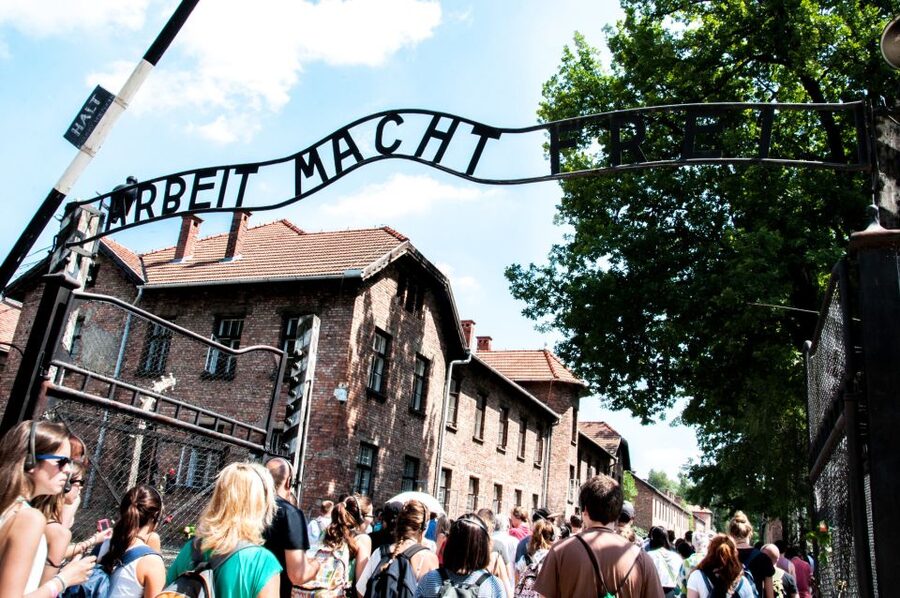
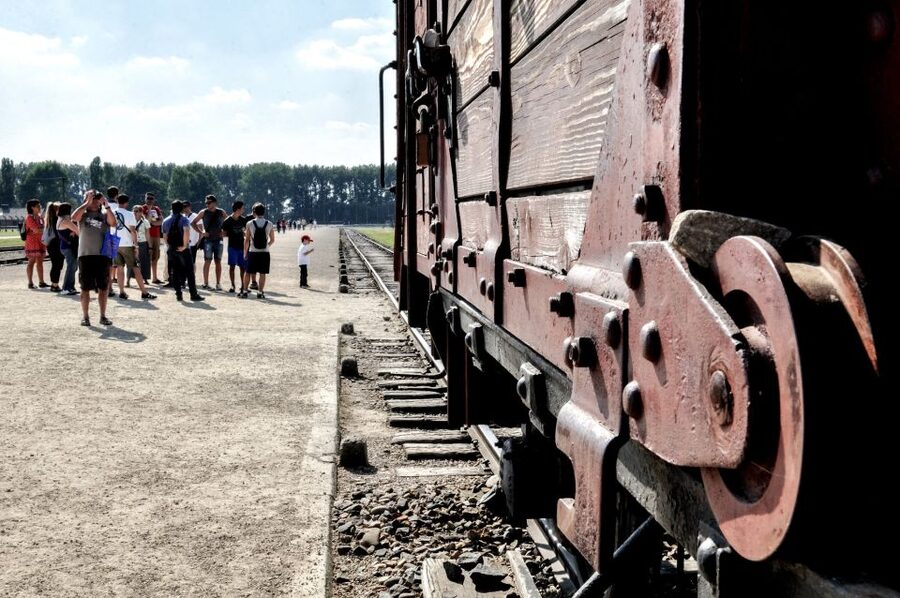
Auschwitz II-Birkenau is about 1 hour of the guided visit. It is far larger and more open than Auschwitz I. The entrance gate, railway track, barracks, and remains of the destroyed gas chambers show how the camp operated as an extermination site.
The size of Birkenau is one of the hardest things to process. The long lines of barracks and broad open spaces communicate scale in a way that photographs cannot. Your guide explains how arrivals were processed, where prisoners were kept, and how the killing facilities were used.
The SS tried to destroy evidence before liberation on January 27, 1945, including burning archives and demolishing parts of the camp. What remains is therefore both a memorial and a damaged historical site. At Birkenau, ruins are part of the evidence.
Expect more walking outdoors here, often on uneven ground. Weather-appropriate clothing is essential. Comfortable shoes are not optional, particularly if the ground is wet, icy, or muddy.
The one-hour Birkenau visit is enough to see the principal areas, but it does not allow for a slow, private exploration. Some people will find the pace appropriate because the subject is so heavy. Others will wish for more time at the barracks and memorial areas.
Timing, group size, and the value of a guide
The full activity lasts about eight hours, including the drives, breaks, security, and museum visit. The actual guided portion is around 3.5 hours, though the Auschwitz I timing may be listed as two hours in one schedule and 2.5 hours in another. The museum controls the pace and duration, not the transport company.
Groups may be divided into smaller sections at the museum. One group was under 30 people and split into smaller guided units of fewer than 15, which made the explanation easier to hear. Your exact group size can vary.
The price is listed at about $200 per person. That is not the cheapest way to visit Auschwitz-Birkenau, especially since independent transport and admission can cost less. The value comes from convenience: round-trip transport from Krakow, admission arrangements, a licensed museum guide, and a coordinated transfer between the two camps.
I would pay the extra for a guided visit if you want the site explained in context and do not want to manage the transport yourself. I would think twice if you mainly want unlimited time to read, photograph the grounds, or move at your own pace. The tour is organized and efficient, not leisurely.
The guide quality is the biggest variable. Strong guides have been clear, respectful, and able to answer questions. A weaker guide may rush, misunderstand questions, or leave people waiting in poor weather while handling tickets. The driver can sometimes help with practical matters, but the guide remains the key part of the experience.
What to bring and what to leave behind
Bring your passport or ID card. The name on it must match the booking information. Wear comfortable shoes and clothing suited to the forecast, with extra warmth for winter and rain protection for wet days.
Large bags and luggage are not allowed. Pets are also not allowed. Sleeveless shirts are prohibited, so dress modestly for the memorial site.
The supplied information gives conflicting accessibility details. The activity notes say wheelchair accessible in one place, but also say it is not suitable for wheelchair users elsewhere. Because the route includes uneven ground, stairs, outdoor walking, and two separate camp sites, contact the operator before booking if you use a wheelchair or have limited mobility.
Motion sickness may also be an issue on the Krakow transfer. If you are prone to travel sickness, sit where you usually feel most stable and bring any personal remedies you normally use.
Who should book this Auschwitz tour?
This tour suits you if you are staying in Krakow, want both Auschwitz sites in one day, and prefer someone else to handle the transport and museum entry. It is also a sensible choice if you want historical explanation rather than a self-guided visit.
It works best for adults and teenagers aged 14 or older who can manage several hours of walking, outdoor exposure, and emotionally difficult material. You should also be comfortable following a fixed schedule.
You may prefer another arrangement if you need a long lunch, have limited mobility, dislike group pacing, or want to read every exhibition panel in full. The non-refundable policy also means you should book only when your Krakow plans and personal readiness are firm.
Should you book it?
Book this tour if you want a structured, serious visit to both Auschwitz I and Birkenau without arranging the road journey yourself. The best parts are the museum guide, the access to original buildings and exhibitions, and the clear contrast between the administrative camp and the extermination site.
Before paying, check the final pickup time, exact meeting point, lunchbox option, and accessibility details. Arrive early, bring ID, wear practical clothing, and leave room in your day to process what you have seen. For most people who want guidance and convenience, the price can be justified. For independent visitors who value time and quiet above all else, a self-arranged visit may offer better control.
FAQ
How long does the Auschwitz-Birkenau tour take?
The full activity lasts about eight hours, including roughly 1.5 hours of transport each way, breaks, security, and the museum visits.
How much time is spent inside the camps?
The guided visit lasts about 3.5 hours. Auschwitz I takes about two to 2.5 hours, while Auschwitz II-Birkenau takes about one hour.
Is transportation from Krakow included?
Yes. Round-trip transportation from Krakow is included, with pickup and drop-off at selected locations depending on the option booked.
Is lunch included?
Lunch is not included by default because museum visit rules do not provide a lunch break. A lunchbox is available with selected options. Food and drinks are not allowed inside the camp areas, and vending machines may be the only food option on site.
What language is the guided tour in?
The live museum tour is conducted in English.
Do I need to bring identification?
Yes. Bring a passport or ID card. Your name must match the name entered during booking, or entry may be refused.
Can children join the tour?
The activity is not suitable for children under 14.
What should I wear and bring?
Wear comfortable shoes and weather-appropriate clothing. Large bags, luggage, pets, and sleeveless shirts are not allowed.
Just added around Krakow
- From Krakow: Zakopane Full-Day Tour with Lunch Option★ 4.4 · 62 reviews
- From Krakow: Zalipie and Painted Village Guided Tour★ 4.0 · 4 reviews
- From Krakow: Zakopane and Dunajec River Rafting Tour★ 4.6 · 31 reviews
- From Krakow: Zakopane and the Tatra Mountains★ 4.7 · 36 reviews
- From Krakow: Zakopane and Gubałówka Cable Car Private Tour★ 4.3 · 12 reviews
- From Krakow: Zakopane Tatra Mountains & Hot Springs Tour★ 3.0 · 29 reviews
- From Krakow: Zakopane & Tatra Mountains Tour★ 3.8 · 42 reviews
- Zakopane & Tatra Mountains Private Full-Day Tour from Krakow★ 4.5 · 33 reviews
Auschwitz-Birkenau Tours from Krakow, compared.
Auschwitz-Birkenau Guided Tour & Hotel Pickup
Read our review →Auschwitz-Birkenau Guided Tour & Hotel Pickup
Read our review →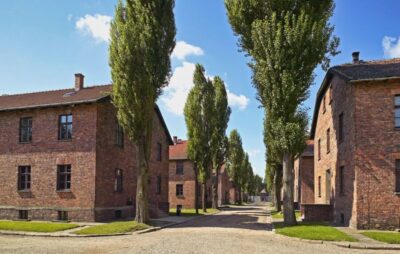
Auschwitz Guided Tour with Optional Hotel Pickup
Read our review →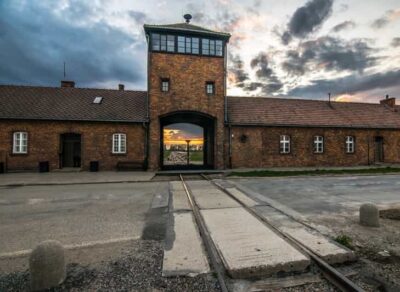
Auschwitz-Birkenau Guided Tour with Pickup & Lunch
Read our review →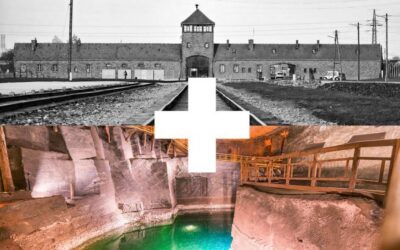
Krakow to Auschwitz Birkenau Guided Tour with Transfer and Ticket
Read our review →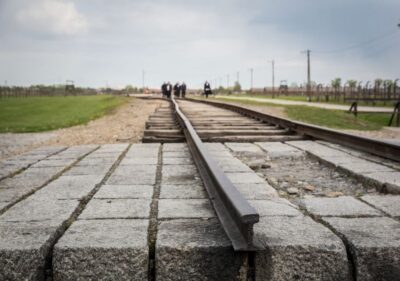
Browse the lists this tour appears in