
Reviewed · SCHINDLER'S FACTORY TOURS
Krakow: Oskar Schindler’s Factory Guided Tour&Pickup Options
Schindler’s Factory is not simply a museum about one industrialist. Its main exhibition, Kraków under Nazi Occupation 1939-1945, shows how war changed an entire city, from Jewish families facing persecution to Polish residents trying to survive under German rule. Oskar Schindler’s story is important here, but it is part of a much larger human story.
I like the skip-the-line entry, especially when museum queues are long, and I like the way the tour uses real objects, photographs, timelines, and recreated rooms to make the period easier to grasp. The main caution is that Schindler himself may receive less attention than you expect. One French review found the factory name a little misleading because the tour focused more on wartime Kraków than on Schindler’s personal biography.
Key points to know before you go
- The main subject is wartime Kraków: The exhibition covers the city and its people from 1939 to 1945, not only Oskar Schindler.
- You skip the regular ticket line: Meet directly in front of the museum entrance with your guide.
- The tour lasts 90 minutes: That is enough for a guided introduction, but not a slow, unhurried museum visit.
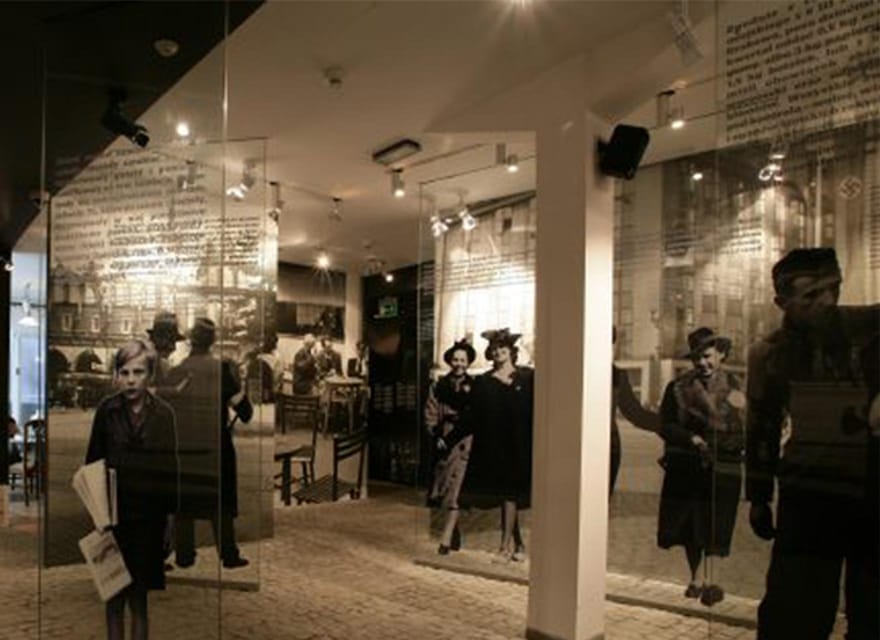
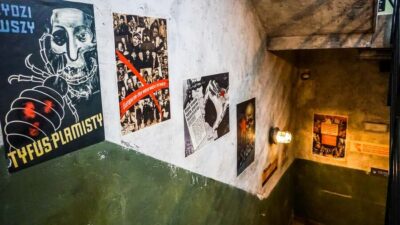
- The setting is intentionally dark and narrow: The design reflects fear and pressure under Nazi rule, which can make the visit emotionally heavy.
- Bring government-issued ID: From January 1, 2026, every participant’s full name must be supplied at booking and ID must be shown for entry.
- English, French, German, Spanish, and Italian are offered: Groups of 15 or more receive headsets.
What you are really visiting at Schindler’s Factory
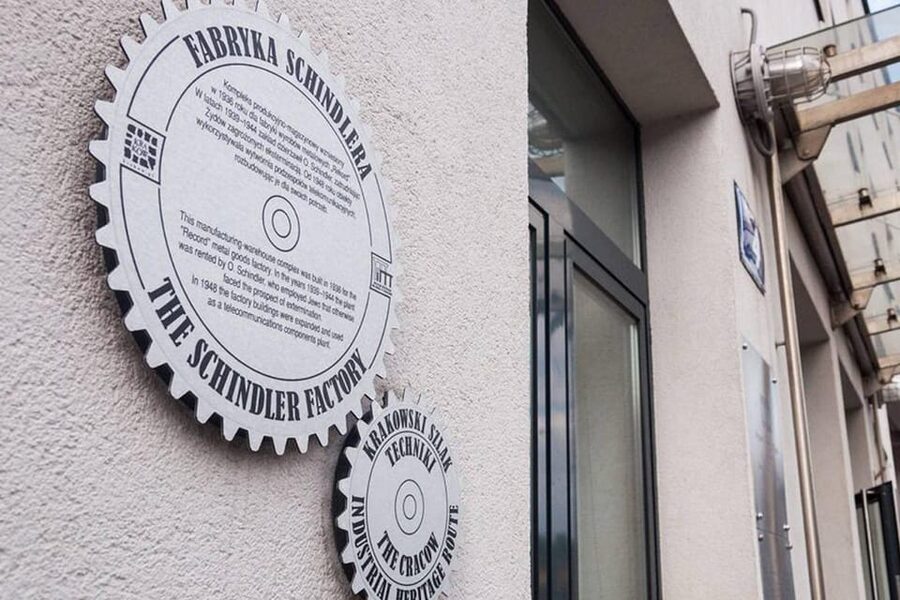
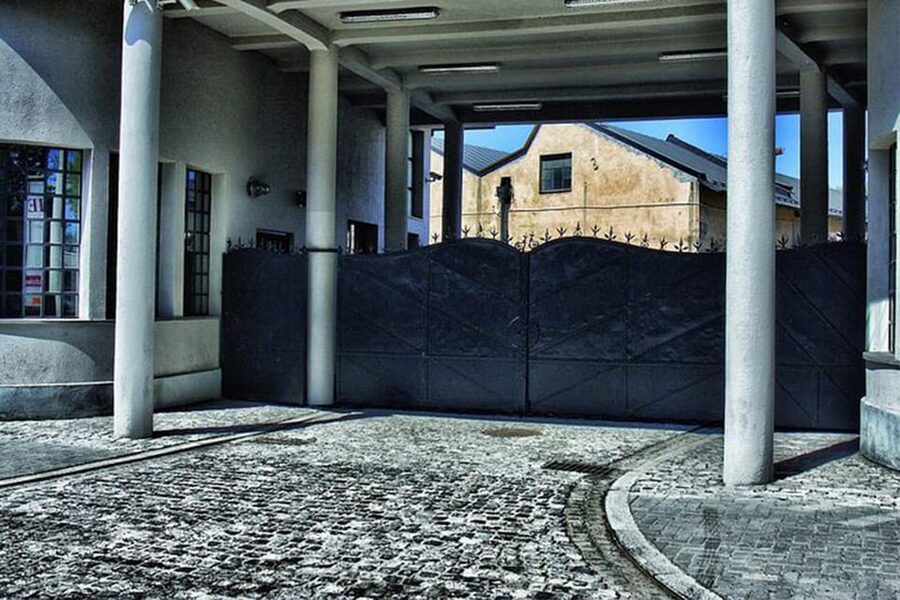
The museum occupies Oskar Schindler’s former enamel factory in Kraków. That location matters, but you should set your expectations before arriving. This is not mainly a preserved factory floor filled with machinery, nor is it a complete biography of Schindler.
The central exhibition follows Kraków under German occupation. You learn how the invasion altered public life, work, housing, family life, and the fate of the city’s Jewish population. Schindler appears within that story as the factory owner whose business became a refuge for more than a thousand Jewish workers.
That wider focus is one of the museum’s strengths. Schindler’s actions are not treated as an isolated miracle. His choices are placed beside the persecution, deportations, and destruction that surrounded them. You get a clearer sense of the danger he faced, but also of the many people whose lives were shaped by the occupation.
If you visit because of the film Schindler’s List, you may expect a museum built around familiar scenes and a detailed account of Schindler’s private life. You will find his story here, but the exhibition gives equal weight to Kraków’s residents and the city’s Jewish community. That balance is valuable, though it can disappoint anyone expecting a narrowly focused Schindler tour.
More ways into Schindler's Factory in Krakow:
- Krakow: Oskar Schindler’s Factory Entry Ticket & Guided Tour
★ 4.2 · 3,793 reviews - Krakow: Schindler’s Factory Tour with Entrance Ticket
★ 4.5 · 3,182 reviews - Krakow: Schindler’s Factory Skip-the-Line Ticket
★ 4.4 · 3,105 reviews
Meeting your guide at the museum entrance
The meeting point is directly in front of the entrance to Oskar Schindler’s Factory. This is a simple arrangement, but it makes timing important. You are not being collected from your hotel as part of the stated tour service, and a return transfer is not included.
Your guide leads you through the museum after the group has entered. The guide is licensed, and the tour is offered in English, French, German, Spanish, or Italian. If you book in a language other than English, check the selected language and meeting details carefully before setting out.
The skip-the-line benefit is practical rather than glamorous. Museums in Kraków can draw heavy interest, and avoiding the standard ticket queue gives you more control over your day. It also reduces the risk of wasting part of the 90-minute visit waiting outside.
From January 1, 2026, the museum requires personalized tickets. You must provide the full name of each person at booking and bring a passport or identity card for every participant, including children. Leave these documents in your hotel safe and you could be turned away, so this small detail deserves real attention.
The first rooms: Kraków before and after invasion
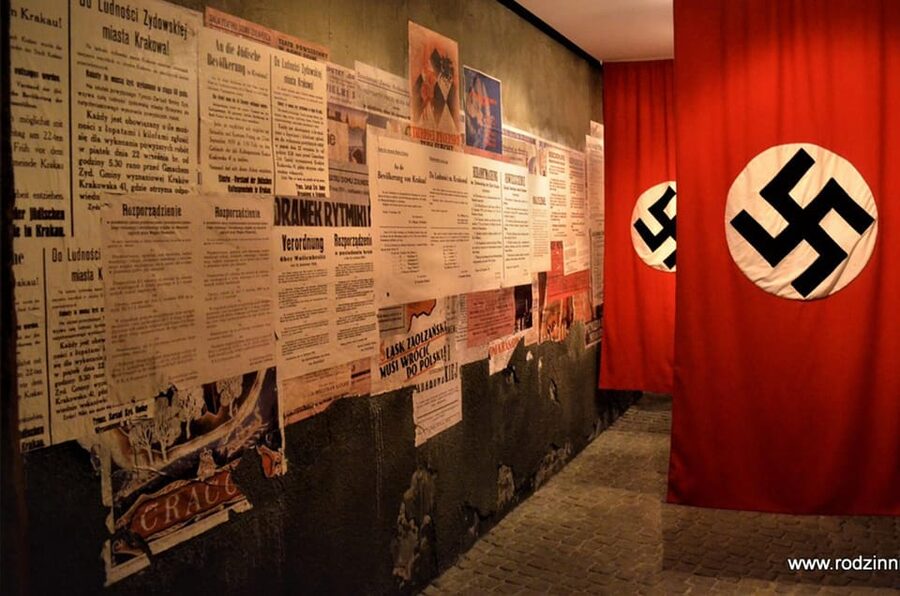
The tour begins by placing Kraków in its wartime setting. Timelines help you follow the rapid change from normal city life to occupation. One particularly effective part of the presentation is the account of the invasion and its effect on Polish people, which guide Anna used to connect dates with the human cost of political decisions.
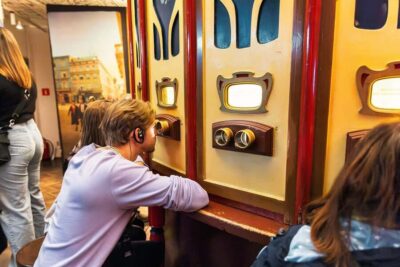
You are not asked to absorb six years of history as a list of names and battles. The exhibition uses photographs, objects, and reconstructed spaces to show what occupation felt like in daily life. Narrow rooms and low light create a sense of tension. The design is deliberate, and it can make the visit feel more personal than a conventional display of cases and labels.
I like this opening because it gives you a frame for everything that follows. Without it, Schindler’s actions can seem like a separate moral story. With it, you see how quickly a city can be reorganized by military power, racist laws, fear, and forced movement.
The setting is also the tour’s main emotional challenge. The dim rooms and wartime subject matter may feel oppressive, especially if you are already familiar with the Holocaust. The guide’s role matters here. A strong guide can keep the story clear and grounded instead of allowing the atmosphere to do all the work.
Jewish Kraków and the destruction of a community
A major part of the visit concerns Kraków’s Jewish residents. The exhibition shows the pressures placed on Jewish families, the loss of rights, forced relocation, deportations, and the destruction of the city’s Jewish community.
This section is essential because it prevents the museum from becoming a feel-good story about one brave businessman. Schindler helped more than a thousand Jewish workers, but his factory existed within a system designed to imprison, exploit, and kill. You need both parts of that story to understand the moral weight of his actions.
The displays also place Jewish and non-Jewish experiences side by side. That does not mean the experiences were the same. It shows instead how occupation reached into every part of Kraków, while racial persecution placed Jewish people in an especially deadly position.
Authentic artifacts and period photographs give the section a firm sense of place. You may find the exhibition more affecting in its ordinary details than in its dramatic moments: an object connected to work, a photograph of city life, or a room rebuilt to suggest the pressure of living under constant threat.
The guide helps you connect these fragments. Several tours have been praised for being both precise and sensitive, with the guide recognizing the efforts of people beyond Schindler. That is a useful approach for this subject, since courage during wartime did not belong to one famous name.
A handful more Krakow trips to weigh up
- From Krakow: Auschwitz-Birkenau Guided Tour & Hotel Pickup
★ 4.5 · 33,358 reviews - From Krakow: Auschwitz-Birkenau Guided Tour & Hotel Pickup
★ 4.5 · 29,340 reviews - Krakow: Auschwitz Guided Tour with Optional Hotel Pickup
★ 4.5 · 15,280 reviews - Krakow: Auschwitz-Birkenau Guided Tour with Pickup & Lunch
★ 4.5 · 9,800 reviews
Oskar Schindler’s role in the larger story
Schindler’s factory became a place of refuge for more than a thousand Jewish workers. The tour explains how his business and his decisions helped protect those employees during a period when work could mean the difference between life and death.
You will hear about Schindler against the background of deportations and the destruction of the Jewish community. That context makes his actions easier to measure. It also keeps the museum from presenting him as a simple hero without flaws or complications.
The amount of time devoted to Schindler can vary in how it feels within the wider tour. If your main goal is a detailed biography, you may find the emphasis too limited. One French-language assessment made this exact point, noting that Schindler was only briefly discussed compared with the broader account of wartime Kraków.
I would treat that as a matter of fit rather than a flaw for everyone. If you want to understand why Schindler mattered, the tour gives you the setting you need. If you want every detail of his career, relationships, and postwar life, this 90-minute museum visit may not satisfy you on its own.
Why the guided format helps
You can look at photographs and artifacts without a guide, but the guided format adds structure. The exhibition covers a difficult period with many names, dates, and shifts in policy. A guide helps you understand what to notice and why one room follows another.
The strongest praise has gone to guides who bring a personal, human focus to the history. Anna, in particular, was praised for explaining the experience of Polish people and for using the timeline well. Another guide was described as both highly capable and sensitive in presentation.
That combination is important. A guide who simply recites dates will not make full use of the museum. A guide who relies only on emotion may leave you without a clear historical framework. Here, the best experience brings the two together.
The 90-minute limit is both useful and restrictive. It keeps the visit focused and works well if you have only part of an afternoon. At the same time, you may want more time with certain displays after the guide moves on. The tour is best viewed as a guided introduction, not as permission to study every panel at your own pace.
For groups of 15 or more, headsets are provided. That should make it easier to follow the explanation in crowded rooms, though the supplied information does not specify the size of every group or the exact audio setup.
The emotional weight of the museum design
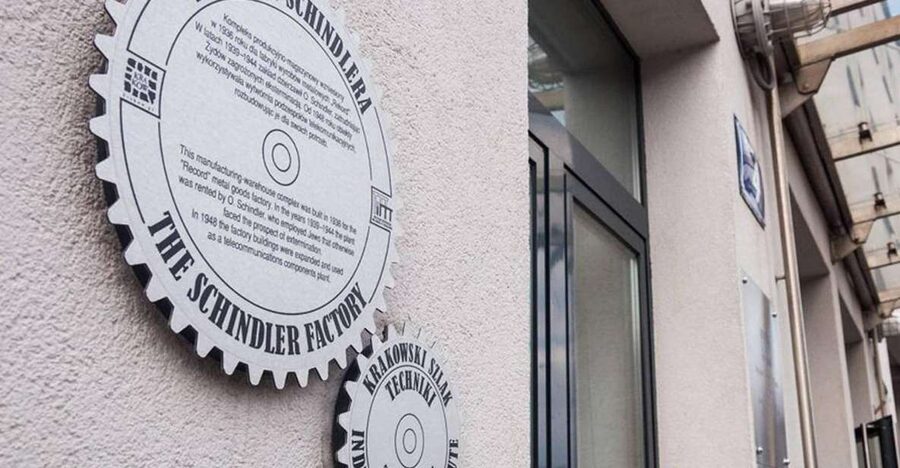
The museum does not present the occupation as a distant textbook subject. Narrow corridors, subdued lighting, photographs, and recreated interiors create a physical sense of unease. The design asks you to feel the pressure of a city living under control and threat.
That approach will work well for you if you prefer museums that connect facts with setting. It may be harder if you want a bright, spacious gallery or a quick stop between lighter attractions. This is a serious museum, and the subject matter deserves time and attention.
The emotional tone also means this is not a visit to rush through while checking your phone. Give yourself a few quiet minutes before and after the tour. The 90-minute program is fixed, but your wider schedule should not be so tight that you have to run straight to your next appointment.
Although the exhibition is moving, it is not presented as entertainment. The power comes from its careful account of ordinary life under extraordinary pressure. That is why the tour can stay with you after the guide has finished.
Is $55 a fair price?
At $55 per person, this is not Kraków’s cheapest museum visit. The price includes a licensed guide, skip-the-line admission, and a 90-minute tour. You are paying for explanation and access, not just for the museum ticket.
The value depends on how you use the visit. If you are unfamiliar with the occupation of Kraków, a guide can save you from piecing the story together from scattered labels. The line-skipping element also has value during busy periods, when waiting outside could take a noticeable bite from your day.
The price is harder to justify if you mainly want to wander through the museum alone or if your only interest is Schindler’s personal biography. In that case, the wider exhibition may feel like a detour from your main goal.
For me, the tour makes the most sense when you want a clear historical framework and have limited time. The high praise for organization, careful explanation, and emotional presentation suggests that the guiding service is the main reason to book rather than simply buying entry.
Who will get the most from this visit?
I would recommend this tour to adults and older children who want to understand Kraków during the Nazi occupation, not just see the building linked with Schindler. It suits people who value a guide’s interpretation and want to avoid the regular ticket queue.
It is also a good choice if you are visiting Kraków for a short stay. Ninety minutes gives you a focused history visit without taking over a full day. The available languages make it useful for international groups, and wheelchair access is listed.
Families should think about the subject matter before booking for young children. The information provided does not set an age limit, but the exhibition deals with persecution, deportation, and mass death. Bring identification for every child, and consider whether the serious tone is right for them.
You may want another plan if you are looking for a factory tour in the usual sense. The museum’s location is authentic, but the heart of the experience is the exhibition about Kraków under occupation. Go for the history, not for a display of industrial production.
Practical details that can save you trouble
Book with the full names of everyone in your party, then bring a passport or ID card for each person. This rule is especially important from January 1, 2026, because personalized museum tickets may prevent entry if the information does not match.
Arrive at the stated meeting point, directly in front of the museum entrance. The exact start time may change because of the museum’s scheduling, so treat a selected time as a preference rather than an absolute guarantee from that date onward.
Food and drinks are not included. There is also no return transfer included, so plan your route onward from the museum yourself. The supplied meeting information does not promise hotel pickup, which means you should confirm any pickup wording at the time of booking rather than assume transport is part of the service.
You can cancel up to 24 hours before the activity for a full refund, and reserve now while paying later. Those terms help if your Kraków schedule is still changing, but check the final booking conditions for your selected date.
Should you book Schindler’s Factory with a guide?
Book this tour if you want a focused, carefully explained account of Kraków under Nazi occupation, with skip-the-line entry and a guide who can connect the displays into a clear story. The museum’s best feature is its wider human view, including the experiences of Jewish and non-Jewish residents and the people who helped others survive.
Think twice if you want a long biography of Oskar Schindler or a traditional factory visit. Schindler is important here, but he is not the only subject, and the 90-minute format leaves limited time for independent browsing.
At $55, the tour earns its price through guidance, organization, and easier entry. Bring ID, allow for a serious emotional experience, and arrive ready to learn about a whole city rather than one famous man.
FAQ
Where does the tour meet?
The meeting point is directly in front of the entrance to Oskar Schindler’s Factory Museum.
How long does the guided tour last?
The guided visit lasts 90 minutes.
What does the tour include?
It includes a licensed expert guide, skip-the-line admission to Schindler’s Factory, and the 1.5-hour guided tour. Headsets are included for groups of 15 or more.
Which languages are available?
The tour is available in English, French, German, Spanish, and Italian.
Do I need to bring identification?
Yes. From January 1, 2026, you must provide the full names of all participants when booking and bring a passport or identity card for every person, including children.
Is the tour wheelchair accessible?
Yes, the activity is listed as wheelchair accessible.
Can I cancel the booking?
You can cancel up to 24 hours in advance for a full refund. Reserve now and pay later is also available.
Just added around Krakow
- From Krakow: Zakopane Full-Day Tour with Lunch Option★ 4.4 · 62 reviews
- From Krakow: Zalipie and Painted Village Guided Tour★ 4.0 · 4 reviews
- From Krakow: Zakopane and Dunajec River Rafting Tour★ 4.6 · 31 reviews
- From Krakow: Zakopane and the Tatra Mountains★ 4.7 · 36 reviews
- From Krakow: Zakopane and Gubałówka Cable Car Private Tour★ 4.3 · 12 reviews
- From Krakow: Zakopane Tatra Mountains & Hot Springs Tour★ 3.0 · 29 reviews
- Zakopane & Tatra Mountains Private Full-Day Tour from Krakow★ 4.5 · 33 reviews
- From Krakow: Hot Springs and Zakopane with Gubałówka★ 4.7 · 25 reviews
Schindler's Factory Tours, compared.
Oskar Schindler’s Factory Entry Ticket & Guided Tour
Read our review →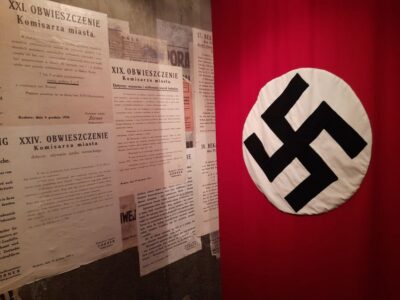
Schindler’s Factory Tour with Entrance Ticket
Read our review →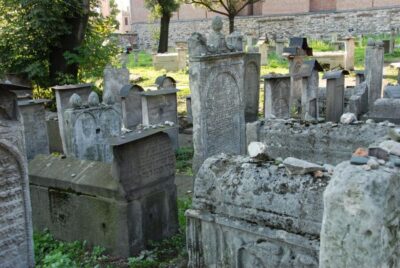
Schindler’s Factory Tour with Entrance Ticket
Read our review →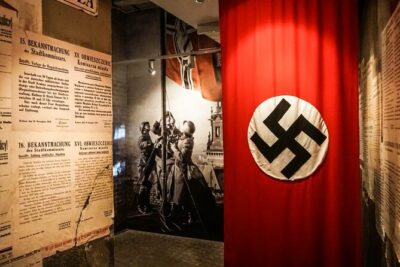
Schindler’s Factory in Krakow: Guided Tour & Skip the Line Ticket
Read our review →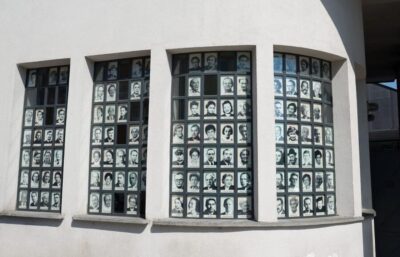
Schindler’s Factory Ticket with Guided Tour Option
Read our review →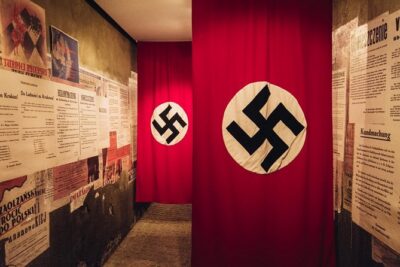
Krakow Schindler’s Factory Guided Tour with Admission Ticket
Read our review →Browse the lists this tour appears in