
Reviewed · SCHINDLER'S FACTORY TOURS
Schindler’s Factory Small-Group Guided Tour
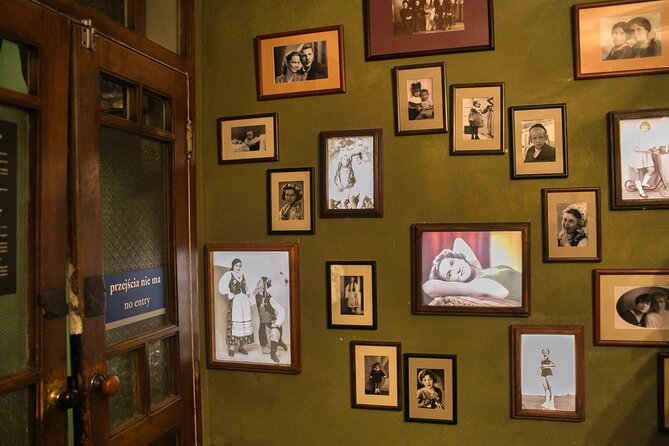
Schindler’s Factory is less a museum about one heroic factory owner than a carefully staged walk through Krakow under Nazi rule. You move through recreated streets, a tram carriage, a hairdresser, a photographer, and a Jewish apartment while the exhibition follows the city’s Polish and Jewish residents from 1939 to 1945.
I like two things right away: the guide gives the displays a human voice, and the multimedia rooms make the exhibition easier to understand than a wall of dates. The strongest guides are well informed and enthusiastic, and they leave room for questions and photographs. The main drawback is simple: if you expect factory machinery, production floors, and a long portrait of Oskar Schindler, this is not that museum.
Key points to know before booking
- The main subject is occupied Krakow: The exhibition covers the city, its Jewish and Polish residents, Nazi rule, and wartime daily life.
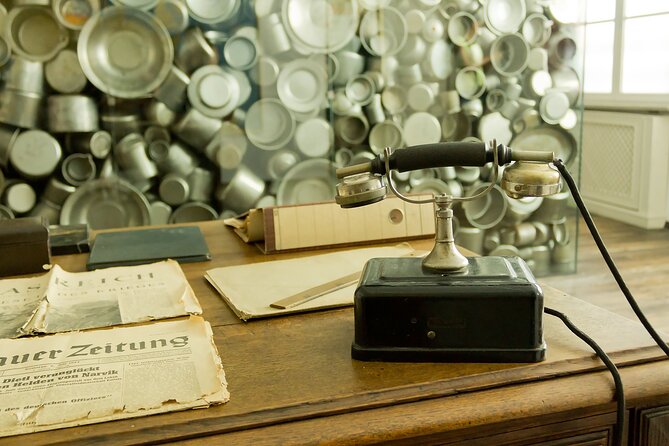
- The factory itself is not the whole story: Only the former office area inside is original, while much of the visit is a modern museum exhibition.
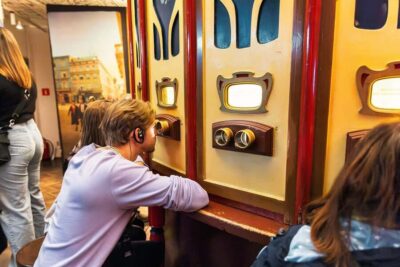
- Multimedia scenes make the past tangible: You may walk through a recreated street, enter a ghetto apartment, view a photoplasticon, and sit in a tram setting.
- A guide adds real value: The tour explains the displays, sets the scene, and gives you chances to ask questions.
- Plan on 90 minutes to two hours: The stated duration is about 1 hour 30 minutes, though the guided visit may take closer to two hours.
- The group can reach 25 people: That is still manageable, but it is not an intimate private tour.
What Schindler’s Factory actually offers
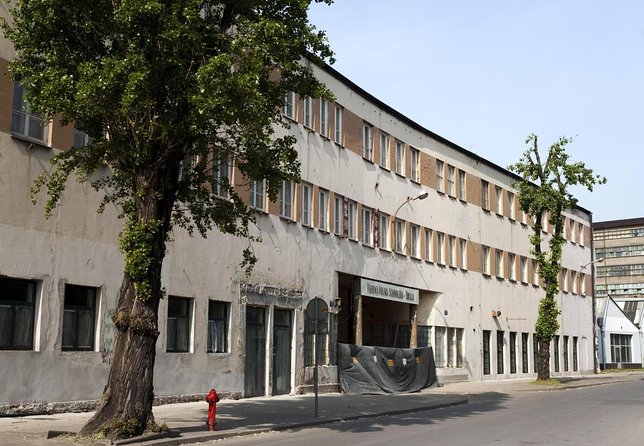
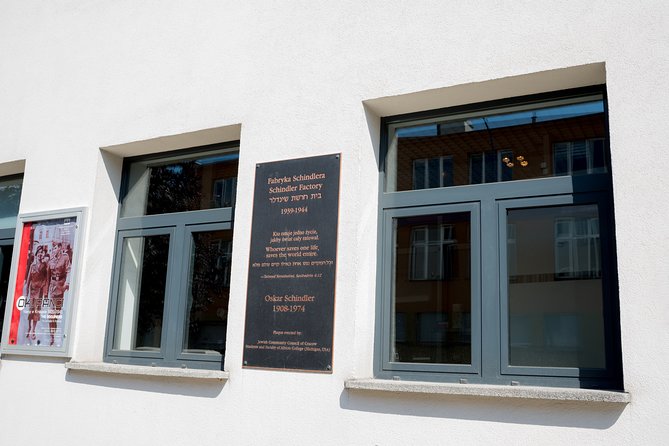
The museum occupies the former administrative building of Oskar Schindler’s Enamel Factory at Lipowa 4. Its main exhibition is titled Krakow under Nazi Occupation 1939 to 1945.
That title matters. The museum does include Schindler, but he is part of a larger story. You learn about the city before and during the German occupation, the treatment of Jewish residents, the changing fortunes of Polish citizens, and the way Nazi control reshaped ordinary life.
If you know the 1993 film, you may arrive expecting a museum built around its central character. It is better to adjust that expectation before you go. The exhibition gives Schindler an important place, but its main concern is the city and its people.
I see this as a strength. A visit focused only on Schindler could turn the site into a simple hero story. Here, his actions sit within a much wider account of war, occupation, forced movement, fear, and survival.
More ways into Schindler's Factory in Krakow:
- Krakow: Oskar Schindler’s Factory Entry Ticket & Guided Tour
★ 4.2 · 3,793 reviews - Krakow: Schindler’s Factory Tour with Entrance Ticket
★ 4.5 · 3,182 reviews - Krakow: Schindler’s Factory Skip-the-Line Ticket
★ 4.4 · 3,105 reviews
Walking through occupied Krakow
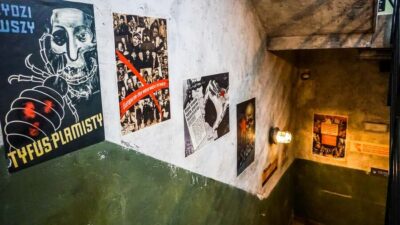
The exhibition is arranged so that you do not simply read one panel after another. You move through designed spaces that suggest the texture of wartime Krakow.
You may enter a recreated hairdresser and photographer’s studio, encounter an authentic photoplasticon, and pass along cobbled streets. These settings help explain how the city looked and functioned under occupation. They are not just decoration. They give you physical reference points for a period that can otherwise feel distant and abstract.
One of the most effective features is the tram. Through its windows, a film presents life in the city. That shift in setting changes the pace of the visit. Instead of standing in front of another display, you watch Krakow pass by in a way that suggests movement through a controlled and divided city.
The exhibition also includes a narrow labyrinth representing the ghetto. Within it is a Jewish apartment, followed by the story of residents being sent onward to the Płaszów camp. This part is emotionally difficult, and the tight spaces are designed to make you feel the loss of freedom and room to move.
You should not expect a light museum visit. The subject is persecution, displacement, and murder. The modern presentation helps you follow the story, but it does not soften what happened.
Why the guide matters inside the museum
You can see the exhibition without a guide, but the guided format makes more sense for this particular museum. There are many rooms, objects, images, films, and staged scenes. Without context, you might understand individual displays while missing how they connect.
The guide’s job is to set the scene and explain the meaning behind the rooms. A strong guide can tell you why the museum moves from city life to occupation, from the ghetto to Płaszów, and from public history to private experience.
The guide also helps prevent a common misunderstanding. The building is associated with Schindler, but the museum is not a biography of him. The explanation you receive should make that distinction clear early in the visit.
The strongest feedback about this experience centers on the guides. One guide was praised for setting the scene perfectly, while another was described as enthusiastic throughout and willing to answer questions. No specific guide names are provided, so you should not book expecting a particular person.
I especially like the chance to ask questions and take photographs at suitable points. That matters in a museum with a serious subject, since you may need a moment to pause, look again, or clarify a detail rather than hurry from room to room.
The factory setting and the Schindler question
The name Schindler’s Factory can create a picture of old machines, enamel production, worker uniforms, and preserved industrial rooms. You will not get that full factory experience here.
The former administrative building is the setting, but only the office is original inside. Much of the museum is a purpose-built exhibition about wartime Krakow. The exterior and the connection to Schindler’s business are important, yet the visit is not mainly an industrial archaeology tour.
That is the clearest point to consider before paying for the experience. If your main interest is how the factory operated, how enamel goods were made, or what daily work was like for employees, you may find the exhibition narrower than expected.
If your interest is the film, Schindler’s role, and the fate of Krakow during the war, the museum gives you much more. It places the factory owner within the larger political and social crisis rather than treating him as the only subject.
I would describe the experience as a wartime city museum in a former factory building. That wording is less dramatic than the title, but it prepares you accurately.
A handful more Krakow trips to weigh up
- From Krakow: Auschwitz-Birkenau Guided Tour & Hotel Pickup
★ 4.5 · 33,358 reviews - From Krakow: Auschwitz-Birkenau Guided Tour & Hotel Pickup
★ 4.5 · 29,340 reviews - Krakow: Auschwitz Guided Tour with Optional Hotel Pickup
★ 4.5 · 15,280 reviews - Krakow: Auschwitz-Birkenau Guided Tour with Pickup & Lunch
★ 4.5 · 9,800 reviews
The exhibition’s emotional route from ghetto to Płaszów
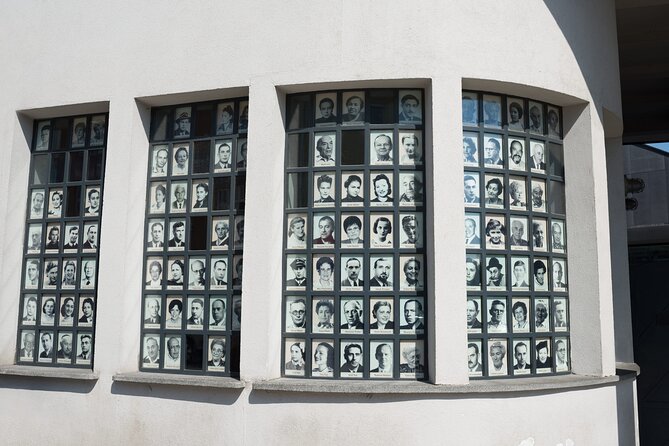
The route through the ghetto and toward Płaszów is the part most likely to stay with you. The narrow passage and apartment setting create a marked change from the more public scenes of streets, shops, and transport.
Here, the story becomes personal. You are no longer looking only at how a city was governed. You are considering what happened to people inside their homes and neighborhoods, and how quickly ordinary spaces became places of confinement and fear.
The museum uses modern multimedia to connect these stages. You may not retain every date or name, but the sequence gives the occupation a clear shape. The city changes, rights disappear, the ghetto becomes more restricted, and residents are sent toward the camp at Płaszów.
This presentation works best if you give it time. The stated visit lasts about 90 minutes, but one account places the full tour closer to two hours. Do not schedule a major attraction immediately afterward. Even if the formal timing is shorter, the subject deserves a little breathing room.
Price and value at $45.38
At $45.38 per person, this is not the cheapest way to enter a Krakow museum. The price includes admission and a professional guide, so the comparison is not simply with the cost of a museum ticket. You are paying for interpretation, organization, and a small-group format.
The value depends on how you use museums. If you prefer to read at your own speed and already know the history of occupied Krakow, you may find the added cost less necessary. If you want a clear route through a complex exhibition, the guide earns much of that fee.
A group of up to 25 people is small enough to keep the visit organized and allow questions, though it is not the same as a private tour. The group size also means you may sometimes need to wait for others to finish in a room.
I think the price is easiest to justify for a first visit, especially if you have limited time in Krakow. The guide helps you get more from 90 minutes than you might get by wandering through the rooms without context.
The average booking lead time is 29 days. That suggests you should not assume you can always decide at the last minute, even though a last-minute booking was possible for one visitor. If your dates are fixed, reserve ahead.
Meeting at Lipowa 4
The tour begins at Lipowa 4 in Krakow and ends back at the same meeting point. The location is near public transportation, which makes the start practical for most visitors staying in the city.
Because the tour is at a fixed museum address, you do not need to spend the experience moving between several distant sites. That keeps the time focused on the exhibition itself.
Children must be accompanied by an adult. Most people can take part, and the supplied information does not list a special fitness requirement. Still, the subject matter may not suit young children, and the narrow ghetto scenes can feel intense.
Confirmation arrives at booking. You should check the meeting details before leaving for the museum, then allow enough time to reach Lipowa 4 without rushing. The activity returns to the starting point, which makes it easier to plan the next part of your day.
Who will get the most from this tour
I would recommend this tour to you if you want more than a famous name and a quick photograph outside a museum. It suits readers who want to understand how occupation affected an entire city and who appreciate a guide explaining the connections between rooms.
It is also a good choice if you have seen the film and want to separate the movie’s story from the wider historical record. The exhibition may correct some expectations by showing that Schindler is one part of a much larger account.
Families with older children may find the staged rooms useful because the material is not presented only as text. Adults should decide for younger children based on their age and comfort with wartime persecution.
You may want to skip the guided version if you strongly prefer silence, private pacing, or a narrowly industrial museum. You may also feel disappointed if you want to see factory equipment and workers’ production areas.
Booking, cancellation, and timing advice
Free cancellation is available if you cancel at least 24 hours before the local start time. Canceling within 24 hours does not qualify for a refund, and changes made inside that period are not accepted.
That policy is worth noting because the tour is often booked well before the visit. Check your plans before the cutoff rather than waiting until the day before.
The advertised duration is 1 hour 30 minutes. Since the guided visit can take about two hours, I would budget the longer period when planning lunch, transport, or another museum.
The experience is operated by Intercrac Sp. z o.o. The group maximum is 25 people, and admission is included in the price.
My call: book it if you want the wider story
Book this tour if your main goal is to understand Krakow during the Nazi occupation, with Schindler’s factory as the setting and his story as one thread. The guide, multimedia rooms, tram scene, ghetto apartment, and route toward Płaszów give the museum a clear emotional and historical structure.
Think twice if the word factory leads you to expect machinery, production rooms, or a detailed study of Schindler’s workers. That is the main mismatch to avoid.
For most first-time visitors interested in Krakow’s wartime past, the guide makes the $45.38 price easier to defend. Go in expecting a serious city history museum, not a film shrine or industrial museum, and you will know exactly what you are paying for.
FAQ
Where does the Schindler’s Factory tour start?
The tour starts at Lipowa 4, 32-051 Krakow, Poland.
Where does the tour end?
The activity ends back at the meeting point.
How long does the tour last?
The stated duration is approximately 1 hour 30 minutes. The guided visit may take closer to two hours.
Is admission included?
Yes. The admission ticket to Schindler’s Enamel Factory is included.
What is the museum exhibition called?
The main exhibition is called Krakow under Nazi Occupation 1939 to 1945.
Is the museum mainly about Oskar Schindler?
No. The exhibition focuses mainly on Krakow and the experiences of its Polish and Jewish residents during Nazi occupation. Schindler is part of the story, but the museum is not a full biographical exhibition about him.
How many people can join the tour?
The group can have a maximum of 25 people.
Can I cancel for a refund?
You can cancel up to 24 hours before the experience start time for a full refund. Cancellations or changes made less than 24 hours before the start time are not accepted for a refund.
Just added around Krakow
- From Krakow: Zakopane Full-Day Tour with Lunch Option★ 4.4 · 62 reviews
- From Krakow: Zalipie and Painted Village Guided Tour★ 4.0 · 4 reviews
- From Krakow: Zakopane and Dunajec River Rafting Tour★ 4.6 · 31 reviews
- From Krakow: Zakopane and the Tatra Mountains★ 4.7 · 36 reviews
- From Krakow: Zakopane and Gubałówka Cable Car Private Tour★ 4.3 · 12 reviews
- From Krakow: Zakopane Tatra Mountains & Hot Springs Tour★ 3.0 · 29 reviews
- Zakopane & Tatra Mountains Private Full-Day Tour from Krakow★ 4.5 · 33 reviews
- From Krakow: Hot Springs and Zakopane with Gubałówka★ 4.7 · 25 reviews
Schindler's Factory Tours, compared.
Oskar Schindler’s Factory Entry Ticket & Guided Tour
Read our review →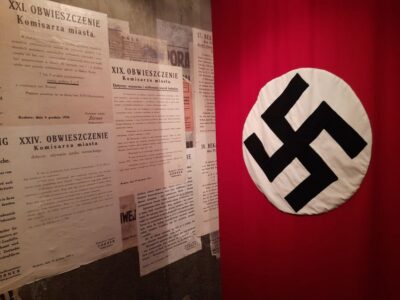
Schindler’s Factory Tour with Entrance Ticket
Read our review →
Schindler’s Factory Tour with Entrance Ticket
Read our review →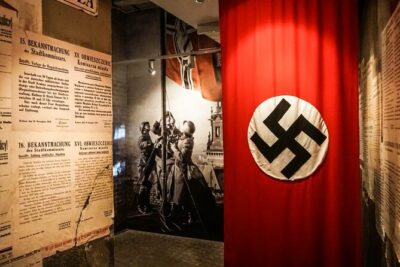
Schindler’s Factory in Krakow: Guided Tour & Skip the Line Ticket
Read our review →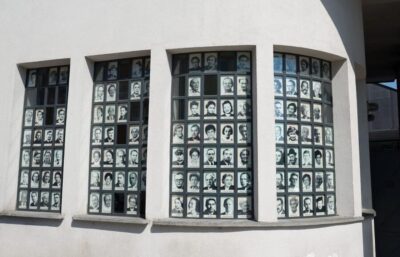
Schindler’s Factory Ticket with Guided Tour Option
Read our review →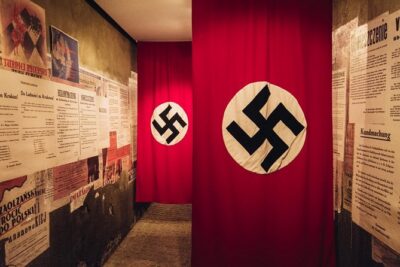
Krakow Schindler’s Factory Guided Tour with Admission Ticket
Read our review →Browse the lists this tour appears in