
Reviewed · AUSCHWITZ-BIRKENAU TOURS FROM KRAKOW
Auschwitz-Birkenau Guided Shared Tour from Krakow
Auschwitz-Birkenau is not a sightseeing stop in the usual sense. It is a place of evidence, memory, and grief, and a guided visit helps you understand what you are seeing rather than simply walking past barracks and barbed wire. This tour takes you from Krakow by air-conditioned minivan, then places you with a local museum guide for both camp sites.
I like the hotel pickup and drop-off, which removes the morning scramble, and the small shared vehicle, with no more than 14 people in a car according to the tour details. I also like that the price, about $36.28 per person, includes transport, admission, headphones, and the guided visit. The main caution is pace: several people found the tour rushed, and a large museum group can make it hard to see displays or keep up.
Key points to know before booking
- Two camp sites in one day: Visit Auschwitz I and Birkenau, also called Brzezinka, with guided sightseeing at both.
- Early hotel pickup: Collection usually takes place between 6:10 and 7:30 in the morning, with your exact time sent shortly before departure.
- A museum-appointed guide: The English-speaking guide works inside the Auschwitz-Birkenau Museum, with headphones supplied so you can follow the commentary.
- Small shared transport: The trip uses an air-conditioned minivan, with a maximum of 14 people in a car and up to 25 people for the activity overall.
- Strict bag rules: Bags brought into the museum must be no larger than 30 by 20 by 10 centimeters.
- Bring identification: Entry tickets are registered, so every participant needs a passport or ID and must provide their full name when booking.
Why this day matters
Auschwitz-Birkenau was the largest Nazi concentration and extermination camp complex during the Second World War. Around 1.5 million people from 28 countries were killed there, including almost one million Jews.
Those figures are hard to grasp in the abstract. The power of the visit comes from the physical remains: prisoner barracks, miles of fencing, watchtowers, the railway ramp, the Death Wall, gas chambers, crematoria, and personal belongings displayed inside the museum. The setting does not soften the facts. It makes them painfully concrete.
A state museum was established here in 1947, and the site became a UNESCO World Heritage Site in 1979. You are not visiting a reconstructed attraction. Much of what you see is the actual camp, preserved as a place of remembrance and education.
I would plan this as a serious half-day, not a quick excursion between lunch and shopping. The experience can be emotionally draining, and the return drive may be quiet. That is normal. Give yourself space afterward instead of scheduling another demanding activity immediately.
More Auschwitz-Birkenau trips in Krakow:
- From Krakow: Auschwitz-Birkenau Guided Tour & Hotel Pickup
★ 4.5 · 33,358 reviews - From Krakow: Auschwitz-Birkenau Guided Tour & Hotel Pickup
★ 4.5 · 29,340 reviews - Krakow: Auschwitz Guided Tour with Optional Hotel Pickup
★ 4.5 · 15,280 reviews
From Krakow to Oswiecim by minivan
The journey from central Krakow to Auschwitz takes about one hour and 15 minutes each way. Pickup is offered from hotels, apartments, hostels, or another agreed place in Krakow, though you need to provide the exact property name and address when booking.
The early start is practical. Auschwitz is a major destination, and an early arrival helps you avoid the worst of the lines and later crowds. It also means you should be ready before breakfast. Food and drinks are not included, so ask about a packed lunch or bring food for the ride. You cannot take a large meal into the museum, but you may be able to eat between stops or on the vehicle.
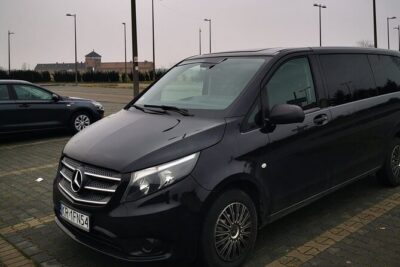
The minivan is air-conditioned, and the shared format keeps the cost down. The advertised vehicle limit is 14 people, while the whole activity may have as many as 25 participants. That is still more personal than a large coach in many cases, but do not expect a private tour.
The driver handles transport rather than the museum commentary. Drivers named in feedback include Igor, Konrad, Michał, Slawek, Andrew, and David, with praise for punctual pickups, clean vehicles, friendly assistance, and careful driving. One account raised a serious concern about fast driving in poor weather, so if road conditions are difficult, speak up and ask for a slower pace.
Entering Auschwitz I
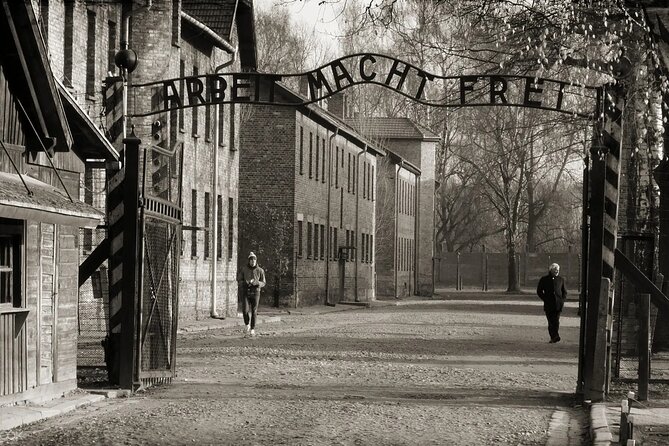
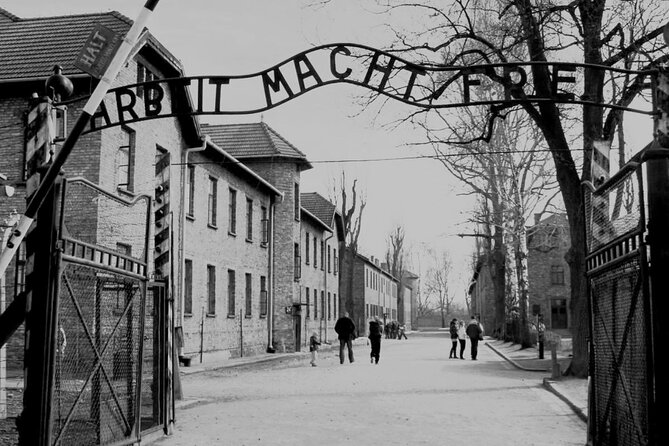
Auschwitz I is the part of the complex most people picture first: brick blocks, barbed wire, guard towers, and the entrance gate. It was established by the Nazis in 1940 on the outskirts of Oswiecim, a Polish town whose German name was Auschwitz.
Inside the museum blocks, exhibitions explain how the camp system operated and how prisoners were selected, confined, exploited, and killed. The buildings and displays give scale to the crime in a way that a short historical summary cannot.
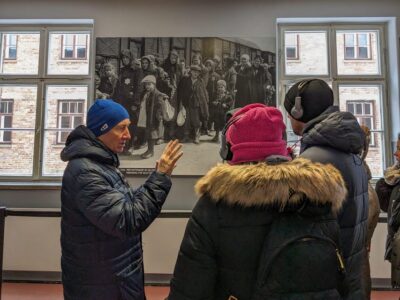
Your museum guide leads the group through the site and uses headphones so you can hear the explanation. Guides such as Magda, Anna, and Barbara have been singled out for calm, respectful, and compassionate presentation. That tone matters here. A good guide does not turn the visit into a performance. The best commentary gives you facts, context, and time to process what is in front of you.
The guide may move quickly from one room to the next. You might not have enough time to read every information panel, examine every display, or stop as long as you would like. In crowded rooms, visibility can also be poor. Stay near the guide, keep your audio device working, and avoid lingering too far behind.
This is one reason I see guided entry as valuable, even with the rushed sections. Without context, you could miss how the buildings, transport system, registration process, forced labor, and killing facilities fitted together. With a guide, the visit has a clear structure.
The scale of Birkenau at Brzezinka
After Auschwitz I, the tour continues to Brzezinka, better known as Birkenau. The guided visit here takes about one hour, with admission included.
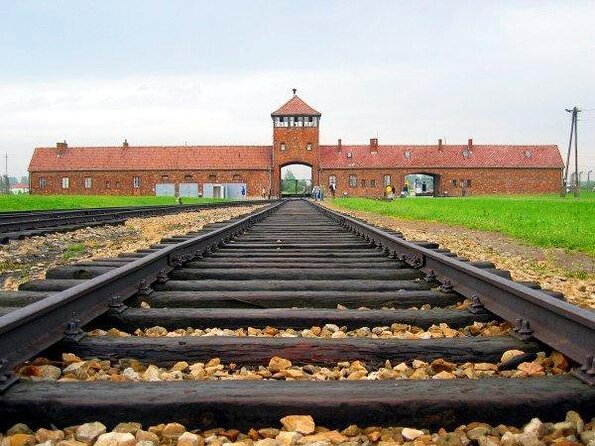
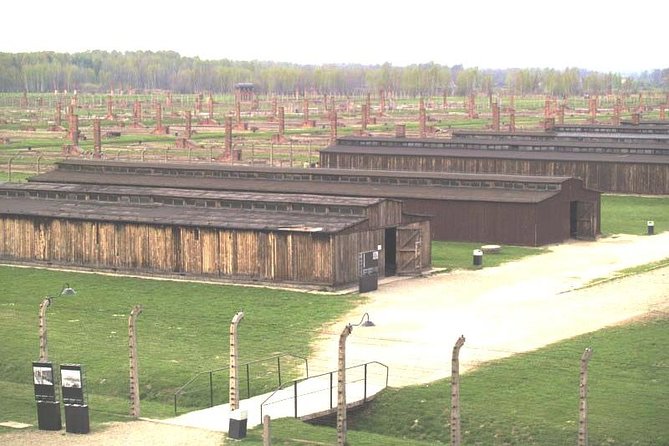
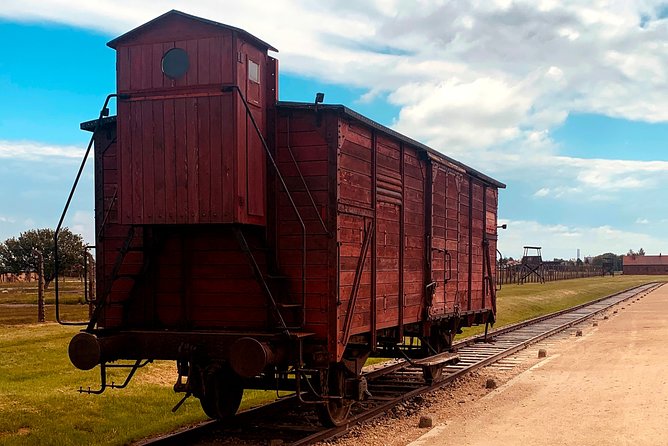
Birkenau is physically vast. The long lines of barracks, railway ramp, fencing, watchtowers, and open ground show the intended scale of the camp. The sheer size can be more difficult to absorb than the enclosed museum rooms at Auschwitz I.
The railway ramp is especially important because it helps explain how people arrived and were sorted. The memorial area and the remains of the gas chambers and crematoria point to the planned, industrial nature of the killing.
You will spend much of this portion outdoors. The tour details do not specify weather protection or rest periods, so dress for the conditions and wear comfortable shoes. Since the day begins early and stretches to about seven hours, a light layer, water, and a small snack are sensible.
Birkenau can also expose the limitations of a group tour. The site is large, and the guide may need to keep moving to maintain the schedule. If you have mobility concerns, contact the operator before booking and ask for current arrangements. One account found the pace difficult for people with disabilities, so this is not a detail to brush aside.
A handful more Krakow trips to weigh up
- Krakow: Auschwitz-Birkenau Guided Tour with Pickup & Lunch
★ 4.5 · 9,800 reviews - Krakow: Auschwitz-Birkenau Guided Tour Pickup/Lunch Options
★ 4.5 · 9,057 reviews - Krakow: Auschwitz-Birkenau and Salt Mine Guided Tour
★ 4.7 · 9,020 reviews - Krakow to Auschwitz Birkenau Guided Tour with Transfer and Ticket
★ 5.0 · 8,197 reviews
A guide can change the visit
The museum guide is one of the most important parts of the experience. Your driver gets you there, but the guide explains what the buildings, objects, and remains mean.
The strongest guide reports describe people who spoke clearly, answered questions, and treated the subject with care. Barbara was described as an educator with a strong sense of purpose. Anna was praised for compassion, while Magda was noted for a respectful and caring manner. You cannot choose a specific guide in advance, but these examples show the level of presentation the tour aims for.
Headphones are included for the guided visit, which is useful in a group. At Auschwitz, sound can be a problem. You may be standing outside in an open area, moving through a narrow room, or surrounded by several other groups. The audio equipment should make the guide easier to follow, though one account still found the commentary hard to hear and rushed.
The tradeoff is clear: a guided group gives you structure and historical explanation, but less freedom than visiting alone. If you want to read every panel and pause often, this tour may feel too brisk. If you want a practical introduction with an expert leading the way, the format works well.
The real value of the $36.28 price
At about $36.28 per person, this is a low-cost way to arrange a difficult day. The price includes round-trip shared transport, hotel pickup and drop-off, admission, headphones, the museum guide, and an English-speaking driver.
The savings come from sharing the vehicle and guide. You are not paying for a private car or a personal historian. Still, admission and transport are meaningful costs, and the pickup service saves you from arranging your own journey to Oswiecim.
The skip-the-line promise is useful, especially during busy periods. It does not mean the site will feel empty. Auschwitz is heavily visited, and you may still encounter crowded rooms, other groups, and a firm timetable. It means the operator handles the scheduled entry rather than leaving you to wait in the longest public line.
The tour is also useful if your Krakow stay is short. In roughly seven hours, you can leave and return to the city while seeing both Auschwitz I and Birkenau. The price is fair for this convenience, provided you are comfortable with a shared vehicle and a set route.
Timing, bags, identification, and lunch
Your exact pickup time is normally sent by message or text one or two days before the tour. The stated pickup window is roughly 6:10 to 7:30 in the morning, depending on your location and the day’s arrangements.
Give yourself extra time in the lobby or at the agreed pickup point. The operator may collect several people, and an apartment entrance can be harder to find than a hotel. Keep your phone available for the final message.
Every participant’s full name must match the passport or ID used for the visit. Bring that document with you. The information says tickets are registered, and entry may not be possible without the required names and identification.
Pack very lightly. The museum allows backpacks or handbags no larger than 30 by 20 by 10 centimeters. Large bags may need to remain in the vehicle, so do not arrive with a full daypack or suitcase.
Food and drinks are not included. A packed lunch can be useful because the schedule leaves limited time for finding food. One family found arranging lunch helpful, while another recommended eating on the vehicle between sites. Child and infant tickets do not include museum headsets, so check that point if you are booking for a young child.
The museum closes on January 1, the first day of Easter, April 16, and December 25. Check the date carefully before you commit.
Who will appreciate this tour most
I would choose this tour if you want the practical pieces handled for you. Hotel pickup, registered admission, a driver, and a museum guide make the day far easier than piecing together public transport and entry times.
It suits first-time visitors who want a clear introduction to Auschwitz and Birkenau. It also works well for couples, families with older children, and people with only a few days in Krakow who want to make the journey without renting a car.
I would hesitate if you need a slow, highly flexible visit. The group may move quickly, the guide may not pause for every display, and the museum can be crowded. It is also not a casual family outing. Before bringing children, consider their age and ability to cope with the subject.
The tour is offered in English. If you need another language, this specific option is not the right match based on the supplied details.
Should you book the Auschwitz-Birkenau shared tour?
Book it if you want a well-organized, affordable way to see both camp sites from Krakow, with transport and museum guidance arranged in advance. The most useful features are the early pickup, included admission, air-conditioned minivan, headphones, and return service to your accommodation.
Go in with realistic expectations. This is a shared tour, not a private reflection day. The group can feel rushed, and the museum guide’s pace may leave little time for every panel or exhibit. Bring identification, a small bag, water, and a prepared lunch. If you need extra time or mobility support, ask the operator before paying.
For many people, the efficiency is worth the compromise. Auschwitz-Birkenau is difficult to visit casually, and a respectful guide gives the day shape. Just leave room in your Krakow schedule afterward. You may need quiet time more than another attraction.
FAQ
How long does the tour from Krakow take?
The full experience lasts approximately seven hours. The drive from Krakow to Auschwitz takes about one hour and 15 minutes each way, with visits to both Auschwitz I and Birkenau included.
Is hotel pickup and drop-off included?
Yes. Pickup and return are offered from hotels, apartments, hostels, or another agreed location in Krakow.
What time does pickup take place?
Pickup is generally scheduled between 6:10 and 7:30 in the morning. Your exact collection time is sent by message or text one or two days before the trip.
Is the tour conducted in English?
Yes. The tour includes an English-speaking museum guide and English-speaking drivers.
Is museum admission included?
Yes. Admission to Auschwitz-Birkenau is included in the tour price.
Are headphones provided?
Headphones to hear the guide clearly are included. Headsets are not included with child and infant tickets.
How large can my bag be?
Backpacks or handbags brought into the museum must not exceed 30 by 20 by 10 centimeters. Large luggage is not suitable for the museum visit.
Do I need to bring identification?
Yes. Bring a passport, ID card, or another accepted document. All participants’ full names must be provided at booking and must match their identification because tickets are registered.
Can I cancel the tour?
You can cancel up to 24 hours before the experience start time for a full refund. Cancellations or changes made less than 24 hours before the start are not accepted for a refund.
Just added around Krakow
- From Krakow: Zalipie and Painted Village Guided Tour★ 4.0 · 4 reviews
- From Krakow: Zakopane and Dunajec River Rafting Tour★ 4.6 · 31 reviews
- From Krakow: Zakopane Full-Day Tour with Lunch Option★ 4.4 · 62 reviews
- From Krakow: Zakopane and the Tatra Mountains★ 4.7 · 36 reviews
- From Krakow: Zakopane and Gubałówka Cable Car Private Tour★ 4.3 · 12 reviews
- From Krakow: Zakopane Tatra Mountains & Hot Springs Tour★ 3.0 · 29 reviews
- Zakopane & Tatra Mountains Private Full-Day Tour from Krakow★ 4.5 · 33 reviews
- From Krakow: Hot Springs and Zakopane with Gubałówka★ 4.7 · 25 reviews
Auschwitz-Birkenau Tours from Krakow, compared.
Auschwitz-Birkenau Guided Tour & Hotel Pickup
Read our review →Auschwitz-Birkenau Guided Tour & Hotel Pickup
Read our review →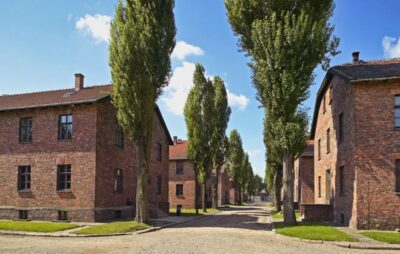
Auschwitz Guided Tour with Optional Hotel Pickup
Read our review →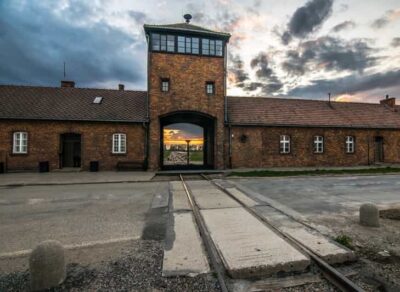
Auschwitz-Birkenau Guided Tour with Pickup & Lunch
Read our review →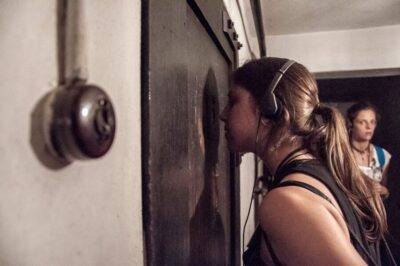
Auschwitz-Birkenau Guided Tour Pickup/Lunch Options
Read our review →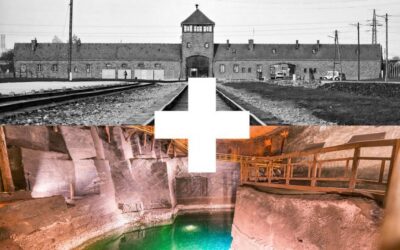
Krakow to Auschwitz Birkenau Guided Tour with Transfer and Ticket
Read our review →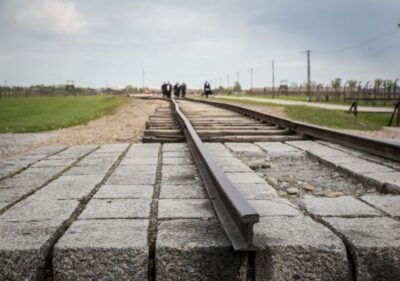
Browse the lists this tour appears in