
Reviewed · SCHINDLER'S FACTORY TOURS
Schindler’s Factory Visit & Skip-the-Line Entry
Schindler’s Factory Museum is less a shrine to one man than a powerful walk through Krakow under Nazi occupation. In about 90 minutes, you move from prewar city life into persecution, the ghetto, Płaszów, and liberation, using photographs, film, reconstructed rooms, and personal accounts.
I like the English-speaking guide, who gives the exhibits a clear human story, and I like the clever settings: a tram window, a hairdresser, a photographer, and a narrow ghetto apartment. The main drawback is time. Groups can be large, and the pace may leave you wishing for more time to read and absorb each display.
Key points to know before you book
- The museum covers all of Krakow’s wartime story, not just Oskar Schindler and his factory.
- Skip-the-line entry can save time, but meeting the group outside may still feel confusing or slow.
- English guides add essential context, especially in rooms filled with photographs, documents, and multimedia.
- The tour lasts about 90 minutes, with a fair amount of standing and walking through tight spaces.
- Your full name must match your passport or ID, or museum staff may refuse entry.
- The $50.46 price is strongest when timed entry is scarce, especially if you want guidance rather than a quick museum visit.
What Schindler’s Factory really tells you
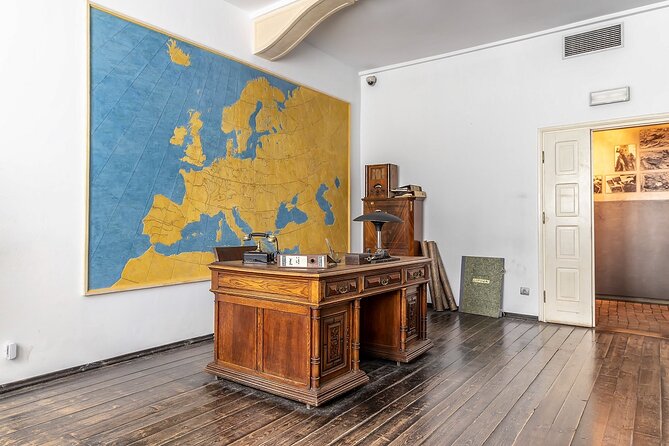
The name creates a reasonable expectation: you may picture a focused account of Oskar Schindler, his enamelware business, and the Jewish workers he helped protect. The museum does include Schindler and explains his role, but that is only one part of the visit.
The larger subject is Krakow before, during, and after the Nazi occupation. You learn about Polish and Jewish residents, German rule, forced removal, the ghetto, Płaszów, and the destruction of ordinary city life. Schindler’s story sits inside that wider account.
That wider scope is one of the museum’s strengths. You leave with a better sense of what happened to the city as a whole, not simply the story presented in the film Schindler’s List. It also prevents the visit from turning Schindler into a lone hero floating apart from the people around him.
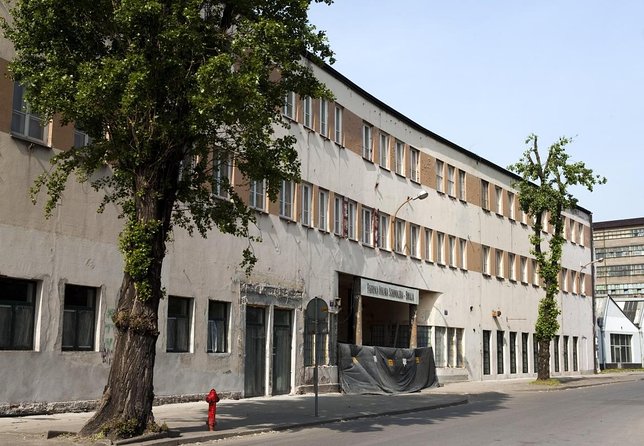
Still, you should adjust your expectations before arriving. If your main goal is a detailed biography of Oskar Schindler or a close look at factory production, this tour may feel off target. The factory building is the setting, but the museum is primarily about wartime Krakow.
More ways into Schindler's Factory in Krakow:
- Krakow: Oskar Schindler’s Factory Entry Ticket & Guided Tour
★ 4.2 · 3,793 reviews - Krakow: Schindler’s Factory Tour with Entrance Ticket
★ 4.5 · 3,182 reviews - Krakow: Schindler’s Factory Skip-the-Line Ticket
★ 4.4 · 3,105 reviews
Entering occupied Krakow through the museum
The exhibition is designed as a walk through the city rather than a series of plain white rooms. You follow a chronological path through staged spaces and displays that aim to show how quickly normal life changed.
One of the memorable sections recreates a hairdresser. Another uses a photographer’s setting. These everyday places help you picture Krakow as a working city before the war, then understand how occupation altered familiar routines.
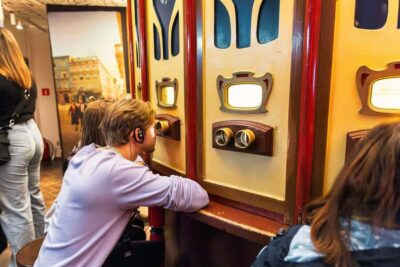
A photoplasticon, an old-style viewing device, adds another unusual touch. It is the sort of object that can seem small beside major wartime displays, but it helps connect the exhibition to prewar urban life and popular culture.
The museum also uses a tram. Through its windows, film shows the city and its wartime story. This is not just decoration. The changing view gives you a sense of moving through Krakow while the guide explains what happened outside.
I find these recreated spaces more useful than a long wall of dates. They give you a physical setting for the facts. The tradeoff is that the route can become crowded, particularly when several groups reach the same room at once.
From the ghetto to Płaszów
The most difficult part of the visit concerns the persecution of Krakow’s Jewish population. The route leads through a narrow ghetto setting, including a Jewish apartment, then follows residents toward the Płaszów camp.
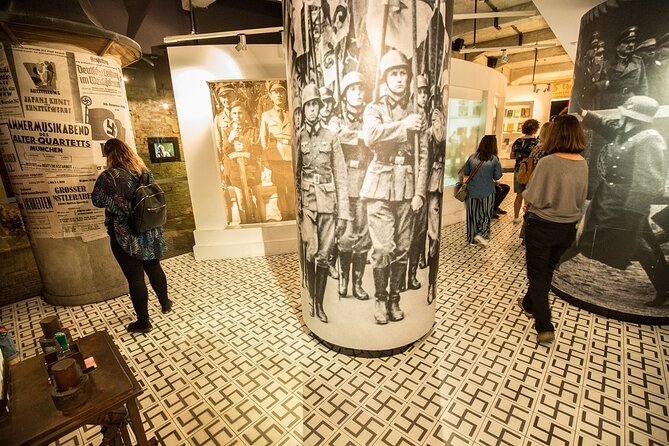
The exhibition uses photographs, eyewitness accounts, uniforms, documents, and other objects to show how people were pushed from their homes and stripped of basic rights. The presentation is direct, but the subject is handled through historical evidence rather than theatrical shock.
You will also hear about the experience of Polish residents and the role of German occupiers. That matters because the museum is not limited to one community’s story. It shows how occupation affected the city’s wider population while making clear the specific, organized persecution faced by Jewish people.
This section deserves time, and that is where the guided format can create tension. A guide keeps the story moving and makes sure you understand the sequence. But if you want to stop at every photograph or read every panel, 90 minutes may feel short.
Some sections are in confined spaces. A large group may need to wait for the party ahead to move on, then gather tightly around the guide. Headsets have worked well on many departures, helping you hear without standing directly beside the guide, but they cannot solve the problem of limited room.
Why the guide matters
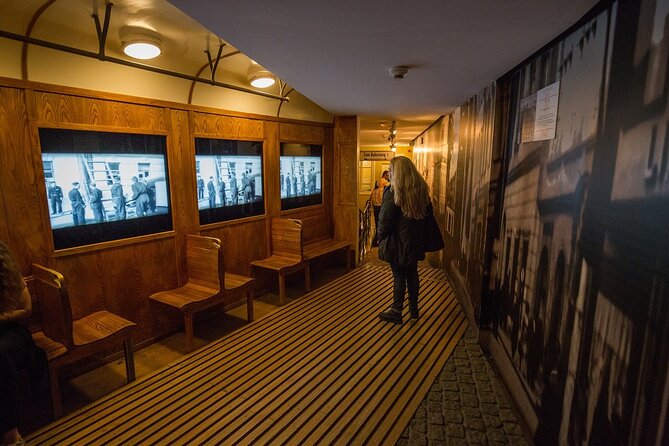
You can look at photographs on your own, but this museum makes more sense with a strong guide. Dates and names come quickly, and the displays move from city life to occupation, ghettoization, deportation, and the camp system.
A good guide explains how the sections connect. The best presentations also place Schindler’s actions in context rather than treating him as the only important figure. Guides named Helen and Barbara have been singled out for clear English, sensitivity, and strong command of the material on different departures.
The guide also helps with the museum’s many interactive features. You may understand what a display shows, but miss why it matters without an explanation of the setting and the people involved.
I would pay close attention at the start. The introduction gives you the framework for everything that follows. If you arrive late, even by 20 minutes, you risk joining a group already moving through the story and missing the basic explanation.
Group size is the biggest variable. Some groups have numbered around 20 people, which is manageable in open rooms but awkward in narrow ones. In especially crowded sections, you may need to choose between listening closely and examining the objects in front of you.
More skip-the-line tickets in Krakow:
- From Krakow: Wieliczka Salt Mine Tour & Skip the Line Ticket
★ 4.4 · 3,925 reviews - Schindler’s Factory in Krakow: Guided Tour & Skip the Line Ticket
★ 4.5 · 1,714 reviews - Auschwitz-Birkenau: Skip-the-Line Entry Ticket & Guided Tour
★ 4.4 · 1,038 reviews - Auschwitz-Birkenau: Skip-the-Line Ticket and Guided Tour
★ 4.2 · 1,034 reviews
A careful look at Oskar Schindler’s role
The museum gives you information about Oskar Schindler, his factory, and his efforts to protect Jewish workers. His story is important, but the visit does not revolve around him from beginning to end.
That can surprise people who book because of the film. The movie creates a strong expectation of a factory-centered tour, while the museum offers a broader account of Poland and Krakow during World War II.
I see this as a benefit if you want context. Schindler’s decisions become more meaningful when you understand the system around him, the German occupation, the ghetto, and the danger facing Jewish residents.
If you want more detail on his personal life, business dealings, or the factory’s day-to-day production, you may leave with questions. One useful fact to keep in mind is that the original factory operation was moved to the Czech Republic near the end of the war. The museum is therefore not a working enamelware factory tour.
Rare photographs and modern multimedia
The exhibition mixes traditional objects with modern presentation. You will see photographs, uniforms, documents, eyewitness accounts, film, and reconstructed interiors. The result is more varied than a standard room-by-room museum display.
The multimedia elements help younger visitors and teenagers stay engaged, but the subject remains serious. Teenagers who have seen Schindler’s List may find the connection immediate, while those unfamiliar with the film can still follow the wider story.
The displays are thoughtfully arranged, though the amount of material can feel heavy in a short visit. You may want to stop often, but the group has to keep moving. If reading every panel matters to you, consider returning independently if you can secure a separate entry, rather than relying on the guided route alone.
The museum also brings the story down to personal scale. An apartment, a shop, a tram ride, and a photograph can say more about daily life than a list of military events. These details show how occupation entered ordinary spaces.
Skip-the-line entry and the meeting point
The tour includes admission and is sold with skip-the-line entry. That can be valuable because the museum uses timed admission and personalized tickets. At busy periods, having a reserved place is much safer than simply turning up and hoping for a ticket.
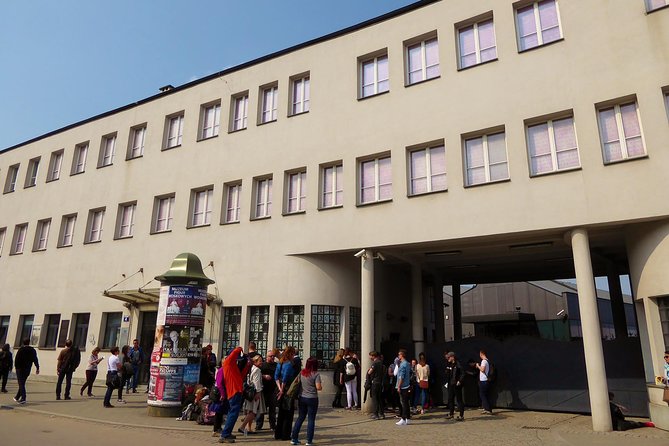
Do not assume skip-the-line means you walk straight through the front door with no waiting. Some departures have involved confusion outside, with people unsure where to stand or which sign to follow. At least one departure used a sign with a different start time, which caused uncertainty before the group assembled.
Arrive early and look for the tour representative or guide. Confirm the time and group before joining a queue. The museum may have its own line, while the tour group gathers separately.
The exact meeting process deserves extra care from January 1, 2026. Museum scheduling can change, so a preferred time may not be the final guaranteed time. Check the confirmation closely, then allow time to find the group near the museum.
Price, timing, and practical value
At $50.46 per person, this is not the cheapest way to enter a Krakow museum. The value depends on what you need.
If you mainly want access and prefer to read at your own pace, a standard museum ticket may offer better value when available. If timed spaces are limited, however, the reserved entry can be worth paying for. The guide is also a real part of the cost, not an add-on. You receive a planned route and explanations that connect the objects.
The tour lasts about 1 hour and 30 minutes. That is enough for a strong overview, but not enough for a slow, complete reading of every display. You should think of it as a guided introduction rather than a leisurely museum afternoon.
The tour is offered in English. Most people can take part, but expect standing and walking. The route includes cobbled street settings and tight exhibition areas, so comfortable shoes are sensible.
Bring the same passport or identification document used when booking. Your full name and surname on the ticket must match your document. This is not a minor detail. Museum staff can deny entry if the names do not match.
Free cancellation is available if you cancel at least 24 hours before the scheduled start. Changes or cancellations inside that period are not accepted for a refund.
Who will get the most from this visit
I would choose this tour if you want a guided account of Krakow’s wartime experience and do not want to gamble on obtaining a museum ticket at the door. It suits anyone interested in World War II, Polish history, Jewish history, or the real events behind Schindler’s List.
It also works well for families with older children and teenagers. The recreated spaces and film elements give younger visitors something to follow, while the guide provides the context they may not get from labels alone.
Film fans should book it with the right expectation. You will see the real building connected with Schindler, but the tour is not a movie-location walk and not a full biography.
I would be more cautious if you dislike group tours, read every panel, or need long pauses. You may find the pace too quick and the rooms too crowded. An independent visit, if tickets are available, gives you more control.
My verdict on Schindler’s Factory
Book this tour if clear explanation and secured admission matter more to you than complete freedom inside the museum. The strongest part is the way a good English guide turns separate rooms, photographs, and films into a connected account of Krakow’s wartime life.
Do not book it expecting a factory tour devoted mainly to Oskar Schindler. Choose it for the broader story, the carefully built exhibition, and the chance to understand the people affected by occupation. Accept the large-group risk, the standing, and the brisk pace, and this can be one of the most meaningful museum visits in Krakow.
FAQ
Where does the tour take place?
The tour takes place at Fabryka Emalia Oskara Schindlera, the Schindler’s Factory Museum in Krakow, Poland.
How long does the tour last?
The guided visit lasts approximately 1 hour and 30 minutes.
Is the tour offered in English?
Yes. The experience is offered in English.
Is museum admission included?
Yes. The admission ticket is included in the experience.
Does the tour include skip-the-line entry?
Yes. The tour is sold with guaranteed skip-the-line entry, although you may still need to wait while the group meets or museum staff process admission.
What does the museum focus on?
The exhibition covers Krakow during the Nazi occupation, including the fate of Polish and Jewish residents, German occupation, the ghetto, Płaszów, and Oskar Schindler’s role.
Is the visit only about Oskar Schindler?
No. Schindler is part of the story, but most of the museum covers the wider history of Krakow and Poland during World War II.
Do I need identification?
Yes. Bring a passport or other identification document. The name and surname on the ticket must match your document.
Can I choose an exact tour time?
You can select a preferred time, but from January 1, 2026, the museum schedule may change and the exact time is not guaranteed.
Can I cancel for a refund?
Yes, if you cancel at least 24 hours before the experience starts. Cancellations or changes made less than 24 hours before the start are not refunded.
Just added around Krakow
- From Krakow: Zakopane Full-Day Tour with Lunch Option★ 4.4 · 62 reviews
- From Krakow: Zalipie and Painted Village Guided Tour★ 4.0 · 4 reviews
- From Krakow: Zakopane and Dunajec River Rafting Tour★ 4.6 · 31 reviews
- From Krakow: Zakopane and the Tatra Mountains★ 4.7 · 36 reviews
- From Krakow: Zakopane and Gubałówka Cable Car Private Tour★ 4.3 · 12 reviews
- From Krakow: Zakopane Tatra Mountains & Hot Springs Tour★ 3.0 · 29 reviews
- Zakopane & Tatra Mountains Private Full-Day Tour from Krakow★ 4.5 · 33 reviews
- From Krakow: Hot Springs and Zakopane with Gubałówka★ 4.7 · 25 reviews
Schindler's Factory Tours, compared.
Oskar Schindler’s Factory Entry Ticket & Guided Tour
Read our review →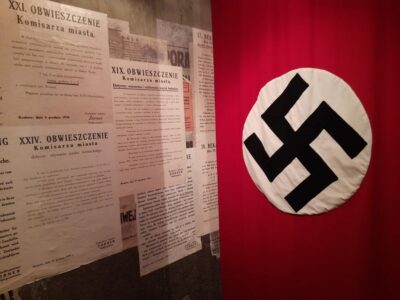
Schindler’s Factory Tour with Entrance Ticket
Read our review →
Schindler’s Factory Tour with Entrance Ticket
Read our review →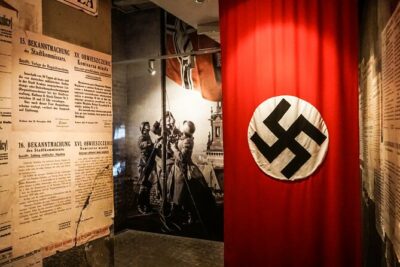
Schindler’s Factory in Krakow: Guided Tour & Skip the Line Ticket
Read our review →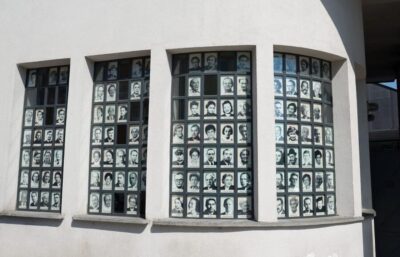
Schindler’s Factory Ticket with Guided Tour Option
Read our review →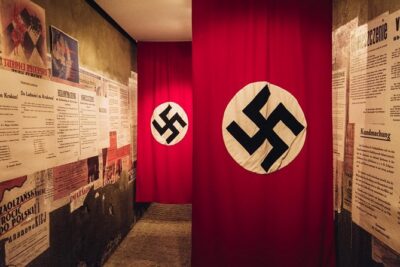
Krakow Schindler’s Factory Guided Tour with Admission Ticket
Read our review →Browse the lists this tour appears in