
Reviewed · AUSCHWITZ-BIRKENAU TOURS FROM KRAKOW
Auschwitz-Birkenau: Skip-the-Line Entry Ticket & Guided Tour
The most powerful part of this 210-minute visit is the move from Auschwitz I’s preserved buildings to Birkenau’s enormous open grounds. You pass through the Arbeit macht frei gate, then later see the railway tracks and barracks where the scale of the Nazi murder system becomes painfully clear.
I like the use of a live guide and headsets, since the site is too large and serious for a quick wander with a map. I also like the low $21 price, which includes fast-track entry, a museum guide, and help joining the correct group. The main catch is logistics: transport between Auschwitz I and Birkenau is not included, and the meeting point and start time may change.
Key points to know before you book
- Auschwitz I and Birkenau are different parts of one visit: You see exhibitions and preserved buildings at the first camp, then the railway, barracks, and open grounds at the second.
- The tour lasts about three and a half hours: Plan for walking, standing, security checks, and a short break between the two sites.
- Your start time may change: You choose a preferred time, but the exact meeting time can arrive only the day before.
- Small bags only: Bags must be no larger than 20 by 30 centimeters, and large luggage is not accepted.
- You must arrange the two-kilometer transfer: A frequent shuttle serves the camps, but the tour information says transport is not part of the package.
- Guide quality is the strongest feature: Guides such as Marta, Jacob, Magda, Margherita, and Oscar Crespo have been praised for clear explanations and respectful handling of the subject.
Why this Auschwitz visit needs careful planning
Auschwitz-Birkenau is not a normal sightseeing stop. You are visiting the largest concentration and extermination camp complex built by Nazi Germany, a place connected to the murder of more than a million people during the Holocaust. The site asks for quiet attention, patience, and respect.
The guided format helps you handle the visit. At Auschwitz I, the guide provides historical context as you move through the preserved camp. At Birkenau, the open space, railway line, barracks, and remains of the killing facilities require explanation to understand what you are seeing.
I would not book this as a casual add-on between lunch and an evening train. The visit can be emotionally heavy, and the schedule may shift by several hours. Give yourself room before and after the tour, especially if you plan to return to Krakow the same day.
The operator is KrakowTouring.com, and the advertised price is $21 per person. That is inexpensive for a guided museum visit, though you should understand what you are paying for. The ticket itself is only one part of the service. The value comes from a reserved entry arrangement, a guide, headsets, group coordination, and help with a site that can be confusing on your own.
More Auschwitz-Birkenau trips in Krakow:
- From Krakow: Auschwitz-Birkenau Guided Tour & Hotel Pickup
★ 4.5 · 33,358 reviews - From Krakow: Auschwitz-Birkenau Guided Tour & Hotel Pickup
★ 4.5 · 29,340 reviews - Krakow: Auschwitz Guided Tour with Optional Hotel Pickup
★ 4.5 · 15,280 reviews
Meeting the guide and entering Auschwitz I
You meet near the museum entrance. The exact point can depend on the option you book, so read the final instructions closely and keep your phone available. Several people have found the meeting point hard to identify, while others received useful WhatsApp messages or phone assistance from the local team.
Bring the passport or ID card used for the booking. The memorial requires full names and contact details, and identification may be checked before entry. You then pass through security and join your group.
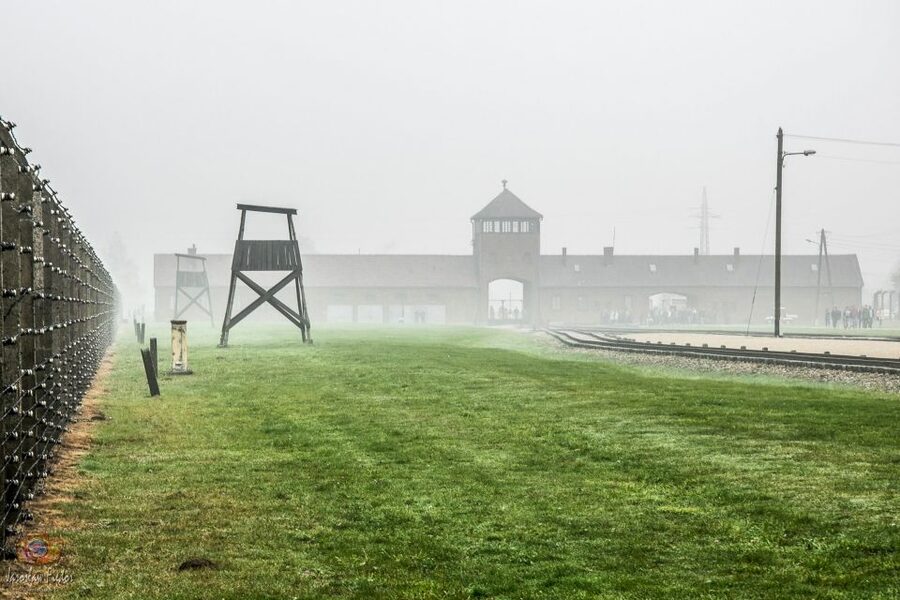
The first camp is Auschwitz I, the smaller and more built-up section. The entrance through the Arbeit macht frei gate is familiar from photographs, but seeing it in person changes the meaning. It is not a grand entrance. It is a controlled threshold into a preserved place of imprisonment and terror.
Your guide leads you through the original camp buildings. The barracks now contain exhibitions and historical displays, while other areas show the cramped conditions in which prisoners were held. The value of a guide is clear here: you are not simply looking at rooms and objects, but learning what they were used for and how the camp operated.
The tour uses headsets, which should make it easier to hear while moving through the buildings. Equipment quality can vary, though. One four-star assessment described the communication equipment as patchy, and another noted that an English-speaking guide was sometimes difficult to understand. Clear guides are frequently praised, but a headset cannot fix every language or audio problem.
What you see inside the preserved camp
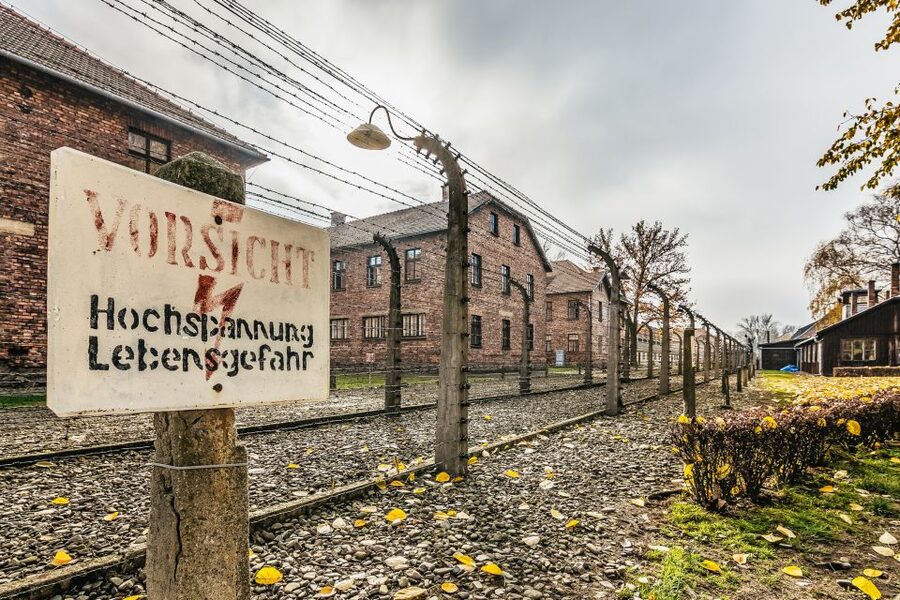
Auschwitz I gives you the more structured part of the visit. You move through buildings, corridors, and exhibitions rather than walking across a huge open field. This helps you understand daily imprisonment, forced labor, punishment, and the system used to classify and control prisoners.
The original barracks are especially difficult because they bring the subject down to human scale. You see the spaces where prisoners were kept, not an abstract account in a textbook. The conditions were crowded and inhuman, and the guide explains how the camp functioned as part of the wider Nazi system.
The visit is not simply a sequence of facts. Good guides keep the tone measured and respectful. Visitors have praised Marta, Jacob, Magda, Margherita, and Oscar Crespo for clear explanations, careful answers, and a serious approach. One guide was also praised for using intentional language throughout the memorial, an important detail at a place where careless wording can cause harm.
You may have short moments to look around on your own, but do not expect unlimited reading time in every building. One visitor felt rushed and wanted longer with the displays. Groups move through the museum continuously, so the pace is partly controlled by the site and by the group ahead.
Photography rules matter. Your guide will explain when taking pictures is not appropriate or permitted. Follow those instructions without argument. This is a memorial, not a backdrop for holiday photos.
The 15-minute break and transfer to Birkenau
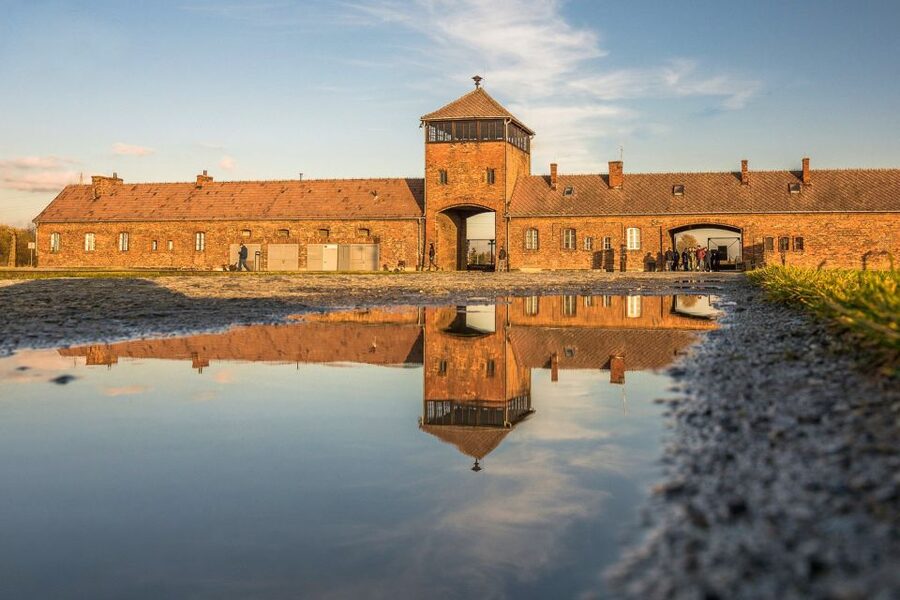
After Auschwitz I, there is a break of about 15 minutes. This is the point that needs the most planning.
Birkenau is about two kilometers away, and transportation between the two camps is not included in the booking description. A free shuttle runs between Auschwitz and Birkenau at frequent intervals, with one account noting service about every 20 minutes. If you have your own car, you can drive to the parking area in Brzezinka, though parking arrangements can be awkward.
The tour instructions say that anyone arriving by public transport should tell the tour leader before the visit. That allows the leader to help you reach Birkenau. If you drive yourself, make sure you know where the group will meet at the second site. One person arrived at Birkenau but could not find the guide and had to explore alone.
This transfer is a small detail with a big effect. In good weather, the shuttle or short journey is simple. In winter, the waiting area can feel very cold, and the second camp is mostly outdoors. Build time into the transfer and do not assume the group will walk together.
More skip-the-line tickets in Krakow:
- From Krakow: Wieliczka Salt Mine Tour & Skip the Line Ticket
★ 4.4 · 3,925 reviews - Krakow: Schindler’s Factory Skip-the-Line Ticket
★ 4.4 · 3,105 reviews - Schindler’s Factory in Krakow: Guided Tour & Skip the Line Ticket
★ 4.5 · 1,714 reviews - Auschwitz-Birkenau: Skip-the-Line Ticket and Guided Tour
★ 4.2 · 1,034 reviews
Birkenau and the scale of the crime
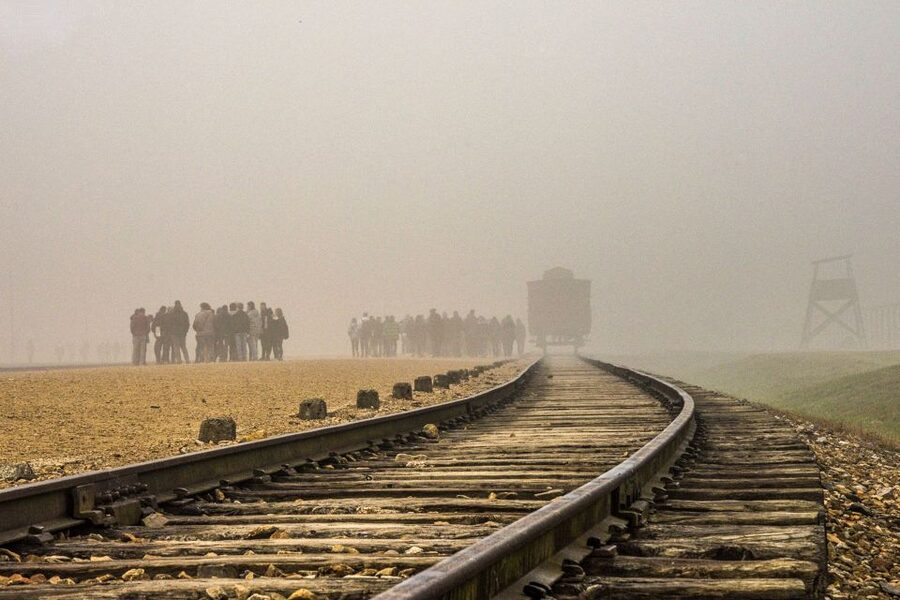
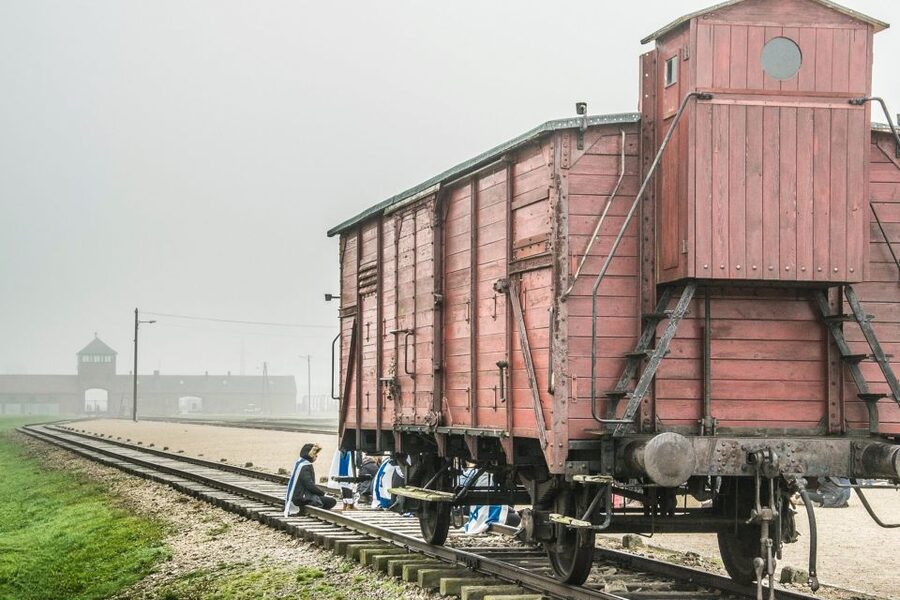
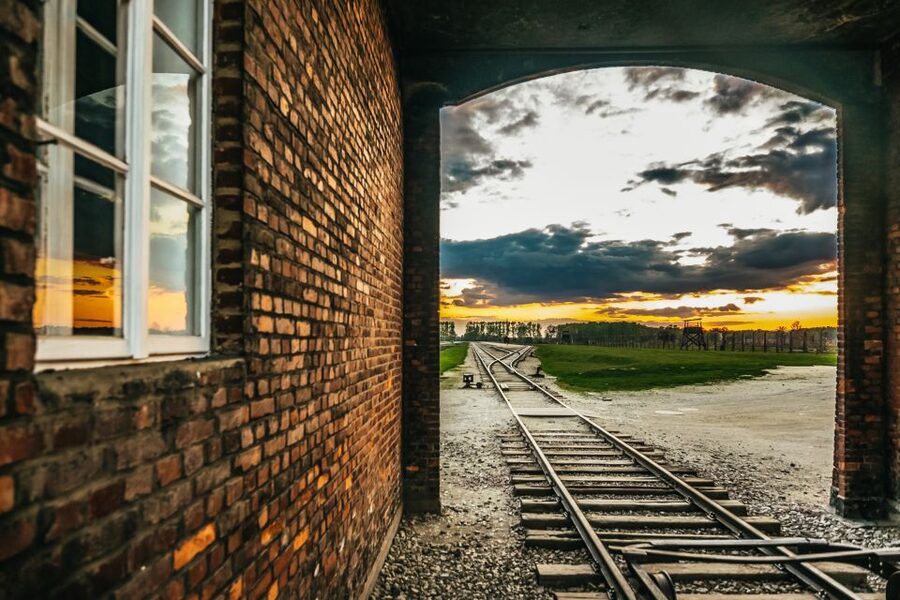
Birkenau is the larger and more open part of the complex. The railway tracks lead into the camp, and the surrounding grounds stretch far beyond what you see at Auschwitz I. Here, the scale is the message.
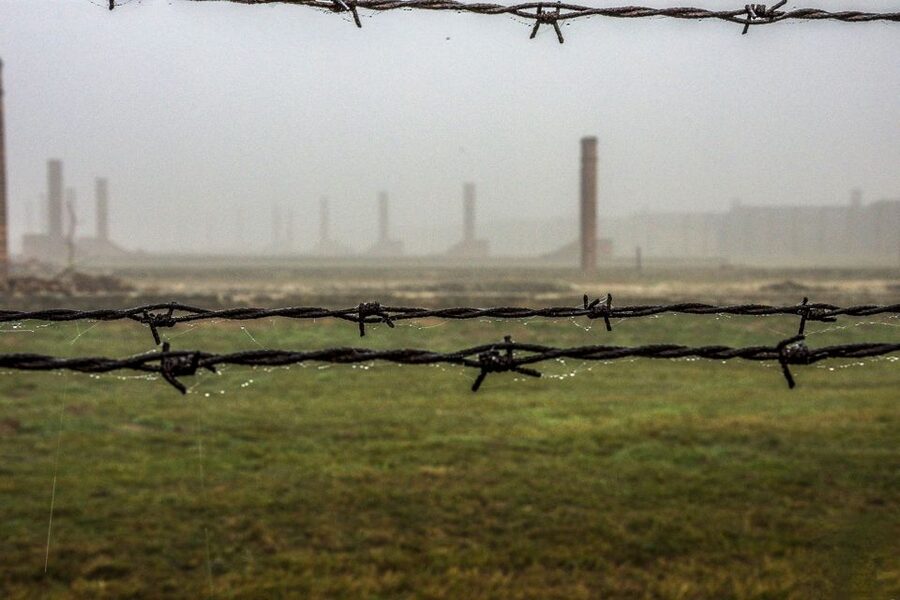
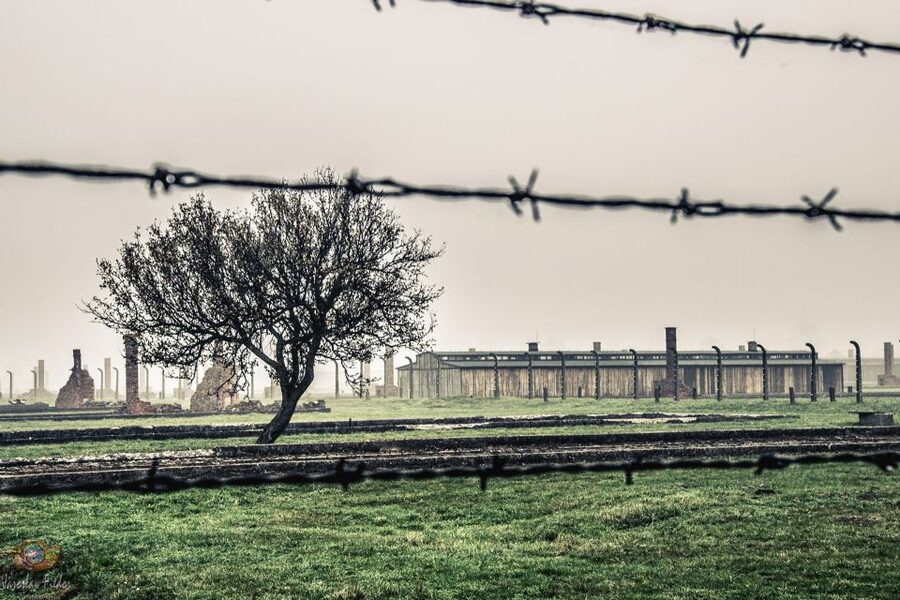
You see barracks and the area where mass murder was carried out as part of the Nazi Final Solution. The physical remains are stark, but the empty space is also important. It shows how a system of deportation, selection, forced labor, and murder could operate across a huge area.
The second section lasts roughly an hour, although the full visit is listed at 210 minutes. You will spend much of this time outside, walking and standing. In December, one visitor advised wearing very warm clothing because the cold becomes tiring after several hours. That advice applies to wet and windy days as well.
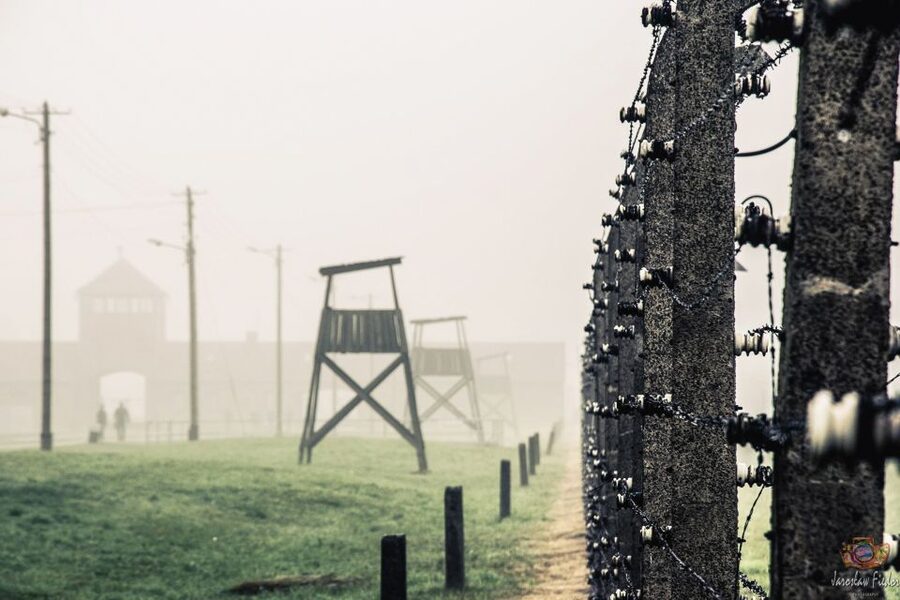
Birkenau can feel less like a museum and more like a place where you need to stop, look, and think. The guide’s explanation gives meaning to the railway, barracks, fences, and ruined structures. Without that context, you might miss how the camp was organized and why each area mattered.
The group size can be around 20 people, based on one detailed account, though the exact number may vary. A group of that size is manageable, but you need to stay close. One person with limited walking speed said the guide moved too quickly and lost part of the group at Birkenau. If you need a slower pace, tell the guide before the tour begins.
Guides, languages, and the human side of the tour
The strongest praise goes to the guides. People describe them as articulate, kind, professional, passionate, and careful with difficult material. The tour is available in English, German, French, Spanish, and Italian.
English ability is not identical from one guide to another. Several people found the explanations easy to follow, while others struggled with pronunciation or pace. If the subject matters greatly to you, listen carefully at the start and ask questions when needed. Guides generally allow time for questions, and one group had a final question period at the end.
The best guides avoid turning the visit into a performance. They explain what happened, identify the human cost, and let the place speak. That tone matters more here than clever storytelling.
You may hear personal names and individual stories, but the information provided does not promise a dedicated survivor-story program. If survivor testimony is especially important to you, check what your booked language and guide format includes before paying.
Is $21 good value?
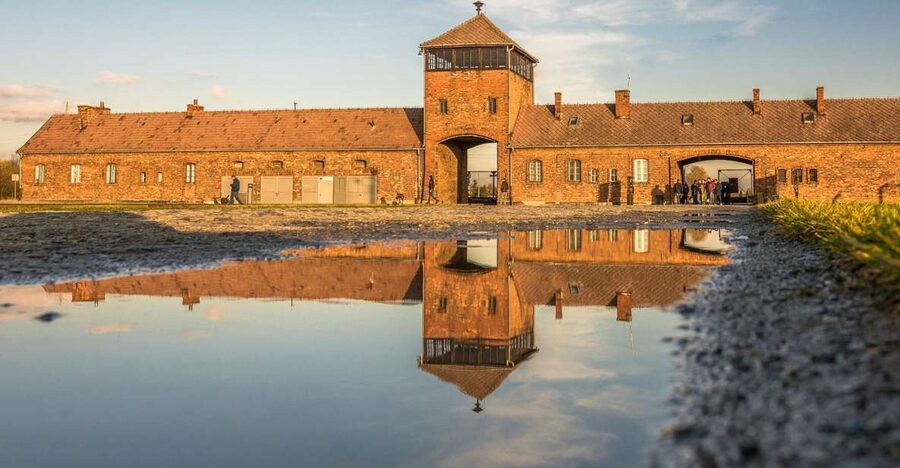
At $21, this is one of the cheaper guided ways to visit Auschwitz-Birkenau. The price includes a fast-track entry ticket, a museum guide, and headsets. It does not include hotel pickup, parking, or the transfer between the two camps.
The value is strongest if you want someone to explain the site and keep you on schedule. Auschwitz-Birkenau is not a place where you can easily absorb everything from signs alone. A good guide connects the buildings, objects, and spaces to the wider history.
The value is weaker if you already have a confirmed museum entry and prefer to read independently. One person felt the admission itself was effectively free and expected more for the paid tour. You are mainly paying for guided interpretation and organization, not luxury transport or a private experience.
The rating is 4.4 from 1,038 reviews, with especially strong praise for guide quality and communication before the visit. The less positive points are practical: changed start times, unclear meeting points, rushed sections, patchy headsets, and difficulty finding the group at Birkenau.
Who should book this guided visit?
I would choose this tour if you want a low-cost guide, need help navigating the two sites, and are comfortable joining a group. It suits first-time visitors who want the major areas explained without arranging a private educator.
It is also useful if you are visiting from Krakow by public transport and want a tour leader who can help you understand the transfer. You still need to organize your own route to the museum, but the group structure reduces some of the stress once you arrive.
I would think twice if you need wheelchair access, since the activity is not suitable for wheelchair users. It is also not suitable for children under 12. Families with toddlers should note that strollers cannot enter some areas, and carrying a small child may become tiring.
Pack water and a small lunch, but keep bags within the 20 by 30 centimeter limit. Large backpacks and luggage are not allowed. Wear clothing suitable for several hours of walking and outdoor standing, especially in cold months. Short skirts and sleeveless shirts are not permitted, and smoking, alcohol, drugs, pets, and smoking in the vehicle are prohibited.
Should you book it?
Yes, if you want an affordable guided visit and can accept a changing start time, group pace, and self-arranged transfer. The site itself is essential for understanding the Holocaust, and a strong guide can help you make sense of what you are seeing without reducing it to a checklist.
Before booking, check your return plans, keep the day flexible, and save the final meeting instructions. Choose this tour for the guide and structure, not for comfort or personal freedom. If you need a slower pace, private transport, or extended time with every exhibit, a different format may suit you better.
FAQ
How long does the Auschwitz-Birkenau tour last?
The listed duration is 210 minutes, or about three and a half hours. This includes the guided visit to Auschwitz I, a short break, and the visit to Birkenau.
What is included in the $21 price?
The price includes a fast-track entry ticket to the Auschwitz-Birkenau Museum, a museum guide, and headsets.
Is transport from Krakow included?
No. Hotel pickup and drop-off are not included, and you must make your own way to the meeting point near the museum entrance.
Is transport between Auschwitz I and Birkenau included?
The booking information says transportation between the two camps is not included. A free shuttle operates between the sites, and you should ask your tour leader for help if you arrive by public transport.
Can I choose the starting time?
You can select a preferred start time from the available options, but the exact starting time may be sent only the day before. Tours can operate between 7:30 AM and 3:00 PM.
What identification should I bring?
Bring your passport or ID card. The memorial requires your full name and contact details as part of the booking.
Can I bring a backpack or suitcase?
Large bags and luggage are not allowed. The maximum permitted bag size is 20 by 30 centimeters.
Which languages are available?
The live tour guide can be available in English, German, French, Spanish, or Italian, depending on the option booked.
Is the tour suitable for children?
The activity is not suitable for children under 12 years old. Strollers may not be allowed inside some areas, and a parent may need to carry a toddler.
Can I cancel the booking?
You can cancel up to 24 hours in advance for a full refund. The tour may also be canceled for reasons beyond the operator’s control, in which case a full refund is provided.
Just added around Krakow
- From Krakow: Zakopane Full-Day Tour with Lunch Option★ 4.4 · 62 reviews
- From Krakow: Zalipie and Painted Village Guided Tour★ 4.0 · 4 reviews
- From Krakow: Zakopane and Dunajec River Rafting Tour★ 4.6 · 31 reviews
- From Krakow: Zakopane and the Tatra Mountains★ 4.7 · 36 reviews
- From Krakow: Zakopane and Gubałówka Cable Car Private Tour★ 4.3 · 12 reviews
- From Krakow: Zakopane Tatra Mountains & Hot Springs Tour★ 3.0 · 29 reviews
- Zakopane & Tatra Mountains Private Full-Day Tour from Krakow★ 4.5 · 33 reviews
- From Krakow: Hot Springs and Zakopane with Gubałówka★ 4.7 · 25 reviews
Auschwitz-Birkenau Tours from Krakow, compared.
Auschwitz-Birkenau Guided Tour & Hotel Pickup
Read our review →Auschwitz-Birkenau Guided Tour & Hotel Pickup
Read our review →
Auschwitz Guided Tour with Optional Hotel Pickup
Read our review →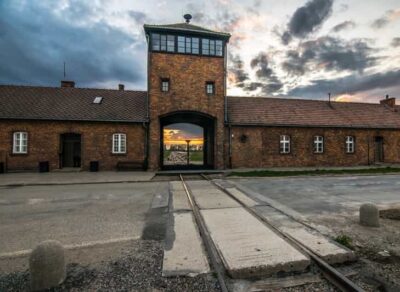
Auschwitz-Birkenau Guided Tour with Pickup & Lunch
Read our review →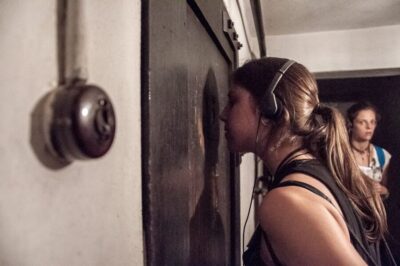
Auschwitz-Birkenau Guided Tour Pickup/Lunch Options
Read our review →
Krakow to Auschwitz Birkenau Guided Tour with Transfer and Ticket
Read our review →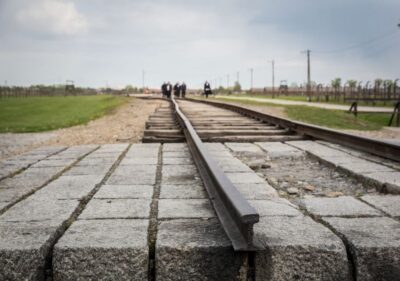
Browse the lists this tour appears in