
Reviewed · AUSCHWITZ-BIRKENAU TOURS FROM KRAKOW
Krakow: Auschwitz-Birkenau Live Guided Tour & Hotel Pickup
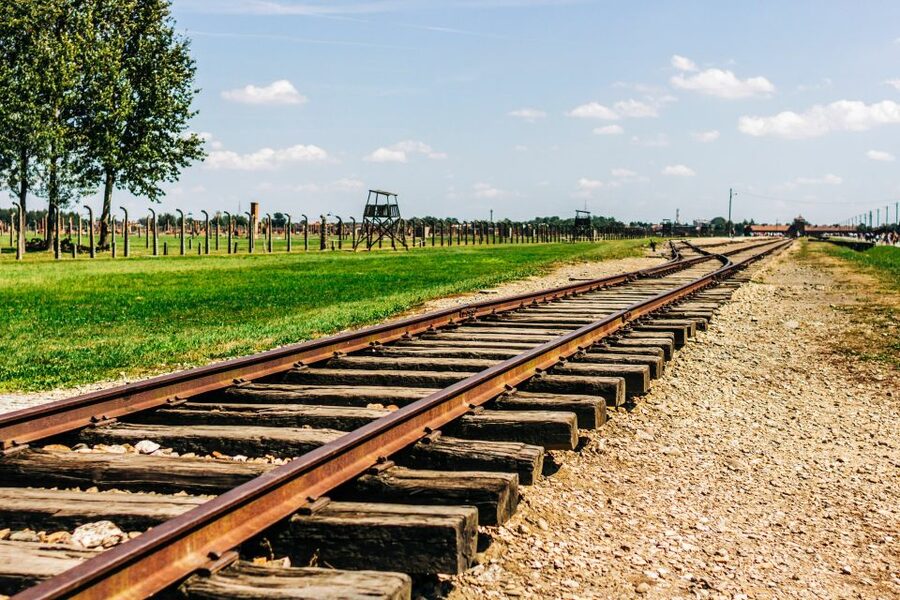
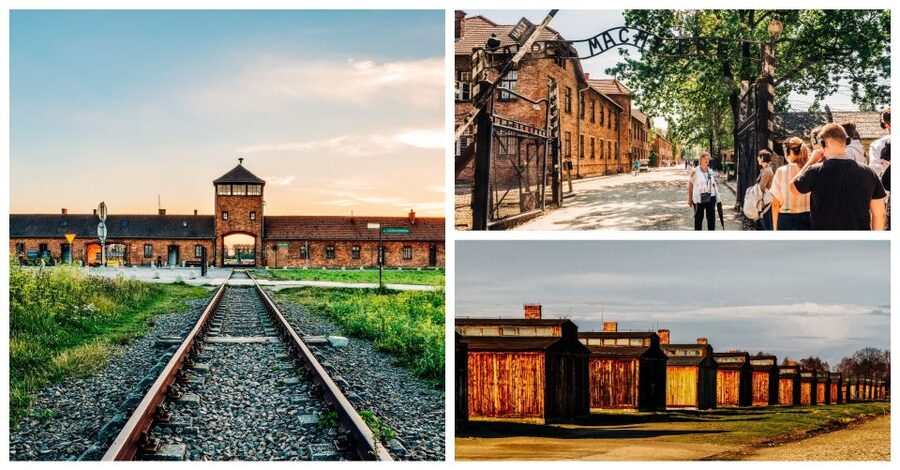
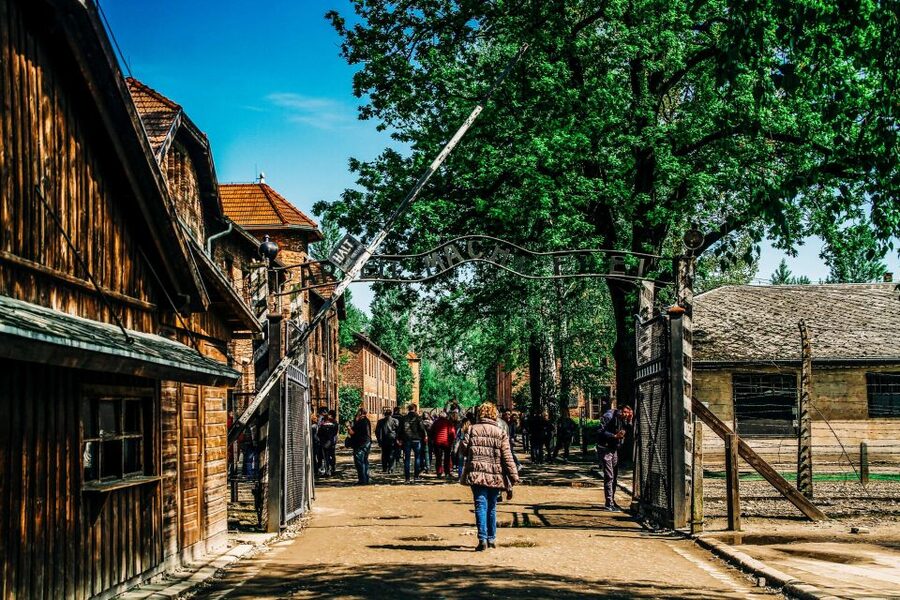
Auschwitz-Birkenau is not a casual sightseeing stop. It is a place of murder, grief, and remembrance, and this tour gives you a structured way to face it. You visit both Auschwitz I, with its brick barracks and notorious Arbeit macht frei gate, and the vast Birkenau camp, where the scale of the Nazi killing system becomes impossible to miss.
I like the door-to-door pickup choices and the short documentary shown on the way, which gives you basic context before arrival. I also like the steady organization: drivers such as Matias have been praised for keeping the day on track, while guides including Anna and Bob have made the difficult subject clear and approachable.
The main drawback is time. The journey can take about 75 minutes each way, the museum controls the pace, and the tour may feel rushed. There is no planned lunch stop, so bring food and water for the coach.
Key points to know before booking
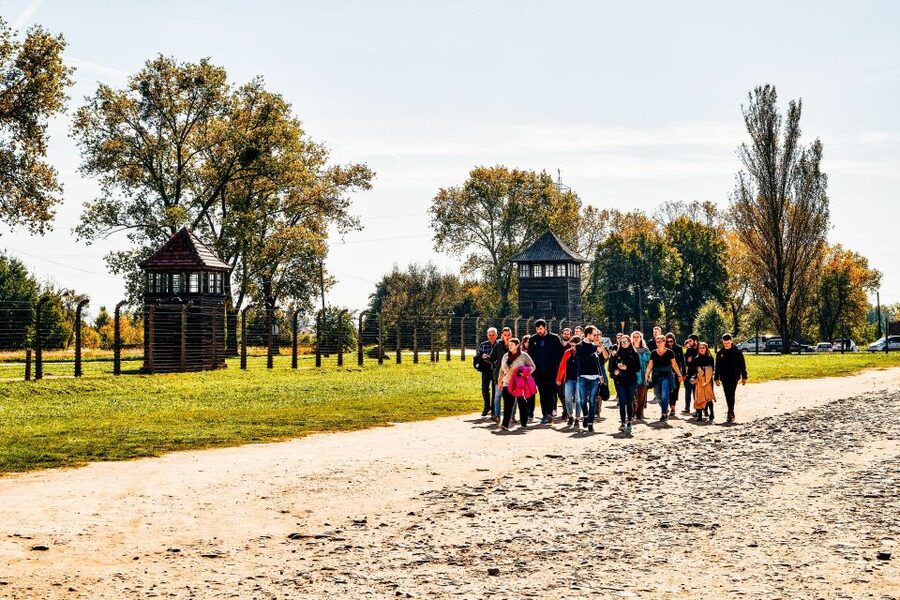
- Two camps in one visit: See Auschwitz I and Auschwitz II-Birkenau, each with a separate guided portion.
- Hotel pickup is available: You can choose pickup from your Krakow hotel or apartment, or meet at a central stop by the Radisson Blu Hotel.
- A short film sets the scene: The ride to the memorial includes a documentary about the liberation of Auschwitz-Birkenau, except on private transport options.
- The memorial sets the pace: Your guide leads the visit, but entry times, route, and duration follow museum rules.
- Bring identification and light luggage: Your booking name must match your passport or ID, and large bags are not allowed.
- Plan for a long, emotional day: The advertised duration is about seven hours, with roughly three and a half hours inside the museum complex.
Why this day trip matters
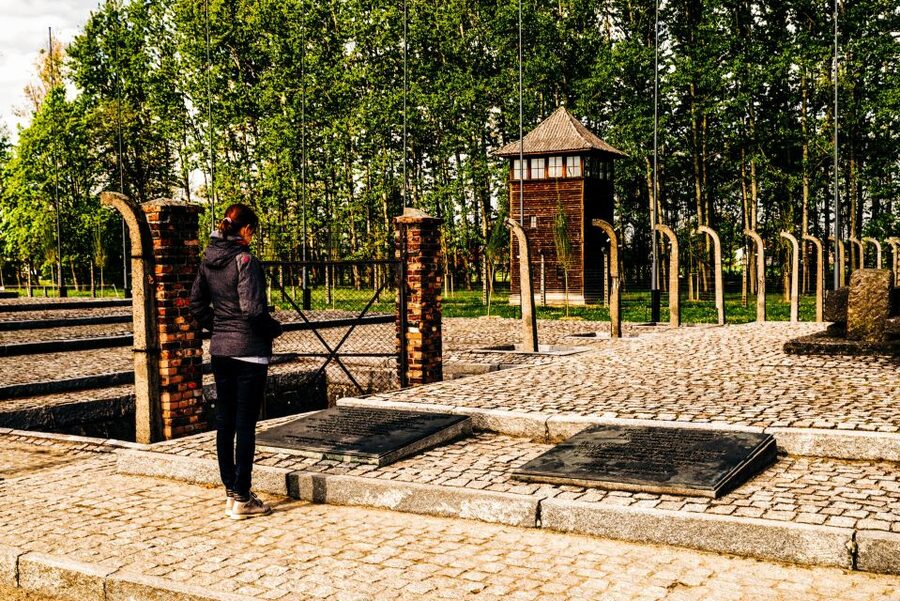
Auschwitz-Birkenau is about 70 kilometers west of Krakow, but the distance between the city and the memorial is more than physical. You leave Krakow’s restaurants, churches, and old streets behind and spend the day confronting one of Europe’s most painful places.
The tour visits the former Nazi concentration and extermination camps at Auschwitz I and Auschwitz II-Birkenau. Auschwitz I opened in 1940 as a concentration camp for men and women. Auschwitz II-Birkenau later became the main site for mass extermination and grew into a huge prisoner camp.
I think a guided visit is especially useful here because the site is large, the subject is difficult, and many important details are not obvious from the buildings alone. A professional guide explains how the camp developed, who was imprisoned there, and how the machinery of persecution worked.
This is not a visit built around entertainment or personal freedom to wander. The route is controlled, the museum has strict rules, and your guide must work within the memorial’s schedule. That can limit your time at individual exhibits, but it also helps the day move in a clear and respectful way.
More Auschwitz-Birkenau trips in Krakow:
- From Krakow: Auschwitz-Birkenau Guided Tour & Hotel Pickup
★ 4.5 · 33,358 reviews - From Krakow: Auschwitz-Birkenau Guided Tour & Hotel Pickup
★ 4.5 · 29,340 reviews - Krakow: Auschwitz Guided Tour with Optional Hotel Pickup
★ 4.5 · 15,280 reviews
From Krakow to Auschwitz by Mercedes vehicle
Pickup depends on the option you select. You may be collected at your Krakow hotel or apartment, or you may meet at one of the designated central points. The main meeting place is in front of the Radisson Blu Hotel at the tourist bus stop. Arrive 15 minutes early and look for the KrakowDirect vehicle.
The exact pickup time can change. Departures may be scheduled anywhere between 5:00 AM and noon, and the operator can adjust the time by 30 to 60 minutes. In some cases, a larger change is needed, with notice sent by email or WhatsApp 12 to 24 hours before departure.
That flexibility matters because Auschwitz tickets are issued according to museum availability, not simply according to your preferred city departure time. I recommend checking your messages the day before and not planning anything tight for the evening.
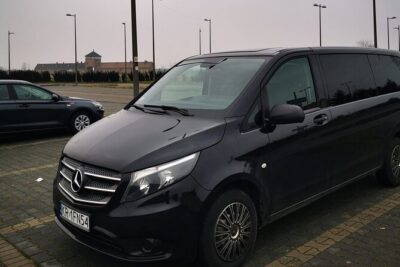
The ride itself is in a modern vehicle, with Mercedes-Benz transport used for the regular service. The trip is usually described as about 45 minutes in one direction, while the full transport portions in the schedule total about 75 minutes each way. Traffic, pickups, and the day’s exact route can affect the timing, so treat the seven-hour duration as an estimate rather than a promise.
A short documentary about the liberation of Auschwitz-Birkenau is shown during the outward journey on the standard shared service. It gives you a starting point before the guide takes over. It is not a substitute for the museum visit, but it is useful preparation, especially if you have not read much about the camps before arriving.
One practical point: the coach may not make a meal stop. The ride can be long, and recent departures have taken about an hour and a half each way. Pack a modest snack and water, but keep your belongings small because large bags and luggage are not allowed inside the museum.
Auschwitz I and the Arbeit macht frei gate
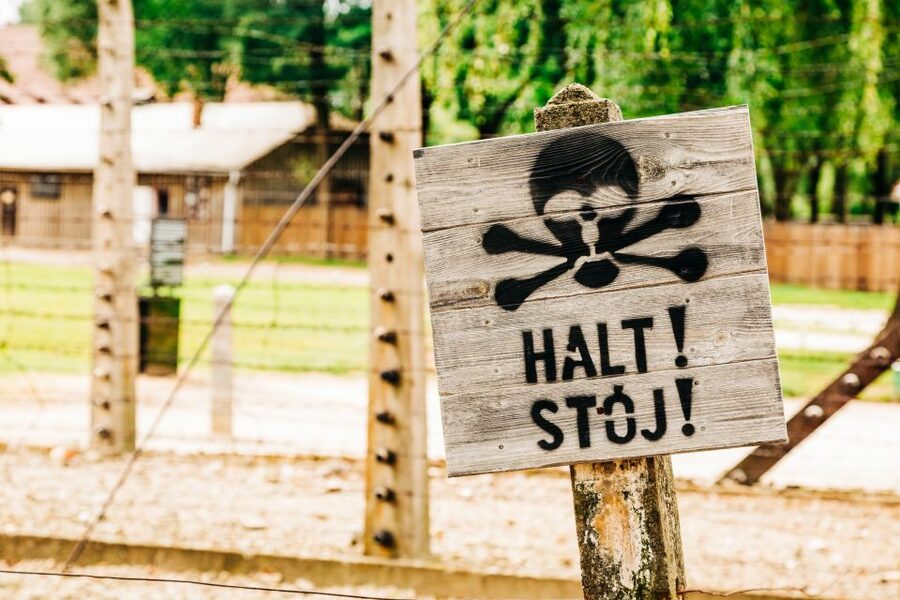
After arrival, the tour host explains the museum’s rules and entry process. There may be a short wait or break before your group enters. If you selected a skip-the-line option, entry uses a separate route, though you still follow the memorial’s security and admission procedures.
The first section is Auschwitz I, the original camp. Most visitors recognize the entrance gate, marked with the phrase Arbeit macht frei. The words falsely suggested that forced labor could lead to freedom. Passing beneath the gate is a grim moment, but the real weight of Auschwitz I comes from the evidence inside the camp buildings.
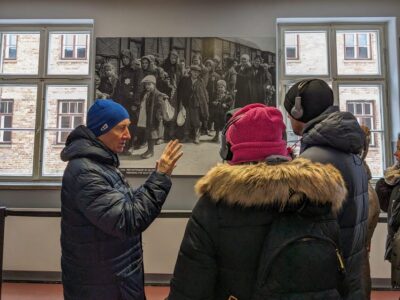
The brick blocks now hold museum displays and preserved material. You may see prisoner records, photographs, personal belongings, and other evidence of the people who were sent here. The tour explains how prisoners were registered, confined, punished, and exploited.
Auschwitz I was the site of the first experiments using Zyklon B for mass killing. The camp also held the central prison in Block 11, where prisoners from across the camp complex could be detained. Executions by shooting took place here, and the SS command structure directed the expansion of the wider camp from this base.
You should expect the guide to move through a set route rather than lead a free-form discussion. That is a good thing in this setting. The site contains more material than you can absorb in one visit, and a clear route helps you understand how individual buildings fit into the camp system.
The Auschwitz I section lasts about two hours. The pace can feel brisk, particularly when the group is large. The maximum stated group size is 30 people per guide, so you may need to stay close and listen carefully. Comfortable shoes help, since the route involves walking across historic camp grounds and between buildings.
The short break between the two camps
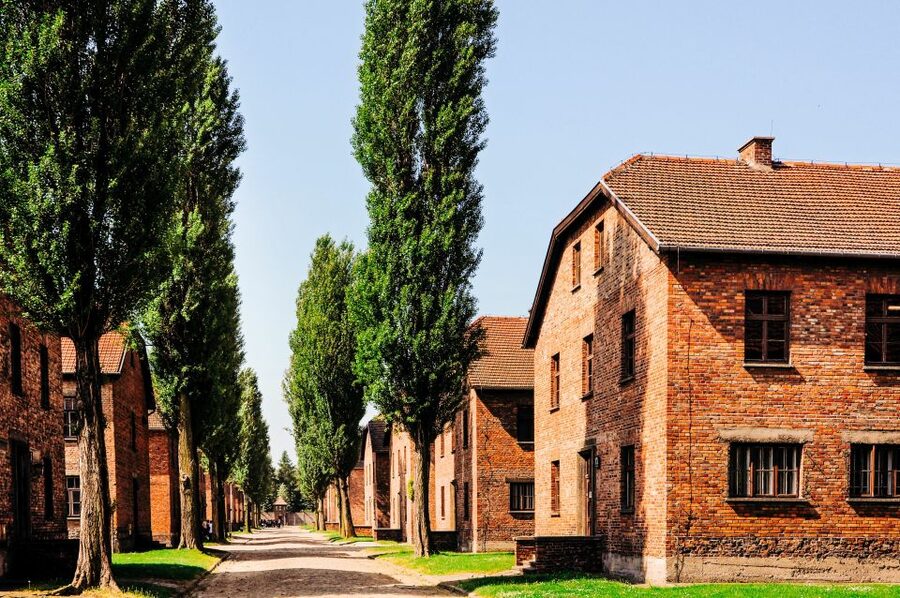
After Auschwitz I, you get a short break of about 15 minutes. The driver then takes the group to Birkenau, the second part of the memorial.
Do not count on this as a full lunch break. It is mainly a chance to regroup, use facilities if available, and prepare for the next section. Bring your own food if you know you will need a meal.
This pause also gives you a moment to collect yourself. Auschwitz I is emotionally heavy because of the close-up exhibits and preserved blocks. Birkenau is different. The scale of the site creates its own impact.
A handful more Krakow trips to weigh up
- Krakow: Auschwitz-Birkenau Guided Tour with Pickup & Lunch
★ 4.5 · 9,800 reviews - Krakow: Auschwitz-Birkenau Guided Tour Pickup/Lunch Options
★ 4.5 · 9,057 reviews - Krakow: Auschwitz-Birkenau and Salt Mine Guided Tour
★ 4.7 · 9,020 reviews - Krakow to Auschwitz Birkenau Guided Tour with Transfer and Ticket
★ 5.0 · 8,197 reviews
Birkenau and the scale of mass murder
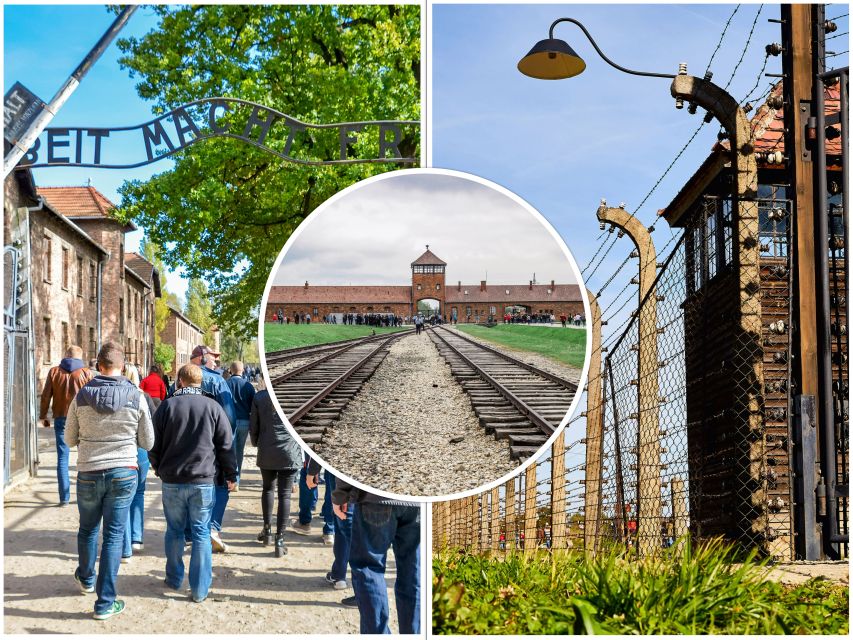
Auschwitz II-Birkenau covers nearly 200 hectares. It was both the largest concentration camp in the complex and the main center for mass extermination. In 1944, more than 100,000 prisoners were held there, including Jews, Poles, Roma, and other persecuted groups.
The first thing you notice is the size. Birkenau contains long rows of primitive barracks, miles of fencing and roads, and wide open stretches that make the camp’s design visible. The site was built to hold vast numbers of people under brutal conditions.
The Nazis constructed most of the facilities for mass extermination here. Roughly one million Jews were murdered at Birkenau. The ruins of gas chambers, crematoria, and other structures remain, along with places where human ashes were deposited.
Your guide helps connect the physical remains to the people who were imprisoned and killed here. Without that explanation, the size of the grounds can become hard to interpret. The buildings, fences, watch structures, and roads were not random. They formed a controlled system designed for imprisonment, forced labor, selection, and murder.
The guided portion at Birkenau lasts about 90 minutes. It is outdoors and exposed to the weather, so bring suitable clothing in colder months and shoes that can handle uneven ground. The museum’s rules and visitor service determine the exact route and timing.
Birkenau can feel less like a conventional museum than Auschwitz I. There are fewer intact interiors, but the open space makes the scale of the camp easier to grasp. I find that the two sections work together: Auschwitz I provides close detail, while Birkenau shows the vast reach of the killing operation.
Guides, group size, and the human side of the visit
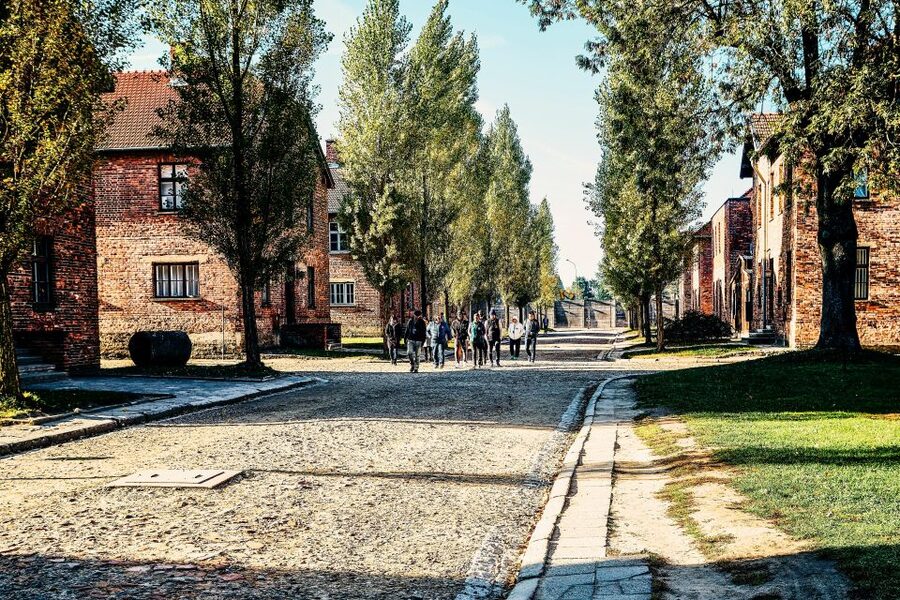
The tour includes an official certified route and a professional museum guide. English and Polish are the main live guide languages. An English-speaking host stays with the group through the broader journey and helps with the practical steps.
Recent departures have included guides named Anna and Bob, along with a driver called Matias. The strongest feedback has focused on clear explanations, calm organization, and the ability to discuss an awful subject without making the visit feel theatrical.
That distinction matters. You want a guide who can provide facts and context, but who also understands that this is a memorial, not a standard attraction. The guide may answer questions and relate the subject to present-day issues, but the focus remains on the people imprisoned and murdered here.
A group of up to 30 people is not especially intimate. You may need to stay near the guide, and you might not hear every word if you fall behind. If personal attention is important to you, check the available small-group option when booking.
The route is not designed for leisurely photography or long private pauses. You can take in the surroundings, but you should expect to keep moving with the group. The memorial controls the route, and the operator cannot guarantee a particular amount of time at each display.
Is the $22 price good value?
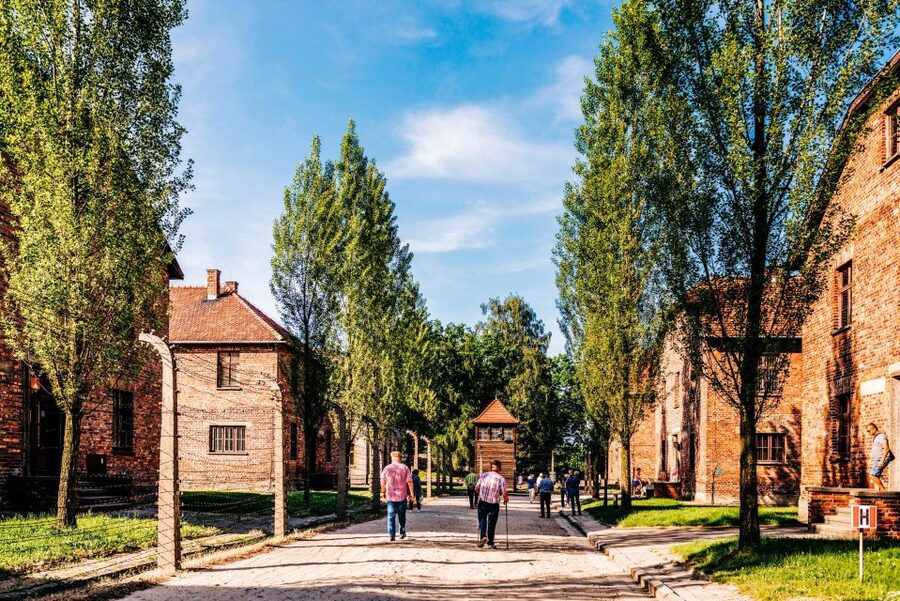
At about $22 per person, the tour can be a strong value for the transport and organization alone. A round trip from Krakow, a tour host, a professional guide, and the guided visit are bundled together, which removes much of the planning burden.
The important catch is that the price depends on the option selected. Some choices include skip-the-line admission, while the Roundtrip Transport plus Tour Host Assistance to get Ticket option does not include the entry ticket. That option lists an additional 150 PLN, or about €36, payable on site.
Read the inclusions carefully before paying. The cheapest headline price may not represent the final cost if it is tied to transport assistance rather than museum admission. If you want the simplest arrangement, choose an option that clearly includes the ticket.
The value is strongest for you if you are staying in Krakow and want one organized day without arranging a bus, museum entry, and guide separately. It is less attractive if you prefer to move independently, spend long periods at individual exhibits, or stop for a proper meal during the day.
Hotel pickup adds convenience, but central pickup may be more efficient. Shared hotel collections can take time, especially when vehicles are waiting for late arrivals. One recent departure lost about 20 minutes waiting for someone, despite a stated shorter waiting period. That kind of delay is uncommon enough not to define the tour, but it is worth allowing for.
Practical advice for a difficult day
Wear comfortable shoes. You will walk through both camp areas, and the surface and weather can vary.
Carry your passport or ID card. The museum requires full names and contact details at booking, and the name on your reservation must match the identification you present at entry. A mismatch can result in refused admission.
Keep your bag small. Large bags and luggage are not allowed. Bring only what you need for the day, such as identification, water, a snack, and weather protection.
Dress for outdoor conditions. Birkenau is a large open site, and much of the visit takes place outside. The information provided does not promise shelter from poor weather, so prepare for the forecast.
Set aside the whole day. The advertised duration is seven hours, though the schedule can shift because of traffic, pickups, museum entry, and memorial regulations. The outward and return journeys may each take around 75 minutes.
Expect an emotional response. The stories and exhibits can stay with you long after the bus returns to Krakow. That is not a flaw in the experience, but you should avoid scheduling another demanding activity immediately afterward if you want time to process the visit.
Free cancellation is available up to 24 hours before departure, and you can reserve now and pay later on eligible bookings. Those options help if your Krakow schedule is still changing, but they do not remove the need to confirm the final pickup time.
Who should choose this Auschwitz tour?
I would choose this tour if you want a straightforward, guided visit with transport from Krakow and do not want to manage the museum logistics yourself. It suits first-time visitors, people with limited time in the city, and anyone who wants both Auschwitz I and Birkenau in one day.
It is also a good fit if you value practical support. The host explains the process, the driver handles the route, and the guide gives structure to a place that can otherwise feel overwhelming.
I would look at another option if you want a private experience, a very small group, or time to linger at your own pace. A group of up to 30 people and a museum-controlled schedule mean this is organized and efficient, not leisurely.
Should you book it?
Book this tour if you want reliable transport, both camp sites, and a guided route at a low starting price. The strongest parts are the clear organization, comfortable vehicle, useful documentary, and guides such as Anna and Bob who have been praised for making the subject understandable and respectful.
Before confirming, check exactly what your chosen price includes, especially the Auschwitz entry ticket. Confirm your name, watch for a pickup-time update, bring ID and a small snack, and keep the rest of your day open.
This will not be an easy day, and it should not be. But for a first visit from Krakow, the tour provides a practical way to reach the memorial and understand what you are seeing.
FAQ
How long does the Auschwitz-Birkenau tour from Krakow take?
The planned duration is about seven hours, though the exact length can change because of traffic, pickup times, museum regulations, and the pace set by the memorial’s visitor service.
What are the pickup options in Krakow?
You can choose pickup from a hotel or apartment, depending on the selected option, or meet at a designated point. The main meeting point is in front of the Radisson Blu Hotel at the tourist bus stop.
Does the tour visit both Auschwitz I and Auschwitz II-Birkenau?
Yes. The visit includes a guided tour of Auschwitz I lasting about two hours and a guided tour of Auschwitz II-Birkenau lasting about 90 minutes.
Is the Auschwitz entry ticket included?
It depends on the option you select. Skip-the-line options include the ticket, while the Roundtrip Transport plus Tour Host Assistance to get Ticket option lists an additional 150 PLN, or about €36, payable on site.
What should I bring?
Bring a passport or ID card and comfortable shoes. A small amount of food and water is also practical because the day does not include a planned lunch stop. Large bags and luggage are not allowed.
What languages are available for the live tour?
Live guiding is available in English and Polish. Customers choosing a language other than English receive a brochure in their selected language, with maps, the sightseeing route, and descriptions.
Just added around Krakow
- From Krakow: Zakopane Full-Day Tour with Lunch Option★ 4.4 · 62 reviews
- From Krakow: Zalipie and Painted Village Guided Tour★ 4.0 · 4 reviews
- From Krakow: Zakopane and Dunajec River Rafting Tour★ 4.6 · 31 reviews
- From Krakow: Zakopane and the Tatra Mountains★ 4.7 · 36 reviews
- From Krakow: Zakopane and Gubałówka Cable Car Private Tour★ 4.3 · 12 reviews
- From Krakow: Zakopane Tatra Mountains & Hot Springs Tour★ 3.0 · 29 reviews
- Zakopane & Tatra Mountains Private Full-Day Tour from Krakow★ 4.5 · 33 reviews
- From Krakow: Hot Springs and Zakopane with Gubałówka★ 4.7 · 25 reviews
Auschwitz-Birkenau Tours from Krakow, compared.
Auschwitz-Birkenau Guided Tour & Hotel Pickup
Read our review →Auschwitz-Birkenau Guided Tour & Hotel Pickup
Read our review →
Auschwitz Guided Tour with Optional Hotel Pickup
Read our review →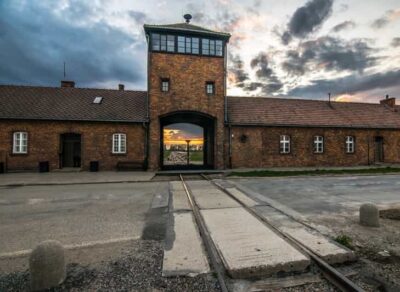
Auschwitz-Birkenau Guided Tour with Pickup & Lunch
Read our review →
Auschwitz-Birkenau Guided Tour Pickup/Lunch Options
Read our review →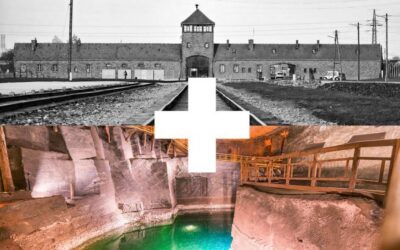
Krakow to Auschwitz Birkenau Guided Tour with Transfer and Ticket
Read our review →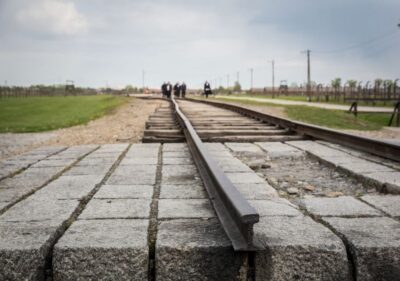
Browse the lists this tour appears in