
Reviewed · SCHINDLER'S FACTORY TOURS
Kraków: Schindler’s Factory & Jewish Ghetto Guided Tour
Schindler’s Factory is less a museum about one man than a portrait of Kraków under Nazi rule. You’ll follow the city’s wartime story through photographs, objects, reconstructions, and tightly designed rooms, then walk through the former Jewish Ghetto with a guide who connects the exhibits to real places outside.
I like the way this tour combines the museum and the streets instead of treating them as separate history lessons. I also like the stops at Ghetto Heroes Square and the Chair Memorial, where empty chairs give a stark physical shape to the people who were deported. The main consideration is the group size: narrow museum rooms can make it hard to see or hear if you are not near the guide.
Key points
- Schindler’s Factory tells Kraków’s wider wartime story, not only Oskar Schindler’s biography.
- The museum uses narrow, dimly lit rooms to convey the fear and pressure of occupation.
- A walking route links the Ghetto Walls with Ghetto Heroes Square and its symbolic chairs.
- Under the Eagle Pharmacy recalls civilian courage, medicine, and aid inside the ghetto.
- The three-hour format covers both indoor exhibits and outdoor sites without requiring hotel transport.
- The $58 price includes admission and a licensed guide, but not food, drinks, or transfers.
A museum about Kraków, not only Schindler
The name Schindler attracts attention, thanks in part to the film that made his story widely known. But you should arrive with the right expectation: this is not simply a biographical museum filled with factory machinery and personal memorabilia.
The main exhibition, Kraków under Nazi Occupation 1939 to 1945, uses Oskar Schindler’s former enamel factory as its setting while telling a much wider story. You learn how the Nazi occupation changed daily life for Jewish and non-Jewish residents, how persecution grew, and how Kraków’s Jewish community was destroyed.
That wider focus is one of the tour’s greatest strengths. Schindler’s efforts to protect more than a thousand Jewish workers matter, but they make the most sense when placed beside deportations, forced labor, fear, and the loss of homes and families.
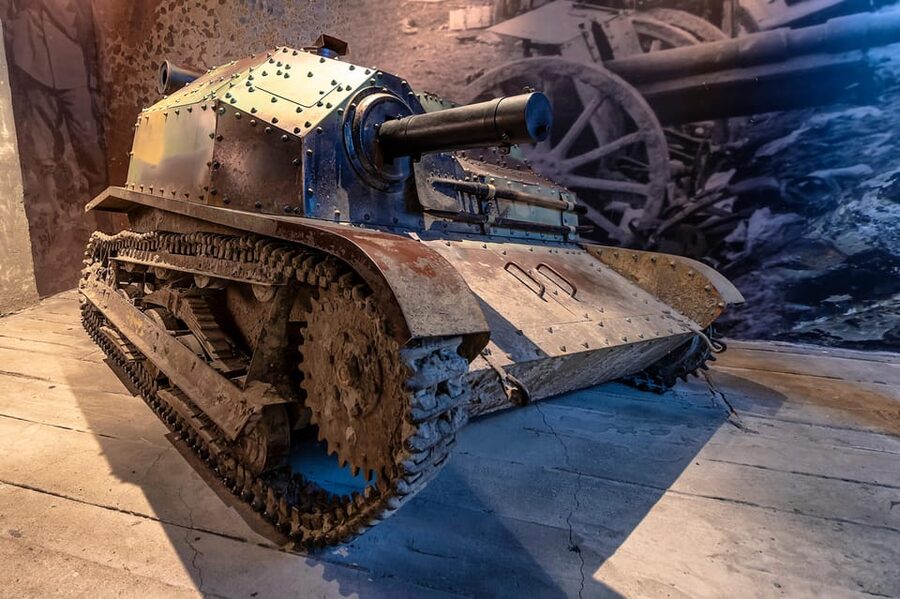
If you are visiting because you want a detailed look at Schindler himself, you may find his personal story receives less space than expected. The museum building once housed his factory, but there is no original machinery on display. The value lies in the historical setting and the exhibition, not in seeing a preserved industrial workshop.
More Jewish Ghetto tours in Krakow:
- Krakow: Schindler’s Factory & Ghetto Guided Tour
★ 4.7 · 1,694 reviews - Krakow: Jewish Quarter and Former Ghetto Tour
★ 4.9 · 1,441 reviews - Krakow: Bike Tour of Old Town, Jewish Quarter and the Ghetto
★ 4.9 · 1,155 reviews
Entering the former enamel factory
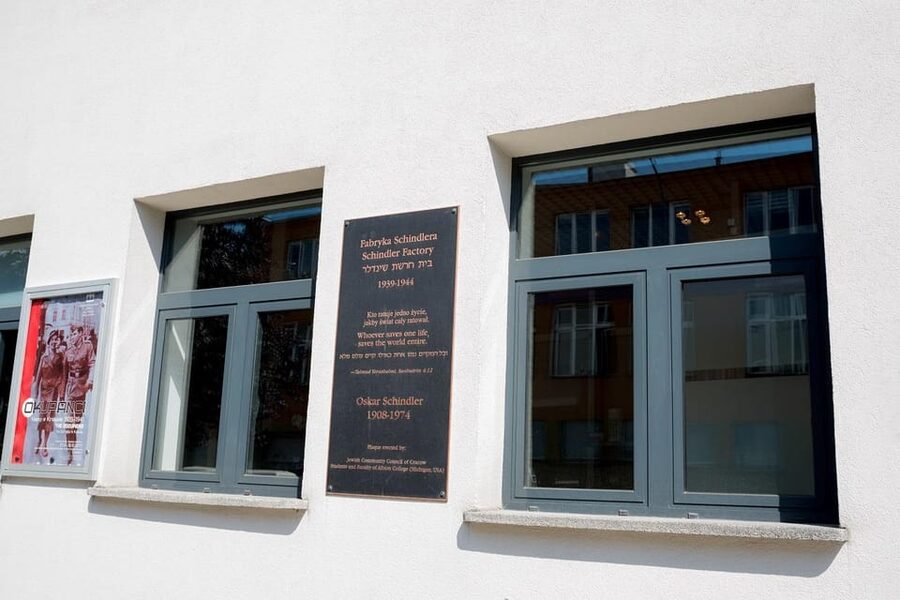
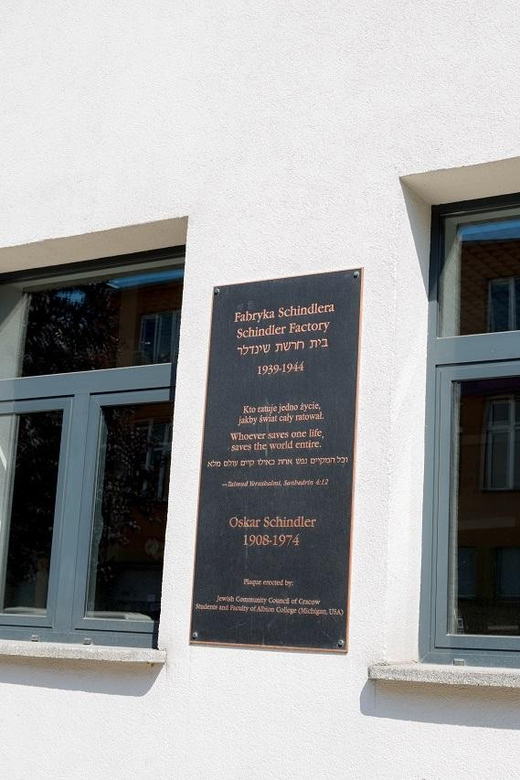
Meet your guide in front of the museum’s main entrance, near the sign for excursions.city. Arrive 10 minutes early. This is not a casual suggestion: once the group has gone inside, late arrivals cannot join and their tickets cannot be refunded.
The tour includes skip-the-line admission, which matters at Kraków’s most popular museum. You avoid spending part of your limited sightseeing time waiting for a ticket. Your guide then leads you through the exhibition rather than leaving you to piece the story together alone.
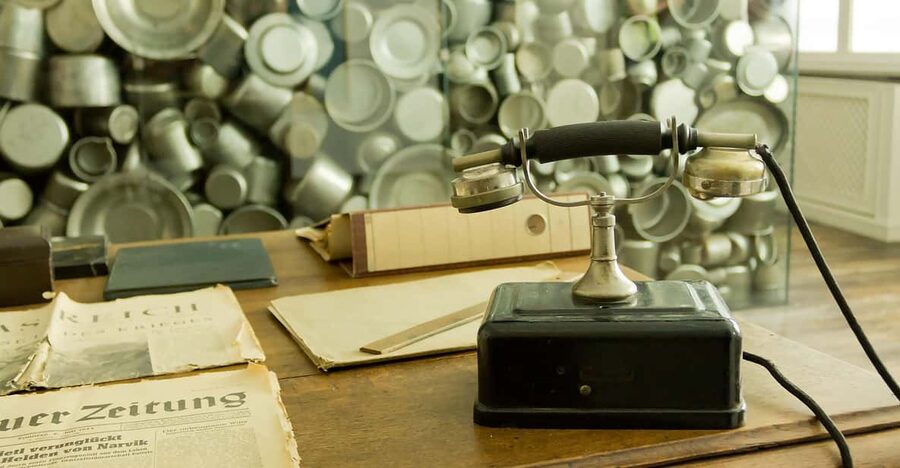
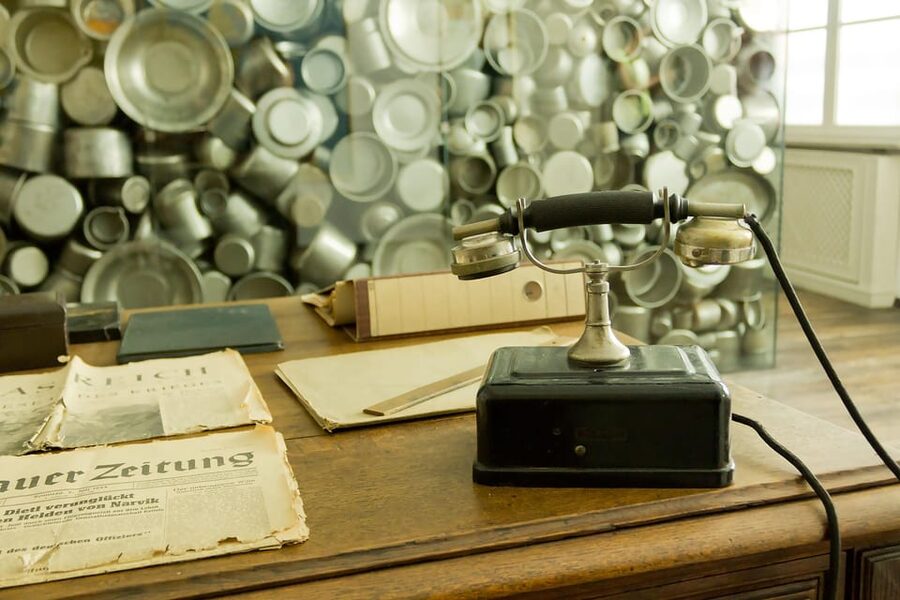
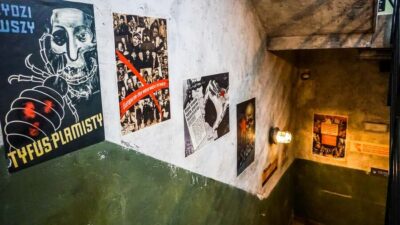
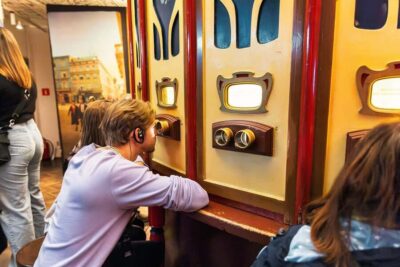
The museum’s design is deliberately intense. Corridors are narrow, rooms are often dim, and the displays use original objects, photographs, and recreated settings to show the mood of occupied Kraków. You might find the layout physically cramped, particularly when a group gathers around one display.
That tight space is both a strength and a weakness. It helps you sense the pressure of wartime life, but it can make it difficult to see every item from the back of the group. One French-speaking participant specifically found that a group of more than 25 people made viewing harder in the narrow rooms.
If seeing each display clearly matters to you, try to remain close to the guide and move forward promptly when the group changes rooms. The museum works best when you can hear the explanation and look at the objects without people blocking your view.
Oskar Schindler in the wider wartime story
The exhibition explains how Schindler’s factory became a place of relative safety for Jewish workers. His story is one of courage and moral choice, but the tour does not present it as an isolated rescue tale.
You also encounter the machinery of occupation: discrimination, confinement, deportation, and the destruction of a community. This broader setting prevents the visit from becoming a simple story of one heroic businessman. It shows how extraordinary Schindler’s actions were while keeping attention on the many people who suffered.
A strong guide makes a real difference here. The best experience depends on clear explanations, historical context, and sensitivity with difficult material. The guides are licensed, and the tour can be conducted in English, French, Italian, German, or Spanish.
The strongest guide feedback points to clear, friendly delivery and serious preparation. One guide was praised for explaining history and politics with unusual depth while keeping the material concise and personal. That combination suits this museum well. You need enough context to understand the events, but not a lecture so long that the objects disappear behind it.
The subject is painful, so this is not a light sightseeing stop. The dim rooms and wartime scenes can feel heavy, especially when the tour moves from individual stories to the destruction of Kraków’s Jewish population. I would choose it for a day when you have room for a serious experience, rather than squeezing it between carefree attractions.
Walking through the former Kraków Ghetto
After the museum, the tour continues outdoors through the former Jewish Ghetto. This change of setting is important. Inside, you see the occupation presented through displays and reconstructed spaces. Outside, the guide points to places where confinement and deportation shaped the city itself.
The first stop is the remains of the Ghetto Walls. These fragments are not grand ruins, and that is precisely why they can be so affecting. They mark the physical boundary that separated Jewish residents from the rest of Kraków.
The walls turn an abstract fact into something you can locate. You can look at the surviving structure and understand that the ghetto was not merely an administrative label. It was a confined area, marked and controlled by barriers.
The walking portion also gives the museum visit a clearer geographical setting. You begin to connect the exhibition’s photographs and accounts with streets and squares outside the building. That link is one of the best reasons to choose a guided combination tour instead of visiting the museum alone.
The tour is conducted in all weather, so check the forecast and wear suitable clothing and shoes. Rain will not cancel the experience, but it can make a solemn walk through the former ghetto less comfortable. There is no hotel pickup or drop-off, so you are responsible for reaching the meeting point and continuing your plans afterward.
More ways into Schindler's Factory in Krakow:
- Krakow: Oskar Schindler’s Factory Entry Ticket & Guided Tour
★ 4.2 · 3,793 reviews - Krakow: Schindler’s Factory Tour with Entrance Ticket
★ 4.5 · 3,182 reviews - Krakow: Schindler’s Factory Skip-the-Line Ticket
★ 4.4 · 3,105 reviews - Krakow: Schindler’s Factory Tour with Entrance Ticket
★ 4.6 · 1,737 reviews
Ghetto Heroes Square and the Chair Memorial
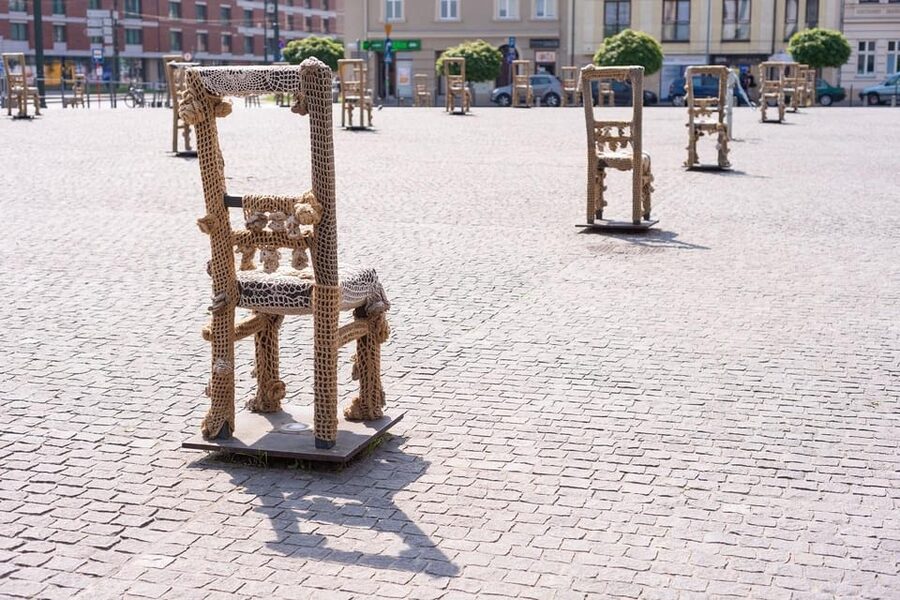
Ghetto Heroes Square is the emotional center of the outdoor route. During the occupation, people were gathered here before deportation to extermination camps. The square carries that history without needing a large museum display to explain it.
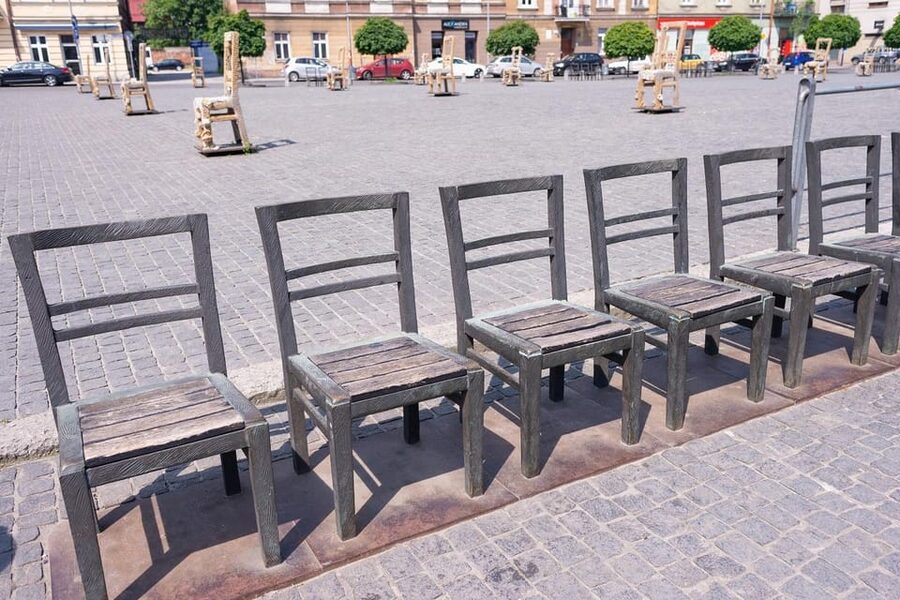
Its most recognizable feature is the Chair Memorial. Empty chairs are placed across the square, each one representing a life lost. The design is simple, direct, and hard to ignore. Instead of filling the space with statues or long inscriptions, it uses absence as its message.
Your guide can explain how the square functioned during the war and why the memorial has become such a powerful marker of memory. This is a place where it helps to pause rather than rush from one stop to the next.
The square also creates a useful contrast with Schindler’s Factory. At the museum, you study the occupation through carefully arranged rooms. Here, the scale opens up, but the history feels close to the ground. You are standing in a place tied to forced removal and loss, not simply looking at a historical display.
Under the Eagle Pharmacy and civilian courage
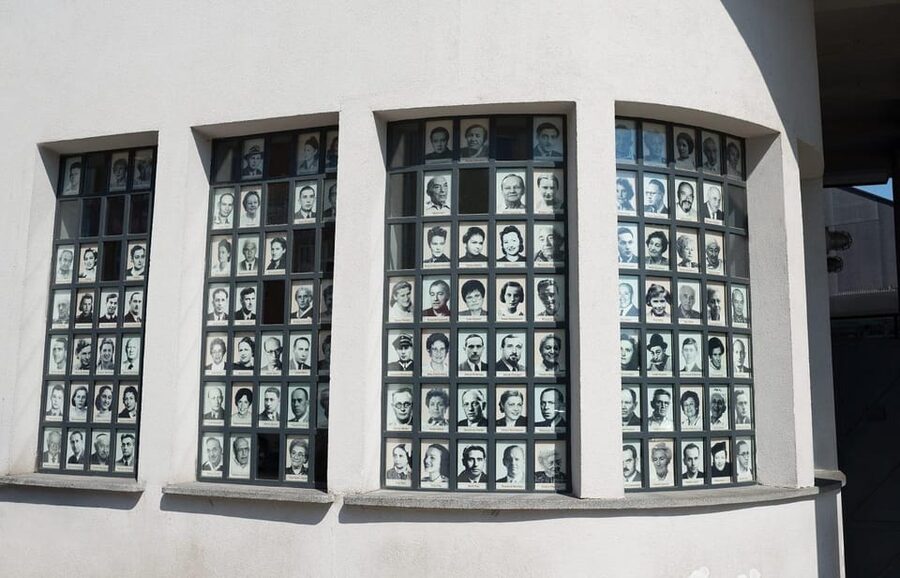
Across from the square is Under the Eagle Pharmacy. During the occupation, pharmacist Tadeusz Pankiewicz and his staff helped people inside the ghetto. The pharmacy preserved medicine and offered aid at a time when ordinary acts of care could carry serious risk.
This stop adds another layer to the story. Schindler’s factory represents protection linked to work and employment. The pharmacy represents help delivered through a different kind of refuge, one based on medical care, information, and human decency.
I like this part of the route because it moves beyond famous names and military events. You learn how a pharmacy became a place where people could find medicine and hope. The stop also shows that resistance and courage did not always look dramatic. Sometimes they meant continuing to help people who had been deliberately cut off from the rest of the city.
The tour does not treat the pharmacy as a decorative photo stop. It belongs to the same chain of places that explains how the ghetto worked and how people responded to it. Combined with the walls and the square, it gives the walking section a clear purpose.
What three hours really gives you
Three hours is a useful length for this experience. It gives you enough time for the museum and the outdoor route, while keeping the tour shorter than a full-day commitment. You get a focused history lesson rather than an entire day devoted to wartime Kraków.
The pace will depend on the guide, the museum schedule, and the group. The indoor portion can feel slower because the galleries are narrow and the guide may need to gather everyone around a display. The outdoor portion allows more breathing room, though weather can affect your comfort.
Do not expect a leisurely stroll with long breaks for food. Food and drinks are not included, and the experience is built around listening, looking, and walking. Plan a meal before or after it rather than counting on refreshments during the tour.
The activity is a good fit for:
- First-time visitors who want a guided introduction to Kraków’s wartime history
- People who prefer historical sites explained in context
- Anyone interested in both Schindler and the former Jewish Ghetto
- Visitors who want a museum visit paired with meaningful outdoor locations
- Those comfortable with serious subject matter and a fairly concentrated pace
It may be less suitable if you want a light cultural outing, a preserved factory full of original equipment, or a quiet self-guided visit. The group format gives you expert explanation, but it also means you will not set your own pace.
Is $58 fair for this Kraków tour?
At $58 per person, the price includes three things that are costly in time and attention: a licensed guide, skip-the-line admission to Schindler’s Factory, and the walking tour of the former ghetto.
The value is strongest if you want the history explained as a connected story. You are not paying only to enter a museum. You are paying for help understanding why the factory matters, how the occupation changed Kraków, and how the Ghetto Walls, Heroes Square, Chair Memorial, and pharmacy fit together.
The price is less attractive if you mainly want to browse the museum independently. The exhibition focuses more on Kraków under Nazi occupation than on Schindler alone, and the building has no original factory machinery. If your interest is specifically industrial history, this may not match your expectations.
The group size is worth considering. A group of more than 25 people can make narrow galleries harder to manage, especially for anyone standing behind taller people or trying to study small displays. The guide’s quality can offset that problem, but it cannot change the physical width of the rooms.
The overall score is 4.8 from six ratings, with particularly strong praise for friendly, clear, and deeply informed guiding. That matches what this experience needs most: not entertainment, but a guide who can explain difficult events without losing the human story.
Booking details to keep in mind
Choose your language carefully when booking. The available options are English, French, Italian, German, and Spanish.
From January 1, 2026, museum times are approximate and can change because of museum or site scheduling. You can select a preferred time, but the exact start time is not guaranteed. You must also provide the full names of all participants because the museum uses personalized tickets, and missing names may prevent entry.
You can reserve now and pay later, which helps if your Kraków schedule is still taking shape. Cancellation is free up to 24 hours before the activity for a full refund.
The museum and walking route operate in rain or shine. Bring clothing and footwear suited to the forecast, and leave yourself enough time to arrive 10 minutes before departure.
Should you book it?
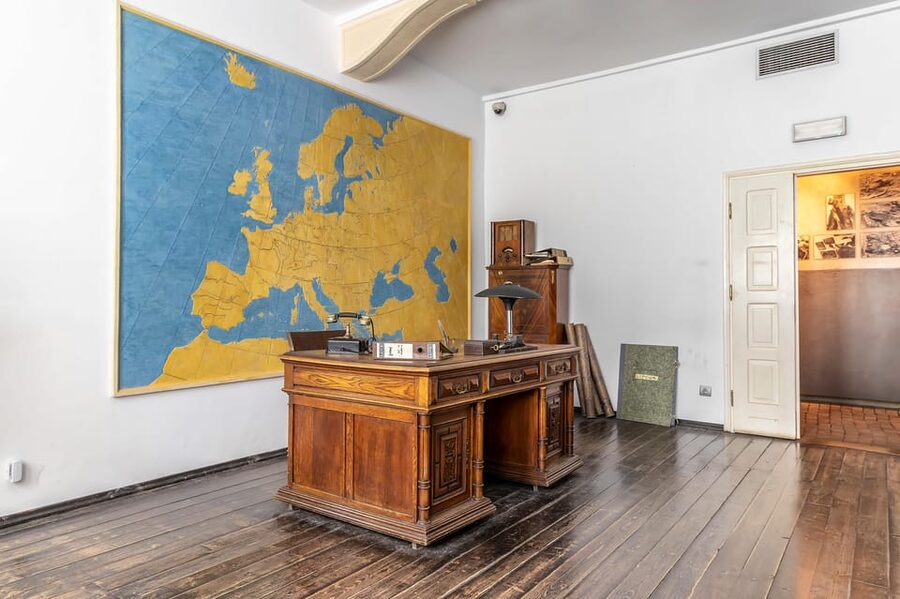
I would book this tour if you want Kraków’s wartime story explained through both museum exhibits and real locations. The combination of Schindler’s Factory, the Ghetto Walls, Ghetto Heroes Square, and Under the Eagle Pharmacy gives the three hours a clear arc, from occupation and rescue to confinement, deportation, and civilian courage.
I would skip it if you expect a museum devoted mainly to Schindler or want to see original factory machinery. I would also think twice if narrow rooms and group touring frustrate you.
For most history-minded visitors, the $58 price is reasonable because admission, a licensed guide, and the outdoor route are bundled together. Stay close to the guide, arrive early, and prepare for a serious visit rather than a casual attraction.
FAQ
Where does the tour meet?
The guide meets you in front of the main entrance to Schindler’s Factory Museum, near the excursions.city sign.
How long does the experience last?
The tour lasts three hours.
What does the price include?
The price includes a licensed expert guide, skip-the-line admission to Schindler’s Factory, and a walking tour of the Kraków Ghetto.
Is hotel pickup included?
No. Hotel pickup and drop-off are not included.
Are food and drinks included?
No. Food and drinks are not included.
Which languages are available?
The tour is available in English, French, Italian, German, and Spanish.
What happens if I arrive late?
You should arrive 10 minutes before the tour begins. Once the group has left, latecomers cannot join, and their tickets cannot be refunded.
Does the museum still contain Schindler’s original factory machinery?
No. The building once housed Schindler’s factory, but it is now a museum without the original machinery.
Just added around Krakow
- From Krakow: Zakopane Full-Day Tour with Lunch Option★ 4.4 · 62 reviews
- From Krakow: Zalipie and Painted Village Guided Tour★ 4.0 · 4 reviews
- From Krakow: Zakopane and Dunajec River Rafting Tour★ 4.6 · 31 reviews
- From Krakow: Zakopane and the Tatra Mountains★ 4.7 · 36 reviews
- From Krakow: Zakopane and Gubałówka Cable Car Private Tour★ 4.3 · 12 reviews
- From Krakow: Zakopane Tatra Mountains & Hot Springs Tour★ 3.0 · 29 reviews
- From Krakow: Hot Springs and Zakopane with Gubałówka★ 4.7 · 25 reviews
- From Krakow: Zakopane & Tatra Mountains Tour★ 3.8 · 42 reviews
Schindler's Factory Tours, compared.
Oskar Schindler’s Factory Entry Ticket & Guided Tour
Read our review →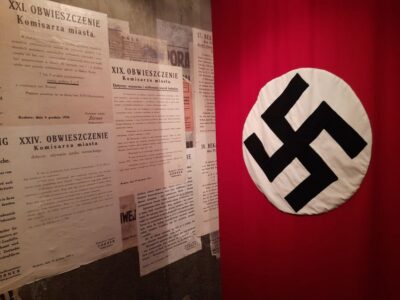
Schindler’s Factory Tour with Entrance Ticket
Read our review →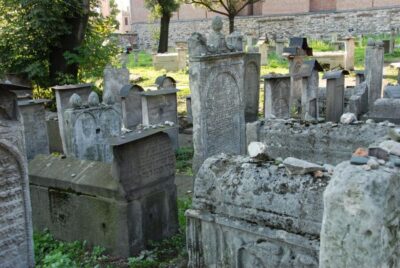
Schindler’s Factory Tour with Entrance Ticket
Read our review →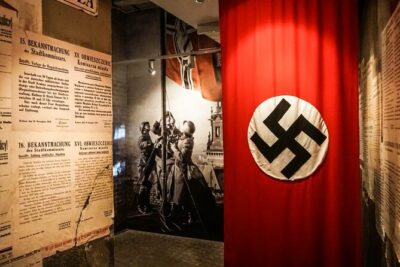
Schindler’s Factory in Krakow: Guided Tour & Skip the Line Ticket
Read our review →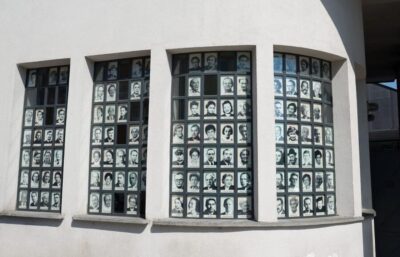
Schindler’s Factory Ticket with Guided Tour Option
Read our review →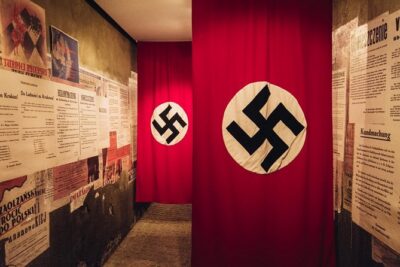
Krakow Schindler’s Factory Guided Tour with Admission Ticket
Read our review →Browse the lists this tour appears in