
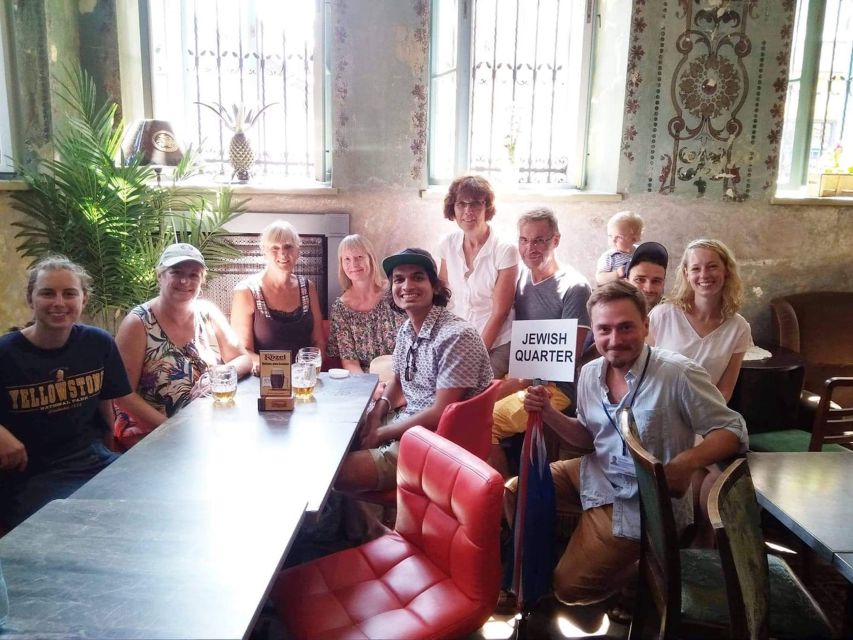
Reviewed · KRAKOW JEWISH GHETTO TOURS
Krakow: Jewish Quarter and Former Ghetto Tour
Krakow’s Jewish Quarter is not just a collection of old synagogues and film locations. It is a place where medieval Jewish life, wartime destruction, and modern Krakow meet on the same streets. This 150-minute walking tour helps you see the connections, from the Old Synagogue in Kazimierz to the former ghetto and its memorials.
I like the way the tour joins everyday Jewish culture with Holocaust history, rather than treating the area as a single wartime story. I also like the strong local guiding, with guides such as Bart, Magda, Emily, Matt, and Slavek praised for clear storytelling, warm group care, and thoughtful answers. The main drawback is the pace: there is a lot to absorb, and some stops may feel rushed, especially in cold weather or when the group is large.
Key points to know before you book
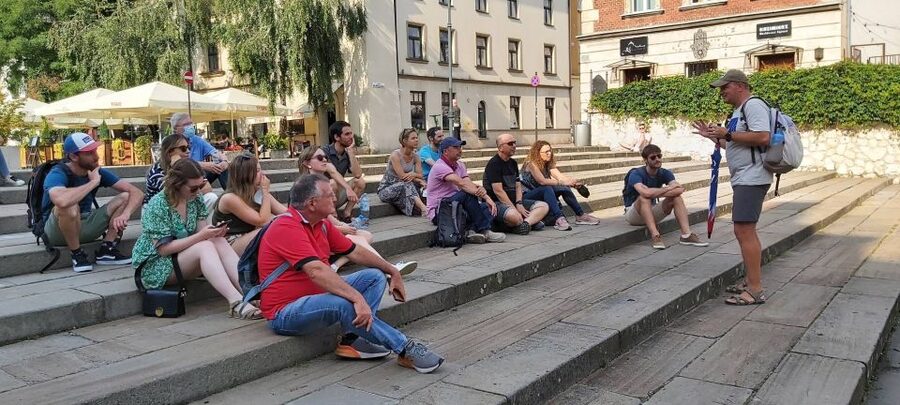
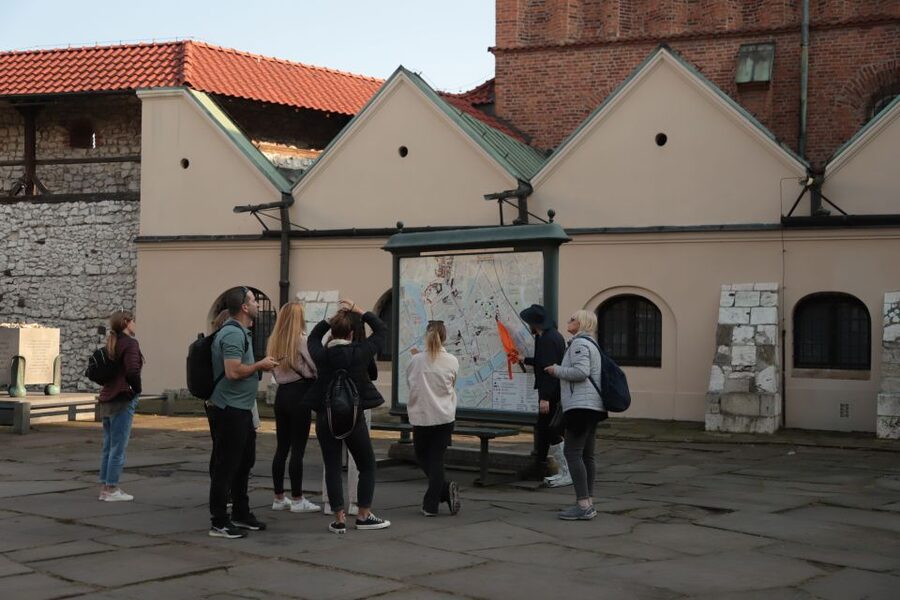
- Start at the Old Synagogue: Meet at ul. Szeroka 24 in Kazimierz, under the orange umbrella.
- See more than famous film sites: The route includes synagogues, the Jewish cemetery, Heroes of Ghetto Square, and locations connected with Schindler’s List.
- Expect a serious subject: The tour covers Jewish life before World War II, Nazi persecution, the Holocaust, and the former ghetto.
- Guides make the difference: Bart, Magda, Emily, Matt, and Slavek have received especially strong praise for their delivery and care.
- Plan for 2.5 hours on foot: Wear good shoes and dress for the weather. One February visitor specifically advised wrapping up warm.
- Good value at $19: You get an English-speaking local guide and a focused walking route without paying for food, drinks, or transport.
Starting beside the Old Synagogue on Szeroka Street
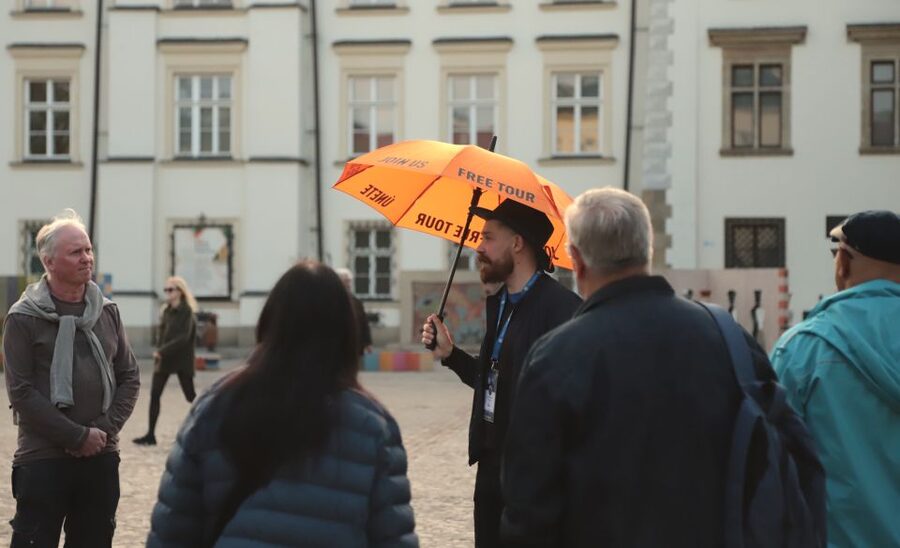
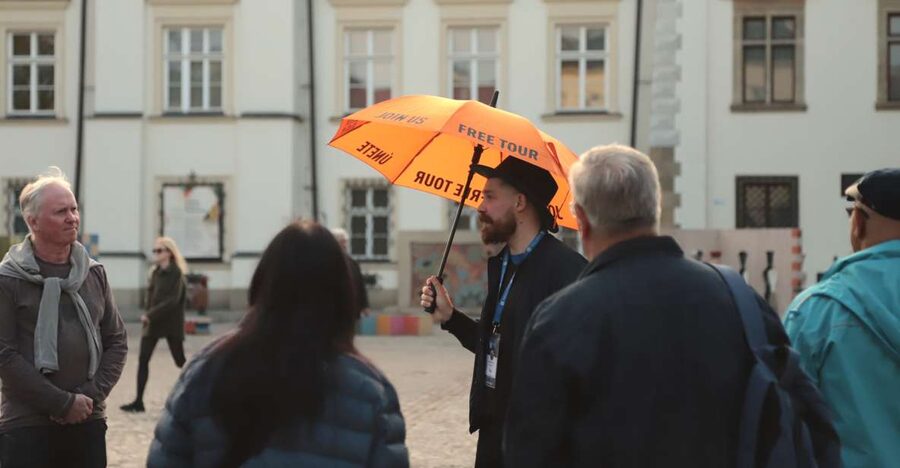
Your meeting point is in front of the Old Synagogue at ul. Szeroka 24. Look for the orange umbrella. This is a useful starting place because Szeroka Street gives you an immediate sense of Kazimierz as a former Jewish center, not just a sightseeing district.
Kazimierz began as a separate city on an island near Krakow. It was intended to rival its larger neighbor, but it became especially important as Jewish communities settled here after facing persecution in parts of Western Europe during the Middle Ages. Over time, Jewish religious, commercial, and family life took root in this part of Krakow.
The opening section explains that background before the tour moves toward the catastrophe of World War II. That order matters. You first meet a living community with traditions, institutions, and notable figures. Only then do you follow the story of its destruction.
The Old Synagogue is one of the central sights. The experience describes it as the oldest synagogue in Poland and highlights its place among Europe’s oldest synagogues. Even if you have walked past it alone, a guide can point out why the building matters and how it fits into the wider story of Jewish Krakow.
More Jewish Ghetto tours in Krakow:
- Krakow: Schindler’s Factory & Ghetto Guided Tour
★ 4.7 · 1,694 reviews - Krakow: Bike Tour of Old Town, Jewish Quarter and the Ghetto
★ 4.9 · 1,155 reviews - Krakow: Kazimierz, Schindler’s Factory & Ghetto Guided Tour
★ 4.8 · 460 reviews
Kazimierz beyond the postcard view
Kazimierz can look easy to understand at first. You see small streets, restored buildings, cafés, restaurants, and several synagogues. On your own, though, it is easy to notice the atmosphere without understanding what each place meant.
The guide fills in those missing links. You learn about Jewish traditions and the differences between Ashkenazim and Sephardim. You also hear about people connected with Jewish life in Poland and beyond, including Helena Rubinstein, Roman Polanski, Ludwick Zamenhof, and Maximilian Faktorowicz.
That range is one of the tour’s best features. The story is not limited to victims and dates. It includes writers, inventors, artists, business figures, and ordinary community life. You get a more human picture of the district before the war, which makes the later sections harder but also more meaningful.
Expect frequent stops. One guide may pause to ask for questions or comments, while another may keep the story moving. The strongest guides appear to balance both approaches. Bart is repeatedly praised for a strong voice, dry humor, historical knowledge, and an ability to keep a group together. Magda is praised for making space for questions. Emily is noted for storytelling and a good sense of tone.
Jewish cemeteries and the evidence of a lost community
The Jewish cemetery adds a quieter part to the walk. It is not simply another photo stop. The cemetery helps you understand the size and continuity of Jewish life in Krakow before the war.
As you walk, listen for the guide’s explanation of names, customs, and the people connected to the site. The cemetery works best when you take time to look rather than treating it as a quick landmark. Since the tour has a fixed length, the amount of time here can depend on the guide and the group.
This is also one point where visitors should be respectful. The tour concerns a community that was largely destroyed, and the cemetery is a place of remembrance, not a set for casual entertainment. The experience rules out alcohol, drugs, and party groups, which is appropriate for the subject and the locations.
The walk can be physically manageable, but it is still a walking tour. You may stand for long periods, cross uneven streets, and keep up with the group between stops. The tour is listed as wheelchair accessible, but you should still consider the demands of an outdoor route and ask the operator about the exact conditions if you need specific assistance.
From prewar life to the former ghetto
The tour then shifts from Kazimierz toward the former ghetto. This change in setting is central to the experience. You move from the old Jewish district, where community life had developed over centuries, to places tied to forced separation and Nazi persecution.
The guide explains what happened to Jews before and during World War II, while also keeping the focus on people and daily life. That balance is important. A tour that only lists deportations and dates can become hard to follow. A tour that only focuses on architecture can miss the human cost.
Here, the guide’s delivery matters greatly. Several guides are praised for being respectful and reflective, especially when explaining traumatic events. The subject is emotionally heavy, but the best approach is calm and direct rather than theatrical.
You should expect a serious walk, not a light city tour with a few historical facts added. At the same time, guides such as Bart and Magda have been praised for keeping the group engaged and approachable. A little dry humor may appear in the broader historical discussion, but the tone remains suitable for the subject.
More Kazimierz and Jewish Quarter tours in Krakow:
- Krakow: Kazimierz Jewish Quarter Walking Tour
★ 4.8 · 571 reviews - Full Bike Tour – the Old Town, Jewish Qtr & the Ghetto NEW BIKES
★ 5.0 · 437 reviews - Krakow: Bike Tour of the Old Town, Kazimierz, and the Ghetto
★ 4.9 · 350 reviews - Krakow: Jewish Quarter and Ghetto Electric Golf Cart Tour
★ 4.6 · 348 reviews
Heroes of Ghetto Square and Holocaust remembrance
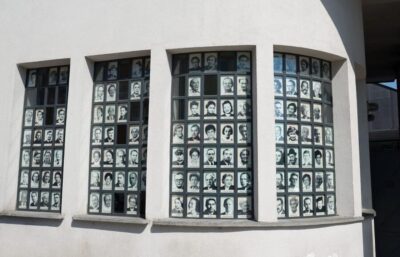
Heroes of Ghetto Square is one of the most important stops. Its memorial chairs give the place a strong visual identity, but the meaning is more important than the image. The square helps connect the former ghetto to the people who were forced from their homes, gathered, transported, and separated from their families.
A guide gives the memorial context that you may miss if you only take a few photographs. You learn why the square matters and how it fits into the wider history of Krakow’s Jewish population during the war.
This is often the point where the tour feels most emotionally direct. Allow yourself time to listen. You do not need to rush into the next sight or treat the square as another item to check off.
The walking route is also a practical advantage here. You are not hearing about the former ghetto from across town. You are moving through the area and seeing how the places relate to one another. That physical connection can make the history easier to understand, even when the material is painful.
Schindler’s List locations, with context beyond the movie
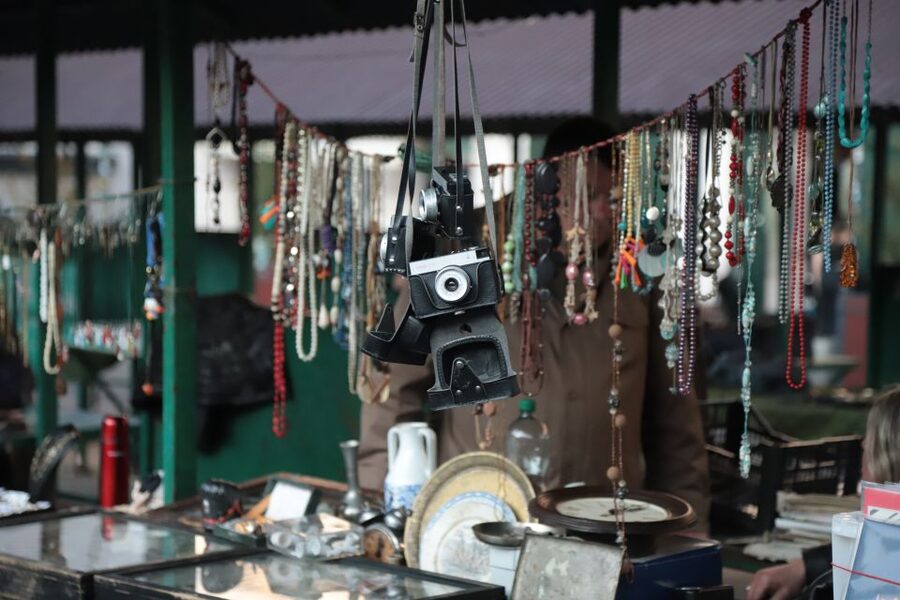
Film fans will recognize several places connected with Schindler’s List. The tour traces filming locations and places associated with the story, but it is not simply a movie-location walk.
That distinction matters. Schindler’s List introduced many people to Krakow’s wartime history, yet a film can compress events and combine locations. The guide helps separate cinematic memory from the real history of the Jewish community and the ghetto.
One practical warning comes from the route itself: do not wander away while taking photographs. A participant lost sight of the group after stopping near Schindler’s site and accidentally followed another group. The orange umbrella helps at the start, but it may not be enough once several walking tours gather in the same area. Keep the group in view, especially at busy stops.
You may not enter every attraction connected with the story. The experience is described as a walking tour, and the listed inclusions are a local guide and the 2.5-hour route. Food, drinks, and entry tickets are not included, so check the plan if you want to visit a museum or synagogue interior afterward.
What makes the guides so important
The tour’s strongest feature is its human delivery. The subject is too complex for a simple audio guide, and the route includes enough layers that questions can improve your understanding.
Bart is especially praised for a clear voice, strong historical background, a good pace, and passionate storytelling. Magda is praised for warmth, subject knowledge, and stopping to invite questions. Emily is described as an excellent storyteller who handles the tone of difficult material well.
Matt receives praise for being dynamic and informative. Slavek is described as friendly, clear, and engaging. Other guides may lead the walk, but these names appear often enough that they are useful to know when you arrive.
Guide quality can vary slightly from one departure to another, as it does with any walking tour. Still, the repeated emphasis on passion, clarity, and respectful storytelling suggests that the operator has built a strong team.
Listen for practical recommendations during the walk. One guide pointed out places to return to afterward, which is useful because 2.5 hours is not enough to explore every synagogue, cemetery detail, museum, or street at length.
Is $19 good value for 150 minutes?
At $19 per person, this is a modest price for a 2.5-hour guided walk in one of Krakow’s most important historic areas. You are paying mainly for interpretation, organization, and access to a route that would be difficult to understand fully on your own.
The value is strongest if you have limited time in Krakow. You can cover Kazimierz, the former ghetto, the cemetery, the memorial square, and film-related sites in one outing. The guide also supplies cultural background that a self-guided walk may leave out.
The value is weaker if you want long interior visits or plenty of time for quiet reflection at each stop. The tour has a lot to cover, and one participant felt the information came quickly and required a second visit alone to absorb it all.
Food and drinks are not included, but that is not a serious drawback. You can eat before or after the walk in Kazimierz, where you will find many options. The key point is to treat the $19 as the price for a guided historical route, not a full attraction package.
Free cancellation up to 24 hours before the tour and the option to reserve now and pay later make it easier to fit into a changing Krakow schedule. Starting times vary, so check availability for your date.
Who should take this Krakow walking tour?
I would choose this tour if you want context, not just photographs. It suits first-time visitors, people interested in Jewish culture, and anyone who has seen Schindler’s List and wants to understand the real places behind the film.
It is also useful if you already walked through Kazimierz and found the district attractive but confusing. The guide can show you buildings and streets you might otherwise pass without noticing.
The tour may not suit you if you dislike emotionally difficult subjects or prefer to explore at your own slow pace. You should also avoid it if you want a private experience, since the format is a group walking tour.
Dress for the weather. A February participant specifically warned that the route lasts more than two hours and can be cold. Comfortable shoes are a must, and keep your attention on the guide when the group moves between stops.
Should you book the Jewish Quarter and Former Ghetto Tour?
Yes, if you want a focused introduction to Krakow’s Jewish heritage and wartime history at a fair price. The route covers the Old Synagogue, Jewish cemetery, Heroes of Ghetto Square, former ghetto sites, and Schindler’s List locations, while the guides add the human context that signs and maps cannot provide.
Book it early in your Krakow plans, ideally before visiting the area alone. Then you can return to the places that deserve more time. Skip it only if you want a self-guided walk with no fixed pace, or if two and a half hours of serious historical material would feel too intense.
FAQ
Where does the tour start?
The tour starts in front of the Old Synagogue at ul. Szeroka 24 in Krakow’s Jewish Quarter. Look for the guides with an orange umbrella.
How long does the tour last?
The walking tour lasts 150 minutes, or 2.5 hours.
What language is the tour in?
The tour is conducted in English with a live English-speaking guide.
What sights are included?
The route includes the Old Synagogue, Jewish cemetery, Holocaust memorials, Heroes of Ghetto Square, the former ghetto area, and filming locations connected with Schindler’s List.
Is the tour wheelchair accessible?
Yes, the activity is listed as wheelchair accessible.
Is food or drink included?
No. Food and drinks are not included in the tour price.
How much does the tour cost?
The listed price is $19 per person.
Can I cancel for a full refund?
Yes. You can cancel up to 24 hours in advance for a full refund.
Can I reserve now and pay later?
Yes. The reserve now and pay later option lets you keep your plans flexible and pay nothing at the time of booking.
Just added around Krakow
- From Krakow: Zakopane Full-Day Tour with Lunch Option★ 4.4 · 62 reviews
- From Krakow: Zalipie and Painted Village Guided Tour★ 4.0 · 4 reviews
- From Krakow: Zakopane and Dunajec River Rafting Tour★ 4.6 · 31 reviews
- From Krakow: Zakopane and the Tatra Mountains★ 4.7 · 36 reviews
- From Krakow: Zakopane and Gubałówka Cable Car Private Tour★ 4.3 · 12 reviews
- From Krakow: Zakopane Tatra Mountains & Hot Springs Tour★ 3.0 · 29 reviews
- Zakopane & Tatra Mountains Private Full-Day Tour from Krakow★ 4.5 · 33 reviews
- From Krakow: Hot Springs and Zakopane with Gubałówka★ 4.7 · 25 reviews
Krakow Jewish Ghetto Tours, compared.
Bike Tour of Old Town, Jewish Quarter and the Ghetto
Read our review →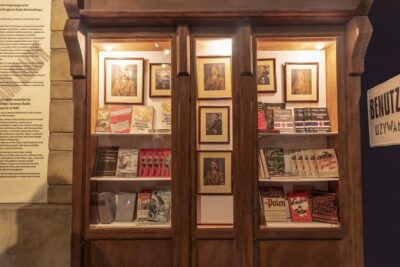
Kazimierz, Schindler’s Factory & Ghetto Guided Tour
Read our review →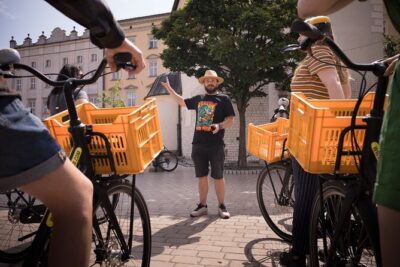
Full Bike Tour – the Old Town, Jewish Qtr & the Ghetto NEW BIKES
Read our review →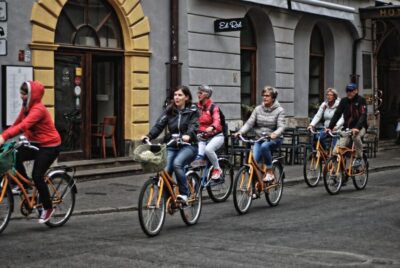
Bike Tour of the Old Town, Kazimierz, and the Ghetto
Read our review →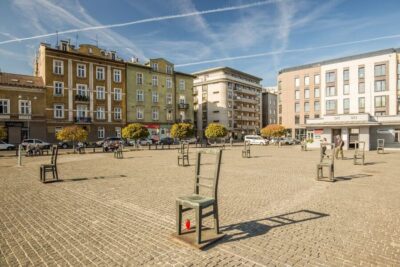
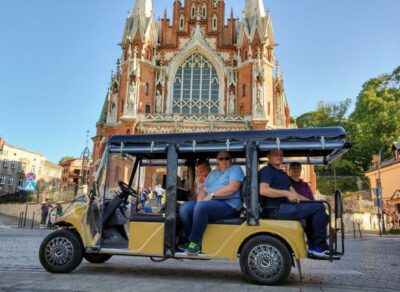
Jewish Quarter and Ghetto Electric Golf Cart Tour
Read our review →
Schindler’s Factory and Jewish Ghetto Guided Tour
Read our review →Browse the lists this tour appears in