
Reviewed · SCHINDLER'S FACTORY TOURS
Krakow: Schindler’s Factory & Ghetto Guided Tour
Schindler’s Factory is not really a factory tour. It is a serious museum about Krakow under Nazi occupation, with Schindler’s story woven into the much larger story of Jewish and Polish life during the war. I like that approach. You get the famous name, but you also learn about the people who lived, suffered, resisted, and tried to survive around him.
I especially like the combination of nearly two hours inside the museum and a guided walk through the former ghetto. The Ghetto Heroes Square Chair Memorial and the remaining section of ghetto wall give the history a physical setting. The main drawback is the pace: groups can number around 20 people, and the narrow galleries may leave you wanting more time to read and look closely.
Key points to know before booking
- The museum is about occupation, not machinery: The former factory building contains an exhibition, not original production equipment.
- The ghetto walk adds essential context: You visit the Ghetto Walls, Ghetto Heroes Square, and the Under the Eagle Pharmacy.
- A guide makes the museum easier to follow: The exhibition contains a great deal of text and detail, so a strong guide helps you see the larger story.
- Expect a somber experience: Narrow corridors, dim rooms, photographs, and personal objects create an unsettling wartime atmosphere.
- The price includes useful access: At $57 per person, you get a guide, skip-the-line museum admission, and the walking tour.
- Arrive early and dress for the weather: Be at the entrance 10 minutes before departure, and bring suitable footwear and clothing for the outdoor section.
Why this is more than a Schindler biography
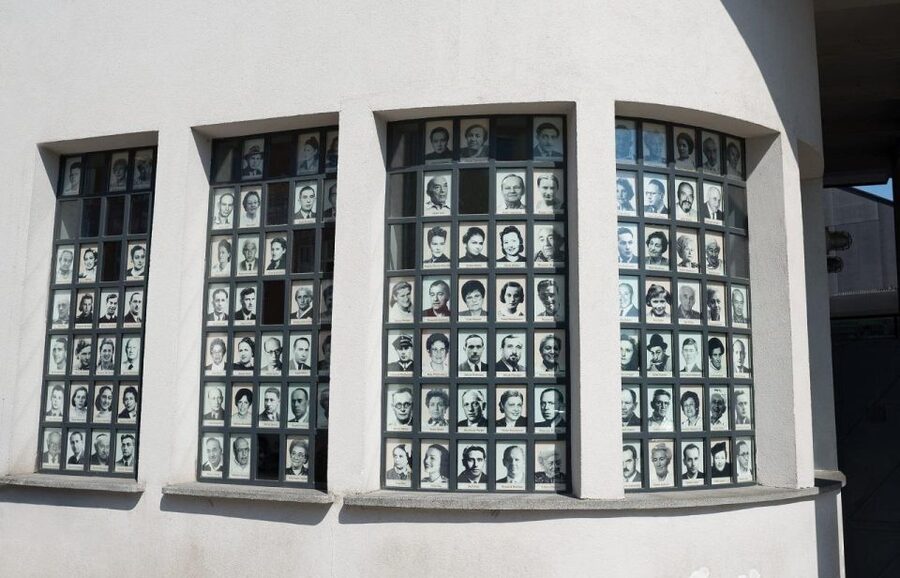
The name Oskar Schindler draws many people here, thanks in part to the familiar film story. But the museum does not treat him as the whole subject. Instead, it uses his factory and his actions to explain what happened to Krakow after the German occupation began in 1939.
That distinction matters. You learn how the city changed, how Jewish residents were forced into a ghetto, how Polish residents were controlled, and how deportation and murder destroyed Krakow’s Jewish community. Schindler’s decision to protect more than a thousand Jewish workers becomes more meaningful when you understand the danger surrounding it.
I find this broader focus more honest and useful than a simple hero story. Schindler receives attention, but the museum keeps returning to ordinary people: families, workers, children, officials, and those trying to survive under rules designed to strip them of freedom and dignity.
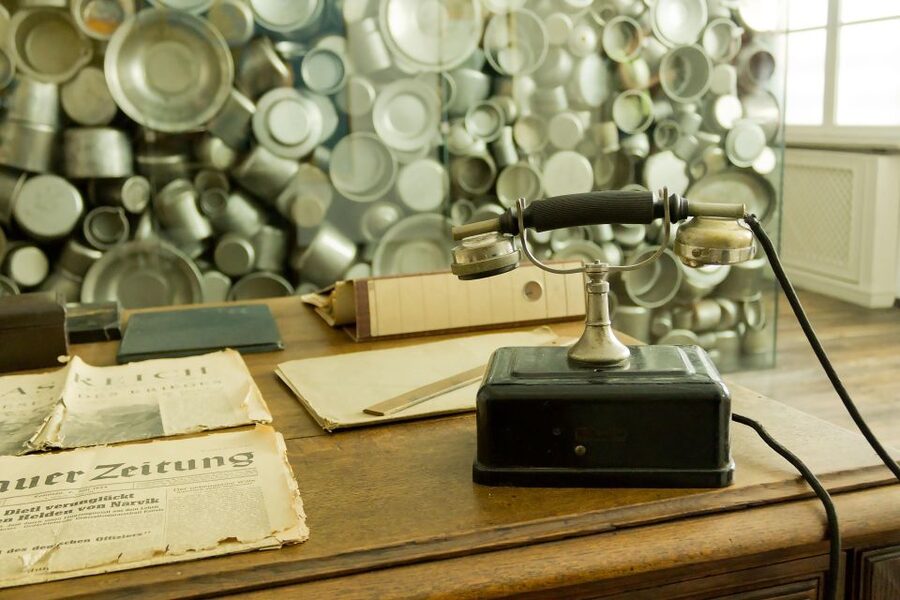
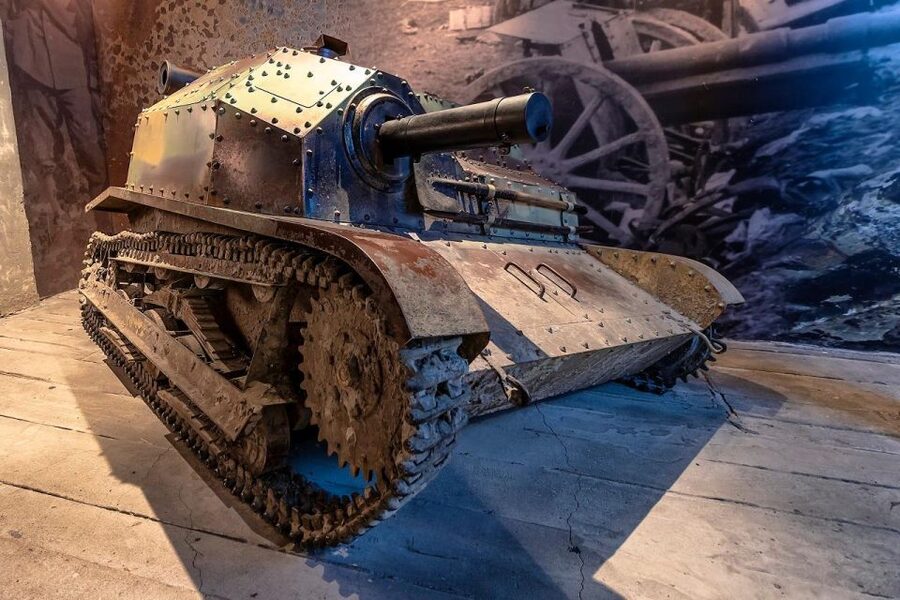
The exhibition is called Krakow under Nazi Occupation 1939 to 1945. Its purpose is to show daily life as well as major events. You may see original objects, photographs, uniforms, toys, weapons, flags, and other material connected with the period. The displays are arranged as a carefully built journey through wartime Krakow rather than as a collection of machinery from the old plant.
More Jewish Ghetto tours in Krakow:
- Krakow: Jewish Quarter and Former Ghetto Tour
★ 4.9 · 1,441 reviews - Krakow: Bike Tour of Old Town, Jewish Quarter and the Ghetto
★ 4.9 · 1,155 reviews - Krakow: Kazimierz, Schindler’s Factory & Ghetto Guided Tour
★ 4.8 · 460 reviews
Entering Schindler’s Factory Museum
You meet the guide in front of the main entrance, on the right-hand side. Look for the excursions.city sign, and arrive at least 10 minutes early. This is important because late arrivals cannot join after the group leaves, and the ticket cannot be refunded.
The building once housed Schindler’s enamel factory, but you should adjust your expectations before arriving. There is no working factory floor and no original machinery to inspect. The museum now occupies the site, and its focus is historical interpretation.
That point has caused some disappointment for people expecting an industrial museum. If you want to see enamel production equipment, this is not the right experience. If you want to understand Krakow during the occupation, the building provides a powerful setting.
Inside, the route moves through narrow, darkened rooms and staged reconstructions. The design can feel cramped, and that is intentional. The museum uses physical pressure and limited light to suggest the fear, uncertainty, and lack of control that shaped life under Nazi rule.
You will not simply walk past display cases in a bright, open hall. The route has a dramatic quality, and some rooms may feel emotionally heavy. That makes the visit memorable, but it also means this is not a light sightseeing stop to squeeze between lunch and shopping.
How a guide changes the museum visit
I would choose the guided version if you want to understand the exhibition rather than simply see it. The museum contains a lot of written material, and it would be easy to spend several hours trying to connect individual objects and dates.
A good guide gives you the framework first. That lets you place photographs, documents, and personal belongings within the larger story. Guides such as Alexandra, Phil, Joanna, Alice, Alicja, Eva, Helena, and Magdalena have been especially praised for clear explanations, strong delivery, and the ability to answer questions.
The guide also helps with the emotional balance of the subject. This is not a place for theatrical storytelling or easy answers. The strongest guiding style here is calm, precise, and respectful, while still making room for the human stories behind the facts.
Several guides have used headsets or closed-loop microphones, which can be helpful in crowded rooms. You do not need to strain to hear every sentence, although a larger group can still make it harder to stop and study each display.
There is a trade-off. The guide keeps the tour moving, which prevents the information from becoming overwhelming, but you may not have time to read every panel or take all the photographs you want. If you prefer to study museums slowly, plan to return independently if your schedule allows.
Oskar Schindler’s role in the wider story
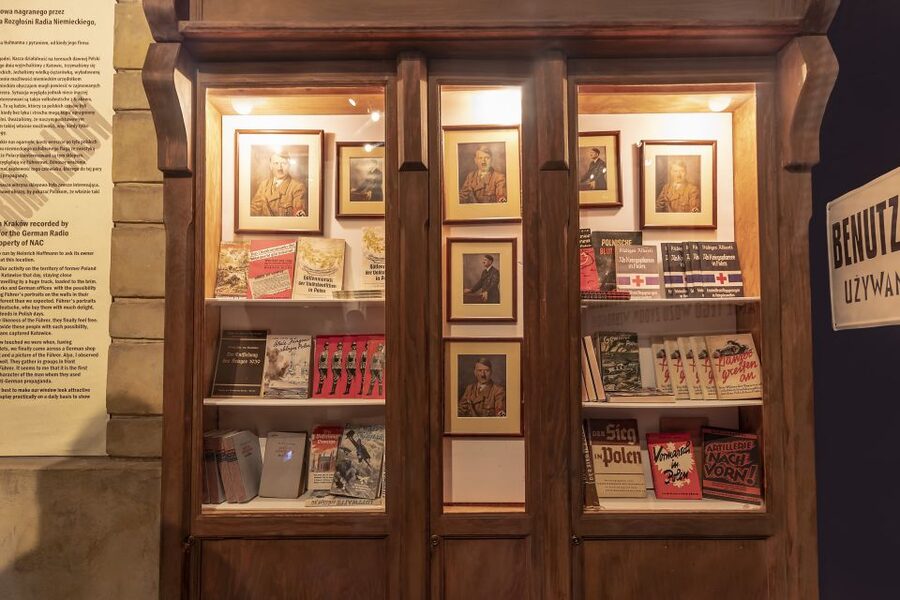
The museum explains how Schindler employed Jewish workers and how the factory became a place of protection for more than a thousand people. That story is moving, but it is presented alongside the persecution that made such protection necessary.
You will hear about deportations, forced labor, the destruction of Jewish homes and families, and the steady tightening of Nazi control. Schindler’s actions matter because they were unusual and dangerous, not because they erased the crimes happening around him.
Some people may want even more detail about Schindler himself. The museum gives him an important place, but the exhibition is not built as a full personal biography. I see that as a strength, though it may surprise anyone booking mainly for the film connection.
The emphasis on both Jewish and non-Jewish residents is also useful. The tour explains that Polish people were controlled and harmed under the occupation, while keeping clear focus on the specific persecution of Krakow’s Jewish population. That wider context helps you understand the city as a whole without blurring the differences between experiences.
More ways into Schindler's Factory in Krakow:
- Krakow: Oskar Schindler’s Factory Entry Ticket & Guided Tour
★ 4.2 · 3,793 reviews - Krakow: Schindler’s Factory Tour with Entrance Ticket
★ 4.5 · 3,182 reviews - Krakow: Schindler’s Factory Skip-the-Line Ticket
★ 4.4 · 3,105 reviews - Krakow: Schindler’s Factory Tour with Entrance Ticket
★ 4.6 · 1,737 reviews
Walking from the factory to the former ghetto
After the museum, you take a walking tour through the Podgorze area, the former Jewish ghetto. The outdoor section completes what you saw inside. The museum explains the occupation through objects and reconstructed spaces, while the walk connects those events to actual streets and public places.
A short break may be included between the museum and the walk. This is useful after a dense museum visit, particularly in cold weather. It gives you time for a drink or restroom stop before heading outside.
The walking section goes ahead in rain or shine, so check the forecast and wear suitable shoes. The experience is not physically described as difficult, but you will be on foot outdoors after spending close to two hours in the museum. Comfortable clothing matters, especially in the colder months.
The remaining Ghetto Walls
The first major outdoor stop is a remaining section of the ghetto wall. It is a plain but powerful sight. Rather than looking at a general memorial, you are seeing part of the physical barrier used to confine Jewish residents.
The wall helps explain the meaning of the word ghetto in practical terms. This was not simply a neighborhood identified by custom or tradition. It was an enclosed space shaped by forced movement, surveillance, overcrowding, and fear.
Your guide can also point out how the surrounding buildings were used during the war. This is where a local guide adds value, because the streets themselves do not explain what happened there. The stories turn an ordinary-looking part of Krakow into a place of memory.
Ghetto Heroes Square and the Chair Memorial
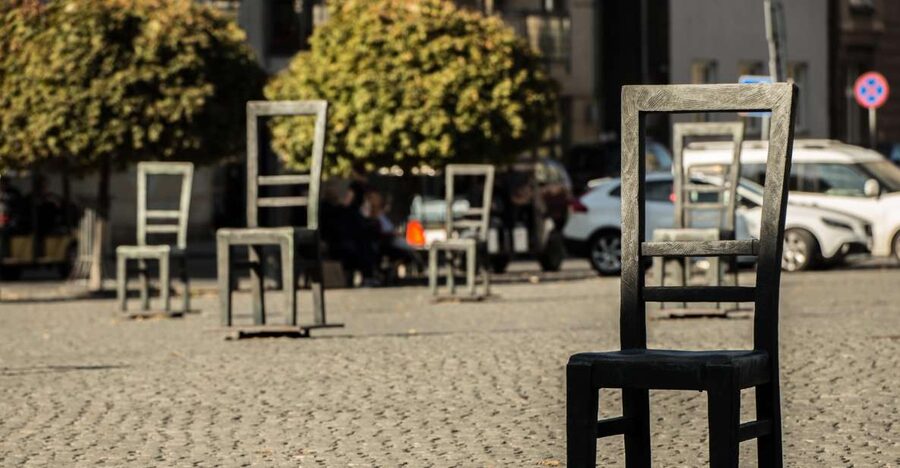
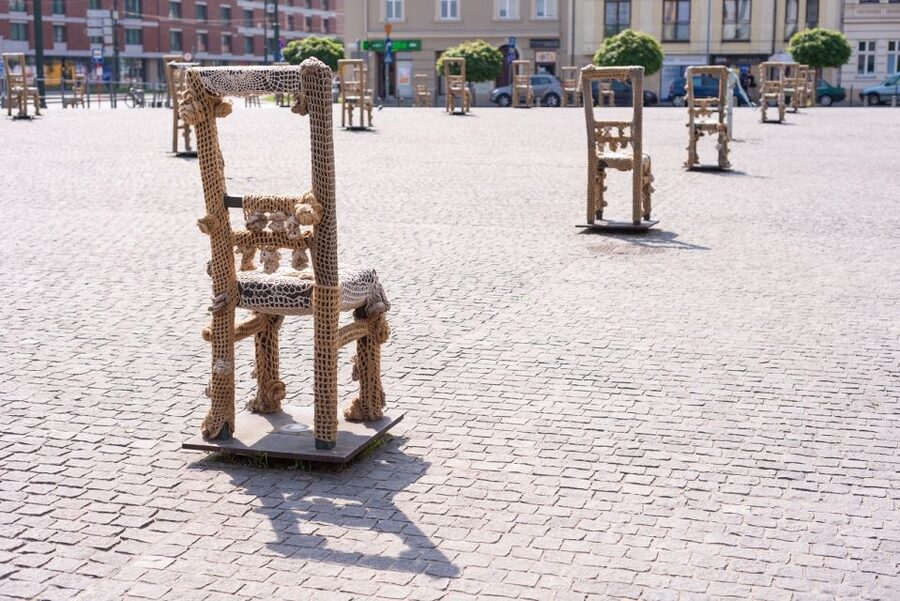
The walk continues to Ghetto Heroes Square, where deportations to extermination camps took place. Today, the square is marked by rows of empty chairs. Each chair represents a life lost, and the memorial’s simplicity gives the open space a quiet, unsettling force.
This is one of the tour’s most memorable stops. You do not need a large monument or a long inscription to understand what the chairs suggest. They evoke homes emptied, families separated, and belongings left behind.
The square can be especially moving after the museum because you have already heard about the people and events connected with the ghetto. You are no longer looking at an isolated memorial. You are standing in a place tied directly to the deportations described inside.
If you take the tour in the evening, the square and surrounding streets may be harder to see clearly. A daytime or afternoon booking is worth considering if you want to observe the buildings and public spaces in detail.
Under the Eagle Pharmacy
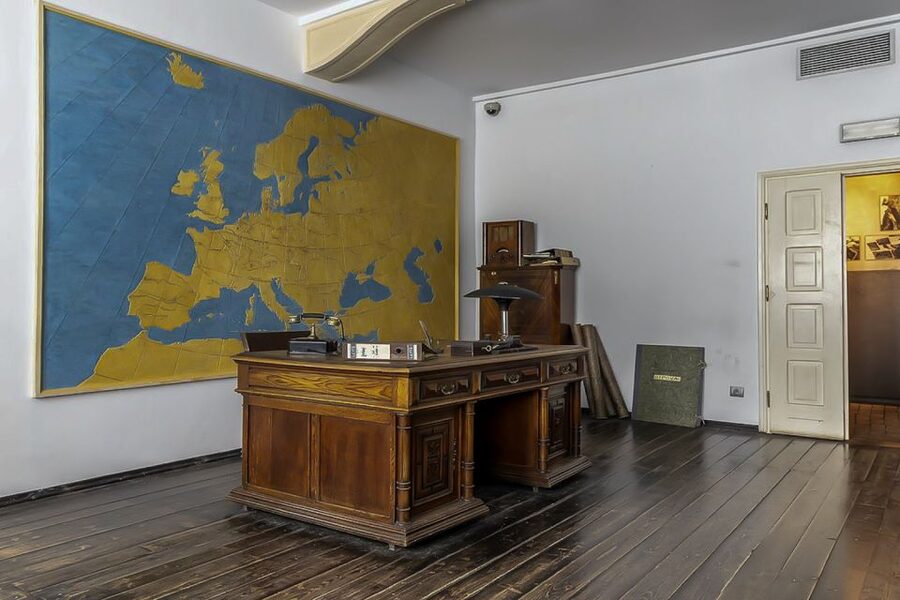
Across from the square is the Under the Eagle Pharmacy. Its story adds a different kind of courage to the tour.
The pharmacy was run by Tadeusz Pankiewicz, who remained in the ghetto and helped its residents. He and his staff supplied medicine and offered practical help at a time when even small acts of assistance could carry serious risk.
This stop keeps the tour from focusing only on persecution and death. It also shows how people tried to preserve care, dignity, and hope in a system designed to destroy them. The pharmacy is not presented as a cheerful interruption, but it gives the story a human scale.
For me, this is one reason the walking tour is worth pairing with the museum. You see the places connected with confinement and deportation, but you also learn about people who used their positions to help others.
Is $57 a fair price?
At $57 per person, this is not the cheapest way to visit the museum. You could potentially buy admission separately and explore on your own. The value here comes from combining three things in one three-hour experience: a live guide, skip-the-line entry, and the ghetto walk.
The museum is information-heavy, and the guide helps you sort out what matters most. You also avoid spending your own time working out how the factory relates to the wall, the square, and the pharmacy.
I think the price is reasonable if you want a guided introduction and have limited time in Krakow. It is less attractive if you prefer long, quiet museum visits or already know the occupation history well.
The tour has a rating of 4.7 from 1,694 reviews, and the strongest pattern is clear: people value the guides. Names frequently praised include Phil, Alexandra, Joanna, Alice, Eva, Alicja, and Helena. The exact guide depends on the date and language, so you should not book on the assumption that one particular person will lead your group.
Group size, pace, and language
The tour operates in one language per group. You can choose English, Italian, French, Spanish, or German when booking. That is helpful for a subject where small wording differences matter.
Groups can be fairly large, with one reported group of about 20 people. The museum’s narrow rooms make that noticeable. You may need to stand behind others or wait for space before getting close to a display.
The pace has also been a mixed point. Some people find it well judged, with enough information to make the museum manageable. Others want more time to read, take photographs, and absorb the rooms before moving on.
My advice is simple: treat this as a guided overview, not a private museum study session. Listen carefully during the tour, then return on your own if you want to examine every display. Bring patience, particularly during busy periods.
Who should take this tour?
This experience suits you if you want a serious introduction to Krakow’s wartime history and prefer a guide to connect the details. It is especially useful for a first visit, a short stay, or anyone who finds large historical museums difficult to navigate alone.
It also suits people interested in Jewish history, World War II, memorials, and the moral choices made by individuals under occupation. The tour is not limited to Schindler, so you should come ready to learn about the wider community and the machinery of persecution.
You may want to skip it, or choose a self-guided visit, if you need a slow pace, dislike emotionally intense museums, or mainly want to see the original factory machinery. The building is a museum today, not a preserved production site.
Because the content includes deportation, murder, persecution, and the suffering of children and families, it can be upsetting. That is not a flaw, but you should allow some quiet time afterward rather than scheduling another demanding activity immediately.
Practical booking advice
Book the language you want and provide the names of every participant when required. From January 1, 2026, personalized museum tickets require those names, and entry may be refused without them.
The preferred start time may not be exact because museum scheduling can change. If seeing the outdoor sites clearly matters to you, choose a daytime or afternoon option when available.
Cancellation is free up to 24 hours before the tour, and reserve-now, pay-later booking is available. Food, drinks, and hotel pickup are not included, so meet at the museum entrance and plan your own refreshments.
Should you book it?
I would book this tour if you want the Schindler Museum explained properly and want to connect it with the actual streets of the former ghetto. The Chair Memorial, Ghetto Walls, and Under the Eagle Pharmacy give the museum’s history a physical setting, while the guide makes a dense exhibition easier to understand.
Choose it with realistic expectations. You will not see working machinery, and you may not have time to read every sign. But for $57, the combination of admission, guiding, and a three-hour route offers solid value, particularly on a first visit.
If possible, choose a daytime start, arrive early, dress for the weather, and keep the rest of your day light. This is a thoughtful, sobering visit, not a quick attraction to check off before dinner.
FAQ
How long does the Schindler’s Factory and Ghetto tour last?
The tour lasts three hours. It includes the museum visit and a walking tour through Krakow’s former Jewish ghetto.
What does the $57 price include?
The price includes a live guide, skip-the-line admission to Schindler’s Factory, and the walking tour of the Krakow Ghetto.
Is hotel pickup included?
No. Hotel pickup and drop-off are not included. You meet the guide in front of the main entrance to Schindler’s Factory Museum, on the right-hand side.
How do I find the guide?
Look for the guide holding an excursions.city sign in front of the museum’s main entrance, on the right-hand side.
What languages are available?
Tours are available in Italian, English, French, Spanish, and German. Each group tour operates in one language.
Will I see original factory machinery?
No. The building once housed Schindler’s factory, but it is now a museum and does not contain the original machinery.
What places are included in the ghetto walk?
The walk includes the remaining Ghetto Walls, Ghetto Heroes Square with its Chair Memorial, and the Under the Eagle Pharmacy.
What happens if I arrive late?
You should arrive 10 minutes before the tour begins. Once the group has left, late arrivals cannot join, and the ticket cannot be refunded.
Can I cancel the tour?
Yes. You can cancel up to 24 hours in advance for a full refund. Reserve-now, pay-later booking is also available.
Just added around Krakow
- From Krakow: Zakopane Full-Day Tour with Lunch Option★ 4.4 · 62 reviews
- From Krakow: Zalipie and Painted Village Guided Tour★ 4.0 · 4 reviews
- From Krakow: Zakopane and Dunajec River Rafting Tour★ 4.6 · 31 reviews
- From Krakow: Zakopane Tatra Mountains & Hot Springs Tour★ 3.0 · 29 reviews
- From Krakow: Zakopane and the Tatra Mountains★ 4.7 · 36 reviews
- From Krakow: Zakopane and Gubałówka Cable Car Private Tour★ 4.3 · 12 reviews
- Zakopane & Tatra Mountains Private Full-Day Tour from Krakow★ 4.5 · 33 reviews
- From Krakow: Hot Springs and Zakopane with Gubałówka★ 4.7 · 25 reviews
Schindler's Factory Tours, compared.
Oskar Schindler’s Factory Entry Ticket & Guided Tour
Read our review →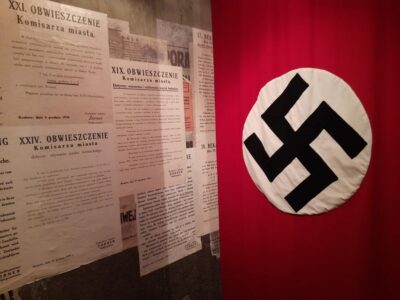
Schindler’s Factory Tour with Entrance Ticket
Read our review →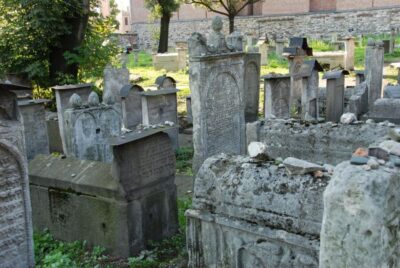
Schindler’s Factory Tour with Entrance Ticket
Read our review →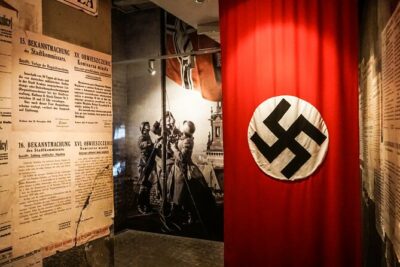
Schindler’s Factory in Krakow: Guided Tour & Skip the Line Ticket
Read our review →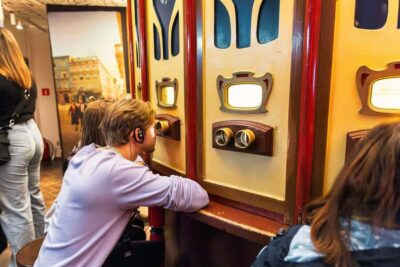
Schindler’s Factory Ticket with Guided Tour Option
Read our review →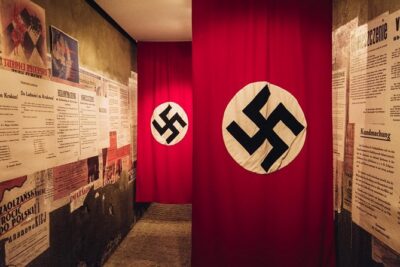
Krakow Schindler’s Factory Guided Tour with Admission Ticket
Read our review →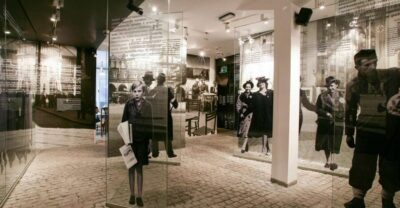
Schindler’s Factory Guided Tour with Entry Ticket
Read our review →Browse the lists this tour appears in