
Reviewed · SCHINDLER'S FACTORY TOURS
Schindler’s Factory and Jewish Ghetto Guided Tour
Oskar Schindler’s story is only one part of this three-hour Krakow history tour. Inside his former enamel factory, you follow the lives of Jewish and non-Jewish residents under Nazi occupation, then walk through the former ghetto where walls, a pharmacy, and a square recall fear, resistance, and deportation.
I like the way the factory visit gives the ghetto walk useful context, and I like the strong guides. Bartholomew, Joanna, Alicja, Magda, and Phil have all been praised for clear explanations, strong English, and the ability to answer questions. The main drawback is pace: some groups feel hurried through the crowded museum, with little time to study every photograph and display.
Key points at a glance
- Schindler’s Factory is now a history museum: The building once housed Schindler’s enamel business, but it no longer contains original production equipment.
- The exhibition covers more than Schindler: You learn about Krakow before, during, and shortly after the Nazi occupation, including the destruction of the Jewish population.
- The walking route reaches preserved ghetto walls: At Józefińska 41, the surviving fragments make the idea of forced enclosure concrete.
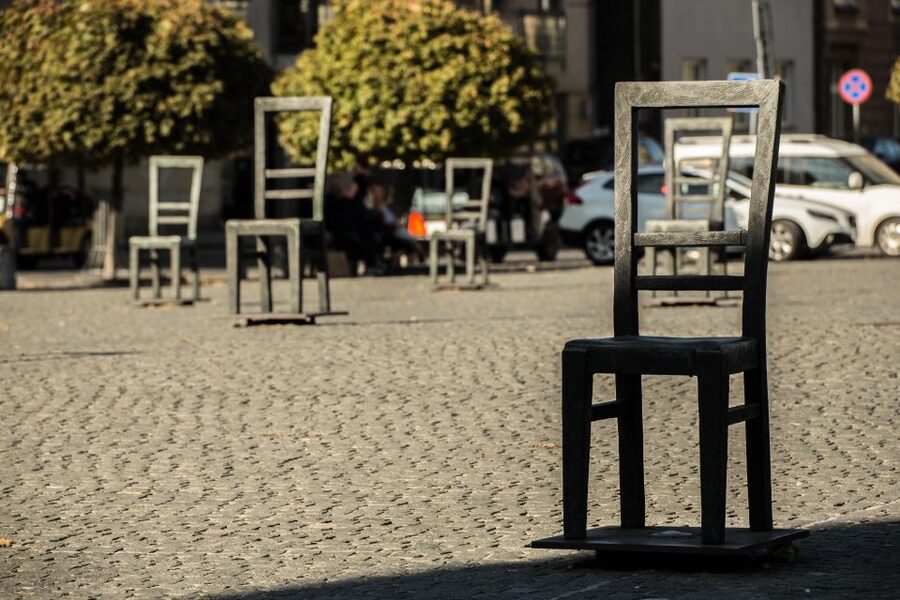
- Ghetto Heroes Square carries a powerful memorial: The empty chairs recall round-ups, deportations, and the belongings people were forced to leave behind.
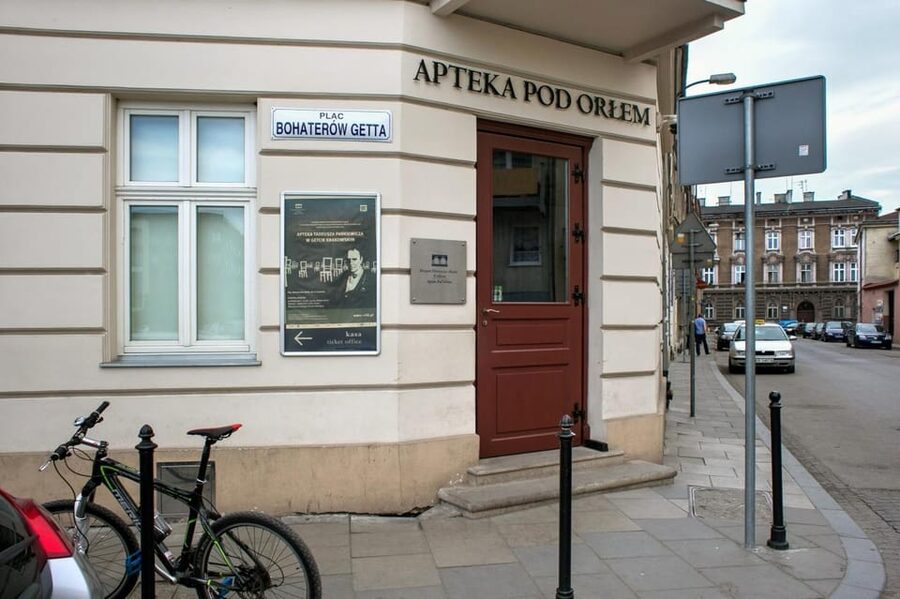
- Under the Eagle Pharmacy is viewed from outside: The stop explains Tadeusz Pankiewicz and his staff’s efforts to help Jewish residents, but museum admission is not included.
- A guide adds value, but the group can feel large: Groups are limited to 25, and the museum’s narrow rooms can become difficult to navigate at busy times.
Why Schindler’s Factory is not just a Schindler story
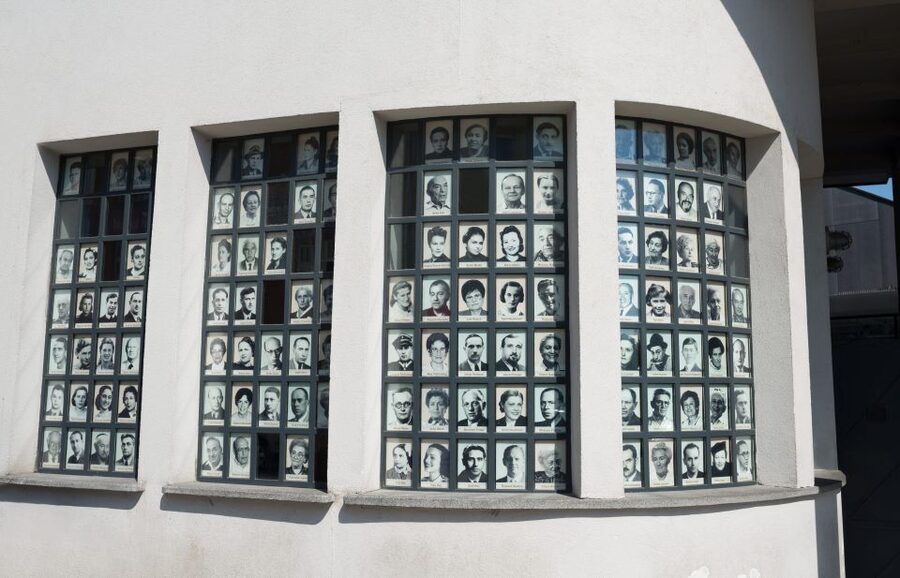
The factory museum is often treated as a place to follow Oskar Schindler’s wartime choices. That is part of the appeal, but the permanent exhibition, titled Krakow under Nazi Occupation 1939 to 1945, reaches much further.
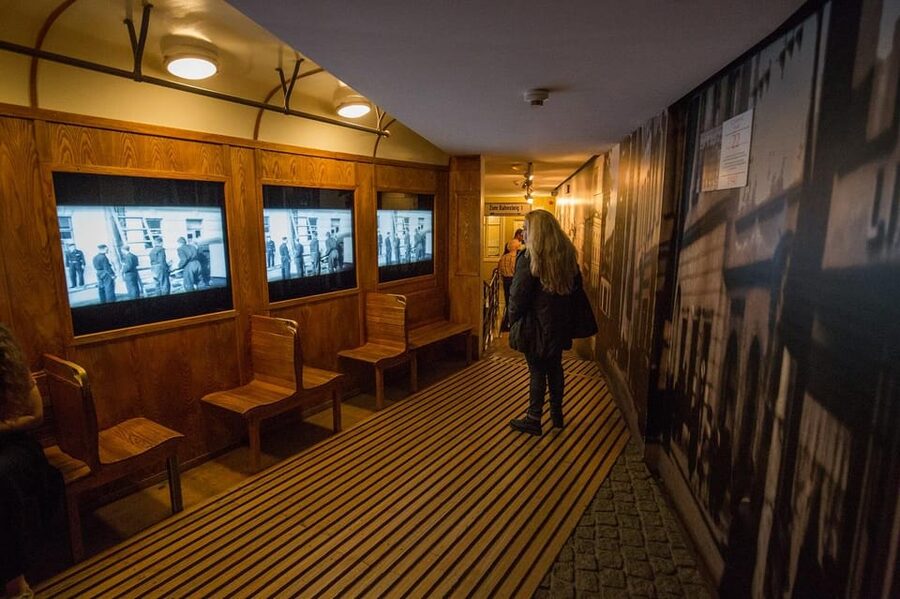
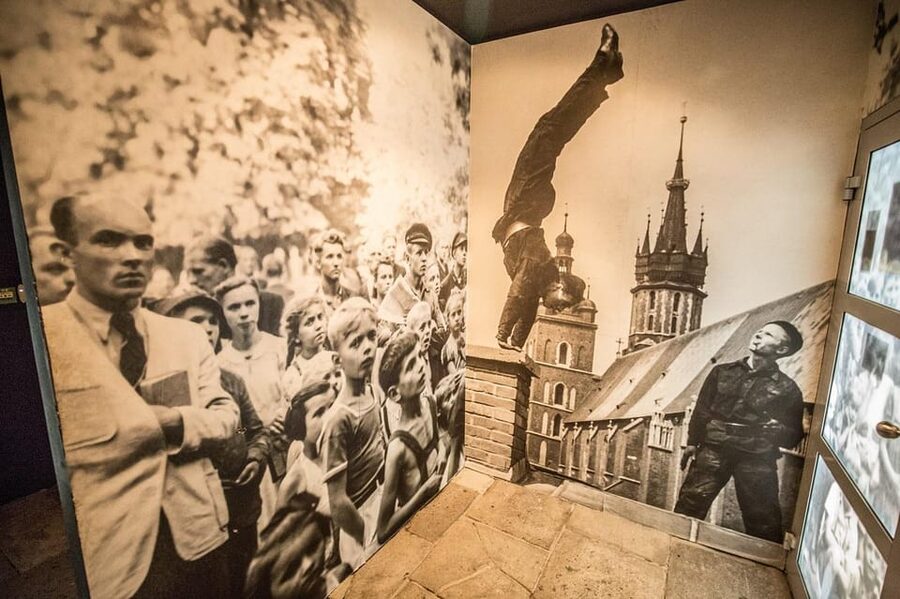
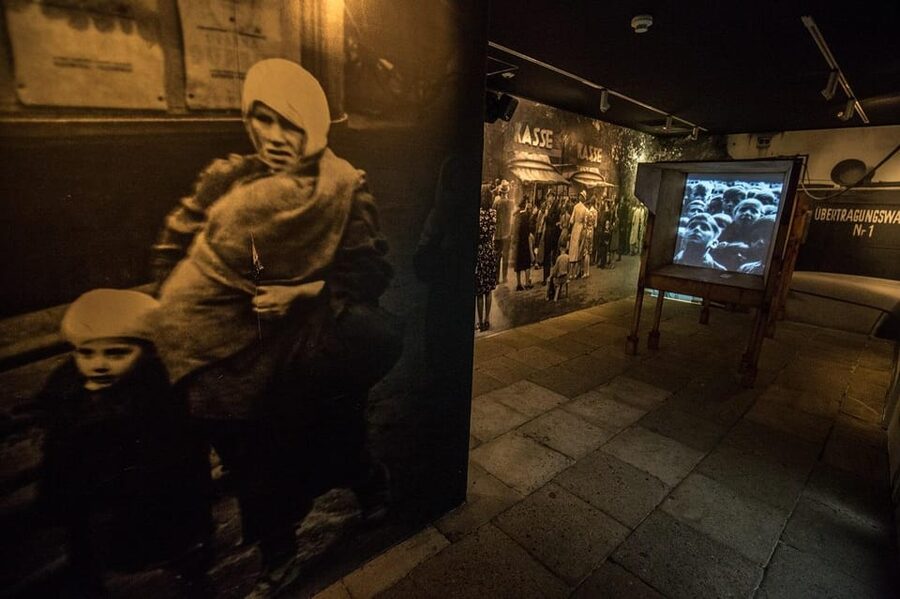
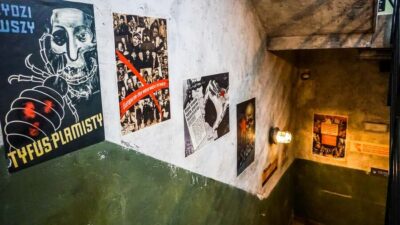
You begin with the city’s life before the war, then move through occupation, persecution, forced labor, and the destruction of Krakow’s Jewish community. Photographs, personal objects, and reconstructed streets help show how political terror entered ordinary life. The focus is not only on leaders and battles. It is on work, fear, family, housing, separation, and survival.
That wider view matters. Schindler employed Jewish workers and used his contacts, money, and position to protect more than a thousand people from deportation. Yet his actions make sense only when you understand the system around him. The exhibition places the people he saved, often called Schindlerjuden, within the larger story of a city under Nazi control.
A guide can help you connect the displays rather than simply move from room to room. This is where the tour earns its price. The best guides explain what you are seeing, point out smaller details, and answer questions about the occupation and Schindler’s decisions. Several guides have received especially strong praise, including Bartholomew for clear English, Joanna for organizing the story well, and Alicja for making the period feel human without treating it as a simple heroic tale.
More Jewish Ghetto tours in Krakow:
- Krakow: Schindler’s Factory & Ghetto Guided Tour
★ 4.7 · 1,694 reviews - Krakow: Jewish Quarter and Former Ghetto Tour
★ 4.9 · 1,441 reviews - Krakow: Bike Tour of Old Town, Jewish Quarter and the Ghetto
★ 4.9 · 1,155 reviews
What you actually see inside the museum
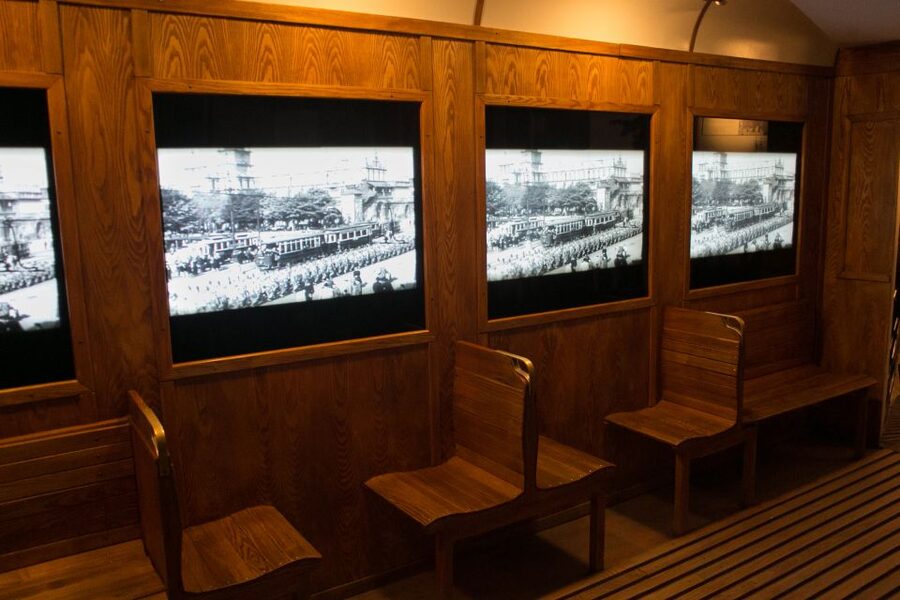
Do not arrive expecting a preserved 1940s factory floor. The building originally housed Schindler’s enamel works, but it now operates as a museum and does not contain its original production equipment.
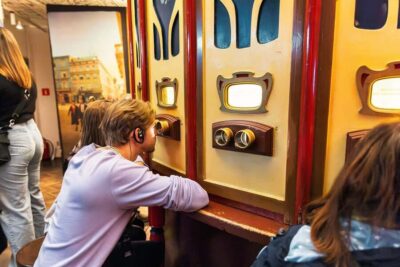
Instead, you move through a carefully arranged exhibition. It uses reconstructed streets and period material to create a sense of wartime Krakow. The narrow passageways and room layouts are part of the design, so this is not a wide-open gallery where you can easily step aside and read everything at your own speed.
You can expect photographs, personal belongings, written information, and displays linked to the experience of residents under occupation. The strongest parts are those that connect a large event to an individual life. A photograph or personal object can make deportation, forced work, and confinement feel less like distant textbook subjects.
The museum is popular and can be crowded. That affects the experience in two ways. A guide lets you understand the most important displays without having to decode every panel yourself, but a group can also slow down in tight areas. Two people specifically found the factory portion rushed and felt that an independent visit might allow more time with the exhibits.
My practical advice is simple: listen closely during the guide’s main explanations, then use any short pauses to study the objects that catch your attention. If you want to read every panel in full, a guided visit may not give you enough time. If you want a clear framework and a human explanation of the material, the guide is useful.
How the ghetto walk changes the museum story
After the museum, the tour moves outdoors into the former Krakow Ghetto area. This transition is one of the best reasons to choose the combined experience rather than visit the factory alone.
Inside the museum, you see the occupation presented through photographs, objects, and reconstructed spaces. Outside, you walk through places connected to confinement and deportation. The setting cannot recreate the wartime ghetto, but it gives physical scale to the story. Streets and surviving fragments help you understand that this was a real part of the city, not an isolated exhibit.
The outdoor portion also gives your guide room to explain how Jewish and non-Jewish residents experienced the occupation in different ways. The subject is painful, and the best approach is quiet and specific. Guides such as Joanna, Alicja, and Magda have been praised for combining facts with stories about people and communities, rather than reducing the period to a list of dates.
The order works well. Starting at the factory gives you a foundation in Schindler’s work and the occupation. The ghetto walk then shows the places where policies became daily reality. One guide may repeat some background for people who joined only for the walking portion, so the second half can feel a little repetitive if you have already heard every detail. Still, the connection between indoor displays and outdoor sites is valuable.
Józefińska 41 and the surviving ghetto walls
One of the more important stops is Józefińska 41. The address once included an orphanage, welfare offices, and a hospital, all serving as vital support within the ghetto.
This stop helps correct a common misconception about wartime ghettos. They were not simply residential districts with extra police. They were places where families were confined, services were strained, and basic care became a matter of survival. An orphanage, welfare office, and hospital reveal the daily work required to keep people alive under brutal conditions.
Nearby, preserved fragments of the ghetto walls give you a direct reminder of enclosure. The wall separated residents from the rest of Krakow and turned movement into a controlled privilege. It also made the loss of freedom visible in brick and stone.
You will not spend the whole walking tour at this one address. The value comes from hearing what the site once contained and then seeing the remaining wall sections in context. Wear shoes suited to walking and check the weather before you leave. The route is outdoors, and cold conditions made one winter visit especially uncomfortable even though the guide remained helpful.
More ways into Schindler's Factory in Krakow:
- Krakow: Oskar Schindler’s Factory Entry Ticket & Guided Tour
★ 4.2 · 3,793 reviews - Krakow: Schindler’s Factory Tour with Entrance Ticket
★ 4.5 · 3,182 reviews - Krakow: Schindler’s Factory Skip-the-Line Ticket
★ 4.4 · 3,105 reviews - Krakow: Schindler’s Factory Tour with Entrance Ticket
★ 4.6 · 1,737 reviews
Ghetto Heroes Square and the chair memorial
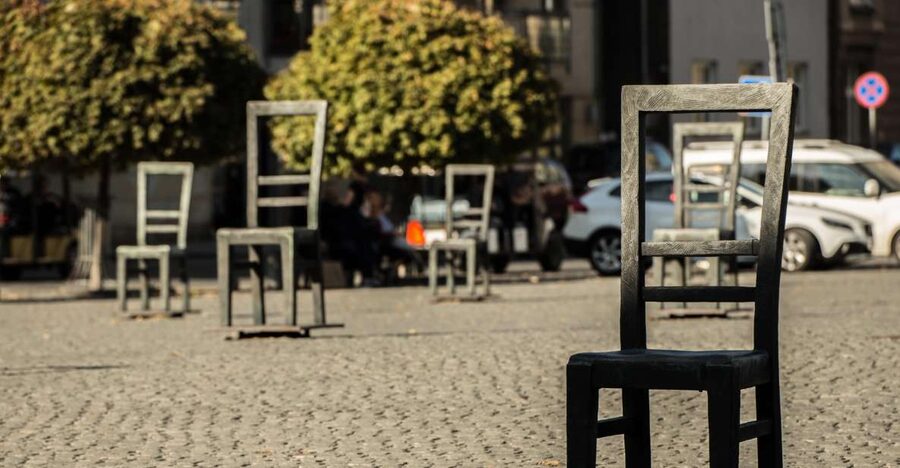
The route continues to Ghetto Heroes Square, today marked by the Chair Memorial. The empty chairs recall the belongings and furniture left behind when Jewish residents were forced from their homes. They also mark the square’s role in round-ups and deportations to concentration camps.
This is a place where a guide’s explanation adds real value. A memorial can be striking without being immediately clear. You need the historical setting to understand why an open square became associated with fear, separation, and people being taken away.
The square is also a useful pause in the walk. The museum has given you a broad account of occupation, while this site narrows the focus to a specific public space and the actions carried out there. Your guide may discuss how residents experienced the round-ups and deportations, along with the wider destruction of Krakow’s Jewish population.
The subject matter is difficult, and this is not a light sightseeing stop. I would not schedule it as a quick attraction between lunch and shopping. Give yourself time afterward before moving on to something cheerful.
Under the Eagle Pharmacy, seen from outside
Across from the square is the Under the Eagle Pharmacy. The tour stops at the exterior and explains the work of Tadeusz Pankiewicz and his staff, who risked their safety to aid Jewish residents.
The pharmacy offered medicine, help, and a place connected with shelter and hope during a period when even small acts of assistance could bring serious danger. Its story adds another layer to the tour. Schindler was not the only person who resisted the machinery of persecution. The pharmacy shows how aid could take the form of practical daily help.
Admission to the pharmacy is not included, so you should not expect to walk through its interior as part of this experience. One person wished there had been more time at the site and more detail about individual families. That is a fair limitation. The stop is meaningful, but the information you receive depends heavily on how much time your guide has and how the group is moving.
If the pharmacy is especially important to you, ask your guide questions during the stop. The tour is designed to cover several locations in three hours, not to provide a full separate visit to every site.
Guide quality and group size
The guide is the most important variable in this experience. The museum has a lot of material, and the ghetto route contains places that need explanation. A strong guide turns the visit into a connected story rather than a procession of rooms and addresses.
The guides who have received the warmest comments are praised for clear speech, patience, warmth, and command of the subject. Bartholomew was singled out for detailed explanations and easy-to-follow English. Joanna helped make the factory and ghetto sections feel like one story. Alicja was praised for bringing Polish and Jewish experiences into the same account. Phil was remembered for answering every question and making the group feel welcome.
Those names do not guarantee who will lead your departure. They do show the level of guide quality you can reasonably hope for. Tours are offered in English, French, Spanish, German, and Italian, and each group uses one language. Choose carefully when booking because you will not be switching between languages during the visit.
Groups can include up to 25 people. That is a moderate size for a popular museum, but it is not intimate. In narrow rooms, a group of 20 or more can block displays and make it harder to hear or move forward. If the museum is crowded, expect a guided overview rather than a slow, private examination of each object.
Is $57 a fair price?
At $57 per person, this is not Krakow’s cheapest history outing. The price includes a licensed guide, fast-track admission to Schindler’s Factory, and the walking tour of the wartime district.
The value depends on what you want. If you mainly want to enter the museum and read every display at your own pace, independent admission may suit you better. You will avoid the group’s schedule and can linger where you wish.
If you want the museum explained in clear English or another selected language, followed by a connected walk through the ghetto sites, the price is easier to justify. You are paying for interpretation and organization as much as for entry. The fast-track access can also matter at a museum known for heavy demand.
The tour does not include food or drinks, and no transport is listed. You meet at the main entrance to Schindler’s Factory, on the right-hand side, where the guide holds a Schindler’s Factory Guided Tour sign. Arrive at least 10 minutes early. Once the group has entered, late arrivals cannot be accommodated, and the ticket is non-refundable.
You must provide the full names of everyone booking because the museum issues personalized tickets. That is an easy detail to miss, but an incorrect or incomplete booking can prevent entry.
Who will get the most from this tour?
This experience suits you if you want a serious, guided introduction to Krakow during World War II. It works especially well for first-time visitors who want the factory museum and ghetto sites explained together rather than handled as separate appointments.
It is also a good choice if you value personal stories and historical context. The tour covers Jewish and non-Jewish residents, Schindler’s workers, the role of the ghetto institutions, and the actions of people such as Pankiewicz. You come away with more than the film-based version of Schindler’s story.
You may prefer an independent museum visit if you read every panel, photograph, and object in detail. The group route can feel quick, particularly during crowded periods. Families with young children should also consider the serious subject matter and the narrow museum layout before booking.
The walking section is not described as a separate transport experience, so plan for outdoor walking between the stops. In cold or wet weather, the square and wall sections will be less comfortable. The museum provides shelter, but the ghetto portion remains exposed to conditions.
Should you book it?
Book this tour if you want a clear, human account of Krakow under Nazi occupation and prefer having a guide connect the factory with the former ghetto. The combination is its main strength. You see the museum’s artifacts and reconstructions, then encounter the walls, square, and pharmacy linked to the same history.
Skip it in favor of an unguided museum visit if your priority is complete control over timing. The three-hour schedule, group size, and crowded rooms can limit how long you spend with individual exhibits.
For most visitors interested in Krakow’s wartime past, I think the guided format is worth considering, especially if you can arrive early, choose your language carefully, and accept that this is a focused overview rather than a slow museum study session.
FAQ
How long does the Schindler’s Factory and Jewish Ghetto tour last?
The tour lasts three hours, including the museum visit and the walking tour of the Jewish Wartime District.
What languages are available?
Tours are offered in English, French, Spanish, German, and Italian. Each group is conducted in one language.
Where is the meeting point?
Meet in front of the main entrance to Schindler’s Factory Museum, on the right-hand side. The guide will hold a Schindler’s Factory Guided Tour sign.
Is admission to Schindler’s Factory included?
Yes. The experience includes fast-track admission to the museum and a professional licensed guide.
Can I enter Under the Eagle Pharmacy?
No. The tour stops at the pharmacy and explains its history, but entry to the pharmacy is not included.
Is the original factory equipment still inside?
No. The former factory building now operates as a museum and no longer contains its original production equipment.
How large can the tour group be?
Museum guidelines limit group tours to 25 participants.
What happens if I arrive late?
You should arrive at least 10 minutes before the scheduled start. Once the group has entered, late arrivals cannot be accommodated and tickets are non-refundable.
Can I cancel the booking?
You can cancel up to 24 hours in advance for a full refund. A reserve-now, pay-later option is also available.
Just added around Krakow
- From Krakow: Zakopane and Dunajec River Rafting Tour★ 4.6 · 31 reviews
- From Krakow: Zakopane Full-Day Tour with Lunch Option★ 4.4 · 62 reviews
- From Krakow: Zalipie and Painted Village Guided Tour★ 4.0 · 4 reviews
- From Krakow: Zakopane and the Tatra Mountains★ 4.7 · 36 reviews
- From Krakow: Zakopane and Gubałówka Cable Car Private Tour★ 4.3 · 12 reviews
- From Krakow: Zakopane Tatra Mountains & Hot Springs Tour★ 3.0 · 29 reviews
- Zakopane & Tatra Mountains Private Full-Day Tour from Krakow★ 4.5 · 33 reviews
- From Krakow: Hot Springs and Zakopane with Gubałówka★ 4.7 · 25 reviews
Schindler's Factory Tours, compared.
Oskar Schindler’s Factory Entry Ticket & Guided Tour
Read our review →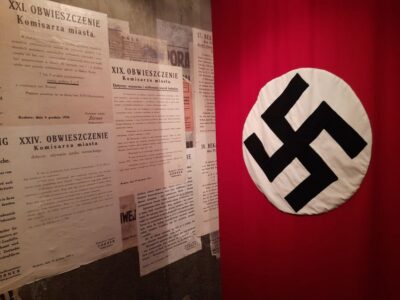
Schindler’s Factory Tour with Entrance Ticket
Read our review →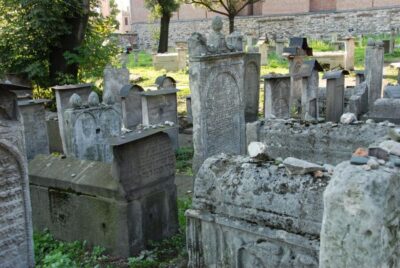
Schindler’s Factory Tour with Entrance Ticket
Read our review →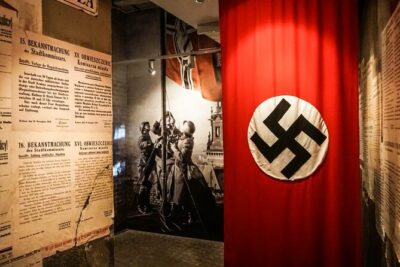
Schindler’s Factory in Krakow: Guided Tour & Skip the Line Ticket
Read our review →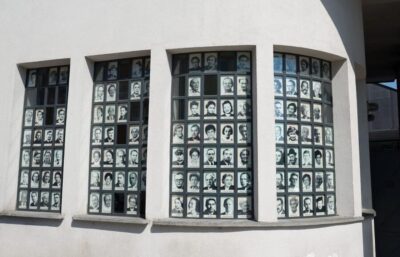
Schindler’s Factory Ticket with Guided Tour Option
Read our review →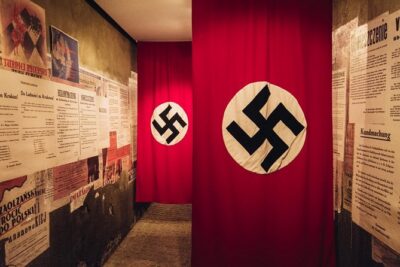
Krakow Schindler’s Factory Guided Tour with Admission Ticket
Read our review →Browse the lists this tour appears in