
Reviewed · AUSCHWITZ-BIRKENAU TOURS FROM KRAKOW
From Krakow: Auschwitz-Birkenau Guided Tour & Transport
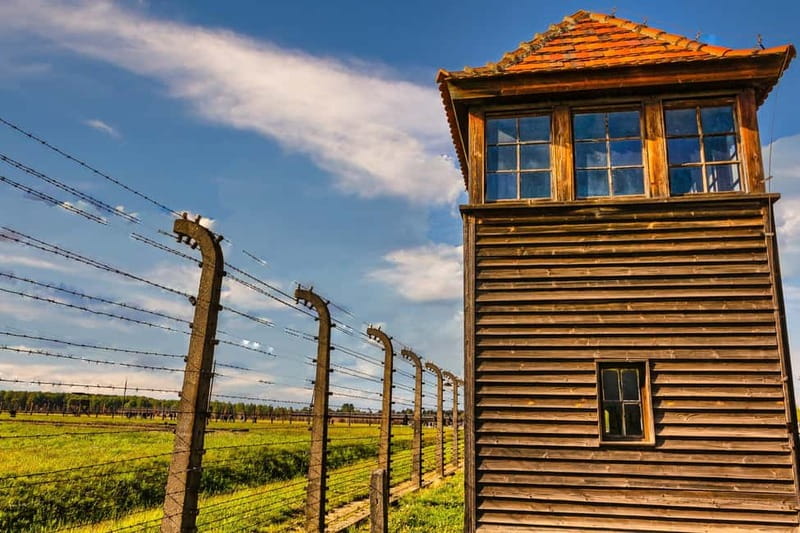
Auschwitz-Birkenau is not a quick sightseeing stop. It is a long, sobering visit to original camp buildings, barracks, fences, watchtowers, the unloading ramp, and the remains of the killing facilities. The official museum guide gives the place context and brings attention to individual prisoners, not only dates and statistics.
I like the easy round-trip transport from Krakow and the way a tour leader stays with you for the practical details. Headsets help you hear the guide clearly, and guides such as Cyprian, Anna, Chris, and Iona have been praised for clear, compassionate explanations. The main drawback is the pace: there is a lot of walking, much of it outdoors, and the day can feel tiring as well as emotionally heavy.
Key points to know before booking
- Two separate sites: Visit Auschwitz I first, then continue to Auschwitz II-Birkenau by bus.
- Official museum guide: A licensed guide leads the main visits in English, French, German, or Italian.
- About 7.5 hours: The day includes roughly three hours of driving and four hours at the memorial sites.
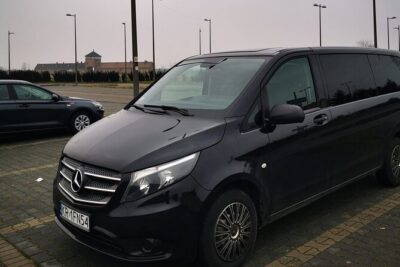
- Comfortable transport: Travel from central Krakow in an air-conditioned minivan or coach.
- Serious walking requirement: Comfortable shoes are essential, and large bags are not allowed.
- Good practical support: A tour leader handles meeting points, tickets, timing, and return transport.
Why this day trip matters
Auschwitz-Birkenau is one of Europe’s most important memorial sites, and its power comes partly from its physical remains. You are not simply viewing a museum collection. You are walking through preserved buildings and open grounds where people were imprisoned, worked, starved, and murdered.
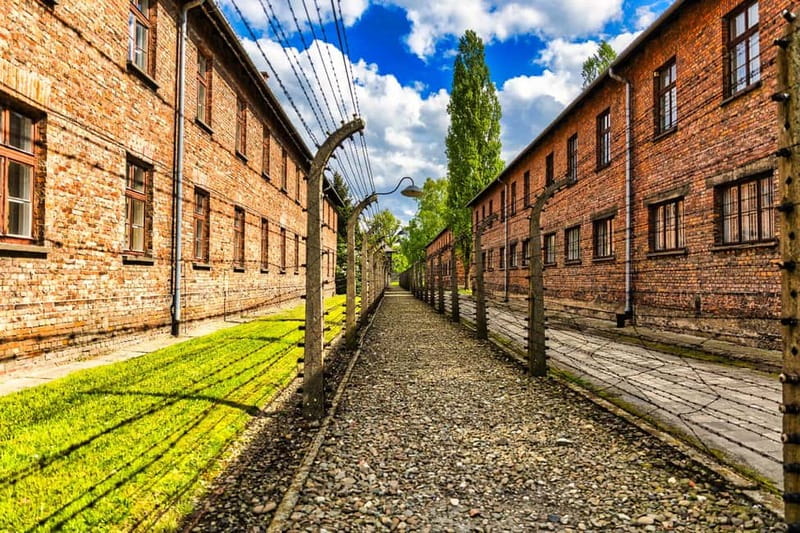
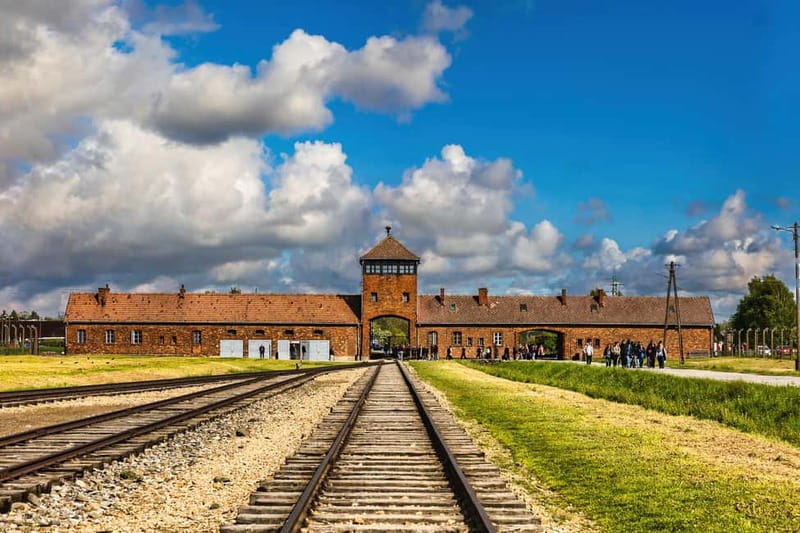
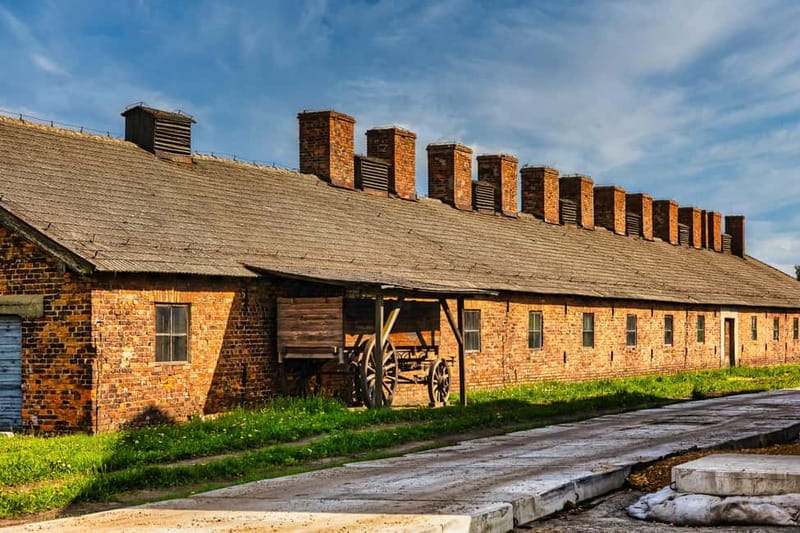
Auschwitz I gives you the clearest introduction. The former barracks now hold permanent exhibitions, while the original fences and watchtowers help you understand how tightly the camp was controlled. Birkenau then shows the huge scale of the Nazi camp system, with its long rows of wooden barracks, railway unloading ramp, and ruined gas chambers.
I think a guided visit is especially useful here because the site can be difficult to understand on your own. A guide can explain how the two camps functioned, point out details you might miss, and connect the buildings to the lives of the people held there. The subject is painful, but a good guide keeps the focus on facts, dignity, and human stories.
This is not an entertainment excursion, and you should not expect a cheerful day out. The visit is designed for learning and remembrance. Allow yourself quiet time afterward rather than scheduling a busy evening immediately after your return.
More Auschwitz-Birkenau trips in Krakow:
- From Krakow: Auschwitz-Birkenau Guided Tour & Hotel Pickup
★ 4.5 · 33,358 reviews - From Krakow: Auschwitz-Birkenau Guided Tour & Hotel Pickup
★ 4.5 · 29,340 reviews - Krakow: Auschwitz Guided Tour with Optional Hotel Pickup
★ 4.5 · 15,280 reviews
Starting in Krakow and getting on the road
The standard meeting point is the Kiss and Ride stop on Pawia 18b Street, across from the Mercure Hotel. Look for the K+R sign and a bus with the Discover Cracow logo in the front window. Hotel pickup may be available with the selected option, but you need to provide the supplier with your hotel address.
The meeting instructions matter because Krakow has several busy transport areas, and the pickup time can change. Check your messages the day before. The provider may contact you by email or WhatsApp if the museum changes the assigned entry time. Some departures have used WhatsApp groups to send pickup details and keep everyone informed.
Once on board, the drive to the museum takes about 1.5 hours. The vehicle is described as an air-conditioned minivan or coach, and the long drive gives you time to prepare for the visit. Some departures have shown documentary footage during the journey, though this should not be treated as guaranteed.
The road trip is one of the practical reasons to choose this package. Driving yourself means handling directions, parking, museum entry procedures, and the return journey after a tiring day. Here, the driver and tour leader manage the basic logistics while you concentrate on the visit.
Traffic can affect the return. The advertised total is about 7.5 hours, but a late return is possible, so I would not arrange a flight, dinner reservation, or another timed activity immediately afterward.
Auschwitz I, the preserved camp and exhibitions
The first main visit lasts about 2.5 hours. Auschwitz I is smaller and more structured than Birkenau, with brick barracks arranged along internal roads. The original fencing, watchtowers, and camp buildings make the site feel tightly enclosed.
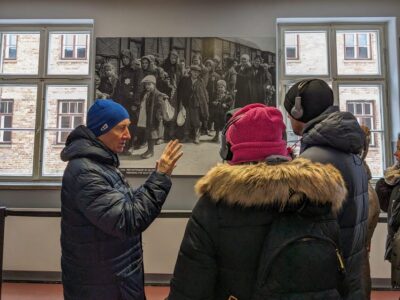
Inside the permanent exhibitions, you learn about the people imprisoned there and the system that brought them to the camp. The guide explains the function of the buildings and the events connected with them. The best guides also give space to personal stories, which can make the historical record easier to grasp without turning the visit into a spectacle.
You will use headsets so the official guide can speak to the group without shouting. This is a small but valuable feature. Groups can spread out slightly inside and outside the buildings, and you can still follow the explanation.
Expect security and possible waiting at the entrance. The museum can be very crowded, and the entry process may take time. Bring a passport or valid ID card, as this is required information for the visit.
Photography is allowed in many areas, but you must follow the memorial’s rules. Some places require special respect or may restrict photography. Your guide and the museum signs provide the final word.
The visit includes considerable walking between buildings and through exhibition areas. Floors may be uneven in places, and you will spend time standing. Wear shoes you can comfortably use for several hours.
The 15-minute transfer to Birkenau
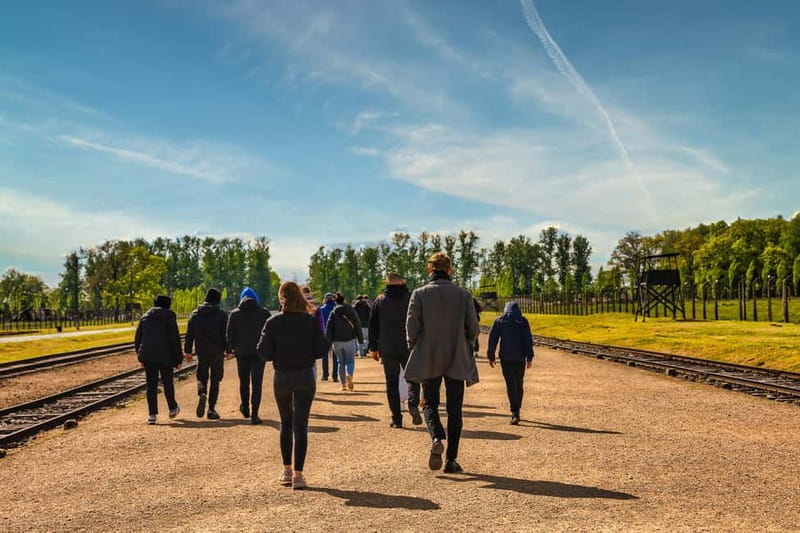
After Auschwitz I, the group transfers by bus for about 15 minutes to Auschwitz II-Birkenau. This short ride is useful because the two sites are separate, and walking between them would add unnecessary time and effort.
Birkenau feels different from Auschwitz I. It is much larger and more open, with long distances between the entrance, the railway ramp, barracks, and memorial areas. The scale is difficult to take in from a single viewpoint, which is why the guide’s explanation matters.
You may have a short break during the changeover, but do not assume there will be a full meal stop. Pack something small to eat if you need food during the day. One practical option mentioned for some departures is a lunch pack available for a small extra fee, while other visitors have relied on food brought from Krakow. Vending machines may be available, but they are not a substitute for planning ahead.
A handful more Krakow trips to weigh up
- Krakow: Auschwitz-Birkenau Guided Tour with Pickup & Lunch
★ 4.5 · 9,800 reviews - Krakow: Auschwitz-Birkenau Guided Tour Pickup/Lunch Options
★ 4.5 · 9,057 reviews - Krakow: Auschwitz-Birkenau and Salt Mine Guided Tour
★ 4.7 · 9,020 reviews - Krakow to Auschwitz Birkenau Guided Tour with Transfer and Ticket
★ 5.0 · 8,197 reviews
Birkenau and the scale of the site
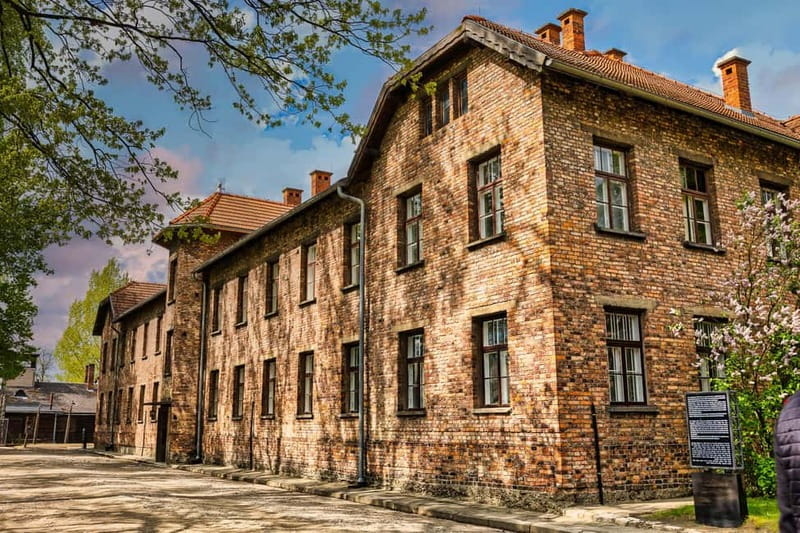
The guided visit at Auschwitz II-Birkenau lasts about 1.5 hours. You see the railway unloading ramp, wooden prisoner barracks, the camp perimeter, and the remains of the gas chambers and crematoria.
This is where the size of the killing operation becomes especially clear. The open grounds and repeated rows of barracks show that this was not a single building or isolated prison. It was a vast camp complex built for imprisonment, forced labor, and mass murder.
The site is largely outdoors, so weather affects the experience. On a dry day, the walking is straightforward but still tiring. In rain, cold, or strong sun, you need suitable clothing and footwear. There may be limited shelter while the guide is speaking.
The walk can amount to several miles across the two camp areas. For many people, the distance is manageable, but it should not be underestimated. If you have mobility limitations, note that this activity is not suitable for wheelchair users.
The open nature of Birkenau can also make the visit feel more physically demanding than Auschwitz I. You may walk on gravel or uneven ground, stop for explanations, and then continue across long exposed paths. Bring water and a small snack if permitted under current museum rules, but leave large luggage behind.
The guide and the tone of the visit
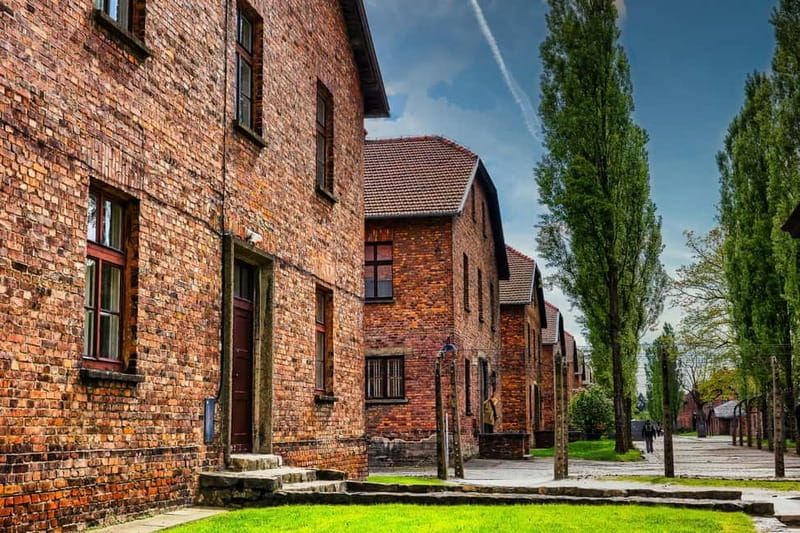
Your official museum guide leads the historical portion of the day, while the tour leader handles group movement and transport. That division is helpful. The museum guide can focus on the subject, while the tour leader keeps track of meeting times, tickets, and the return bus.
The strongest guide experiences described for this departure have included clear delivery, a calm pace, and attention to individual victims. Guides named in bookings have included Cyprian, Anna, Chris, Iona, and others, but your assigned guide will depend on the date and language selected.
Do not expect every part of the day to feel identical. Guide availability determines the museum schedule, and the provider may change the start time the day before. A schedule change does not qualify for a refund, so keep some flexibility in your Krakow plans.
The available host or greeter languages are English, French, German, and Italian. Check your chosen option carefully because the language of the official museum guide is central to the value of this experience.
There are also different tour formats in circulation, including options with transport but no full museum guide. Before paying, confirm that your selected option includes the official guide if that is important to you. One self-guided format has provided a guidebook, maps, and a timed entry pass, but that is a different experience from being led through the site.
What the $93 price is buying
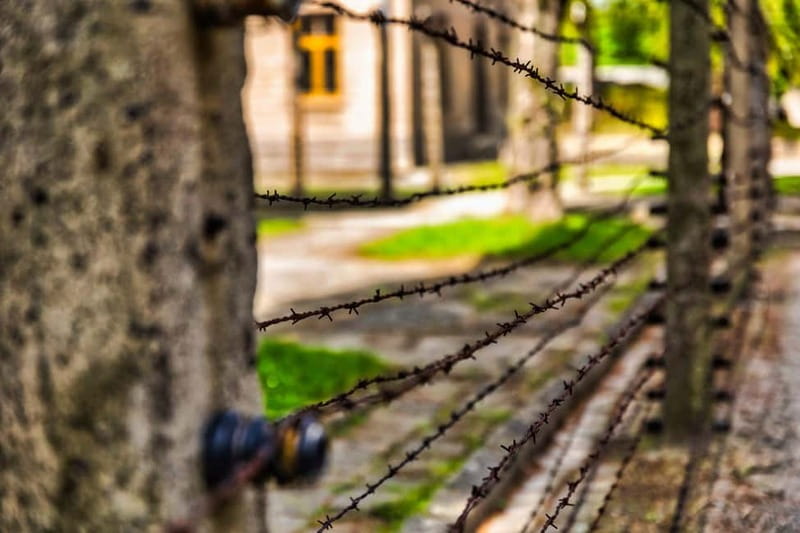
At about $93 per person, this is not the cheapest way to reach the memorial. The price includes entry, the official museum guide, headsets, round-trip transport, and tour-leader assistance. When you add the value of organized transport and a reserved museum visit, it can compare well with arranging the journey alone.
The biggest saving is effort rather than cash. You do not need to find the correct bus, work out how to move between Auschwitz I and Birkenau, or manage the return after a full day on your feet. If your Krakow stay is short, that convenience has real value.
The price also buys access to an official guide rather than only a printed guidebook. For a place with such a complex history, I consider that an important difference. A book lets you move at your own speed, but a guide can explain why a building matters and answer questions as they arise.
The non-refundable policy means you should be certain of your date before booking. Since the museum may change the tour time, keep your schedule open around the planned departure and return.
Practical preparation for a respectful visit
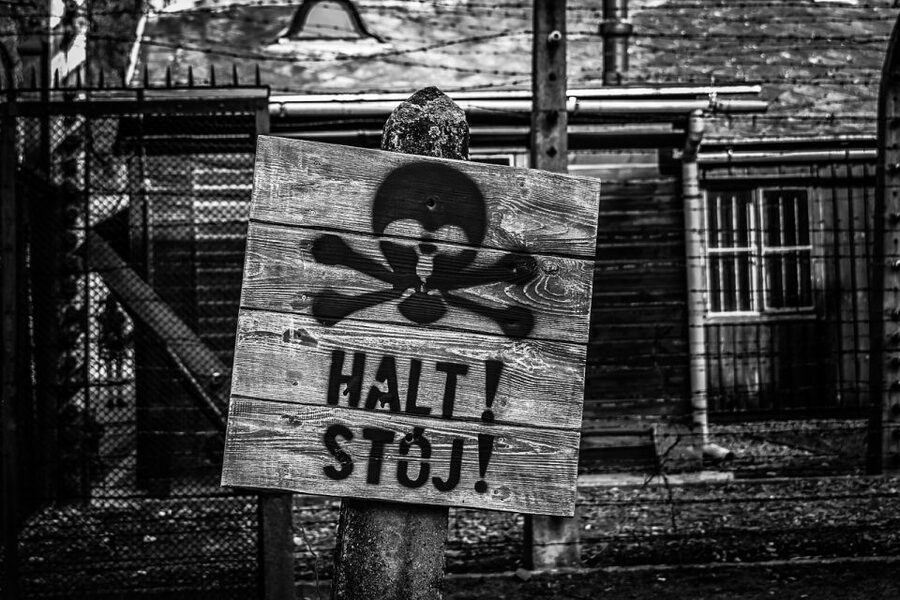
Bring a passport or ID card. Keep your luggage small because large bags are not allowed inside the memorial.
Wear comfortable shoes with good support. This is the most repeated practical warning for good reason: you walk across both sites, often outside, and spend time standing during explanations.
Dress for changing weather. The experience includes indoor exhibitions, but much of Birkenau is exposed. A light rain layer can matter as much as your shoes.
Pack food if you prefer something specific. You may be able to order a lunch pack for a small fee, but you should not count on a full restaurant stop. A snack and water can help keep your energy steady without adding much weight.
Prepare younger members of your group before the visit. The subject includes imprisonment, starvation, forced labor, and mass murder. The memorial is educational, but the material is not suitable for anyone who cannot manage a very serious historical site.
Photography needs restraint. You can take pictures where permitted, but this is a place for remembrance, not casual social media posing. Follow the museum rules and the tone of the site.
Who should book this tour
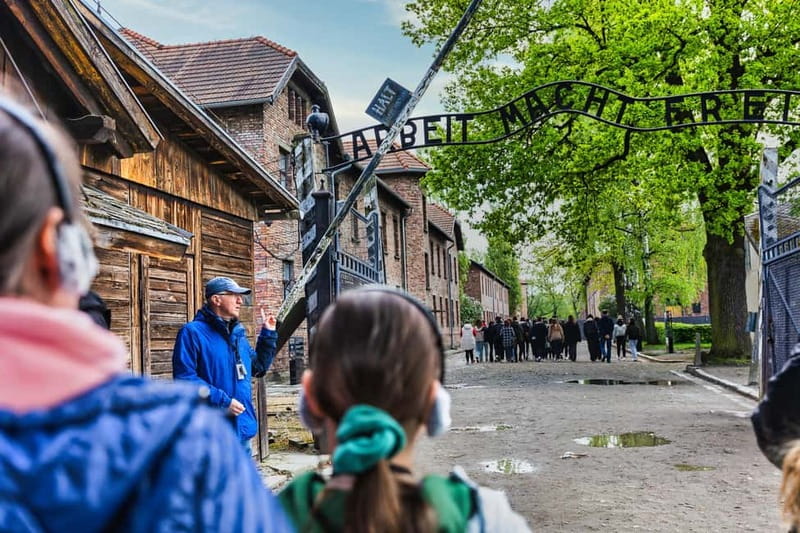
I would choose this trip if you want a structured visit from Krakow and prefer not to handle transport yourself. It suits first-time visitors who want an official explanation of both Auschwitz I and Birkenau within one day.
It also works well for people who value clear logistics. The tour leader can help with pickup questions, entry timing, and the return bus. Communication by email or WhatsApp may be especially useful if the meeting location or departure time changes.
You should think twice if you dislike fixed schedules or long group visits. You will not control every minute, and crowds may slow the entry process. If you want to read every display at your own speed, look for the self-guided option instead, but confirm exactly what your booking includes.
This is not a good choice for wheelchair users, and it may be difficult for anyone who cannot walk several miles or remain on their feet for long periods. If you have mobility concerns, ask the provider about current access arrangements before booking.
Should you book the Auschwitz-Birkenau day trip?
Book it if you want the main practical problems solved: Krakow transport, museum entry, the transfer between sites, and a licensed guide. The day is long and emotionally serious, but the combination of Auschwitz I and Birkenau gives you a fuller understanding than visiting only one location.
I especially like the official guide, headsets, and tour-leader support. At $93, the package is reasonable when you value convenience and an informed visit, though you should compare options carefully to make sure you are not accidentally choosing a transport-only or self-guided format.
Confirm the meeting point, language, pickup choice, and departure time before you pay. Then bring your ID, good shoes, water, and patience. This is a demanding day, but for many people it becomes one of the most important parts of a visit to Poland.
FAQ
How long does the Auschwitz-Birkenau tour from Krakow last?
The activity lasts about 7.5 hours to one day, depending on the selected starting time and travel conditions.
How long is the journey from Krakow to Auschwitz?
The bus or coach journey takes approximately 1.5 hours each way.
Does the tour include both Auschwitz I and Auschwitz II-Birkenau?
Yes. The visit includes a guided tour of Auschwitz I followed by a short bus transfer and a guided visit to Auschwitz II-Birkenau.
Is an official museum guide included?
Yes, the package includes a licensed official Auschwitz Museum guide. Headsets are also provided so you can hear the guide clearly.
What should I bring?
Bring a valid passport or ID card and comfortable shoes. Large bags and luggage are not allowed.
Is the tour suitable for wheelchair users?
No. The activity is listed as not suitable for wheelchair users, and it includes extensive walking at both memorial sites.
Just added around Krakow
- From Krakow: Zakopane Full-Day Tour with Lunch Option★ 4.4 · 62 reviews
- From Krakow: Zalipie and Painted Village Guided Tour★ 4.0 · 4 reviews
- From Krakow: Zakopane and Dunajec River Rafting Tour★ 4.6 · 31 reviews
- From Krakow: Zakopane and the Tatra Mountains★ 4.7 · 36 reviews
- From Krakow: Zakopane and Gubałówka Cable Car Private Tour★ 4.3 · 12 reviews
- From Krakow: Zakopane Tatra Mountains & Hot Springs Tour★ 3.0 · 29 reviews
- Zakopane & Tatra Mountains Private Full-Day Tour from Krakow★ 4.5 · 33 reviews
- From Krakow: Hot Springs and Zakopane with Gubałówka★ 4.7 · 25 reviews
Auschwitz-Birkenau Tours from Krakow, compared.
Auschwitz-Birkenau Guided Tour & Hotel Pickup
Read our review →Auschwitz-Birkenau Guided Tour & Hotel Pickup
Read our review →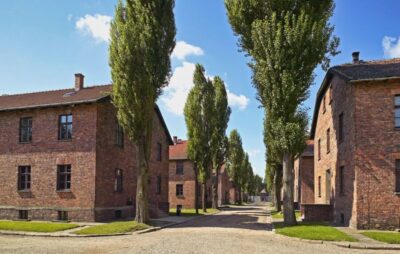
Auschwitz Guided Tour with Optional Hotel Pickup
Read our review →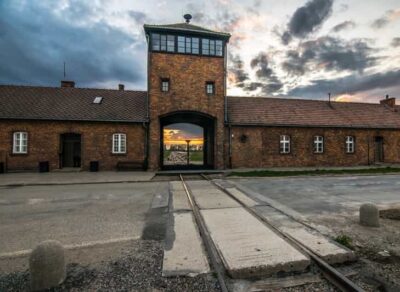
Auschwitz-Birkenau Guided Tour with Pickup & Lunch
Read our review →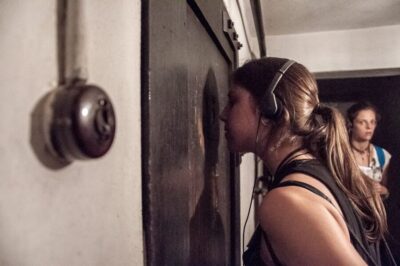
Auschwitz-Birkenau Guided Tour Pickup/Lunch Options
Read our review →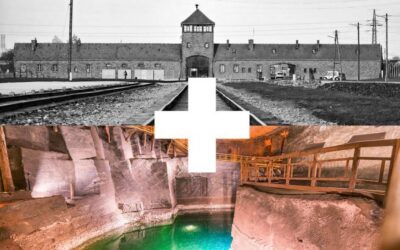
Krakow to Auschwitz Birkenau Guided Tour with Transfer and Ticket
Read our review →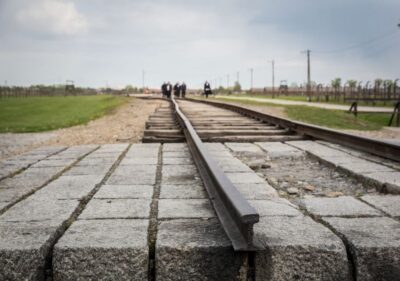
Browse the lists this tour appears in