
Reviewed · AUSCHWITZ-BIRKENAU TOURS FROM KRAKOW
From Krakow: Auschwitz-Birkenau Tour with Transportation
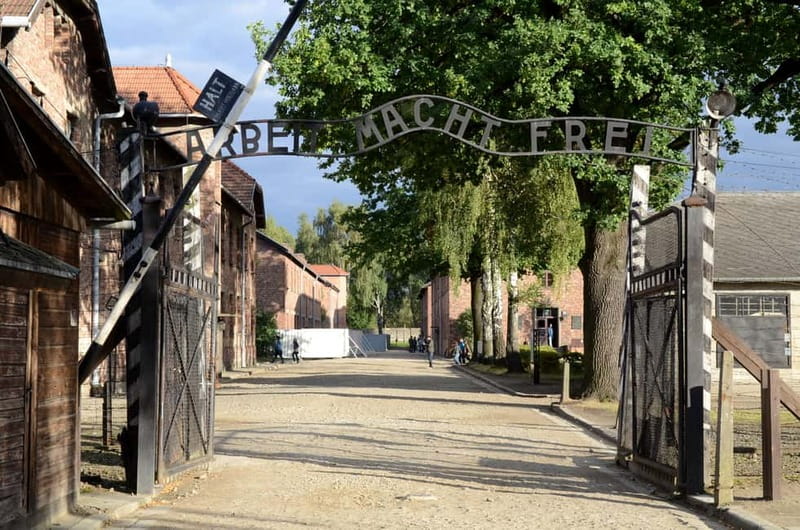
Auschwitz-Birkenau is not a sightseeing stop you simply check off. It is a serious, often overwhelming visit to the largest Nazi concentration and extermination camp complex, and this tour gives you the time and practical support to see both sites. You travel by comfortable coach from central Krakow, collect your museum admission, and follow a paper guidebook rather than a live guide.
I like two things here. First, you can move at your own pace instead of being tied to a guide’s every step. Second, the tour leaders, including Suzanne, Martin, and Max on different departures, help with the awkward parts: finding the bus, collecting tickets, understanding queues, and making the transfer between camps. The main drawback is time pressure at Auschwitz I, especially when crowds and ticket queues eat into the visit.
Key points to know before booking
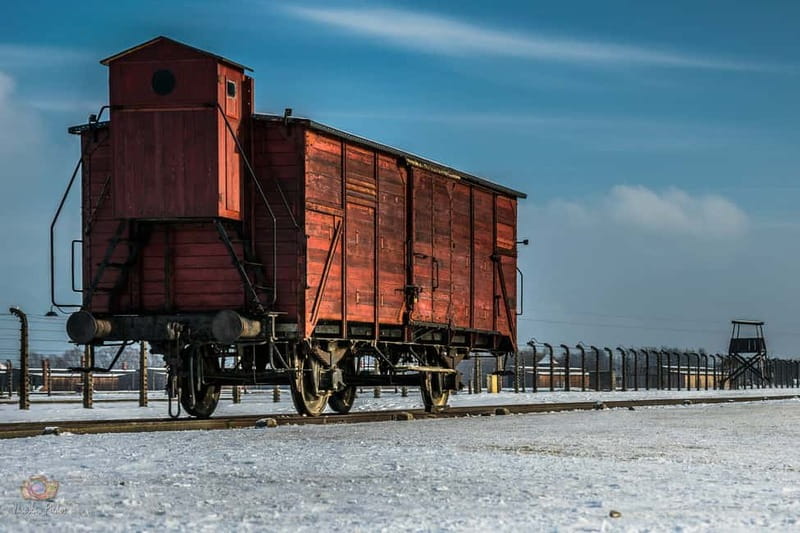
- Two separate sites: Visit Auschwitz I and Auschwitz II-Birkenau, with a short bus transfer between them.
- Paper guidebook, not a live guide: Choose English, French, German, Spanish, or Italian information and walk independently.
- Expect a long day: The advertised duration is 6 to 10 hours, but early starts, queues, and traffic can make the day longer.
- Helpful tour leaders: Staff such as Suzanne and Martin are there to manage timing, tickets, directions, and questions.
- Small bags only: Large backpacks are not allowed. The maximum permitted size is 20 by 30 centimeters.
- Bring official ID: Your passport or identity card is required to collect your admission ticket.
Why this visit matters
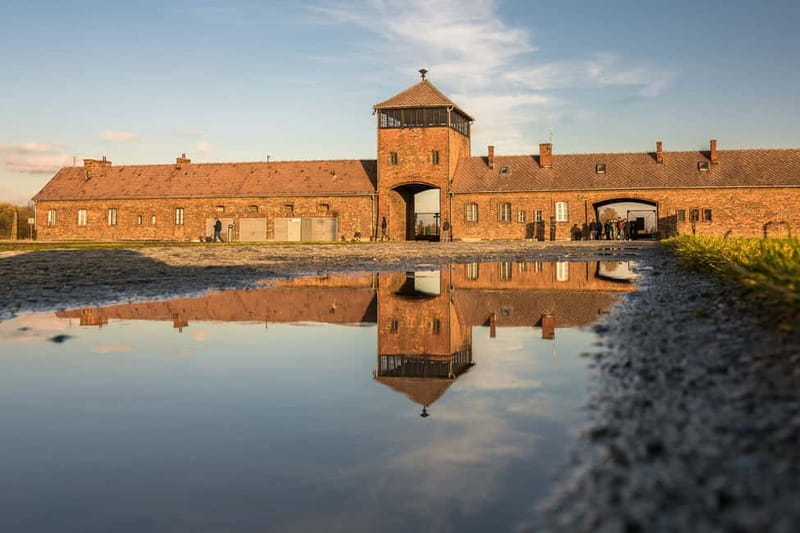
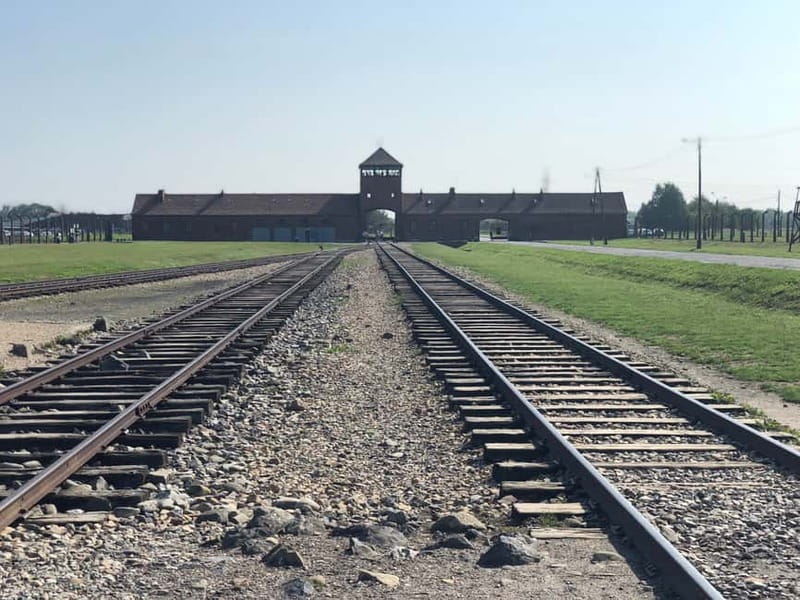
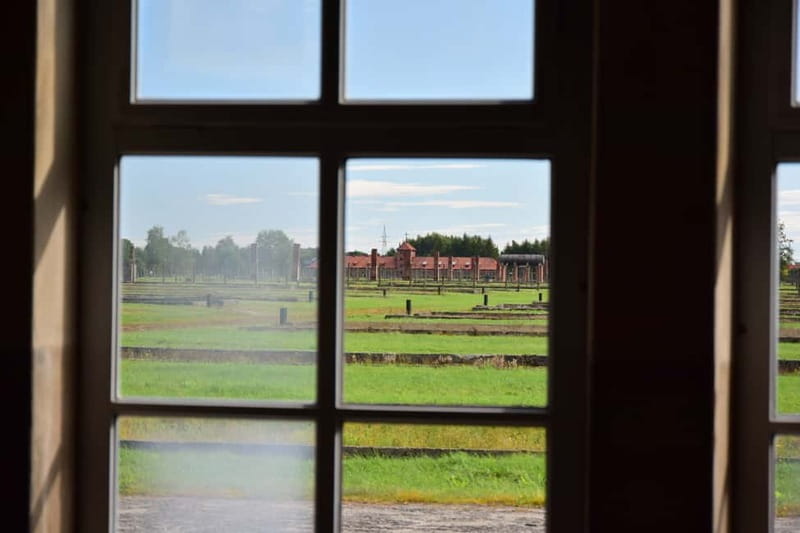
Auschwitz-Birkenau is a memorial and museum built around the remains of the Nazi camp system. Auschwitz I contains former camp buildings and museum displays, while Birkenau shows the enormous scale of the killing site, with its open grounds, railway approach, barracks, and ruined structures.
You will not get a light, entertaining excursion here. The value is in being present, taking time with the evidence, and understanding how the two sites worked together. The paper guidebook gives you background as you walk, while the quiet of Birkenau lets the place speak for itself.
This format suits you if you prefer to read, pause, and think without a guide leading every minute. It also gives you a little more freedom if one display affects you more strongly than another. The trade-off is that you must manage your own pace and keep an eye on the meeting times.
More Auschwitz-Birkenau trips in Krakow:
- From Krakow: Auschwitz-Birkenau Guided Tour & Hotel Pickup
★ 4.5 · 33,358 reviews - From Krakow: Auschwitz-Birkenau Guided Tour & Hotel Pickup
★ 4.5 · 29,340 reviews - Krakow: Auschwitz Guided Tour with Optional Hotel Pickup
★ 4.5 · 15,280 reviews
Leaving Krakow by coach
The tour begins at a central Krakow tourist bus stop, sometimes described as a Kiss and Ride point. Depending on the option you select, pickup may be available from a chosen location. The exact start time can change according to museum operations, and the provider sends the confirmed time by email the day before.
That late adjustment matters. Do not plan a tight morning appointment or a late evening dinner reservation around the first advertised time. One departure began before 5 a.m. and returned around 7:30 p.m., while other schedules may be shorter. The drive to the museum takes about 1.5 hours each way.
The coach is air-conditioned, and the ride gives you a chance to rest before a demanding visit. The main nuisance is finding the correct bus at a busy pickup area, where several operators may gather. Read the final message carefully, arrive early, and look for the identifying details supplied by the operator.
Your tour leader will usually hand out the guidebook and explain the day. Staff members such as Martin, Suzanne, or Max have been especially useful for keeping people informed when the schedule changes. Still, this is tour coordination rather than a full history lecture.
Ticket collection and the first wait
The coach stops in the parking area near the museum ticket offices and main entrance. Even with an arranged tour, you may need to queue to collect your admission ticket and then wait again for entry. On busy days, this can take a surprising amount of time.
One reported schedule included a queue lasting well over an hour before passports were checked and tickets issued. That is not wasted time in the provider’s control, but it is time you should allow for when judging the day. The museum controls admission, and large visitor numbers can slow the process.
Keep your passport or identity card ready. It is required at the ticket office, and a student card should also be brought if you have one. Do not pack a large day bag. Bags or backpacks larger than 20 by 30 centimeters are not permitted inside, so carry only what you need.
A small water bottle, phone, tissues, and warm layers are sensible choices if allowed under the museum’s current rules. The supplied information specifically warns that the site can feel windy, so check the forecast and dress for exposed outdoor walking, not just the Krakow weather.
Auschwitz II-Birkenau: scale and silence
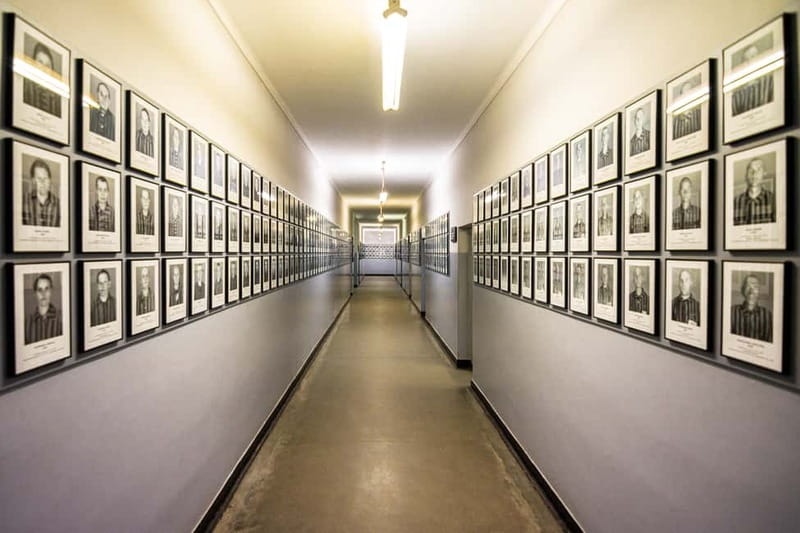
The visit may begin at Auschwitz II-Birkenau, depending on the day’s schedule. This is the much larger camp area, and the scale is difficult to grasp from photographs alone. You walk across broad, open ground where the railway brought deportees into the camp system.
The suggested self-guided visit here lasts about 1.5 hours, though the actual timetable can change. Some departures have spent closer to three hours at Birkenau before moving on. That flexibility can be useful because you are not forced to follow a spoken tour, but you must return to the bus at the stated time.
Use the map and guidebook to create a route before walking far from the entrance. Birkenau covers a wide area, and the distance between sections can make the visit tiring. If you stop often to read, photograph the buildings, or reflect quietly, keep track of the departure time.
Birkenau is also the part of the visit most affected by weather. Much of the experience takes place outdoors, with little shelter from wind, rain, or cold. Comfortable shoes and warm clothing are not optional extras here. The open setting can feel stark and heavy, particularly when you understand that this was the principal site of mass killings.
Some tour leaders add useful context during the transfer or point out nearby camp-related locations. Suzanne, for example, was noted for explaining the old ramp site and indicating the location associated with Auschwitz III during the return journey. These brief additions depend on the individual host and should not be confused with a formal guided tour.
Same city, a completely different sort of day:
- Krakow–Zakopane: Cable Car, Chocholow Baths, Cheese & Vodka
★ 5.0 · 10,720 reviews - Krakow: Auschwitz-Birkenau Guided Tour with Pickup & Lunch
★ 4.5 · 9,800 reviews - From Krakow: Wieliczka Salt Mine Tour
★ 4.6 · 9,393 reviews - Krakow: Auschwitz-Birkenau Guided Tour Pickup/Lunch Options
★ 4.5 · 9,057 reviews
The short transfer between the camps
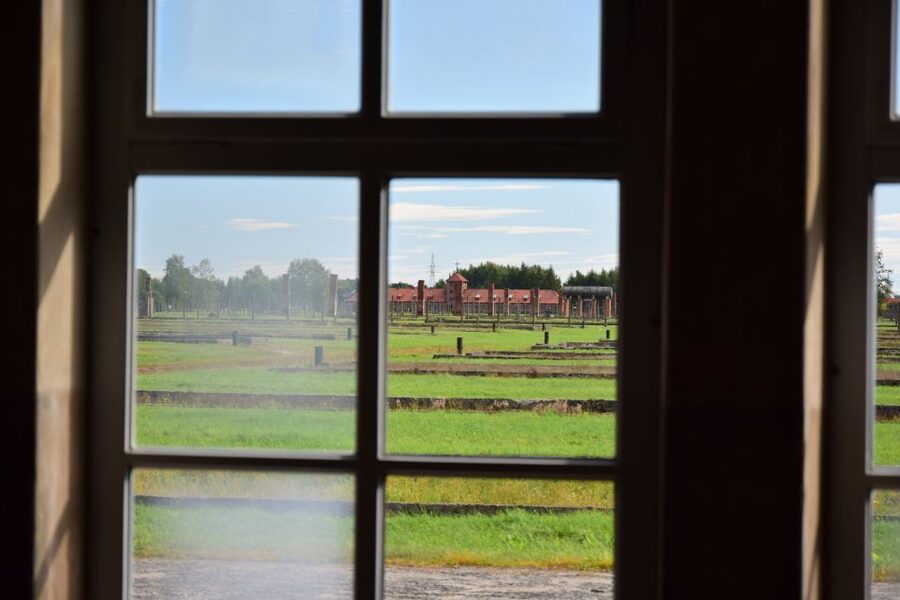
A bus transfer of roughly 10 minutes connects Birkenau with Auschwitz I. It is a simple part of the day, but it matters because the two locations feel very different.
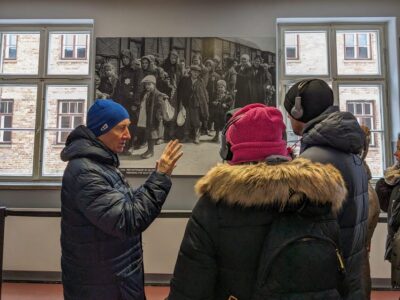
Birkenau shows the scale and layout of the killing center. Auschwitz I is more enclosed and museum-focused, with former blocks, displays, documents, and personal belongings. The change helps you understand that the complex was not one single type of site.
Use the transfer to check the return time and ask the tour leader anything unclear about the route. If the day is running late, this is also when staff may explain how much time remains. Communication can vary, so do not be shy about confirming the meeting point yourself.
Auschwitz I: the detail takes time
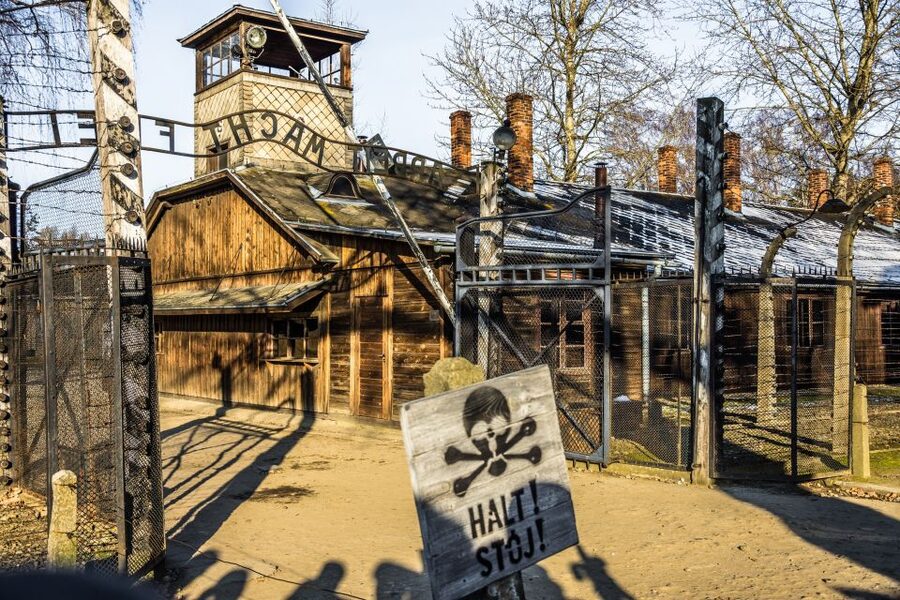
Auschwitz I is smaller than Birkenau but often requires more reading. The former camp blocks hold exhibitions and historical material, and many visitors find that the written accounts and personal evidence demand slow attention.
The planned schedule may give you several hours here, but queues, security checks, and the earlier ticket process can reduce that time. This is the main weakness of the self-guided format on a busy day. You may need to choose between reading every display carefully and seeing all the blocks on the route.
I suggest using the guidebook to identify the sections most important to you before you enter. Move steadily at first, then spend longer where you need to. If you try to read every panel, you may run out of time. Several departures have felt rushed near the end, while others have had enough time because the day ran smoothly.
A live guide could provide a clearer route and explain the exhibits as you go, but the absence of one also has an advantage. You can pause without holding up a group, avoid a crowded explanation, and return to a display that needs more thought. The paper guidebook is yours only for the duration of the tour, so return it before leaving.
What the tour leader actually does
This experience is best described as assisted independent visiting. Your host or tour leader may speak English, French, German, Spanish, or Italian, and the group may be private or small depending on the option. Inside the museum, though, you use the printed guidebook rather than following a live museum guide.
The leader’s practical role is important. They help you reach the ticket office, explain where to go, hand out materials, keep track of the group, and coordinate the coach transfer. Staff members named Suzanne and Martin have been singled out for clear instructions, friendly help, and strong knowledge of the day’s route. Max has also been praised for keeping passengers informed on the bus.
Do not book this option expecting a continuous lecture on Nazi history. Book it if you want transport, admission, printed information, and a person who handles the day’s moving parts while you explore independently.
Food, comfort, and the length of the day
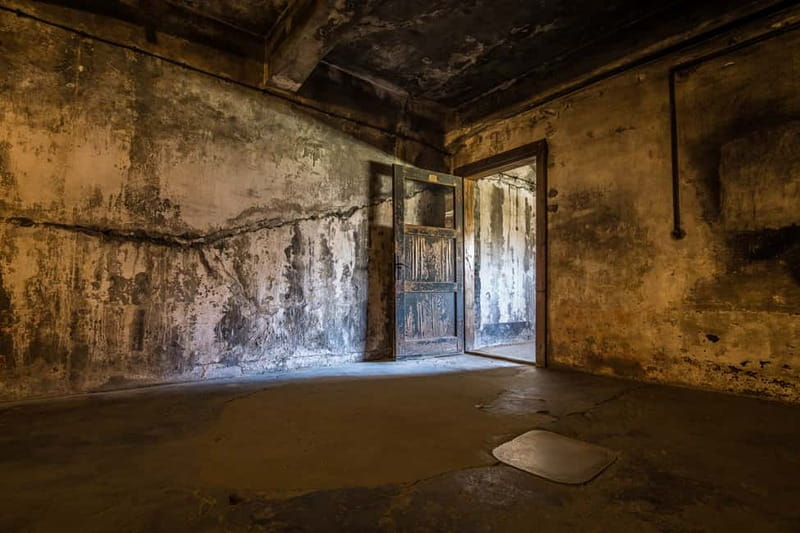
The tour can include a lunch box if you choose that option. Food and drinks are not included in every booking, so check the selected version carefully. Several hours can pass between Krakow departure and return, and the museum visit is too long to treat as a quick morning outing.
Bringing your own packed food is sensible if permitted, especially if you prefer a particular diet or do not want to rely on the timing of a provided lunch box. The exact opportunities to buy food are not guaranteed by the supplied tour details, so do not assume a relaxed meal break.
The advertised duration ranges from 6 to 10 hours. In practice, you should keep most of the day free. Early pickup, ticket collection, queues, two museum sites, and the return drive can turn this into a full-day commitment.
Value compared with going alone
The value here comes from removing the hardest logistics. You get round-trip air-conditioned transportation, admission to Auschwitz I and Birkenau, a guidebook, and assistance from a tour leader. You do not need to work out the intercity bus connection or manage separate museum admission arrangements yourself.
The tour is less attractive if you want a formal historian-led explanation. A paper guidebook cannot answer follow-up questions in the same way as a live guide, and the tour leader may have limited time while managing the full group.
For many people, the transport is the deciding factor. The museum is outside Krakow, the schedule can be complicated, and the ticket process is not always quick. Paying for a coordinated day can be worthwhile if it lets you focus on the memorial rather than worrying about connections.
The private or small-group options may suit you if you want more personal help, but the supplied information does not give a fixed price comparison. Check the final booking choice carefully, especially the group size, lunch-box inclusion, pickup arrangement, and language of the guidebook.
Practical advice for a respectful visit
Plan for quiet concentration rather than casual sightseeing. Wear shoes suitable for long periods of walking, and bring warm or waterproof clothing because Birkenau is exposed. Keep your belongings small and carry your passport or identity card.
Follow the printed route, but do not race through it simply to see every corner. Auschwitz I rewards careful reading, while Birkenau requires time to understand the size of the site. A balanced visit gives you space at both locations.
Keep the tour leader’s phone or meeting instructions available, and confirm where the bus returns after each section. If you need extra time at one display, make sure you know the fixed departure point and deadline.
The provider offers free cancellation up to 24 hours before departure, and you can reserve now and pay later. In rare cases the tour may be cancelled, with a full refund. Those policies make the booking less risky, but they do not remove the need to keep your day flexible.
Who should book this Auschwitz tour?
I would choose this tour if you want the simplest way to reach both camps from Krakow and prefer to explore without a live guide. It works well for independent readers, couples, families with older children, and anyone who wants control over the pace.
It is less suitable if you need a fully narrated experience or dislike early starts, long queues, outdoor walking, and schedule changes. The day can feel tiring, and the emotional weight of the site is considerable.
Book it for transport, admission, structure, and freedom, not for a constant stream of expert commentary. If you prepare for the waiting and keep your expectations realistic, this is a practical way to make a respectful visit to Auschwitz-Birkenau.
FAQ
How long does the Auschwitz-Birkenau tour from Krakow take?
The stated duration is 6 to 10 hours. The exact length depends on the starting time, museum conditions, queues, time spent at each camp, and traffic on the return journey.
Is there a live guide inside Auschwitz-Birkenau?
No. This is a self-guided visit using a paper guidebook in English, French, German, Spanish, or Italian. A tour leader is available to assist with transport, tickets, directions, and timing.
Does the tour visit both Auschwitz I and Auschwitz II-Birkenau?
Yes. Admission to both Auschwitz I and Auschwitz II-Birkenau is included, with a short bus transfer between the two sites.
Where does the bus leave from in Krakow?
The start point is a central Krakow tourist bus stop, described as a Kiss and Ride meeting point. Pickup may be available depending on the option selected, and the exact time is confirmed by email the day before.
What identification do I need?
Bring your passport or identity card. It is required to collect your admission ticket at the museum ticket office. A student card should also be brought if you have one.
Can I bring a large backpack?
No. Large bags and backpacks are not permitted. The maximum bag size stated for entry is 20 by 30 centimeters.
Is lunch included?
Food and drinks are included only if you select the option with a lunch box. Check the chosen booking option before departure.
Just added around Krakow
- From Krakow: Zakopane Full-Day Tour with Lunch Option★ 4.4 · 62 reviews
- From Krakow: Zalipie and Painted Village Guided Tour★ 4.0 · 4 reviews
- From Krakow: Zakopane and Dunajec River Rafting Tour★ 4.6 · 31 reviews
- From Krakow: Zakopane and the Tatra Mountains★ 4.7 · 36 reviews
- From Krakow: Zakopane and Gubałówka Cable Car Private Tour★ 4.3 · 12 reviews
- From Krakow: Zakopane Tatra Mountains & Hot Springs Tour★ 3.0 · 29 reviews
- Zakopane & Tatra Mountains Private Full-Day Tour from Krakow★ 4.5 · 33 reviews
- From Krakow: Hot Springs and Zakopane with Gubałówka★ 4.7 · 25 reviews
Auschwitz-Birkenau Tours from Krakow, compared.
Auschwitz-Birkenau Guided Tour & Hotel Pickup
Read our review →Auschwitz-Birkenau Guided Tour & Hotel Pickup
Read our review →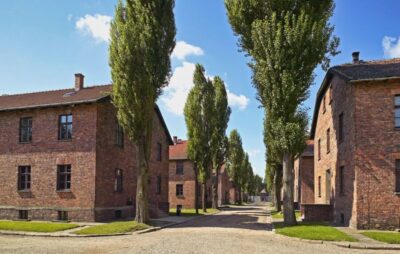
Auschwitz Guided Tour with Optional Hotel Pickup
Read our review →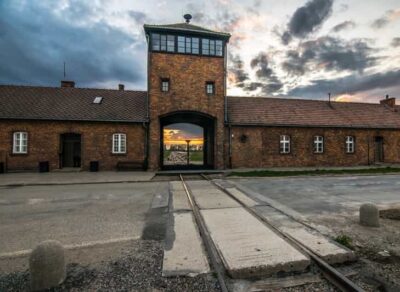
Auschwitz-Birkenau Guided Tour with Pickup & Lunch
Read our review →
Auschwitz-Birkenau Guided Tour Pickup/Lunch Options
Read our review →
Krakow to Auschwitz Birkenau Guided Tour with Transfer and Ticket
Read our review →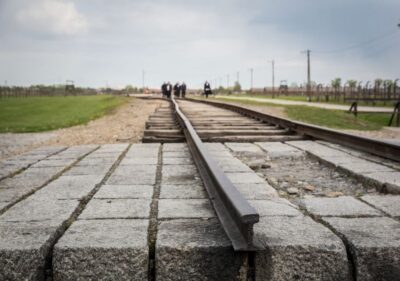
Browse the lists this tour appears in