
Reviewed · KRAKOW FOOD TOURS
Krakow: 4-Hour Polish Food Tour
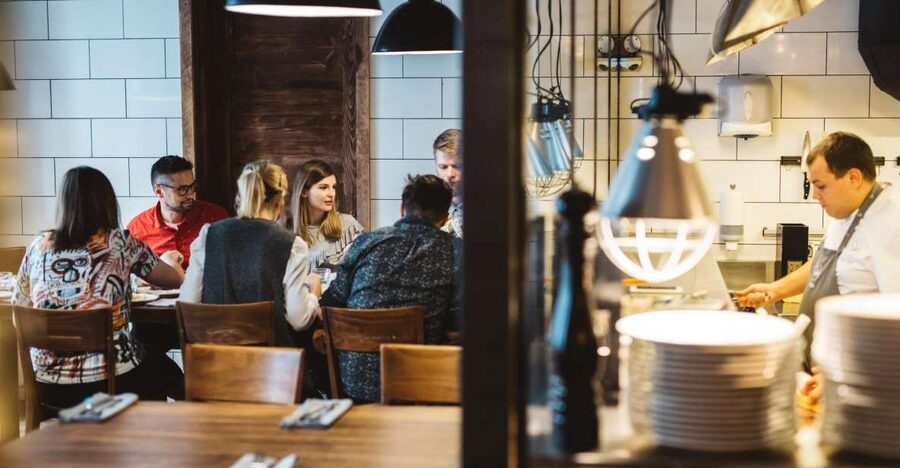
Polish food is far more than pierogi, and this four-hour Krakow food tour makes that clear one generous plate at a time. You move from Kazimierz toward the Old Town, stopping at four to six carefully chosen places for soups, cold dishes, street food, traditional mains, sweets, and perhaps a Polish drink or two.
I like the way the tour ties food to everyday Polish life. You learn why fermented food is not spoiled food, why many Poles complain about bread, and why some still remember the taste of food made in the 1970s. I also like the small group limit of eight, which gives you time to ask questions and talk with your guide.
The main drawback is the sheer amount of food. This is not a light sampling walk. You are served enough for a full meal, including dessert, so arrive after breakfast and skip lunch. Vegetarians should also take care: Polish cooking leans heavily on pork, and many dishes may not suit you.
Key points to know before you book
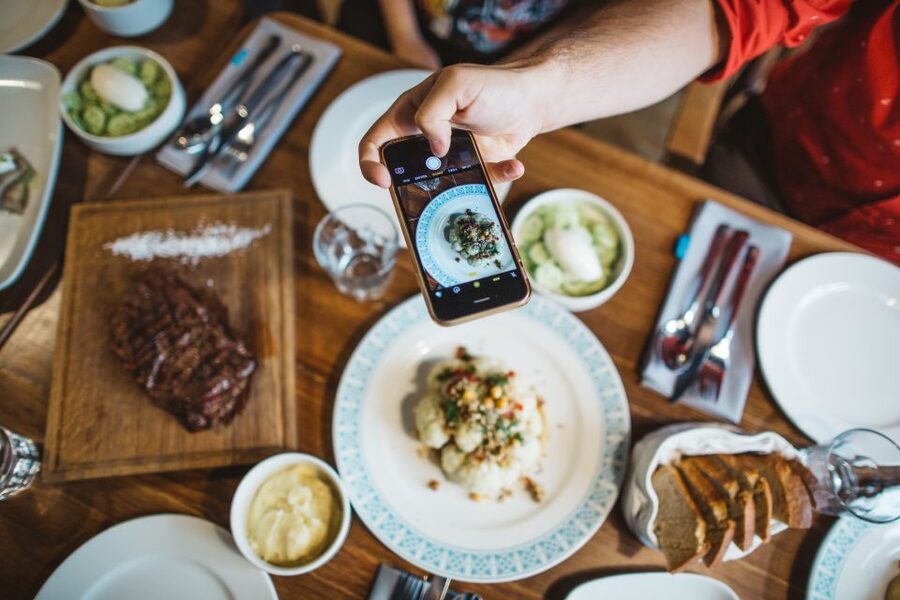
- Ten tastings make this a full meal: Expect cold appetizers, soups, main dishes, street food, sweets, and generous portions rather than tiny nibbles.
- The route begins in Kazimierz: Meet at the statue of three musicians on Wolnica Square, then walk toward Krakow Old Town.
- Food comes with context: Your English-speaking guide explains Polish customs, history, regional cooking, bread, fermentation, and the food of the communist era.
- The menu reaches beyond pierogi: You may try traditional soups, aged salted beef, groats, cheeses, cold meats, Polish vodka, and kremówka.
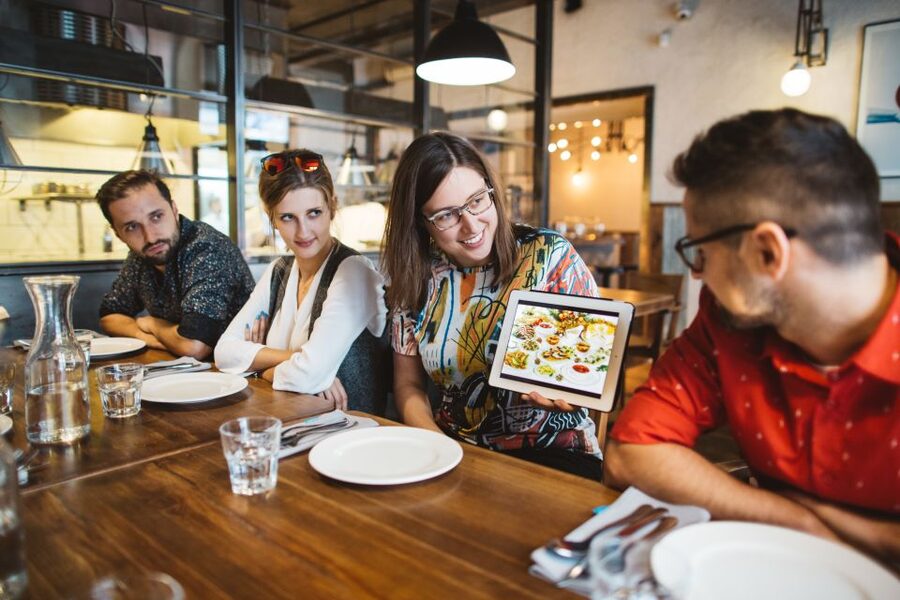
- The group stays small: With no more than eight people, the tour feels more like a shared meal than a large walking lecture.
- Come prepared to eat: At $115 per person, the value depends on your appetite, interest in food, and willingness to use the guide’s restaurant tips later.
Starting at Wolnica Square in Kazimierz
The meeting point is easy to identify if you know what to look for. Meet your guide at Plac Wolnica, or Wolnica Square, in Kazimierz, near the statue of three musicians. The statue is past the Ethnographic Museum, which occupies the former Town Hall, under the shade of the trees.
This is a fitting place to begin. Kazimierz gives you an immediate sense of Krakow beyond the postcard center, and the tour uses the walk itself as part of the experience. You are not simply driven from restaurant to restaurant. You walk through historic streets, pause for food, and hear how meals connect to Polish customs and daily life.
Guides who have led this route include Tomasz, Camilla, and Mateusz. Tomasz in particular is known for a relaxed manner, clear explanations, and a talent for making the tour feel like an afternoon out with a well-informed local friend. Do not expect a stiff speech at every stop. The best part of the format is the back-and-forth conversation.
The walking is manageable for most people who are comfortable on city streets, but it is worth remembering that you will be eating at regular intervals. The walking helps, yet it does not turn this into a calorie-free afternoon.
More food tours in Krakow:
- Krakow Food Tasting Tour with Delicious Poland
★ 5.0 · 1,032 reviews - Pierogi Cooking Class with Market Shopping and Local Snacks
★ 5.0 · 343 reviews - Krakow: Street Food Walking Tour
★ 4.8 · 285 reviews
The first tastes: Polish food beyond pierogi
Pierogi are famous outside Poland, but this tour wisely gives them only part of the story, if they appear at all. Polish cooking includes soups, fermented foods, preserved meats, dairy, buckwheat and other grains, potatoes, street food, and pastries.
Early tastings may include a Polish street food stop. A past menu included traditional street food before moving into more substantial dishes. This kind of opening works well because it gives you a quick sense of how Polish food fits into ordinary city life, rather than presenting every dish as something reserved for a formal restaurant.
You may also encounter cold meats, cheeses, spreads, and bread. These foods can look simple, but they open the door to useful questions. Why do Polish people complain about bread when bread is such a basic part of the table? What makes one sausage or cured meat different from another? Why are sour and fermented flavors so important?
The guide puts these foods in context instead of simply naming them. That matters because some Polish dishes can seem unfamiliar if you judge them by appearance alone. Fermentation, for example, is a normal method of preserving and flavoring food, not a sign that something has gone bad.
Soups in a historic setting
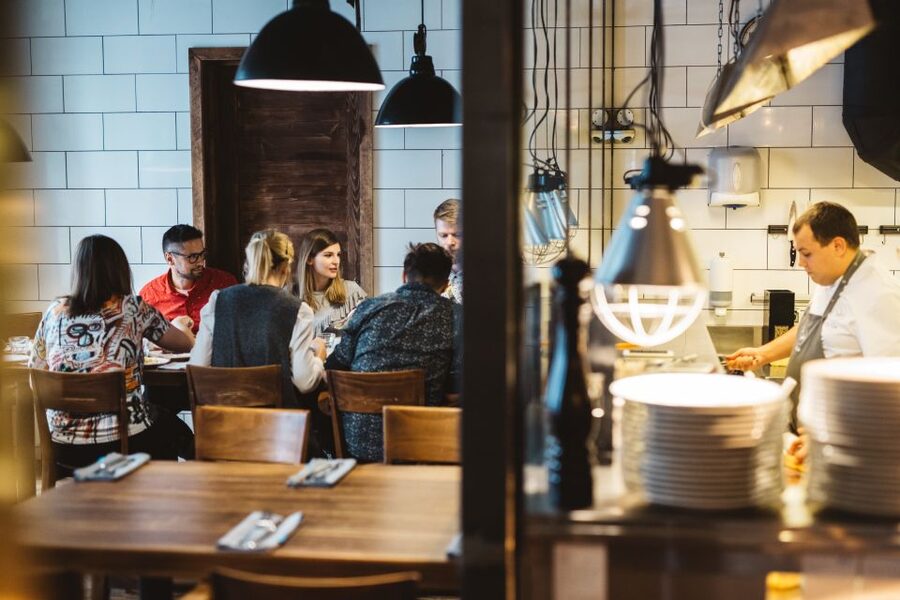
Soup is central to Polish cooking, and this is one of the strongest parts of the tasting sequence. A stop in a cellar restaurant has included two traditional soups, giving you a chance to compare textures, ingredients, and flavors rather than rushing through one spoonful.
The soup course also shows why this tour works better than ordering a random Polish meal on your own. A menu may tell you the name of a dish, but your guide can explain how it fits into Polish home cooking and when people traditionally eat it. That extra layer turns a bowl of soup into a small lesson about the country.
The pace helps here. You sit down, eat, and talk instead of standing at a market stall while trying to keep up with the group. Several past tours have been described as a progressive dinner, with enough time at each venue to enjoy the food.
Do not fill up at the soup stop. The meal continues, and portions throughout the afternoon are designed to add up to a full lunch or dinner.
Main dishes and the Polish table
The main-course portion is where you get a better sense of the range of Polish cooking. One reported menu included aged salted beef, potato purée, garlic broccoli, groats with blue cheese, and soda bread served as a sharing plate.
That combination is useful because it shows both old and newer ways of presenting Polish ingredients. Preserved meat, potatoes, and grains are firmly tied to traditional cooking, while blue cheese and a more polished shared plate show how restaurants can update familiar ingredients.
You may find pork in several forms during the tour. The organizers are direct about this: Polish cuisine is based heavily on pork, and many tastings will not be suitable for vegetarians. If you avoid pork, meat, or other ingredients, tell the provider about allergies and dietary needs before the tour so the menu can be adjusted where possible.
The tour is not presented as a vegetarian food walk. A vegetarian can ask about changes, but should not assume that every stop will offer an equally satisfying substitute. This is one of the clearest reasons to read the food notes carefully before booking.
Same city, a completely different sort of day:
- From Krakow: Auschwitz-Birkenau Guided Tour & Hotel Pickup
★ 4.5 · 33,358 reviews - From Krakow: Auschwitz-Birkenau Guided Tour & Hotel Pickup
★ 4.5 · 29,340 reviews - Krakow: Auschwitz Guided Tour with Optional Hotel Pickup
★ 4.5 · 15,280 reviews - Krakow–Zakopane: Cable Car, Chocholow Baths, Cheese & Vodka
★ 5.0 · 10,720 reviews
Cold plates, Polish drinks, and local customs
A later stop may bring cheeses, cold meats, and spreads. This course can feel more informal than the restaurant tastings, and it gives the guide room to explain how these foods are served at home or shared with friends.
The optional drink pairing includes three Polish drinks. Water is provided at most venues, but additional drinks are not included. If you choose the pairing option, you may encounter a Polish vodka shot alongside the cold foods. The point is not simply to add alcohol to the meal. The guide explains the custom and the place these drinks have in Polish hospitality.
You should choose the pairing option only if you are comfortable drinking during a four-hour food tour. The food is already substantial, and a series of drinks can change the pace of the afternoon. Anyone who prefers to stay alcohol-free can focus on the food and use water at the venues.
This is also a good place to ask about Polish hosting. The golden rule described by the tour is simple: serve enough food to make the table collapse. It is a humorous line, but it explains the portions better than any menu description. Hospitality here means abundance, and the tour follows that rule closely.
Finishing with sweets and the Vatican connection
The final course is dessert, and one of the most memorable details is the connection between kremówka, a traditional cream cake, and Pope John Paul II.
The dessert is associated with the pope, who was born Karol Wojtyła in nearby Wadowice. The tour uses this food story to connect Polish religious history, national identity, and a very practical pleasure: a cream-filled pastry. You are not just told that the cake is famous. You learn why it carries such meaning in Poland.
A past tasting also included homemade ice cream. Dessert gives the meal a lighter finish, though by this point you may already feel quite full. Save room anyway. The sweet course is part of the tour’s appeal, and the portions are meant to complete the meal rather than serve as a token final bite.
After the last stop, you receive written information about the foods you tried, along with suggestions for places to eat later in your stay. This is a useful feature. Food names can blur together after ten tastings, and written notes help you return to a favorite dish or find a restaurant recommended by the guide.
What the walking route adds
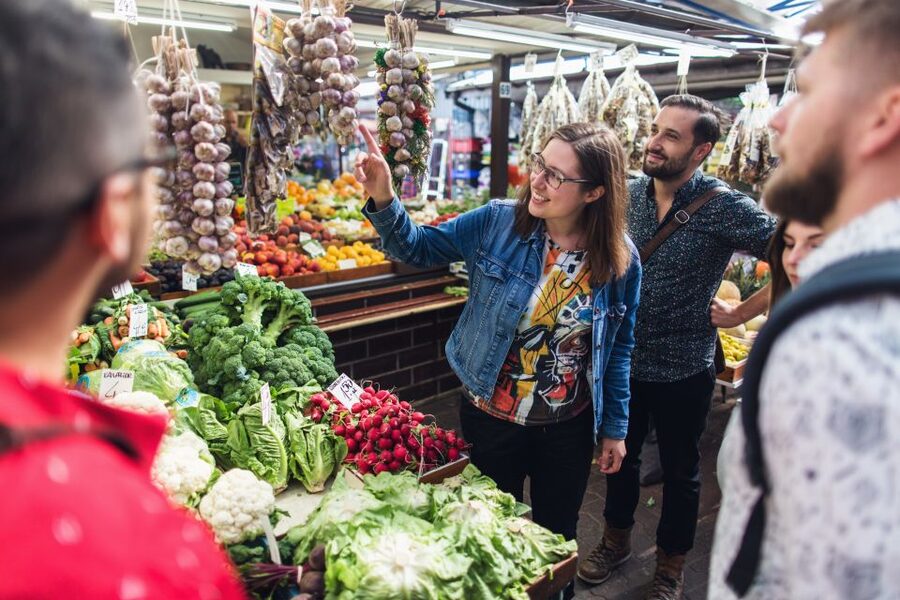
The food is the main event, but the route through Krakow gives the tour a second purpose. Between tastings, you walk through Kazimierz and toward the Old Town, seeing Baroque and Renaissance sights along the way.
This makes the tour a good choice early in a Krakow visit. You get an introduction to the city center while learning where to eat, and you can return to places that caught your eye later. One useful habit is to mark the venues on your phone as you go, since a full stomach and a busy sightseeing day can make locations hard to remember.
The walk also breaks up the meal. Sitting for four hours would be too much, especially with ten dishes. The route gives you time to digest and lets the guide point out details that you could miss on a standard restaurant visit.
The tradeoff is that this is not a focused restaurant experience. If you want one long, quiet meal with a fixed menu, book a restaurant instead. If you want food combined with city orientation and conversation, the walking format is a better fit.
Is $115 good value?
At $115 per person, this is not Krakow’s cheapest way to eat. You can buy individual Polish dishes for much less, especially if you order from casual restaurants or food stalls.
The price becomes easier to justify when you count what is included: four hours with a live English-speaking guide, food at four to six venues, about ten dishes, water at most stops, and written notes with further recommendations. The food amounts to a complete meal with dessert, not a handful of sample bites.
You are also paying for access to a planned route and the explanation behind each dish. That matters in Krakow, where a menu may offer unfamiliar names and where the best choice is not always obvious from the English translation.
The tour is especially good value if you use the guide’s restaurant suggestions for the rest of your stay. Past participants have relied on these recommendations for later meals and found them useful. I would book it near the beginning of a Krakow visit, when the information can shape the rest of your eating plans.
The price is less compelling if you eat very little, avoid most meat, or do not want a guided group meal. In those cases, you may not receive the full value of the tastings.
Who should book this Krakow food tour?
I would choose this tour for someone visiting Krakow for the first time, especially a person who wants food and local history in the same afternoon. It suits curious eaters who like asking questions and trying dishes they would not order on their own.
It is also a good match for couples, small groups of friends, and solo visitors who enjoy meeting a few other people without joining a large crowd. With a maximum of eight participants, the setting stays personal. Some tours may be even smaller, and private-feeling groups can make the food explanations more relaxed.
Families should consider the amount of walking, the length of the meal, and the presence of pork and alcoholic drink pairings. The tour is not described as a children’s activity, so parents should judge it by their own children’s interest in unfamiliar food.
Vegetarians need to contact the provider before booking. Allergies should also be reported in advance. Adjustments may be possible, but the standard menu is built around traditional Polish cooking, including meat.
Cancellation is free up to 24 hours before the tour, and you can reserve now and pay later. Starting times vary, so check availability before making other plans.
Should you book it?
Book this tour if you want a generous, social introduction to Polish cooking, and if you prefer a guide to explain why the food matters. The strongest features are the small group, the generous portions, the range of venues, and the connection between food, Polish customs, and Krakow’s streets.
Skip it if you want a short snack walk, a vegetarian-first menu, or a quiet meal with no walking. For everyone else, I would schedule it early in the trip, eat a light breakfast, skip lunch, and arrive ready for a very full table.
FAQ
Where does the Krakow food tour meet?
Meet your English-speaking guide at Plac Wolnica, or Wolnica Square, in Kazimierz. The guide waits by the statue of the three musicians, past the Ethnographic Museum, under the trees.
How long does the tour last?
The tour lasts four hours. Starting times vary, so check availability when booking.
How many food tastings are included?
The tour includes about ten food tastings at four to six venues. The food is intended to provide a full meal with dessert.
Are drinks included?
Water is provided at most venues. Three Polish drink pairings are included only if you choose the option with pairing. Additional drinks are not included.
Is the tour suitable for vegetarians?
Many dishes are based on pork, so the standard menu may not suit vegetarians. Contact the provider in advance to ask about adjusting the menu.
Can food allergies be accommodated?
You should advise the provider about food allergies before the tour so the menu can be adjusted where possible.
What is the cancellation policy?
You can cancel up to 24 hours in advance for a full refund. You can also reserve now and pay later.
Just added around Krakow
- From Krakow: Zakopane Full-Day Tour with Lunch Option★ 4.4 · 62 reviews
- From Krakow: Zalipie and Painted Village Guided Tour★ 4.0 · 4 reviews
- From Krakow: Zakopane and Dunajec River Rafting Tour★ 4.6 · 31 reviews
- From Krakow: Zakopane Tatra Mountains & Hot Springs Tour★ 3.0 · 29 reviews
- From Krakow: Zakopane and the Tatra Mountains★ 4.7 · 36 reviews
- From Krakow: Zakopane and Gubałówka Cable Car Private Tour★ 4.3 · 12 reviews
- Zakopane & Tatra Mountains Private Full-Day Tour from Krakow★ 4.5 · 33 reviews
- From Krakow: Hot Springs and Zakopane with Gubałówka★ 4.7 · 25 reviews
Krakow Food Tours, compared.
Krakow Food Tasting Tour with Delicious Poland
Read our review →
Pierogi Cooking Class with Market Shopping and Local Snacks
Read our review →
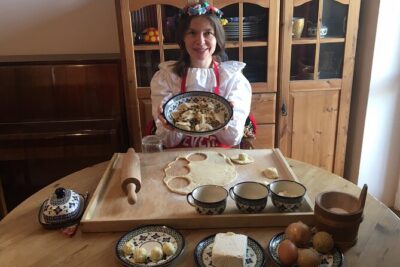
Krakow Pierogi Cooking Class with Market Visit & Home-Cooked Meal
Read our review →
Half-Day Krakow Food Tour in Old Town and Kazimierz
Read our review →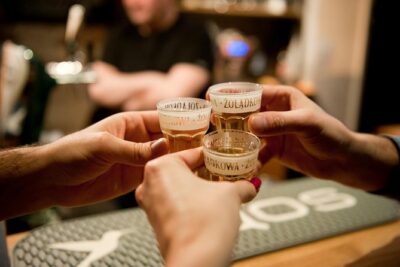
Food Tour of 10 Tastings with Pierogi, Vodka & More
Read our review →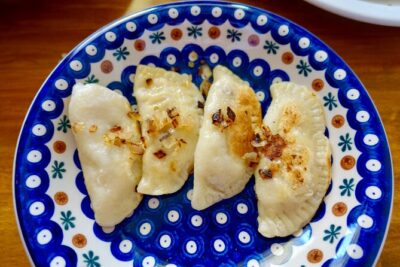
Krakow Food Tour by Foot: Polish Tastings in Old Town & Kazimierz
Read our review →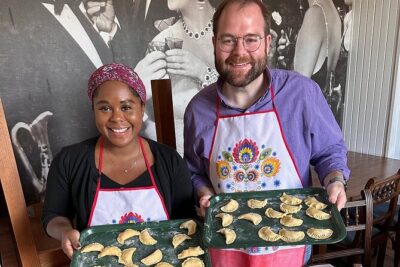
Pierogi Cooking Class: Mastering the Art of Polish Dumplings
Read our review →Browse the lists this tour appears in