
Reviewed · SCHINDLER'S FACTORY TOURS
Krakow: Schindler’s Factory & Ghetto Guided Tour
The most powerful part of this three-hour tour is the link between Schindler’s Factory Museum and the streets of Podgórze, where Krakow’s Jewish population was forced to live during the Nazi occupation. I like the clear chronological museum display, and I like that the walking route adds real places to the story: a surviving section of ghetto wall, the former Pod Orłem pharmacy, and the 68 empty chairs at Heroes’ Square. The main drawback is the serious subject matter, so this is not a light sightseeing stop.
I also like the live commentary and headphone system, which helps you hear the guide while standing outside or walking through busy streets. Guides including Hannah, Helen, and Helena have been praised for their clear explanations, personal anecdotes, and strong command of the subject. Allow extra energy for the outdoor walk, and remember that the meeting point is at the museum, not your hotel.
Key points to know before booking
- Two connected experiences: Start inside Schindler’s Factory, then walk through the former Podgórze ghetto.
- A chronological museum visit: The exhibition explains how events unfolded under Nazi occupation, rather than presenting disconnected objects.
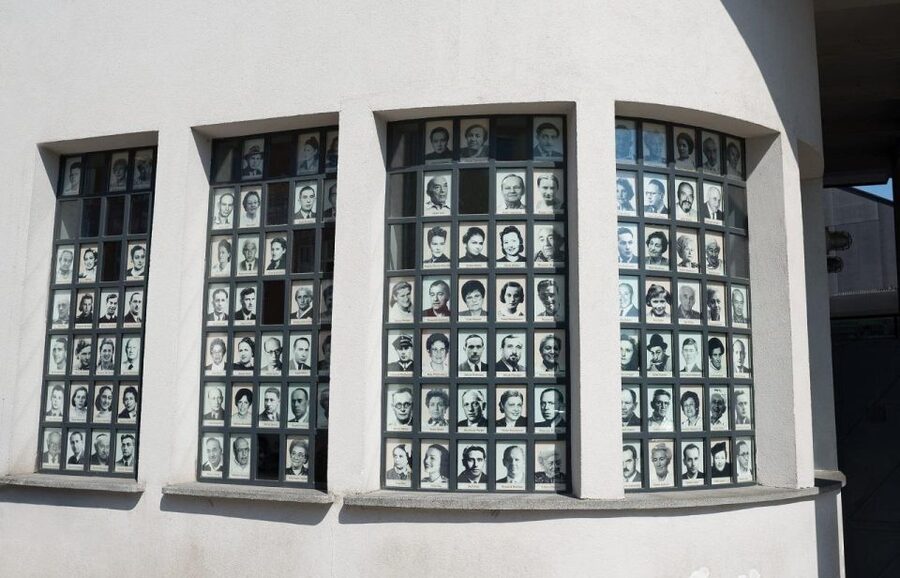
- Important outdoor sites: See part of the ghetto wall, former Jewish homes, the Pod Orłem pharmacy, and the Empty Chair Monument.
- A guide-led visit: English, German, Italian, French, and Spanish tours are available, with commentary supported by headphones.
- Three hours at $58: The price includes museum admission, the walking tour, and a professional guide, but not food, drinks, or transport.
- Bring identification from January 1, 2026: Each participant must provide a full name when booking and carry a passport or ID for museum entry.
Why this tour works as a Krakow history lesson
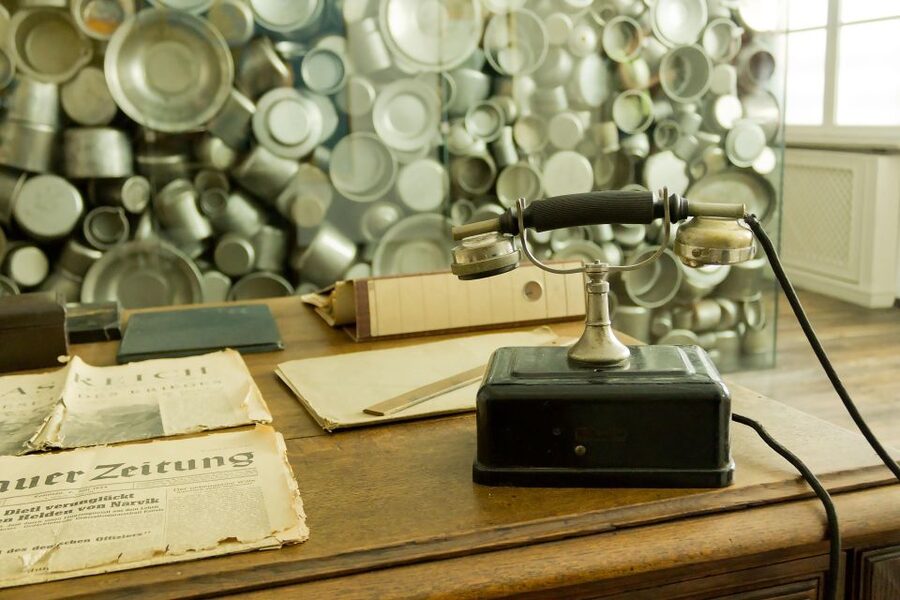
Krakow’s wartime story can feel scattered if you visit sites on your own. Schindler’s Factory gives you an indoor framework, while Podgórze shows where the policy of persecution affected homes, streets, and daily routines.
That combination is the tour’s real strength. You do not simply look at museum displays and then return to modern Krakow. You follow the subject into the district where thousands of displaced Jews once lived. The change from interior exhibition to outdoor streets helps connect dates and policies with actual places.
This is also a tour that asks for attention. The subject includes forced displacement, Nazi rule, and atrocities. The tone is serious and respectful, with little room for casual sightseeing chatter. I would choose it for a morning or afternoon when you can give the subject your full focus, rather than squeezing it between several cheerful attractions.
The tour lasts three hours. That gives the guide time to explain the museum and lead the walk without reducing the whole experience to a quick photo stop. It also means you should wear comfortable shoes and be prepared to remain engaged for a sustained period.
More Jewish Ghetto tours in Krakow:
- Krakow: Schindler’s Factory & Ghetto Guided Tour
★ 4.7 · 1,694 reviews - Krakow: Jewish Quarter and Former Ghetto Tour
★ 4.9 · 1,441 reviews - Krakow: Bike Tour of Old Town, Jewish Quarter and the Ghetto
★ 4.9 · 1,155 reviews
Inside Schindler’s Factory Museum
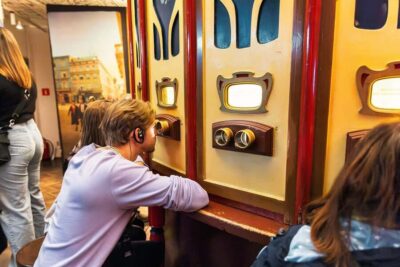
The visit begins at the main entrance to Schindler’s Factory Museum, where you meet the guide holding an excursions.city sign. Museum admission is included, and the tour provides skip-the-ticket-line access, which removes one practical chore from the visit.
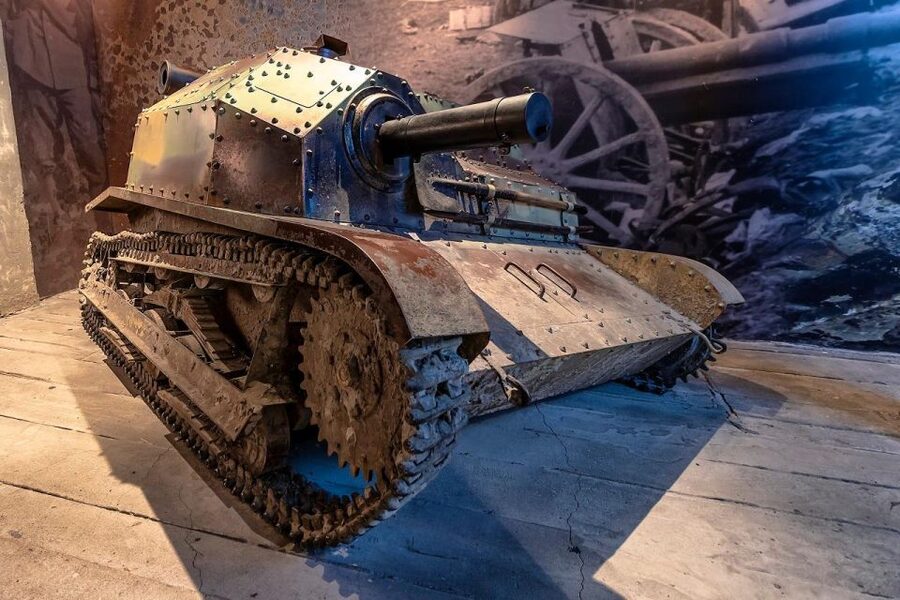
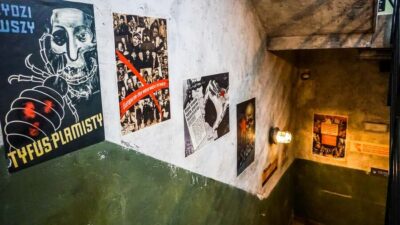
The main exhibition is called Krakow Under Nazi Occupation. Its chronological approach is especially useful. Instead of asking you to arrange unfamiliar names and events in your head, the exhibition presents a sequence that helps explain how the situation changed over time and how the occupation led to the atrocities that followed.
The museum also tells the story of Oskar Schindler, the German entrepreneur who helped numerous Jews during the war. His story gives the museum its name, but the visit is not only about one man. The wider focus is life in Krakow under Nazi control, making the museum more useful than a narrow biography of Schindler alone.
I would pay attention to how the guide fills in the gaps between displays. A museum can give you objects, photographs, and dates, but a live guide can explain why a particular location or event matters. Several guides have been singled out for making the material easy to follow. Hannah has been praised for her strong command of the subject, while Helen has been credited with using personal anecdotes to make the past feel less distant. Helena has also been described as engaging and passionate.
The headphone system is a practical plus. It lets you hear the commentary without standing shoulder to shoulder with the guide or missing sentences while moving between rooms. This matters most if the group spreads out or the museum becomes noisy.
The museum portion may be the best fit for anyone who likes structure. You get a clear sequence, professional explanation, and a setting designed for serious historical interpretation. The possible weakness is that you may want more time to read every display at your own pace. A guided visit keeps the group moving, so you should treat it as an organized introduction rather than an unlimited museum session.
Walking through Podgórze’s former ghetto
After the museum, the tour moves outdoors into Podgórze. This part changes the pace and the type of learning. You are no longer only looking at an exhibition. You are seeing streets and buildings connected to the forced relocation of Krakow’s Jewish population.
The guide points out dwellings where thousands of displaced Jews once lived. That detail is important because it helps you picture the density and pressure of daily life. The story is not reduced to major political decisions. You are also asked to consider where people lived, how neighborhoods were changed, and how ordinary streets became part of a system of persecution.
The remaining section of the ghetto wall is another key stop. It gives the group a physical marker of a boundary that once controlled movement and separated people from the rest of the city. Only part of the wall remains, so do not expect a preserved district with every wartime structure intact. The value is in what the surviving section represents and in the guide’s explanation of the surrounding area.
The outdoor walk also gives you a chance to compare present-day Podgórze with the history being described. Modern life continues around these places, which can make the past feel both closer and harder to grasp. The tour asks you to notice what remains, but also to understand that much of the original setting has changed.
A walking tour is especially useful here because the guide can point out details that are easy to miss alone. The route gives physical distance to the story and shows how the museum’s account connects with the district outside its walls.
Pod Orłem pharmacy and the people behind the history
The historic Pod Orłem pharmacy is one of the most meaningful stops on the route. It is presented as part of the wartime story of Podgórze and gives the tour another point of connection between public events and personal lives.
This stop matters because pharmacies are ordinary places in a city. Here, the site becomes part of a much larger account of survival, fear, and forced displacement. You should expect the guide to explain its role rather than treat it as a quick exterior photo opportunity.
That is a useful feature of a guided visit. The significance of a building may not be obvious from its facade. The guide gives the location a place in the wider story, then connects it to the other stops around the former ghetto.
The same principle applies to the homes where displaced Jews lived. The tour does not need dramatic architecture to make its point. In fact, the ordinary character of these locations is part of their effect. You are looking at places connected to real people and daily life, not only monuments built long after the war.
More ways into Schindler's Factory in Krakow:
- Krakow: Oskar Schindler’s Factory Entry Ticket & Guided Tour
★ 4.2 · 3,793 reviews - Krakow: Schindler’s Factory Tour with Entrance Ticket
★ 4.5 · 3,182 reviews - Krakow: Schindler’s Factory Skip-the-Line Ticket
★ 4.4 · 3,105 reviews - Krakow: Schindler’s Factory Tour with Entrance Ticket
★ 4.6 · 1,737 reviews
The Empty Chair Monument at Heroes’ Square
The tour ends or includes a major stop at Heroes’ Square, where the Empty Chair Monument presents 68 chairs in a symbolic arrangement. It is one of the clearest visual reminders on the route.
The chairs represent absence. Their number gives the monument a precise scale, while the empty seats create a simple image that is easy to understand without a long explanation. The guide can place the monument in the context of the ghetto and the people who were removed from their homes.
I find this kind of memorial especially effective after the museum and street walk. By this point, you have heard the larger sequence of events and seen the physical district. The chairs then give the story a quiet, human focus.
Do not expect a dramatic performance or a cheerful finish. This is a reflective stop, and you may want a little time to look rather than immediately rush to the next attraction. If you prefer tours that end with food, views, or entertainment, this experience will feel heavy. If you want a thoughtful final image, the monument gives the route a strong closing point.
Guides, languages, and the value of live commentary
The tour is offered in English, German, Italian, French, and Spanish. A live guide is included, and the use of headphones helps you follow the commentary during the museum visit and outdoor portion.
The individual guide can shape the experience. Hannah, Helen, and Helena are among the guides associated with recent departures, and the strongest feedback has focused on clear explanations, passion, and the ability to bring events into focus with personal anecdotes. One German-language guide, Frau Weßling, has also been praised for fluent speech and extensive command of the subject.
You cannot assume a particular guide will lead your departure, so book for the format and subject rather than a named person. Still, the specific guide feedback suggests that the operator has staff capable of handling a difficult topic with care.
The headphone system is worth noting for another reason. On a history tour, missing a sentence can mean losing the connection between one event and the next. Clear audio helps you keep up without crowding around the guide.
Is $58 a fair price?
At $58 per person, this is not the cheapest way to walk through Podgórze. The price includes the Schindler’s Factory Museum ticket, the three-hour walking tour, and a professional guide. It does not include hotel pickup, transport to the meeting point, food, or drinks.
I consider the price reasonable if you want the museum and ghetto district explained as one connected experience. You are paying for more than entry to a museum. The guide provides structure, outdoor context, and commentary that would be difficult to recreate from a quick visit on your own.
The value is strongest for first-time visitors to Krakow, people with limited time, and anyone who wants help making sense of the exhibition. It is less attractive if you prefer to read every museum panel slowly or explore Podgórze without a fixed pace.
You also need to account for the meeting point. There is no hotel pickup or drop-off, so plan your own way to the main entrance of Schindler’s Factory Museum. Food and drinks are not included, and the three-hour format is long enough that you may want to eat before or after.
You can reserve now and pay later, which is useful if your schedule is still changing. Free cancellation is available up to 24 hours before the activity for a full refund. Starting times depend on availability, and from January 1, 2026, the museum schedule may cause the exact time to change even if you choose a preferred slot.
Practical details that matter on the day
Meet the guide in front of the main entrance to Schindler’s Factory Museum. Look for the excursions.city sign, and allow enough time to find the entrance without rushing.
From January 1, 2026, personalized museum tickets require the full names of all participants at the time of reservation. You must also bring a passport or ID for entry. Without the required identification, the museum may refuse admission, so this is not a detail to leave until the last minute.
The tour lasts three hours, and the exact starting time depends on museum availability. Comfortable walking shoes are sensible because the experience combines an indoor museum visit with streets and memorial sites in Podgórze.
The subject is serious, and the tour may leave you wanting quiet time afterward. I would avoid placing a loud, crowded activity immediately after it. Give yourself room to think about what you have seen.
Who should book this experience?
I would recommend this tour to you if you want a guided introduction to Krakow’s wartime history and prefer a clear route over independent research. It suits visitors who value context, especially those who want to understand how the museum connects to the actual streets of Podgórze.
It is also a good fit for anyone who worries about missing important details in a museum. The chronological presentation and live commentary help organize a difficult subject, while the headphone system makes it easier to hear the guide.
Families with older children or teenagers may find the tour useful if they are ready for mature material. The itinerary is educational, but it is not designed as a light family attraction. You know best how much historical detail your group can handle.
I would hesitate to book it if you dislike guided pacing, want a private visit, or expect a relaxed city walk. You will be moving between several serious sites, and the tour’s purpose is understanding, not entertainment.
Should you book the Schindler’s Factory and Ghetto tour?
Book it if you want one focused experience that combines the museum with Podgórze’s wartime sites. The strongest reasons are the chronological exhibition, the surviving ghetto wall, the Pod Orłem pharmacy, and the Empty Chair Monument with its 68 chairs.
The $58 cost makes sense when you value a professional guide and skip-the-ticket-line access. Just prepare for a serious three-hour visit, arrange your own transport, and bring identification if you are booking from January 1, 2026 onward.
If you prefer history to be explained clearly and tied to real streets, this is a strong choice. If you want a quick museum visit or a casual afternoon walk, choose something lighter.
FAQ
Where does the tour meet?
The guide meets you in front of the main entrance to Schindler’s Factory Museum. Look for the excursions.city sign.
How long does the tour last?
The tour lasts three hours.
What does the price include?
The price includes admission to Schindler’s Factory Museum, the walking tour, and a professional tour guide.
Does the tour include hotel pickup and drop-off?
No. Hotel pickup and drop-off are not included.
Is food or drink included?
No. Food and drinks are not included.
Which languages are available?
The tour is available in English, German, Italian, French, and Spanish.
What sites are visited during the walking portion?
The route includes Podgórze, a remaining section of the ghetto wall, dwellings where displaced Jews once lived, the historic Pod Orłem pharmacy, and the Empty Chair Monument at Heroes’ Square.
What identification is needed from January 1, 2026?
You must provide the full names of all participants when booking and bring a passport or ID for entry to Schindler’s Factory Museum. Without these, entry may be denied.
Just added around Krakow
- From Krakow: Zakopane Full-Day Tour with Lunch Option★ 4.4 · 62 reviews
- From Krakow: Zalipie and Painted Village Guided Tour★ 4.0 · 4 reviews
- From Krakow: Zakopane and Dunajec River Rafting Tour★ 4.6 · 31 reviews
- From Krakow: Zakopane and the Tatra Mountains★ 4.7 · 36 reviews
- From Krakow: Zakopane and Gubałówka Cable Car Private Tour★ 4.3 · 12 reviews
- From Krakow: Zakopane Tatra Mountains & Hot Springs Tour★ 3.0 · 29 reviews
- Zakopane & Tatra Mountains Private Full-Day Tour from Krakow★ 4.5 · 33 reviews
- From Krakow: Hot Springs and Zakopane with Gubałówka★ 4.7 · 25 reviews
Schindler's Factory Tours, compared.
Oskar Schindler’s Factory Entry Ticket & Guided Tour
Read our review →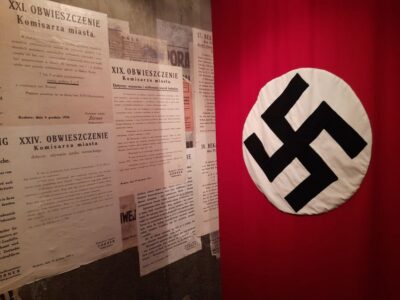
Schindler’s Factory Tour with Entrance Ticket
Read our review →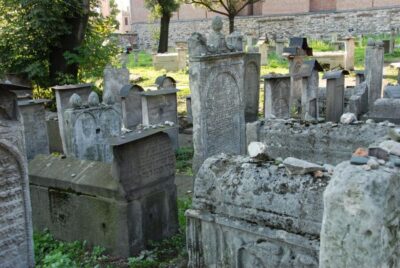
Schindler’s Factory Tour with Entrance Ticket
Read our review →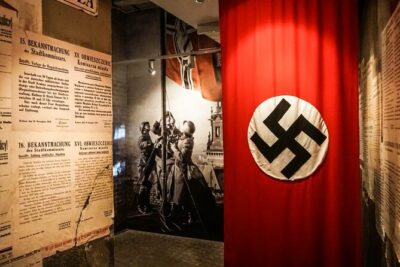
Schindler’s Factory in Krakow: Guided Tour & Skip the Line Ticket
Read our review →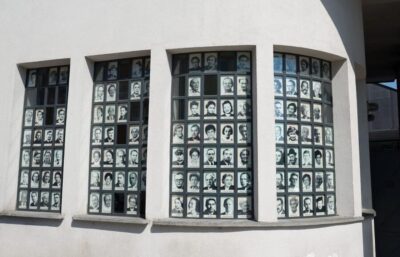
Schindler’s Factory Ticket with Guided Tour Option
Read our review →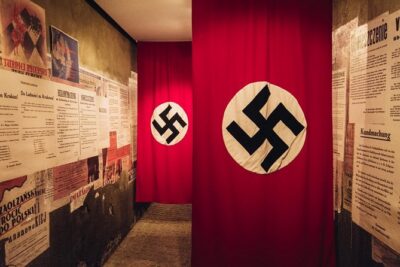
Krakow Schindler’s Factory Guided Tour with Admission Ticket
Read our review →Browse the lists this tour appears in