
Reviewed · SCHINDLER'S FACTORY TOURS
Krakow Schindler’s Factory Museum Guided Tour in English
The most important thing to know is that this is not mainly a tour of Oskar Schindler’s personal life or factory work. It is a carefully staged museum about Krakow under Nazi occupation, with Schindler’s story woven through it. You’ll see his office and places linked to Schindler’s List, but the larger subject is the city and its people during the war.
I like two things here: the guide gives shape to a museum that can feel dense, and the 90-minute route connects Schindler with the Jewish community, the ghetto, and the wider wartime story. Guides such as Mateusz, Maciek, Max, Lucie, Hania, and Dominique have been praised for clear English, strong storytelling, and patient answers.
The main drawback is pace. Some guides give you time to look closely, while others move quickly through the exhibits. You may leave wanting another hour to read the displays, and the guided visit does not include time to return and explore the museum on your own.
Key points to know before you go
- Schindler is part of a larger Krakow story: The museum focuses mainly on the city during World War II, not on every detail of Schindler’s life.
- The original factory is not preserved as a working factory: You’ll see Schindler’s office and factory-related spaces, but much of the visit is a museum exhibition.
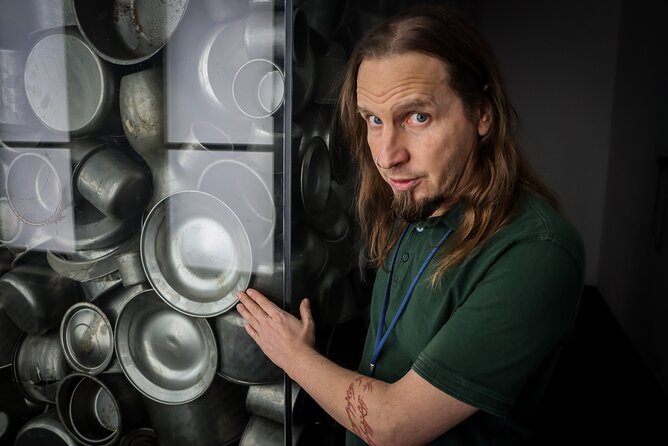
- A guide adds real value: The exhibits contain English information, yet a strong guide explains the order of events and fills in the human stories.
- The meeting point is easy to spot: Go to Lipowa 4 and look for the guide holding a yellow umbrella.
- Plan for a serious visit: Admission is recommended for young people aged 14 and up, and much of the tour involves standing and listening.
- Book ahead for the 4:00 pm start: The tour is often reserved about 59 days in advance, and groups are limited to 20 people.
What the Schindler Factory Museum really is
The museum occupies Oskar Schindler’s former enamel factory at Lipowa 4 in Krakow. That location gives the visit its emotional pull, but the building is not presented as a working industrial site where you follow the machinery or production line.
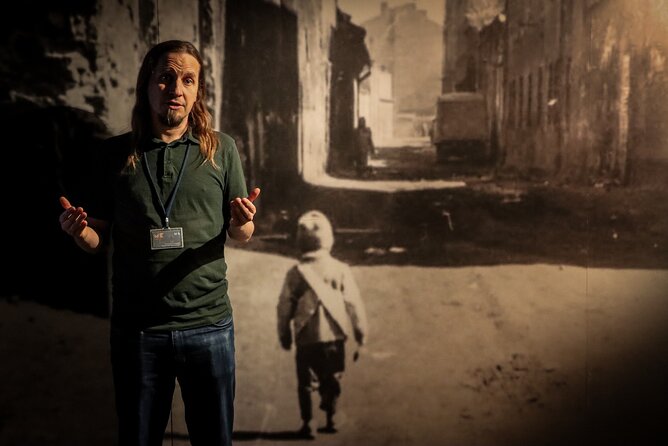
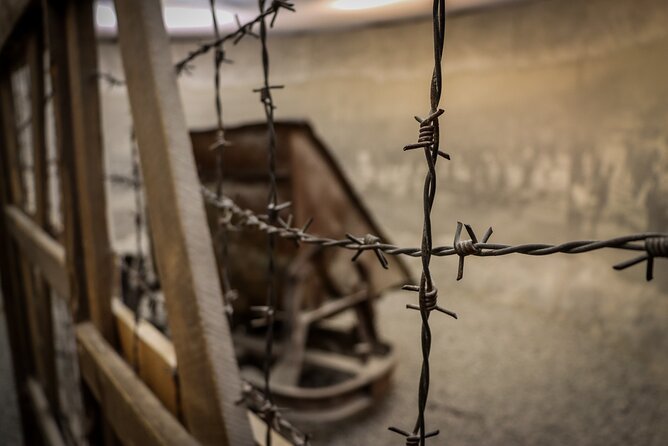
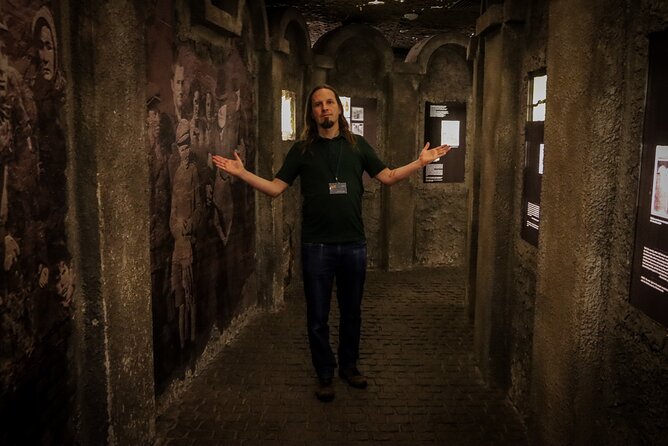
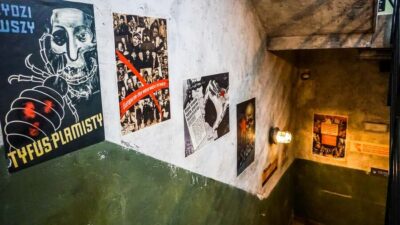
Instead, the museum tells the story of Krakow from the Nazi invasion in 1939 through the occupation and the Holocaust. Rooms, objects, photographs, recreated settings, and written displays show how daily life changed under German rule. Schindler appears as an important figure, but he is not the sole subject.
That distinction matters. If you arrive expecting a full museum about Schindler, you may feel shortchanged. If you come ready to understand Krakow’s wartime experience, the visit makes much more sense.
The film Schindler’s List gives many people their first connection with this place. The museum helps separate cinema from the historical record. You may see the office associated with Schindler and locations tied to the film, but the main experience is broader and more demanding than a film-location walk.
I find that broad focus useful. Schindler’s actions matter because of the people he helped, and those people were part of a much larger community facing forced removal, violence, hunger, and death. The museum places his choices inside that setting.
More ways into Schindler's Factory in Krakow:
- Krakow: Oskar Schindler’s Factory Entry Ticket & Guided Tour
★ 4.2 · 3,793 reviews - Krakow: Schindler’s Factory Tour with Entrance Ticket
★ 4.5 · 3,182 reviews - Krakow: Schindler’s Factory Skip-the-Line Ticket
★ 4.4 · 3,105 reviews
Entering at Lipowa 4 for the 4:00 pm tour
Your meeting point is the former factory at Lipowa 4, near public transportation. The tour begins at 4:00 pm and ends back at the same location. There is no hotel pickup, drop-off, or transport between attractions, so you need to make your own way there.
Look for the yellow umbrella. That is the practical detail most likely to save you time at the entrance. The tour includes admission and is capped at 20 people, though groups can be smaller. A group of around 10 gives the guide more room to answer questions and keep everyone together.
The mobile ticket is convenient. Confirmation arrives when you book, so keep the ticket available on your phone. I would arrive a little early, especially if you are unfamiliar with the area or are coming from another part of Krakow.
This is an indoor museum visit, but it is not a sit-down presentation. Prepare for standing, walking, and listening. Comfortable shoes matter less than patience and attention, since the value comes from following the guide’s explanations as the route unfolds.
The first part: Krakow before and during occupation
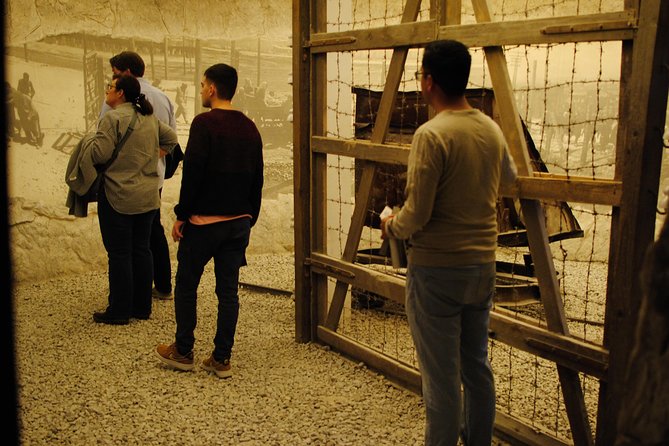
The tour begins by setting the scene. You are not simply told that the war began. You are shown how Nazi control altered Krakow, its institutions, its streets, and the lives of Polish Jews and non-Jewish residents.
This opening section gives you the framework needed for everything that follows. Without it, Schindler can seem like a lone hero appearing in an otherwise empty story. With it, you can see the pressures around him and the risks faced by the people he employed.
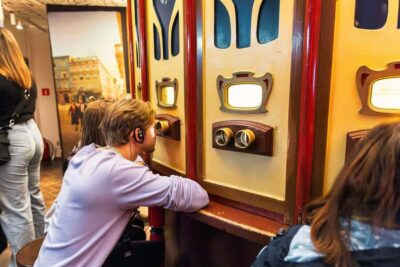
The exhibits are designed rather than untouched factory rooms. Expect staged displays and reconstructed settings, along with historical images and objects. That approach can feel less like an archaeological site and more like a museum theatre piece. For some visitors, the arrangement makes the events easier to follow. Others may prefer original rooms and more artifacts.
The English-language material helps if you visit alone, but a guide can connect the sections in a way that labels cannot. A good guide also explains details that are easy to miss, including how Schindler fitted into the occupation system and why his factory became important to those he protected.
Following Schindler and the people he saved
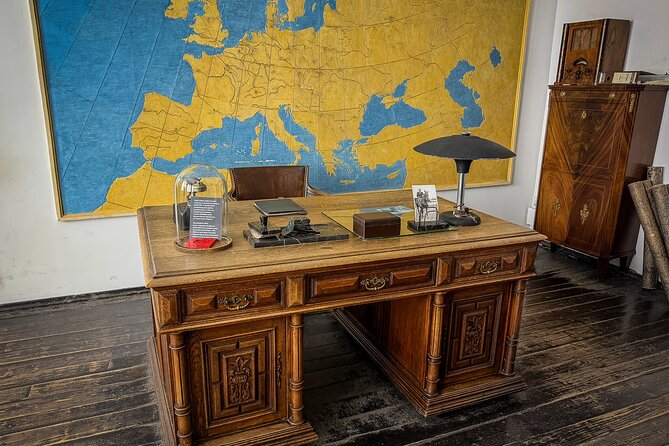
Schindler’s story is compelling because it resists a simple hero tale. He was a Nazi German businessman who used his factory and connections to help save more than 1,000 Jews. The tour places that action alongside his personal flaws, ambitions, and self-interest rather than turning him into a flawless saint.
That balance is one of the strongest reasons to take the guided version. Guides can explain the uncertainty around Schindler’s motives while keeping the focus on the people whose lives were saved. The result is more useful than a polished legend.
You will hear about the workers and the Jewish community affected by the occupation. Personal stories give the displays a human scale. Several guides have been singled out for bringing those stories to life, including Mateusz, who was praised for taking questions without rushing, and Maciek, who was described as entertaining, direct, and easy to remember.
Guide quality can vary, of course. The tour is sold with a professional local guide, but you cannot choose a particular person when booking. If you get a guide who moves too fast, speak up politely when you need a moment to view an exhibit or ask a question.
More museums and exhibitions in Krakow:
- Auschwitz-Birkenau Museum and Memorial Guided Tour from Krakow
★ 4.5 · 1,510 reviews - Krakow: Rynek Underground Museum Guided Tour
★ 4.6 · 1,122 reviews - Krakow: Auschwitz Birkenau Museum Guided Tour with Pickup
★ 3.6 · 544 reviews - Museum of illusions Entry Ticket
★ 4.5 · 521 reviews
The office and the Schindler’s List connection
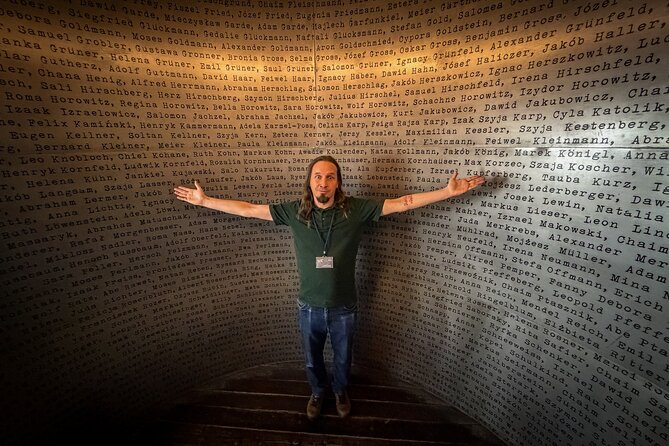
Near the end, the tour brings you to Schindler’s office. This is one of the clearest links to the man named in the museum’s title and to the film that made the factory famous around the world.
Do not expect a full set of film locations or a tour devoted to movie trivia. The office is a small part of a much larger route. Its value comes from seeing the place in relation to the wartime story you have just followed.
The factory connection can also surprise you. Much of what you see is a museum interpretation rather than an untouched factory interior. If your main goal is machinery, production history, or a detailed account of how enamelware was made, this is probably not the right attraction.
If your goal is to understand why Schindler’s factory became a place of survival, the office and surrounding displays carry more weight. They show how a workplace became tied to protection, employment, and the fate of a threatened community.
Why a guide changes the visit
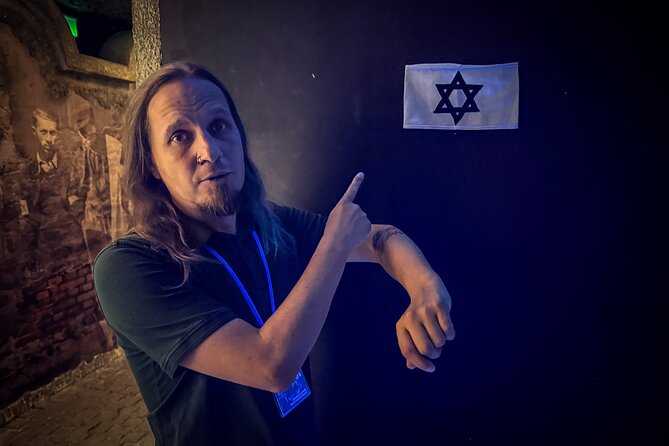
I would choose the guided option for a first visit. The museum contains English text, and an independent visit may give you more time with each display. But the exhibition covers a large amount of information in a compact route, and it helps to have someone explain what deserves your attention.
A good guide does three jobs:
- Places Krakow’s wartime events in the correct order
- Explains Schindler’s role without reducing the story to a movie plot
- Answers questions and connects individual displays to the wider community
The strongest guides have been described as clear, warm, and structured. Lucie, for example, was praised for presenting the material in a logical order while keeping the group moving without making the visit feel hurried. Hania was noted for combining a friendly manner with strong knowledge of Krakow’s wartime past. Dominique was praised for bringing personal energy and care to the subject.
The weak point is that the 90-minute format leaves little spare time. One guide may pause while the group examines an exhibit. Another may speak while walking, then move on before you finish reading. You cannot assume that you will be able to re-enter the galleries after the tour, so ask questions during the route and pay attention to anything you especially want to remember.
A serious visit, best suited to older children and adults
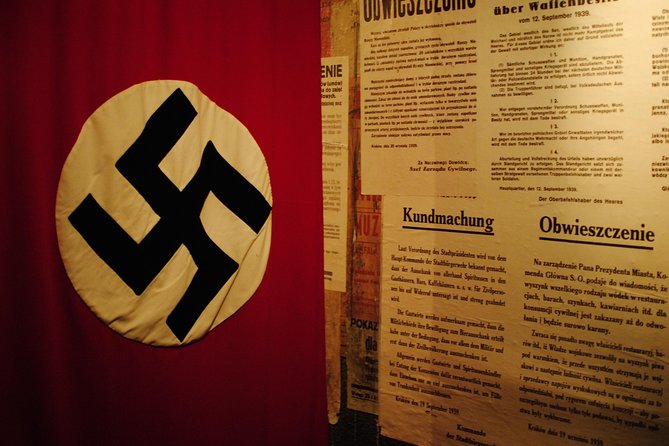
Admission is recommended for young people aged 14 and above. That guidance makes sense. The subject includes Nazi persecution, the Holocaust, forced displacement, and the destruction of a community. The exhibition is not a light family outing.
I would recommend it to adults, older teenagers, film enthusiasts, and anyone trying to understand Krakow beyond its medieval center. It also suits people who have already visited Auschwitz and want a closer look at what happened in the city itself.
The visit can be intense. Some displays are difficult, and the subject is handled through a mix of personal stories, visual material, and recreated environments. You need enough time afterward to process what you have seen rather than racing straight into another attraction.
The tour is also useful for people who do not usually visit museums. The guide gives you a path through the material, so you are not left trying to work out which dates, names, and locations matter most.
How it fits with the Jewish Ghetto and Plaszow
The museum is stronger when you understand its place in Krakow. The Jewish Ghetto Memorial and the remains of the Plaszow concentration camp can add important context, although this activity does not include transport to either site.
The museum itself is not a complete account of every wartime location in Krakow. It gives you a concentrated account of the city and the people affected by occupation. Visiting related sites separately can help you connect the displays to actual streets and places beyond the factory.
Plan that extra sightseeing carefully. The factory tour starts at 4:00 pm, lasts about 90 minutes, and finishes where it began. You could visit another site earlier in the day, then come to Lipowa 4 for the guided museum route.
Is $47.77 a fair price?
At $47.77 per person, this is not the cheapest way to enter a museum. You are paying for admission plus an English-speaking guide, not just access to the building.
The value depends on how you use the guide. If you want to read every panel at your own speed, the ticket may feel expensive and restrictive. If you want the historical structure, personal stories, and answers to questions, the added cost is easier to justify.
The group limit of 20 helps. A smaller group can make the experience feel more like a conversation than a lecture, though the actual group size depends on the date. The best value comes when the guide gives you time to look and responds to questions instead of simply reciting information.
The booking pattern also matters. This experience is often reserved about 59 days ahead, so leaving it until your final day in Krakow may be risky. Free cancellation is available if you cancel at least 24 hours before the start time. Cancellations or changes inside that window are not refunded or accepted, and a minimum group size is required for the tour to operate.
What I would do before and after
Before the tour, I would read only a short account of Schindler and the Krakow ghetto. You do not need to arrive as an expert. A little preparation helps you recognize the people and places the guide discusses.
During the tour, keep your phone away unless you need the mobile ticket. Listen for names and locations, and ask when something is unclear. The route moves through a lot of information, and it is easy to lose the thread if you focus only on taking photographs.
Afterward, give yourself time before booking another serious attraction. You may want to walk through the surrounding area or visit the Jewish Ghetto Memorial on another day. The museum’s story is easier to absorb when you do not treat it as a quick photo stop.
Should you book the Schindler Factory guided tour?
Book it if you want to understand Krakow during World War II, not simply collect a photograph inside a famous film location. The guided format is especially worthwhile for a first visit, for anyone who prefers historical explanation to reading alone, and for visitors interested in the people behind Schindler’s rescue effort.
Skip it if you expect a traditional factory tour, a detailed study of Schindler’s entire life, or plenty of free time with every display. In that case, the exhibition’s main focus may surprise you.
For most adults with an interest in Krakow’s wartime past, I would book it. Just arrive with the right expectations: this is a serious city history museum in Schindler’s former factory, led by a guide, with Schindler himself as one important part of a much larger story.
FAQ
Where does the tour start?
The tour starts at Oskar Schindler’s Enamel Factory, Lipowa 4, 30-702 Krakow, Poland.
What time does the tour begin?
The scheduled start time is 4:00 pm.
How long does the tour last?
The visit lasts approximately 1 hour and 30 minutes.
Is admission to the museum included?
Yes. The museum ticket and a professional local guide are included.
How do I find the guide?
Look for the guide holding a yellow umbrella at the meeting point.
Can I cancel for a full refund?
Yes, if you cancel at least 24 hours before the experience begins. Cancellations or changes made less than 24 hours before the start time are not refunded or accepted.
Just added around Krakow
- From Krakow: Zakopane Full-Day Tour with Lunch Option★ 4.4 · 62 reviews
- From Krakow: Zalipie and Painted Village Guided Tour★ 4.0 · 4 reviews
- From Krakow: Zakopane and Dunajec River Rafting Tour★ 4.6 · 31 reviews
- From Krakow: Zakopane and the Tatra Mountains★ 4.7 · 36 reviews
- From Krakow: Zakopane and Gubałówka Cable Car Private Tour★ 4.3 · 12 reviews
- From Krakow: Zakopane Tatra Mountains & Hot Springs Tour★ 3.0 · 29 reviews
- Zakopane & Tatra Mountains Private Full-Day Tour from Krakow★ 4.5 · 33 reviews
- From Krakow: Hot Springs and Zakopane with Gubałówka★ 4.7 · 25 reviews
Schindler's Factory Tours, compared.
Oskar Schindler’s Factory Entry Ticket & Guided Tour
Read our review →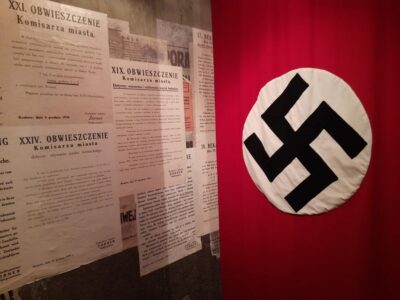
Schindler’s Factory Tour with Entrance Ticket
Read our review →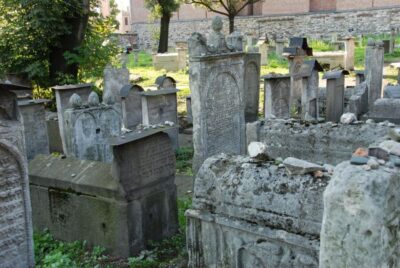
Schindler’s Factory Tour with Entrance Ticket
Read our review →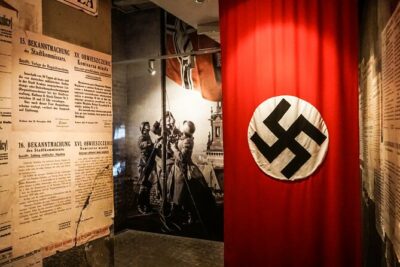
Schindler’s Factory in Krakow: Guided Tour & Skip the Line Ticket
Read our review →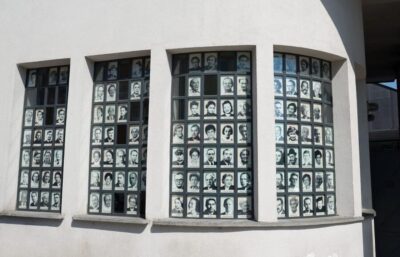
Schindler’s Factory Ticket with Guided Tour Option
Read our review →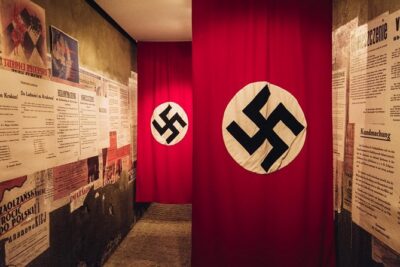
Krakow Schindler’s Factory Guided Tour with Admission Ticket
Read our review →Browse the lists this tour appears in