
Reviewed · AUSCHWITZ-BIRKENAU TOURS FROM KRAKOW
Auschwitz-Birkenau Museum and Memorial Guided Tour from Krakow
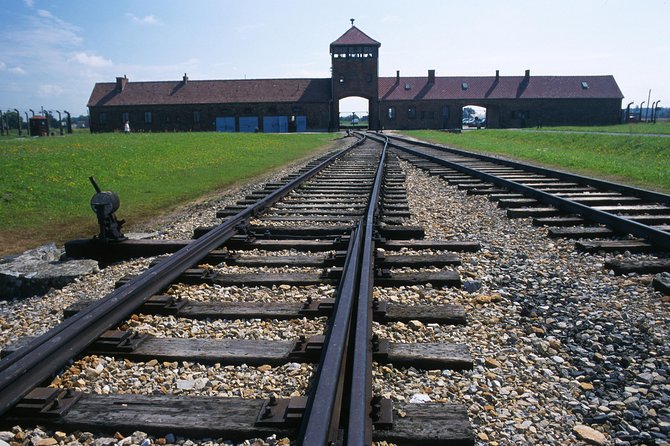
Auschwitz-Birkenau is not a sightseeing stop in the usual sense. It is a place of evidence, memory, and grief. This guided day trip takes you from Krakow to the former Nazi concentration and extermination camps, where you walk through prison blocks, past fences and watchtowers, and along the Birkenau railway tracks toward the crematorium ruins.
I like two things in particular. First, transport and museum admission are handled together, which removes much of the stress of arranging a visit to a tightly controlled memorial site. Second, a live guide and headsets make it easier to follow the history in crowded rooms. Guides such as Tomas, Michael, Patrycja, and Pawel have been singled out for clear, respectful explanations, while drivers including George, Iza, and Bartek have helped keep the day orderly.
The main drawback is the schedule. Your booked departure time may change, the ride can take one to one and a half hours each way, and the visit itself is intense and fairly brisk. A cramped minibus, short meal break, or late change to an early pickup can make a long day harder than it needs to be.
Key points to know before booking
- Auschwitz I and Birkenau are both included: The visit covers the original camp and the much larger Birkenau site.
- The final departure time is not always the time you first select: You receive confirmation by the evening before, with departures listed across a broad morning and early afternoon range.
- The museum portion lasts about three hours: The full outing is about seven hours once transport and transfers are included.
- The experience is physically demanding: Expect extended walking, outdoor exposure, and limited time for food or drinks.
- Respectful guiding is a major strength: Guides have used quiet memorial walks, pauses for reflection, and individual prisoner stories to give the visit proper weight.
- The meeting-point information needs checking: The main departure details list 2 Wielopole Street, while the FAQ names 7 Powisle Street opposite the Sheraton Grand Krakow.
Why this memorial visit matters
Auschwitz was established by Nazi Germany in the early 1940s, first for Polish political prisoners. After Birkenau was added nearby, the complex became a vast system of imprisonment, forced labor, and mass murder. About 1.1 million people were killed there, most of them European Jews.
The value of visiting with a guide is not simply that you hear dates and names. The camp grounds can be difficult to understand on your own. A guide helps connect the buildings, transport system, prison rules, and killing machinery into one clear picture. You learn how the complex changed from a detention camp into a center of mass murder, and you hear about liberation in 1945.
That context matters because the site is large and visually plain. Rows of barracks, brick blocks, fences, and railway tracks do not explain themselves. The guide gives meaning to what you are seeing without turning the memorial into a spectacle.
This is also why the tone of the visit matters. The strongest guides keep the focus on victims and individual lives. One guide, Michael, reportedly set aside several minutes of silence near Block 11 and encouraged the group to treat the walk toward a Birkenau crematorium as a memorial walk. That approach fits the place far better than a rushed checklist of photo stops.
More Auschwitz-Birkenau trips in Krakow:
- From Krakow: Auschwitz-Birkenau Guided Tour & Hotel Pickup
★ 4.5 · 33,358 reviews - From Krakow: Auschwitz-Birkenau Guided Tour & Hotel Pickup
★ 4.5 · 29,340 reviews - Krakow: Auschwitz Guided Tour with Optional Hotel Pickup
★ 4.5 · 15,280 reviews
The Krakow departure and the ride to Oswiecim
The tour begins in central Krakow or with pickup from selected hotels. The main departure instructions identify the Kiss&Ride parking area at 2 Wielopole Street, next to the Main Post Office. The FAQ gives a different location, 7 Powisle Street, at the bus park opposite the Sheraton Grand Krakow.
That contradiction is worth taking seriously. Confirm the location and final pickup instructions directly with the operator before departure. If you use the central meeting point, plan to arrive 15 minutes early. Hotel pickup is available only from selected properties, and the pickup may take place 30 to 40 minutes before the stated tour time.
The selected departure time is tentative. Exact departures may be set anywhere across the stated operating window, which is described in different parts of the information as roughly 6 or 7 in the morning through early afternoon. You should receive the final time by 7 pm the day before. Keep your phone available and check your messages.
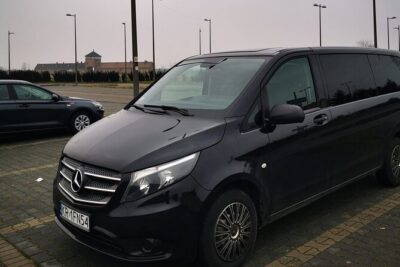
The ride to Oswiecim usually takes around 60 to 90 minutes. An air-conditioned vehicle is provided, and a documentary about World War II and the Holocaust may be shown on the way. This is useful preparation, though it also means the day starts with serious material before you arrive.
Vehicle comfort can vary. One particularly useful warning concerns the back row of a minibus, where legroom was very limited for taller people. If you have a choice of seats, avoid the last row when possible. The tour can include up to 30 people, so the vehicle may feel full.
Auschwitz I: prison blocks and evidence
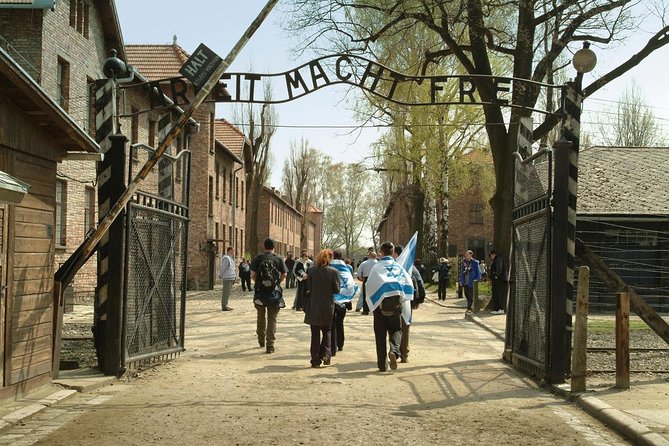
The first camp, Auschwitz I, is the more compact and built-up part of the complex. You enter through the gate with the infamous German inscription Arbeit Macht Frei, then continue into former prison blocks and exhibition rooms.
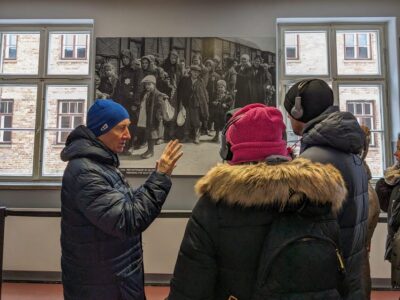
Here the guide explains how prisoners were registered, confined, punished, and exploited. The old blocks contain displays that make the scale of the crime painfully concrete. You may see personal belongings and other evidence connected with the people imprisoned there. The focus is not on dramatic scenery. It is on the lives reduced to numbers and the system that tried to erase them.
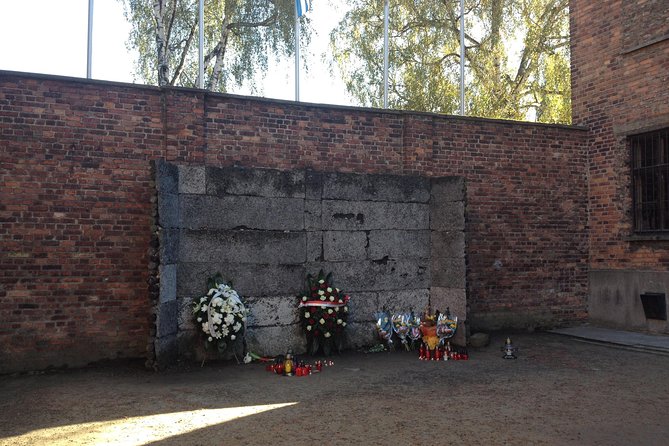
Block 11 is especially significant. It was used for punishment and imprisonment, and the area nearby has become one of the places where groups pause to reflect. A good guide will give you time to absorb what you are seeing rather than filling every moment with speech.
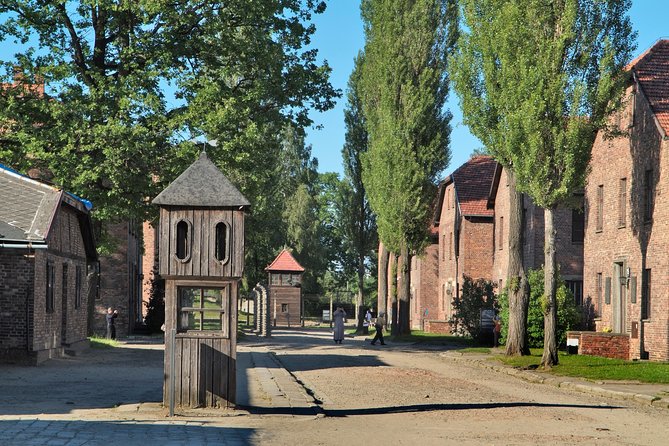
The Auschwitz I portion involves substantial walking, much of it through buildings. You may find some shelter from sun or rain here, but the day is still physically tiring. Listen closely through the supplied headsets, since other groups may be nearby and several guides can be speaking at once.
The tour also addresses the gas chambers and crematorium facilities. These are difficult places to visit, and the guide’s tone makes a real difference. The purpose is to understand what happened, not to collect disturbing images. Photography rules and museum instructions should be followed carefully.
Birkenau: the scale becomes clear
After Auschwitz I, the group continues to Auschwitz II-Birkenau. This site is much more open and spread out. Watchtowers, fences, barracks, and the railway approach make the industrial scale of the camp easier to grasp.
Birkenau was built to hold far more prisoners than Auschwitz I. The railway brought people directly into the camp, where selections took place. The guide explains how the rail line, barracks, crematoria, and guard system worked together.
This is the part of the visit where weather matters most. Large sections are outdoors, with little protection from strong sun, rain, or wind. Bring water, sun protection, a hat, and an umbrella when needed. Comfortable shoes are essential because the walking surface and distance can make the afternoon tiring.
The memorial area gives the visit a clear ending. You may walk along the railway tracks toward the remains of the crematoria and hear the history of those murdered there. One guide described this section as a memorial walk and allowed a period of silence. That kind of pause can be more meaningful than another stream of facts.
Do not expect unlimited time at every building. The museum controls the schedule, and groups must move through the site within their assigned visiting period. Some people have felt rushed, particularly if a guide has to skip a section or if delays affect the transfer between the two camps.
More museums and exhibitions in Krakow:
- Krakow: Rynek Underground Museum Guided Tour
★ 4.6 · 1,122 reviews - Krakow Schindler’s Factory Museum Guided Tour in English
★ 4.5 · 650 reviews - Krakow: Auschwitz Birkenau Museum Guided Tour with Pickup
★ 3.6 · 544 reviews - Museum of illusions Entry Ticket
★ 4.5 · 521 reviews
A serious day, not a casual outing
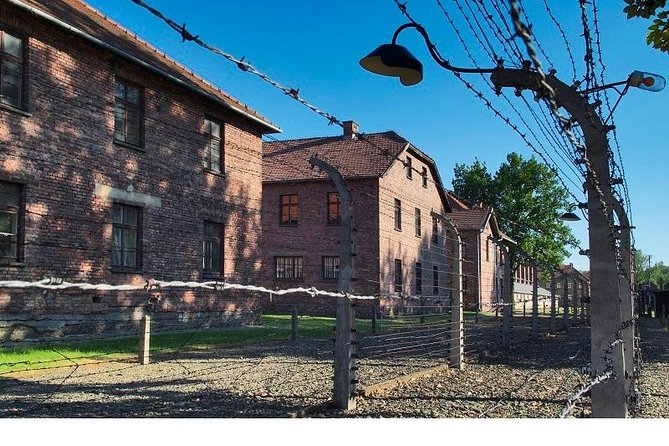
The tour lasts about seven hours, but the three-hour museum visit is only part of that time. Transport, entry procedures, movement between Auschwitz and Birkenau, and the return to Krakow fill out the day.
There is generally a short break, often around 25 to 30 minutes. Food and drinks are not included, and eating is not permitted on the bus. Bring water and buy or pack food before departure. Prices near the camp can be higher than in Krakow, and there may be no convenient restaurant or shop where you expect one.
This is not a suitable day for anyone looking for a light excursion. The subject matter is distressing, and the physical demands are real. Children and teenagers need to be prepared for what they will see and hear. One family brought children aged 11 and 13 and felt the visit gave them an important lesson, but every family should judge readiness for itself.
Dress with respect and practicality. Wear comfortable shoes and clothing suitable for a memorial site. In summer, sun protection is more than a minor convenience. In cold or wet weather, the open grounds at Birkenau can feel severe.
Guide quality can shape the whole visit
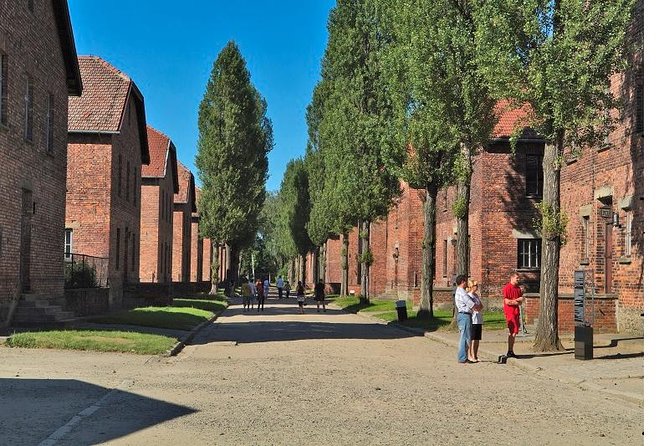
The strongest part of this experience is the local guide. The transport gets you there, but the guide determines whether the visit feels like a thoughtful memorial tour or a hurried walk between buildings.
Several named guides have been praised for different strengths. Tomas has been described as deeply committed and able to explain the atrocities with unusual force. Michael has used silence and careful language to help groups reflect. Patrycja has been credited with keeping the group informed and on time, while Pawel has been described as disciplined, kind, and ready to help.
Other guides, including Andrew and Magda, have been praised for clear explanations and for answering questions. These comments point to a useful pattern: the operator appears to use a range of guides, so your exact experience will depend on who leads your group that day.
Headsets are included. They are important because several groups may be moving through the same blocks, and voices can carry across the grounds. Still, one person found that the guide started speaking before the whole group had caught up, while other guides nearby were louder. Stay close, especially when moving between buildings.
Is $83.44 a fair price?
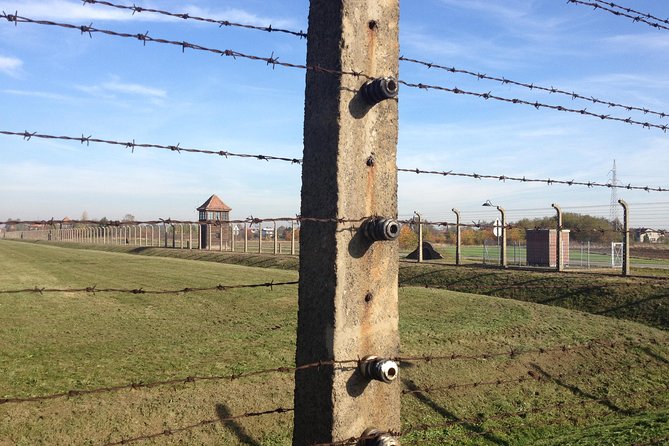
At $83.44 per person, this is not the cheapest way to reach Auschwitz-Birkenau. The price makes more sense when you count what is bundled in: round-trip transport from Krakow, a local live guide, headsets, and admission to the museum complex.
You are also paying for simplicity. Driving or arranging separate public transport may cost less in cash, but it puts the burden of timing and entry arrangements on you. This tour is useful if you want one organized day with a guide who explains both camps and returns you to central Krakow.
The value is strongest for a first visit. Auschwitz-Birkenau is not a place where I would want to spend the day worrying about directions, tickets, or how to get from Auschwitz I to Birkenau. A well-run vehicle and clear communication remove those concerns.
The value weakens if comfort and complete flexibility are your top priorities. You may share a full minibus, have little say over the departure time, and receive only a short break. A delayed or changed pickup can also disrupt your plans for the rest of the day.
The tour is popular enough that it is booked well in advance on average, around 49 days. That suggests you should not leave this visit until the last moment, especially during busy periods. The attraction operates under strict capacity and timing rules, so a free afternoon in Krakow is not a reliable substitute.
Communication, cancellation, and the return to Krakow
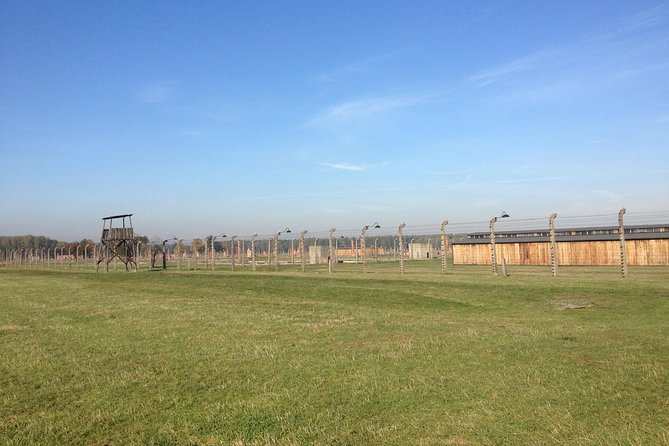
Communication before departure is generally a practical strength. Final pickup details are sent by the evening before, and the operator may contact you to confirm a change if a message has not reached you. Make sure the company has your correct phone number and hotel details.
There is one important risk. A few bookings have been cancelled or moved to very early departures shortly before the date. A late change from a mid-morning booking to a dawn pickup can be difficult, especially if you have onward plans or are traveling with older family members.
Free cancellation is available if you cancel at least 24 hours before the start time. Changes or cancellations inside that window are not accepted for a refund under the stated policy. If the operator proposes a major time change, contact them quickly rather than assuming the booking will adjust automatically.
The tour finishes in central Krakow at 2 Wielopole Street, regardless of whether you started with hotel pickup or at the main meeting point. That is convenient for returning to your hotel, finding food, or continuing your evening, though you should not schedule anything that depends on a precise arrival time.
Who should book this Auschwitz tour?
I would choose this tour if you are staying in Krakow and want a guided first visit without arranging transport yourself. It suits couples, families with older children, and visitors who want historical explanation rather than a quick look around.
It is also a good match if you value respectful interpretation. The best moments come from guides who connect the buildings with personal stories, explain the camp system clearly, and allow silence when words are no longer helpful.
Think twice if you dislike fixed schedules, crowded minibuses, or long days outdoors. You should also reconsider if a late change to your departure time would cause serious problems. The broad pickup window means you need flexibility.
Book it if the price fits your budget and you can accept the practical tradeoffs. Before paying, confirm the current meeting point, tell the operator your hotel, watch for the final departure message, and pack water, food, sun protection, and good shoes. The subject is painful, but a carefully guided visit can leave you with a clearer understanding of what happened and why this memorial must be treated with such care.
FAQ
How long does the tour take?
The full outing lasts approximately seven hours, including transport from Krakow, the museum visit, the transfer between sites, and the return journey.
Are Auschwitz I and Birkenau both included?
Yes. The museum visit covers Auschwitz I and Auschwitz II-Birkenau, with a guide explaining how the two parts of the complex functioned.
Is transportation included?
Yes. Transportation in an air-conditioned vehicle is included, along with a local live guide and headsets.
Is hotel pickup available in Krakow?
Pickup is available from selected Krakow hotels. You should provide your hotel details and contact the supplier no later than 24 hours before the tour to check whether pickup is possible.
Where is the main meeting point?
The main departure instructions identify the Kiss&Ride parking area at 2 Wielopole Street, next to the Main Post Office. The FAQ also identifies 7 Powisle Street, opposite the Sheraton Grand Krakow, so confirm the current location before departure.
When will I know the exact departure time?
The time selected when booking is tentative. The final departure time should be sent by 7 pm on the day before the activity. You should arrive at the chosen meeting point 15 minutes before the confirmed start time.
Can I cancel for a full refund?
Yes, if you cancel at least 24 hours before the experience starts. Cancellations or changes made less than 24 hours before the start time are not accepted for a refund.
Just added around Krakow
- From Krakow: Zakopane Full-Day Tour with Lunch Option★ 4.4 · 62 reviews
- From Krakow: Zalipie and Painted Village Guided Tour★ 4.0 · 4 reviews
- From Krakow: Zakopane and Dunajec River Rafting Tour★ 4.6 · 31 reviews
- From Krakow: Zakopane and the Tatra Mountains★ 4.7 · 36 reviews
- From Krakow: Zakopane and Gubałówka Cable Car Private Tour★ 4.3 · 12 reviews
- From Krakow: Zakopane Tatra Mountains & Hot Springs Tour★ 3.0 · 29 reviews
- Zakopane & Tatra Mountains Private Full-Day Tour from Krakow★ 4.5 · 33 reviews
- From Krakow: Hot Springs and Zakopane with Gubałówka★ 4.7 · 25 reviews
Auschwitz-Birkenau Tours from Krakow, compared.
Auschwitz-Birkenau Guided Tour & Hotel Pickup
Read our review →Auschwitz-Birkenau Guided Tour & Hotel Pickup
Read our review →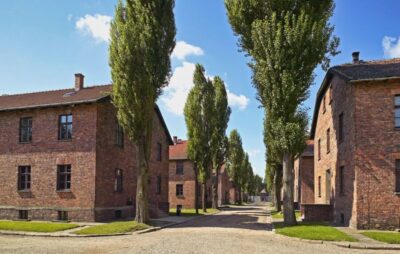
Auschwitz Guided Tour with Optional Hotel Pickup
Read our review →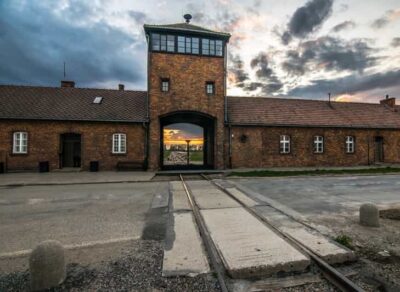
Auschwitz-Birkenau Guided Tour with Pickup & Lunch
Read our review →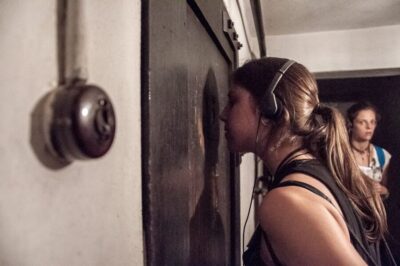
Auschwitz-Birkenau Guided Tour Pickup/Lunch Options
Read our review →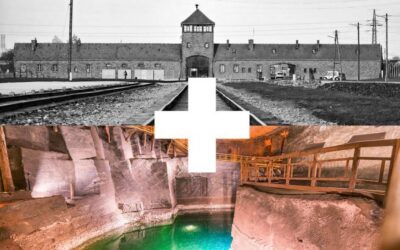
Krakow to Auschwitz Birkenau Guided Tour with Transfer and Ticket
Read our review →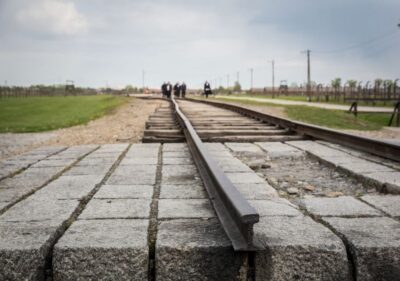
Browse the lists this tour appears in