
Reviewed · SCHINDLER'S FACTORY TOURS
Krakow: Schindler’s Factory Tour & Skip-the-Line Entry
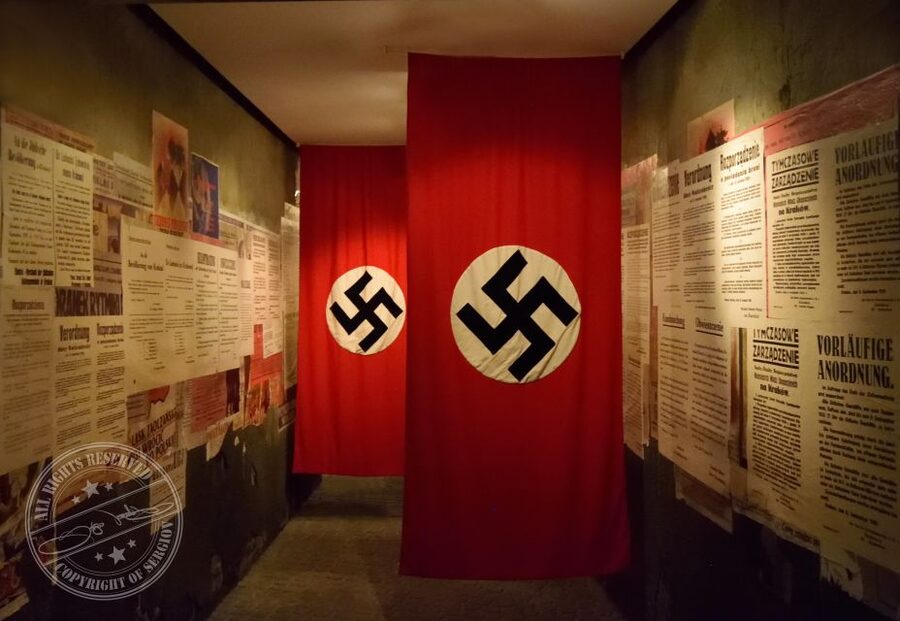
Krakow’s Schindler Factory is less a tour about one famous businessman than a sharp, moving account of the city under Nazi occupation from 1939 to 1945. You’ll enter the former enamel factory made famous by Schindler’s List, then follow a museum route through Polish, Jewish, and German experiences of the war.
I like the skip-the-line entry, which matters at a museum with timed admission and limited places. I also like the 90-minute guided format: a good guide gives shape to the many photographs, documents, films, and personal stories. The main drawback is clear: if you expect a close study of Oscar Schindler himself, the visit may feel more like a Krakow wartime museum than a factory tour.
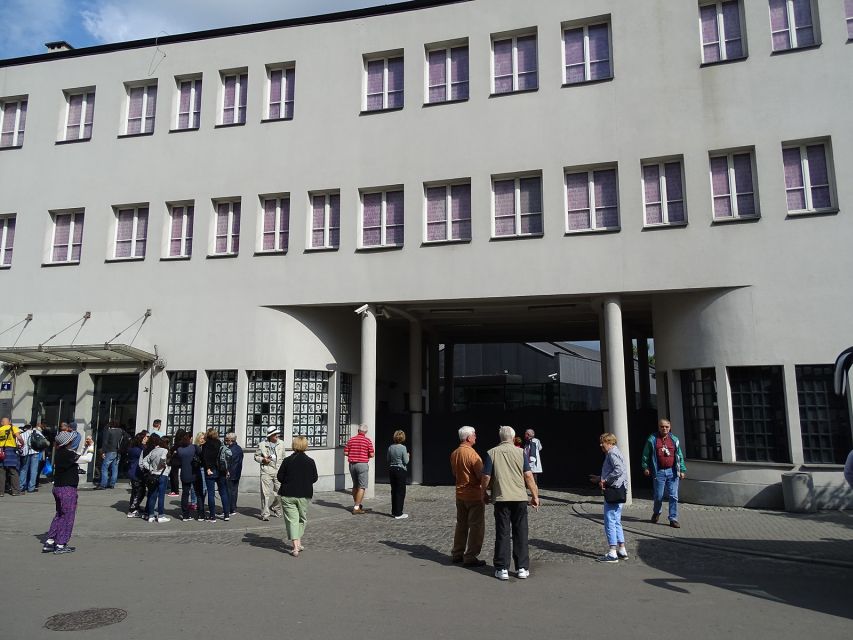
The guide meets you outside the museum’s main entrance at Lipowa 4, holding an excursion.city sign. Bring your passport or ID, leave large bags and food behind, and keep an eye on schedule messages because start times can change.
Key points to know before you go
- Schindler’s office survives inside the former factory administration building, giving the visit a direct link to the man made famous by Spielberg’s film.
- The museum covers Krakow from 1939 to 1945, with attention to Polish civilians, Jewish residents, and the Nazi occupation.
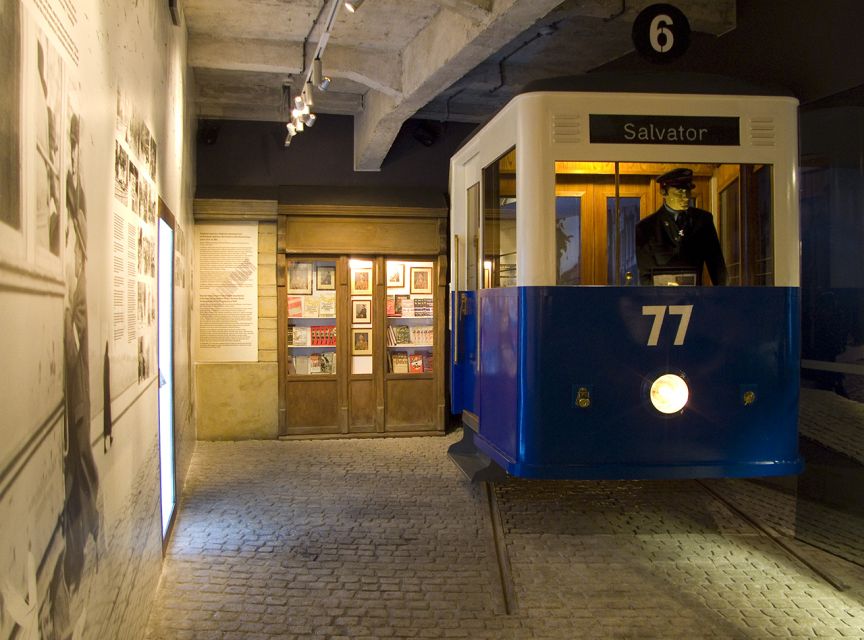
- The theatrical displays are a major part of the experience, including a recreated city, a tram film, a Jewish apartment, and the Hall of Choices.
- Skip-the-line admission saves useful time, especially because personalized tickets and limited museum capacity can make advance planning important.
- The guide’s narration is central, but you may have less time to read every panel at your own pace.
- The $49 price is strongest for visitors who want context and guidance, not for people seeking only a quick look at Schindler’s office.
Why this is not simply a Schindler tour
The name on the building sets an expectation. You may arrive hoping for a detailed account of Oscar Schindler’s life, factory work, and rescue efforts. The museum does include Schindler’s office and the story of the people he helped, but its main subject is larger: what happened to Krakow during the Nazi occupation.
That wider focus is useful. Schindler’s actions make little sense without the setting around him. The museum shows the city before the war, the disruption of Polish-Jewish life, the arrival of Nazi rule, and the pressure placed on ordinary people. You see how a city with centuries of shared Polish and Jewish life was violently changed.
I think the tour works best when you approach it as a guided museum visit about wartime Krakow, with Schindler as an important thread rather than the entire subject. That expectation matches the museum much better and lets you appreciate the full story.
More ways into Schindler's Factory in Krakow:
- Krakow: Oskar Schindler’s Factory Entry Ticket & Guided Tour
★ 4.2 · 3,793 reviews - Krakow: Schindler’s Factory Tour with Entrance Ticket
★ 4.5 · 3,182 reviews - Krakow: Schindler’s Factory Skip-the-Line Ticket
★ 4.4 · 3,105 reviews
Entering at Lipowa 4
The meeting point is outside the main entrance of the museum at Lipowa 4 in Krakow. Look for the guide holding an excursion.city sign. The guide handles the entrance and leads you into the permanent exhibition, so you do not need to work out the museum route on your own.
The skip-the-line feature is practical rather than flashy. This is not a perk that changes the subject matter, but it can protect your limited sightseeing time. Museum entry is tied to personalized tickets, and places are limited, so arriving with the correct identity document matters.
Bring a passport or ID card for every participant. From January 1, 2026, full names must be provided when booking, and the museum may refuse entry without the matching passport or ID. Large bags, food, and drinks are not allowed inside.
The first scenes: Krakow before and during occupation
The permanent collection places wartime Krakow in a citywide setting. You are not shown only a factory floor or a series of Schindler memorabilia. Instead, the exhibition follows the city and the people caught in the occupation.
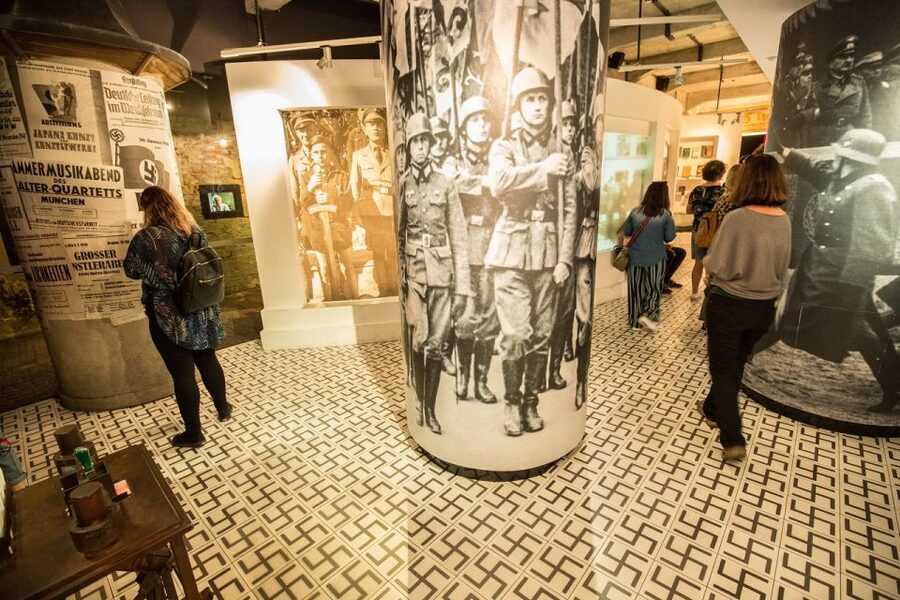
Expect documentary photographs, eyewitness accounts, film material, and multimedia presentations. These pieces help explain daily life rather than presenting the war as a list of dates. The focus includes Poles, Jews, and the Nazi occupiers whose policies broke apart established communities.
This part can be emotionally demanding. The subject is persecution, forced separation, violence, and the loss of normal city life. A guide can help connect one room to the next, but you should not expect a light museum outing. Give yourself a little quiet time before or after the tour if you know you need it.
The guide’s role is especially important here. A strong guide can explain names, places, and events without leaving you alone with dense panels. The tradeoff is that a spoken tour may move faster than your reading pace. If you want to study every caption, you may need to return independently or accept that you will not catch every detail during the 90 minutes.
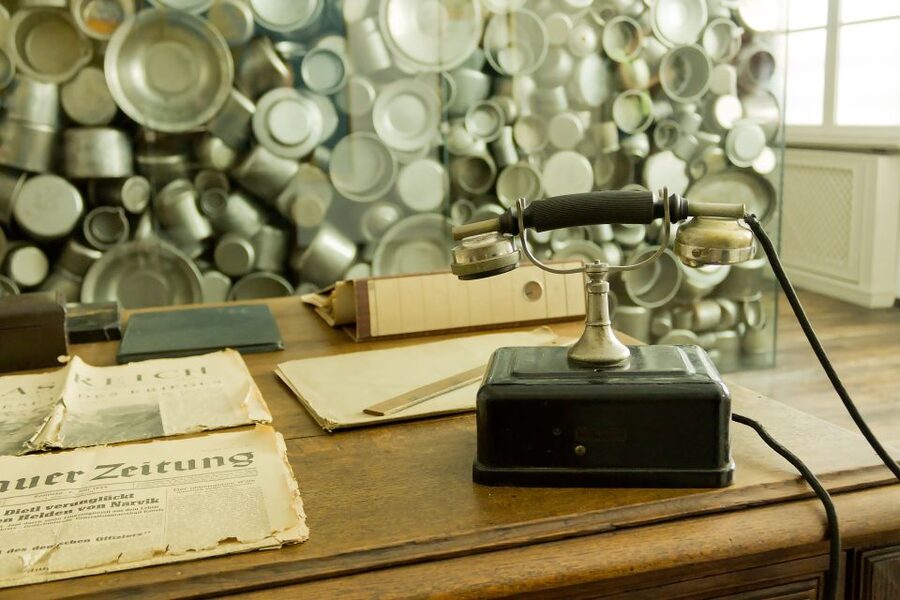
Oscar Schindler’s preserved office
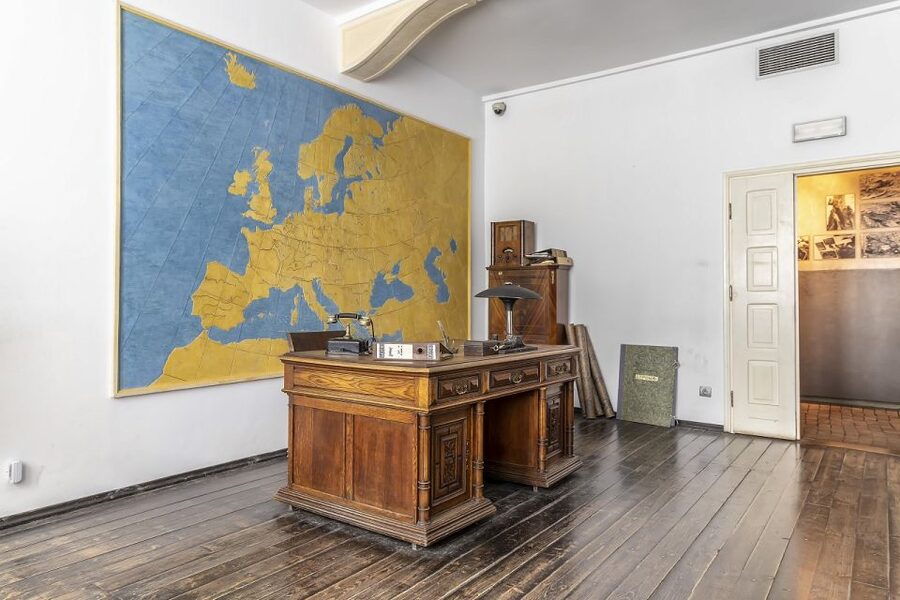
The preserved office is the clearest physical link to Schindler. Seeing the room inside the former factory administration building gives the visit a sense of place that a separate film exhibit could not provide.
You also see the Survivor’s Ark, made from thousands of enamel pots similar to those produced in the factory. It is both an arresting object and a symbol of the people connected with the factory during the war. The installation helps shift the focus from Schindler as a movie character to the workers and survivors whose lives were affected by the occupation.
Do not expect a large collection devoted only to Schindler’s personal possessions. The office is one stop within the broader museum route. Its value comes from its setting and meaning, not from a long display of private artifacts.
More skip-the-line tickets in Krakow:
- From Krakow: Wieliczka Salt Mine Tour & Skip the Line Ticket
★ 4.4 · 3,925 reviews - Schindler’s Factory in Krakow: Guided Tour & Skip the Line Ticket
★ 4.5 · 1,714 reviews - Auschwitz-Birkenau: Skip-the-Line Entry Ticket & Guided Tour
★ 4.4 · 1,038 reviews - Auschwitz-Birkenau: Skip-the-Line Ticket and Guided Tour
★ 4.2 · 1,034 reviews
A city recreated as a stage set
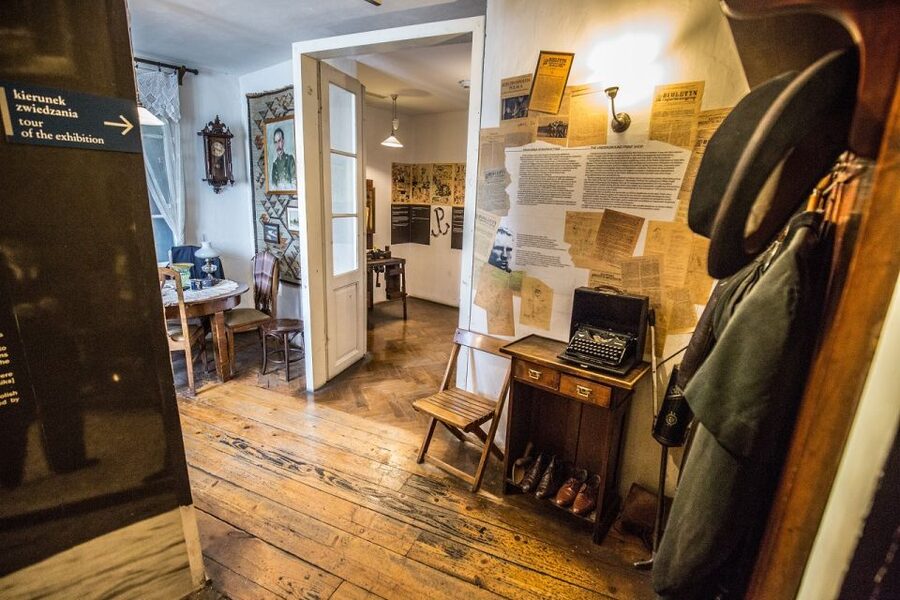
The exhibition uses theatrical and cinematic design developed by stage designer Michał Urban and theatre director Łukasz Czuj. This approach gives the museum a different feel from a standard room filled with glass cases.
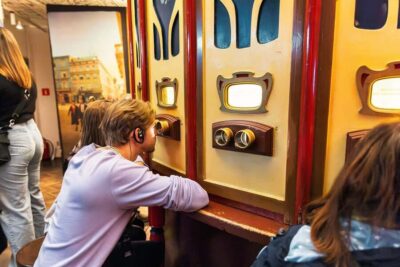
You move through a recreation of Krakow’s historical city space. Streets, rooms, images, sound, and objects create a guided path through the period. The design aims to show how daily life looked and felt as the occupation changed the city.
I like this method because it gives you a physical sense of place. A photograph of a street is useful, but a staged city setting can help you understand how public spaces, homes, and neighborhoods fit together. The drawback is that theatrical presentation will not suit everyone. If you prefer a quiet museum with long stretches of uninterrupted reading, the staged rooms and guided movement may feel busy.
The tram documentary and Jewish apartment
One stop includes a tram where you watch a documentary about everyday life in Krakow. The tram is an effective choice because it connects the war to ordinary movement through the city. You are asked to think about people going to work, crossing neighborhoods, and trying to maintain routines while political danger closed in around them.
The exhibition also recreates a typical Jewish apartment. This brings the story into a domestic setting. Instead of seeing only official documents and military events, you get a sense of how the occupation entered private life.
These sections are valuable for anyone who wants more than a broad military account. They put the emphasis on homes, streets, transport, and personal choices. At the same time, the amount of time available is limited. A guide may keep the group moving so the whole 90-minute route stays on schedule.
Plaszow artifacts and the Hall of Choices
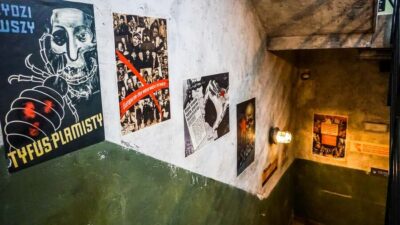
The museum includes artifacts from the Plaszow camp, adding another difficult part of the wartime story. The objects connect Krakow’s occupation to imprisonment, forced labor, and the destruction of Jewish life in and around the city.
The Hall of Choices is a sculptural installation about the ethical decisions people faced during the war. It is not simply a room of objects to glance at and leave. The installation asks you to consider what choices were possible, who had power, and how fear and self-interest shaped conduct.
I find this kind of material most useful when the guide allows a moment for thought instead of rushing to the next display. The subject does not offer easy moral answers. You may want to ask questions here, especially if you are trying to understand the difference between resistance, compromise, survival, and collaboration.
What the 90-minute format feels like
The advertised duration is 90 minutes, or 1.5 hours. That is enough for a clear guided introduction to the permanent exhibition, but not enough to absorb every panel and multimedia element at leisure.
A guide leads you through the main rooms and explains the key themes. The route includes Schindler’s office, the Survivor’s Ark, photographs and testimony, the staged city, the tram documentary, the Jewish apartment, Plaszow material, and the Hall of Choices.
Your experience will depend partly on the group and the guide. Small groups can make it easier to ask questions and keep a comfortable pace. One account describes a group of only three people, which allowed the guide to answer questions and slow down for a visitor with limited walking speed. Group size is not guaranteed, but the format can be personal rather than anonymous.
If you want to read every plaque, say so politely at the start. One practical compromise is to listen to the guide’s main explanation first, then return to a few displays that matter most to you if museum access and time allow.
The guide matters more than usual
This is a subject with many names, dates, and emotional turns. A guide who speaks clearly and welcomes questions can make the difference between a connected story and a blur of information.
The tour is offered in English, Spanish, Italian, French, and German. Strong English communication has been praised, and the guide-led format is often valued for being informative and interactive. The best approach is to treat the guide as your interpreter of the museum, not as someone who will replace every display.
You may hear personal connections to Krakow’s wartime story, but no specific guide is guaranteed. Guides can also vary in style. Some may explain continuously, while others may leave more space for you to look around. If you prefer plenty of independent reading, this is worth considering before you book.
Is $49 a fair price?
At $49 per person, this is not the cheapest way to enter a Krakow museum. You are paying for the entrance fee, a professional live guide, and skip-the-line access.
The price makes more sense if you have limited time, want the context explained in your own language, or prefer not to navigate a difficult subject alone. A guide can help you understand why the museum includes Polish and Jewish civilian life, Nazi occupation, factory work, and personal moral choices in one route.
The value is weaker if you mainly want to see Schindler’s office or take your time with every written display. In that case, the guided pace may feel restrictive, and the museum’s wider focus may not match your main interest.
I would consider the price reasonable for a first visit to Krakow’s wartime museums, especially if skip-the-line entry protects a tight schedule. It is less compelling for repeat visitors who already know the subject and want a slow, self-guided museum afternoon.
Who should book this experience?
I recommend it to you if you want a focused introduction to Krakow under Nazi occupation and prefer a guide to explain the setting. It suits first-time visitors, people interested in Polish-Jewish relations, and anyone who found Schindler’s List memorable but wants to understand the real city behind the film.
It is also a good fit if you are comfortable with emotionally heavy material and have only a short window for the museum. The 90-minute format gives you a firm structure.
I would be cautious if you want a detailed biography of Oscar Schindler, a quiet self-guided visit, or time to read every label. The museum is about Krakow during the war, not only about the factory owner and the film.
Practical details that can affect your visit
Book ahead because places are limited and admission uses personalized tickets. Choose a preferred time, but note that from January 1, 2026, the exact start time may change according to the museum’s schedule.
The tour includes entrance fees and a professional guide. Food and drinks are not included, and food and drinks are not allowed inside. Large bags and luggage are also prohibited.
Cancellation is flexible up to 24 hours before the scheduled visit for a full refund. You can also reserve and pay later, which helps if your Krakow plans are still shifting.
Should you book the Schindler Factory tour?
Book it if you want the museum’s difficult story explained clearly, with skip-the-line entry and a route through its strongest installations. The preserved office, Survivor’s Ark, tram documentary, Jewish apartment, and Hall of Choices give the visit plenty of substance.
Do not book it expecting a full-length Schindler biography or a leisurely reading session. For most first-time visitors, the guide and the wider Krakow focus justify the $49 cost. Just arrive with the right ID, keep your expectations broad, and allow the museum to tell the story of a city, not only one man.
FAQ
Where does the Schindler Factory tour meet?
The meeting point is at Lipowa 4, Krakow, outside the main entrance of the museum. The guide holds an excursion.city sign.
How long does the guided tour last?
The guided tour lasts 90 minutes, or 1.5 hours.
What languages are available?
The live tour guide is available in English, Spanish, Italian, French, and German.
Is museum admission included?
Yes. The entrance fee and professional guide are included.
Is skip-the-line entry included?
Yes. The activity includes skip-the-line entry to the museum.
Do I need to bring identification?
Yes. Bring a passport or ID card. From January 1, 2026, you must provide the full names of all participants when booking and bring matching identification for entry.
Can I bring food or drinks?
No. Food and drinks are not allowed inside the museum.
Can I bring luggage or a large bag?
No. Luggage and large bags are not allowed.
Can I cancel for a full refund?
Yes. You can cancel up to 24 hours in advance for a full refund.
Can I reserve now and pay later?
Yes. The activity allows you to reserve your place and pay later.
Just added around Krakow
- From Krakow: Zakopane Full-Day Tour with Lunch Option★ 4.4 · 62 reviews
- From Krakow: Zalipie and Painted Village Guided Tour★ 4.0 · 4 reviews
- From Krakow: Zakopane and Dunajec River Rafting Tour★ 4.6 · 31 reviews
- From Krakow: Zakopane and the Tatra Mountains★ 4.7 · 36 reviews
- From Krakow: Zakopane and Gubałówka Cable Car Private Tour★ 4.3 · 12 reviews
- From Krakow: Zakopane Tatra Mountains & Hot Springs Tour★ 3.0 · 29 reviews
- From Krakow: Zakopane & Tatra Mountains Tour★ 3.8 · 42 reviews
- Zakopane & Tatra Mountains Private Full-Day Tour from Krakow★ 4.5 · 33 reviews
Schindler's Factory Tours, compared.
Oskar Schindler’s Factory Entry Ticket & Guided Tour
Read our review →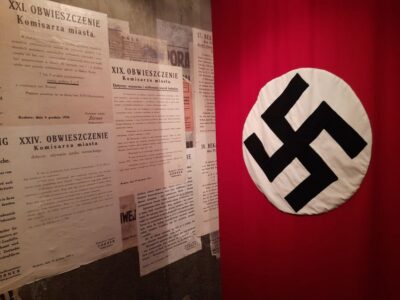
Schindler’s Factory Tour with Entrance Ticket
Read our review →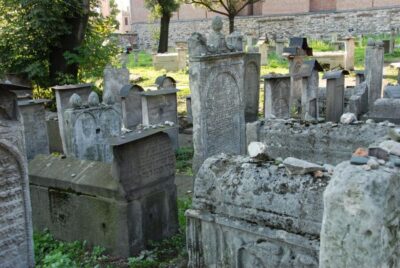
Schindler’s Factory Tour with Entrance Ticket
Read our review →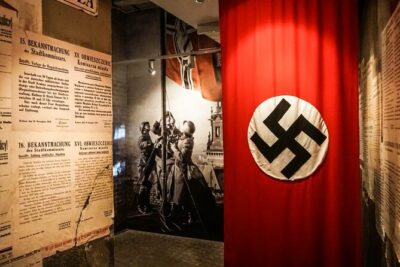
Schindler’s Factory in Krakow: Guided Tour & Skip the Line Ticket
Read our review →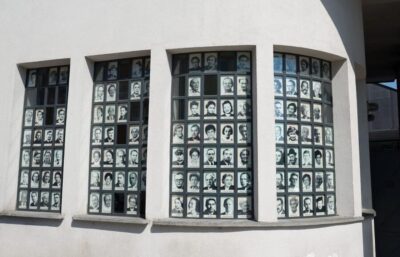
Schindler’s Factory Ticket with Guided Tour Option
Read our review →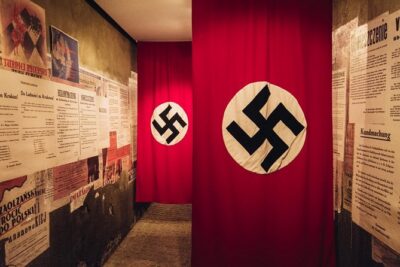
Krakow Schindler’s Factory Guided Tour with Admission Ticket
Read our review →Browse the lists this tour appears in