
Reviewed · AUSCHWITZ-BIRKENAU TOURS FROM KRAKOW
Krakow to Auschwitz-Birkenau Live Guided Tour & Hotel Pick-up
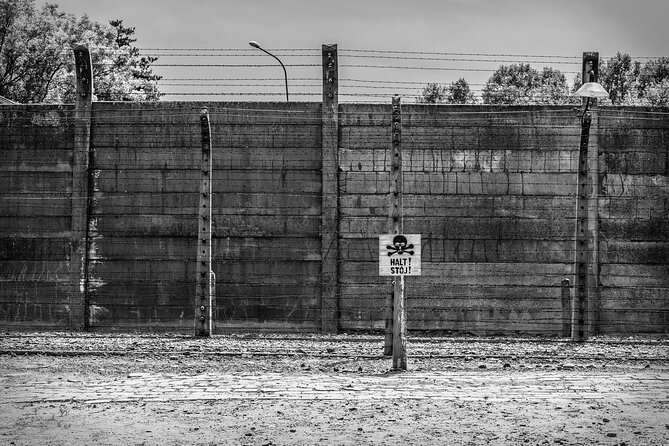
Auschwitz-Birkenau is not a sightseeing stop you simply check off. It is a place of evidence, silence, and enormous human loss. This tour takes you from Krakow to both camps, with a licensed museum guide explaining what you are seeing rather than leaving you to piece it together alone. Admission is included, and the day usually lasts about seven hours.
I like two practical things here. First, you can choose hotel pickup or a central Krakow meeting point, which makes the early start easier. Second, the English-speaking guide uses a headset, so you can hear the explanation while moving through the buildings. Drivers such as Michael, Peter, Bogdan, Patryk, and Łukasz have been praised for clear communication and calm assistance.
The main concern is the pace. Auschwitz-Birkenau involves substantial walking, uneven ground, stairs, and a tight schedule set partly by museum rules. Some people find the tour well paced, while others feel rushed and unable to pause. If you need extra time, use a wheelchair, or are traveling with an older relative, ask detailed questions before booking.
Key points to know before booking
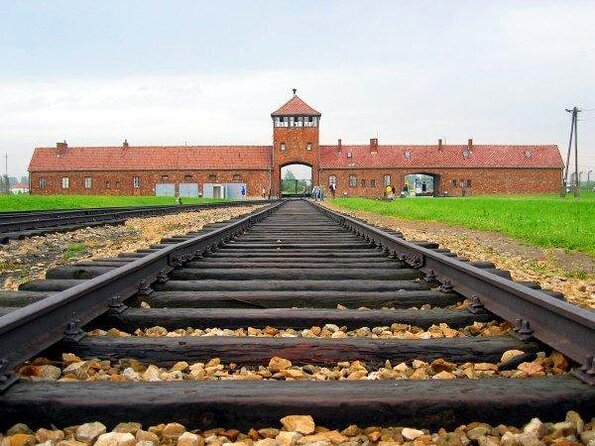
- Two separate camp sites: You visit Auschwitz I first, then Birkenau, also called Auschwitz II, about three minutes away by vehicle.
- Maximum group of 30: The museum limits group size, and the headset helps you follow the guide, though a larger group can still feel crowded.
- Pickup time can change: Your final departure time is confirmed the day before and may shift by 30 to 60 minutes, or occasionally more.
- Bring official ID: You must show a passport or identity card at the museum entrance.
- Pack a small snack: Lunch is not included, and the schedule leaves little time for a full meal between the two camps.
- Expect a physically demanding visit: Plan for walking, stairs, uneven surfaces, and outdoor exposure in changing weather.
From Krakow to Oswiecim in about 75 minutes
The day begins in Krakow, either at your selected hotel or at the central meeting point on Floriana Straszewskiego 17. The drive to Oswiecim is about 65 kilometers and normally takes roughly one hour and 15 minutes, though traffic can change that.
The exact pickup time is not always the time shown when you first book. The operator confirms it by email or WhatsApp 12 to 24 hours before departure. Departure can fall anywhere between 5:00 in the morning and 2:00 in the afternoon, depending on museum scheduling and traffic. That flexibility is useful for operations, but you need to keep your morning open.
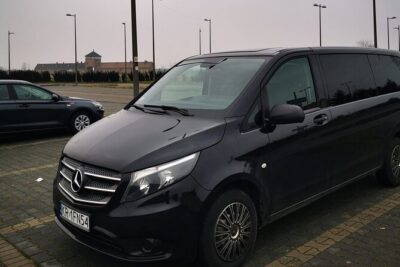
The transport portion is more than a simple ride. An English-speaking group leader helps with directions, timing, and the handoff to the museum guide. Several drivers have received warm praise for being friendly and helpful. One driver, Łukasz, was especially useful to a couple who became separated during security. Another, Michael, was noted for explaining the day clearly from the start.
Some departures use a smaller vehicle to collect people from hotels before transferring to a larger coach. A documentary may be shown during the ride, which gives you some background before arriving. It can help prepare you for the subject, though I would not treat it as a substitute for reading about the camp beforehand.
There is usually a short break after arrival. You may have time for coffee and a quick look at outdoor exhibits before meeting the licensed museum guide. Bring patience here. The schedule can feel slightly improvised when pickup times change, but those changes are linked to museum access and road conditions.
More Auschwitz-Birkenau trips in Krakow:
- From Krakow: Auschwitz-Birkenau Guided Tour & Hotel Pickup
★ 4.5 · 33,358 reviews - From Krakow: Auschwitz-Birkenau Guided Tour & Hotel Pickup
★ 4.5 · 29,340 reviews - Krakow: Auschwitz Guided Tour with Optional Hotel Pickup
★ 4.5 · 15,280 reviews
Auschwitz I and the meaning of the first gate
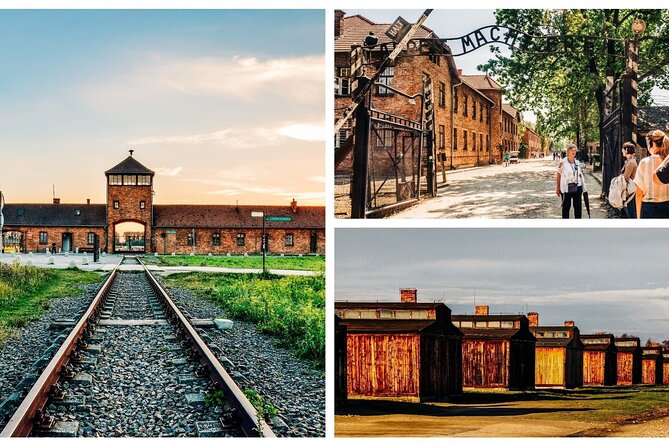
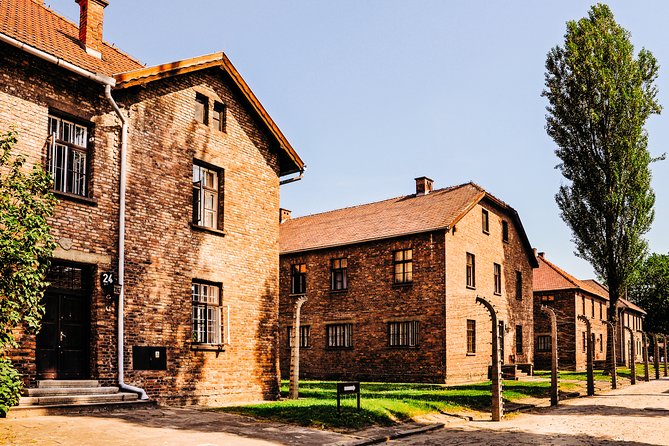
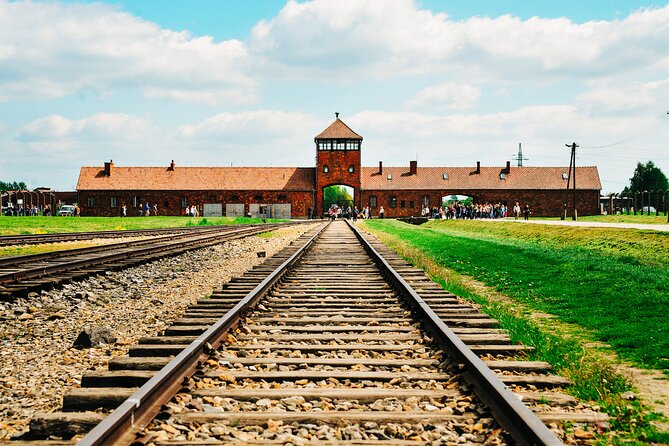
The first camp, Auschwitz I, is the more compact and built-up part of the memorial. You enter through the famous gate bearing the words Arbeit Macht Frei, then move among original barracks, walls, fences, gas chambers, and crematoria.
This section usually lasts about two hours. The guide leads the group through selected buildings and explains how the camp developed after Germany annexed Poland in 1939. Auschwitz I was first established as a concentration camp for Polish citizens arrested by the German authorities. The site later became part of the wider Nazi system of persecution and mass murder.
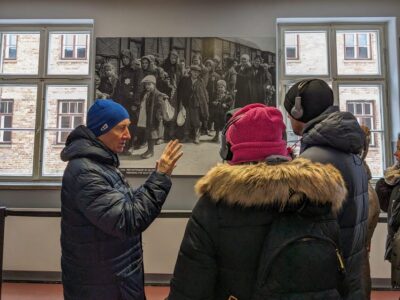
The value of a licensed museum guide is clear here. The buildings are real, but they do not explain themselves. A guide can place the rooms, objects, photographs, and surviving structures into a sequence that helps you understand how the camp functioned.
You receive a headset, which is important because the group can spread out and the camp may be busy. The museum permits groups of up to 30 people, so this is not a private visit. A group of that size remains manageable, but you should stay close and keep an eye on the guide.
The tone of the visit is formal and respectful. This is not a place for casual chatter or playful photographs. Pictures are generally permitted, but some clearly marked areas prohibit them. Follow the instructions from the museum staff and your guide.
The pace is the part that divides opinion. Some people find the structure helpful because it keeps the visit moving through a large amount of material. Others want more time to read information panels, stand quietly, or discuss what they have seen. You should expect the guide to keep to a schedule rather than offer unlimited time in each room.
The short transfer to Birkenau
After Auschwitz I, there is a break of up to 15 minutes before the group moves to Birkenau. The second camp is only about three minutes away by vehicle, but it feels very different.
This is a good moment to use the toilet, drink water, and eat a snack. The day does not include lunch, and the time between the two visits is too short for a regular restaurant meal. The supplied information gives mixed practical impressions about food facilities, so the safest plan is to bring something small with you. Do not count on finding a proper meal at the site.
The break also gives you a chance to reset emotionally. Auschwitz I presents many preserved buildings and indoor displays. Birkenau opens out across a much larger area, and the scale can be harder to take in.
Birkenau, the larger and more exposed camp
Birkenau, or Auschwitz II, was built in 1941 under orders from SS commander Heinrich Himmler. It was the largest camp in the complex, with capacity for around 90,000 prisoners. Its purpose was tied directly to the Nazi program of mass murder and the attempt to make occupied Europe Judenrein, meaning free of Jews.
The Birkenau portion normally lasts about 90 minutes. Your guide continues the explanation here, covering the brutal living conditions, selection process, and medical experiments carried out by Nazi doctors, including Josef Mengele.
Unlike the more enclosed first camp, Birkenau spreads across a broad outdoor site. You need to walk on uneven ground, and weather can affect your comfort. Wind, cold, rain, or heat may make the visit more tiring than the timetable suggests. One simple tip matters: wear sturdy shoes and bring layers, even if Krakow feels mild when you leave.
This is also where the physical demands become clearer. The full visit includes a lot of walking and some stairs. A person who is steady on their feet and comfortable walking for several hours should manage it, but the tour is not designed around frequent rest or a slow exploratory pace.
If you are visiting with a 75-year-old parent, anyone who uses walking aids, or someone with limited stamina, think carefully. The tour can still be meaningful, but the fixed timing may make it hard to keep up. One serious criticism concerned a participant who struggled to gather the group and felt the guide did not allow enough time. That experience will not be universal, but it points to a real limitation.
A handful more Krakow trips to weigh up
- Krakow: Auschwitz-Birkenau Guided Tour with Pickup & Lunch
★ 4.5 · 9,800 reviews - Krakow: Auschwitz-Birkenau Guided Tour Pickup/Lunch Options
★ 4.5 · 9,057 reviews - Krakow: Auschwitz-Birkenau and Salt Mine Guided Tour
★ 4.7 · 9,020 reviews - Krakow to Auschwitz Birkenau Guided Tour with Transfer and Ticket
★ 5.0 · 8,197 reviews
Why the guide matters so much
Auschwitz-Birkenau is a place where facts and human stories need careful handling. The best guides on this tour, including Anna, Michael, and others praised for their dignity and detail, do more than recite dates. They explain how the camps operated and give context to the surviving evidence.
A good guide also helps maintain respectful behavior. That matters in a place where large groups, school parties, and individual visitors may be moving through the same spaces. The guide’s job is not to entertain you. It is to make sure you understand the significance of what you are seeing and do not miss the essential information.
The headset system is useful, but it is not perfect. One person reported difficulty hearing because the guide’s clothing interfered with the microphone transmitter. If sound becomes unclear, tell the guide promptly and move closer when possible. Staying near the front of the group can also help.
You should not expect a private, reflective tour. The guide must follow museum procedures, and the group must move between timed sections. Still, several elements can make the day feel humane and well managed: clear instructions, regular head counts, help at security, and a driver who explains where to go next.
The return to Krakow and the real value of the price
The advertised price is about $30.17 per person, with admission and transport included. For a seven-hour trip from Krakow, that is strong value if you want a guided visit and do not want to arrange your own transport.
The price is less simple if you choose hotel pickup. The pickup option costs more than meeting at the central location, so compare the two choices before paying. Hotel service can save you an early walk through Krakow, but it does not always mean a private vehicle directly to your door. Group routing may require a transfer or a return to a central drop-off point.
The return drive takes about one hour and 15 minutes. You normally have a short chance to rest before heading back. The activity ends at the designated Krakow meeting point, though some hotel services may vary by route. One person had to walk more than 20 minutes after being dropped at a central location rather than at the hotel. That is worth clarifying before booking if you are tired, traveling with children, or have mobility concerns.
The value also comes from what you do not have to arrange. You do not need to buy museum admission separately, find the road to Oswiecim, coordinate the transfer between Auschwitz I and Birkenau, or locate a licensed museum guide. For many people, those details justify the cost.
There is free cancellation up to 24 hours before the start time. Cancellations or changes made less than 24 hours before departure are not accepted for a refund.
Who should choose this tour
I would recommend this experience to you if you want a structured first visit to Auschwitz-Birkenau, value an English-speaking guide, and prefer transport from Krakow rather than managing the journey yourself.
It suits:
- People interested in European and World War II history
- First-time visitors who want context as they move through the camps
- People comfortable walking for several hours
- Anyone who wants admission, transport, and guiding combined in one booking
- Visitors who can accept a fixed museum schedule and a group of up to 30
I would be cautious if you need a slow pace, long breaks, or detailed time with every information panel. The museum determines much of the timing, and the guide has to keep the group together. The visit is also emotionally heavy. The operator recommends it for people aged 13 and older, and I would take that advice seriously.
Bring your passport or identity card, a small snack, water, sturdy shoes, and clothing suited to outdoor conditions. Keep your carry-on small, no larger than 30 by 20 by 10 centimeters. Larger luggage can be left in the vehicle, but do not plan on bringing a full suitcase into the museum.
Should you book Krakow to Auschwitz-Birkenau?
Book it if you want an efficient, guided day with admission included and you are prepared for a serious, physically demanding visit. The strongest parts are the licensed museum guide, the helpful English-speaking group leader, and the simple transport from Krakow.
I would choose the central meeting point if you are staying nearby and want the clearest departure arrangement. Pay extra for hotel pickup only after checking the exact pickup and drop-off plan. Above all, choose this tour for structure and context, not freedom to wander.
Auschwitz-Birkenau deserves time, attention, and respect. This tour gives you a practical way to reach both camps and understand what you are seeing, but you need to accept the group format and fixed pace. For most fit visitors making a first visit from Krakow, that is a fair trade.
FAQ
How long does the Auschwitz-Birkenau tour from Krakow last?
The full experience lasts about seven hours, including transport from Krakow, the visits to both camps, breaks, and the return journey.
Is admission to Auschwitz-Birkenau included?
Yes. Admission to both Auschwitz I and Birkenau is included in the tour price.
Where does the tour start?
The central meeting point is Floriana Straszewskiego 17, 31-101 Kraków, Poland. Hotel pickup is also offered with the correct booking option.
Can the pickup time change after booking?
Yes. The final pickup time is confirmed the day before departure. It may change because of museum scheduling and traffic, usually by 30 to 60 minutes, though a larger change is sometimes required.
Do I need to bring identification?
Yes. You must bring a passport or identity card because the museum requires personal details to be confirmed at the entrance.
Is lunch included?
No. Lunch is not included, and there is not enough time for a regular meal between the Auschwitz I and Birkenau visits. Bring a snack.
Is the tour suitable for people with limited mobility?
The tour includes a lot of walking, uneven ground, and stairs. It may be difficult for anyone who is unsteady, has limited stamina, or needs a slower pace. The visit is also recommended for people aged 13 and older because of its traumatic subject matter.
Just added around Krakow
- From Krakow: Zakopane Full-Day Tour with Lunch Option★ 4.4 · 62 reviews
- From Krakow: Zalipie and Painted Village Guided Tour★ 4.0 · 4 reviews
- From Krakow: Zakopane and Dunajec River Rafting Tour★ 4.6 · 31 reviews
- From Krakow: Zakopane and the Tatra Mountains★ 4.7 · 36 reviews
- From Krakow: Zakopane and Gubałówka Cable Car Private Tour★ 4.3 · 12 reviews
- From Krakow: Zakopane Tatra Mountains & Hot Springs Tour★ 3.0 · 29 reviews
- Zakopane & Tatra Mountains Private Full-Day Tour from Krakow★ 4.5 · 33 reviews
- From Krakow: Hot Springs and Zakopane with Gubałówka★ 4.7 · 25 reviews
Auschwitz-Birkenau Tours from Krakow, compared.
Auschwitz-Birkenau Guided Tour & Hotel Pickup
Read our review →Auschwitz-Birkenau Guided Tour & Hotel Pickup
Read our review →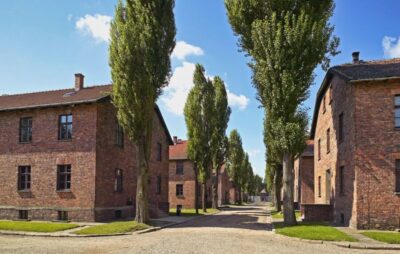
Auschwitz Guided Tour with Optional Hotel Pickup
Read our review →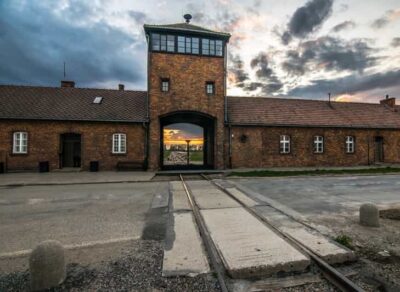
Auschwitz-Birkenau Guided Tour with Pickup & Lunch
Read our review →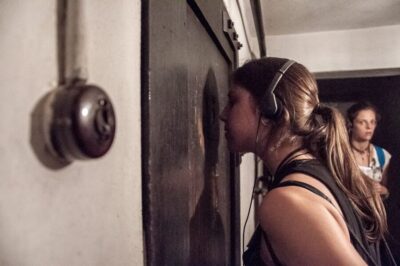
Auschwitz-Birkenau Guided Tour Pickup/Lunch Options
Read our review →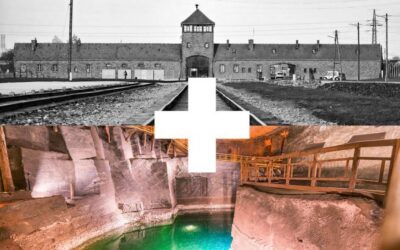
Krakow to Auschwitz Birkenau Guided Tour with Transfer and Ticket
Read our review →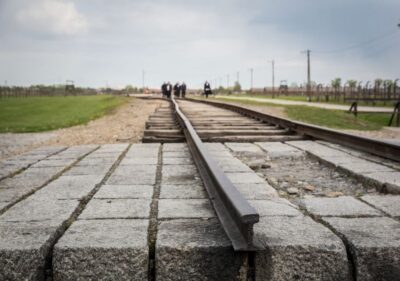
Browse the lists this tour appears in