
Reviewed · SCHINDLER'S FACTORY TOURS
Schindler’s Factory Museum Guided Tour – Krakow
The most powerful part of this museum is that it does not treat World War II as a distant military story. It follows ordinary people in occupied Krakow, using photographs, newspapers, documents, household objects, and film to show how war changed daily life. Schindler is here, but the city and its people remain the main subject.
I like the strong live commentary, which helps you understand what you are seeing instead of simply walking past display cases. I also like the clever route through the exhibition, including a tram scene, a cramped ghetto area, and a preserved office with its symbolic ark of pots. The main drawback is pace: 90 minutes is useful for an overview, but a group moving through a large museum cannot cover every detail.
Key points
- The museum tells Krakow’s wartime story, not only Schindler’s biography.
- A live guide adds context to photographs, documents, and everyday objects.
- The exhibition recreates parts of the ghetto and Płaszów camp experience.
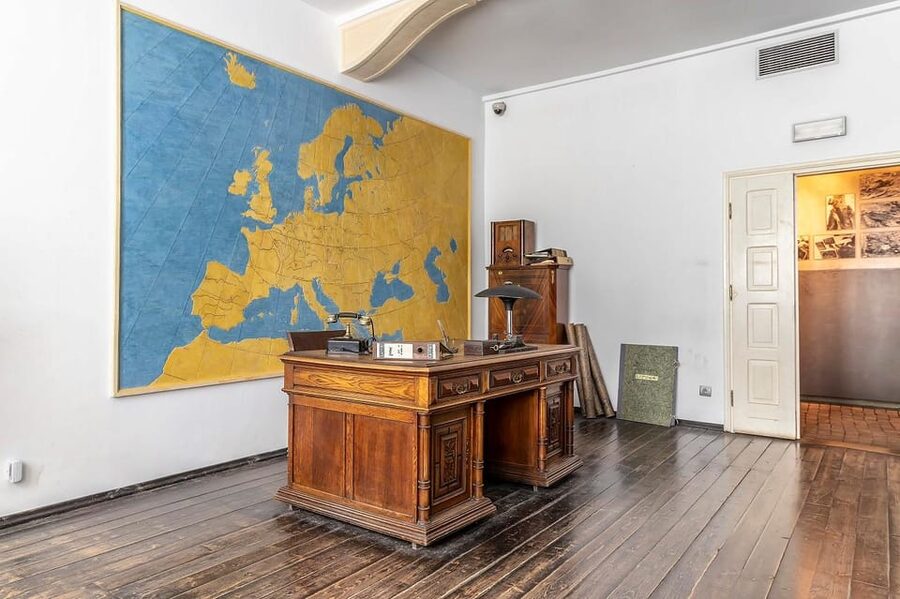
- Schindler’s preserved office contains an ark made from thousands of pots.
- The $50 price includes museum admission and a guided visit in several languages.
- A group format and fixed 90-minute length mean you will need to keep moving.
Entering Oskar Schindler’s Enamel Factory
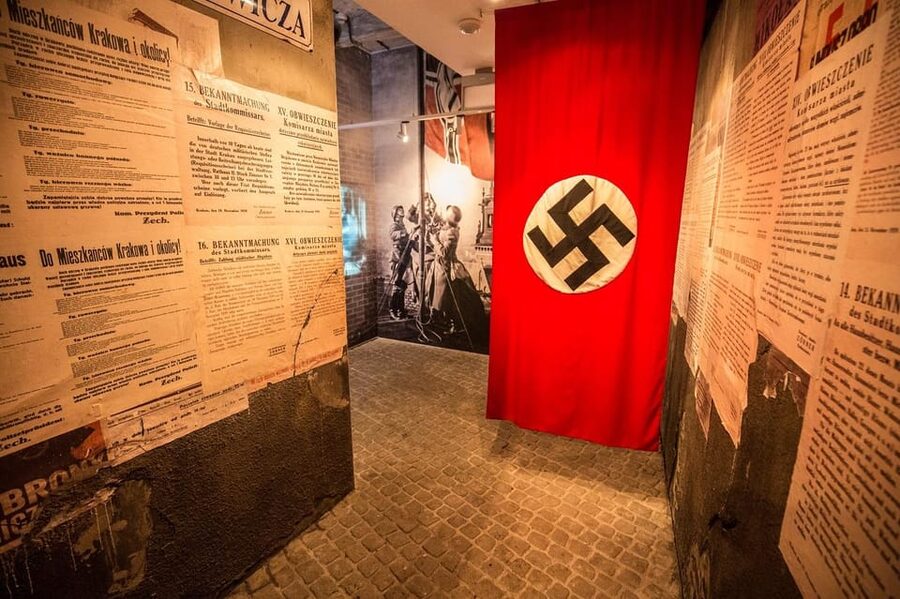
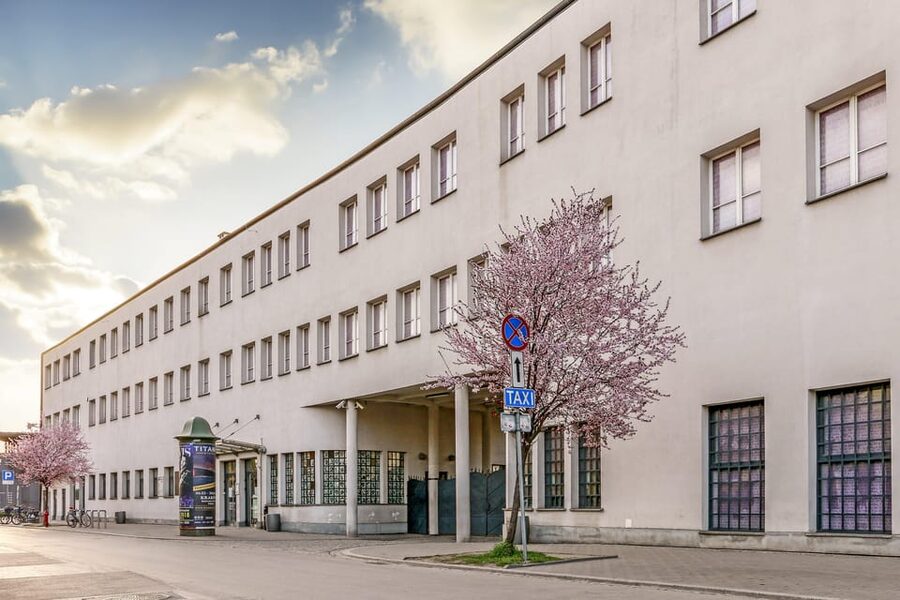
Schindler’s Factory Museum occupies the former administrative building of Oskar Schindler’s enamel factory in Krakow. The meeting point is directly in front of the entrance. Look for the person holding an excursions.city sign, then join the group before going inside.
This is an important place for anyone who knows the 1993 film, but the museum is not arranged as a simple movie memorial. Schindler’s name draws many people here, yet the exhibition uses his factory and wartime actions as part of a much wider account of Krakow between 1939 and 1945.
That wider focus is one of the museum’s strengths. You are not given only a heroic story about one factory owner. Instead, you see how occupation affected Jewish and non-Jewish residents, workers, families, and officials. The result is more complicated, and more useful, than a polished portrait of one man.
The tour lasts 90 minutes. That gives you enough time to understand the main route and key themes, but not enough time to study every newspaper, photograph, document, or object at length. I would treat this as a guided introduction rather than a final, leisurely examination of the museum.
More ways into Schindler's Factory in Krakow:
- Krakow: Oskar Schindler’s Factory Entry Ticket & Guided Tour
★ 4.2 · 3,793 reviews - Krakow: Schindler’s Factory Tour with Entrance Ticket
★ 4.5 · 3,182 reviews - Krakow: Schindler’s Factory Skip-the-Line Ticket
★ 4.4 · 3,105 reviews
A city at war through everyday objects
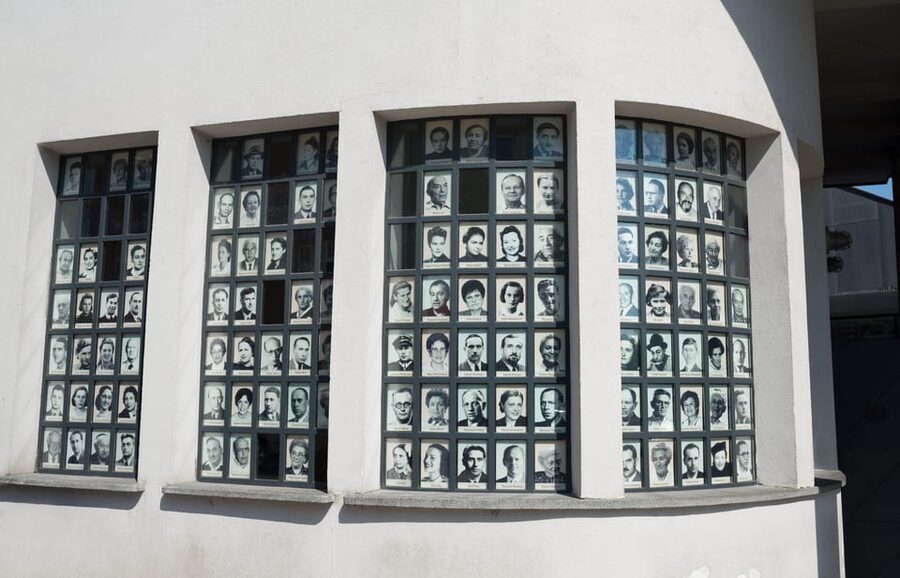
The permanent exhibition presents World War II in both personal and collective terms. That distinction matters. Large events can feel abstract, but a personal document or household object puts the pressure of occupation at human scale.
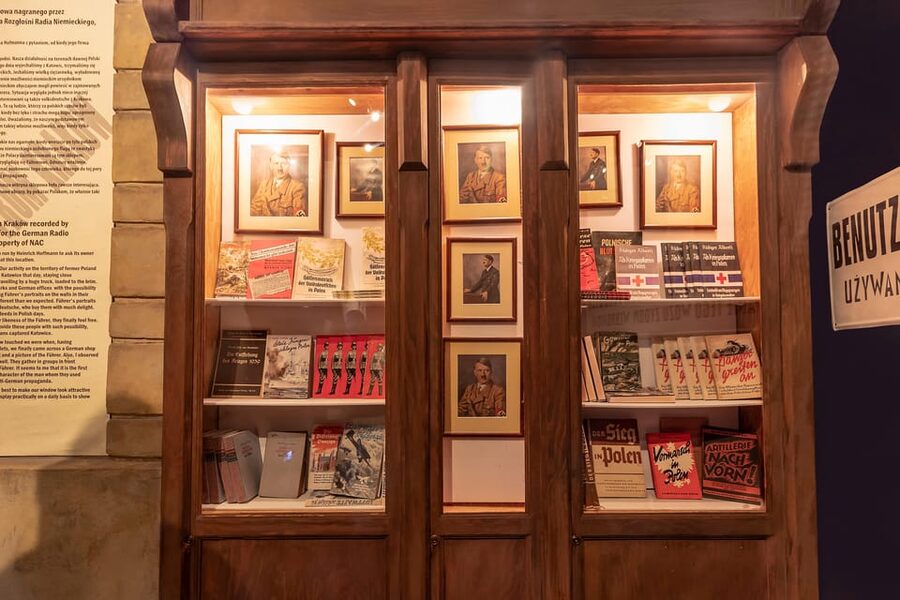
You will encounter ordinary objects, photographs, newspapers, and personal and official documents. These materials show how people lived under rules and threats that changed their jobs, homes, movement, and sense of safety. The exhibition uses them to connect the broad story of the war with the daily life of occupied Krakow.
A guide is particularly useful here. Without explanation, a display of papers or objects can be easy to pass by. With live commentary, you get the setting and the reason a small item matters. The guide also connects separate parts of the exhibition, so the visit feels like a story rather than a series of unrelated cases.
The museum uses multimedia treatments as well as physical artifacts. You might see film, reconstructed spaces, and visual scenes that make the city easier to picture. These methods are not simply decoration. They help you understand how public life and private life changed under occupation.
Still, the emotional presentation is not light. This is a museum about persecution, fear, loss, and survival. I would not plan it as a casual attraction between lunch and shopping. Give yourself a little quiet time afterward, especially if you are visiting with children or with someone who finds war museums difficult.
Following the route through wartime Krakow
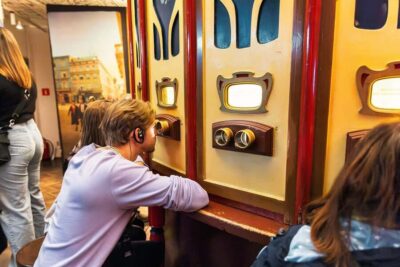
The route takes you through several scenes linked to life in the occupied city. It includes a photographer and a tailor, an authentic photo studio, a tram with film showing city life, a maze-like ghetto area, a Jewish apartment, and a section connected with the Płaszów camp.
Each stop offers a different way into the story. The photographer and tailor settings point toward the trades and routines that continued, changed, or came under pressure during the war. They give the exhibition a human scale. Instead of seeing only dates and political decisions, you see places linked to work, clothing, images, and ordinary urban life.
The photo studio is especially useful because photographs can feel both personal and official. They may record people as individuals, while also showing how the city wanted to present itself. The guide’s role is to help you read these images in context rather than treating them as background decoration.
The tram is one of the exhibition’s most memorable devices. You sit or move through a tram-like setting while film of Krakow’s life appears through the windows. It gives you the sense of looking at the city while passing through it, a sharp contrast to the static displays found in many museums.
This part also helps explain why the exhibition works best with a guide. You can see the images on your own, but the live commentary links them to the changing conditions of the city. A strong guide helps you notice how the exhibition moves from normal routines toward restriction, separation, and violence.
The ghetto apartment and Płaszów
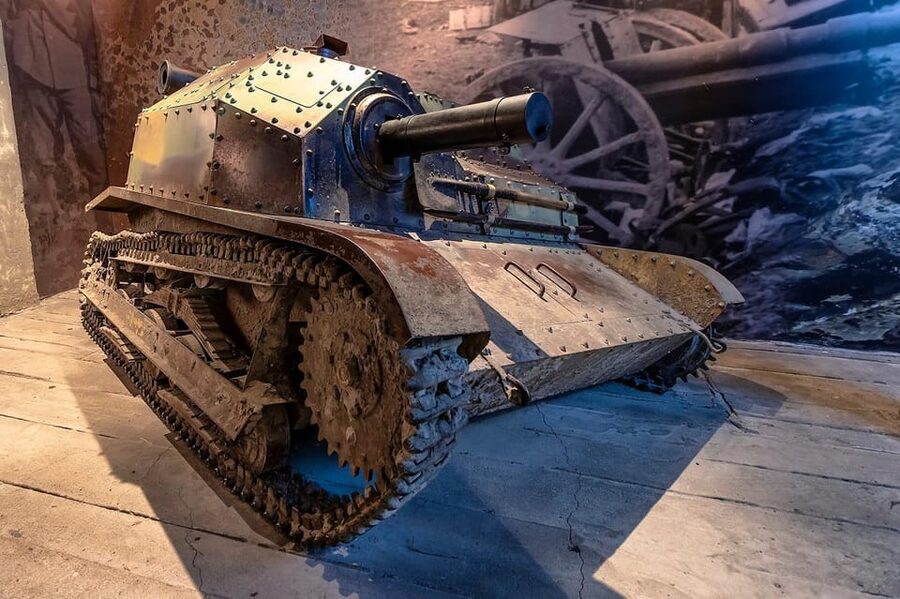
The route then becomes more confined and unsettling. You pass through a tight labyrinth representing the ghetto, including a Jewish apartment located within it. The setting shifts from public streets and workplaces to private space under extreme pressure.
The apartment matters because it gives the persecution story an intimate setting. A ghetto was not only a line on a map or a political order. It meant families living in limited space, with ordinary domestic life forced into an abnormal and dangerous situation.
The tour then leads toward Płaszów, the camp associated with the later stage of this story. The exhibition places you together with the city’s inhabitants as their circumstances worsen. This is a clear change in mood, and the sequence makes the progression easier to understand than a collection of separate displays would.
You should expect this section to be emotionally heavy. The museum does not present the war only as a sequence of military events. It shows how quickly the space available to people could shrink, both physically and socially. The ghetto maze and camp section make that change tangible.
The drawback is again time. A guide has to keep the group moving, and you may want longer with the apartment, documents, or camp material than the schedule allows. If you are drawn to detailed reading, note the parts you want to revisit and return independently if your plans allow. The guided visit gives you the map; it may not satisfy every question.
More museums and exhibitions in Krakow:
- Auschwitz-Birkenau Museum and Memorial Guided Tour from Krakow
★ 4.5 · 1,510 reviews - Krakow: Rynek Underground Museum Guided Tour
★ 4.6 · 1,122 reviews - Krakow Schindler’s Factory Museum Guided Tour in English
★ 4.5 · 650 reviews - Krakow: Auschwitz Birkenau Museum Guided Tour with Pickup
★ 3.6 · 544 reviews
Schindler’s office and the ark of survivors
Oskar Schindler appears most directly in his preserved office in the factory’s administrative building. This is the place where the personal connection to the film and the historical figure becomes strongest.
The office helps ground Schindler in a real workplace rather than turning him into a purely cinematic character. His wartime actions are presented as part of Krakow’s complicated story, including the fact that he saved more than a thousand Krakow Jews.
A striking feature here is the symbolic ark of survivors, made from thousands of pots resembling those produced by his employees during the war. It is a memorable object because it joins the factory’s industrial purpose with the people whose lives were saved. The pots are not just a reference to factory production. In this setting, they represent lives carried through a period of mass danger.
I like that the exhibition does not allow Schindler to swallow the entire museum. If you come mainly because of the film, you still get the office and the connection you expect. But you also leave with a stronger sense of the city, its residents, and the many people who lived through occupation without becoming famous.
The film connection is a reason many people want to visit this place, and that is perfectly understandable. Just keep your expectations in check. This is not a walk through movie sets or a biographical museum devoted only to Schindler. It is a wartime Krakow museum that includes his factory, office, and rescue effort.
Why a guided visit helps
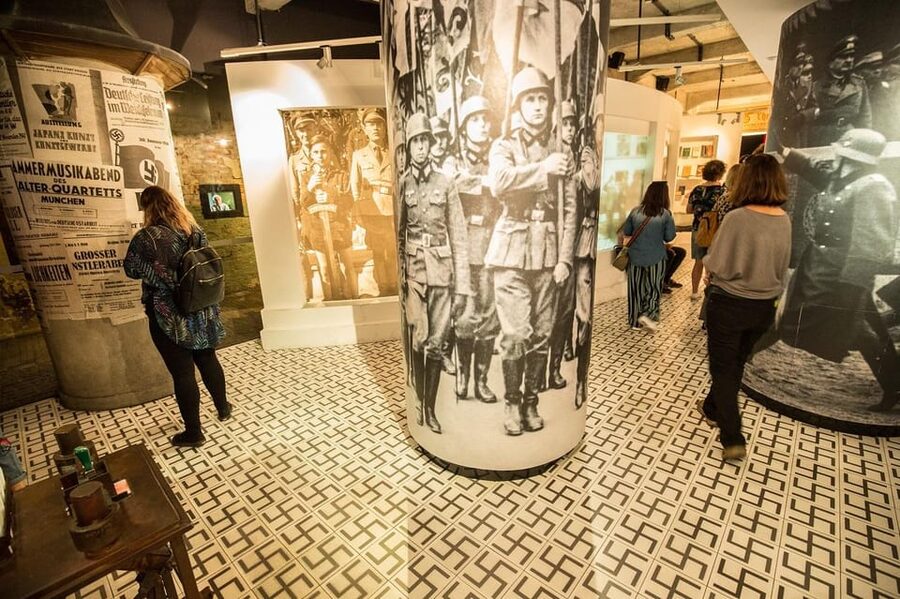
A live guide changes the experience most in the transitions between spaces. You get explanations about how the exhibition’s scenes fit together, what the objects represent, and why the city’s story is told through personal material as well as official records.
The guide also keeps the visit focused. A museum with photographs, papers, objects, multimedia displays, and recreated areas can become confusing if you do not know how the sections relate. The tour gives you a clear path through the main themes in 90 minutes.
The available languages are English, French, German, Italian, and Spanish. No individual guide name is provided when booking, so you should choose the language that suits your group rather than expect a particular presenter.
The strongest guide will help you understand Krakow from 1939 to 1945 rather than offering constant praise for Schindler. That balance is important. The most useful interpretation here places his actions within the city’s wartime story, instead of presenting him as the sole subject.
A group tour also has limits. You cannot usually set the pace for every display, and a question may need to wait while the group moves onward. One 90-minute visit is not enough for the entire museum’s content, especially if you read every caption. You are paying for direction, context, and admission, not unlimited time with every case.
Is $50 good value?
The price is $50 per person and includes the professional guide and museum entrance ticket. Whether that is good value depends on how much help you want inside the exhibition.
If you prefer to walk quietly and read at your own pace, the group format may feel restrictive. You will be sharing the route with other people, and the schedule is built around the group rather than your personal interests.
If you want the museum explained in a clear sequence, the price is easier to justify. The guide helps you connect the tram, ghetto, apartment, Płaszów section, factory, and office into one account. You also skip the ticket line, which is useful when your Krakow schedule is tight.
The most praised part of this experience is the guide’s commentary. The clearest benefit of paying for the tour is not simply getting through the door. It is having someone explain the city from 1939 to 1945 while you are standing among the objects and reconstructed spaces.
A 4.5 rating from 15 reviews suggests a strong overall response, while the mixed detail is worth noting: the content can feel too fast for the full museum. I would call $50 fair for a first visit with commentary, but less attractive if you want a slow, research-style museum session.
Timing, access, and practical details
The activity lasts 90 minutes, and starting times depend on availability. The tour is wheelchair accessible, an important point for anyone planning around mobility needs.
It is a group tour, so arrive ready to follow a shared pace. The meeting point is in front of the museum entrance, where you should look for the excursions.city sign.
The tour is offered in English, French, German, Italian, and Spanish. You should confirm your preferred language when booking, since the guide’s commentary is central to the value of the visit.
Free cancellation is available up to 24 hours before the activity for a full refund. You can also reserve now and pay later, which helps if your Krakow schedule is still changing.
There is an important rule for visits from January 1, 2026. Museum times are approximate and may change because of the museum’s scheduling. You may choose a preferred time, but it is not guaranteed. You must also provide the full names of all participants and bring a passport or ID for entry because the museum uses personalized tickets. Without those documents, entry may be refused.
Who will get the most from this tour?
I would choose this tour if you are visiting Krakow for the first time and want a clear introduction to the city’s wartime experience. It also suits anyone who has seen the film and wants to understand the real factory, office, and surrounding history without reducing the visit to movie nostalgia.
It is a good fit for people who prefer human stories to military timelines. The exhibition’s photographs, domestic objects, documents, and recreated rooms help you understand occupation through the lives of residents.
I would be more cautious if you dislike group tours or need a long time with every display. The 90-minute route is focused and useful, but it will not let you absorb the entire museum at a slow pace.
Families should consider the subject matter carefully. The museum presents persecution, the ghetto, and a camp, so the emotional weight may not suit every child. The accessible route and live explanation are practical advantages, but the content remains serious.
Should you book Schindler’s Factory guided tour?
Book it if you want the museum’s many parts tied together by a guide. The strongest reasons are the clear wartime context, the preserved office, the symbolic ark of pots, and the route from everyday Krakow to the ghetto and Płaszów.
Skip the guided option if your main goal is quiet, detailed reading and you already know the subject well. You may prefer more time than a 90-minute group schedule allows.
For most first-time visitors, I think the guide is worth the extra cost. You will see Schindler’s workplace, but you will also gain a wider understanding of the people and city caught in the war. That broader focus is what makes the visit more than a film stop.
FAQ
How long does the Schindler’s Factory guided tour last?
The tour lasts 90 minutes.
What is included in the price?
The $50 price includes a professional guide and the entrance ticket to the museum.
Where is the meeting point?
Meet in front of the entrance to Oskar Schindler’s Enamel Factory. Look for the person holding an excursions.city sign.
Is this a private tour?
No. This is a group tour.
Which languages are available?
Live tours are available in English, French, German, Italian, and Spanish.
Is the museum tour wheelchair accessible?
Yes, the activity is listed as wheelchair accessible.
Can I cancel for a full refund?
Yes. You can cancel up to 24 hours in advance for a full refund.
Can I reserve now and pay later?
Yes. The activity allows you to reserve your place and pay later.
Do I need identification to enter?
For visits from January 1, 2026, you must provide the full names of all participants when booking and bring a passport or ID. The museum uses personalized tickets, and entry may be denied without these documents.
Just added around Krakow
- From Krakow: Zakopane Full-Day Tour with Lunch Option★ 4.4 · 62 reviews
- From Krakow: Zalipie and Painted Village Guided Tour★ 4.0 · 4 reviews
- From Krakow: Zakopane and Dunajec River Rafting Tour★ 4.6 · 31 reviews
- From Krakow: Zakopane and the Tatra Mountains★ 4.7 · 36 reviews
- From Krakow: Zakopane and Gubałówka Cable Car Private Tour★ 4.3 · 12 reviews
- From Krakow: Zakopane Tatra Mountains & Hot Springs Tour★ 3.0 · 29 reviews
- Zakopane & Tatra Mountains Private Full-Day Tour from Krakow★ 4.5 · 33 reviews
- From Krakow: Hot Springs and Zakopane with Gubałówka★ 4.7 · 25 reviews
Schindler's Factory Tours, compared.
Oskar Schindler’s Factory Entry Ticket & Guided Tour
Read our review →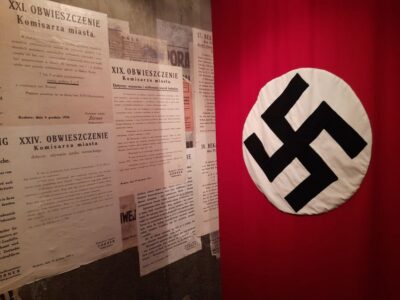
Schindler’s Factory Tour with Entrance Ticket
Read our review →
Schindler’s Factory Tour with Entrance Ticket
Read our review →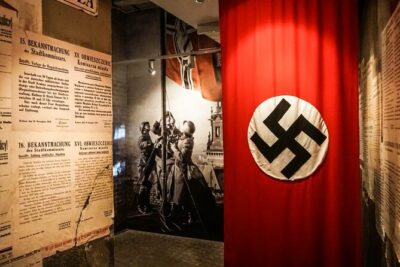
Schindler’s Factory in Krakow: Guided Tour & Skip the Line Ticket
Read our review →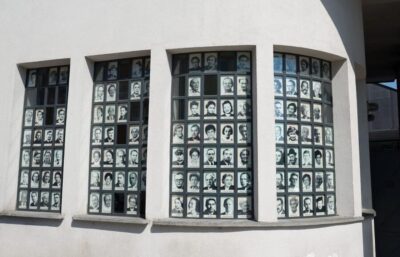
Schindler’s Factory Ticket with Guided Tour Option
Read our review →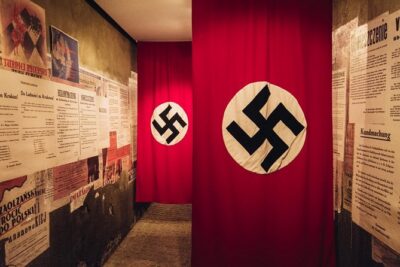
Krakow Schindler’s Factory Guided Tour with Admission Ticket
Read our review →Browse the lists this tour appears in