
Reviewed · SCHINDLER'S FACTORY TOURS
Schindler’s Factory Museum
Schindler’s Factory Museum is less a shrine to one man than a sobering account of how an entire city changed under Nazi rule. The exhibition follows Krakow before, during, and after the war, with the story of Oskar Schindler woven into the larger human drama.
I like the local Spanish-speaking guide, who can explain Polish history rather than simply point out display cases. I also like the small group limit of 15, which should make it easier to hear and ask questions. The main drawback is that visitors expecting a long, detailed portrait of Schindler himself may find the focus too broad.
- The museum tells Krakow’s wartime story, not only Schindler’s biography.
- A Spanish-speaking local guide leads the approximately 90-minute visit.
- The meeting point is at Lipowa 4F, the address of Schindler’s Factory Museum.
- Advance booking matters, since unticketed visitors may face a long queue.
- The exhibition can take two hours or more if you stop to read everything.
- The recommended minimum age is 14, given the subject and presentation.
What You Are Really Seeing at Schindler’s Factory
The name can create a very specific expectation. You may picture a museum devoted mainly to Oskar Schindler, the German industrialist made famous by the film Schindler’s List. In practice, this experience gives you a wider view of Krakow under Nazi occupation.
Schindler’s enamel factory is the setting, and Schindler’s effort to protect more than 1,000 Jewish workers is a key part of the story. Yet the exhibition also follows the lives of Krakow’s Jewish and non-Jewish residents, the arrival of German forces, the destruction of normal civic life, and the pressures of survival.
That wider scope is both the museum’s strength and its possible weakness. I find it more useful than a single-hero story because it shows how laws, fear, propaganda, forced labor, and daily choices affected a whole population. If you mainly want details about Schindler’s private life and business dealings, you may feel that his part receives less attention than expected.
The factory building connected with the museum is not presented as a simple preserved workplace where every room looks as it did during the war. The museum occupies the former administrative building, while the main factory building is used for another purpose. That distinction is worth knowing before you arrive.
Following Krakow From Peace to Occupation
The visit moves through a timeline, beginning with Krakow before the war and then showing how quickly the city’s situation changed. This gives the guide room to explain Poland’s political and social setting before 1939 instead of starting with Nazi occupation as an isolated event.
That context matters. Without it, the exhibition can feel like a long sequence of photographs, posters, uniforms, and personal objects. With an explanation of what Krakow was like before the invasion, you can better understand what was lost and why the occupation reshaped every part of city life.
Your guide may discuss both Jewish and non-Jewish communities, the early stages of the war, and the rules imposed by the occupying power. The material is not arranged as a light sightseeing stop. You will encounter difficult subjects and images, and some displays require concentration.
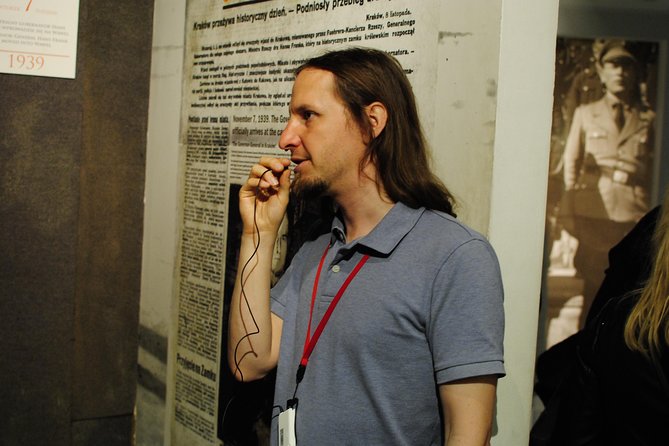
The guide’s role is especially useful here. The exhibition contains a great deal of written information, much of it placed along a fixed route. A local guide can select the important points, explain terms, and connect individual objects to the larger story. A good guide also helps you avoid spending the entire visit reading every panel with little sense of how the pieces fit together.
More ways into Schindler's Factory in Krakow:
- Krakow: Oskar Schindler’s Factory Entry Ticket & Guided Tour
★ 4.2 · 3,793 reviews - Krakow: Schindler’s Factory Tour with Entrance Ticket
★ 4.5 · 3,182 reviews - Krakow: Schindler’s Factory Skip-the-Line Ticket
★ 4.4 · 3,105 reviews
Schindler’s Role Comes Into Focus Later
Schindler’s part in the story becomes more prominent as you progress. The museum explains how his factory operated during the occupation and how his position helped him protect Jewish workers from deportation and death.
Still, do not expect the entire 90 minutes to focus on him. The tour presents Schindler as one person operating inside a much larger system of persecution and war. That approach may feel restrained if you arrive because of the film, but it keeps the museum from turning a mass tragedy into a simple tale of one rescuer.
The exhibition’s treatment of Schindler also helps you separate cinema from history. The film may be your reason for coming, but the museum is concerned with Krakow’s population as a whole. You are likely to leave with a clearer sense of why Schindler mattered, while also understanding that his story does not represent every experience in the city.
Some past guides have been praised for adding personal and family connections to the subject. Guides named Damian and Lucy, for example, have led visits that linked the museum’s material to memories passed down through Polish families. The current experience is listed with a local guide in Spanish, so the exact guide and speaking style depend on the departure.
The Exhibition Is Powerful, Crowded, and Text Heavy
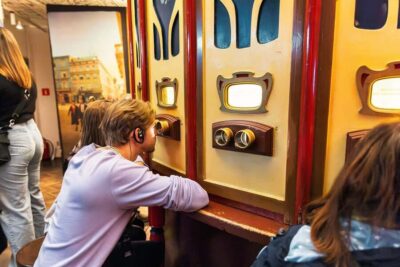
The museum is not a quick room with a few famous objects. It uses photographs, posters, personal belongings, documents, and period displays to build a route through the occupation. Some sections are placed in narrow corridors, and the flow can feel tight when visitor numbers rise.
Crowds are the main practical concern. Unticketed visitors have reported queues of roughly 45 minutes, and the entrance arrangement can be confusing when ticket holders, guided groups, and people hoping to buy admission gather in the same area. This is one reason the skip-the-line element has real value, even though it does not guarantee a quiet museum.
Inside, the displays can also become crowded. Red lighting and tightly arranged presentation areas may not suit everyone, and some information is easier to absorb than other sections. You should allow time to pause, but remember that the group has a fixed schedule and the exhibition may contain more text than you can read in one pass.
I would not try to rush this visit. The advertised tour lasts about 90 minutes, but independent visitors have spent two hours or longer inside. If you are someone who reads every label, takes photographs of documents, or wants to think through each section, you may want more time than the guided format allows.
Why the Spanish Guide Changes the Experience
A guided visit is most useful when you want the museum’s many details arranged into a clear story. You can certainly look at the displays without a guide, but the written material is extensive and the sequence can feel dense.
A Spanish-speaking local guide offers three practical benefits. First, you can hear the main story without relying on translations. Second, you can ask about Polish names, places, and events as they appear. Third, you get interpretation rather than a simple reading of captions.
The best parts of the experience are likely to come from explanation between the displays. A guide can point out why an ordinary object mattered, explain how a policy affected daily life, or show how the exhibition moves from the city’s prewar life to occupation and postwar consequences.
The tour may also reach beyond 1945. Krakow’s wartime experience did not simply end when the fighting stopped, and the museum’s wider story includes the later period of Soviet communism. That extra context gives the visit a longer view of Poland’s recent past.
There is one tradeoff. A guide must keep the group moving, while a self-guided visit lets you linger wherever you wish. If you already know the subject well and prefer to read at your own pace, an individual ticket may suit you better. If you want the story explained in Spanish and organized for you, the guided option makes more sense.
More museums and exhibitions in Krakow:
- Auschwitz-Birkenau Museum and Memorial Guided Tour from Krakow
★ 4.5 · 1,510 reviews - Krakow: Rynek Underground Museum Guided Tour
★ 4.6 · 1,122 reviews - Krakow Schindler’s Factory Museum Guided Tour in English
★ 4.5 · 650 reviews - Krakow: Auschwitz Birkenau Museum Guided Tour with Pickup
★ 3.6 · 544 reviews
Getting There and Meeting the Guide
The meeting point is Lipowa 4F, Krakow, and the activity returns to that same meeting point. Hotel pickup is not included, and neither is transport between attractions, so you need to make your own way there.
The museum is near public transportation. It can also be reached on foot from the Old Town, with the walk taking a little over 30 minutes according to the available practical information. A tram or other public transport may be easier if you are visiting on a hot day, carrying bags, or planning to continue elsewhere afterward.
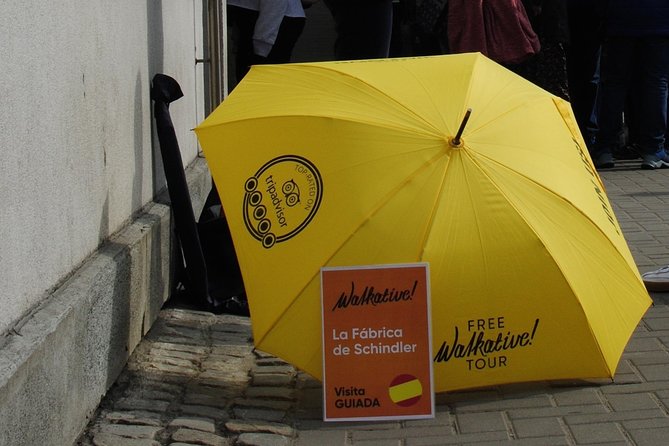
Look for the guide with the yellow umbrella. This small detail matters at a busy entrance, especially when several groups are forming. Arrive with enough time to locate the meeting point, rather than treating the museum entrance as a place to sort everything out at the last second.
Luggage storage is available at the museum, according to practical visitor information, though the tour details do not specify its size or conditions. If you are moving between hotels or stations, check the arrangement when you arrive rather than assuming every large bag will fit.
Is $36 Good Value for 90 Minutes?
At $36, this is not the cheapest way to enter the museum. You are paying for admission, a professional local guide in Spanish, VAT, and the convenience of avoiding the regular ticket queue.
The value depends on your priorities. If you are confident reading the exhibition on your own and can visit early, when tickets may be easier to obtain, buying directly from the museum could cost less. You may also prefer that option if you want to spend two hours or more at your own pace.
The guided tour earns its price when time is limited or when you want the exhibition explained in Spanish. The museum contains enough material to overwhelm a short visit, so having someone identify the key ideas can save time and make the displays easier to follow.
The group maximum of 15 is another positive factor. It is not a private tour, but it is smaller than a large coach group. That should make it easier to stay with the guide and hear the explanation, though the museum itself may still be crowded.
Who Should Book This Visit?
I would recommend it to anyone who wants to understand Krakow’s wartime experience rather than simply see a famous film location. It suits adults, older teenagers, history-minded visitors, and people who prefer spoken explanation to long blocks of exhibition text.
The suggested admission age is 14 and older. That is sensible given the subject matter and the emotional weight of the material. Families with younger children should consider whether the displays and discussion are suitable for them.
This is also a good choice for a first visit to a World War II or Holocaust museum. You will encounter familiar themes found elsewhere in Europe, but the focus remains on Krakow and on the way occupation changed life in one Polish city.
I would be more cautious if your main goal is a detailed Schindler biography. The museum includes his rescue work, but the larger account of occupation receives most of the attention. Likewise, anyone who dislikes crowded, text-heavy exhibitions may find the experience tiring.
Booking Advice and Timing
Book ahead if your schedule is fixed. The museum can sell out or become difficult to enter later in the day, and arriving without a ticket can mean a substantial wait.
An early start may give you a better chance of a calmer visit, although no time guarantees light crowds. If you book this guided experience, make sure you can arrive at Lipowa 4F before the scheduled start and identify the yellow umbrella.
Free cancellation is available if you cancel at least 24 hours before the start time. Cancellations or changes inside that period are not refunded, so keep your plans firm once you are within the final day.
Should You Book Schindler’s Factory Museum?
Book this tour if you want a guided, Spanish-language introduction to Krakow during Nazi occupation, with Schindler’s rescue work placed inside the wider story. The guide, small group size, and queue avoidance add genuine value, especially for a first visit.
Choose a self-guided museum ticket instead if you already know the subject, want to read every display at your own pace, or care mainly about Schindler himself. Either way, set aside more than 90 minutes if possible. This is a serious museum, not a quick photo stop, and its strongest message comes from seeing how ordinary city life was dismantled piece by piece.
FAQ
Where does the tour begin?
The tour begins at Lipowa 4F, 30-702 Krakow, Poland. It also ends back at the same meeting point.
How long does the experience last?
The guided experience lasts approximately 1 hour and 30 minutes. The museum itself may take longer if you stop to read the extensive information.
Is transportation included?
No. Hotel pickup and transportation to the attraction are not included. The museum is near public transportation, and it can also be reached on foot from the Old Town.
What language is the tour in?
The experience includes a professional local guide in Spanish.
How do I find the guide?
Look for the guide carrying a yellow umbrella at the meeting point.
Can I cancel for a full refund?
Yes, if you cancel at least 24 hours before the experience start time. Cancellations made less than 24 hours before the start time are not refunded.
Just added around Krakow
- From Krakow: Zakopane Full-Day Tour with Lunch Option★ 4.4 · 62 reviews
- From Krakow: Zalipie and Painted Village Guided Tour★ 4.0 · 4 reviews
- From Krakow: Zakopane and Dunajec River Rafting Tour★ 4.6 · 31 reviews
- From Krakow: Zakopane and the Tatra Mountains★ 4.7 · 36 reviews
- From Krakow: Zakopane and Gubałówka Cable Car Private Tour★ 4.3 · 12 reviews
- From Krakow: Zakopane Tatra Mountains & Hot Springs Tour★ 3.0 · 29 reviews
- Zakopane & Tatra Mountains Private Full-Day Tour from Krakow★ 4.5 · 33 reviews
- From Krakow: Hot Springs and Zakopane with Gubałówka★ 4.7 · 25 reviews
Schindler's Factory Tours, compared.
Oskar Schindler’s Factory Entry Ticket & Guided Tour
Read our review →
Schindler’s Factory Tour with Entrance Ticket
Read our review →
Schindler’s Factory Tour with Entrance Ticket
Read our review →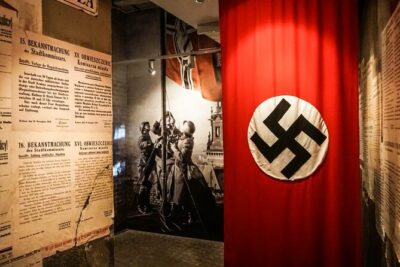
Schindler’s Factory in Krakow: Guided Tour & Skip the Line Ticket
Read our review →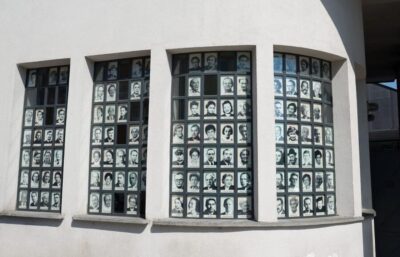
Schindler’s Factory Ticket with Guided Tour Option
Read our review →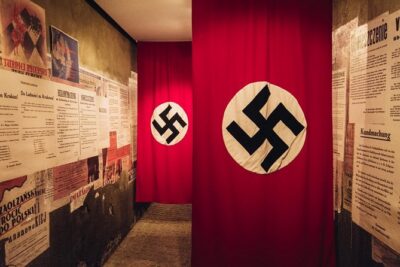
Krakow Schindler’s Factory Guided Tour with Admission Ticket
Read our review →Browse the lists this tour appears in