
Reviewed · AUSCHWITZ-BIRKENAU TOURS FROM KRAKOW
Auschwitz-Birkenau – Skip the Line Tickets
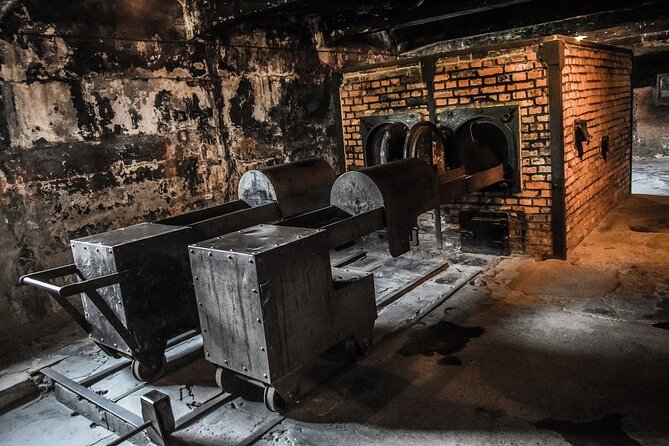
A visit to Auschwitz-Birkenau is not a casual sightseeing stop. It is a difficult, carefully structured encounter with one of Europe’s darkest places. This tour gives you skip-the-line entry and an authorized guide, so you spend less time sorting out admission and more time listening to the evidence, stories, and historical context at both sites.
I like two practical details here: the headset, which should help you hear the guide in a group of up to 30, and the full four-hour format, which includes both Auschwitz I and Birkenau. The main concern is organization. Some bookings have suffered from confusing meeting instructions, time changes, guide communication problems, or missing extras, so read every confirmation carefully and keep your schedule flexible.
Key points to know before booking
- Two separate parts of the memorial: You visit Auschwitz I for roughly 1.5 to 2 hours, then Birkenau for 60 to 75 minutes.
- A guide adds essential context: You follow an authorized official guide rather than trying to interpret the buildings and exhibits alone.
- A headset is included: This matters in a group of up to 30, especially when the site is crowded.
- Transportation is not included: You must arrange your own way to the meeting point and between practical stages of the visit.
- Allow time for walking: The experience requires moderate physical fitness and can feel rushed for anyone who moves slowly.
- Book carefully: The average booking lead time is 23 days, and the activity has received both strong praise and serious complaints about administration.
Why a guided visit matters at Auschwitz-Birkenau
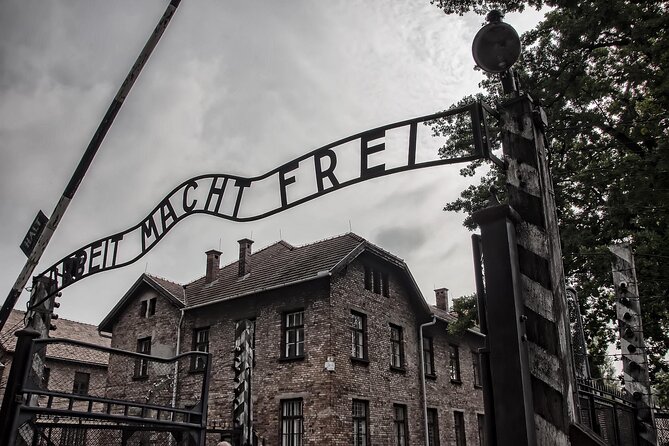
Auschwitz-Birkenau is large, emotionally heavy, and not easy to understand from signs alone. The two locations have different layouts and purposes, and the meaning of what you see can be lost if you simply walk from building to building without a clear explanation.
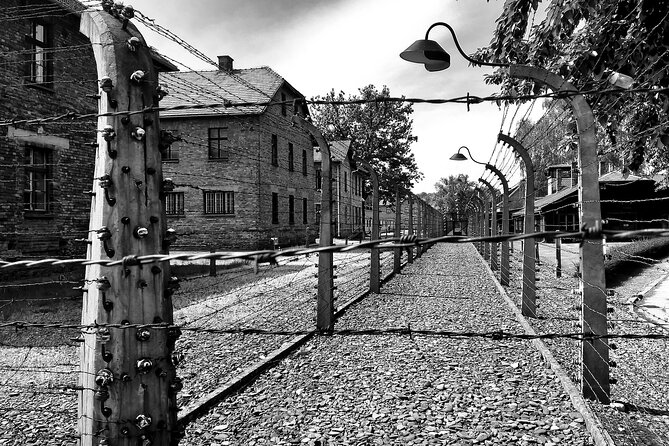
The guide connects the physical remains to the people who lived, suffered, and died there. You are not just looking at barracks, fences, photographs, and railway infrastructure. You are being given the historical frame needed to understand how the camp system worked and how individual lives were destroyed within it.
That is the strongest reason to choose this tour. I would rather have a structured explanation than spend the day reading hurriedly from a guidebook while trying to keep up with the route. Several guides have received special praise, including Halina for clear German explanations and Magdalene for keeping the group engaged throughout the visit. Those names do not guarantee who you will receive, but they show the kind of personal approach that can make a difference.
The subject requires restraint. A good guide should speak clearly, allow the evidence to carry its weight, and give you enough time to take in the place. The most positive experiences here describe the visit as informative, thoughtful, and carefully connected from one part to the next.
More Auschwitz-Birkenau trips in Krakow:
- From Krakow: Auschwitz-Birkenau Guided Tour & Hotel Pickup
★ 4.5 · 33,358 reviews - From Krakow: Auschwitz-Birkenau Guided Tour & Hotel Pickup
★ 4.5 · 29,340 reviews - Krakow: Auschwitz Guided Tour with Optional Hotel Pickup
★ 4.5 · 15,280 reviews
Auschwitz I, about two hours among the original buildings
The first part takes place at Auschwitz I, the smaller former camp and the section with the main museum displays. Plan on spending about 1.5 to 2 hours here.
You follow the guide through the site and its exhibitions, learning the story of the camp and the people imprisoned there. The buildings and displays create a more intimate setting than Birkenau, but that does not make the visit easier. The atmosphere is serious from the start, and the subject matter is presented through physical evidence and personal stories.
The guide’s commentary is especially useful here. Without it, you may see a photograph or object without understanding its place in the wider history. With a strong guide, the material becomes more coherent, and the visit does not turn into a silent walk past rooms you cannot interpret.
The group limit is 30 people. That is not a small private tour, so you should expect other people around you. The headset is an important inclusion because it lets you hear the guide without standing shoulder to shoulder at every stop. Still, a group of this size can feel crowded, especially when several guided parties are moving through the same spaces.
One practical drawback is pace. Some people have found the route too fast to read every caption or examine each display at leisure. If you want to linger over the museum material, a guided visit may leave you wishing for more independent time. The benefit is that you receive a complete route and historical explanation within a fixed schedule.
The transfer to Birkenau and the second half of the visit
Auschwitz-Birkenau is not one compact museum. The visit includes Auschwitz I and Auschwitz II-Birkenau, and the change between them is part of the practical planning.
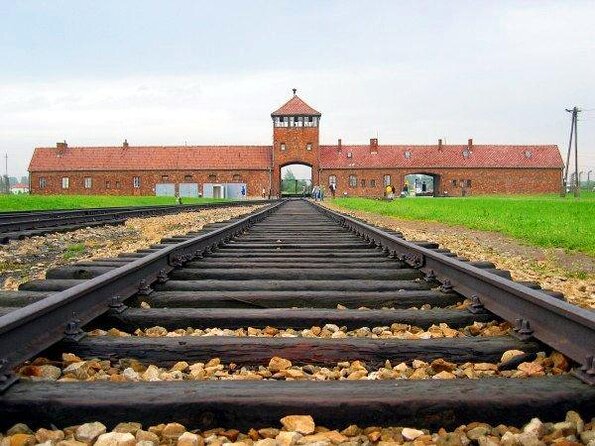
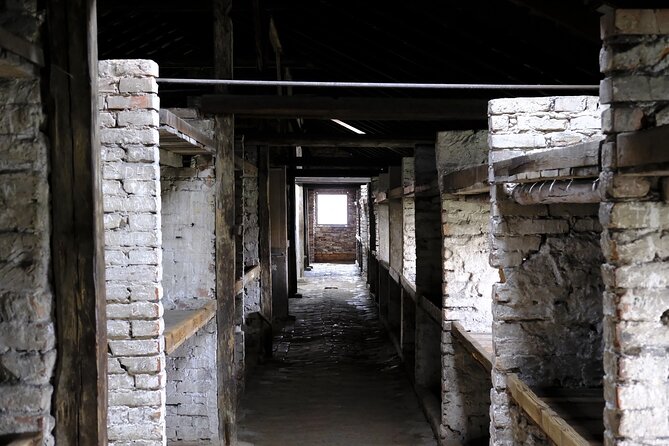
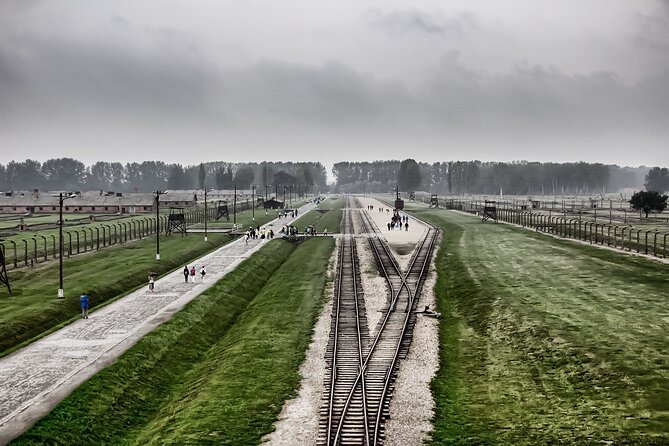
The advertised schedule allows 60 to 75 minutes at Birkenau after the first 1.5 to 2 hours at Auschwitz. This second section feels different. The area is much larger and more open, so the scale of the camp becomes easier to grasp. The distance, barracks, railway setting, and broad grounds communicate something that the more enclosed first site cannot.
You should pay attention to the meeting instructions for this portion. The listed start point is on Męczeństwa Narodów 14 in Brzezinka, while the ticket redemption address is at Więźniów Oświęcimia 55 in Oświęcim. A local host is meant to meet you, help you connect with the official guide, and explain how to handle the visit. Because the addresses refer to different places, check the exact confirmation details before setting out.
The group is not permitted to use the museum shuttle buses under the site’s rules, so the movement between sections may require walking or other arrangements connected with the tour operation. The supplied information does not include transportation, so do not assume a hotel pickup, private transfer, or included vehicle.
At Birkenau, the tour continues with the guide’s explanation of the site and its role in the camp system. The hour can pass quickly. If you want to inspect every building or enter every possible structure, this four-hour format may feel limited. One German-language account specifically noted that a full-day visit is needed for people who want to enter every bunker.
A serious visit with a brisk walking pace
You should have a moderate level of physical fitness. The route lasts around four hours and includes movement across a large memorial site. Some people have found the guide’s pace difficult, particularly when one member of the group had a long-term illness and asked for a slower walk.
This is important for older relatives and anyone with limited mobility. A French-language experience was cut short after repeated requests to slow down were not adequately accommodated. The site itself is not presented as a specialist accessible tour, and the activity information specifically advises a moderate fitness level.
Weather can also affect the day. You may spend several hours moving between buildings and across open ground. Bring suitable clothing and comfortable shoes, though the provided information does not specify a packing list. If heat, fatigue, or mobility is a concern, ask the operator for precise guidance before booking rather than relying on the standard four-hour schedule.
The emotional strain matters as much as the physical effort. This is a place of mass suffering, and you may need quiet time afterward. I would not schedule another demanding activity immediately after the tour.
More skip-the-line tickets in Krakow:
- From Krakow: Wieliczka Salt Mine Tour & Skip the Line Ticket
★ 4.4 · 3,925 reviews - Krakow: Schindler’s Factory Skip-the-Line Ticket
★ 4.4 · 3,105 reviews - Schindler’s Factory in Krakow: Guided Tour & Skip the Line Ticket
★ 4.5 · 1,714 reviews - Auschwitz-Birkenau: Skip-the-Line Entry Ticket & Guided Tour
★ 4.4 · 1,038 reviews
Guide quality and the value of the headset
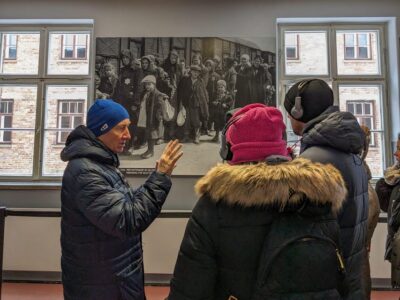
The guide is the heart of this experience. The best accounts describe clear, informative explanations and a strong ability to connect the history with individual lives. One guide, Halina, was praised for explaining everything well in German and answering questions. Another guide, Magdalene, helped hold attention through the full route.
Language and delivery can vary. One English-language experience found the guide difficult to understand because of a strong accent, while static in the headsets made matters worse. That is not a minor issue at a place where every explanation carries weight. If you cannot hear the guide, much of the tour’s value disappears.
The headset is still a sensible feature. It should help you follow the commentary while walking and reduce the need to crowd around the guide. At the start, check that your device is working and tell the guide or host promptly if the sound is unclear.
The best approach is to treat the guide as a support, not as a substitute for your own attention. Listen, look carefully, and allow the place to speak through its surviving structures and evidence. The guide’s role is to give you the facts and context that make those details meaningful.
Is $48.15 a fair price?
At $48.15 per person, this is not the cheapest way to enter the memorial, especially because transportation is excluded. You are paying for an organized entry, a licensed local guide, an official guided route, and a headset rather than just admission.
For an independent visitor, that can be fair value. You avoid handling the visit entirely on your own, and the guide helps you use four hours efficiently across both locations. You also reduce the risk of arriving without a workable entry arrangement, which matters at a site where advance planning is important.
The price becomes less attractive if the administration fails. Some bookings have involved a host not appearing, an operator not answering the phone, a confirmation not matching the local company’s records, or a requested time being moved to another day. Those are serious problems because a missed Auschwitz visit may be difficult to replace during a short stay.
The safest approach is to save the confirmation, meeting-point details, local contact information, and booking number. Contact the provider before the day if anything looks unclear. Do not treat the phrase skip the line as permission to ignore the required meeting procedure. You still need to be at the correct place with the correct entry arrangements.
The organization needs careful attention
The planned structure is straightforward: meet the local host, connect with the official guide, tour Auschwitz I, continue to Birkenau, and return to the meeting point. In practice, the meeting details deserve more attention than the simple outline suggests.
A few specific concerns are worth keeping in mind:
- Time changes have caused stress for people who had arranged other plans or long drives.
- The meeting point and ticket redemption address are listed separately, so check which one applies to your chosen start time.
- An operator has occasionally tried to move bookings to a different time or day.
- A paid lunch box was not supplied in one case, so do not count on food or drinks unless they are clearly confirmed.
- The listed tour ends back at the meeting point, but transportation to and from the activity is your responsibility.
The experience allows free cancellation up to 24 hours before the start time for a full refund. Changes or cancellations inside that 24-hour window are not accepted, and the cut-off uses local time. This gives you some protection, but it does not solve a last-minute scheduling problem, so avoid booking it too tightly against another fixed commitment.
Who will get the most from this four-hour format?
I would choose this tour if you want a clear introduction to both sites and prefer a guide to explain what you are seeing. It suits independent visitors who can reach the area on their own but do not want to manage museum entry, route planning, and historical research without help.
It is also a good choice for people who value structure. The guide moves you through the two sites in a set order, with enough time to cover both rather than leaving you to guess what deserves attention.
You may want another arrangement if you need a slow pace, private attention, or extensive time at individual exhibits. A group of up to 30 can feel impersonal, and four hours is a fixed framework. Anyone with mobility concerns should ask detailed questions before paying.
This is not an entertainment outing for young children. The information provided does not set a specific age rule, but the subject is severe. One family brought a 16-year-old who wanted to come, and the visit was described as meaningful but emotionally demanding. Use your judgment about maturity and prepare younger people for what they will encounter.
Should you book Auschwitz-Birkenau Skip the Line Tickets?
Book it if you want both former camps explained by an official guide and you are comfortable with a four-hour group visit. The strongest value comes from the historical context, the headset, and the help of a host at the start.
Before booking, confirm the meeting location, start time, language, transportation plan, and what is actually included. I would also build in extra time around the tour, bring your booking details, and avoid relying on promised extras unless they are written clearly.
The visit itself is important and can be exceptionally moving when the guide is clear, considerate, and well organized. The weak point is not the memorial. It is the uneven administration surrounding some bookings. If that risk worries you, seek a provider with direct confirmation and precise local instructions. If you accept the group format and prepare carefully, this tour can give you a more complete understanding of Auschwitz-Birkenau than an unplanned solo visit.
FAQ
How long does the Auschwitz-Birkenau tour last?
The activity lasts about four hours. The guided portion is approximately 3.5 hours, with about 1.5 to 2 hours at Auschwitz I and 60 to 75 minutes at Auschwitz II-Birkenau.
What is included in the price?
The price includes admission, a licensed local guide, and a headset. Transportation is not included.
How large is the tour group?
The group can have a maximum of 30 people.
Where does the activity start and end?
The listed start point is Męczeństwa Narodów 14, 32-600 Brzezinka, Poland. The activity ends back at the meeting point.
Is transportation between the two sites included?
Transportation is not included in the activity. The museum’s rules also state that tour groups cannot use the museum shuttle buses.
Can I cancel for a full refund?
Yes. You can cancel at least 24 hours before the local start time for a full refund. Cancellations or changes made less than 24 hours before the start time are not accepted.
Just added around Krakow
- From Krakow: Zakopane Full-Day Tour with Lunch Option★ 4.4 · 62 reviews
- From Krakow: Zalipie and Painted Village Guided Tour★ 4.0 · 4 reviews
- From Krakow: Zakopane and Dunajec River Rafting Tour★ 4.6 · 31 reviews
- From Krakow: Zakopane and the Tatra Mountains★ 4.7 · 36 reviews
- From Krakow: Zakopane and Gubałówka Cable Car Private Tour★ 4.3 · 12 reviews
- From Krakow: Zakopane Tatra Mountains & Hot Springs Tour★ 3.0 · 29 reviews
- Zakopane & Tatra Mountains Private Full-Day Tour from Krakow★ 4.5 · 33 reviews
- From Krakow: Hot Springs and Zakopane with Gubałówka★ 4.7 · 25 reviews
Auschwitz-Birkenau Tours from Krakow, compared.
Auschwitz-Birkenau Guided Tour & Hotel Pickup
Read our review →Auschwitz-Birkenau Guided Tour & Hotel Pickup
Read our review →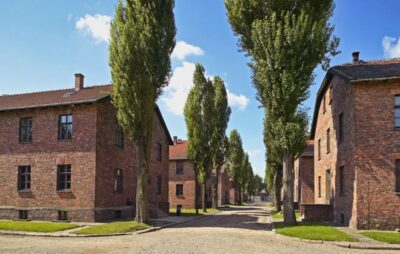
Auschwitz Guided Tour with Optional Hotel Pickup
Read our review →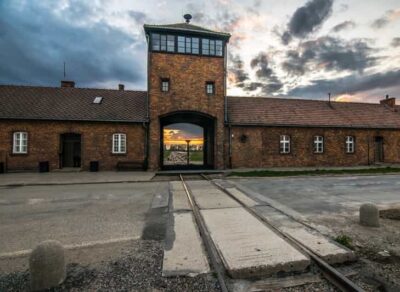
Auschwitz-Birkenau Guided Tour with Pickup & Lunch
Read our review →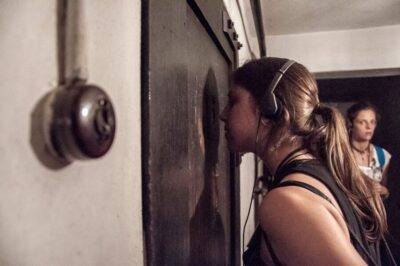
Auschwitz-Birkenau Guided Tour Pickup/Lunch Options
Read our review →

Krakow to Auschwitz Birkenau Guided Tour with Transfer and Ticket
Read our review →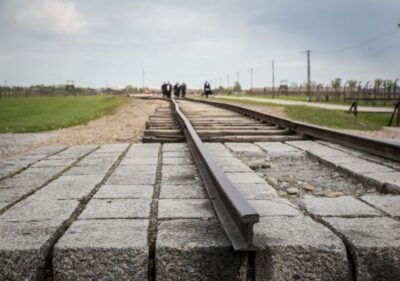
Browse the lists this tour appears in