
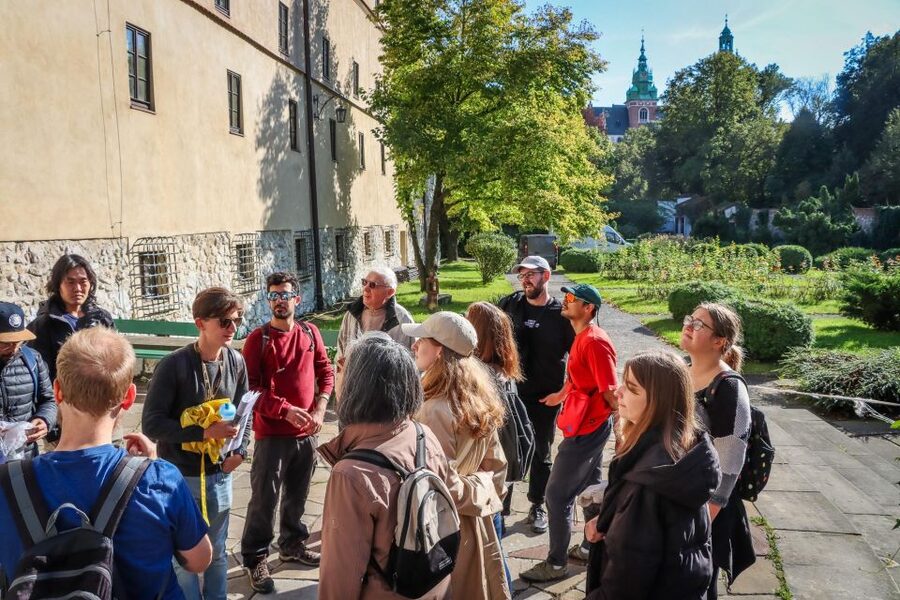
Reviewed · WALKING TOURS
World War II in Krakow Walking Tour in English
Kraków’s wartime story is written in places you can easily pass without noticing: a cross, a prison wall, a former headquarters, a patch of park hiding old shelters. I like the way this 150-minute walking tour connects those scattered traces, and I especially value its focus on ordinary people who faced impossible choices. The route also includes Nazi prison cells with victims’ inscriptions, giving the subject a direct, human weight.
The main thing to consider is the emotional tone. This is not a light introduction to Kraków, and the stories include repression, fear, sacrifice, and betrayal. You also need to arrive ready to walk for two and a half hours, with no snacks or hotel transport included.
Key points to know before you book
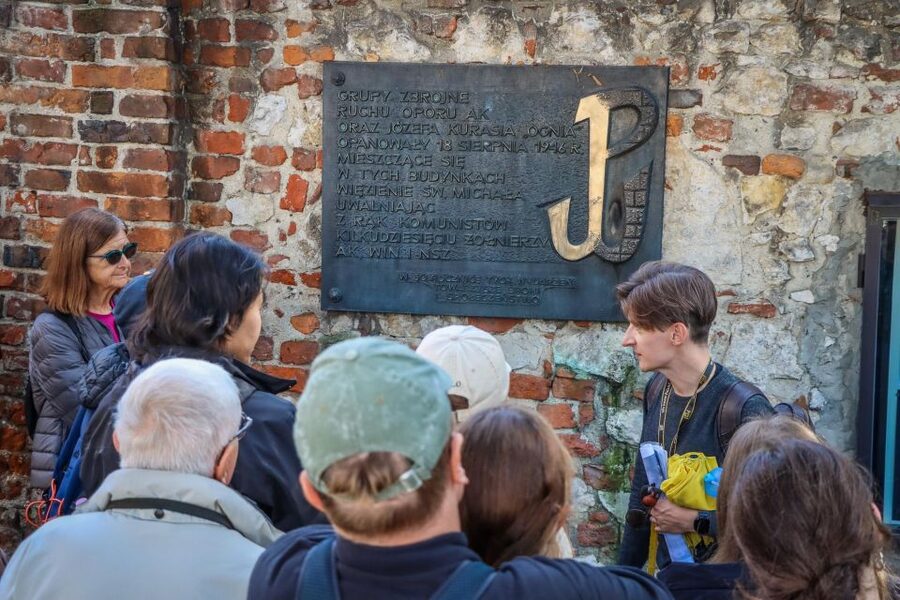
- St. Michael’s prison cells provide one of the tour’s most direct encounters with wartime suffering, including inscriptions left on the walls.
- The Katyń wooden cross adds a solemn memorial stop to the route near Kraków’s historic center.
- Former Gestapo headquarters helps explain how German occupation was enforced through fear and control.
- Park Krakowski’s bomb shelters show how war shaped everyday life away from official buildings.
- Resistance stories sit beside stories of fear and treason, so the tour looks at difficult choices rather than simple heroes and villains.
- Guides such as Big Tomasz bring local knowledge, warmth, humor, and a serious grasp of the subject, according to the strongest feedback attached to the experience.
Why Kraków needs a wartime walking tour
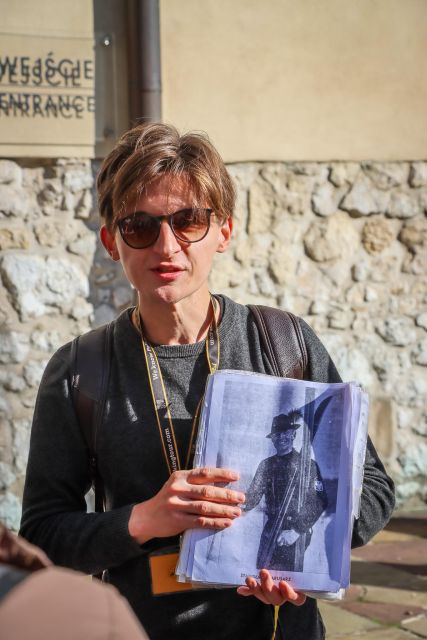
Kraków is easy to admire for its medieval streets, grand churches, and Wawel Hill. That beauty can also hide the damage and fear left by the Second World War. This tour changes the way you read the city by showing how occupation altered familiar streets and affected people who had to make decisions with severe consequences.
The focus is not only on major political events. You hear about the machinery of Nazi repression, but you also meet the human side of the story: people who resisted quietly, people who took great risks, and people who had to decide how much they could do without putting others in danger.
That approach matters. A list of dates and military events can tell you what happened, but it does not always explain what occupation felt like at street level. Here, the guide uses Kraków itself as the setting. The city becomes a record of pressure, courage, fear, and memory.
I would not choose this as your first activity if you want a cheerful orientation walk. I would choose it if you want to understand Kraków beyond its postcard center and are willing to give serious history your full attention.
More World War II tours in Krakow:
- Krakow World War II Private Tour
★ 5.0 · 16 reviews - Krakow: 2h World War II, visiting the Ghetto walking tour
★ 4.2 · 7 reviews - Kraków Holocaust Tour
★ 4.9 · 5 reviews
Starting beside Wawel Hill
The meeting point is on a triangle-shaped square beside Wawel Hill, at the end of Grodzka Street. This is a practical place to begin because it puts you close to one of Kraków’s best-known landmarks while shifting your attention away from royal history and toward the years of occupation.
Arrive about 10 minutes early. The tour is conducted in English, and the guide leads the group on foot through the city. The route lasts 150 minutes, so comfortable shoes are sensible, even though no special equipment is listed.
The exact starting time depends on availability when you book. Since there is no hotel pickup, you need to make your own way to the square. That is not a serious burden for anyone already exploring central Kraków, but it does matter if you are staying farther out or planning to catch a train afterward.
One useful lesson comes from the experience feedback: Big Tomasz is praised for combining insight with a little good humor and strong local knowledge. That balance can help on a difficult subject. Humor does not erase the seriousness of the material, but a warm guide can keep the walk from becoming a dry lecture.
The Katyń wooden cross and the weight of memory
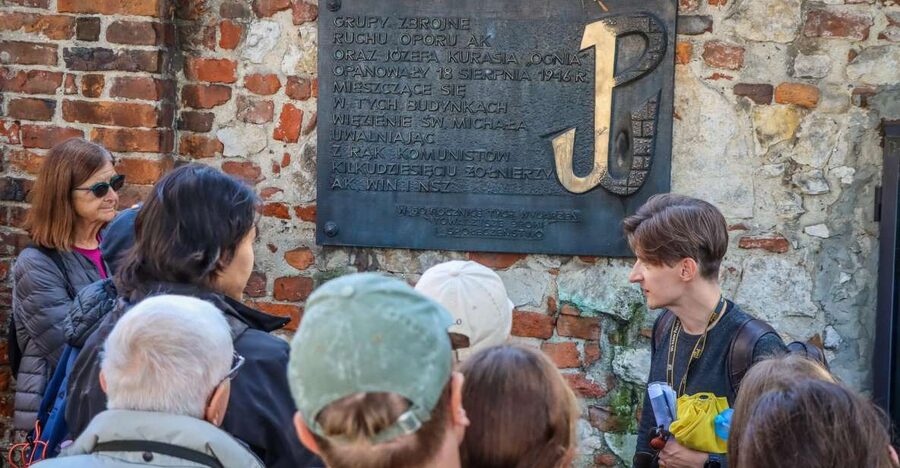
The Katyń wooden cross is one of the named stops. It gives the walk a memorial focus early in the route and reminds you that wartime memory in Poland includes more than the physical buildings used by the occupying forces.
The supplied details do not promise a long formal ceremony or a set amount of time at the cross. Instead, expect the guide to use the site as part of the wider story of occupation, loss, and remembrance. That is useful because it places personal and national memory beside the streets where daily life continued.
You may find this stop more meaningful if you already know a little about the period. If not, listen for the guide’s explanation of why the cross matters and how it fits the story being told. The value here is not in a large monument or a grand display. It is in seeing how a simple memorial can carry a serious historical charge.
St. Michael’s prison cells and inscriptions on the walls
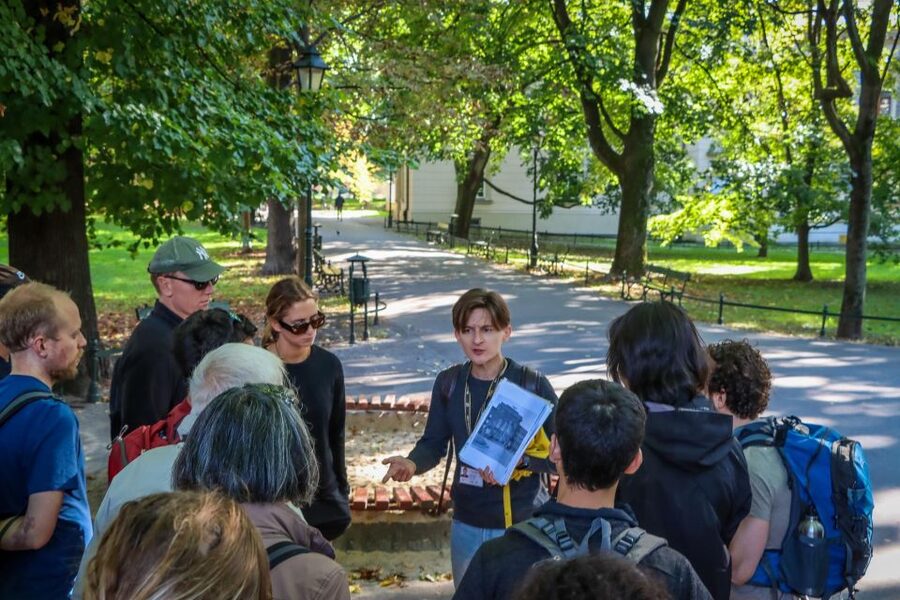
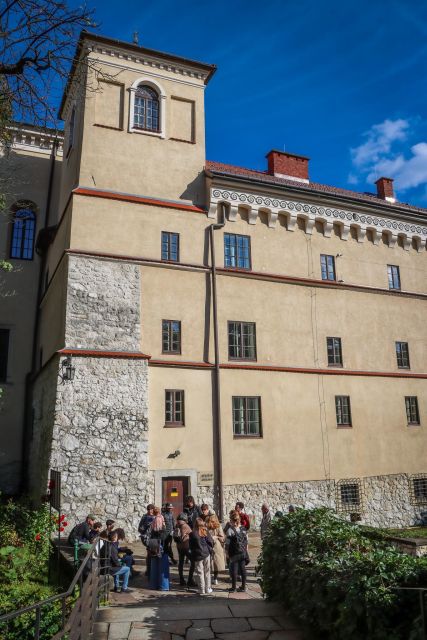
The prison visit is likely to be the emotional center of the tour. You visit Nazi prison cells at St. Michael’s and can read inscriptions left on the walls by people held there.
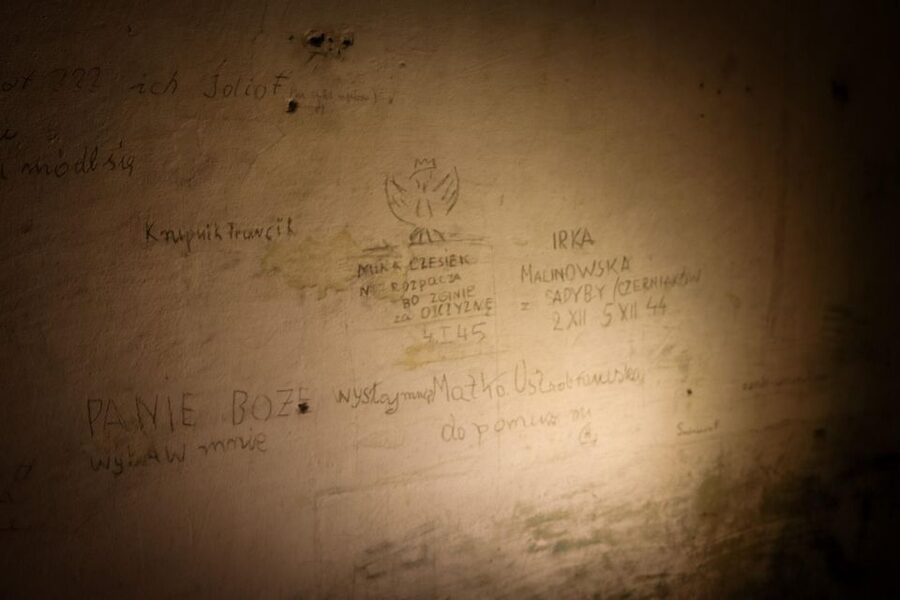
That detail changes the experience. A cell is already a stark place, but written marks left by victims make the story feel less distant. You are not only hearing about prisoners as a group. You are confronting traces made by individuals who knew they were confined and may not have known what would happen next.
The information provided does not specify how long you spend inside or how many cells are open. It is best to think of this as a focused historical stop rather than a large museum visit. The power comes from the setting and the inscriptions, not from a long list of exhibits.
This is also where the tour may feel hardest. If you prefer to keep wartime history at a broad, academic distance, the prison could be uncomfortable. That is not a flaw, but it is an important part of deciding if this walk suits you.
I like that the experience does not treat the prison simply as an old building. It connects the place to the people who suffered there and asks you to consider what courage looked like under extreme pressure.
More Old Town walking tours in Krakow:
- Old Town Krakow & Wawel Castle Walking Tour
★ 5.0 · 1,508 reviews - Creepy Krakow: 2-Hour City Walking Tour
★ 4.7 · 1,131 reviews - Krakow: The Old Town Walking Tour
★ 4.8 · 794 reviews - Krakow: Kazimierz Jewish Quarter Walking Tour
★ 4.8 · 571 reviews
Former Gestapo headquarters and the machinery of repression
The former Gestapo headquarters gives the tour another angle. The prison shows the result of detention. This stop helps explain the system that made detention, interrogation, and repression possible.
The guide discusses some of the most brutal officers in the Nazi machine and the tools used against victims. The wording of the experience suggests a direct examination of how authority was organized and applied, rather than a vague account of wartime hardship.
That distinction is important. Occupation was not only about soldiers in the streets. It also depended on offices, orders, surveillance, threats, arrests, and people carrying out instructions. Standing at a former headquarters can help you connect those broad ideas to a real place in Kraków.
You should expect difficult material here. The tour does not soften the subject by presenting resistance without fear or sacrifice. It places courage next to treason and asks how ordinary people responded when even a small decision could carry grave consequences.
That question is one of the better reasons to book this walk. You are not asked to admire heroes from a comfortable distance only. You are asked to think about what you might do, and what you might risk, when every option has a cost.
Park Krakowski’s bomb shelters
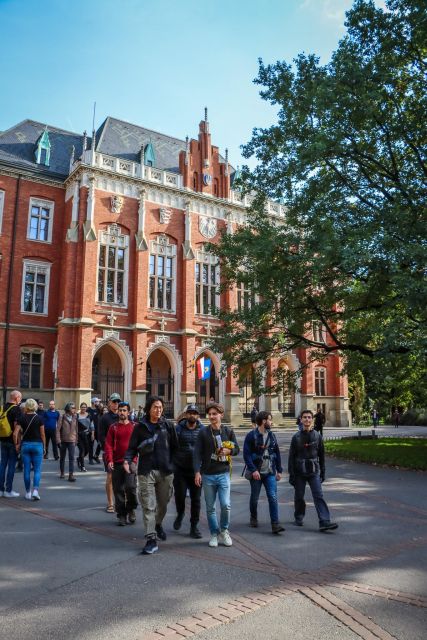
The route also includes bomb shelters in Park Krakowski. This stop shifts the focus from prisons and official offices to the wider experience of civilians living with war.
Shelters show how conflict reaches beyond the battlefield. People still had to move through the city, protect themselves, and cope with sudden danger. The park setting may feel very different from the prison cells or former headquarters, and that contrast helps build a broader picture of wartime Kraków.
The provided information does not say whether you enter the shelters or view them from outside, so keep your expectations measured. You will see the bomb-shelter site as part of the walking route, with the guide explaining its place in the story.
For me, this is a useful inclusion because it prevents the tour from becoming only a sequence of repression sites. It shows how the war affected public space and ordinary routines as well as prisoners and resistance groups.
Stories of resistance and silent heroes
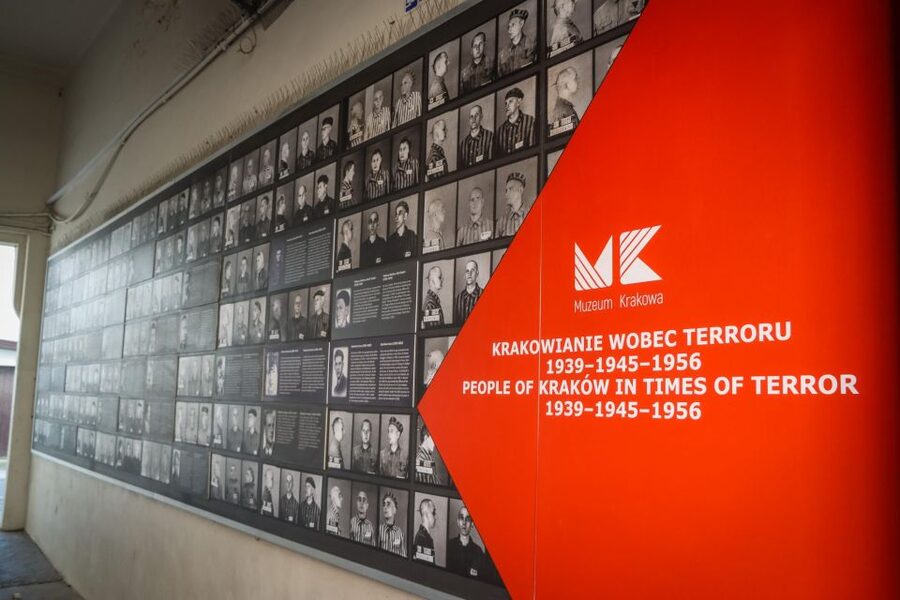
The tour’s central thread is the response of people living under Nazi rule. You hear about individuals and organized groups that resisted, along with actions described as among the most striking resistance efforts in Kraków.
The details do not list the names of every person or operation covered. That is worth knowing if you are looking for a tightly defined biography tour or a specialist military walk. The emphasis is broader: the guide builds a narrative around courage, sacrifice, fear, and the choices made by people without much power.
I like that the tour gives space to silent heroes. Resistance is often presented through famous figures and dramatic operations. This experience also looks at people who helped, opposed, endured, or made difficult choices without becoming widely known.
The balance matters. A good wartime tour should not suggest that everyone resisted bravely or that every decision was clear. This walk appears designed to show the gray areas: fear and treason alongside courage, and individual choices made under pressure.
That approach may appeal to you if you want more than dates and monuments. It also makes the tour suitable for older children or teenagers who can handle serious material, though parents should decide based on the child’s sensitivity. The activity details do not give a recommended minimum age.
The guide can make or break this subject
For this kind of walk, the guide matters as much as the route. A weak presentation could turn the tour into a list of buildings. A strong one can connect the places, explain the stakes, and keep the story human.
Big Tomasz receives especially warm praise for being insightful, engaging, passionate, and willing to add a little humor. One person who booked with him had to leave early to catch a train but still found the time useful and learned a great deal. That is a practical warning: allow the full 150 minutes if you can, rather than squeezing the tour between fixed departures.
Another strong point in the feedback is the guide’s local knowledge. That matters in Kraków because the tour depends on reading places that may not look dramatic at first glance. The guide has to explain why a wall, cross, former office, or park site deserves your attention.
Your guide may not be Tomasz, so you should not book on the assumption that he will lead every departure. Still, the positive comments suggest that the guide team understands how to handle both the facts and the human side of the subject.
Is $26 a fair price?
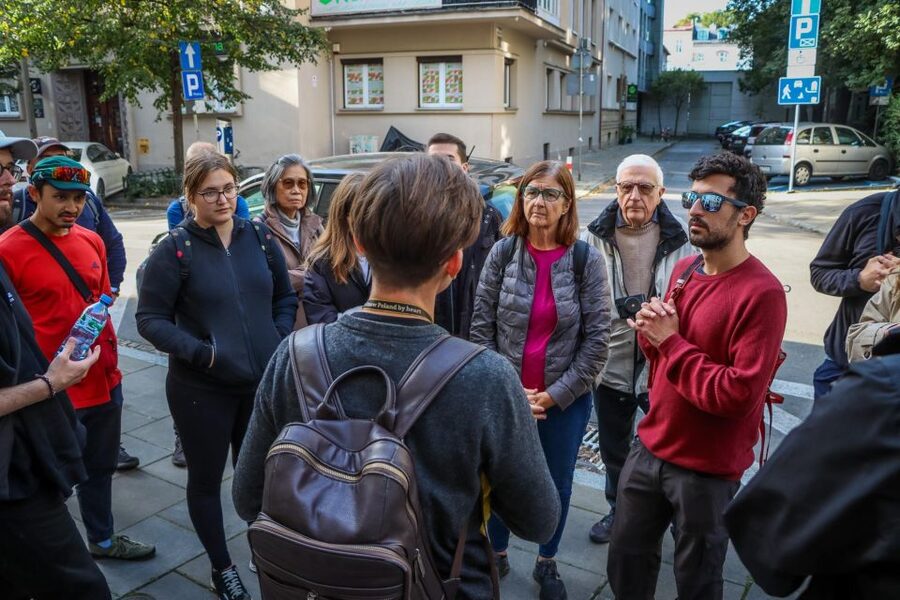
The listed price is $26 per person. For a 150-minute guided walk with an English-speaking local guide, I consider that a reasonable price if you want a focused history experience rather than a general city stroll.
The value comes from the structure. You are not simply walking past wartime locations on your own. The guide links the Katyń wooden cross, St. Michael’s prison, the former Gestapo headquarters, and Park Krakowski’s bomb shelters into one story.
The booking note describes this as part of a general pay-as-you-wish tour format, where the amount paid covers the reservation fee and the guide’s payment. The information also says the guide’s reward is up to the guest, while noting that the amount paid in this case covers the reservation and guide payment. Because that wording can be read in more than one way, check the payment details at booking if you are unsure about any additional contribution.
You receive no snacks and no hotel pickup or drop-off. Those omissions are normal for a central walking tour, but they mean you should eat beforehand and plan your route to and from the meeting point.
Free cancellation is available up to 24 hours before the activity for a full refund, and you can reserve now and pay later. Those terms are useful if your Kraków plans are still shifting, but the main question remains whether the subject fits your day.
Who should choose this walk?
I would recommend it to you if:
- You want to see Kraków through the Second World War rather than only through royal and medieval history.
- You prefer a guide-led story to reading plaques on your own.
- You are interested in resistance, moral choices, and civilian life under occupation.
- You can give two and a half hours to a serious subject.
- You want to visit prison cells and see inscriptions connected to victims.
- You appreciate a guide who can explain difficult history in a warm, engaging way.
I would think twice if you want a relaxed introduction to the city, have a tight train schedule, or find prison and occupation history too upsetting. The walk also may not satisfy you if you want detailed military analysis, because the stated focus is people, places, repression, resistance, and memory.
The tour is listed as wheelchair accessible. Since the activity takes place on foot and includes several historic locations, ask the provider about the specific route and access needs if you require more detailed arrangements.
Final verdict: book it for the wartime side of Kraków
Book this tour if you want Kraków to become more than a pretty old city. The prison inscriptions, former Gestapo headquarters, Katyń cross, and bomb shelters give the walk a strong sense of place, while the stories of resistance and difficult choices give it a human center.
The main reason to choose it is the guide-led narrative. With a guide such as Big Tomasz, the route can combine clear local knowledge with warmth and a little humor without losing sight of the subject’s seriousness.
Skip it if you want cheerful sightseeing or need to rush off before the two and a half hours are over. For anyone with the time and attention for difficult history, $26 is a fair way to understand the scars that still shape Kraków.
FAQ
How long does the World War II in Kraków Walking Tour last?
The tour lasts 150 minutes, or two and a half hours.
What language is the tour conducted in?
The tour is conducted in English with a live English-speaking guide.
Where does the tour begin?
The meeting point is on a triangle-shaped square beside Wawel Hill, at the end of Grodzka Street.
Which places are included on the route?
The route includes the Katyń wooden cross, St. Michael’s prison, the former Gestapo headquarters, and bomb shelters in Park Krakowski.
Does the tour include access to Nazi prison cells?
Yes. The experience includes Nazi prison cells at St. Michael’s, where you can read inscriptions left on the walls by victims.
Is the walking tour wheelchair accessible?
Yes, the activity is listed as wheelchair accessible.
Just added around Krakow
- From Krakow: Zakopane Full-Day Tour with Lunch Option★ 4.4 · 62 reviews
- From Krakow: Zalipie and Painted Village Guided Tour★ 4.0 · 4 reviews
- From Krakow: Zakopane and Dunajec River Rafting Tour★ 4.6 · 31 reviews
- From Krakow: Zakopane and the Tatra Mountains★ 4.7 · 36 reviews
- From Krakow: Zakopane and Gubałówka Cable Car Private Tour★ 4.3 · 12 reviews
- From Krakow: Zakopane Tatra Mountains & Hot Springs Tour★ 3.0 · 29 reviews
- Zakopane & Tatra Mountains Private Full-Day Tour from Krakow★ 4.5 · 33 reviews
- From Krakow: Hot Springs and Zakopane with Gubałówka★ 4.7 · 25 reviews
Walking Tours, compared.
Old Town & Wawel Castle Walking Tour in English
Read our review →
Browse the lists this tour appears in