
Reviewed · MUSEUMS
Galicja Jewish Museum
The Galicia Jewish Museum uses photographs rather than grand displays to tell its story. More than 140 images record synagogues, cemeteries, buildings, and traces of Jewish life across former Galicia, while also facing the destruction caused by the Nazis during WWII. Traces of Memory is quiet, serious, and best taken slowly.
I like the freedom to walk through the museum at your own pace, and I like the way the photographs connect Jewish culture to real places in southern Poland. The small price, about $4.33 per person, also makes this an easy addition to a day in Krakow.
The main consideration is that this is a photo-led museum, not a collection packed with historic objects. If you prefer artifacts and large interactive displays, you may find the experience restrained. You should also plan ahead for the printed ticket rule.
Key points to know before you go
- More than 140 photographs: Chris Schwarz’s images document Jewish sites and memories across former Galicia.
- An 800-year story: The permanent Traces of Memory exhibition covers Jewish culture in Poland over many centuries.
- A serious Holocaust memorial: The museum also records how Jewish culture and communities were destroyed during WWII.
- Self-guided pacing: You can take your time with the photographs, captions, and information rather than follow a fixed tour.
- Printed ticket required: The separate ticket is sent by email, but only a printed copy is accepted at the entrance.
- Good City Card value: Krakow City Card holders receive free entry, and the card also covers many other museums and landmarks.
Why this small museum matters in Krakow
Krakow is full of places connected with Jewish life, but the Galicia Jewish Museum gives you a useful way to connect those places to communities across southern Poland. Its subject is not limited to one synagogue, one neighborhood, or one wartime event.
The museum was created to honor Holocaust victims and celebrate Jewish culture in Polish Galicia. That dual purpose shapes the visit. You are asked to look at what survived, but also to think about what disappeared.
The former region of Galicia had an 800-year Jewish presence. The exhibition does not treat that past as a list of dates. Instead, it uses photographs of physical traces to show how culture was rooted in streets, cemeteries, prayer spaces, and town buildings.
That approach is especially useful if you plan to visit Krakow’s old Jewish quarter or the Old Synagogue. The museum gives you background before or after those sights, helping you understand that Jewish life in Poland was never only a wartime story.
More museums and exhibitions in Krakow:
- Auschwitz-Birkenau Museum and Memorial Guided Tour from Krakow
★ 4.5 · 1,510 reviews - Krakow: Rynek Underground Museum Guided Tour
★ 4.6 · 1,122 reviews - Krakow Schindler’s Factory Museum Guided Tour in English
★ 4.5 · 650 reviews
Walking through Traces of Memory
The permanent exhibition, Traces of Memory, grew from twelve years of artistic work by the museum’s founder, British photographer Chris Schwarz. His photographs focus on the remaining signs of Jewish presence in southern Poland, the part of historic Galicia that is now divided between Poland and Ukraine.
You will see more than 140 photographs. The display records places and remnants, so expect images to do most of the storytelling. This is not a traditional museum route filled with objects in glass cases. The power comes from looking carefully at each image and reading the context around it.
I like this format because it gives you room to reflect. A photograph of a building or cemetery can raise questions that a crowded display sometimes buries: Who used this place? What happened to the people connected with it? What has been preserved, and what has been lost?
The exhibition also carries a difficult warning. The same visual record that shows Jewish culture in Galicia also shows the process by which Nazi persecution destroyed it during WWII. That contrast gives the visit its emotional weight.
Plan on spending about two hours if you want to read the information and look closely at the photographs. An earlier visit, around the 10 a.m. opening time when applicable, can make the experience easier to manage because the museum may be quieter. Since opening hours can change, check the current schedule before setting out.
A museum of photographs, not artifacts
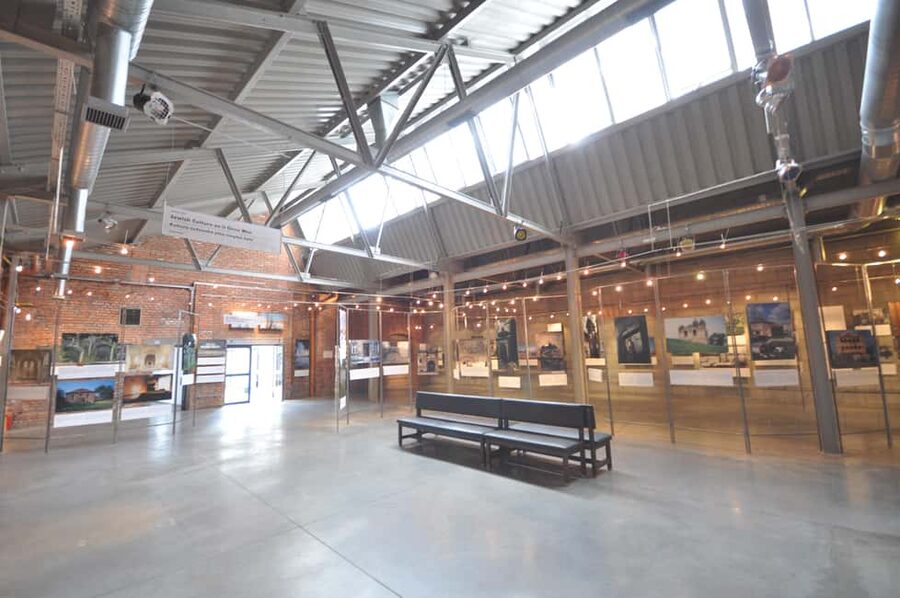
It is important to arrive with the right expectations. The museum’s main strength is its photography and interpretation. You will not find a large collection of physical artifacts competing for attention.
For me, that is both the appeal and the limitation. Photographs can place Jewish heritage in its actual setting and show the condition of sites over time. They also create a calm space for thought. But if you want ritual objects, clothing, household items, or a large archaeological collection, this museum may feel less substantial.
The images provide a strong look at Jewish communities in Krakow and the wider Galicia region. They are not simply decorative travel photographs. Together, they form a record of buildings, memorials, cemeteries, and other remaining signs of Jewish life.
You should allow yourself more time than a quick walk-through. The museum is easy to rush because photographs can appear simple at first glance. Read the accompanying text, compare groups of images, and consider the difference between a place that still functions and one preserved only in memory.
Chris Schwarz’s lasting contribution
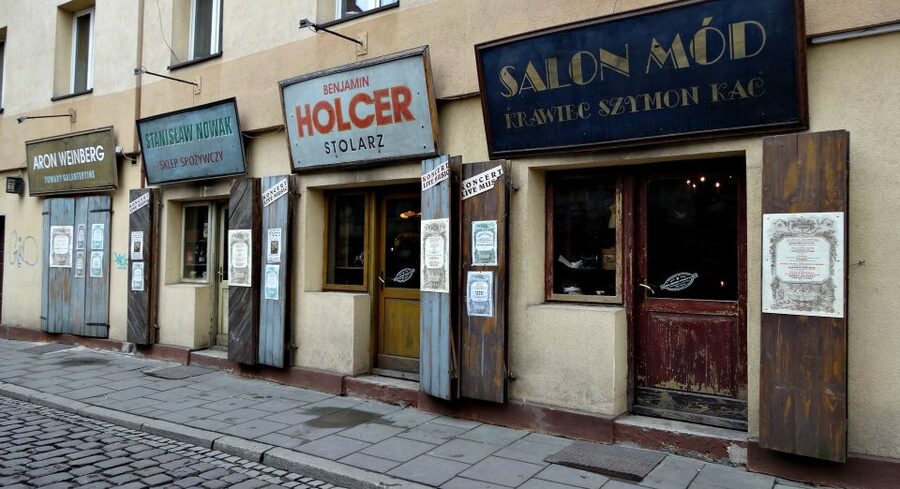
Chris Schwarz was a British photographer who devoted much of his work to Jewish culture in Poland. He founded the museum and served as its director until his death in 2007.
His role matters because the museum is shaped by a photographer’s way of looking. The exhibition does not only present a historical account. It asks you to pay attention to spaces, details, absence, and the marks left behind by time and violence.
That makes the museum feel personal without turning it into a biography exhibition. The focus remains on Jewish life and memory, but Schwarz’s long photographic project gives the permanent display a clear voice.
If you appreciate documentary photography, you will likely find the museum especially rewarding. If you are visiting as part of a wider Holocaust and Jewish heritage itinerary, it offers a different experience from a museum focused mainly on wartime documents or personal objects.
Same city, a completely different sort of day:
- From Krakow: Auschwitz-Birkenau Guided Tour & Hotel Pickup
★ 4.5 · 33,358 reviews - From Krakow: Auschwitz-Birkenau Guided Tour & Hotel Pickup
★ 4.5 · 29,340 reviews - Krakow: Auschwitz Guided Tour with Optional Hotel Pickup
★ 4.5 · 15,280 reviews - Krakow–Zakopane: Cable Car, Chocholow Baths, Cheese & Vodka
★ 5.0 · 10,720 reviews
The Holocaust story is present, but handled through memory
The museum honors victims of the Holocaust, yet its permanent exhibition begins with a much longer story. That matters. Jewish history in Poland did not begin with WWII, and the exhibition places the destruction of Jewish communities against centuries of cultural life.
You will encounter the consequences of Nazi persecution through photographs and explanations of the destruction of Jewish culture. The museum does not reduce Jewish heritage to loss. It shows what existed before, which makes the wartime story more understandable and more painful.
Expect a reflective visit rather than an entertaining one. Some displays may be emotionally difficult, especially when you connect photographs of surviving sites with the people and communities no longer there. Give yourself time afterward if you need a quieter pause before continuing through Kazimierz or the rest of Krakow.
The museum’s purpose is remembrance, but also recognition. It asks you to see Jewish culture as part of Poland’s history, not as a separate footnote.
How the self-guided format works
This is a flexible museum visit rather than a guided walking tour. You choose your own pace, and the activity ends at the meeting point after your visit. Transportation is not included, so you need to arrange your own way there.
The flexible format works well if you are combining the museum with other sights. You might spend an hour on a quicker visit, or stay closer to two hours to read and reflect. The supplied duration is listed as valid for one to two days, with starting times dependent on availability, so check the details attached to your booking.
There is also a cafe, exhibition space, bookshop, and room for cultural events. The bookshop carries titles in Polish, English, and German on Jewish life and culture, the Holocaust, Jewish thought, identity, and literature.
The cafe can make the museum easier to fit into a longer day, while the bookshop is useful if the exhibition leaves you wanting more context. Concerts, author meetings, lectures, and workshops are also held at the museum, though the basic admission described here does not promise a particular event.
When to visit and how long to allow
A visit near opening time may offer a quieter setting. One two-hour visit described arriving at 10 a.m. and finding the museum fairly empty, which made it easier to focus on the images and information. That kind of timing is worth considering if you prefer a thoughtful visit without much background noise.
Do not cut it too close to closing. The last entrance is 90 minutes before the museum closes, and opening hours may differ from those shown when you book. Check the day’s hours before leaving your hotel.
Because the museum is photo-based, the pace depends heavily on you. A quick visitor can see the main exhibition fairly fast, but I would allow up to two hours if you want to read and think about what you are seeing.
Smoking is not allowed. The activity does not include transportation, and the meeting point may vary depending on the option you book.
Ticket details and the real value of the price
At about $4.33 per person, admission is inexpensive for a Krakow museum with a serious permanent exhibition. The price makes sense for a short cultural stop, especially if you are already exploring the Jewish quarter.
The strongest value comes from the content rather than the size of the building. You are paying for access to a carefully focused photographic record and the chance to understand Jewish life in Galicia beyond the most familiar Krakow sights.
A separate ticket is sent by email after booking. The museum accepts only a printed version of that ticket. If you cannot print it yourself, printing is available at Plac Szczepański 8, so do not assume showing the email on your phone will be enough.
Krakow City Card holders enter free of charge. The card also includes access to many other museums and landmarks, including Schindler’s Factory, the Rynek Underground Museum, the Old Synagogue, the Eagle Pharmacy, MOCAK, and several branches of the Archaeological Museum.
If you already have the City Card, the museum is an easy addition. If you do not, the low individual price still makes it a practical choice for a cultural afternoon.
How it fits with other Krakow sights
The Galicia Jewish Museum works well beside several nearby or related Krakow attractions. Pairing it with the Old Synagogue can help you compare a historic religious building with a modern photographic record of Jewish life.
Schindler’s Factory offers another route into Krakow during WWII. The Galicia Jewish Museum gives more space to Jewish culture across Poland and Galicia, while Schindler’s Factory focuses on wartime Krakow and the story associated with Oskar Schindler.
The Eagle Pharmacy and the Podgórze Museum can also add context to the city’s wartime history. You do not need to visit all of them in one day. Too many heavy museums in succession can leave you tired and unable to give each one proper attention.
If you use the Krakow City Card, plan your route carefully. The card covers 36 museums and landmarks for one to three days, depending on the card selected. The Galicia Jewish Museum can be one thoughtful stop among several, rather than the only reason to buy the pass.
Who will appreciate this museum most
I would recommend the Galicia Jewish Museum to you if you like documentary photography, social history, and museums that leave room for quiet thought. It is also a strong choice if you want to understand Jewish heritage in Poland as a long cultural story rather than only through the Holocaust.
Families with older children may find the photographs useful for discussion, though the subject matter is serious. Adults interested in Krakow’s Jewish quarter, Polish history, or memorial sites will get the most from reading the exhibition carefully.
You may want to choose another museum if your priority is a large collection of artifacts, a highly interactive format, or a guided tour with a named expert. No guide name is provided for this admission, and the visit is designed for independent exploration.
The museum’s calm pace is part of its value. It does not try to turn painful history into a fast attraction. That means you need to bring patience and attention.
Should you book the Galicia Jewish Museum?
Book it if you want a focused, affordable museum that connects Jewish culture, place, memory, and Holocaust history through strong documentary photographs. The two-hour visit, self-guided format, cafe, bookshop, and low price make it easy to fit into a Krakow itinerary.
Skip it only if you are looking mainly for artifacts or a guided experience. For everyone else, I would make time for it, especially before visiting other Jewish heritage sites in Krakow. Print the ticket, check the hours, and give the photographs more than a rushed glance.
FAQ
How much does admission to the Galicia Jewish Museum cost?
The listed price is about $4.33 per person. Krakow City Card holders receive free entry.
How long is the museum visit valid?
The activity is listed as valid for one to two days. Starting times depend on availability, so check the details when booking.
How long should I spend inside the museum?
Allow up to two hours if you want to read the information and study the photographs carefully. You can make a shorter visit if your schedule is tight.
What is the Traces of Memory exhibition?
Traces of Memory is the permanent exhibition at the museum. It presents more than 140 photographs by founder Chris Schwarz and documents Jewish sites and traces of Jewish life in former Galicia.
Do I need a printed ticket?
Yes. A separate ticket is sent by email after booking, but only a printed version is accepted. If you cannot print it, you can do so at Plac Szczepański 8.
What time is the last entrance?
The last entrance is 90 minutes before closing. Opening hours may change, so check the current schedule before visiting.
Just added around Krakow
- From Krakow: Zakopane Full-Day Tour with Lunch Option★ 4.4 · 62 reviews
- From Krakow: Zalipie and Painted Village Guided Tour★ 4.0 · 4 reviews
- From Krakow: Zakopane and Dunajec River Rafting Tour★ 4.6 · 31 reviews
- From Krakow: Zakopane and the Tatra Mountains★ 4.7 · 36 reviews
- From Krakow: Zakopane and Gubałówka Cable Car Private Tour★ 4.3 · 12 reviews
- From Krakow: Zakopane Tatra Mountains & Hot Springs Tour★ 3.0 · 29 reviews
- Zakopane & Tatra Mountains Private Full-Day Tour from Krakow★ 4.5 · 33 reviews
- From Krakow: Hot Springs and Zakopane with Gubałówka★ 4.7 · 25 reviews
Museums, compared.
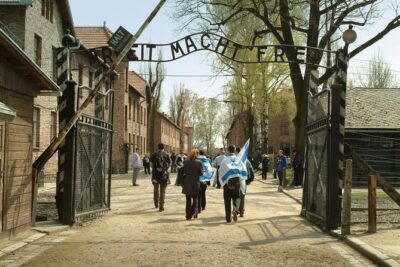
Auschwitz-Birkenau Museum and Memorial Guided Tour from Krakow
Read our review →
Krakow Schindler’s Factory Museum Guided Tour in English
Read our review →
Auschwitz Birkenau Museum Guided Tour with Pickup
Read our review →
Auschwitz Birkenau Museum and Salt Mine All Inclusive DAY TRIP with Local Guides
Read our review →
Chopin Piano Concert at Chopin Gallery with a Glass of Wine
Read our review →Browse the lists this tour appears in