

Reviewed · KRAKOW CITY PASSES AND ATTRACTION TICKETS
Krakow: Living Butterflies Museum ”House Of Attractions”
Krakow’s Living Butterfly Museum puts delicate, free-moving creatures at the center of a small indoor attraction on Grodzka Street. You can look closely at butterflies from Europe, Africa, the United States, and Asia, then watch bunnies and birds in the same family-friendly setting. It is billed as the first museum of its kind in Poland, which gives it more character than a standard display of pinned specimens.
I like the mix of close observation and simple learning, especially for children who may not have much patience for a formal museum. I also like the flexible ticket, valid for 1,000 days from first activation, which is unusually generous. The main caution is the unclear price information: the activity summary lists $12 per person, while the included ticket section says £36.99. Check the current amount before paying.
Key points at a glance
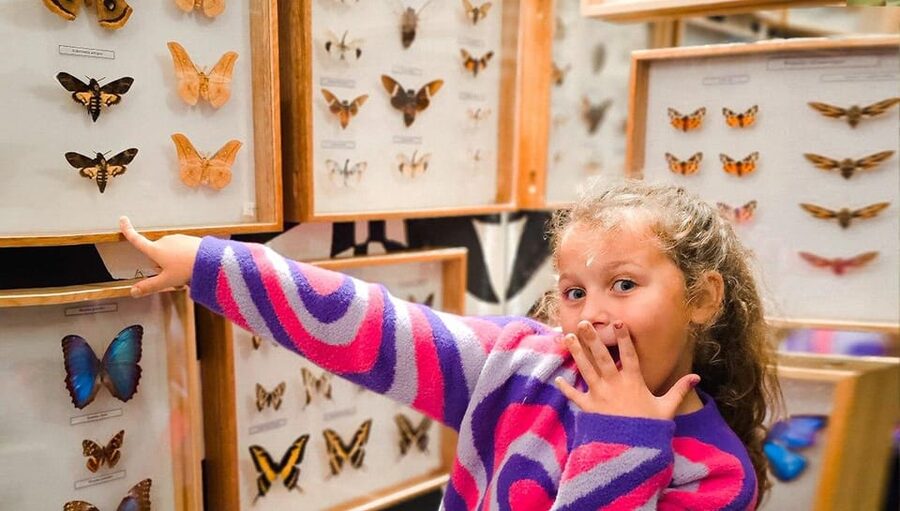
- Butterflies from four world regions: See species and sizes ranging from small, delicate insects to large butterflies with bold patterns.
- More than butterflies: Bunnies and birds add movement and variety to the visit.
- Observation points: Special spots let you watch animal behavior at close range.
- Four guide languages: English, Polish, Ukrainian, and Russian service is available.
- Flexible validity: Your ticket is valid for 1,000 days after first activation, not just on one fixed date.
- Family-focused setting: The attraction combines a gentle atmosphere with basic lessons about animals and nature.
A small nature stop on Grodzka Street
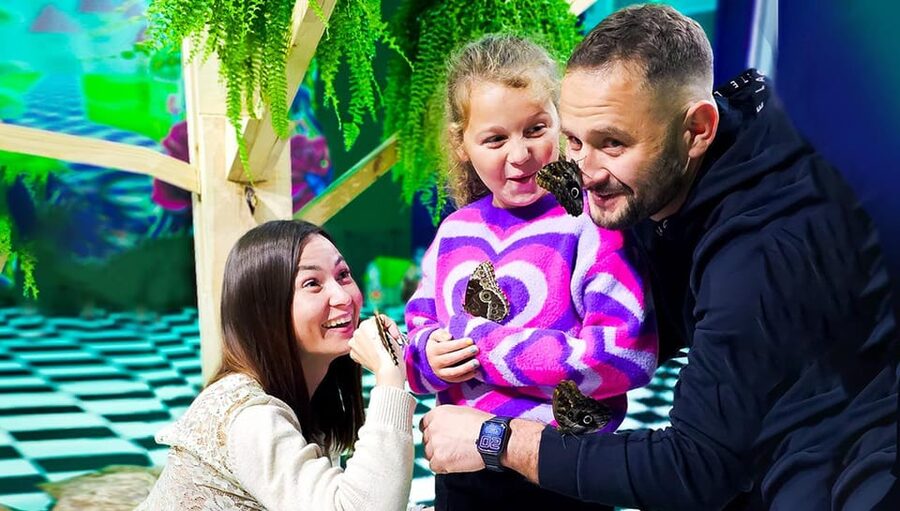
The museum is located at 48 Grodzka Street, one of Krakow’s central addresses. The supplied information does not give a full walking route, nearby transport details, or the exact size of the venue, so I would treat this as a compact city attraction rather than plan an entire day around it.
That can be a strength. You can fit the museum into a day of sightseeing without committing to a long tour or a fixed schedule. The long ticket validity also means you have room to adapt your plans, although you should confirm the latest entry arrangements directly when booking.
The setting is designed to feel personal and welcoming. Instead of presenting butterflies only behind glass or in framed displays, the museum gives you places to watch them and learn about their behavior. The aim is closer to a guided encounter than a traditional art or history museum visit.
You should keep your expectations in check. The information does not promise a large-scale zoo, a long guided route, or a formal presentation with a detailed timetable. It describes a focused collection of living creatures, observation areas, and guide support. For many families, that is enough. If you want a major Krakow attraction with hours of exhibits, this probably will not fill the bill.
More city passes and attraction tickets in Krakow:
- Krakow: City Pass With Transport
★ 4.1 · 575 reviews - Krakow City Pass – Museums, Atractions & City Transport
★ 4.0 · 18 reviews - Krakow: “House of Attractions” 6 Attraction Pass
★ 3.4 · 14 reviews
Meeting butterflies from around the world
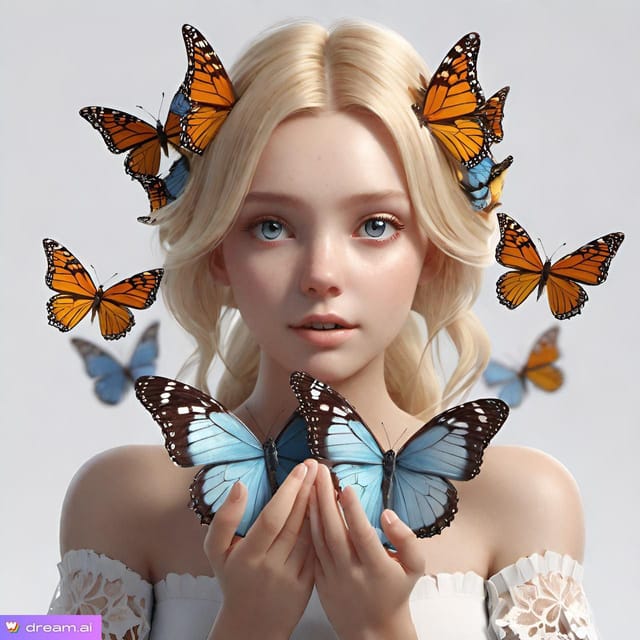
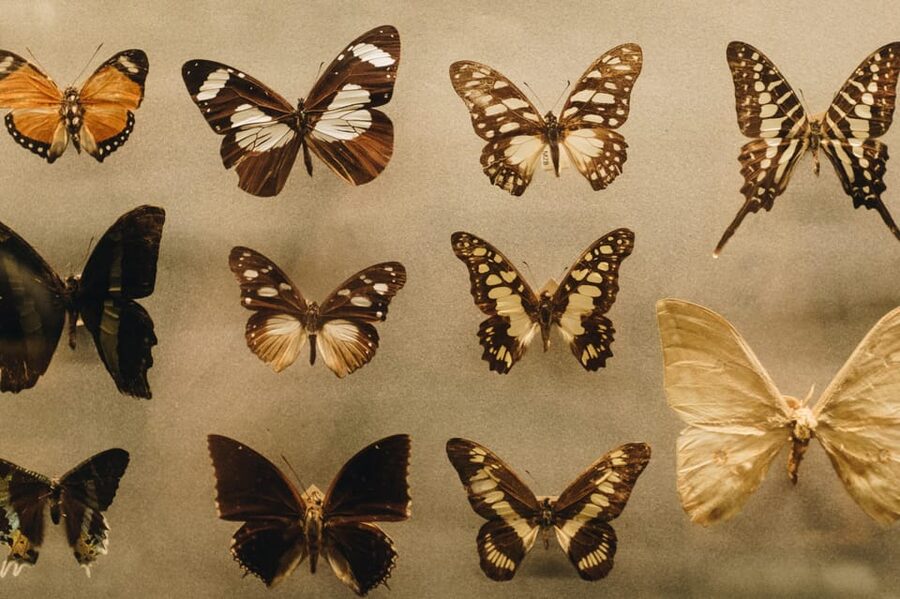
The butterflies are the main reason to come. You can see small and delicate species alongside larger butterflies from different parts of the world. Their wings range from bright, intense colors to softer pastel shades, with many different patterns and shapes.
This variety gives the visit some useful context. You are not simply looking at one local species repeated across several cases. Instead, you get a basic introduction to the range of butterfly forms found in Europe, Africa, the United States, and parts of Asia.
The special observation points matter here. Butterflies are easy to miss when they are still, and their patterns can look very different when the wings are open or closed. A close viewing area gives you time to notice those changes rather than rushing past a display.
I would encourage you to slow down at these points. Look for movement, wing patterns, and the way the butterflies behave around their surroundings. The supplied details do not promise that every species will be present on every visit, so think of the collection as a changing live display rather than a guaranteed checklist.
The live setting also changes the mood. A printed image can show you color and shape, but it cannot show the quiet movement of a real butterfly. That small difference is valuable for children, and it can make the visit more memorable for adults who already know the basics.
Why the bunnies and birds add value
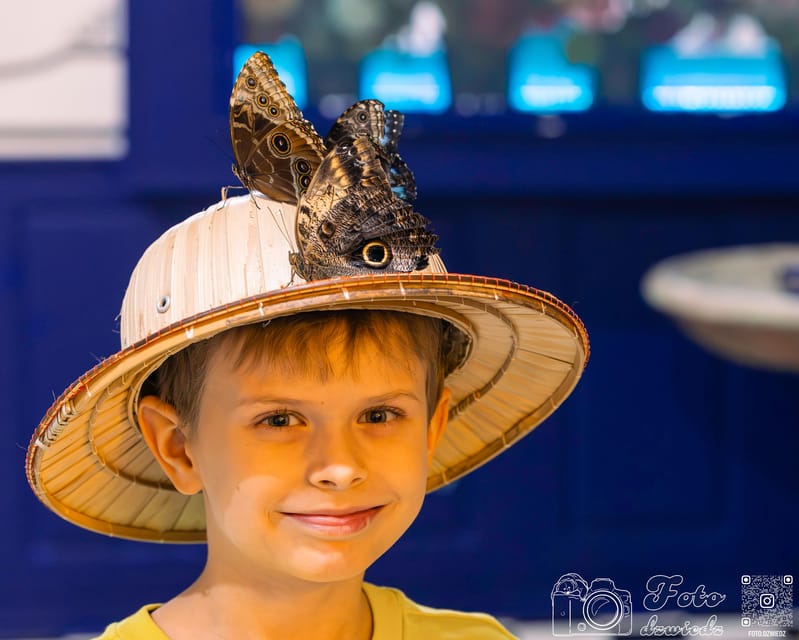
The museum is not limited to insects. You can also see bunnies and birds, with observation points designed to help you watch their behavior more closely.
This wider mix is useful if you are visiting with children who may lose interest after a few minutes of butterfly viewing. Bunnies offer a familiar, gentle presence, while birds add a different kind of movement and grace. The attraction therefore has several points of interest rather than relying on one collection alone.
The animal variety also supports the educational side of the visit. Butterflies, bunnies, and birds behave in very different ways. Seeing them in one place gives a child a simple chance to compare how animals move, rest, and respond to their surroundings.
The information provided does not say that visitors can touch or feed the animals. Do not assume that interaction means handling them. Here, interaction appears to mean close observation and the chance to ask guides about the creatures.
That distinction is important. Living animals need calm treatment, and a good visit depends on keeping the setting comfortable for them. I would follow staff instructions carefully and avoid expecting a hands-on petting experience unless the museum clearly confirms one.
What the guide adds to the visit
Guides are available in English, Polish, Ukrainian, and Russian. Their role is to share information about the animals and help you use the observation points.
That support can make a big difference, especially if you have never visited a living butterfly museum. A guide can point out details you might miss, explain basic behavior, and help children stay engaged. The information does not provide individual guide names, so you should not expect a named host or a particular person when booking.
The multilingual service is a practical advantage in Krakow. English support makes the museum accessible to international visitors, while Polish, Ukrainian, and Russian options serve a wider local and regional audience.
The word guide should not lead you to expect a long city tour. This is guidance inside the museum, focused on the animals and the displays. The attraction’s information does not state the length of a guided explanation, the size of groups, or whether every visit includes a continuous tour.
For that reason, I would see the guide as added help rather than the main product. The butterflies, bunnies, and birds are the draw. The guide makes it easier to understand what you are seeing.
More museums and exhibitions in Krakow:
- Auschwitz-Birkenau Museum and Memorial Guided Tour from Krakow
★ 4.5 · 1,510 reviews - Krakow: Rynek Underground Museum Guided Tour
★ 4.6 · 1,122 reviews - Krakow Schindler’s Factory Museum Guided Tour in English
★ 4.5 · 650 reviews - Krakow: Auschwitz Birkenau Museum Guided Tour with Pickup
★ 3.6 · 544 reviews
A closer look at the educational value
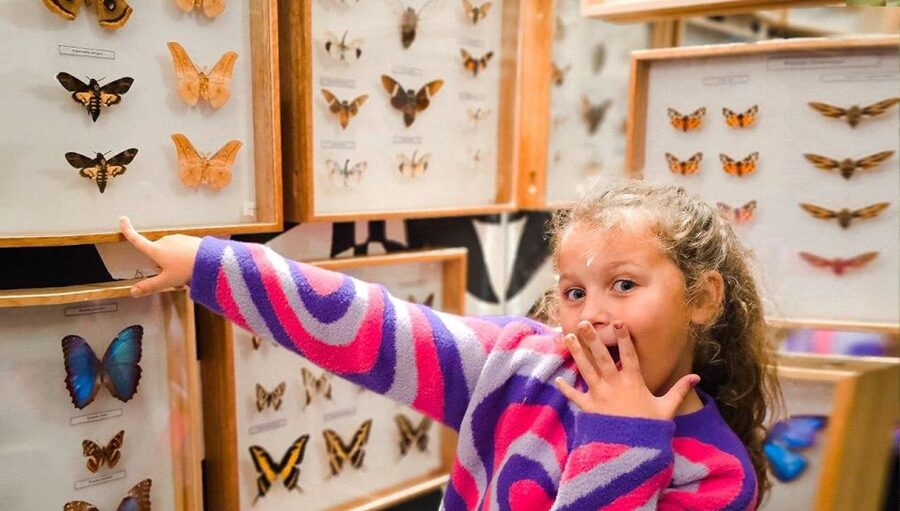
The museum’s educational purpose is straightforward. You learn through direct observation, with staff explaining the creatures and the setting around them.
That approach works well for younger visitors. Instead of asking a child to read long museum panels, you can start with what is right in front of you: the size of a butterfly, the colors on its wings, or the way a bunny behaves. The museum creates natural questions, and the guides can help answer them.
Adults may appreciate the same quality in a quieter way. Many people recognize butterflies by color but know little about species, behavior, or regional differences. Seeing examples connected to Europe, Africa, the United States, and Asia gives the collection a wider frame.
Still, do not expect a full science lesson. The supplied information describes educational value and guide explanations, but it does not list specific teaching topics, exhibit labels, or a formal workshop. You will get the most from the visit if you treat it as an introduction to animal behavior rather than a specialist course.
The best experience will likely come from taking your time. Observe first, then ask questions. A hurried walk through the room may show you the colors, but a slower visit lets you notice how a living collection differs from static museum displays.
How long should you allow?
The ticket is valid for 1,000 days from first activation, but the information does not state the length of one visit. That means I cannot give you a reliable figure for how long you will spend inside.
Plan with flexibility. The museum may suit a short stop during a day in central Krakow, especially for families who want a break from churches, streets, and larger cultural sites. It could also work as a simple indoor plan if you want something that does not demand a full morning or afternoon.
Do not book it as the only major activity of your day unless you confirm the expected visit length. The attraction description focuses on a collection of living animals, observation points, and guide interaction, not an extensive multi-hour program.
The 1,000-day validity is still useful. If your plans change, you have far more breathing room than with a ticket tied to one date. The wording says validity begins from first activation, so check the exact conditions at checkout and make sure you understand when that period starts.
Price, flexibility, and value
The supplied pricing is inconsistent. The summary gives a price of $12 per person, while the included section states that the ticket costs £36.99. Those are very different amounts, so you should verify the live price in the booking screen before deciding.
At around $12, the museum could offer fair value for a short, family-friendly stop, particularly if you appreciate living displays and guide access. At £36.99, the cost becomes much harder to judge without knowing the visit length, exact inclusions, and whether the ticket covers all areas.
The flexible validity adds value, but only if you can use it. A ticket valid for 1,000 days is helpful when your Krakow plans may change, yet it does not by itself justify a high price. The real question is how much time you will spend inside and how much your group values the close animal encounters.
Free cancellation up to 24 hours before the activity also reduces some risk. You can cancel in time for a full refund under the stated policy. The reserve-now, pay-later option gives you another bit of flexibility, since you do not have to pay at the time of reservation.
I would compare the final price with your group size. For a family, a higher per-person cost adds up quickly. For a child who loves animals, the close viewing may be worth it. For an adult seeking a major cultural attraction, the value may be less convincing.
Who will enjoy this museum most?
This is a good match for families, especially those with children who respond better to real animals than to long text panels. The mix of butterflies, bunnies, and birds keeps the subject varied, while the friendly setting should make the visit feel approachable.
It also suits visitors who want a gentle break from Krakow’s more serious sights. You do not need a background in biology, and the attraction is built around seeing and asking rather than studying.
The museum may appeal to animal lovers and photographers, but do not assume that photography rules, lighting, or camera conditions are guaranteed. Those details are not provided, so check before planning the visit around photography.
It is less suited to anyone looking for a major historical or cultural museum, a long structured tour, or a guaranteed hands-on animal encounter. The experience is focused and modest. That is its appeal, but also its limit.
Practical details before you book
The experience is provided by Sofi sp. z o.o. Guide service is listed in English, Polish, Ukrainian, and Russian.
The address is 48 Grodzka Street in Krakow. The activity information does not specify accessibility arrangements, exact opening hours, group size, the duration of a typical visit, or whether children must be accompanied by adults. Contact the provider if any of those details matter to your plans.
The rating is 3.8 out of 5 from 10 ratings. That is a middling result from a small sample, so I would use it as a signal to check the practical details rather than as a final judgment. The strongest reasons to book are the living collection, the animal variety, the multilingual support, and the unusual ticket flexibility.
Should you book the Living Butterfly Museum?
Book it if you want a short, gentle attraction centered on living butterflies, with bunnies and birds to keep the visit varied. It makes particular sense for families and for anyone curious about butterflies from different parts of the world.
Pause before booking if the listed price is close to £36.99 and you expect a long museum visit. Confirm the current price, visit length, and what the guide service includes. At the lower $12 figure, the value looks much easier to justify. At the higher figure, you need to care a lot about the close animal viewing.
FAQ
Where is the Living Butterfly Museum located?
The museum is at 48 Grodzka Street in Krakow, in Lesser Poland, Poland.
What animals can I see?
You can see living butterflies, bunnies, and birds. The butterflies include different species, colors, and sizes from Europe, Africa, the United States, and parts of Asia.
Is the museum suitable for children?
Yes. The activity is described as family-friendly and combines close observation with educational explanations about the animals.
Which languages are available?
Guide support is listed in English, Polish, Ukrainian, and Russian.
How long is the ticket valid?
The ticket is valid for 1,000 days from first activation.
Can I cancel for a refund?
You can cancel up to 24 hours in advance for a full refund, according to the stated cancellation terms.
How much does admission cost?
The supplied information gives two different prices: $12 per person in the summary and £36.99 in the included section. Confirm the current price before booking.
Just added around Krakow
- From Krakow: Zakopane Full-Day Tour with Lunch Option★ 4.4 · 62 reviews
- From Krakow: Zalipie and Painted Village Guided Tour★ 4.0 · 4 reviews
- From Krakow: Zakopane and Dunajec River Rafting Tour★ 4.6 · 31 reviews
- From Krakow: Zakopane and the Tatra Mountains★ 4.7 · 36 reviews
- From Krakow: Zakopane and Gubałówka Cable Car Private Tour★ 4.3 · 12 reviews
- From Krakow: Zakopane Tatra Mountains & Hot Springs Tour★ 3.0 · 29 reviews
- Zakopane & Tatra Mountains Private Full-Day Tour from Krakow★ 4.5 · 33 reviews
- From Krakow: Hot Springs and Zakopane with Gubałówka★ 4.7 · 25 reviews
Krakow City Passes and Attraction Tickets, compared.
Krakow City Pass – Museums, Atractions & City Transport
Read our review →

Krakow House Of Attractions: Guided Admission To attractions
Read our review →
Kościuszko Mound Entry Ticket & City Pass Options
Read our review →Browse the lists this tour appears in