
Reviewed · AUSCHWITZ-BIRKENAU TOURS FROM KRAKOW
Auschwitz and Birkenau Memorial and Museum Guided Tour from Krakow
Auschwitz and Birkenau are not casual sightseeing stops. This tour takes you from Krakow to both former camps with an official museum guide, headsets, and prearranged entry, making the visit easier to manage than arriving alone. The subject is painful, but the guided context helps you understand what you are seeing.
I like the round-trip transport and the small maximum group of 10. I also like that you receive time at both Auschwitz I and Auschwitz II-Birkenau, rather than seeing only the better-known first site. Guides such as Piotr have been praised for giving a clear, unhurried explanation of the camps and their liberation in 1945.
The main caution is timing. Pickup can shift, sometimes dramatically, because museum tickets are limited. A few bookings have required very early starts and long waits, while others began around 10:30 or 11:30 a.m. Your exact pickup time is confirmed the day before, so keep that part of your schedule flexible.
Key points to know before booking
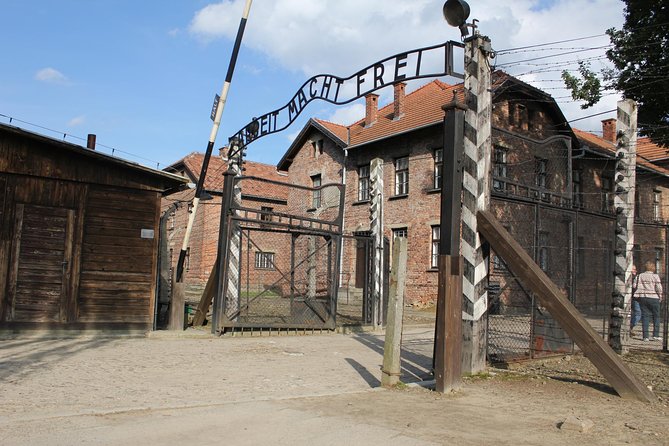
- Both camp sites are included: You visit Auschwitz I and the much larger Auschwitz II-Birkenau.
- The museum guide does the serious teaching: Headsets let you follow the guide clearly, even when the group is moving through crowded buildings.
- Pickup time can change: The stated window runs from early morning into early afternoon, with final details sent the day before.
- Expect a lot of walking: Uneven ground and stairs at Auschwitz I make sturdy shoes a wise choice.
- The small group is useful: The vehicle holds no more than 10 people, a more personal setup than a large coach.
- Food is not included: Bring water and something to eat, or ask about an optional lunch bag if that arrangement is available on your departure.
Why this visit matters
Auschwitz and Birkenau are preserved places of Nazi persecution and mass murder during World War II. You are not simply looking at old buildings. You are moving through spaces that were designed to imprison, exploit, and kill people.
That is why the guide matters so much. Without explanation, a barracks, railway line, or pile of personal belongings can seem like an isolated object. A good guide connects those objects to the system that created them and to the people caught inside it.
The visit is likely to feel upsetting. That is not a flaw in the experience. It is part of confronting the place honestly. Still, you should give yourself room afterward rather than planning a busy evening immediately after returning to Krakow.
More Auschwitz-Birkenau trips in Krakow:
- From Krakow: Auschwitz-Birkenau Guided Tour & Hotel Pickup
★ 4.5 · 33,358 reviews - From Krakow: Auschwitz-Birkenau Guided Tour & Hotel Pickup
★ 4.5 · 29,340 reviews - Krakow: Auschwitz Guided Tour with Optional Hotel Pickup
★ 4.5 · 15,280 reviews
Leaving Krakow for the museum
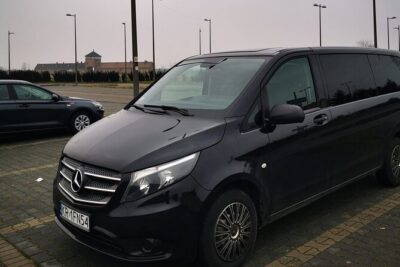
The meeting point is at Sienna 17 in central Krakow, and the tour ends back there. The vehicle is air-conditioned, and the transfer normally takes about 1 hour and 15 minutes each way, though traffic can change that.
The advertised duration is about six hours, but do not treat that as a fixed timetable. The museum controls entry times, and pickup may be adjusted to match available tickets and guide capacity. One departure may leave in the late morning and return around early evening. Another may begin before dawn if the operator has to secure admission at the museum.
This is the part that requires patience. In several cases, visitors were told only the day before that an earlier pickup was needed because tickets were not yet available. One departure involved a 4:50 a.m. pickup and waiting until the museum opened at 7:30 a.m. That is a major difference from a relaxed 10:30 a.m. start.
You should receive the exact pickup time by message or phone call the day before. Check those details carefully and arrive early. A late departure can delay the whole group, and one delayed outing was reportedly shortened by waiting for people who had not reached the meeting point on time.
Auschwitz I, the original camp site
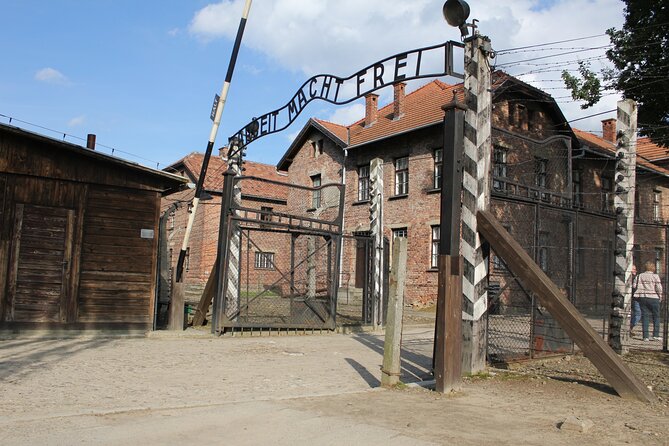
Auschwitz I is the smaller and more enclosed of the two sites. Its brick buildings now hold museum displays and preserved material connected with the camp’s operation and the people imprisoned there.
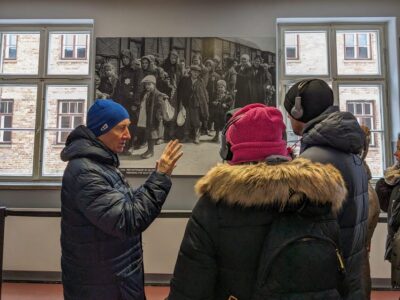
This part usually carries much of the detailed indoor explanation. With a headset, you can hear the guide while moving through the buildings instead of trying to stay shoulder to shoulder with the group. The guide explains how the camp developed, how it was used, and how its machinery of control worked.
The displays are difficult. You may see personal possessions and other evidence of the people who were sent there. The point is not spectacle. The museum uses these items to show the human scale of the crime, something that statistics alone cannot do.
Allow for stairs and uneven surfaces. The physical demands are not extreme for most people with moderate fitness, but the visit involves considerable walking. Older participants and anyone with mobility concerns should take the ground conditions seriously.
A short cinema introduction may be part of the arrival process, although one departure missed the visual presentation because of delays. This is another reason to be on time and to understand that the day can change when admission arrangements shift.
Auschwitz II-Birkenau, the larger camp
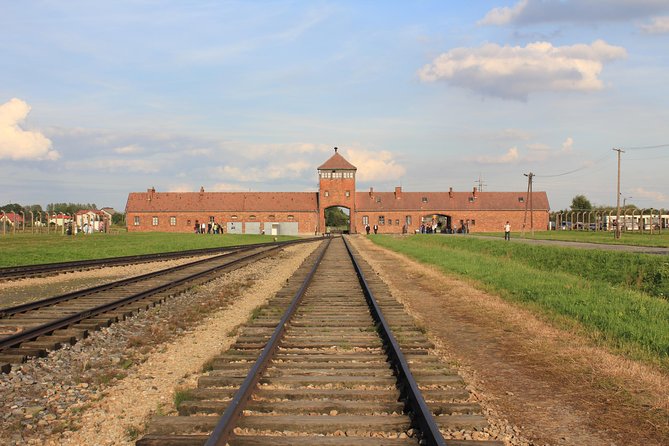
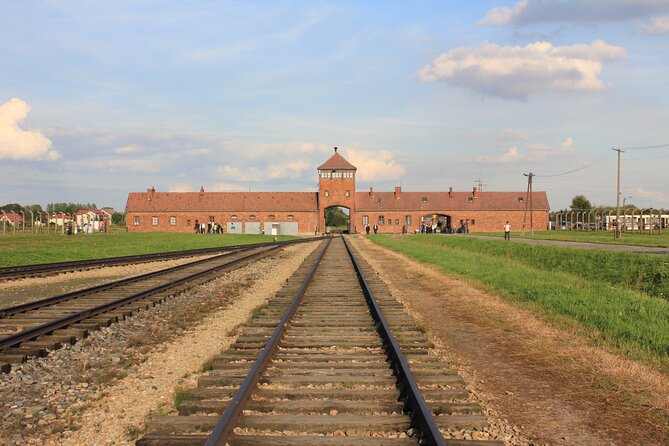
Birkenau is much more open and spread out. The railway entrance and long rows of barracks make the size of the operation easier to grasp. Here, distance matters. The scale of the site shows that this was not a single building or isolated prison, but a vast camp complex built for mass detention and murder.
You continue with the museum guide, using the headset to follow the explanation across the grounds. The guide helps place the railway, barracks, remains, and memorial areas in context. The setting can feel stark and exposed, with long walking stretches between points of interest.
This second stop is essential. Seeing only Auschwitz I would leave out the physical scale of Birkenau and the role it played. The two places tell different parts of the same story, so I would not choose an option that visits only one unless your time or mobility makes the full program impossible.
The total guided visit to both sites is about three hours. That sounds generous, but it is not enough to see every corner. Some departures have felt rushed, especially after late pickups or delays at admission. The guide can give you a strong framework, but you will not have unlimited time for every building and memorial.
More museums and exhibitions in Krakow:
- Auschwitz-Birkenau Museum and Memorial Guided Tour from Krakow
★ 4.5 · 1,510 reviews - Krakow: Rynek Underground Museum Guided Tour
★ 4.6 · 1,122 reviews - Krakow Schindler’s Factory Museum Guided Tour in English
★ 4.5 · 650 reviews - Krakow: Auschwitz Birkenau Museum Guided Tour with Pickup
★ 3.6 · 544 reviews
The museum guide makes the difference
The most praised part of this experience is the guide at Auschwitz-Birkenau. Piotr is specifically described as offering an educational, unhurried visit. Other guides have been praised for their passion, clear explanations, and ability to make the subject understandable without losing its seriousness.
That quality matters more here than on an ordinary sightseeing tour. A guide should explain the camp system, the purpose of each area, and the final liberation by Soviet soldiers in 1945. You need enough context to understand the buildings, but also enough restraint to let the place speak for itself.
The supplied headsets are practical, not decorative. Groups can spread out, and the museum may be busy. Without a headset, you might spend the visit trying to stay close enough to hear. With one, you can look at the displays and still follow the commentary.
The driver can also shape the day. David was praised for clear explanations, friendly help, and checking on the group from pickup through the return journey. Another driver, Marta, was described as honest and supportive during a difficult ticket situation. These personal touches are valuable when the schedule changes or you are unsure where to go next.
Still, the main guide is the person responsible for the museum visit. The driver may provide useful information, but the formal interpretation takes place with the Auschwitz-Birkenau guide.
Transport, group size, and comfort
A maximum of 10 people is a real advantage. You are less likely to feel lost in a large crowd, and it is easier for the driver or tour staff to check that everyone is present. The vehicle is air-conditioned, which helps during a long transfer.
The condition of the vehicle may vary. One booking used a newer coach, while another involved an older van with suspension problems. That does not change the importance of the museum, but it is worth keeping expectations practical. This is transport to a serious memorial, not a luxury day trip.
The Krakow meeting point is near public transportation, which is useful if you are staying outside the center. The end point is the same as the start, so you will not need to arrange a separate return from the museum.
You need to arrive on time. Several people being 15 minutes late caused a vehicle to turn around, delaying everyone else. A strict departure rule would make sense for this kind of outing, and you should act as if the vehicle will leave without you even if the operator does not state that clearly.
What to bring for a six-hour day
Food and drinks are not included. Pack water and a small meal or snack, particularly if your pickup time is early or your return is late. One driver arranged a lunch bag with a sandwich, fruit, water, and a snack for an extra 10 euros, but that should not be treated as a standard inclusion.
Wear sturdy, comfortable shoes. The route involves a lot of walking, uneven ground, and stairs at Auschwitz I. Warm clothing is sensible as well, since parts of Birkenau are outdoors and the day can involve waiting.
You should also prepare yourself mentally. The visit includes painful evidence and stories. It is reasonable to feel quiet, distressed, or emotionally drained afterward. I would avoid scheduling another major attraction immediately after the return to Krakow.
Children must be accompanied by an adult. The stated fitness requirement is moderate, but the emotional demands may matter as much as the physical ones. Parents should decide carefully if the subject is suitable for their child.
Is $120.68 a fair price?
At $120.68 per person, this is not the cheapest way to reach the museum. You are paying for transport from Krakow, entry tickets, an English-language professional guide, headsets, and the convenience of returning to the same central meeting point.
The value depends heavily on ticket availability. Auschwitz admission can sell out, and securing a place in a guided visit is not always simple. A tour that gets you admitted at a sensible hour can save a great deal of stress. On the other hand, some bookings have involved an early pickup, a queue, and uncertainty about entry, which makes the price feel high if you mainly receive transport and help finding the standard museum tour.
I would judge the price by three questions:
- Did the operator secure your entry before the day?
- Is the pickup time confirmed clearly?
- Are you receiving the full visit to both Auschwitz I and Auschwitz II-Birkenau?
If the answer to those questions is yes, the cost can be reasonable for a small-group outing. If tickets are still uncertain until the morning of the visit, ask for clarification before committing. The museum itself is the main value. The tour earns its price by reducing the risk and difficulty of getting there and getting in.
Who should book this tour?
I would choose this tour if you are staying in Krakow, want both camp sites, and prefer not to manage transport and museum entry on your own. It suits visitors who value a professional guide and a small group more than absolute flexibility.
It is also a good fit if you are visiting during a busy period when tickets may disappear quickly. The booking confirmation is issued at once, and the operator requires each participant’s full name and contact information for the museum. That requirement is routine for this visit, but make sure the names are correct.
This is less suitable if you need a rigid schedule. Pickup can fall anywhere from 6:00 a.m. to 1:30 p.m., with the final time confirmed only the day before. It is also not ideal if you want a private, slow-paced visit, since the three-hour museum program has to follow the group and the museum’s schedule.
The tour is offered in English. If you need another language, this particular option will not meet that need.
My verdict on the Auschwitz-Birkenau tour from Krakow
I would book this experience if the operator confirms that entry tickets are secured and gives you a clear pickup time the day before. The best features are the visit to both sites, the strong museum guides, the headsets, and the small group of no more than 10.
I would not book it without checking the ticket situation. The biggest weakness is the uneven timing: some departures run smoothly, while others require a dawn start, a queue, or a long wait. Free cancellation is available up to 24 hours before the start time, so use that window to confirm the practical details.
Go for the historical understanding, not comfort or entertainment. Bring shoes, water, food, patience, and the right frame of mind. Done well, this is a carefully guided visit to one of Europe’s most important memorial sites, but the schedule may demand flexibility.
FAQ
How long does the Auschwitz-Birkenau tour from Krakow last?
The advertised duration is approximately six hours, including transport from Krakow and the visit to both museum sites. Transfer times depend on traffic and the time of day.
Does the tour visit both Auschwitz I and Auschwitz II-Birkenau?
Yes. The experience includes time at Auschwitz I and Auschwitz II-Birkenau, with a guided museum visit lasting about three hours.
Where does the tour begin and end?
It begins at Sienna 17, 33-332 Kraków, Poland, and ends back at the same meeting point.
What time does pickup take place?
The pickup time can change. The possible start window is listed as approximately 6:00 a.m. to 1:30 p.m., and the exact time is confirmed the day before the tour.
Are entrance tickets included?
Yes. Entry tickets to the Auschwitz-Birkenau State Museum are included, along with a professional guide and headsets.
Is food included?
No. Food and drinks are not included. You should bring your own refreshments. An optional lunch bag has been available on at least one departure for an extra 10 euros, but this is not listed as a standard inclusion.
Can I cancel for a full refund?
Yes, if you cancel at least 24 hours before the experience start time. Cancellations or changes made less than 24 hours in advance are not accepted for a refund.
Just added around Krakow
- From Krakow: Zakopane Full-Day Tour with Lunch Option★ 4.4 · 62 reviews
- From Krakow: Zalipie and Painted Village Guided Tour★ 4.0 · 4 reviews
- From Krakow: Zakopane and Dunajec River Rafting Tour★ 4.6 · 31 reviews
- From Krakow: Zakopane and the Tatra Mountains★ 4.7 · 36 reviews
- From Krakow: Zakopane and Gubałówka Cable Car Private Tour★ 4.3 · 12 reviews
- From Krakow: Zakopane Tatra Mountains & Hot Springs Tour★ 3.0 · 29 reviews
- Zakopane & Tatra Mountains Private Full-Day Tour from Krakow★ 4.5 · 33 reviews
- From Krakow: Hot Springs and Zakopane with Gubałówka★ 4.7 · 25 reviews
Auschwitz-Birkenau Tours from Krakow, compared.
Auschwitz-Birkenau Guided Tour & Hotel Pickup
Read our review →Auschwitz-Birkenau Guided Tour & Hotel Pickup
Read our review →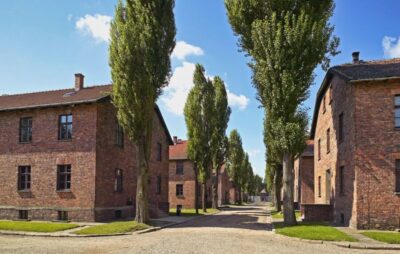
Auschwitz Guided Tour with Optional Hotel Pickup
Read our review →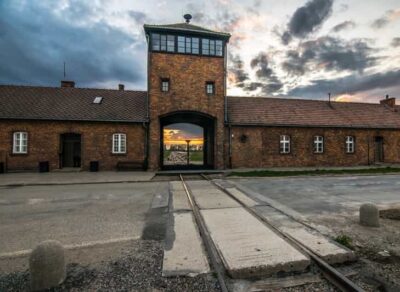
Auschwitz-Birkenau Guided Tour with Pickup & Lunch
Read our review →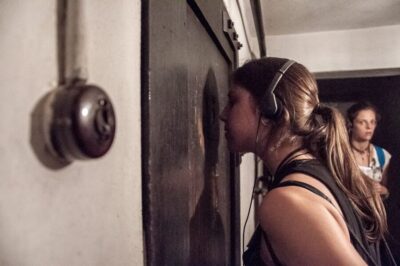
Auschwitz-Birkenau Guided Tour Pickup/Lunch Options
Read our review →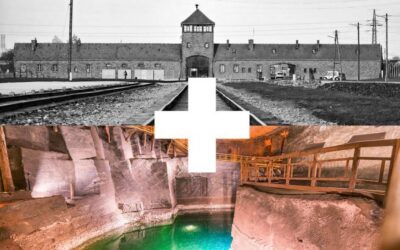
Krakow to Auschwitz Birkenau Guided Tour with Transfer and Ticket
Read our review →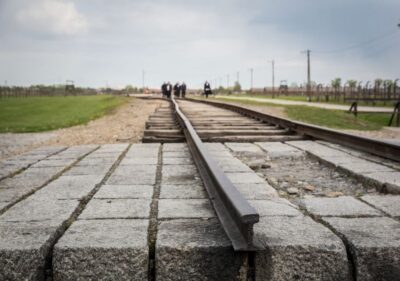
Browse the lists this tour appears in