
Reviewed · KRAKOW CITY PASSES AND ATTRACTION TICKETS
Krakow City Pass – Museums, Atractions & City Transport
Krakow’s pass is built for museum-heavy days. One card covers entry to 22 museums and unlimited city buses and trams, so you can move from the Old Town to Kazimierz, Podgórze, or the Polish Aviation Museum without buying separate tickets each time. I especially like the freedom to choose your own route and the chance to visit smaller museums you might otherwise skip.
I also like the mix of subjects. You can study medieval Krakow beneath the Main Market Square, face the city’s wartime story at Schindler’s Factory, then switch gears with Polish art, aviation, churches, or local folk culture. The main catch is that the card is valid by consecutive calendar days, not by a rolling number of hours, and some popular museums require advance booking.
Key points to know before you buy
- 22 museums are included, covering art, Jewish culture, wartime history, archaeology, churches, and aviation.
- Buses and trams are included day and night, useful for museums outside the walkable Old Town.
- One, two, and three-day options let you match the card to your schedule.
- Start early, since your first day ends with the calendar date rather than 24 hours after activation.
- Monday closures matter, and some major sites may need a reserved time slot.
- The pass is best for museum fans, not for a short visit focused only on Krakow’s outdoor sights.
What you get for $42.61
The Krakow City Pass costs $42.61 per person and is sold for one, two, or three days. The exact value depends on how many museums you visit, how much public transport you use, and how well your chosen attractions fit together.
I would not buy it simply because it includes a long list. Many Krakow museums have modest individual admission prices. One price cited for a standard museum visit was about 10 złoty, while Schindler’s Factory was around 24 złoty. That means you need several paid visits, plus some transport use, before the pass begins to look like a clear bargain.
The card becomes more useful when you visit several museums in one day. It also saves the small bother of finding ticket machines, carrying change, and checking fares every time you board a tram. You may value that convenience even when the arithmetic is close.
The pass can also encourage a better style of sightseeing. Instead of spending every hour around the Main Market Square, you can ride to a less central museum, see a focused collection, and return when you are ready. I find that useful in Krakow, where the major sights are easy to reach on foot but several worthwhile museums are spread across different districts.
More city passes and attraction tickets in Krakow:
- Krakow: City Pass With Transport
★ 4.1 · 575 reviews - Krakow: “House of Attractions” 6 Attraction Pass
★ 3.4 · 14 reviews - Krakow: House of Attractions Gold Package 2+2 Entry Ticket
★ 3.0 · 11 reviews
Start in Krakow’s Old Town
The Old Town gives you the easiest opening day. Church of St. Adalbert, beside the Main Market Square, takes about an hour and offers a compact introduction to Krakow’s religious and architectural past. It is small enough to fit between other visits.
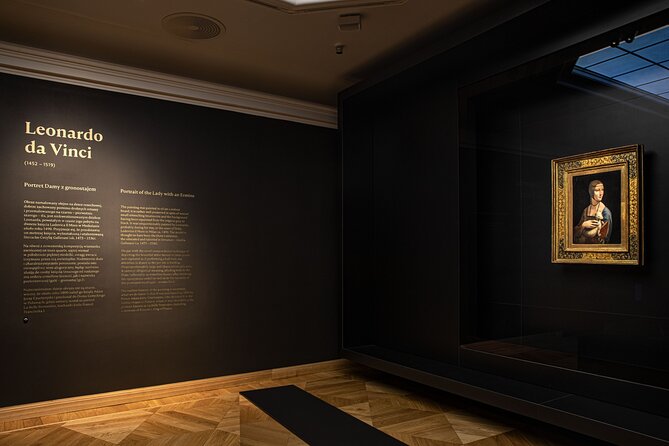
The Czartoryski Palace Museum is a stronger choice if you want famous European art. Allow about an hour, though your pace will depend on how closely you study the displays. The Old Town location makes it easy to combine with the Cloth Hall and other central sights.
The Gallery of 19th-Century Polish Art occupies the historic Cloth Hall right on the Main Market Square. Its collection includes work by Jan Matejko, Henryk Siemiradzki, and Józef Chełmoński. The galleries are arranged around Classicism, Romanticism, Academic Art, and Realism and Impressionism, with more than 200 paintings and sculptures.
I like this stop because it gives you Polish art without sending you across town. The building itself is part of the experience, and the terrace offers a view across the square. Plan about an hour, and remember that last admission to exhibitions is usually 90 minutes before closing.
The Town Hall Tower is also included among the listed attractions. It is a short, architectural stop rather than a full museum visit, so it pairs well with a longer gallery or underground exhibition.
Go below the square at Rynek Underground
Rynek Underground takes you beneath the Main Market Square, where an archaeological route follows excavated merchant stalls and traces of Krakow’s medieval commercial life. It is one of the pass’s most distinctive attractions because the setting does much of the teaching.
This is a good place to use the pass early in your visit. The museum helps explain why the square looks and functions as it does today, and it gives you a different view of Krakow than churches and grand facades do.
Do not assume that the pass guarantees instant entry. Advance booking has been necessary for Rynek Underground, with popular times filling up. The same warning applies to Schindler’s Factory. Check availability before planning your day around either museum.
Follow Krakow’s wartime story
Schindler’s Factory is one of the most important inclusions. It presents Krakow during the Second World War and connects the factory’s story with the Jewish population whose lives were changed by German occupation. The museum is emotionally weightier than a casual stop, so allow time to read and reflect rather than trying to rush through it.
The Pharmacy Under the Eagle adds another part of that story. Its focus is the pharmacy and the efforts connected with saving Jewish lives during the occupation. It is a smaller, more concentrated visit than Schindler’s Factory, and the two work well together if wartime Krakow is a priority.
The Galicia Jewish Museum in Kazimierz commemorates Holocaust victims while also presenting the Jewish culture of Polish Galicia. Its approach combines remembrance with a look at Jewish life, rather than treating the district only as a place of loss.
I would give these museums a full morning or afternoon, not squeeze them between quick photo stops. They are among the places where the pass offers real purpose, especially if you want historical context beyond the postcard view of Krakow.
More museums and exhibitions in Krakow:
- Auschwitz-Birkenau Museum and Memorial Guided Tour from Krakow
★ 4.5 · 1,510 reviews - Krakow: Rynek Underground Museum Guided Tour
★ 4.6 · 1,122 reviews - Krakow Schindler’s Factory Museum Guided Tour in English
★ 4.5 · 650 reviews - Krakow: Auschwitz Birkenau Museum Guided Tour with Pickup
★ 3.6 · 544 reviews
See Kazimierz and local culture
The Ethnographic Museum is in the Kazimierz district, in a former town hall building with older origins and Renaissance changes. Its exhibits focus on Polish folk culture, customs, interiors, clothing, and everyday traditions.
This is a useful contrast after the Jewish museums. Kazimierz is often visited for its streets, synagogues, cafés, and food, but the Ethnographic Museum gives you a wider view of life across Poland. Allow about an hour.
The Archdiocesan Museum offers another change of pace, with religious art and objects. It suits visitors interested in Krakow’s church history and artistic traditions. The Bishop Erazm Ciolek Palace, part of the National Museum in Krakow, adds medieval and early Polish art in a historic setting.
St. Mary’s Basilica is also cited as one of the places used with the card. It is one of the city’s central landmarks, so its location is convenient, though you should confirm the current entry arrangements and any separate conditions before relying on the pass.
Meet Krakow’s artists
The pass includes several compact museums devoted to Polish artists. The House of Jan Matejko introduces the home and work of one of Poland’s best-known historical painters. The Jozef Mehoffer House gives you a more intimate domestic setting connected with another Krakow artist.
The Wyspiański Museum in the Szolayski Tenement House focuses on Stanisław Wyspiański, a major Polish artist from the turn of the 19th and 20th centuries. The collection contains about 900 works, with paintings, designs, and other pieces connected with his wide-ranging career.
These smaller museums are valuable because they show how artists lived and worked, rather than presenting only isolated paintings in a large institutional setting. Each takes roughly an hour to an hour and a half. They are also good choices when you want a quiet indoor stop after crowded central streets.
The Hutten-Czapski Museum, a National Museum branch, focuses on the collection associated with Emeryk Hutten-Czapski and occupies the Czapski Palace area on Piłsudskiego Street. It is a specialist stop, best for people who enjoy prints, coins, manuscripts, or focused collections. Check the current display details before making it the main reason for your day.
Ride beyond the center
The Polish Aviation Museum is one of the clearest reasons to use the transport benefit. It is outside the tight Old Town core, and the included buses and trams make a visit easier to arrange.
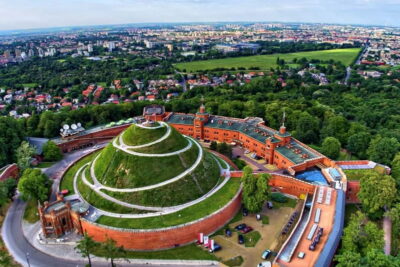
You can also use public transport to reach Kościuszko Mound. The mound was built in memory of Tadeusz Kościuszko and follows the form of Krakow’s older prehistoric mounds. A winding path leads to the top, about 326 meters above sea level, with views toward the Vistula River and the city.
Allow about an hour and a half for Kościuszko Mound. The pass includes admission, but this is not simply an indoor museum visit. You will walk uphill and should allow time for the panorama, not just the climb.
The Archaeological Museum’s Nowa Huta branch takes you farther from central Krakow, to a manor and park complex in Branice. The area has archaeological evidence reaching back to the Neolithic period, around 6000 BC. It is a specialist outing and makes most sense if you have a third day or have already seen the central highlights.
Add the lighter stops
Legends of Cracow is a robotic presentation built around stories such as the Wawel Dragon, the Mariacki towers, the yellow boot, the Sigismund Bell, and the connection between Kinga and the Wieliczka Salt Mine.
It takes about an hour and a half and is a good choice for families or anyone who wants something less solemn after the wartime museums. I would not make it the sole reason to buy the pass, but it can fill a wet afternoon or give children a break from traditional galleries.
The card also offers discounts at selected restaurants, shops, and other businesses. Treat these as a bonus rather than part of your savings calculation. The useful core is the museum entry and transport.
Plan around closures and reservations
The biggest planning mistake is treating the card as a magic skip-the-line ticket. It includes admission, but some museums still require you to collect a timed ticket or reserve a place. Schindler’s Factory and Rynek Underground can fill up, especially at popular times.
Monday is another concern. Some museums do not operate on Mondays, so a Monday start can leave you with fewer choices. Check opening days before selecting your pass dates, and do not assume every attraction in the advertised collection is open every day.
Start using the card in the morning. It is valid for the selected consecutive dates, not for a rolling 24, 48, or 72 hours from the moment you first tap in. If you collect it late in the day, you may lose much of that calendar day.
Collection hours also deserve attention. Collection points may close around 19:00, and an arrival after closing can force you to buy separate transport or delay activation. If you are landing late, check exactly where and when you can pick up the card before you pay for it.
The pass does not include hotel pickup, food, or drinks. It is a self-guided product, so you set the route and keep track of opening times, reservations, and transport connections.
Who should buy the Krakow City Pass?
I would choose the pass if you have two or three full days, enjoy museums, and plan to visit several districts. It is especially useful if you want Schindler’s Factory, Rynek Underground, the Galicia Jewish Museum, several National Museum branches, and a few transport-dependent sites.
It is less convincing for a short weekend built around walking, churches, the Main Market Square, and one or two paid museums. Krakow’s central sights are close together, and individual tickets may cost less than the pass.
I would also separate this decision from any full-day Auschwitz or half-day Wieliczka Salt Mine outing. Those trips can use much of your available time, and they are not listed among the pass inclusions. If your Krakow schedule is mostly taken by those excursions, you may not have enough museum time to make the card pay.
Is the pass worth booking?
Book it if you will use at least several included museums and want unlimited buses and trams without thinking about individual fares. A two-day pass can work well for a focused plan, while three days gives you room for farther-out museums, Kościuszko Mound, and slower visits.
Skip it if you prefer walking, have fewer than two useful museum days, or will arrive after collection points close. The card is convenient, but its value depends on planning. Reserve the popular museums, avoid a Monday-heavy schedule, and start early. Do that, and the pass can turn Krakow’s wide museum menu into a practical, good-value visit.
FAQ
How many days is the Krakow City Pass valid?
You can choose a one-day, two-day, or three-day pass. It is valid for the consecutive number of calendar days selected, not a rolling number of hours.
Does the pass include public transport?
Yes. The pass includes travel on Krakow’s buses and trams at any time of day, including night services.
How many museums are included?
The pass includes entrance to 22 museums. The attractions cover art, archaeology, Jewish culture, wartime history, churches, aviation, and local traditions.
Are all museums open every day?
No. Some museums do not operate on Mondays. You should check the opening days of your chosen attractions before deciding when to activate the pass.
Do I need to reserve popular museums?
Advance booking may be needed for attractions such as Rynek Underground and Schindler’s Factory. Included admission does not always mean immediate entry without collecting a timed ticket.
Does the pass include food, drinks, or hotel transfers?
No. Food, drinks, and hotel pickup and drop-off are not included. The pass does offer discounts at selected restaurants, shops, and other businesses.
Just added around Krakow
- From Krakow: Zakopane Full-Day Tour with Lunch Option★ 4.4 · 62 reviews
- From Krakow: Zalipie and Painted Village Guided Tour★ 4.0 · 4 reviews
- From Krakow: Zakopane and Dunajec River Rafting Tour★ 4.6 · 31 reviews
- From Krakow: Zakopane and the Tatra Mountains★ 4.7 · 36 reviews
- From Krakow: Zakopane and Gubałówka Cable Car Private Tour★ 4.3 · 12 reviews
- From Krakow: Zakopane Tatra Mountains & Hot Springs Tour★ 3.0 · 29 reviews
- From Krakow: Zakopane & Tatra Mountains Tour★ 3.8 · 42 reviews
- Zakopane & Tatra Mountains Private Full-Day Tour from Krakow★ 4.5 · 33 reviews
Krakow City Passes and Attraction Tickets, compared.



Living Butterflies Museum ”House Of Attractions”
Read our review →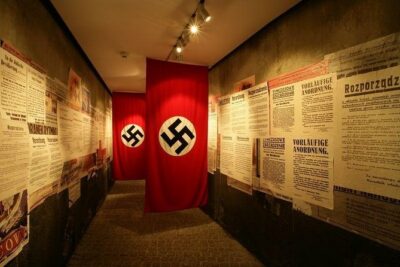

Krakow House Of Attractions: Guided Admission To attractions
Read our review →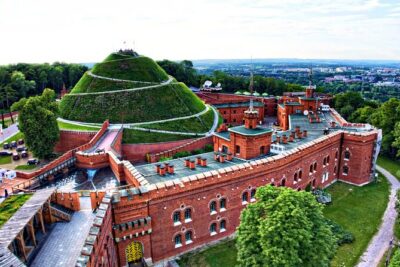
Kościuszko Mound Entry Ticket & City Pass Options
Read our review →Browse the lists this tour appears in