
Reviewed · AUSCHWITZ-BIRKENAU TOURS FROM KRAKOW
Auschwitz-Birkenau: Museum Entry Ticket with Guided Tour
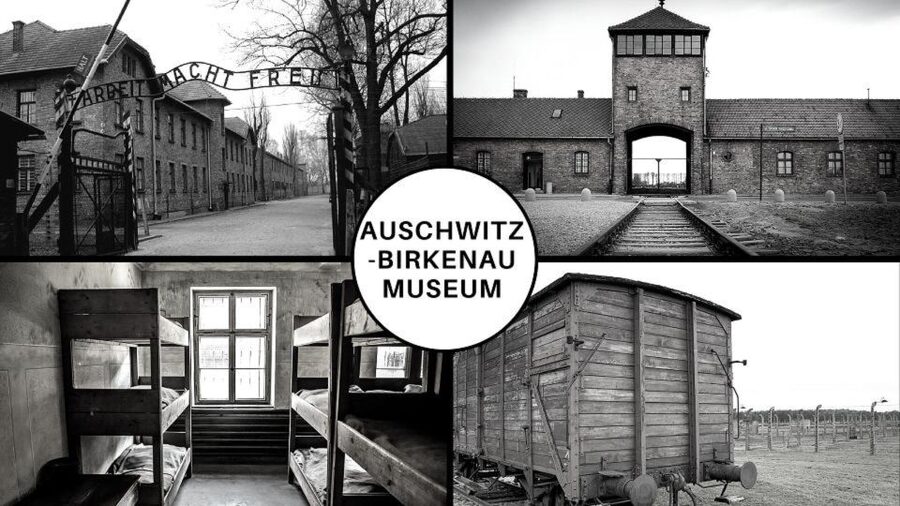
Auschwitz-Birkenau is not a sightseeing stop to race through. It is a place of evidence, memory, and grief, where the infamous gate, prison barracks, railway platform, and gas chamber ruins make the scale of the crime painfully clear. This 210-minute guided visit gives you structure, a live English-speaking guide, and a headset so you can follow the explanation even in a large group.
I like that your entry ticket and guide are bundled, which removes much of the usual uncertainty around visiting this busy memorial. I also like the two-part format: Auschwitz I provides the museum displays and barracks, while Birkenau shows the huge physical scale of the killing center. The main drawback is timing. The schedule can change by as much as four hours, the visit may feel rushed, and you must arrange your own transport to and from the site.
Key points
- Two separate camp areas: Tour Auschwitz I first, then continue at Auschwitz II-Birkenau.
- A live English-speaking guide: A headset helps you hear the commentary across the group.
- A serious, tightly managed visit: The memorial service controls the pace and duration.
- A $52 package: The price covers skip-the-line entry, a guided group tour, and headset rental.
- Strict entry rules: Bring matching passport or ID details and a bag no larger than 30 by 20 by 10 centimeters.
- Best for mature visitors: The experience is not suitable for children under 14 or people with mobility impairments.
Why this Auschwitz visit needs careful planning
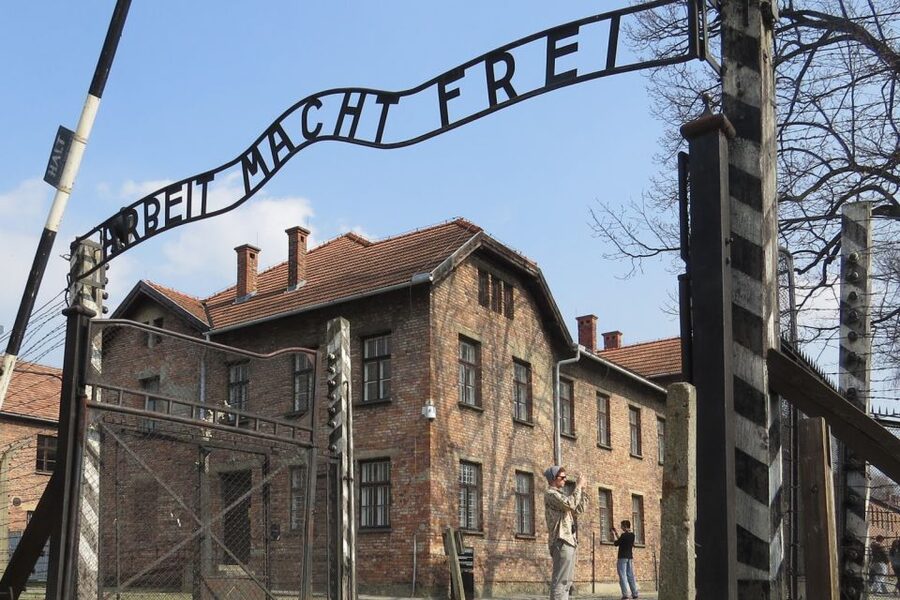
Auschwitz-Birkenau is about 70 kilometers from Krakow, but this experience does not include a transfer. You need to reach the Auschwitz-Birkenau Museum Visitor Center under your own steam, then look for the information boards near the gate leading to the parking area.
That arrangement can work well if you have a rental car or have already arranged transport. It gives you control over the journey and avoids paying for a transfer you may not need. If you are staying in Krakow without a car, though, you will need to sort out your onward transport separately. The tour operator, LegendaryKrakow, provides the museum visit, not a complete door-to-door day trip.
The meeting point is the Centrum Obsługi Odwiedzających Muzeum Auschwitz-Birkenau. Arrive with your passport or ID card, since the name used for booking must match your identification exactly. This is not a minor paperwork point. The museum can refuse entry when the names do not match.
The advertised duration is 210 minutes, or three and a half hours. The actual start time is not fully fixed until close to the visit, and the time can move by up to four hours. Keep your day flexible. Do not book a train, flight, or tightly timed evening event immediately afterward.
More Auschwitz-Birkenau trips in Krakow:
- From Krakow: Auschwitz-Birkenau Guided Tour & Hotel Pickup
★ 4.5 · 33,358 reviews - From Krakow: Auschwitz-Birkenau Guided Tour & Hotel Pickup
★ 4.5 · 29,340 reviews - Krakow: Auschwitz Guided Tour with Optional Hotel Pickup
★ 4.5 · 15,280 reviews
Auschwitz I: barracks, displays, and the infamous gate
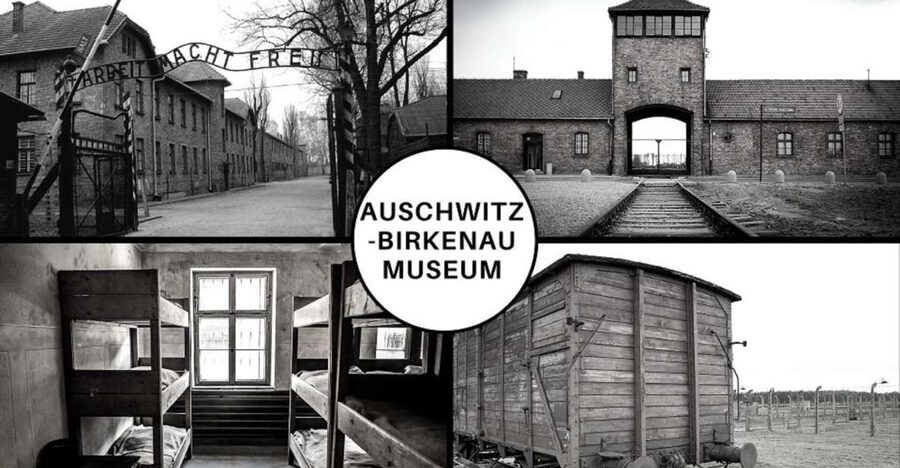
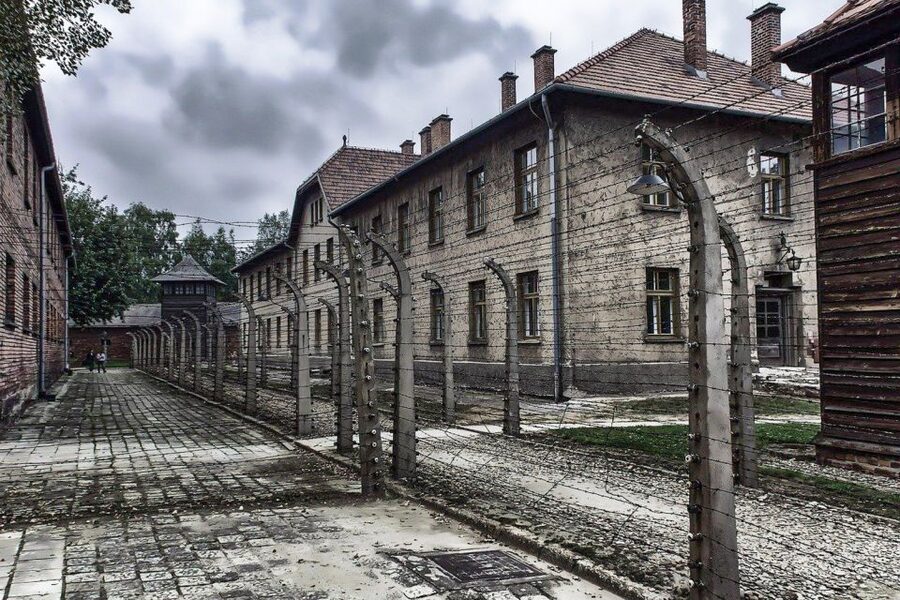
The first guided section lasts about 105 minutes at Auschwitz I. This is the older camp, built in 1940 on the outskirts of Oswiecim. You enter through the well-known gate and walk across the former camp grounds with the guide.
Auschwitz I often feels more enclosed and orderly than Birkenau. Brick barracks line the paths, and many now contain exhibitions. The displays explain who was imprisoned here and show the material remains connected to their lives. That contrast is part of the power of the visit. The buildings are plain, but the human evidence inside them is not.
The tour gives you a way to understand the camp as more than a collection of buildings. You learn about the people held there, the conditions they faced, and the system that brought them to this place. The memorial estimates that more than 1.5 million people were killed at Auschwitz, representing 28 nationalities. Nearly 90 percent were Jews.
Those figures are hard to absorb on their own. The guide helps connect them to the rooms, corridors, barracks, and objects in front of you. A live explanation also lets you keep moving instead of stopping to read every panel at the same speed as the rest of the group.
The headset is especially useful here. Group tours can become difficult when several parties are moving through narrow spaces, but the audio equipment lets you hear the guide from a short distance. You still need to stay with the group and respect the pace set by the museum, but you are less likely to miss key points.
The tradeoff is that 105 minutes is not much time for such a large amount of material. You cannot study every display or pause as long as you might like. If you prefer a slow museum visit, this format may feel brisk. If you want a clear introduction with an official guide and a defined route, the structure is helpful.
The 30-minute pause between the two sites
After Auschwitz I, you have about 30 minutes of free time before the second section. Treat this as a practical pause, not as a chance to wander off without checking the meeting instructions.
The break gives you a moment to collect yourself. This is an emotionally difficult place, and the shift from one camp area to the next can feel heavy. You may also need time for water, a restroom stop, or a quiet reset before continuing.
Keep your timing in mind. The second part at Birkenau is still guided, and the memorial controls the pace. Do not assume that the free period can be stretched if you are still processing the first section.
Auschwitz II-Birkenau and the railway platform
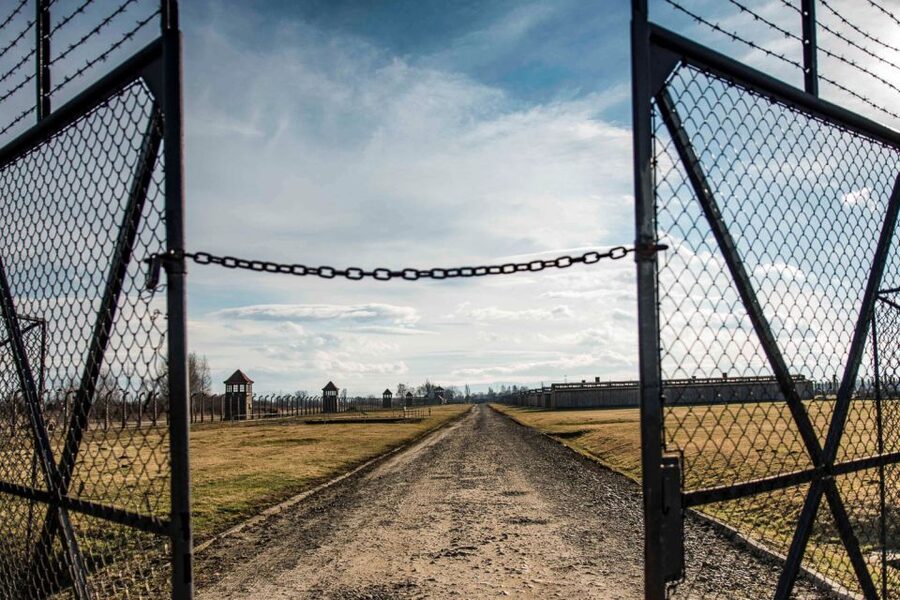
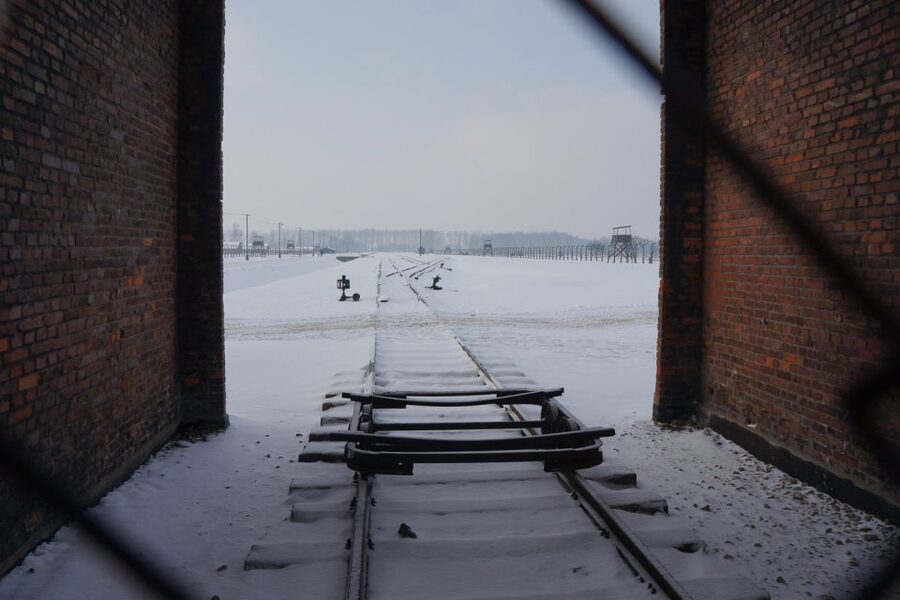
The second guided visit lasts about 75 minutes at Auschwitz II-Birkenau. Here the scale changes sharply. The site is far larger and more open, with the railway line and platform showing how deported people were brought into the camp.
The platform is one of the most important places on the route because it makes the transport system visible. People arrived by rail and were sent into a process that led many directly to death. Seeing the railway in its original setting gives the guide a clear way to explain how the camp functioned.
You also see the ruins of gas chambers. They are not intact rooms, and that destruction is itself part of what you are seeing. The ruins point to the mass killing carried out here and to the attempt to erase evidence as the camp system collapsed.
Birkenau can be more physically demanding than Auschwitz I. The tour involves walking, and the site is broad and exposed. Comfortable shoes are essential. The experience is not suitable for people with mobility impairments, according to the stated restrictions, so consider your ability to walk across the grounds before booking.
The 75-minute section is enough to visit the key areas with a guide, but not enough for every corner of the site. That is a sensible limit for a first visit, particularly after the intensity of Auschwitz I. Still, you should expect a focused route rather than an open-ended exploration.
More museums and exhibitions in Krakow:
- Auschwitz-Birkenau Museum and Memorial Guided Tour from Krakow
★ 4.5 · 1,510 reviews - Krakow: Rynek Underground Museum Guided Tour
★ 4.6 · 1,122 reviews - Krakow Schindler’s Factory Museum Guided Tour in English
★ 4.5 · 650 reviews - Krakow: Auschwitz Birkenau Museum Guided Tour with Pickup
★ 3.6 · 544 reviews
What the guide and headset add
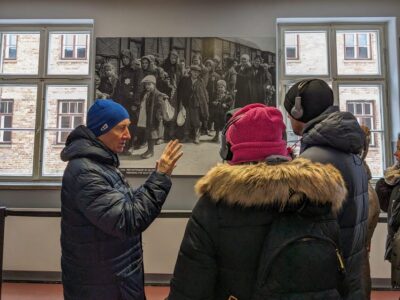
This is a guided group tour in English, led by an authorized live guide on site. No individual guide name is provided in the booking information, so you should not expect to request a particular person.
A guide matters here because the memorial contains many layers of information. The buildings, railway, and ruins tell only part of the story. Dates, nationalities, prisoner experiences, and the operation of the camps require explanation. A guide also helps you understand why certain rooms and structures are preserved.
The headset is a practical feature, not a luxury. You may be walking behind the guide or standing with a sizable group. Without amplification, it would be easy to lose parts of the commentary. The equipment lets you listen without crowding close to the guide.
The quality of any guided experience depends partly on the individual guide and partly on your language comfort. The included language is English. If you are not comfortable following spoken English, this may not be the right choice. A Dutch-speaking group, for example, would not receive commentary in Dutch under this arrangement.
One recent account described the guide as excellent and deeply personal, while another found the English difficult to follow. That tells you something useful: the headset solves the volume problem, not the language problem. Choose this tour only if you can comfortably follow an English explanation of serious and detailed material.
The emotional weight and the brisk pace
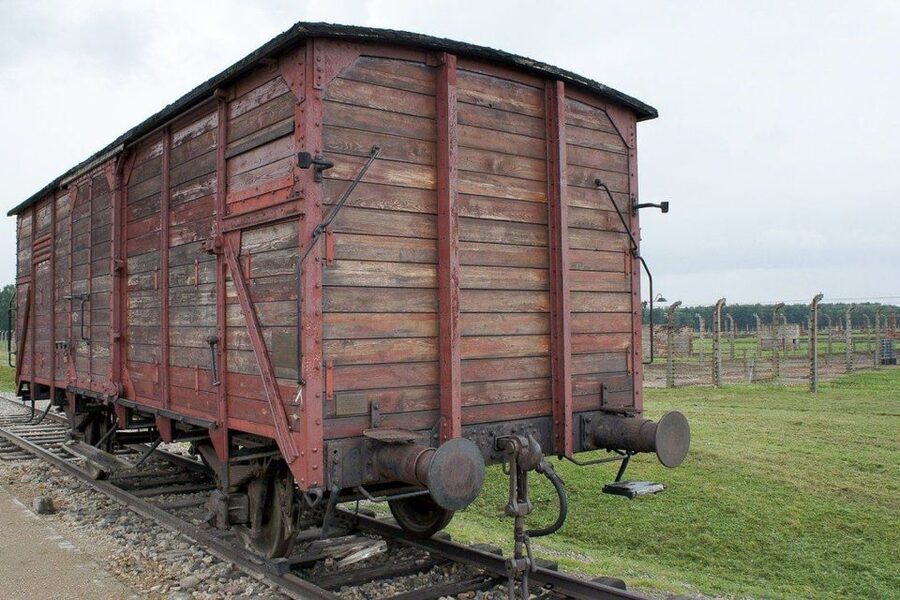
You should prepare for a sad and humbling visit. The purpose is not entertainment, and the memorial asks for respectful behavior. The displays and remains can be confronting, especially when the numbers become connected to personal belongings, living quarters, and the railway process.
I appreciate that the tour encourages learning as a way to keep the memory of the victims present. The visit is not simply about seeing famous locations. It asks you to look at the evidence and understand how the camp system affected people from many countries.
At the same time, the pace can feel quick. One visitor described the experience as emotional but rushed, and that is a fair concern given the amount covered in three and a half hours. You may want to pause longer at some exhibits, but the group must keep to the schedule set by the memorial.
The best approach is to accept that this is an introduction, not a complete study of Auschwitz. Listen closely, stay with the group, and note any subjects you want to read about later. Trying to inspect every object in detail will only make the visit more stressful.
Is the $52 price good value?
At $52 per person, the price is reasonable if you value a prepared entry and an official guided route. It includes skip-the-line museum entry, the group guide, and the headset. Those pieces matter because advance planning is required and admission availability can be limited.
The price does not include your transport to the museum or back to your accommodation. That can make the total cost higher if you are starting in Krakow and need to arrange a separate car or transfer. Compare the full day cost, not just the advertised tour price.
For a self-guided visit, a cheaper ticket might appear attractive, but you would lose the structure and live explanation included here. For someone visiting Auschwitz for the first time, the guide can help place the sites in context and keep the route moving.
The package is less compelling if you already have a confirmed museum ticket and prefer to read at your own pace. It is also not a good fit if you need a precise start time, since the schedule can change by several hours.
Clothing, bags, and entry rules
Wear comfortable shoes. You will walk through both Auschwitz I and Birkenau, and the second site covers a broad area.
Dress conservatively. Shorts and sleeveless shirts are not allowed. Weapons and sharp objects are prohibited, as are large bags and luggage. The maximum permitted bag size is 30 by 20 by 10 centimeters, so bring only what you need.
A small purse or compact backpack may fit the stated limit, but measure it before you leave. Do not arrive with a suitcase and expect to take it inside. These restrictions are easy to overlook when you are traveling between cities.
Children under 14 are not considered suitable for this activity. The subject matter is severe, and the walking and museum rules also make this a poor choice for young children.
Who should book this guided visit?
I would choose this tour if you want a structured first visit, can follow English comfortably, and are willing to keep your day flexible. It suits adults and older teenagers who want historical context rather than a quick photo stop.
It also works well if you are arranging your own transport and want the key admission details handled in advance. The combination of two camp areas, a live guide, and a headset gives you a clear route through a difficult site.
I would look elsewhere if you need hotel pickup, a guaranteed exact start time, a language other than English, or a relaxed pace. I would also avoid it if walking across the Birkenau grounds is difficult.
Should you book the Auschwitz-Birkenau tour?
Book it if you want an organized, serious introduction to Auschwitz with admission, a guide, and a headset already arranged. The visit covers the gate and barracks at Auschwitz I, the railway platform and gas chamber ruins at Birkenau, and the human cost behind them.
Before paying, make three checks: your name matches your passport or ID, your bag fits the 30 by 20 by 10 centimeter limit, and your transport plan allows for a start-time change of up to four hours. If those conditions work for you, the $52 cost is fair for the structure and access provided.
FAQ
Where does the tour start?
Meet the guide at the Auschwitz-Birkenau Museum Visitor Center. Look for the information boards near the gate leading to the parking area.
How long does the experience last?
The planned duration is 210 minutes, or three and a half hours. The memorial visitor service controls the pace and duration, and the starting time can change by up to four hours.
Does the tour include transport from Krakow?
No. You must use your own transport to reach Auschwitz and return afterward.
Which languages are available?
The live guided tour is provided in English.
What does the ticket include?
The package includes skip-the-line entry to the Auschwitz-Birkenau Memorial and Museum, a guided group tour, and headsets so you can hear the guide clearly.
Do I need to bring identification?
Yes. Bring a passport or ID card. The full name used for the booking must match the name on your identification.
What size bag can I bring?
The maximum entrance bag, purse, backpack, or luggage size is 30 by 20 by 10 centimeters. Large bags and luggage are not allowed.
Is the tour suitable for children or people with mobility impairments?
The activity is not suitable for children under 14 or people with mobility impairments. Comfortable shoes are recommended because the visit includes walking at both Auschwitz I and Auschwitz II-Birkenau.
Just added around Krakow
- From Krakow: Zakopane Full-Day Tour with Lunch Option★ 4.4 · 62 reviews
- From Krakow: Zalipie and Painted Village Guided Tour★ 4.0 · 4 reviews
- From Krakow: Zakopane and Dunajec River Rafting Tour★ 4.6 · 31 reviews
- From Krakow: Zakopane Tatra Mountains & Hot Springs Tour★ 3.0 · 29 reviews
- From Krakow: Zakopane and the Tatra Mountains★ 4.7 · 36 reviews
- From Krakow: Zakopane and Gubałówka Cable Car Private Tour★ 4.3 · 12 reviews
- Zakopane & Tatra Mountains Private Full-Day Tour from Krakow★ 4.5 · 33 reviews
- From Krakow: Hot Springs and Zakopane with Gubałówka★ 4.7 · 25 reviews
Auschwitz-Birkenau Tours from Krakow, compared.
Auschwitz-Birkenau Guided Tour & Hotel Pickup
Read our review →Auschwitz-Birkenau Guided Tour & Hotel Pickup
Read our review →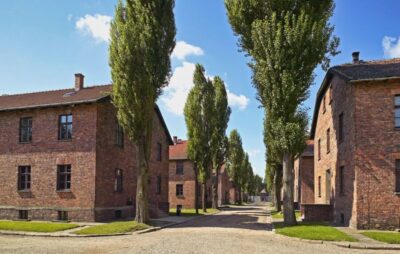
Auschwitz Guided Tour with Optional Hotel Pickup
Read our review →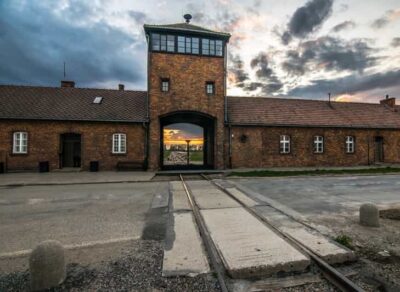
Auschwitz-Birkenau Guided Tour with Pickup & Lunch
Read our review →
Auschwitz-Birkenau Guided Tour Pickup/Lunch Options
Read our review →
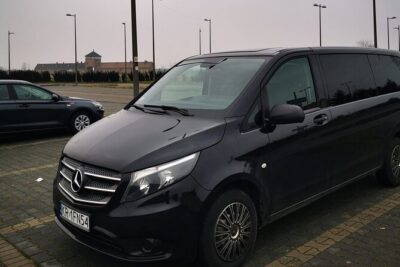
Krakow to Auschwitz Birkenau Guided Tour with Transfer and Ticket
Read our review →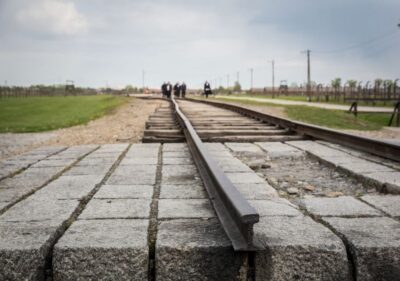
Browse the lists this tour appears in