
Reviewed · KRAKOW JEWISH GHETTO TOURS
Krakow: Jewish Ghetto Guided Walking Tour
The most powerful part of this one-hour walk is that it turns an ordinary Krakow neighborhood into a place you can read. A street, a square, and a short piece of wall begin to show how the Jewish population was confined, separated, and forced to survive under Nazi occupation.
I like the route’s focus on real places rather than a long list of dates. I also like the price: at $15 per person, it gives you useful context before or after visiting nearby museums. The main drawback is the short running time. You see only a few sites, so this is an introduction, not a full study of Krakow’s wartime story.
Key points to know before you book
- The tour begins at Schindler’s Factory: You meet outside the main entrance, then learn how industry, forced labor, and neighborhood life became linked during the occupation.
- The Ghetto Wall remains are tangible: These fragments help you picture the physical boundary that confined Jewish residents.
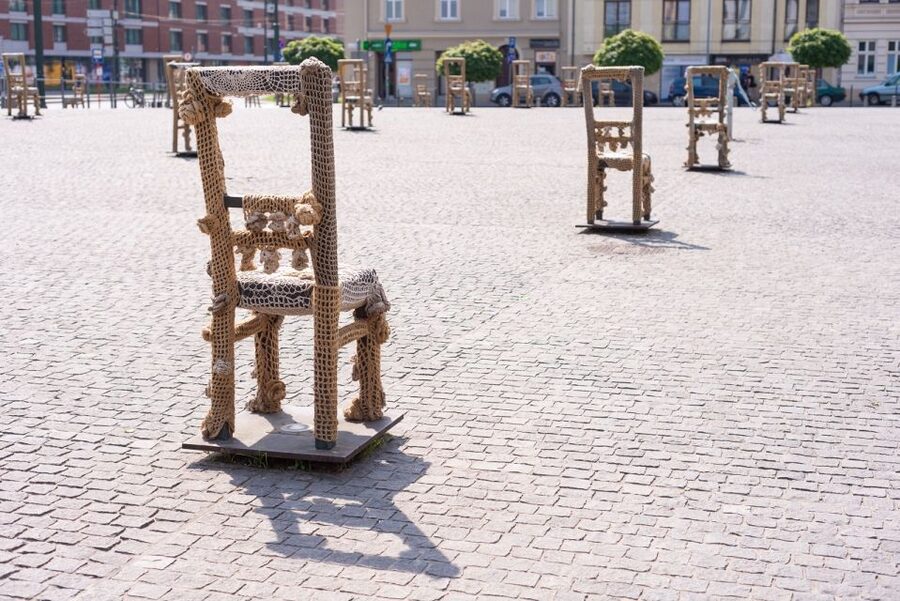
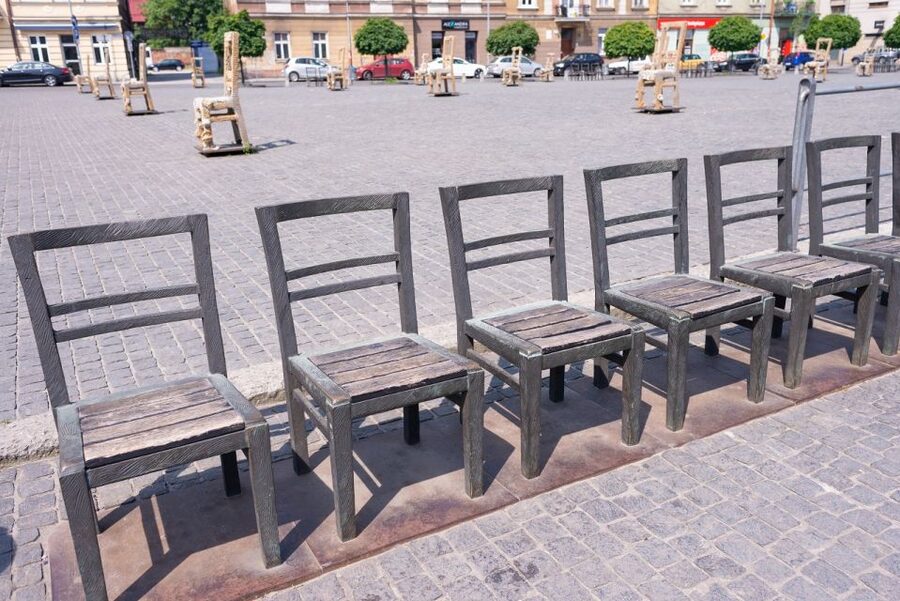
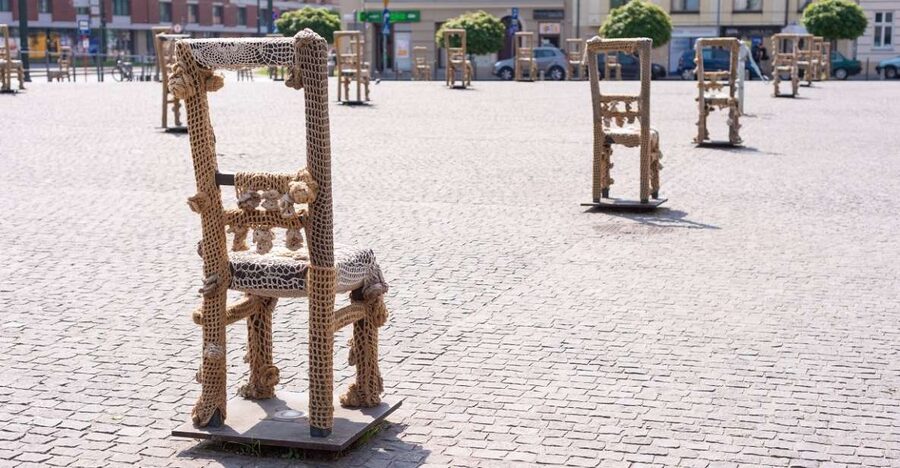
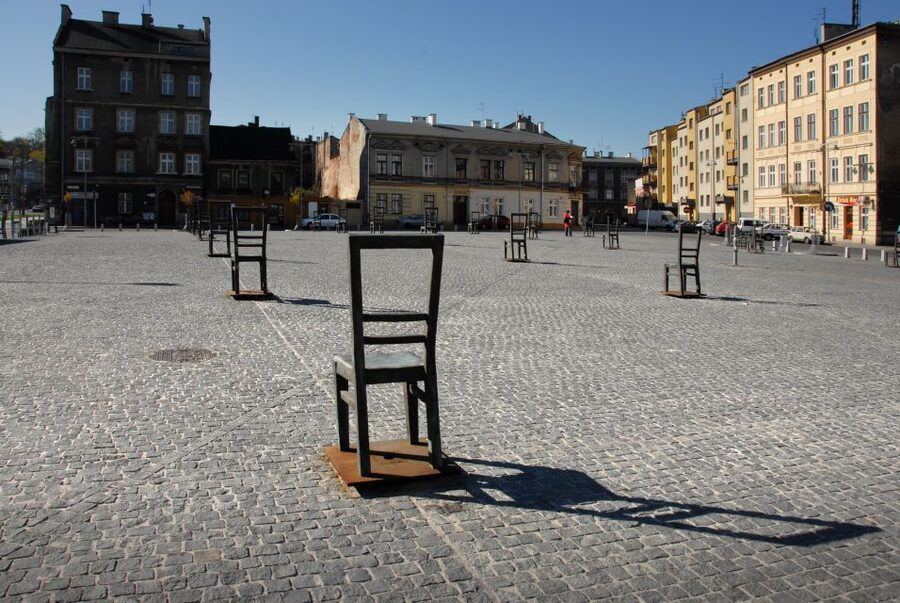
- Ghetto Heroes Square carries the emotional weight: Empty metal chairs mark the square as a place of remembrance and connect it to deportations.
- The Under the Eagle Pharmacy adds a human story: Tadeusz Pankiewicz and his staff offered vital help to people inside the ghetto.
- The guide’s clarity matters: Elena has been praised for speaking at an easy-to-follow pace, while Renata has earned praise for clear explanations and a helpful manner.
- It is a weather-proof walking tour: Arrive 10 minutes early, wear suitable shoes, and dress for the forecast because the walk operates in all weather.
Why this short Podgórze walk matters
Krakow’s former Jewish Ghetto is in Podgórze, across the Vistula from the city’s Old Town. If you explore it alone, you may see a quiet square, modern streets, and scattered fragments without understanding how the area changed during World War II.
That is where a guide earns the $15 fee. The tour links separate places into one story: Nazi occupation, forced separation, deportation, resistance, assistance, and daily survival. You are not simply looking at old buildings. You are learning how a neighborhood was reshaped by official orders and how people made moral choices inside that system.
I find this kind of walk especially useful early in a Krakow visit. It gives you a framework for later visits to museums and memorial sites. It can also work after a museum visit, when you want to take what you have seen indoors and connect it to the streets outside.
The subject is serious, and the tone should be. This is not a sightseeing stroll with a few wartime facts added on. Expect stories of fear, confinement, courage, and loss. The guide’s job is to make those stories understandable without turning the places into scenery.
More Jewish Ghetto tours in Krakow:
- Krakow: Schindler’s Factory & Ghetto Guided Tour
★ 4.7 · 1,694 reviews - Krakow: Jewish Quarter and Former Ghetto Tour
★ 4.9 · 1,441 reviews - Krakow: Bike Tour of Old Town, Jewish Quarter and the Ghetto
★ 4.9 · 1,155 reviews
Starting outside Schindler’s Factory
Your meeting point is in front of the main entrance to the Schindler’s Factory Museum, on the right-hand side. Look for a guide holding an excursions.city sign, and arrive at least 10 minutes before the scheduled start.
The walk begins here because the factory area helps explain how this part of Krakow functioned during the occupation. Industry, forced labor, and ordinary life were tied together. That opening context gives you a better sense of why Podgórze mattered and how the Nazi occupation affected work and movement through the district.
You do not pay an entrance fee for the museum as part of this tour. The experience is a guided walk through the former ghetto, so you should not expect time inside Schindler’s Factory unless you arrange a separate visit.
This meeting point also makes the tour easy to combine with museum plans, but allow enough time between activities. The walk lasts one hour, and late arrivals cannot join after the group has left. That rule is worth taking seriously because the guide cannot pause the route while someone searches for the meeting point.
Seeing the surviving Ghetto Wall
The former Ghetto Wall is one of the tour’s most important physical reminders. Only fragments remain, but that is enough to make the boundary visible in a way that a map or photograph cannot.
A wall can look simple until you learn what it controlled. Here, the surviving pieces point to the forced separation of Jewish residents from the rest of the city. Your guide explains the wall in the setting where it once operated, helping you connect the structure to movement, restriction, and the daily pressure of life under occupation.
I like this stop because it is direct. There is no need for a grand monument to make the point. A surviving section of masonry can tell you that the ghetto was not only an administrative idea. It had edges, checkpoints, and a physical presence in the neighborhood.
The drawback is that the remains are limited. If you expect a complete wall or a preserved enclosed district, you may find the stop brief. Its value comes from the explanation and the act of locating the fragment within the modern city.
Ghetto Heroes Square and the empty chairs
The route continues to Ghetto Heroes Square, the former center of the Krakow Ghetto and a site linked with deportations. Today, the square is marked by rows of empty metal chairs.
The chairs are a powerful memorial because they suggest absence without needing a long inscription. They bring the scale of lost lives into a public place that you can walk through and observe. Your guide adds the historical setting, explaining why the square mattered and how deportations affected the people who lived there.
This is likely the emotional center of the hour. You may want a little time to look around rather than rush from one fact to the next. The tour is short, so the guide has to keep moving, but the square deserves attention even after the formal explanation ends.
The site also shows why context matters. Without a guide, the chairs may look like modern public art. With the story of the former ghetto and deportations, they become a memorial tied to a specific place and period.
More Old Town walking tours in Krakow:
- Old Town Krakow & Wawel Castle Walking Tour
★ 5.0 · 1,508 reviews - Creepy Krakow: 2-Hour City Walking Tour
★ 4.7 · 1,131 reviews - Krakow: The Old Town Walking Tour
★ 4.8 · 794 reviews - Krakow: Kazimierz Jewish Quarter Walking Tour
★ 4.8 · 571 reviews
The Under the Eagle Pharmacy story
Across the square, you see the historic Under the Eagle Pharmacy. This stop brings the story down to the level of individual choices.
Tadeusz Pankiewicz and his staff provided vital assistance to people inside the ghetto. The guide uses the pharmacy to explain how courage and compassion could exist within a system built on fear and control.
I appreciate this part of the route because it keeps the history from becoming only a story of institutions and armies. A pharmacy was a place of work, but it also became connected with help, risk, and moral responsibility. The building gives the guide a clear setting for discussing what people did for one another when normal life had been torn apart.
Entrance fees to attractions are not included. The walk focuses on the exterior locations and the guide’s account, so check separately if you want to enter the pharmacy or any nearby museum. The supplied information does not promise indoor admission.
What the guide adds to the streets
The strongest part of this experience is the narration. The route itself is compact, but the meaning of each stop changes when the guide explains what happened there.
A good guide must balance facts with human detail, and the feedback points to that as a major strength. Elena has been praised for her friendly manner and for helping people understand what the ghetto was really like. One useful detail is her speaking pace, which made it easier for an English-speaking participant to follow and ask questions.
Renata has also received praise for clear explanations and for being available to help during the visit. Since guides can vary by departure, you should treat those names as examples rather than a guarantee that one particular person will lead your tour.
The language choice is broad: English, German, Italian, French, and Spanish are offered. That matters on a subject where small wording differences can affect your understanding. Choose the language in which you can comfortably follow a serious explanation and ask questions.
A realistic look at the one-hour format
One hour is enough for a focused introduction. You see the main elements promised by the route: the Schindler’s Factory area, Ghetto Wall remains, Ghetto Heroes Square, and the Under the Eagle Pharmacy.
It is not enough for a slow, detailed examination of every wartime building or for a long discussion at each location. The route has to keep a steady pace. If you enjoy taking photographs, reading every plaque, or stopping often, you may feel pressed for time.
I would treat this tour as a compact orientation. It is especially useful if you have limited time in Krakow, want a guided first look at Podgórze, or plan to visit the Schindler’s Factory Museum separately. The walk gives you a human and geographic frame, while a museum visit can provide more documents, objects, and background.
The route is outdoors, so comfort depends on the weather. The tour goes ahead in all conditions. Wear shoes suited to walking and bring clothing that matches the forecast. Even a short walk can feel demanding if you are cold, wet, or uncomfortable.
Is $15 good value?
At $15 per person, this is a modestly priced guided experience. You are paying for a licensed guide, a planned route, and an hour of explanation at sites that can be hard to understand on your own.
The value is strongest if you would otherwise walk through Podgórze without much context. The Spanish feedback captures the central benefit: without an explanation, you might feel as if you were simply walking through another neighborhood. The guide helps you recognize what the streets and memorials represent.
The value is less strong if you already know the ghetto’s history well or have recently taken a longer, detailed tour of the same area. You may find the route too brief and the number of stops too small. Since attraction entry is not included, plan any museum admission as a separate expense.
Flexible booking adds a practical benefit. You can reserve now and pay later, and cancellation is available up to 24 hours before the tour for a full refund. Still, do not rely on last-minute arrival. Once the group leaves, latecomers cannot join and the ticket cannot be refunded.
Who should choose this tour?
I would recommend it to first-time visitors who want a clear introduction to Krakow’s wartime history without committing to a long program. It also suits people who prefer a guide to explain memorials and surviving structures rather than reading a map alone.
It is a good fit for visitors who value human stories. The wall, square, and pharmacy are not presented as isolated sights. They are used to explain confinement, deportation, help, and survival.
Families with older children or teenagers may also find the one-hour length manageable, though the subject is difficult. The experience calls for quiet attention rather than entertainment.
You should think twice if you want extensive museum time, a longer historical lecture, or a tour that covers every important wartime location in Krakow. This is a short outdoor route, and its strength is focus rather than breadth.
Practical advice for a thoughtful visit
Arrive early and find the main entrance to Schindler’s Factory before the start time. The guide holds an excursions.city sign on the right-hand side of the entrance, but you should still allow time to get your bearings.
Wear comfortable footwear and dress for changing weather. There is no indoor comfort built into the walking route, and the tour continues in rain or other conditions.
Keep the tone of the visit in mind. These are places connected with deportation, confinement, and loss. A respectful pace and careful attention will help you get more from the guide’s explanation.
If you want to visit the Schindler’s Factory Museum or the Under the Eagle Pharmacy, arrange those admissions separately. This $15 booking covers the guided walk, not entrance fees.
Should you book the Krakow Jewish Ghetto walk?
Book it if you want an affordable, focused introduction to Podgórze and need help reading the meaning of its streets and memorials. The best reasons are the clear route, the human story at the pharmacy, and the chance to see the Ghetto Wall and empty chairs with proper context.
Skip it if you already know this area well or want a longer, more detailed experience. For most visitors, though, one hour and $15 is a fair exchange for a guided starting point. Come prepared for serious subject matter, arrive early, and use the walk as a foundation for further visits.
FAQ
Where does the tour meet?
Meet in front of the main entrance to the Schindler’s Factory Museum, on the right-hand side. The guide will hold an excursions.city sign.
How long does the walking tour last?
The tour lasts one hour.
What places does the route include?
The walk includes the area around Schindler’s Factory, remnants of the former Ghetto Wall, Ghetto Heroes Square, and the historic Under the Eagle Pharmacy.
Is entry to Schindler’s Factory or the pharmacy included?
No. Entrance fees to attractions are not included in the tour price.
What languages are available?
The tour is offered in English, German, Italian, French, and Spanish.
How early should I arrive?
Arrive 10 minutes before the tour begins. Latecomers cannot join after the group has departed, and their tickets cannot be refunded.
Can I cancel or pay later?
You can cancel up to 24 hours in advance for a full refund. You can also reserve your place and pay later.
Just added around Krakow
- From Krakow: Zakopane Full-Day Tour with Lunch Option★ 4.4 · 62 reviews
- From Krakow: Zalipie and Painted Village Guided Tour★ 4.0 · 4 reviews
- From Krakow: Zakopane and Dunajec River Rafting Tour★ 4.6 · 31 reviews
- From Krakow: Zakopane and the Tatra Mountains★ 4.7 · 36 reviews
- From Krakow: Zakopane and Gubałówka Cable Car Private Tour★ 4.3 · 12 reviews
- From Krakow: Zakopane Tatra Mountains & Hot Springs Tour★ 3.0 · 29 reviews
- From Krakow: Hot Springs and Zakopane with Gubałówka★ 4.7 · 25 reviews
- From Krakow: Zakopane & Tatra Mountains Tour★ 3.8 · 42 reviews
Krakow Jewish Ghetto Tours, compared.
Bike Tour of Old Town, Jewish Quarter and the Ghetto
Read our review →
Kazimierz, Schindler’s Factory & Ghetto Guided Tour
Read our review →
Full Bike Tour – the Old Town, Jewish Qtr & the Ghetto NEW BIKES
Read our review →
Bike Tour of the Old Town, Kazimierz, and the Ghetto
Read our review →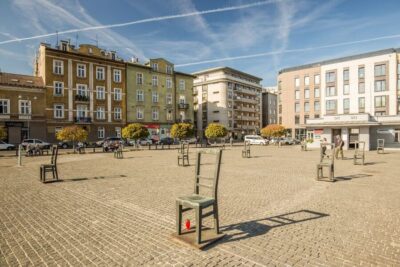
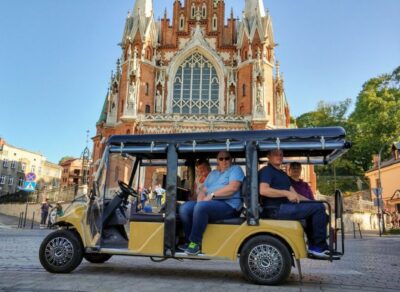
Jewish Quarter and Ghetto Electric Golf Cart Tour
Read our review →Browse the lists this tour appears in