
Reviewed · AUSCHWITZ-BIRKENAU TOURS FROM KRAKOW
Auschwitz-Birkenau Memorial and Museum Trip from Krakow
Auschwitz-Birkenau is not a casual sightseeing stop. It is a place of evidence, silence, and enormous human suffering, and this 7 to 8-hour trip from Krakow gives you a practical way to reach both camp sites without arranging transport yourself. You’ll watch a documentary on the ride, then join an official museum guide at Auschwitz I and Birkenau.
I like the reliable hotel pickup and the fact that admission, transport, and the standard guided visit are bundled into the price. I also like that the shuttle avoids the ticket line and handles the long trip from Krakow, which matters after several hours on foot. The main drawback is time: the museum visit can feel rushed, especially at Birkenau, and a group of up to 30 people leaves little room for quiet reflection or questions.
Key points to know before booking
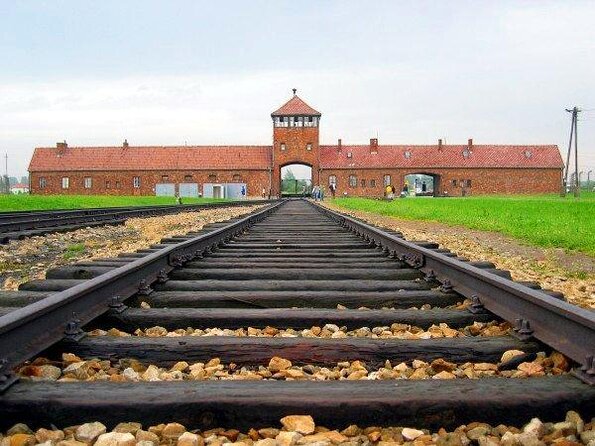
- Both camp sites are included: You visit Auschwitz I, the original camp and administrative center, then Auschwitz II-Birkenau, the much larger killing center.
- The museum controls the guided visit: The standard tour lasts about 3.5 hours, and the operator cannot slow the official route or extend it.
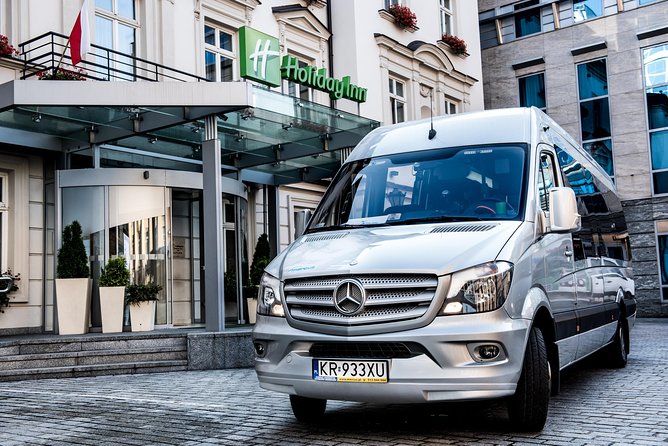
- Hotel pickup saves real effort: Pickup and drop-off are included within Krakow city limits, including apartments and Airbnb addresses.
- The ride includes a documentary: It provides useful background, though sound can be harder to hear from the back of a full minibus.
- Expect substantial walking: Wear comfortable, flat shoes and be ready for an emotionally draining day.
- Book ahead: The trip is often reserved about 36 days in advance, and the maximum group size is 30.
Why this visit matters, and what kind of day to expect
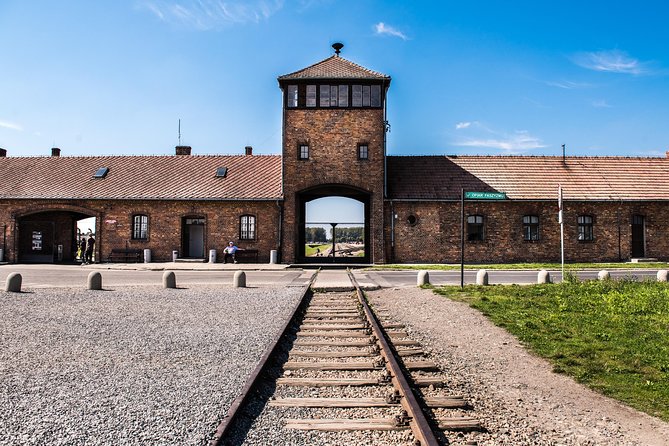
The Auschwitz-Birkenau Memorial and Museum preserves the largest former Nazi concentration and extermination camp complex. Around 1.5 million people were murdered there, most of them Jews, along with Polish political prisoners, Roma and Sinti people, Soviet prisoners of war, and others targeted by the Nazi regime.
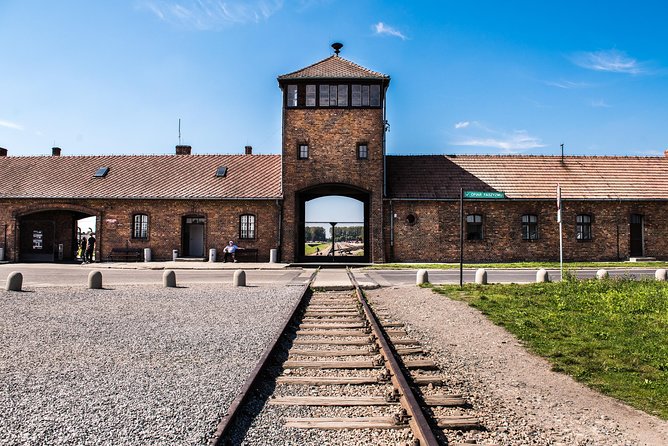
You are not visiting a reconstructed attraction. You are walking through surviving buildings, barracks, fences, roads, ruins, and exhibition spaces connected to real crimes. The museum presents physical evidence of what happened, and that can make the experience far more difficult than reading about the subject in a book.
I would set aside the rest of the day for quiet afterward. Several hours of walking, graphic exhibits, and the scale of the site can leave you tired in both body and mind. This is an important visit, but it is not light entertainment and should not be squeezed between a packed morning and a late-night dinner reservation.
The tour is recommended by 91 percent of customers and carries a 4.6 rating from 275 reviews. The strongest praise goes to the drivers, the smooth pickup service, the official museum guides, and the convenience of skipping the ticket line. The most consistent criticism is the brisk pace.
More Auschwitz-Birkenau trips in Krakow:
- From Krakow: Auschwitz-Birkenau Guided Tour & Hotel Pickup
★ 4.5 · 33,358 reviews - From Krakow: Auschwitz-Birkenau Guided Tour & Hotel Pickup
★ 4.5 · 29,340 reviews - Krakow: Auschwitz Guided Tour with Optional Hotel Pickup
★ 4.5 · 15,280 reviews
Leaving Krakow by minibus
The advertised start time is 7:00 am, but your exact pickup time is confirmed separately. Some pickups have been as early as 5:30 or 5:50 am, while another booking used a 6:00 am pickup for a 7:30 arrival. That variation reflects the need to collect people from different parts of Krakow, so check your messages closely the day before.
This is one of the most useful parts of the package. You do not need to find the bus station, arrange a taxi, or work out the museum’s entry system on your own. If your accommodation does not appear in the booking list, you can add a note for pickup at any address within Krakow city limits.
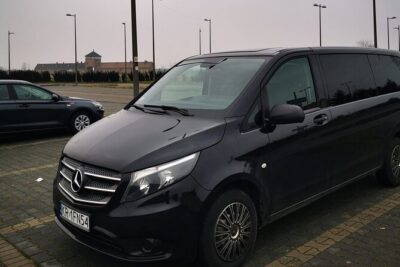
The vehicle is generally described as clean and comfortable, with phone chargers and room for a small group. The operator uses minibuses that can carry up to 30 people, although some departures have been much less full. A half-empty vehicle should feel easy; a full one may feel cramped, particularly on the ride back.
The driving experience has not been perfectly consistent. Some passengers found the driver courteous and the trip smooth. Others described a rough ride, hard braking, or loose-feeling seats. If you are prone to motion sickness, sit as far forward as possible and bring whatever normally helps you.
The documentary sets the context
A documentary film is shown during the journey. This is a good use of travel time because it gives you a basic outline of the camps before you arrive. You can then spend less time trying to understand the broad timeline and more time taking in the museum displays.
Sound quality may depend on where you sit. The minibuses have screens and several speakers, but people near the back have sometimes struggled to hear the film. If this background matters to you, sit near the middle or front, and ask the driver if the volume is clear.
The film is not a substitute for the museum visit. It gives context, but the force of Auschwitz comes from seeing the actual site and the personal belongings, photographs, buildings, and spaces preserved there. I would treat the documentary as preparation rather than the main lesson.
Auschwitz I: the original camp and museum buildings
At Auschwitz I, you enter the first and main part of the complex. It also served as the administrative center for the wider camp system. The familiar brick barracks and entrance area make this section feel more enclosed and structured than Birkenau.
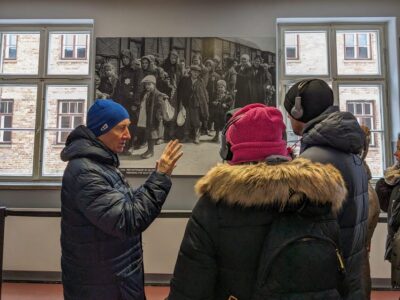
The official guide leads you through selected buildings and exhibitions. You may see displays connected to the people imprisoned there, including personal belongings and photographs. These exhibits are difficult because they reduce an immense crime to individual lives and ordinary objects.
The guide is central to the experience. Several guides have been praised for clear English, careful explanation, and a respectful tone. Joanne and Margaret were singled out for their strong delivery and sensitivity, while other guides were described as engaging and well prepared.
The museum supplies the official educators, not the shuttle company. That distinction matters when you assess the pace or audio equipment. The transport operator can organize your journey, but the museum decides the route, guide, headsets, and timing once you enter.
Many groups use individual audio devices, which can make a major difference when other parties are nearby. There have been periods when headsets were not issued to every group because of a change in the museum’s audio supplier. Without them, it may be hard to hear a guide, especially in a large group or indoors.
More museums and exhibitions in Krakow:
- Auschwitz-Birkenau Museum and Memorial Guided Tour from Krakow
★ 4.5 · 1,510 reviews - Krakow: Rynek Underground Museum Guided Tour
★ 4.6 · 1,122 reviews - Krakow Schindler’s Factory Museum Guided Tour in English
★ 4.5 · 650 reviews - Krakow: Auschwitz Birkenau Museum Guided Tour with Pickup
★ 3.6 · 544 reviews
Birkenau: scale, distance, and the hardest part of the visit
After Auschwitz I, the tour continues to Auschwitz II-Birkenau. This site was designed as a concentration camp and became the main location of mass murder within the complex. It included the women’s camp, gas chambers, crematoria, railway areas, barracks, and a much wider open space than Auschwitz I.
Birkenau is where the scale can become hardest to grasp. The long distances, rows of barracks, fences, and open ground show how large the camp system was. You are not simply moving from one exhibit to another. You are walking across a broad site where the physical layout itself communicates control, separation, and mass imprisonment.
This section is also where the timetable causes the most frustration. The group must keep moving, and the guide may speak quickly to stay with the official schedule. Several people have felt they could not pause long enough to read displays, ask questions, pray, or absorb what they were seeing.
There is a practical reason for this. The museum receives large numbers of visitors and limits the length and size of official groups. The standard guided visit is about 3.5 hours, and the operator cannot simply add another hour at Birkenau. Still, you should know that this format favors an organized overview rather than a slow, private visit.
If you want time for personal reflection, use small gaps wisely. Avoid spending too long taking photographs at the start, keep close to the guide, and pay attention to the meeting instructions. People have occasionally fallen behind at Birkenau, where a group can spread out over a long path.
The walking is real, and the emotional load is heavier
The grounds require a moderate level of physical fitness. You should expect a lot of walking, uneven or outdoor surfaces, and long periods on your feet. Flat shoes are the sensible choice. This is not the day for new footwear, high heels, or a tightly packed schedule.
The museum limits bags and backpacks to 30 by 20 by 10 centimeters, roughly 12 by 8 by 4 inches. Larger items can be left on the nearby bus, but it is better to pack lightly from the start. Bring only what you need, such as water, medication, tissues, and a small camera or phone.
Food and drinks are not included. Plan around the fact that the visit takes most of the day, but do not expect a leisurely restaurant stop to be part of the program. The precise return time can vary, and some departures have arrived back in Krakow considerably earlier than the advertised late-afternoon estimate.
The emotional side deserves equal preparation. Exhibits connected to children, family separation, photographs, and personal possessions can be especially painful. You may find it hard to concentrate all day, and that is normal. Listen carefully, take photographs sparingly, and give yourself permission to step back when needed.
Price and value at $93.16
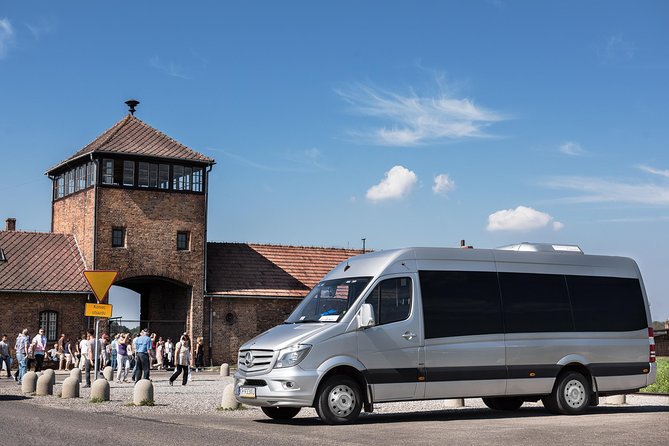
At $93.16 per person, this is not the cheapest possible way to reach Auschwitz, but it covers several useful pieces: hotel transport, admission, the documentary, the official group tour, insurance, and the return journey.
The value is strongest if you want the day handled for you. The skip-the-line entry can save considerable hassle, especially when public ticket queues are already long. You also avoid the uncertainty of reaching the museum independently and finding that entry arrangements are more complicated than expected.
The price is less attractive if you mainly want time alone or a slow pace. You are paying for an organized standard visit, not a private guide or a custom itinerary. A group can contain as many as 30 people, and the official museum schedule applies to everyone.
There are also occasional concerns about communication. One departure involved several changes to the pickup time, so you need to monitor your phone and confirm the final instruction. Payment questions, including currency or card charges, must be handled with the booking platform rather than the local shuttle company.
Free cancellation is available if you cancel at least 24 hours before the scheduled start. Cancellations inside that window are not refunded, and the operator may offer another date or a full refund if the minimum number needed to run the trip is not reached.
Who should choose this format
I would choose this tour if you are staying in Krakow and want the simplest complete arrangement. It suits first-time visitors who value hotel pickup, an English-language program, and a guide who can explain the site while the driver handles the roads.
It is also a good match for people who dislike logistical guesswork. You get a confirmed pickup, a minibus, a documentary, museum entry, and a return to your accommodation. The strongest part of the service is the practical organization.
I would hesitate if you need a lot of time for photography, prayer, private mourning, or detailed questions. The official route can move quickly, particularly at Birkenau. A group of 30 is legal and normal for the museum, but it can make the visit feel less personal.
I would also think carefully before bringing very young children. The subject matter is severe, and a child who cannot understand the setting may become bored or distressed. The tour information asks for moderate fitness, so anyone with walking limitations should consider that before booking.
My verdict: convenient, important, and not leisurely
Book this trip if you want a well-organized way to visit both Auschwitz I and Birkenau from Krakow, and if you accept that the official format is brisk. The hotel pickup, documentary, skip-the-line access, and return transport make the $93.16 cost reasonable for many people.
Do not book it expecting a private conversation with the guide or long periods of silence at each location. The museum sets the group size, audio arrangements, route, and duration. Even with those limits, the visit can give you a serious and respectful introduction to one of Europe’s most important memorial sites.
Check your pickup message carefully, pack a small bag, wear sturdy comfortable shoes, and leave emotional space around the day. If you can make peace with the pace, this is a practical choice for reaching Auschwitz from Krakow.
FAQ
How long does the Auschwitz-Birkenau trip from Krakow take?
The advertised duration is about 7 to 8 hours, including transport and the museum visit. Exact timing can vary depending on pickup arrangements and the day’s schedule.
Does the tour visit both Auschwitz I and Auschwitz II-Birkenau?
Yes. The visit includes Auschwitz I, the original camp and administrative center, and Auschwitz II-Birkenau, the larger camp site associated with mass murder, gas chambers, crematoria, and the women’s camp.
Is hotel pickup included?
Yes. Pickup and drop-off are included for accommodation within Krakow city limits, including hotels, apartments, and Airbnb addresses. If your accommodation is not listed, add a note requesting pickup.
What size bag can I take?
The maximum bag or backpack size allowed on the museum grounds is 30 by 20 by 10 centimeters, about 12 by 8 by 4 inches. Larger belongings can remain on the nearby bus.
Is food included?
No. Food and drinks are not included in the tour price.
Can I cancel for a full refund?
You can cancel for a full refund up to 24 hours before the experience start time. Cancellations or changes made less than 24 hours before the start are not accepted for a refund.
Just added around Krakow
- From Krakow: Zakopane Full-Day Tour with Lunch Option★ 4.4 · 62 reviews
- From Krakow: Zalipie and Painted Village Guided Tour★ 4.0 · 4 reviews
- From Krakow: Zakopane and Dunajec River Rafting Tour★ 4.6 · 31 reviews
- From Krakow: Zakopane and the Tatra Mountains★ 4.7 · 36 reviews
- From Krakow: Zakopane and Gubałówka Cable Car Private Tour★ 4.3 · 12 reviews
- From Krakow: Zakopane Tatra Mountains & Hot Springs Tour★ 3.0 · 29 reviews
- Zakopane & Tatra Mountains Private Full-Day Tour from Krakow★ 4.5 · 33 reviews
- From Krakow: Hot Springs and Zakopane with Gubałówka★ 4.7 · 25 reviews
Auschwitz-Birkenau Tours from Krakow, compared.
Auschwitz-Birkenau Guided Tour & Hotel Pickup
Read our review →Auschwitz-Birkenau Guided Tour & Hotel Pickup
Read our review →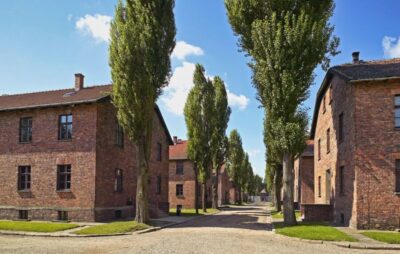
Auschwitz Guided Tour with Optional Hotel Pickup
Read our review →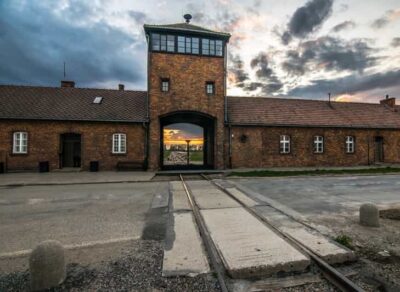
Auschwitz-Birkenau Guided Tour with Pickup & Lunch
Read our review →
Auschwitz-Birkenau Guided Tour Pickup/Lunch Options
Read our review →
Krakow to Auschwitz Birkenau Guided Tour with Transfer and Ticket
Read our review →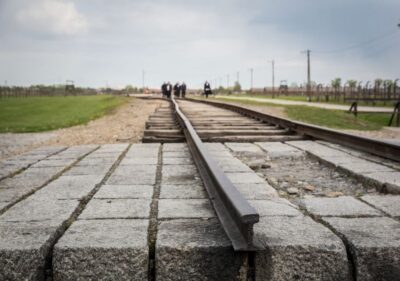
Browse the lists this tour appears in