
Reviewed · AUSCHWITZ-BIRKENAU TOURS FROM KRAKOW
From Krakow: Auschwitz-Birkenau Memorial and Museum Tour
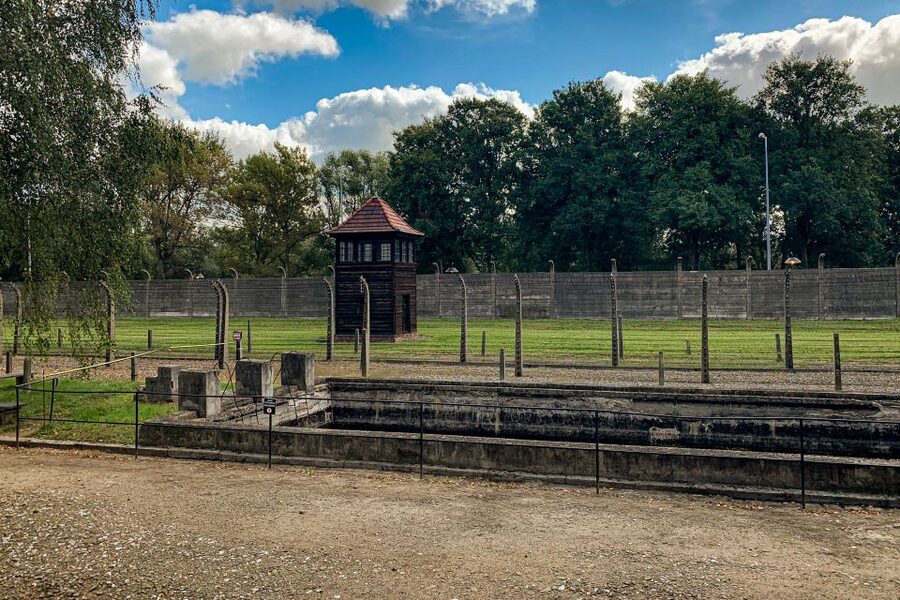
Auschwitz is not a sightseeing stop in the usual sense. It is a place of murder, mourning, and hard historical truth. This seven-hour tour takes you from Krakow to both Auschwitz I and Birkenau, where the prison blocks, gas chambers, barracks, fences, and memorials make the scale of Nazi crimes impossible to reduce to a few textbook pages.
I like the way the tour combines both camp sites with a guide who can connect individual prisoner stories to the larger history. I also like the practical transport from Krakow, especially when the booking includes an air-conditioned vehicle and a professional driver. The main drawback is the tight schedule: there is only a 15-minute break, lots of walking, and Auschwitz I can feel crowded when several groups arrive together.
Key points to know before booking
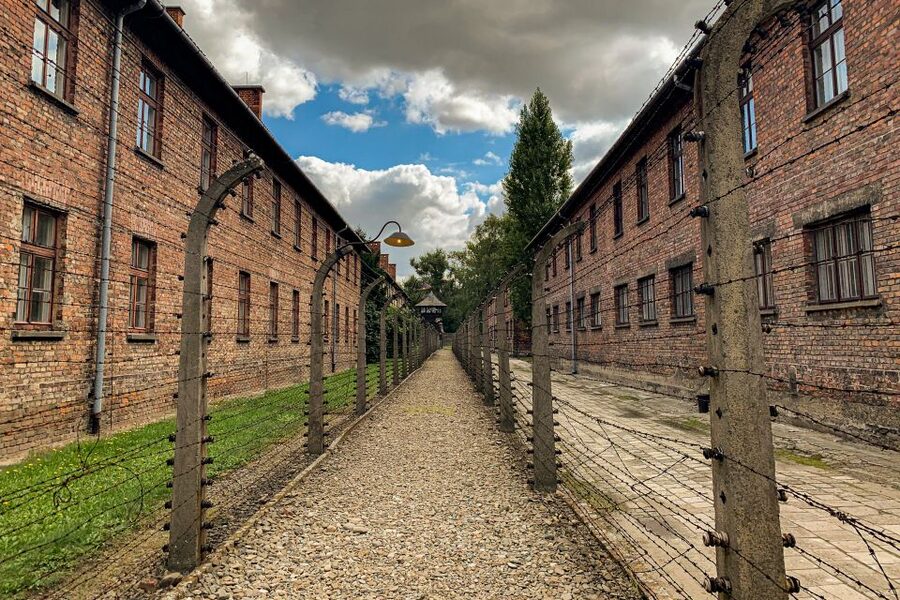
- Two camp sites in one day: Visit Auschwitz I and the much larger Auschwitz II-Birkenau site.
- A serious guided visit: Expect careful explanations of the Holocaust, the 1945 liberation, and individual prisoners’ lives.
- Seven hours from Krakow: Departure times can fall between 6 AM and 3 PM, and the exact start time may change.
- Pack very lightly: Bags larger than 30 by 20 by 10 centimeters must remain on the bus.
- Bring food and water: The tour includes only a short 15-minute break, with no food or drink provided.
- Prepare for weather and walking: Much of Birkenau is outdoors, so comfortable shoes and suitable clothing matter.
Why this Auschwitz tour matters
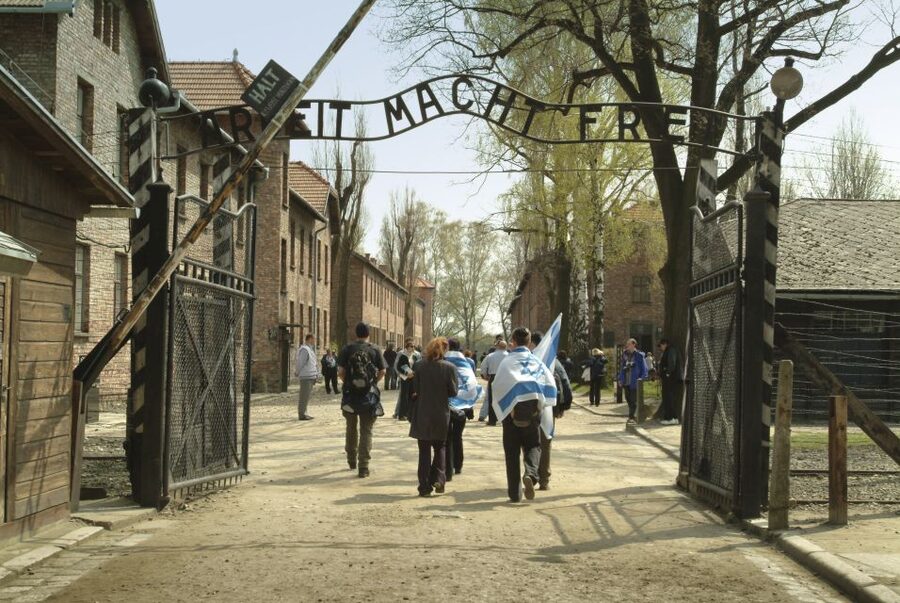
Auschwitz was created by Nazi Germany in 1940 near the Polish city of Oświęcim, which the German authorities had incorporated into the Third Reich. In 1942, it became one of the main killing centers in the Nazi plan to murder Jews from territories controlled or occupied by Germany.
The site also held Polish political prisoners, Roma and Sinti people, Soviet prisoners of war, and others persecuted by the Nazi regime. The camp was first and foremost a place of extermination, but the surviving buildings also reveal a system of imprisonment, forced labor, starvation, disease, punishment, and deliberate terror.
I find a guided visit especially useful here because the physical remains do not explain themselves. A row of barracks, a pile of personal belongings, or a ruined crematorium can be difficult to understand without dates, names, and context. Your guide helps connect the objects and buildings to the people who were imprisoned and killed there.
The Auschwitz-Birkenau Memorial and Museum has been on the UNESCO World Heritage List since 1978. It now serves as a memorial and educational site, with hundreds of people arriving each day to pay their respects and learn what happened.
More Auschwitz-Birkenau trips in Krakow:
- From Krakow: Auschwitz-Birkenau Guided Tour & Hotel Pickup
★ 4.5 · 33,358 reviews - From Krakow: Auschwitz-Birkenau Guided Tour & Hotel Pickup
★ 4.5 · 29,340 reviews - Krakow: Auschwitz Guided Tour with Optional Hotel Pickup
★ 4.5 · 15,280 reviews
From Krakow to the former camp
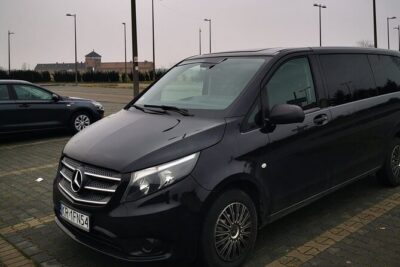
The tour lasts about seven hours from start to finish, including the journey from Krakow and the visit to both parts of the memorial. Transport is by air-conditioned vehicle, with a professional English-speaking driver and WiFi on board.
Pickup is optional rather than automatic for every booking. If you want complementary hotel pickup, contact the operator at least 24 hours before the tour. The meeting point can vary according to the option you book, so check the final arrangements closely.
Departure times are not always fixed to the minute. The available departures from Krakow may fall between 6 AM and 3 PM, and the time you select is described as tentative. That flexibility helps the operator manage museum entry times, but it means you should avoid scheduling a tight appointment for later the same day.
The drive gives your guide or driver a chance to explain the historical setting before arrival. Some departures have included information about the monuments on the way to the museum, followed by further thoughts on the return journey. That background helps you arrive ready for the subject rather than trying to absorb everything at the gate.
Auschwitz I, prison blocks and exhibitions
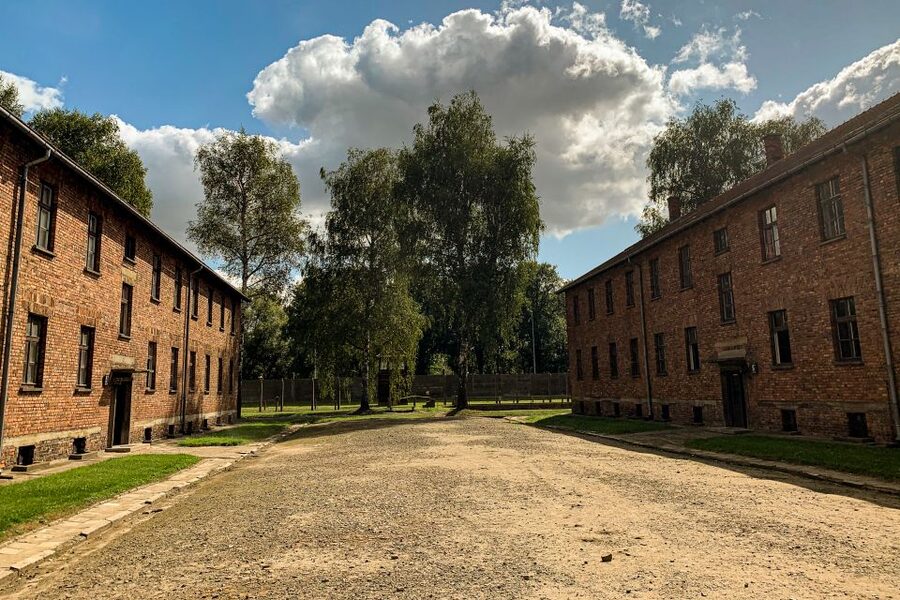
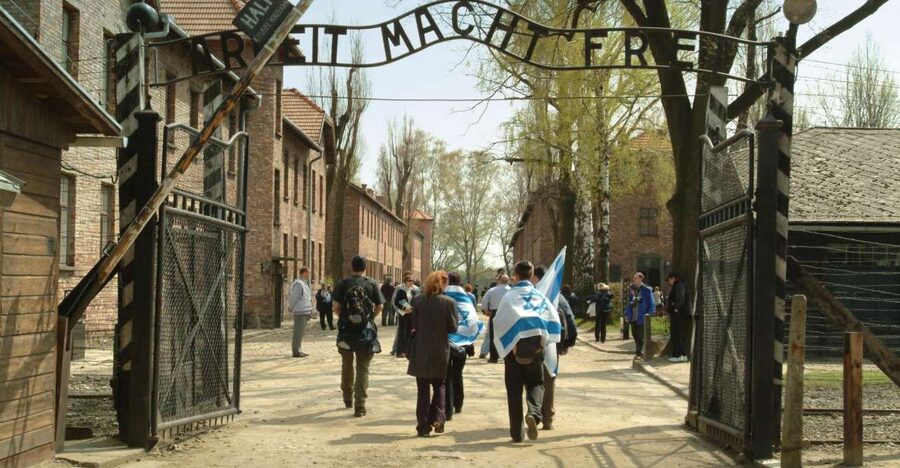
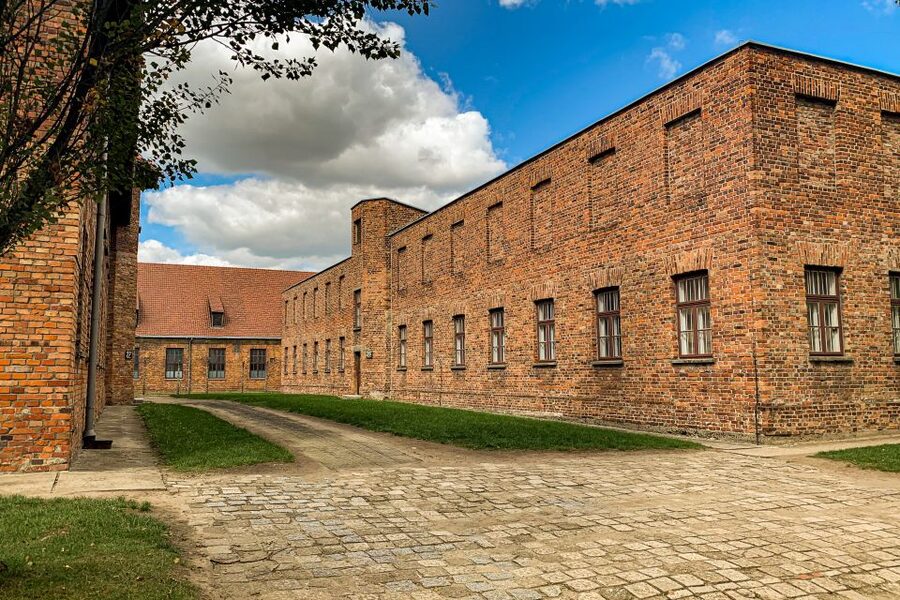
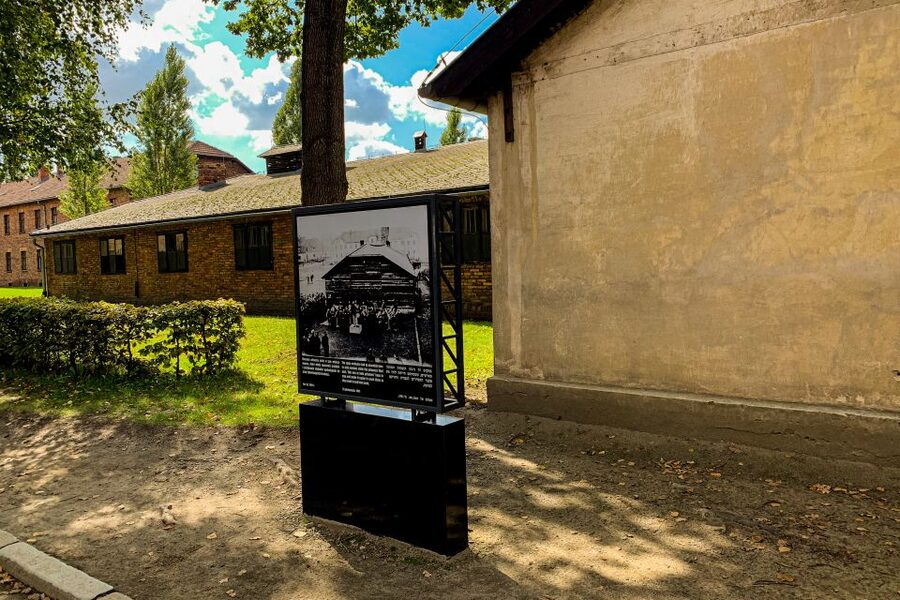
Auschwitz I is the older camp site and the part most people recognize from photographs. Its brick buildings, fences, watchtowers, and gates create a more enclosed setting than Birkenau. You enter former prison blocks and see exhibitions that document the camp system and the people held there.
The buildings contain material connected with prisoners and their treatment. The point is not simply to view old rooms. The exhibitions show how the Nazi system turned human beings into numbers, separated families, stripped people of their possessions, and organized mass murder through offices, guards, transports, and killing facilities.
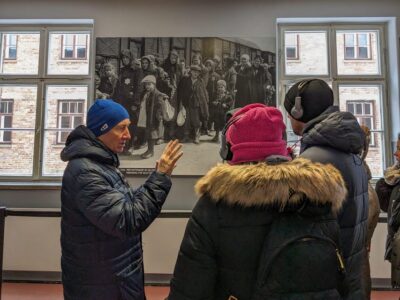
Your guide traces individual prisoner stories alongside the larger events. This is one of the strongest reasons to choose a guided tour. Statistics can become distant. A name, a family, or a personal item brings the human cost into focus without losing sight of the wider crime.
The former gas chambers and crematorium areas at Auschwitz I are among the most difficult parts of the visit. They require quiet attention. Photography is restricted in selected sections of the museum, and flash photography is forbidden inside the buildings. Follow your guide and the museum rules rather than treating the site like an ordinary photo stop.
Auschwitz I can become crowded, particularly when several groups move through the same buildings. You may have limited time to pause for photographs or examine every display at your own pace. That is a real tradeoff: a guide keeps the visit organized, but the schedule can feel tight in busy periods.
Birkenau and the scale of the killing center
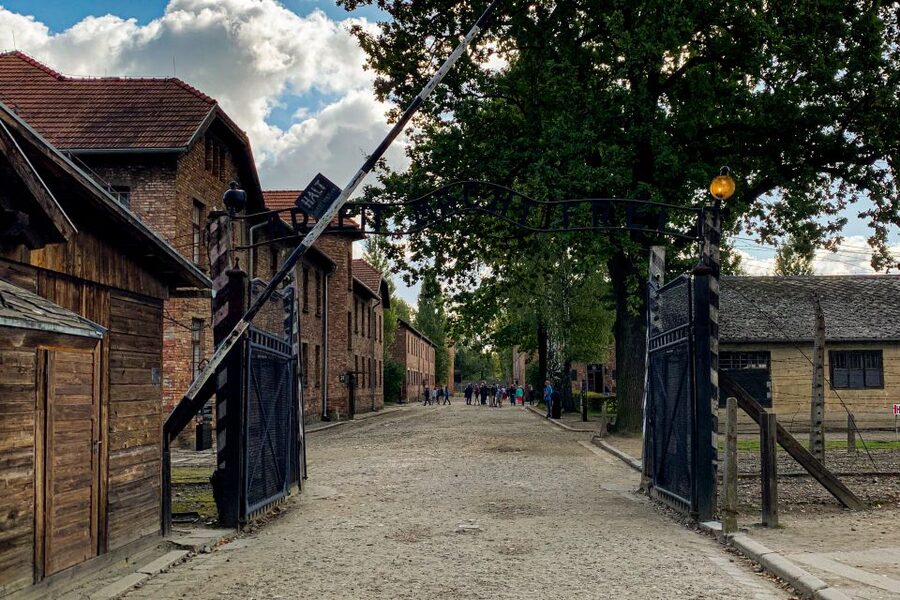
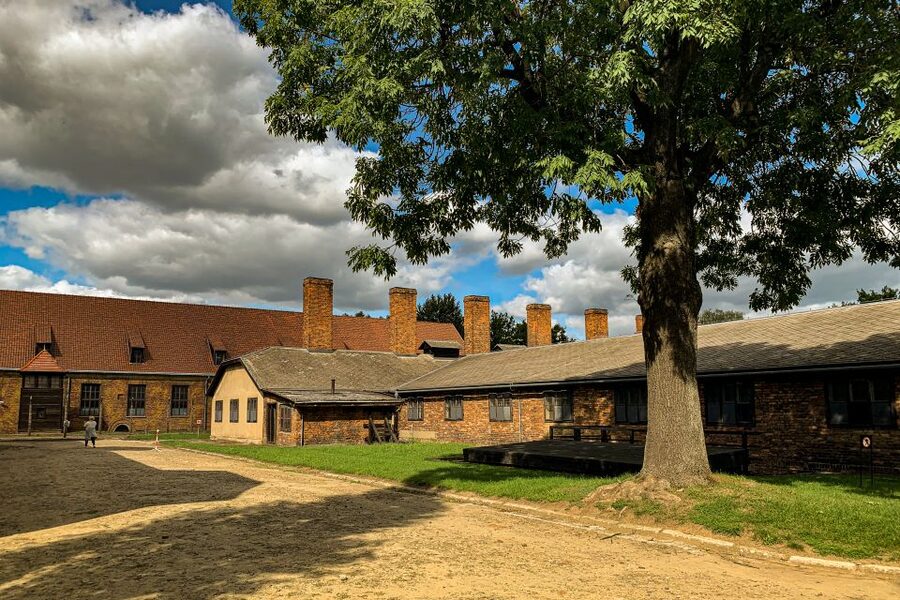
A short transfer takes you to Auschwitz II-Birkenau, the larger camp site. This is where the size of the Nazi killing operation becomes especially clear. The long approach, watchtowers, fences, barracks, and open ground give the site a stark scale that is difficult to grasp at Auschwitz I.
Much of Birkenau is outdoors. You will see what remains of the wooden barracks, the camp fences, watchtowers, and the ruins of gas chambers and crematoria destroyed by the Nazis near the end of the war. The open space can make the site feel less crowded than Auschwitz I, but it also exposes you to rain, wind, cold, or strong sun depending on the season.
The Birkenau memorials honor the people murdered at the camp. Your guide explains the role of the site and helps you read the remains without turning the visit into a string of disconnected stops. The camp’s size is one of the most painful lessons here. It shows that the killing was not an isolated act, but a planned system built to transport, sort, imprison, and murder people on a vast scale.
Wear shoes that can handle extended walking. One past departure described the visit as eye-opening but stressed the need for comfortable footwear and a jacket. That is sensible advice in any season, since a large part of the visit takes place outside.
More museums and exhibitions in Krakow:
- Auschwitz-Birkenau Museum and Memorial Guided Tour from Krakow
★ 4.5 · 1,510 reviews - Krakow: Rynek Underground Museum Guided Tour
★ 4.6 · 1,122 reviews - Krakow Schindler’s Factory Museum Guided Tour in English
★ 4.5 · 650 reviews - Krakow: Auschwitz Birkenau Museum Guided Tour with Pickup
★ 3.6 · 544 reviews
Liberation, memory, and the final part of the visit
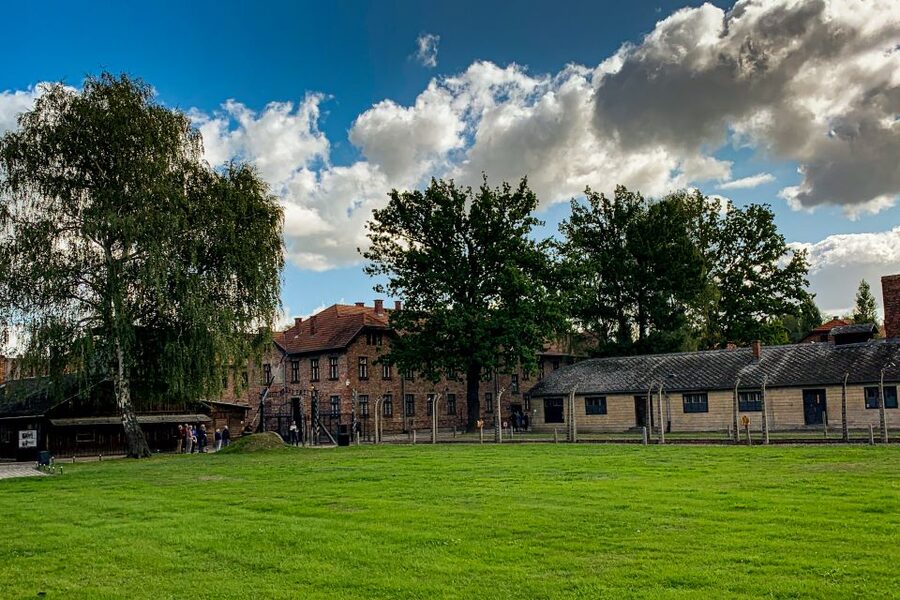
The tour covers the liberation of Auschwitz in 1945 and the first moments after Soviet forces reached the camp. A documentary film about the liberation is included in the museum experience. It adds a record of what was found after the Nazi evacuation and destruction efforts.
This section gives the visit a historical ending, but not a cheerful one. The camp was liberated, yet most of the people murdered there could not be saved. The memorial exists to preserve their names, stories, and dignity, and to show where organized hatred can lead when a state turns racism into law and murder into policy.
The tone of the guide matters greatly. Guides assigned to this tour have included Sylvie, Jacek, and Joanna, with past visitors praising their clear explanations, thoughtful planning, and sensitivity. Jacek has also been singled out for handling the pre-tour and post-tour arrangements carefully, including arranging a taxi after a late return to a hotel.
You should expect a solemn presentation rather than a dramatic performance. One guide may speak in a quiet, serious way, which is appropriate for the subject but may feel subdued if you expect a lively sightseeing commentary. The best guides leave room for silence and do not rush you through emotional moments.
Timing, breaks, and what to pack
The tour includes a 15-minute break for a snack and drink. Food and beverages are not included, so bring your own. This detail matters more than it might seem. A departure early in the morning can leave you waiting several hours before the short break, and one past participant reported having no chance to eat or drink from breakfast until mid-afternoon.
Bring a reusable water bottle and a small snack. Keep both easy to reach, but do not bring a large bag. Auschwitz permits backpacks or handbags up to 30 by 20 by 10 centimeters. Larger items must remain on the bus.
Your clothing should match the forecast, but bring an extra layer if the weather looks uncertain. You will spend substantial time outdoors, especially at Birkenau. A jacket helped on a November visit, while summer still calls for practical walking shoes and water.
Bring your passport or ID card. The museum requires each participant’s full name and contact details during booking, and the name on the reservation must match the identification shown at entry. A mismatch can lead to refused admission.
Children under 15 are not permitted on this activity. Infants must sit on an adult’s lap, and the tour is not suitable for wheelchair users. These restrictions reflect the walking, transport, museum rules, and serious nature of the visit.
Price and value at $81
At $81 per person, this is not the cheapest possible way to reach Auschwitz, but the value depends on what you need. You are paying for transportation from Krakow, a professional driver, museum access arrangements, a guide, and a structured visit to both camp sites.
The biggest benefit is time control. Auschwitz tickets are tied to entry requirements, and the museum requires accurate personal details. A guided package reduces the chance of arriving at the wrong place or missing the second site. It also gives you historical context while you move between the buildings and memorials.
The price is easier to justify if you want an English, French, Spanish, Dutch, or Italian-speaking guide and do not want to organize transport yourself. It is less attractive if you prefer to move slowly, stop often for photographs, or spend the whole day reading displays at your own pace.
A separate entrance is provided for the tour, described as a skip-the-line arrangement. That does not mean you walk straight through every security or museum procedure, but it can save time compared with handling the visit independently.
The activity is non-refundable because of the museum’s ticket requirements. Check your schedule, names, meeting point, and pickup details before booking. This is one of those outings where a small planning mistake can affect the whole day.
Who will get the most from this visit
I would choose this tour if you are staying in Krakow and want both Auschwitz I and Birkenau in one organized day. It suits first-time visitors who want a guide to explain the site rather than simply walk through the buildings with a map.
It is also a good fit if the history feels difficult to approach alone. The guides help place the camp within the Holocaust and World War II, explain the 1945 liberation, and connect large numbers to individual prisoners.
You should think twice if you dislike fixed schedules or group movement. Auschwitz I can feel crowded, and the limited break leaves little room for an unplanned meal. If you need step-free access, this activity is not suitable because wheelchair users cannot take part.
The emotional weight is another serious consideration. This is not an excursion to squeeze between lighthearted activities. Give yourself quiet time afterward rather than planning a packed evening immediately after your return.
Should you book this Auschwitz tour?
Book it if you want a practical Krakow departure, transport, entry arrangements, and a guide for both Auschwitz I and Birkenau. The strongest features are the thoughtful historical commentary, the attention to prisoner stories, and the care shown by guides such as Sylvie, Jacek, and Joanna on past departures.
Before you commit, pack a small snack, water, ID, weatherproof clothing, and comfortable shoes. Confirm the exact meeting point and name details, and understand that the schedule can change within the stated departure window.
This tour offers good value for a structured, serious visit. It is not the right choice for a relaxed day out, a flexible photo trip, or anyone unable to manage long periods of walking and outdoor exposure.
FAQ
How long does the Auschwitz tour from Krakow last?
The activity lasts about seven hours, including transportation from Krakow and visits to Auschwitz I and Auschwitz II-Birkenau.
Which languages are available?
Live guides may be available in English, French, Spanish, Dutch, and Italian.
Is hotel pickup included?
Pickup is optional and depends on the booking option. If you want complementary hotel pickup, contact the tour operator at least 24 hours before the tour.
What identification should I bring?
Bring your passport or ID card. The full name on your booking must match the name on your identification at entry.
Can I bring a large backpack?
No. Backpacks or handbags cannot exceed 30 by 20 by 10 centimeters. Larger bags must remain on the bus.
Is food included?
No. Food and drink are not included. Bring a snack and a reusable water bottle because the tour has only a 15-minute break.
Can children join the tour?
Children under 15 cannot take part. Infants must sit on an adult’s lap.
Can I take photographs inside the museum?
Photography is allowed only in selected parts of the museum. Flash photography is forbidden inside the buildings.
Just added around Krakow
- From Krakow: Zakopane Full-Day Tour with Lunch Option★ 4.4 · 62 reviews
- From Krakow: Zalipie and Painted Village Guided Tour★ 4.0 · 4 reviews
- From Krakow: Zakopane and Dunajec River Rafting Tour★ 4.6 · 31 reviews
- From Krakow: Zakopane and the Tatra Mountains★ 4.7 · 36 reviews
- From Krakow: Zakopane and Gubałówka Cable Car Private Tour★ 4.3 · 12 reviews
- From Krakow: Zakopane Tatra Mountains & Hot Springs Tour★ 3.0 · 29 reviews
- Zakopane & Tatra Mountains Private Full-Day Tour from Krakow★ 4.5 · 33 reviews
- From Krakow: Hot Springs and Zakopane with Gubałówka★ 4.7 · 25 reviews
Auschwitz-Birkenau Tours from Krakow, compared.
Auschwitz-Birkenau Guided Tour & Hotel Pickup
Read our review →Auschwitz-Birkenau Guided Tour & Hotel Pickup
Read our review →
Auschwitz Guided Tour with Optional Hotel Pickup
Read our review →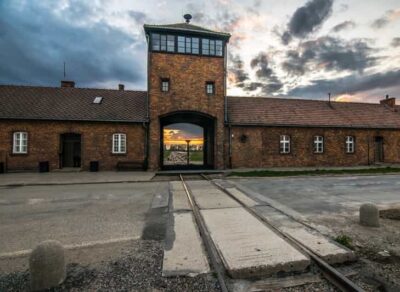
Auschwitz-Birkenau Guided Tour with Pickup & Lunch
Read our review →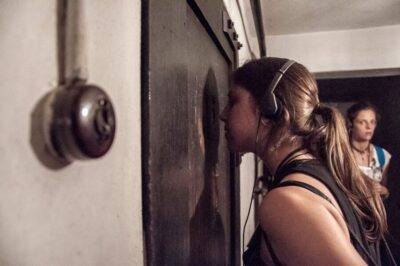
Auschwitz-Birkenau Guided Tour Pickup/Lunch Options
Read our review →
Krakow to Auschwitz Birkenau Guided Tour with Transfer and Ticket
Read our review →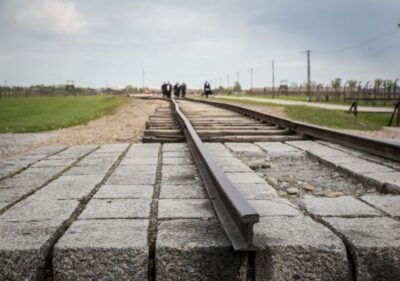
Browse the lists this tour appears in