
Reviewed · PLASZOW CAMP TOURS
Guided Tour in Kraków-Płaszów Former Concentration Camp
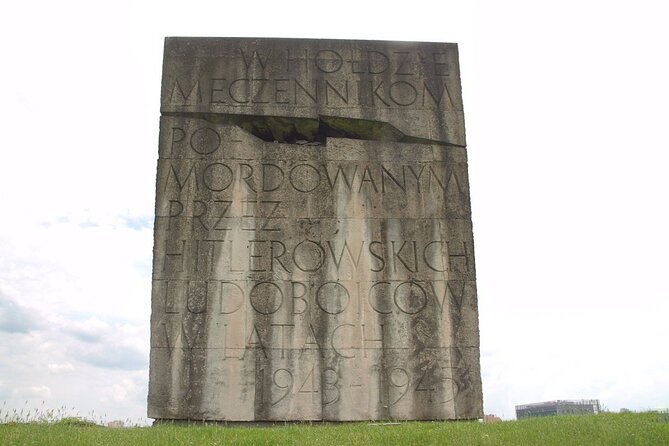
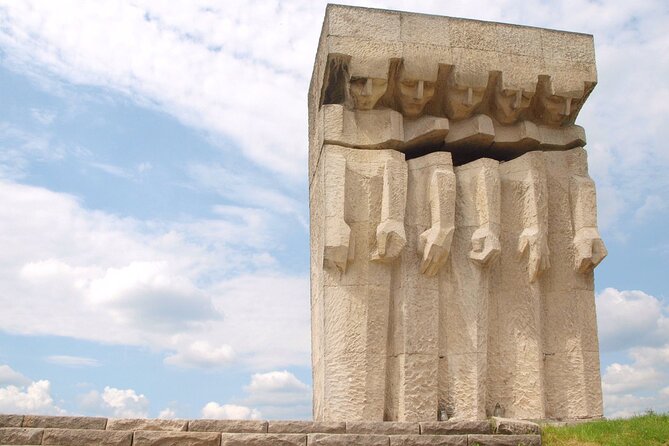
Kraków’s Płaszów camp is easy to miss. It sits close to busy streets, a shopping center, and the popular Krakus Mound, yet the former camp area remains a rough, open stretch of ground with few obvious signs of what happened there. This two-hour walk connects that quiet site with Kraków’s Jewish ghetto and its memorials.
I like the route’s clear historical arc, which begins at Ghetto Heroes Square and ends at the former camp. I also like the personal scale: the group can include no more than 25 people, and one booking with guide Olga had only three participants, allowing plenty of time for questions and practical help with tram tickets.
The main consideration is the terrain and tone. Płaszów is uneven and largely undeveloped, so this is not a polished museum visit with indoor displays. It is a serious outdoor history walk, best suited to you if you want context, quiet reflection, and a guide’s explanation rather than a quick sightseeing stop.
Key points to know before booking
- Płaszów is in Kraków itself, not a distant day trip, making this a useful choice if Auschwitz is not part of your plans.
- The route links three important places: Ghetto Heroes Square, the former Płaszów camp, and a surviving fragment of the ghetto wall.
- The tour lasts about two hours and is offered in English.
- Guide Olga has received special praise for her preparation, kindness, and help with local tram tickets.
- The former camp is an open, uneven area, with limited visible remains and no promise of a museum-style presentation.
- The tour costs $30.01 per person, with free cancellation up to 24 hours before the start time.
Starting at Ghetto Heroes Square
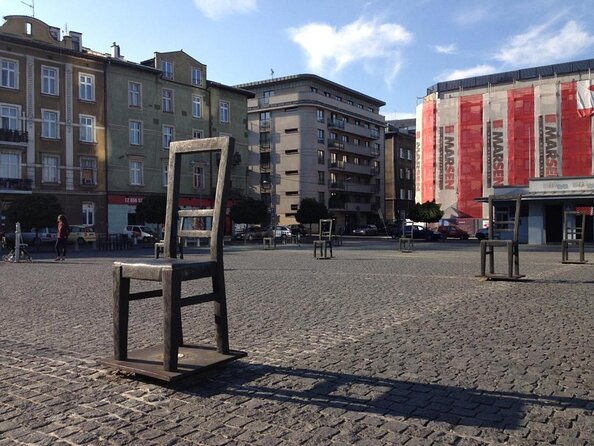
The tour begins at Apteka pod Orłem, at Plac Bohaterów Getta 18. This is a meaningful starting point, not just a convenient meeting place. The square was once Plac Zgody, a central space in the Kraków Ghetto. After the war, it went through decades of neglect before its redesign in 2005.
The memorial you see today uses 70 large metal chairs spread across the square. They represent departure and absence. It is a simple idea, but the empty chairs make the space feel unusually exposed. You are not looking at a grand statue or a tall wall. You are looking at ordinary objects arranged in a way that makes the loss of homes and people easier to grasp.
The square has had a complicated postwar life. It was used as a public toilet and parking area before the renovation, and the new design caused debate. That detail matters because it shows how public memory can be delayed, disputed, and reshaped over time. Your guide can place the memorial in that wider story instead of treating it as a quick photo stop.
I like beginning here because it gives you a human starting point. Before you reach the former camp, you encounter a place connected to departure, absence, and the forced movement of Kraków’s Jewish population during the Holocaust. The walk then has a stronger sense of direction and purpose.
The meeting point is beside Apteka pod Orłem, a recognizable location in the square. Since the exact tour flow can depend on the guide and group, arrive with enough time to find the address rather than assuming you can join at the last second.
More Plaszow camp tours in Krakow:
- Krakow: Plaszow Concentration Camp Walking Tour
★ 4.8 · 39 reviews - Krakow: Schindler’s Factory & Ghetto & Plaszow Camp Guided Tour
★ 4.5 · 28 reviews - Krakow: Former Concentration Camp Plaszow Guided Tour
★ 4.8 · 10 reviews
Walking toward Płaszów
The route crosses from Podgórze toward the former Płaszów camp. Płaszów is close to central Kraków in practical terms, but the setting changes quickly. Busy urban life gives way to a broad, rough area that can feel surprisingly detached from the roads and buildings around it.
That contrast is one of the most striking parts of the experience. The camp site is near Wielicka Street, a major route through the city, opposite the Bonarka shopping center, and not far from Krakus Mound. You are not heading into a remote forest or an isolated memorial park. The site is part of the city, surrounded by ordinary modern life.
That location helps you understand why a guided walk is useful. Without someone to explain the ground beneath your feet, you might see an undeveloped field and assume there is little to learn. The guide turns the setting into a historical place by explaining what happened in Kraków during the Nazi occupation and how the camp fits into that story.
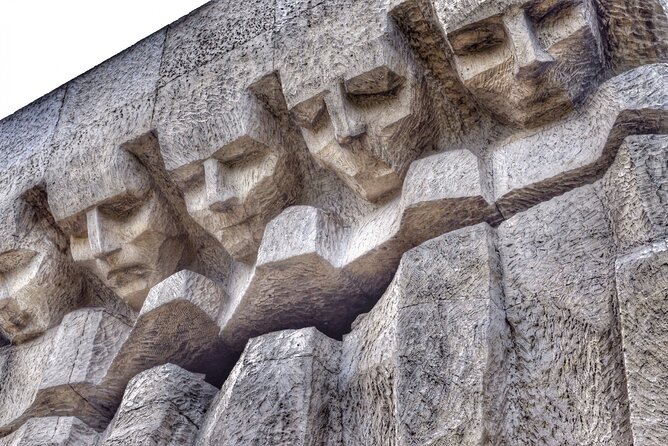
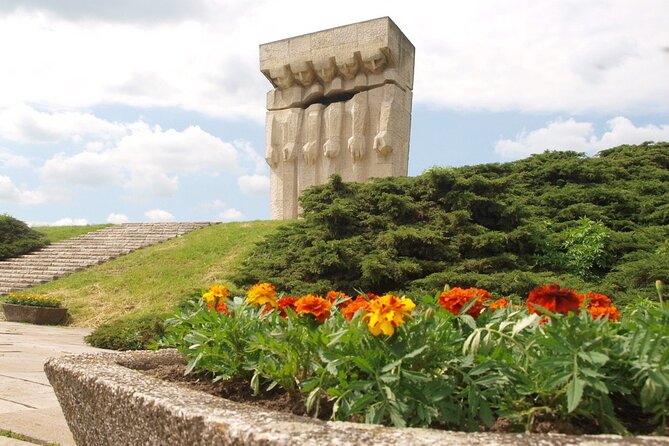
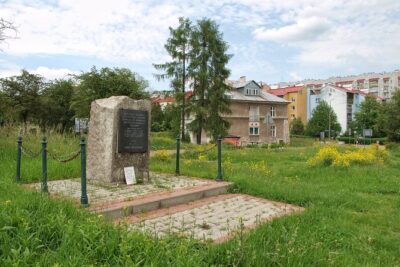
Do not expect a dense collection of preserved buildings. The area is described as wild and uneven, and until recently it offered few clear signs of its wartime purpose. The lack of obvious structures can be emotionally difficult, but it also makes the guide’s role more important. You need explanation to connect the present-day space with the events that occurred there.
Understanding the former Płaszów camp
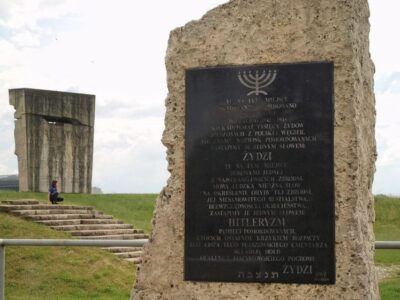
The central stop is the former Konzentrationslager Plaszow bei Krakau, commonly known as Płaszów. The guided visit lasts about an hour within the larger two-hour experience. Your guide walks you through the area and explains the camp’s role in Kraków’s wartime history.
The value here is not spectacle. There is no promise of dramatic preserved architecture or a large indoor exhibit. Instead, the experience asks you to pay attention to place, distance, and absence. A guide can point out what you would otherwise miss and explain how the camp related to the nearby ghetto and the city around it.
That makes this tour a useful choice for someone who has already seen major memorial sites and wants to understand Kraków itself. Many people use Kraków as a base for visiting Auschwitz, but Płaszów shows that the city’s Holocaust history is not confined to a remote destination. It is present within the city’s own neighborhoods.
The open setting also affects the pace. You will be walking rather than standing in a sequence of exhibition rooms. Wear shoes suited to uneven ground, and plan for an outdoor experience. The supplied information does not specify the exact surface conditions on a particular day, so practical comfort matters more than dressing for a formal museum.
A guide’s manner matters greatly here. One guide named Olga has been praised for being well prepared, kind, and helpful beyond the history itself. She assisted with tram tickets, which is a small detail but a useful one if you are still getting used to Kraków’s public transport. Another booking described the guide as a young woman who explained the site in detail from beginning to end.
Those comments point to the tour’s strongest quality: personal explanation. The subject is painful, and a good guide needs to be precise without turning the visit into a performance. Olga’s reported combination of preparation and kindness is exactly what you want in a place like this.
The Kraków Ghetto wall fragment
After the main visit, the route passes a surviving 12-meter fragment of the Kraków Ghetto wall. This is one of the most direct physical reminders of the ghetto in the city.
A commemorative plaque in Hebrew and Polish explains that people lived, suffered, and died there before being sent on their final journey to the death camps. The wall fragment is not large, but its size makes the point clearly. You are seeing a piece of an actual boundary that shaped daily life, movement, and fear.
This stop works well after Płaszów because it brings the history back to the scale of the street. At the camp, you confront a broad and difficult-to-read area. At the wall, you stand beside a compact surviving structure. The two sites offer different kinds of evidence, and the guide helps connect them.
The route ends at Henryka Kamieńskiego 57, at the bus stop on Kamienskiego Street. That is useful to know when planning the rest of your day. You do not return to the original meeting point, so make sure you understand the ending location before booking another activity nearby.
A handful more Krakow trips to weigh up
- From Krakow: Auschwitz-Birkenau Guided Tour & Hotel Pickup
★ 4.5 · 33,358 reviews - From Krakow: Auschwitz-Birkenau Guided Tour & Hotel Pickup
★ 4.5 · 29,340 reviews - Krakow: Auschwitz Guided Tour with Optional Hotel Pickup
★ 4.5 · 15,280 reviews - Krakow: Auschwitz-Birkenau Guided Tour with Pickup & Lunch
★ 4.5 · 9,800 reviews
How much value do you get for $30.01?
At $30.01 per person, this is reasonably priced for a two-hour guided history walk in a major Polish city. You are paying for a guide who explains three connected locations, not for admission to a museum or a large collection of preserved buildings.
That distinction is important. If you judge value by the number of monuments or indoor exhibits, the tour may feel modest. If you judge it by the historical context and the time saved finding meaning in a difficult site, the price makes more sense.
You could visit Ghetto Heroes Square and the wall fragment independently. The harder part is understanding Płaszów. The area is large, undeveloped, and not immediately legible. A guide can give you a framework that maps, signs, and a short visit alone may not provide.
The group limit of 25 is also relevant. That is not an intimate private tour, but it is smaller than a large coach excursion. If demand is light, the group may be much smaller. One booking had only three people, which created room for questions and individual help.
The tour is booked an average of 29 days ahead, so advance planning is sensible, especially if your Kraków schedule is tight. Free cancellation is available if you cancel at least 24 hours before the start time. Changes or cancellations inside that window are not accepted for a refund.
Who will get the most from this walk?
I would choose this tour if you want a focused introduction to Kraków during the Holocaust and prefer to see places in the city rather than spend a full day on a distant excursion. It is also a good fit if you have already visited Kraków’s better-known sights and want a more serious historical stop.
The tour suits adults and older children who can handle difficult subject matter. The supplied information says most participants can take part, but it does not give detailed accessibility notes. Since Płaszów is uneven and the experience is on foot, contact the provider if mobility is a concern.
You may also like it if you value questions and conversation. The small-group possibility and guide-led format offer more personal contact than reading a plaque alone. Olga’s help with tram tickets shows how the experience can include practical local assistance as well as formal history.
This is less suitable if you want a cheerful sightseeing tour, a fully preserved camp complex, or a museum filled with artifacts. The former camp is quiet, open, and difficult to interpret without guidance. You need to be ready for a reflective visit.
Practical planning for the two-hour experience
The tour is offered in English and includes a mobile ticket. It begins at Apteka pod Orłem, near Ghetto Heroes Square, and finishes at the bus stop at 57 Kamienskiego Street. Both the start and end points are in Kraków, and the tour is near public transportation.
Give yourself time to reach the meeting point. Ghetto Heroes Square is in Podgórze, across the river from the older central tourist area. The end point is elsewhere, so check your next destination before the walk begins.
Bring comfortable footwear and be prepared to spend time outside. The former camp area is uneven, and the information provided does not promise shelter or indoor facilities. Weather can therefore affect your comfort, even though the tour itself is only about two hours.
Keep the subject in mind when planning the rest of your day. This is not a light morning activity before a comedy show. The route deals directly with persecution, forced departure, suffering, and death. I would leave some quiet time afterward rather than rushing straight into another crowded attraction.
The maximum group size is 25. Confirmation arrives at booking, and the mobile ticket keeps the meeting details on your phone. Check the local start time carefully if you make changes, since the cancellation cut-off is based on Kraków time.
Should you book the Płaszów tour?
Book it if you want a serious, city-based Holocaust history walk with a guide who can connect Kraków’s ghetto to the former Płaszów camp. The route is compact, the price is fair, and the combination of Ghetto Heroes Square, the camp site, and the wall fragment gives you a fuller picture than any one stop alone.
Skip it if you need a polished museum experience, preserved buildings, or a lighter introduction to Kraków. Płaszów is an open and uneven place, and much of its meaning comes through spoken explanation rather than visible remains.
For most people interested in Kraków’s wartime history, I think the tour earns its place in the schedule. Guide Olga’s careful approach and practical help are encouraging signs, but the real reason to go is simple: Płaszów is part of Kraków’s own story, and this walk helps you see it.
FAQ
How long does the guided Płaszów tour last?
The experience lasts approximately two hours. The guided visit at the former Płaszów camp takes about one hour, with additional time for the other stops and walking.
What language is the tour offered in?
The tour is offered in English.
How much does the tour cost?
The listed price is $30.01 per person.
Where does the tour begin?
The meeting point is Apteka pod Orłem, Plac Bohaterów Getta 18, 33-332 Kraków, Poland.
Where does the tour end?
The tour ends at Henryka Kamieńskiego 57, at the bus stop on Kamienskiego Street.
How large can the group be?
The activity has a maximum group size of 25 people.
Can I cancel for a full refund?
Yes. You can cancel at least 24 hours before the experience start time for a full refund. Cancellations or changes made less than 24 hours before the start time are not accepted for a refund.
Just added around Krakow
- From Krakow: Zakopane Full-Day Tour with Lunch Option★ 4.4 · 62 reviews
- From Krakow: Zalipie and Painted Village Guided Tour★ 4.0 · 4 reviews
- From Krakow: Zakopane and Dunajec River Rafting Tour★ 4.6 · 31 reviews
- From Krakow: Zakopane Tatra Mountains & Hot Springs Tour★ 3.0 · 29 reviews
- From Krakow: Zakopane and the Tatra Mountains★ 4.7 · 36 reviews
- From Krakow: Zakopane and Gubałówka Cable Car Private Tour★ 4.3 · 12 reviews
- Zakopane & Tatra Mountains Private Full-Day Tour from Krakow★ 4.5 · 33 reviews
- From Krakow: Hot Springs and Zakopane with Gubałówka★ 4.7 · 25 reviews
Plaszow Camp Tours, compared.
Schindler’s Factory & Ghetto & Plaszow Camp Guided Tour
Read our review →
Guided Tour of Plaszow Concentration Camp, Kraków
Read our review →Krakow Schindler’s Factory & Ghetto & Plaszow Camp Guided Tour
Read our review →
TOUR AL CAMPO DE CONCENTRACIÓN DE PLASZOW. El campo de la Lista de Schindlert.
Read our review →
River Cruise & Guided Visit to Former Plaszow Camp
Read our review →Browse the lists this tour appears in