
Reviewed · KRAKOW JEWISH QUARTER TOURS
Krakow: Jewish Quarter Guided Walking Tour
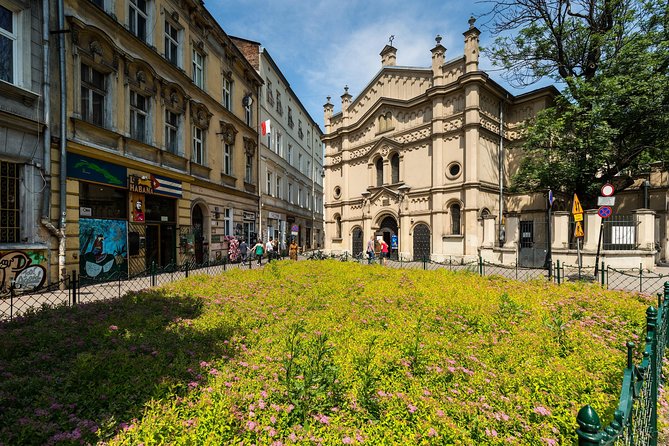
Kazimierz is more than a pretty quarter of cobbled lanes and cafés. It is the former Jewish district of Krakow, where synagogues, cemetery walls, old tenements, and film locations help explain the lives disrupted by the Holocaust. This three-hour walk also shows why Steven Spielberg used the area for Schindler’s List.
I like the tour’s human scale: guides connect buildings to people rather than delivering a list of dates. I also like its range, from Szeroka Street and the Old Synagogue to the Tempel and Izaak Jakubowicz synagogues, with time for the Jewish Cemetery and movie sites.
The main drawback is the distance. You may walk 4 to 6 kilometres, often on uneven cobblestones, so this is not a good choice if walking is difficult. Entry tickets to buildings are optional and cost extra.
Key points at a glance
- Kazimierz beyond the movie: Learn about the district’s Jewish and Polish communities, not just the places seen in Schindler’s List.
- Three notable synagogues: See the Old Synagogue, Tempel Synagogue, and Izaak Jakubowicz Synagogue along the route.
- A serious, personal subject: The tour addresses occupation and the Holocaust with care, while also discussing daily life and local culture.
- A proper walking tour: Expect roughly 4 to 6 kilometres over three hours, with cobbled streets underfoot.
- English-speaking guides: Past guides have included Magda, Bart, Jack, Max, Michael, Jacques, and Severin.
- Flexible booking: Cancel up to 24 hours before the tour for a full refund, or reserve now and pay later.
Why Kazimierz deserves a guided walk
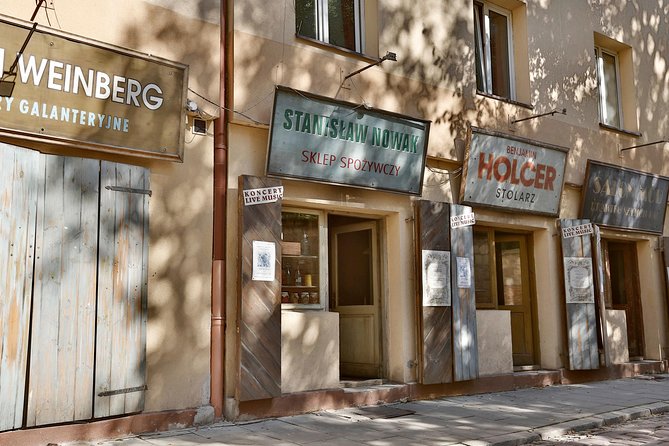
Krakow’s Kazimierz can look easy to explore on your own. You can stroll down Szeroka Street, pause at a café, photograph a synagogue, and move on. The trouble is that much of the story is not visible at street level.
A guide gives the streets a human voice. You learn how Jewish residents shaped the district, how Polish and Jewish life overlapped, and how the Second World War changed the area. The tour also presents Kazimierz as an unfinished city, a place where old buildings, restored religious sites, cafés, and memorials sit beside one another without forming a neat historical picture.
That approach is useful because Kazimierz is often reduced to two easy labels: old Jewish quarter and Schindler’s List set. Both are true, but neither tells the whole story. The walk helps you see the district as a lived-in part of Krakow before, during, and after the war.
I would book this early in your Krakow stay. After three hours with a guide, you will recognize the quarter better and can return later for a quieter look inside a synagogue, a meal, or a coffee.
More Kazimierz and Jewish Quarter tours in Krakow:
- Krakow: Jewish Quarter and Former Ghetto Tour
★ 4.9 · 1,441 reviews - Krakow: Bike Tour of Old Town, Jewish Quarter and the Ghetto
★ 4.9 · 1,155 reviews - Krakow: Kazimierz Jewish Quarter Walking Tour
★ 4.8 · 571 reviews
Starting at Grodzka Street
The meeting point is the KrakowTIP tourist information point at ul. Grodzka 18. This is in central Krakow, so you should allow enough time to find the exact office and meet your guide before the walk begins.
The tour is conducted in English, and a private group option is available. The regular format is a small group, which matters here. Kazimierz has narrow streets and busy public spaces, and a smaller party makes it easier to hear a guide when standing outside a synagogue or gathering around a historic building.
Your guide may be Magda, Bart, Jack, Max, Michael, Jacques, or Severin. The individual guide matters on a history walk. The strongest feedback describes guides who explain difficult subjects clearly, adjust to the group, and tell stories with feeling rather than sounding like a recording.
Starting in central Krakow also gives the tour a useful sense of movement. You are not simply dropped into a Jewish quarter with no context. The walk connects the wider city with Kazimierz and returns to the meeting point at the end, according to the stated arrangement.
Szeroka Street and the heart of old Kazimierz
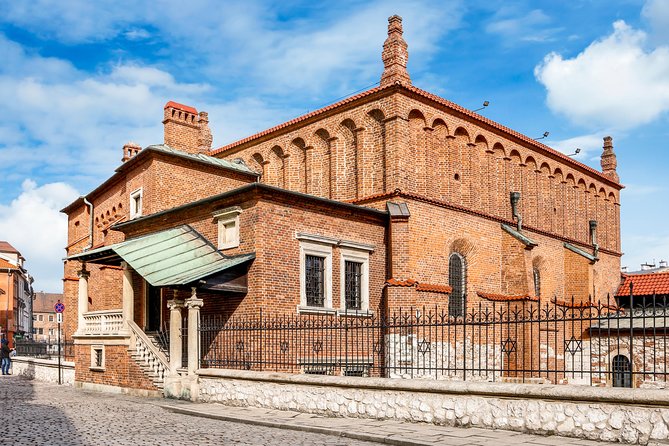
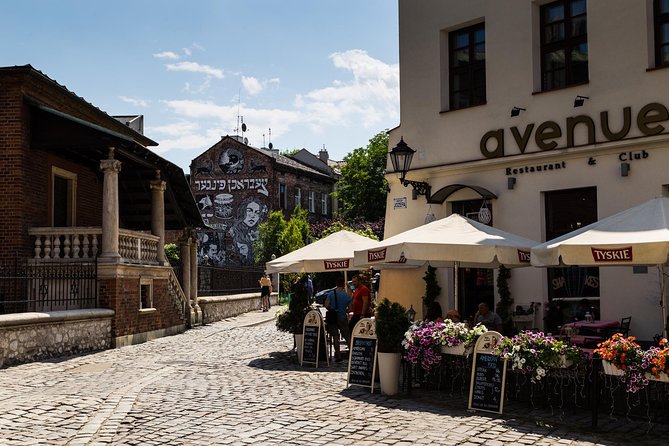
Szeroka Street is one of the key places on the route. It helps you picture Kazimierz as a center of Jewish life, not just a row of attractive façades.
Here, the guide can explain the role of religious buildings, homes, shops, and public spaces in the former district. You will also hear about the people who lived in Kazimierz and the forces that shaped their daily lives. That context makes the street more meaningful than a quick photo stop.
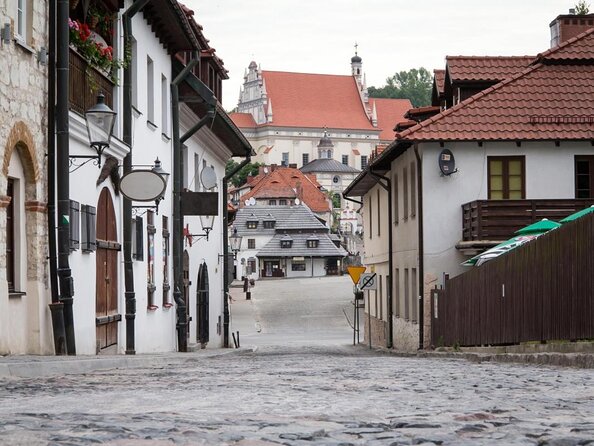
The surrounding lanes are part of the appeal. Old tenement houses, narrow streets, cafés, and artistic spaces give the area an informal feel. The tour does not treat these details as decoration only. They help show how the quarter has changed and how modern Krakow uses spaces marked by an older past.
Take a moment to look above street level. The buildings and courtyards may seem ordinary at first, but a guide can point out why a particular structure matters. This is one of the best reasons to take the walk with someone who knows the district well. On your own, you might pass the same places without seeing their connection.
The Old Synagogue and three different stories
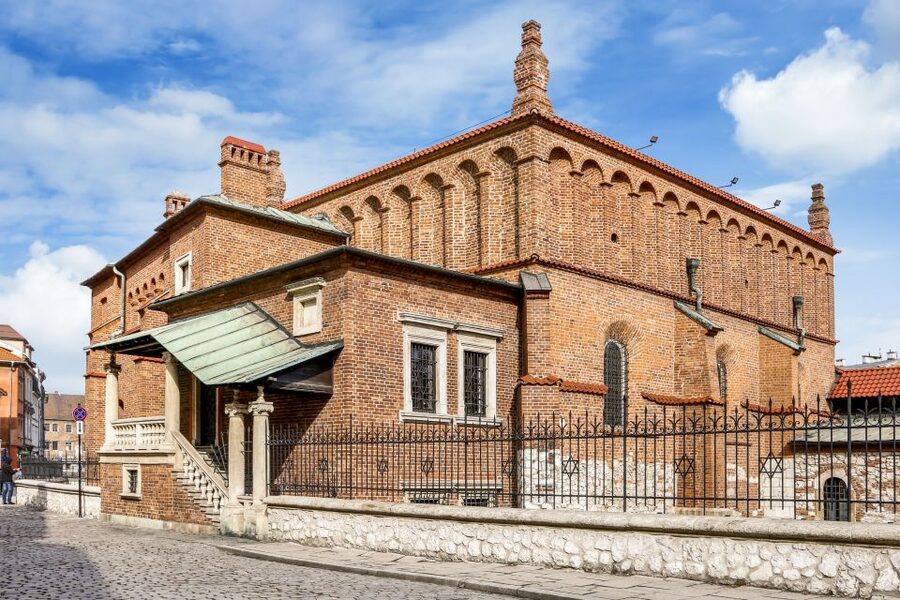
The Old Synagogue is one of the central stops. Its importance is not simply architectural. It anchors the story of Jewish religious life in Kazimierz and gives the guide a place to explain traditions, community structure, and the history of the district.
The Tempel Synagogue adds another layer. Along with the Izaak Jakubowicz Synagogue, it shows that Kazimierz was not defined by a single institution or one uniform way of worship. These sites help you understand the variety within Jewish Krakow.
The tour includes the synagogues as part of the walking route, but entry tickets are not included. Access inside may be optional and may require an extra payment. If seeing interiors is important to you, check the details at booking and bring time and money for possible admissions.
That arrangement keeps the base price reasonable at $32 per person. You pay for a three-hour guided walk and the guide’s interpretation, rather than for a package of admissions. For many people, that is good value. If you want to spend a long time inside every religious building, the final cost may be higher and the schedule may feel tight.
One useful benefit of the guided format is comparison. Instead of seeing one synagogue in isolation, you can connect several sites during one walk. The differences become part of the lesson.
More Old Town walking tours in Krakow:
- Old Town Krakow & Wawel Castle Walking Tour
★ 5.0 · 1,508 reviews - Creepy Krakow: 2-Hour City Walking Tour
★ 4.7 · 1,131 reviews - Krakow: The Old Town Walking Tour
★ 4.8 · 794 reviews - Kraków: Old Town & Wawel Castle Walking Tour in English
★ 4.8 · 532 reviews
The Jewish Cemetery and the weight of the subject
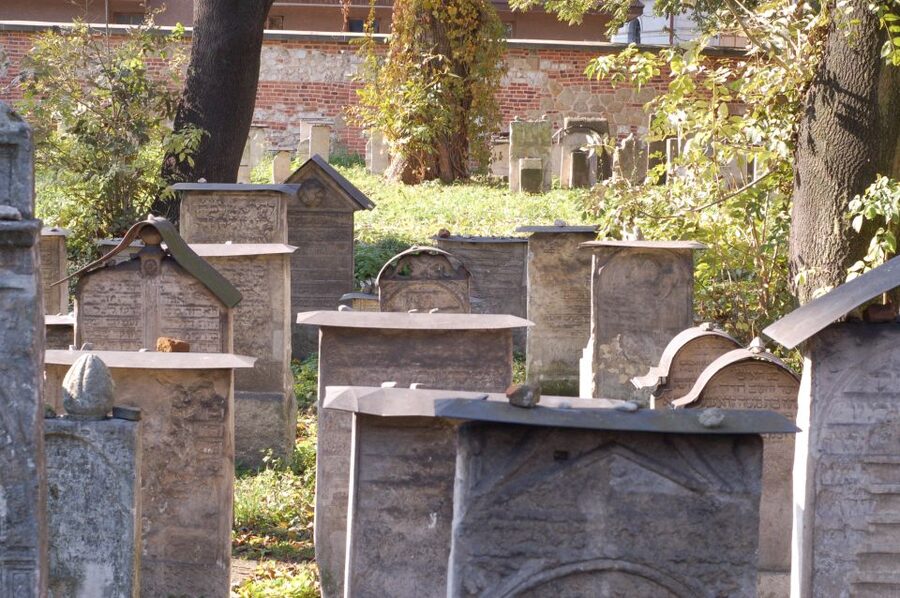
The Jewish Cemetery brings a quieter tone to the tour. It is a place for the guide to discuss memory, loss, and the people connected to Kazimierz.
This part of the walk may be especially valuable if you want more than a movie-themed outing. The history of the occupation and Holocaust is treated as a serious part of Krakow’s story, and the best guides explain it with restraint. Jack, Max, and Michael are among the guides singled out for thoughtful storytelling and a clear sense of care when discussing Polish and Jewish experiences.
Expect the tone to change here. The cafés and film locations can make Kazimierz feel light and social, but the cemetery reminds you that the district’s past includes mass violence and permanent loss. A good tour does not rush through that contrast.
I would not choose this walk if you want only cheerful sightseeing. It deals with painful subjects. For most people interested in Krakow’s past, that seriousness is a strength, but it is worth knowing before you book.
Following Schindler’s List through Kazimierz
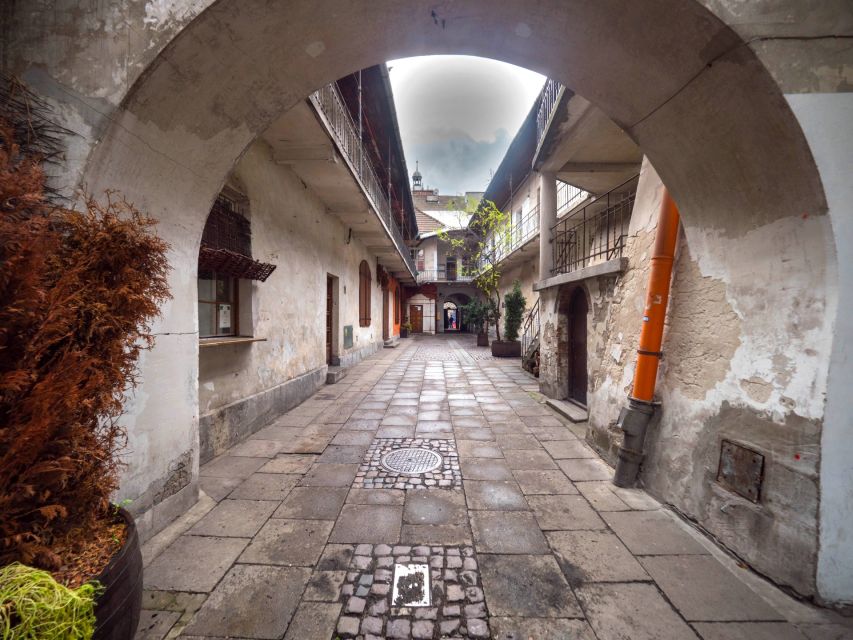
Spielberg used Kazimierz as a filming location for Schindler’s List, and the tour points out places connected with the Oscar-winning film. This gives you a familiar visual reference, especially if you have seen the movie recently.
The film angle works best as a doorway into history, not as the entire purpose of the walk. You may recognize streets or buildings, then hear how the real district differed from its screen version. That contrast helps separate cinema from historical fact.
The movie connection can also make the subject easier to follow for families. One account describes the film references as especially useful when a teenager was part of the group. The locations give younger participants something concrete to look for while the guide explains the larger events.
Do not expect a studio tour or a visit built around props. This is a walking tour of the district, with filming sites included among synagogues, streets, buildings, and memorial places. If you have no interest in the film, the historical content still gives the route plenty of purpose.
What the guides do best
The strongest part of this experience is the guiding. The walk covers difficult material, and a guide needs to keep the story clear without flattening it.
Magda is described as warm, clear, and good at maintaining a comfortable pace. Bart is praised for combining information with humor and for shaping the morning around the group’s interests. Jack is noted for storytelling and for placing Polish history alongside events in other countries.
Max is described as passionate and able to hold attention during a serious subject. Michael is associated with a friendly, detailed account of Jewish and Polish life. Jacques, a Krakow native, brought a personal connection to the city, while Severin is noted for enthusiasm about Jewish culture.
Those names are examples, not a promise that you will receive one particular guide. Still, they show what to value when the tour begins: clear explanations, sensitivity, a pace you can manage, and the ability to answer questions without turning the walk into a lecture.
If you are visiting with teenagers, ask questions as you go. The guides appear comfortable adjusting the amount of detail, and the movie locations provide natural points for discussion. Families also benefit from the informal tone, which keeps the subject approachable without making it casual.
Walking distance, weather, and pace
Three hours on foot is a serious part of the experience. One estimate places the route at 4 to 6 kilometres. That may not sound extreme, but cobblestones, standing stops, and cold or wet weather can make the walk feel longer.
Wear comfortable shoes with good support. Rain does not cancel the tour, so bring suitable clothing and be ready to continue in poor weather. The district is most enjoyable when you are not distracted by wet feet or slippery paving.
The pace is generally described as manageable, but the distance means you should be realistic about your energy. There may be pauses while the guide speaks outside buildings, yet this is not a short orientation stroll.
Plan food, drinks, or a toilet break before or after the walk. The route includes cafés and public streets, but the tour itself is built around continuous sightseeing rather than a scheduled meal stop.
The stated end point is back at the meeting point. Keep that in mind when arranging another activity. Some route descriptions place Schindler-related sights late in the walk, but you should follow the confirmed meeting and ending details for your booked departure.
Is $32 good value?
At $32 per person, the tour is reasonably priced for a three-hour small-group walk with a professional English-speaking guide. You are paying for local interpretation, route planning, and the chance to connect sites that can feel scattered when explored alone.
The value is strongest if you care about context. A self-guided walk can show you the same streets, but it will not necessarily explain why a synagogue matters, how the district changed, or how the film relates to the real place.
The value is weaker if you want long indoor visits. Admissions are optional and not included, so add those costs if you plan to enter the buildings. You may also prefer to explore independently if you walk slowly, want many photographs, or dislike a fixed three-hour pace.
Reserve now and pay later if your schedule is still moving. You can cancel up to 24 hours before the tour for a full refund, which is useful when Krakow plans include weather-sensitive activities.
Who should book this Kazimierz walk?
I would recommend it to first-time visitors who want a clear introduction to Kazimierz. It suits anyone interested in Jewish and Polish history, religious buildings, World War II, or Schindler’s List.
Families can also make good use of it, especially if a teenager knows the film. The informal style and visual locations help keep a serious subject connected to real places.
You should think twice if walking 4 to 6 kilometres is difficult. You should also choose another activity if you want a relaxed café crawl with only light historical commentary. This tour asks you to listen, walk, and think.
Should you book it?
Book this tour if you want Kazimierz explained rather than simply photographed. The mix of Szeroka Street, three synagogues, the Jewish Cemetery, old streets, and Schindler’s List locations gives you a rounded introduction to the district.
The best reason to go is the guide. Names and schedules vary, but the tour clearly depends on a strong storyteller who can handle Polish-Jewish history with care. At $32, it is good value for that service, provided you are comfortable with a long walk and possible extra entry fees.
Skip it if you need an accessible, low-effort outing or want to spend most of the time indoors. For everyone else, this is a thoughtful way to begin understanding one of Krakow’s most important quarters.
FAQ
How long does the Krakow Jewish Quarter walking tour last?
The tour lasts three hours.
How much does the tour cost?
The listed price is $32 per person.
What language is the tour conducted in?
The tour is conducted in English with a live English-speaking guide.
Where does the tour start?
Meet your guide at the KrakowTIP tourist information point at ul. Grodzka 18 in Krakow.
Where does the tour end?
The activity is scheduled to end back at the meeting point.
Which synagogues are included in the route?
The route includes the Old Synagogue, the Tempel Synagogue, and the Izaak Jakubowicz Synagogue.
Are entry tickets included?
No. Optional entry tickets for sites along the route are not included in the tour price.
Does the tour visit Schindler’s List filming locations?
Yes. The tour includes places in Kazimierz used as filming locations for Steven Spielberg’s Schindler’s List.
Can I cancel the tour or pay later?
You can cancel up to 24 hours in advance for a full refund. Reserve now and pay later is also available.
Just added around Krakow
- From Krakow: Zakopane Full-Day Tour with Lunch Option★ 4.4 · 62 reviews
- From Krakow: Zalipie and Painted Village Guided Tour★ 4.0 · 4 reviews
- From Krakow: Zakopane and Dunajec River Rafting Tour★ 4.6 · 31 reviews
- From Krakow: Zakopane and the Tatra Mountains★ 4.7 · 36 reviews
- From Krakow: Zakopane and Gubałówka Cable Car Private Tour★ 4.3 · 12 reviews
- From Krakow: Zakopane Tatra Mountains & Hot Springs Tour★ 3.0 · 29 reviews
- From Krakow: Zakopane & Tatra Mountains Tour★ 3.8 · 42 reviews
- Zakopane & Tatra Mountains Private Full-Day Tour from Krakow★ 4.5 · 33 reviews
Krakow Jewish Quarter Tours, compared.
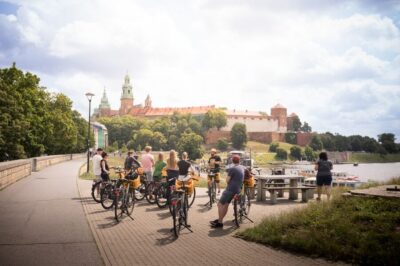
Bike Tour of Old Town, Jewish Quarter and the Ghetto
Read our review →
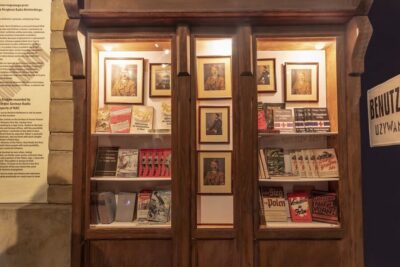
Kazimierz, Schindler’s Factory & Ghetto Guided Tour
Read our review →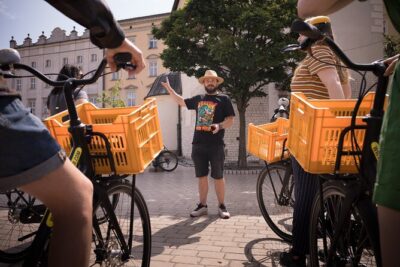
Full Bike Tour – the Old Town, Jewish Qtr & the Ghetto NEW BIKES
Read our review →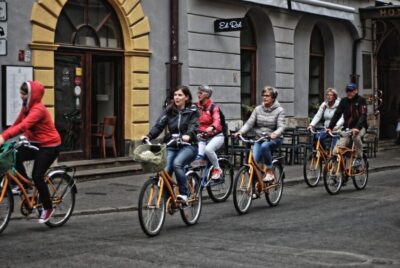
Bike Tour of the Old Town, Kazimierz, and the Ghetto
Read our review →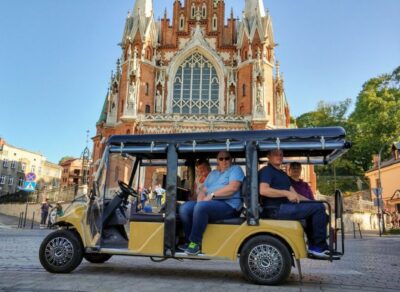
Jewish Quarter and Ghetto Electric Golf Cart Tour
Read our review →
Browse the lists this tour appears in