
Reviewed · NOWA HUTA COMMUNIST TOURS
Krakow: Nowa Huta Guided Tour in Vintage Car
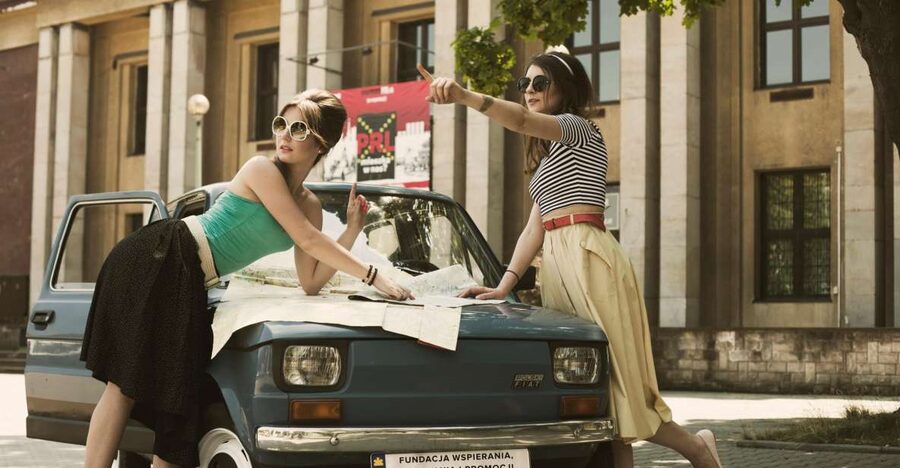
Nowa Huta was built as a model workers’ city beside a giant steelworks, and this tour shows you how that idea looked on the ground. You ride through broad avenues in a Communist-era car, then walk around Central Square, Roses Avenue, the steelworks area, and a Cold War shelter.
I like the local, personal guiding, especially when Mateusz leads the tour. I also like the choice of cars, from a tiny yellow Polski Fiat 126 to a green Lada or a larger Nysa. The main drawback is practical: some vintage cars have limited space, and one car was reported to have no working seatbelts.
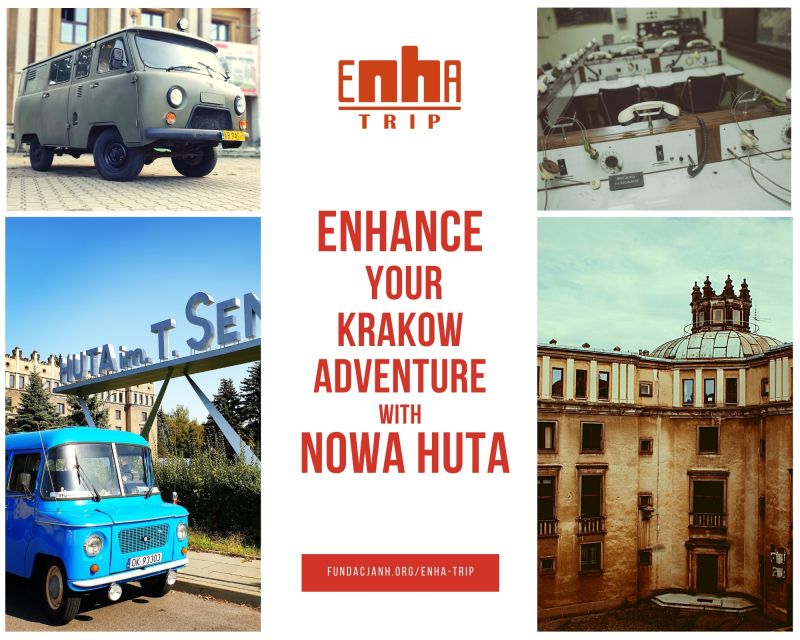
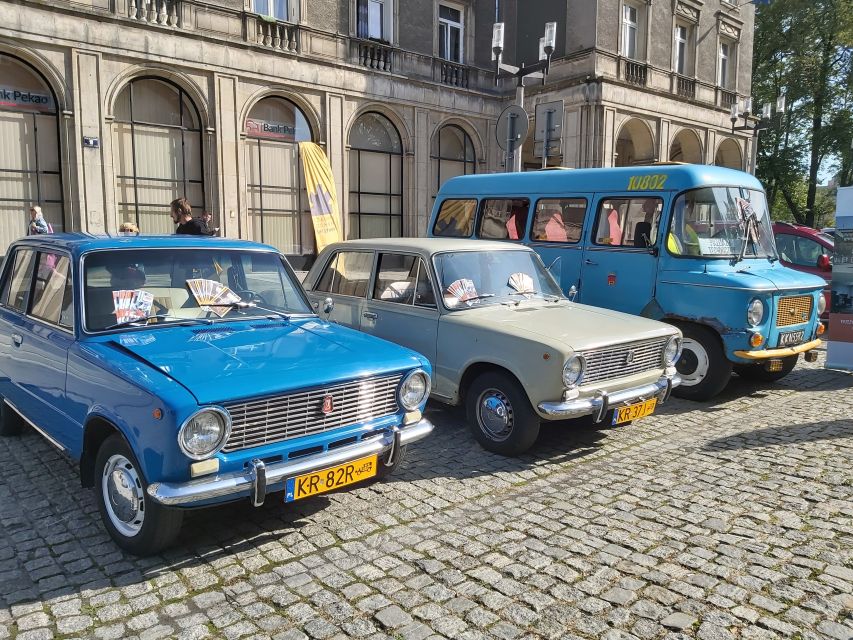
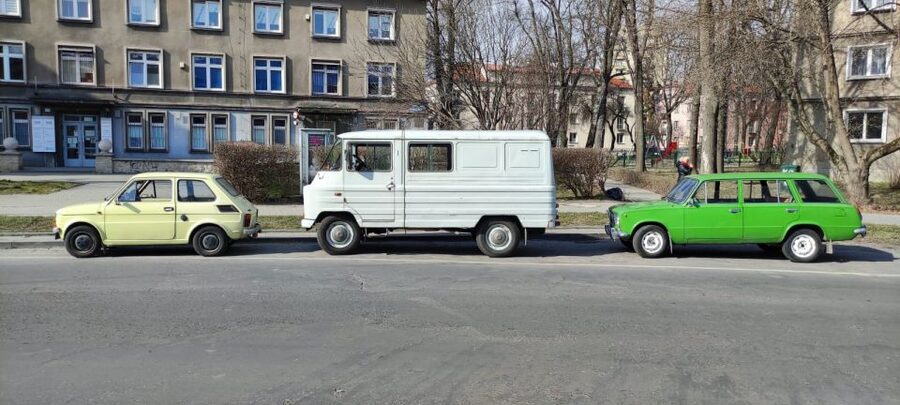
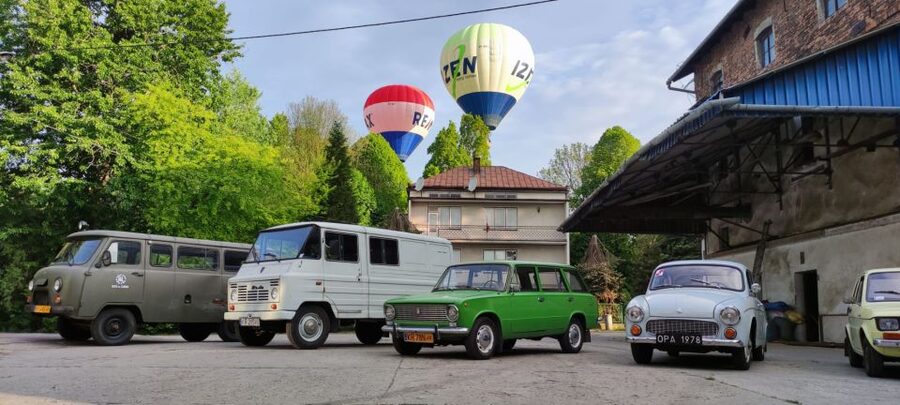
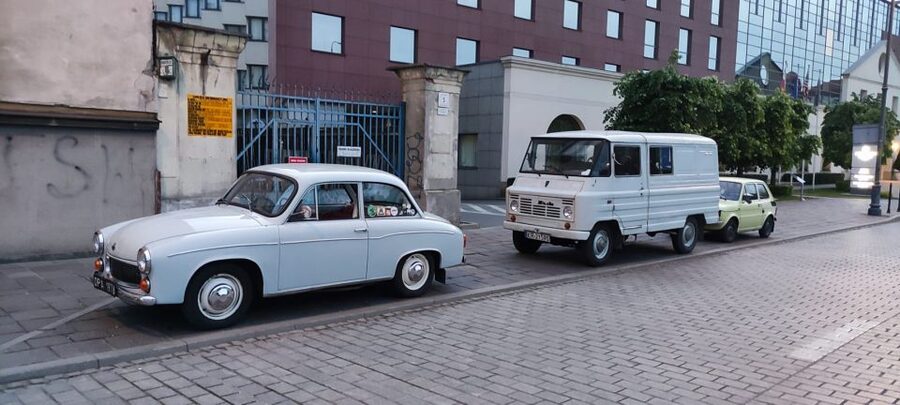
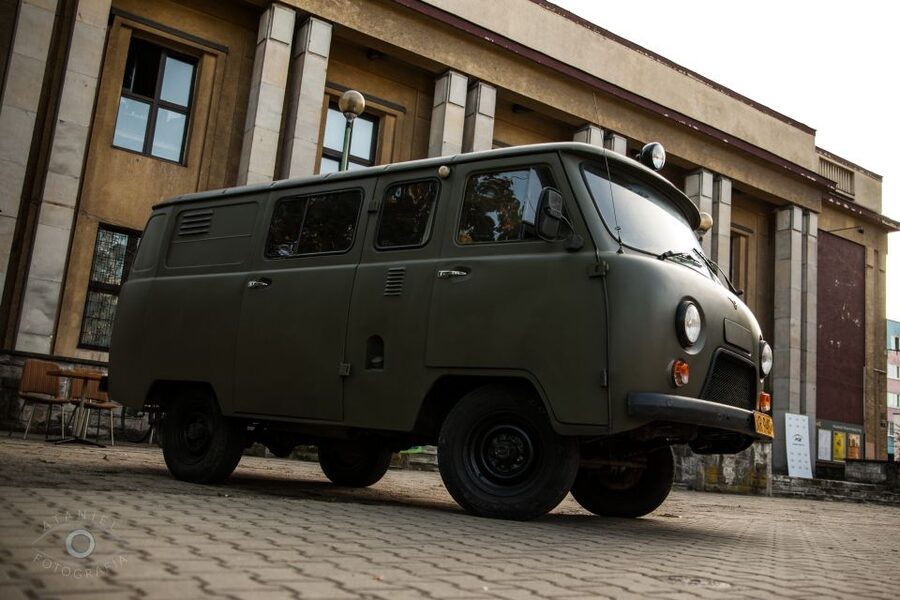
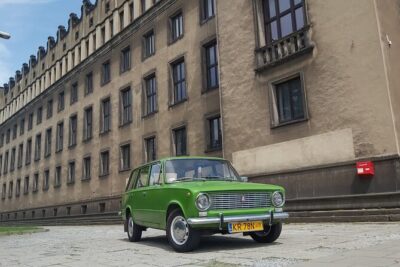
- Ride in a real Communist-era car: Choose from cars such as a Polski Fiat 126, Lada 2101, Syrena, Nysa, Żuk, or UAZ 452.
- See Nowa Huta’s planned core: Central Square and Roses Avenue reveal the scale of the utopian city project.
- Connect the city to the steelworks: The enormous factory explains why Nowa Huta was built here.
- Go underground: The longer option can include a Cold War bomb shelter with original fittings and equipment.
- Hear local stories: Guides from the Foundation of Positive Promotion of Nowa Huta explain the area through politics, architecture, and daily life.
- Add a Polish lunch: The optional meal has included pierogi in a local restaurant with a Communist-era feel.
Why Nowa Huta deserves half a day
Most first visits to Krakow focus on the Old Town, Wawel, and Kazimierz. Nowa Huta gives you a very different Poland. It was built after the Second World War as a planned industrial city, centered on a huge steelworks and shaped by Socialist Realist design.
The idea was grand. Workers would have modern housing, schools, shops, parks, wide streets, and public squares. The city would also display the power of the Communist state. In practice, Nowa Huta became a real neighborhood, not just a political model. That tension is what makes it worth seeing.
I find the district hard to understand from a map alone. The scale is too large, the political messages are tied to specific places, and many of the important details are easy to miss. A local guide helps you read the streets instead of simply passing through them.
The tour runs from about 150 to 270 minutes, depending on the option selected. The longer version is the better choice if you want time inside the steelworks offices or an underground shelter. Allow extra time if you add lunch, since the meal option is not included in the standard price.
A vintage car that is part of the lesson
The transport is not just a way to get from one stop to another. A Polski Fiat 126, usually called a Maluch, puts you close to the period being discussed. The tiny car was a familiar sight in Communist Poland, and its cramped cabin, simple controls, and unmistakable shape make the ride part of the historical setting.
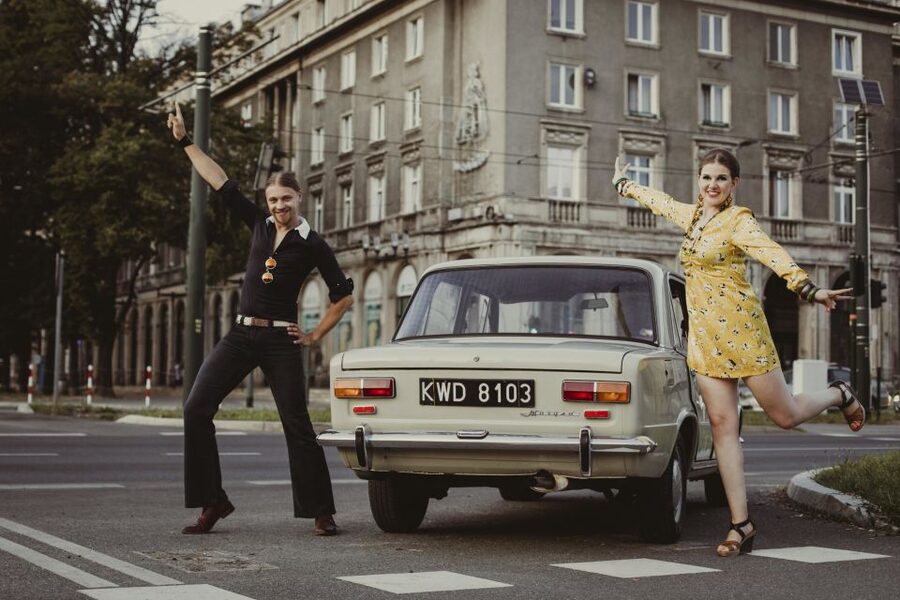
You might instead ride in a Lada 2101, Syrena, Nysa, Żuk, or Soviet UAZ 452 army van. The exact vehicle depends on availability. Contact the provider through WhatsApp after booking if you want to learn which car has been assigned.
I like the fact that the car attracts attention as it moves through Krakow. It gives the outing a playful side without turning Nowa Huta into a theme park. Still, comfort is not the point. Older cars can be tight, noisy, and basic. If seatbelts matter to you, ask about the vehicle before setting out, since at least one car used on the tour had no working belts.
Pickup is offered from Krakow accommodation for the private option, though cars cannot enter every part of the historic center. Suggested nearby pickup points include Plac Matejki, Mikołaja Zyblikiewicza near Mikołaja Kopernika Street, and Dajwór Street in Kazimierz. You can also meet the guide directly in Nowa Huta.
More Nowa Huta communist-era tours in Krakow:
- Legendary Private Nowa Huta Communism Tour with Crazy Guides
★ 5.0 · 262 reviews - Nowa Huta: Steelworks Administration Buildings/Shelters Tour
★ 4.9 · 160 reviews - Krakow: Private Nowa Huta Adventure Tour in Communist Cars
★ 4.9 · 114 reviews
Central Square shows the city’s grand plan
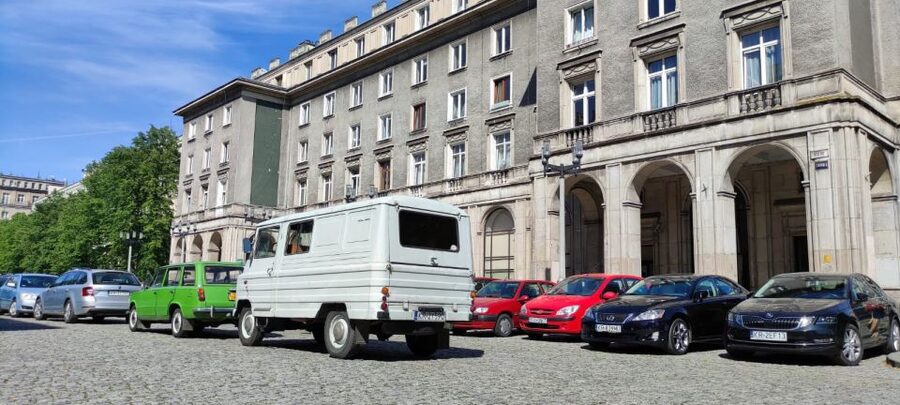
The tour usually begins with a drive toward Nowa Huta, followed by a walk at Central Square. This is the district’s main urban statement: broad, formal, and designed to suggest order and confidence.
Your guide explains how the streets and buildings were arranged, why the square mattered, and how the city was meant to function. Look beyond the large scale. The useful details are in the planning: housing blocks, open spaces, roads, and the way public buildings were placed around the center.
For me, this is where the tour turns an architectural visit into a political one. Socialist Realism was not simply a style of heavy buildings and grand facades. It was meant to shape public life and communicate the strength of the state.
The walk lasts about 20 minutes, but the guide may continue the story as you move between locations. Wear shoes suitable for a city walk, and bring a coat in cooler months. The tour operates in all seasons, and the vintage car may be charming without being especially warm.
Roses Avenue and the missing Lenin
From Central Square, the route continues to Roses Avenue, one of the best places to discuss the public symbols of Communist Poland. A huge statue of Vladimir Lenin once dominated the avenue. The monument was unpopular with many local residents and was eventually removed after being attacked and pulled down.
The statue is gone, but the space still makes sense when you see old photographs. Guides often use these images to show where Lenin once stood and how the avenue looked before and after the change. This is one of the tour’s strongest details because it links a present-day street with a vanished political symbol.
You also get a clearer idea of how propaganda worked. The city was built to present industrial labor and the Communist project as a path to a better life. The wide avenues and formal buildings helped create that message, while local resistance showed that official plans did not control every feeling or action.
The steelworks explains everything
The steelworks is the reason Nowa Huta exists. Without it, the district would not have been built in this location or at this scale. The tour uses the factory project to explain employment, housing allocation, industrial ambition, and the relationship between the workers’ city and the state.
The standard route includes time around the steelworks area, including a photo stop near the Museum of the Armed Act. The timing listed for this stop is about 10 minutes. It is brief, but it adds a military and industrial note to the story.
For a fuller visit, choose the option that includes the former steelworks director’s offices. These rooms were closed for more than 20 years when visitors were shown through them, and they retain the feel of an official workplace from the period. The office visit is particularly useful if you want to understand how the system looked from the management side, rather than only from the workers’ housing and public streets.
The longer tour may also give you access to original furniture, equipment, and working electrical fittings in the old buildings. Conditions are basic and atmospheric rather than polished. That is precisely why the visit feels different from a conventional museum.
A handful more Krakow trips to weigh up
- From Krakow: Auschwitz-Birkenau Guided Tour & Hotel Pickup
★ 4.5 · 33,358 reviews - From Krakow: Auschwitz-Birkenau Guided Tour & Hotel Pickup
★ 4.5 · 29,340 reviews - Krakow: Auschwitz Guided Tour with Optional Hotel Pickup
★ 4.5 · 15,280 reviews - Krakow: Auschwitz-Birkenau Guided Tour with Pickup & Lunch
★ 4.5 · 9,800 reviews
The bunker brings the Cold War close
The underground shelter is the tour’s most atmospheric stop. It was built for the possibility of World War III and a nuclear attack, forming part of a wider network of shelters around the city.
You go below ground into emergency rooms, corridors, and technical spaces. The shelter can feel creepy, especially because some of its electrical equipment remains in working condition. It gives physical meaning to the fear that shaped public planning during the Cold War.
I would choose the bunker if you have a strong interest in twentieth-century political history. It is not a polished attraction with lots of display panels. Instead, the dark rooms and old systems leave space for the guide to explain how the shelter was intended to work.
The standard and extended options differ, so check the exact booking choice. The longer option described for this experience includes either the Cold War headquarters shelter or the Communist-era steelworks director’s offices. If both matter to you, ask before booking rather than assuming both are included.
The first church shows the conflict beneath the plan
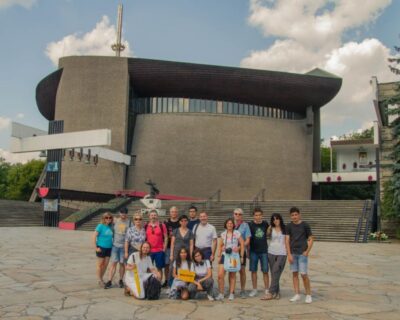
The route also includes Our Lady Queen of Poland Church, often called the first church built in Nowa Huta. Its presence matters because the planned city was intended to express a secular Communist ideal, while many residents wanted a church of their own.
The stop lasts about 20 minutes and includes a visit, guided explanation, and time for photographs. It adds an important human dimension to the architecture. Nowa Huta was not only about buildings, factories, and state ceremonies. It was also about what residents wanted their neighborhood to contain.
I like this stop because it prevents the tour from becoming a simple tour of Communist symbols. The church shows how residents shaped the district and how religious life remained important in Poland despite official policy.
Please remember that this is a functioning place of worship. Quiet behavior and appropriate clothing are sensible, especially if a service is taking place.
What guides add to the experience
The guide is the key to this tour. The Foundation of Positive Promotion of Nowa Huta organizes the experience, and its local connection comes through in the way the story is told. Mateusz, also referred to as Matthew in English, is especially associated with the tour and is known for his strong command of the area, Polish Communism, architecture, and cars.
He grew up in the district, which lets him explain Nowa Huta as a lived-in neighborhood rather than a frozen historical set. The best guiding combines old photographs, maps, personal memories, and explanations of how housing was assigned to single people, couples, and families.
This also works well for questions. Guides have handled subjects ranging from apartment sizes to the fate of the Lenin statue, the steelworks, and the meaning of the church. English is the normal language, with Polish and Russian possible if arranged at least 48 hours ahead and subject to availability.
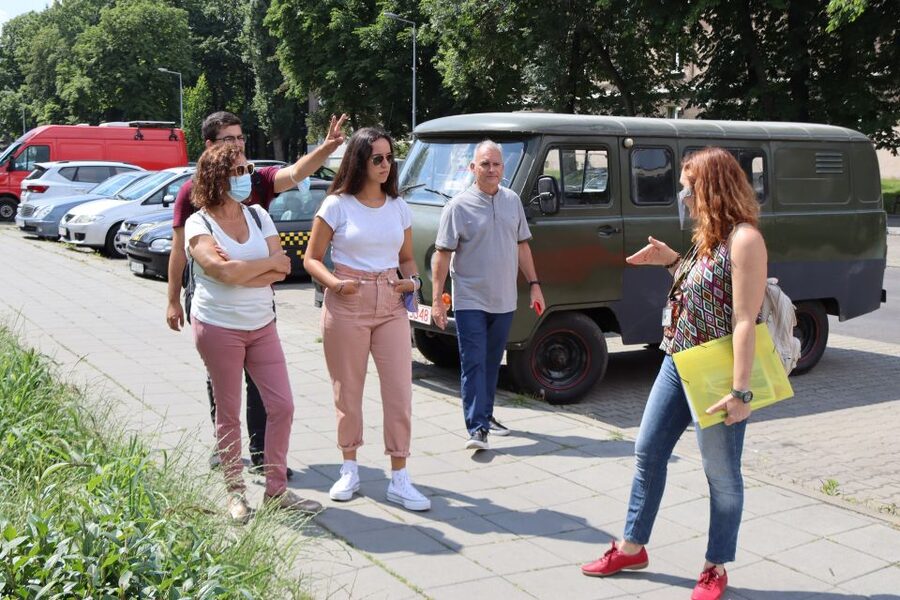
The tour is available as a private group, which is worth considering if you want to ask many questions or have a family group. A shared arrangement can still be enjoyable, but a private ride gives you more control over the pace.
Lunch in a local setting
Food is not part of the usual price, but a lunch option can be selected. It has included mixed pierogi in a restaurant popular with local residents, sometimes with a 1950s-style atmosphere.
I see this as a useful addition if you want the day to feel less rushed. A meal gives the guide more time to explain daily life and lets you try a simple Polish dish in a setting connected to the neighborhood. It is not essential to understanding the tour, so budget-conscious visitors can skip it.
Do not assume food and drinks are included unless you choose the lunch option. Other museum admission is also separate.
Is $75 good value?
At $75 per person, this is not the cheapest way to see a Krakow neighborhood. You are paying for private or small-group transport, a vintage car, a local English-speaking guide, and access to places that are not part of a normal city walk.
The value improves on the longer option. A standard sightseeing trip can show you Central Square and Roses Avenue, but the steelworks offices and Cold War shelter provide the real reason to spend extra time in Nowa Huta. If you care about modern European history, the additional access can justify the price.
The car also saves you the trouble of working out how to reach the district and connect its scattered stops. It is a historic prop, but it is still practical transport. Hotel pickup and drop-off are included for the private option, with limits in the historic center.
Free cancellation is available up to 24 hours before the start, and you can reserve now and pay later. Starting times vary, so check availability for your date.
Who should book this Nowa Huta tour?
I would choose this for anyone who wants more than Krakow’s medieval center. It suits people interested in:
- Polish history after the Second World War
- Communist planning and Socialist Realist architecture
- Cold War shelters and military history
- Industrial cities and workers’ housing
- Classic cars
- Local guides who can answer detailed questions
Families with older children and teenagers may enjoy the vintage car and underground shelter, though the historical subject is more rewarding when they have an interest in the period. It also suits repeat visitors who have already seen Krakow’s main sights.
I would not make it your first choice if you want a relaxed scenic drive, a luxury vehicle, or a short photo tour. The cars are old, the subject is serious, and much of the value comes from listening carefully to the guide.
My verdict: book it for the history, keep the car as a bonus
I recommend this tour if you want to understand how a Communist city was planned, built, and lived in. The Polski Fiat or Lada gets you there in memorable fashion, but the strongest parts are the guide’s explanations, the former Lenin site, the steelworks connection, the church, and the Cold War shelter.
Choose the longer option if your schedule allows. For the best use of your money, confirm whether your booking includes the bunker, the director’s offices, or both, and ask about the exact car and pickup point. If Mateusz is guiding, expect a lively, detailed account of Nowa Huta that reaches well beyond the usual city tour.
FAQ
How long does the Nowa Huta vintage car tour last?
The available options last about 150 to 270 minutes. The extended version is described as approximately 3.5 hours and includes an additional visit.
What kind of car will I ride in?
The vehicle may be a Polski Fiat 126 Maluch, Lada 2101, Syrena, Nysa, Żuk, or Soviet UAZ 452 van. The exact car depends on availability.
Is hotel pickup included?
Pickup and drop-off are included when the private option is selected. Cars cannot reach every part of Krakow’s historic center, but nearby points such as Plac Matejki, Mikołaja Zyblikiewicza near Mikołaja Kopernika Street, and Dajwór Street in Kazimierz may be arranged.
Can I meet the guide in Nowa Huta?
Yes. You can meet the guide directly in Nowa Huta instead of using the pickup option.
What language is the tour in?
The usual language is English. Polish and Russian can be arranged at least 48 hours in advance, subject to availability.
Does the tour visit the steelworks?
The route explains the steelworks and includes time in the surrounding area. The extended option can include a visit to the former steelworks director’s offices and admission ticket.
Can I visit a Cold War bomb shelter?
Yes, the extended option can include a Cold War headquarters bomb shelter and its admission ticket. Check the selected option because the shelter and director’s offices may be alternative additions.
Is lunch included?
Food and drinks are not included in the standard tour. A lunch option can be selected when booking.
Is the tour private?
A private group option is available. Other arrangements may use a shared vehicle or group, depending on the selected booking.
Can I cancel the tour?
You can cancel up to 24 hours in advance for a full refund. Reserve now and pay later is also available.
Just added around Krakow
- From Krakow: Zakopane Full-Day Tour with Lunch Option★ 4.4 · 62 reviews
- From Krakow: Zalipie and Painted Village Guided Tour★ 4.0 · 4 reviews
- From Krakow: Zakopane and Dunajec River Rafting Tour★ 4.6 · 31 reviews
- From Krakow: Zakopane Tatra Mountains & Hot Springs Tour★ 3.0 · 29 reviews
- From Krakow: Zakopane and the Tatra Mountains★ 4.7 · 36 reviews
- From Krakow: Zakopane and Gubałówka Cable Car Private Tour★ 4.3 · 12 reviews
- Zakopane & Tatra Mountains Private Full-Day Tour from Krakow★ 4.5 · 33 reviews
- From Krakow: Hot Springs and Zakopane with Gubałówka★ 4.7 · 25 reviews
Nowa Huta Communist Tours, compared.
Legendary Private Nowa Huta Communism Tour with Crazy Guides
Read our review →
Steelworks Administration Buildings/Shelters Tour
Read our review →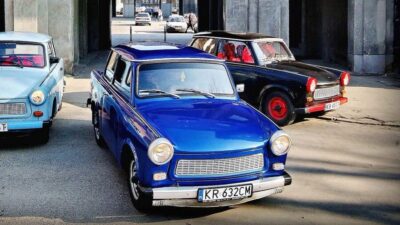
Private Nowa Huta Adventure Tour in Communist Cars
Read our review →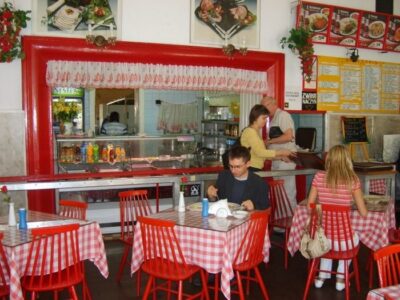
Communist Krakow – Nowa Huta Walking Tour in English
Read our review →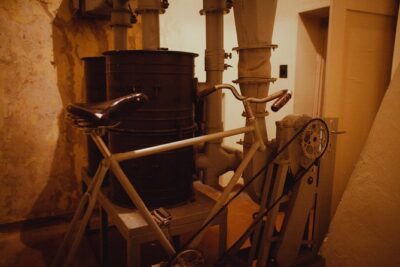
Nowa Huta Steel Mill Administration Buildings and Shelters with local NGO
Read our review →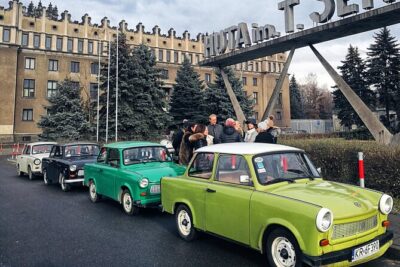
1.5h Crazy Guides’ Communism Tour of Nowa Huta in Classic Car
Read our review →Browse the lists this tour appears in