
Reviewed · NOWA HUTA COMMUNIST TOURS
Nowa Huta: Steelworks Administration Buildings/Shelters Tour
Nowa Huta’s former steelworks offices offer something Krakow’s Old Town cannot: a real Cold War site with original interiors, underground shelters, and rooms linked to the huge plant that shaped this district. The 90-minute tour moves through two near-twin administration buildings, then heads below ground into a bomb shelter and command center.
I like the contrast between the grand entrance hall, with its Renaissance-style staircase and costly stone, and the stark underground rooms built for wartime survival. I also like the human touch brought by guides such as Mateusz, who explain the site with humor, local stories, and clear English. The main drawback is that this is not a tour of the operating steelworks itself, and the buildings can be difficult for people with limited mobility.
Key points at a glance
- Original steelworks interiors: See directors’ offices, engineers’ rooms, staircases, radio facilities, and a workers’ theater.
- Cold War shelter below ground: Walk through the tunnel linking the buildings and inspect the former bomb shelter and command center.
- A different side of Krakow: Reach Nowa Huta by public transport and trade medieval streets for planned socialist architecture.
- Strong local guiding: Guides such as Mateusz add personal stories, jokes, and useful context about the district and factory.
- Optional vintage car: Select the vintage-car option for a period-style transfer or presentation and extra photo opportunities.
- Short, focused visit: The tour lasts about 1.5 hours and costs $24 per person, making it an easy half-day addition to Krakow.
Why Nowa Huta feels so different from Krakow
Nowa Huta was built in the 1950s as an ideal socialist city under Soviet influence. Its broad planning, monumental buildings, and close connection to the steelworks reflect a very different political vision from Krakow’s medieval center.
That contrast is the point. If you spend most of your time around Wawel Castle, the Main Market Square, and the old churches, this tour gives you another way to understand the city. Nowa Huta shows how postwar Poland tried to build a new industrial society, complete with housing, civic spaces, cultural facilities, and a giant steel plant.
The steelworks were central to that project. The administration buildings were not just plain industrial offices. Their interiors were designed to project authority and importance, especially in spaces used by directors and senior staff. At the same time, the shelters below them reflected the fear and uncertainty of the Cold War.
I find that combination especially useful. You are not looking at a museum display assembled decades later. You are walking through offices and shelters that still carry the practical marks of their original use.
More Nowa Huta communist-era tours in Krakow:
- Krakow: Nowa Huta Guided Tour in Vintage Car
★ 4.9 · 277 reviews - Legendary Private Nowa Huta Communism Tour with Crazy Guides
★ 5.0 · 262 reviews - Krakow: Private Nowa Huta Adventure Tour in Communist Cars
★ 4.9 · 114 reviews
Finding the steelworks entrance at Kombinat
The meeting point is the main gate of the steel mill, at the building on the left with the information point. From central Krakow, you can travel by tram or bus and get off at the Kombinat stop.
Give yourself enough time to reach the district. Nowa Huta is outside the historic center, and the journey is part of the experience. You leave behind the tourist core and arrive in a part of Krakow shaped by factories, planned streets, and postwar housing.
The tour ends back at the same meeting point. That makes it easier to fit into a wider day in Nowa Huta, especially if you plan to continue exploring the district after the steelworks visit.
The tour is recommended for advance booking at least one day ahead. You can reserve without paying immediately, and cancellation is allowed up to 24 hours before the start for a full refund. Those policies are useful if your Krakow schedule is still changing.
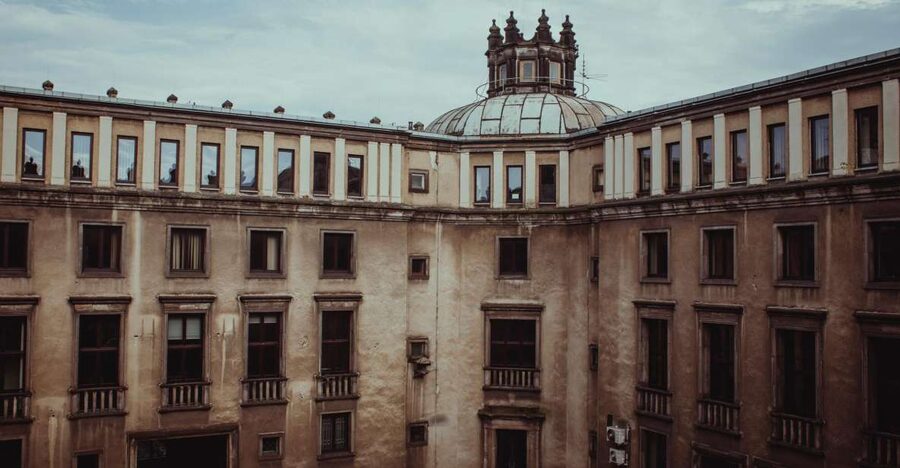
Entering the two administration buildings
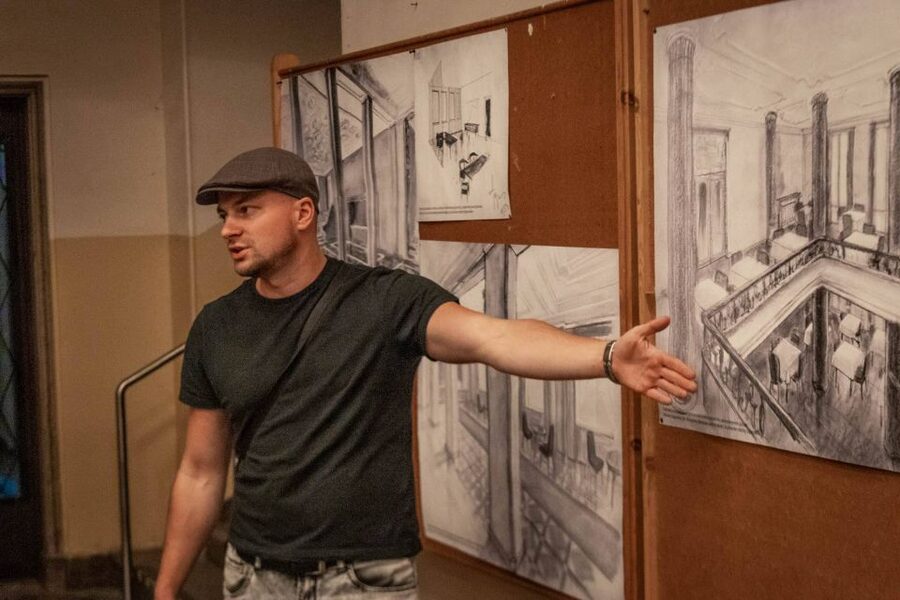
The tour focuses on two almost twin buildings connected by an underground passage. One of the interesting tasks is spotting how they differ. At first glance, their similar design may make them feel interchangeable, but the guide points out distinctions in their purpose, layout, and surviving details.
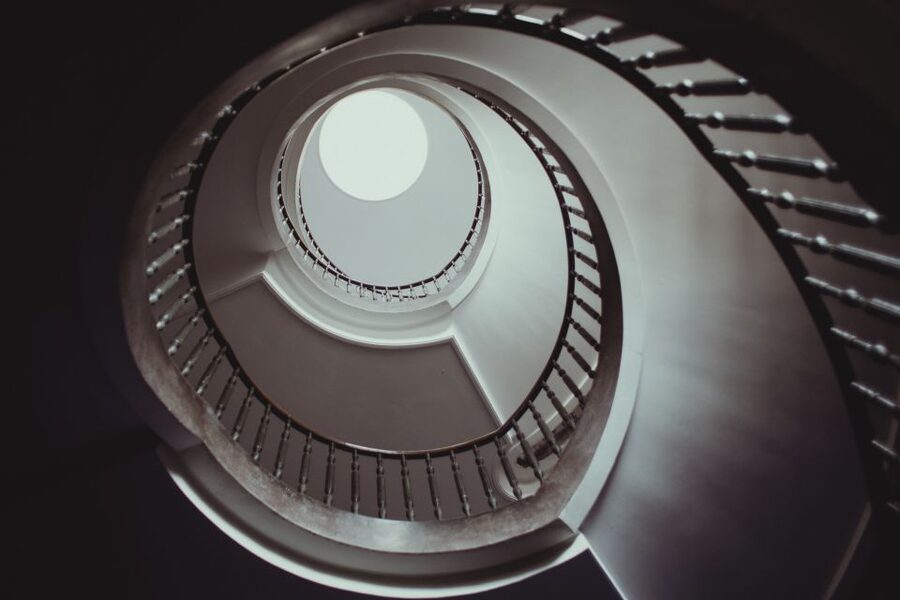
The entrance hall is one of the most striking spaces. Its grand staircase recalls Renaissance architecture rather than a simple factory office. Ornamental stone was used throughout the formal rooms, showing how much effort went into creating an impressive setting for plant directors.
That detail gives you a better sense of how the steelworks wanted to present itself. The buildings were part of a major state project, so visitors and officials were meant to see order, seriousness, and power. The architecture was political in a quiet but very visible way.
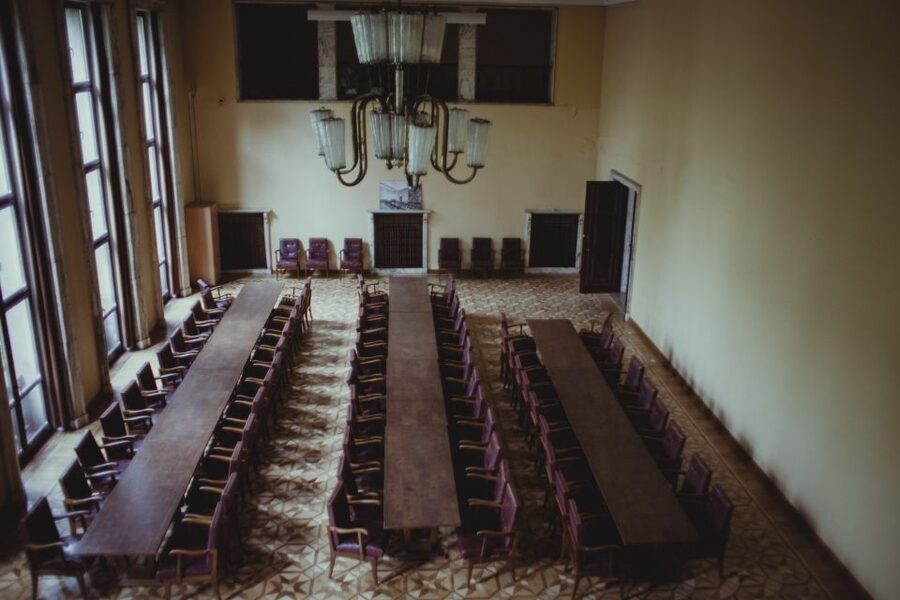
I would not expect polished museum presentation here. The appeal comes from the atmosphere of rooms that have not been heavily modernized. Some spaces feel worn, spare, or partly abandoned. For me, that is more interesting than a recreated period set, but it also means you should expect an informal historic site rather than a fully restored attraction.
Directors’ offices and engineers’ rooms
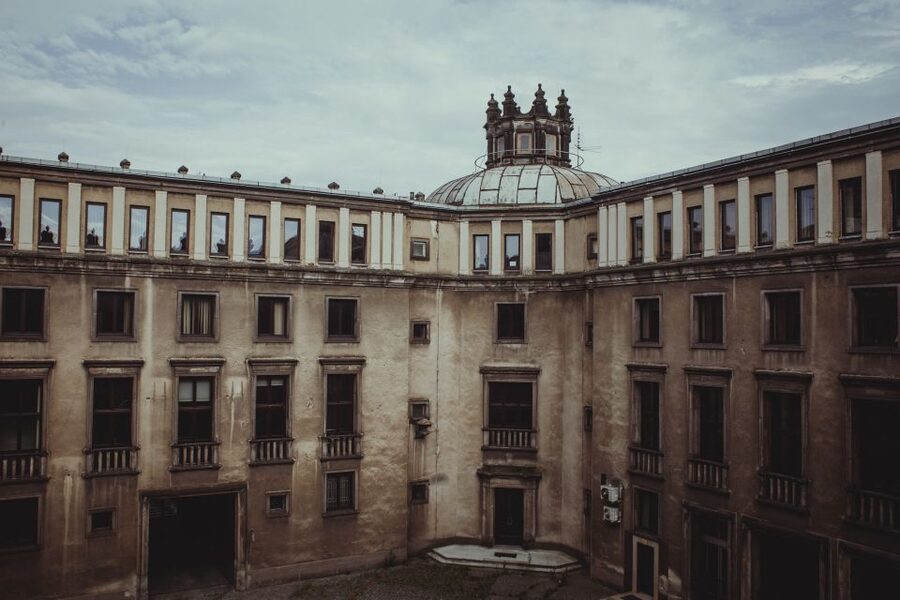
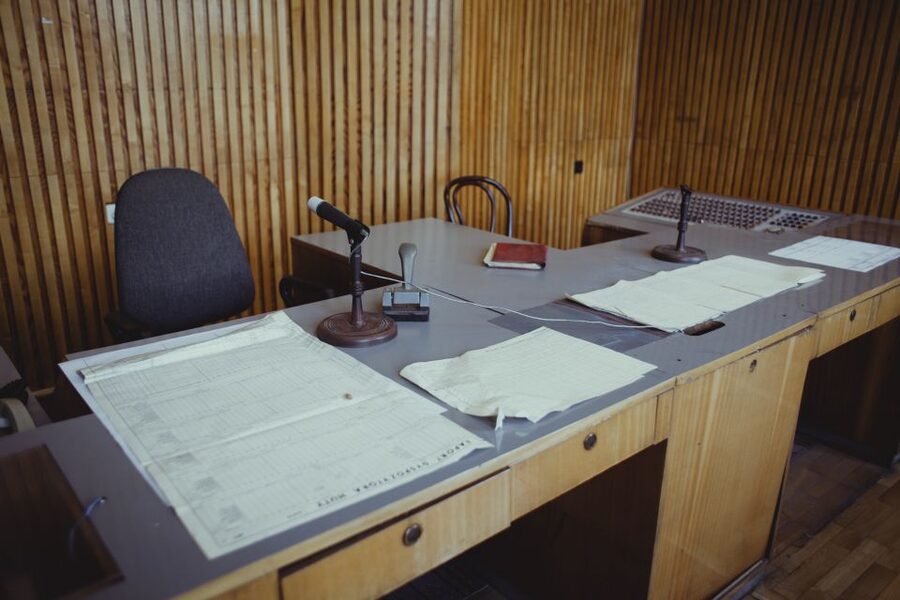
The route includes executive offices used by the plant’s directors, along with corner offices associated with engineers. These rooms help show the hierarchy of the steelworks.
The directors’ spaces were designed to impress, with better materials and more formal decoration. The engineers’ offices offer a different view of the plant, linked to the people who kept the technical side running. Together, the rooms make the administration buildings feel less abstract. You can picture the plant being managed from here, with decisions moving from offices to production areas.
Guides explain how the factory developed and how the surrounding district changed over time. Mateusz is especially well regarded for combining facts with personal stories and humor. One story shared on the route concerns his grandmother’s experience during the communist period, giving the broader political story a local and personal angle.
That sort of detail matters at a site like this. The buildings alone cannot explain what daily life felt like. A good guide helps connect the architecture to the people who worked there and to the wider changes Poland experienced.
Same city, a completely different sort of day:
- From Krakow: Auschwitz-Birkenau Guided Tour & Hotel Pickup
★ 4.5 · 33,358 reviews - From Krakow: Auschwitz-Birkenau Guided Tour & Hotel Pickup
★ 4.5 · 29,340 reviews - Krakow: Auschwitz Guided Tour with Optional Hotel Pickup
★ 4.5 · 15,280 reviews - Krakow–Zakopane: Cable Car, Chocholow Baths, Cheese & Vodka
★ 5.0 · 10,720 reviews
Radio rooms, tapes, and the workers’ theater
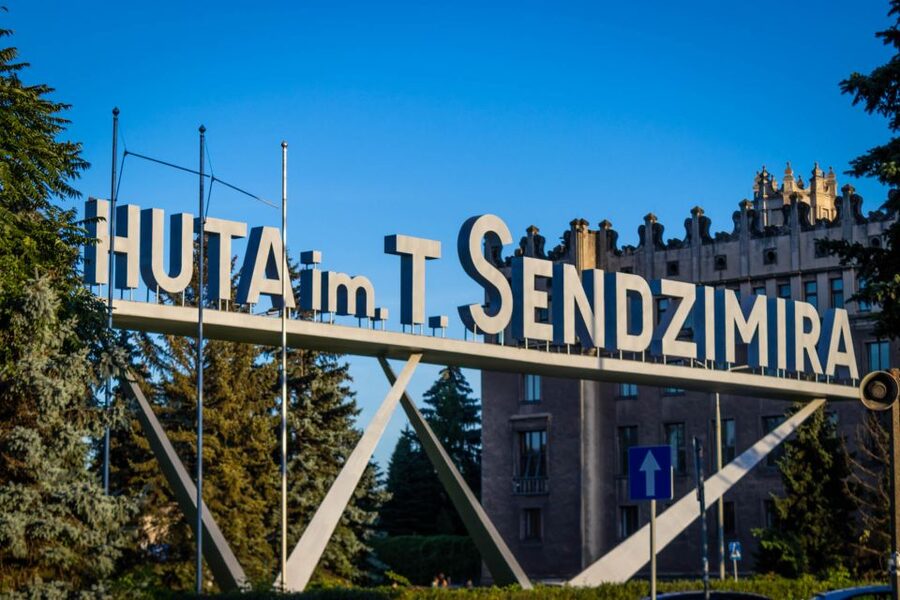
A radio control room and radio station are included in the visit. You can hear authentic tapes recorded at the site, which adds a human voice to the rooms and makes the communications side of the plant easier to imagine.
The radio facilities also point to the importance of communication in a huge industrial complex. This was not a small workshop. It required layers of management, technical coordination, and information moving across the plant.
The workers’ building includes a theater hall that is still used today. This is a useful reminder that Nowa Huta was planned as more than a place to sleep near a factory. Cultural spaces were part of the socialist city plan, intended to give workers access to performances and organized public life.
The theater is one of the more unusual stops because it broadens the story. You are not only examining offices and military precautions. You are also seeing how the steelworks and district tried to shape leisure, culture, and community.
Going underground into the Cold War shelter
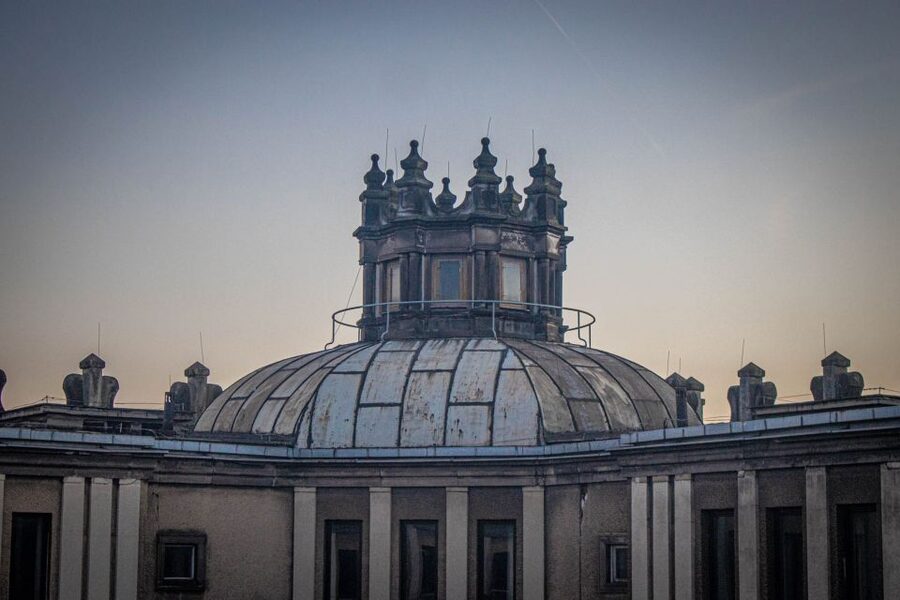
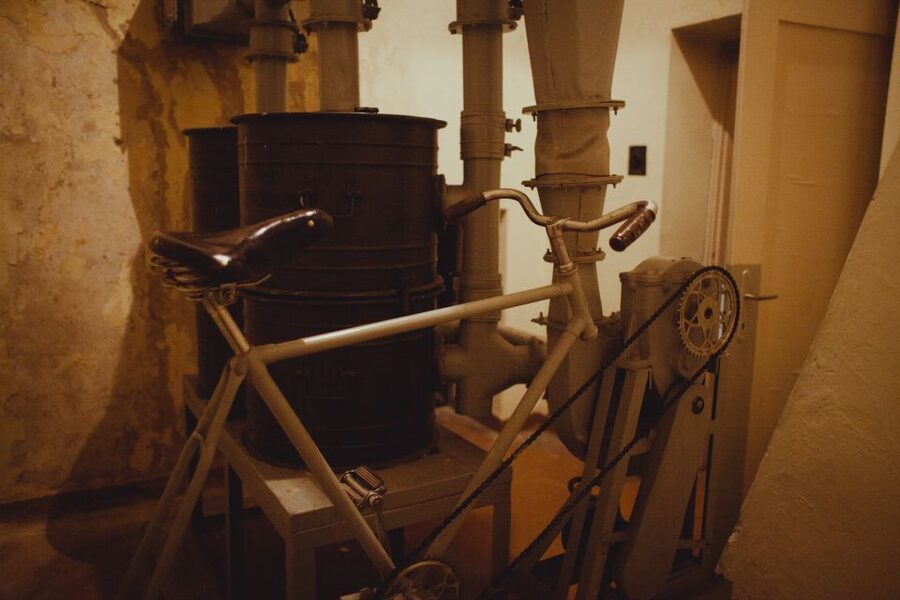
The most atmospheric part of the tour is the descent into the underground shelter. A tunnel connects the two administration buildings, and the route continues into spaces designed for protection during an attack.
You see how bomb shelters were arranged in the second half of the 1950s, including communication rooms and areas connected with the underground command center. The setting is plain and functional, which is exactly why it works. There is no need for theatrical effects when the concrete rooms already carry the mood of the period.
The shelter shows the risks surrounding a major industrial site during the Cold War. Steel production was economically important and strategically sensitive, so the administration needed plans for communication and command during an emergency.
I like that the tour presents the shelter as part of the building’s working design, not as a separate horror attraction. You learn how the rooms functioned and why they were there. The result is more useful than a quick photo stop, though the underground portion may feel tight or demanding for anyone who has difficulty with stairs or walking.
What you do not see inside the steelworks
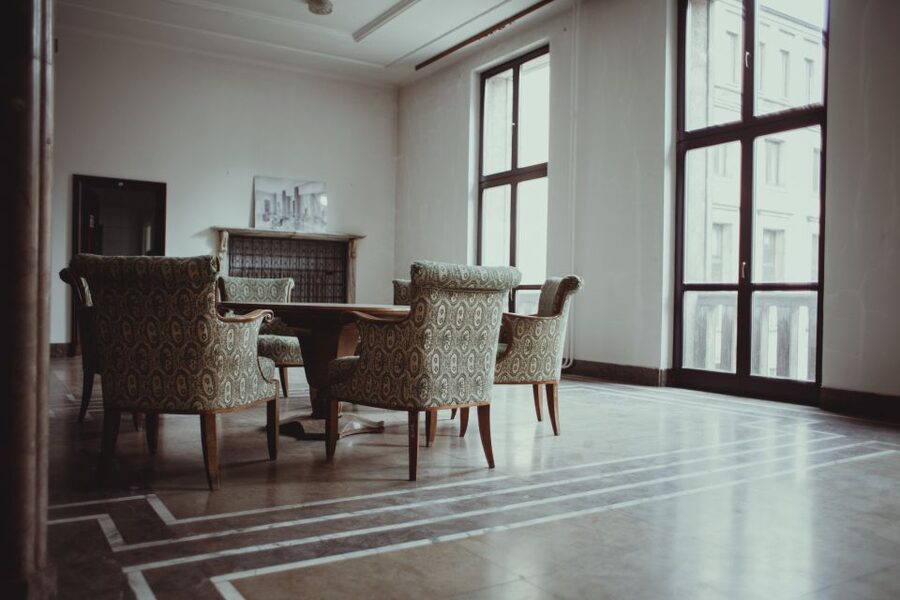
This experience does not include entry into the operating part of the steelworks. That distinction is important when you compare it with broader industrial tours.
You are visiting administration buildings and their shelter, not touring active production lines. You will not see the full working plant or stand beside current steelmaking operations. The focus is on architecture, offices, communications, and Cold War preparation.
For many people, this is enough. The preserved rooms provide a close look at the human and political side of the complex, and the visit is short enough to fit comfortably into a Krakow itinerary.
If your main interest is heavy machinery, furnaces, or modern industrial production, you may want to adjust your expectations. If you care about communist-era design, postwar Poland, and original Cold War spaces, the administration buildings offer a more focused experience.
The optional vintage-car experience
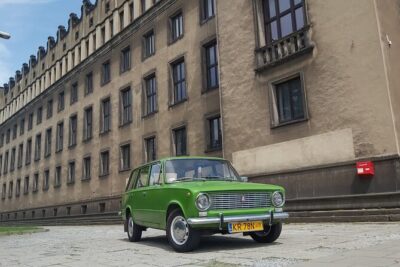
A vintage-car option adds a period-style element to the visit. The tour includes a presentation of a communist-era car for photographs, and the upgraded choice includes travel in a vintage car.
This is not essential to the historical content. The buildings, shelter, and guide provide the substance of the tour. Still, the car can make the visit feel more connected to the period, especially if you enjoy old vehicles or want distinctive photographs.
Some visitors have been picked up in an original retro car, which makes the journey part of the story rather than just transport. I would choose this option if the price difference is reasonable and you enjoy visual details. I would skip it if your priority is the shelter and administration buildings themselves.
The guide makes the difference
This tour depends heavily on the guide. Empty offices and concrete corridors can be hard to interpret without a clear explanation, and the best part of the experience is hearing how the rooms fit into the plant’s history.
The English-language guides are praised for being lively, well prepared, and easy to follow. Mateusz is repeatedly singled out for his enthusiasm, humor, patience, and local knowledge. He allows time for questions and photographs while keeping the tour moving.
That balance matters because the schedule is compact. The full visit lasts about 90 minutes, so you will not have unlimited time in every room. One person found the pace a little quick at moments, though questions were answered properly. If you want a slower look at a particular office or architectural feature, ask as you go.
The guides also help keep the tone sensible. The communist period and Cold War are serious subjects, but the tour is not presented as a dry lecture. Personal anecdotes and jokes make the information easier to remember without removing the historical weight.
Is $24 good value?
At $24 per person, this is a fair price for a 1.5-hour guided visit to a site that is not part of the standard Krakow sightseeing circuit. You are paying for access to unusual interiors, an English-speaking guide, and a carefully explained route through the shelter and offices.
The value is strongest if you would not otherwise visit Nowa Huta. Public transport to the district is straightforward, but without a guide you could miss the meaning of the rooms, the differences between the twin buildings, and the purpose of the underground facilities.
The optional vintage-car choice can improve the experience for some people, but it is not needed to justify the basic price. The core tour is the administration buildings and shelter.
The high rating of 4.9 from 160 reviews supports the idea that the tour delivers what it promises, especially through its guides and access to original spaces. Still, I would judge it by your interests. This is good value for modern history and architecture, less so if you want a large museum with extensive exhibits or access to active industrial production.
Who should book this Nowa Huta tour?
I recommend it for you if you enjoy:
- Cold War history and communist-era Poland
- Industrial architecture and unusual interiors
- Local guides who add personal stories
- Planned cities and postwar urban design
- Short, focused tours outside the usual Krakow route
- Atmospheric sites that are not fully polished or museum-like
Families with older children and teenagers interested in twentieth-century history may also find it worthwhile. The theater, radio rooms, shelters, and offices provide several different types of stops, so the visit is not just a walk through one empty building.
It is less suitable if you need step-free access or have limited mobility. The activity is not suitable for wheelchair users, and the underground section includes movement through older buildings and shelters. A small dog was allowed to join one tour, but you should confirm this before booking if you plan to bring a pet.
My verdict: book it for the story behind the rooms
I would book this tour if I had already seen Krakow’s main historic sights and wanted a sharper look at Poland’s recent past. The strongest features are the original offices, the underground command shelter, the radio rooms with authentic tapes, and guides such as Mateusz who make the setting understandable and engaging.
Choose the vintage car if you want period atmosphere and photographs, but do not feel that you are missing the main event without it. Also remember that the tour does not enter the operating steelworks.
For $24, this is a strong choice for anyone curious about the Cold War, socialist architecture, or the people and institutions that built Nowa Huta. It gives you a different Krakow, one that is less decorative but just as important.
FAQ
How long does the Nowa Huta steelworks tour last?
The guided tour lasts about 1.5 hours. Starting times vary, so check availability when booking.
How much does the tour cost?
The listed price is $24 per person.
What language is the tour conducted in?
The tour is conducted in English by a live English-speaking guide.
Where does the tour begin?
Meet the guide at the steel mill building entrance at the main gate. It is the building on the left with the information point.
How do I reach the meeting point from central Krakow?
You can travel from Krakow center by tram or bus and get off at the Kombinat stop.
Does the tour enter the operating part of the steelworks?
No. Entry to the operating part of the steelworks is not included. The visit focuses on the administration buildings and their shelter.
What buildings and rooms will I see?
The route includes two near-twin administration buildings, an entrance hall, executive offices, engineers’ offices, radio facilities, a workers’ theater, staircases, underground tunnels, and a bomb shelter with a command center.
Is a vintage car included?
A communist-era car presentation for photographs is included. Travel in a vintage car is available only if you select that option.
Is the tour suitable for wheelchair users?
No. The activity is not suitable for wheelchair users or people with mobility impairments.
Just added around Krakow
- From Krakow: Zakopane Full-Day Tour with Lunch Option★ 4.4 · 62 reviews
- From Krakow: Zalipie and Painted Village Guided Tour★ 4.0 · 4 reviews
- From Krakow: Zakopane and Dunajec River Rafting Tour★ 4.6 · 31 reviews
- From Krakow: Zakopane and the Tatra Mountains★ 4.7 · 36 reviews
- From Krakow: Zakopane and Gubałówka Cable Car Private Tour★ 4.3 · 12 reviews
- From Krakow: Zakopane Tatra Mountains & Hot Springs Tour★ 3.0 · 29 reviews
- Zakopane & Tatra Mountains Private Full-Day Tour from Krakow★ 4.5 · 33 reviews
- From Krakow: Hot Springs and Zakopane with Gubałówka★ 4.7 · 25 reviews
Nowa Huta Communist Tours, compared.

Legendary Private Nowa Huta Communism Tour with Crazy Guides
Read our review →
Private Nowa Huta Adventure Tour in Communist Cars
Read our review →
Communist Krakow – Nowa Huta Walking Tour in English
Read our review →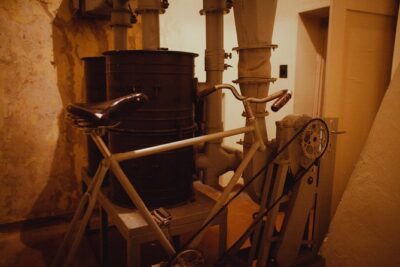
Nowa Huta Steel Mill Administration Buildings and Shelters with local NGO
Read our review →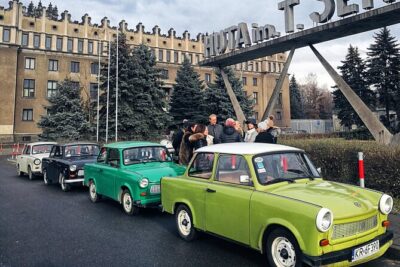
1.5h Crazy Guides’ Communism Tour of Nowa Huta in Classic Car
Read our review →Browse the lists this tour appears in