
Reviewed · NOWA HUTA COMMUNIST TOURS
Communist Krakow – Nowa Huta Walking Tour in English
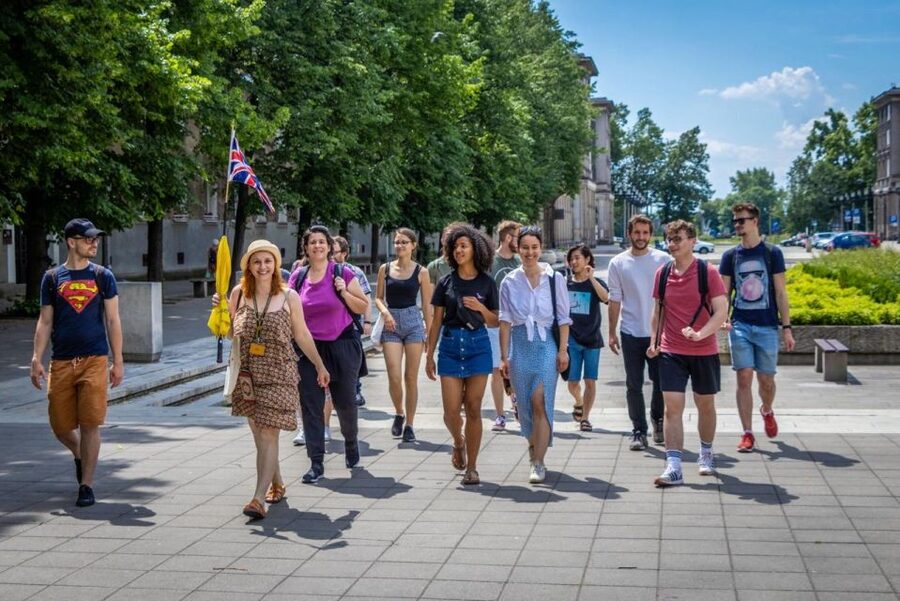
Nowa Huta is not postcard Krakow. It is a planned industrial district built around steel production, socialist ideals, and the power of the communist state. This 150-minute walk brings you to Central Square, the Avenue of Roses, and the remarkable Ark of the Lord church, where Catholic workers pushed back against the party.
I like two things here: you get the city’s postwar story rather than another walk through the medieval center, and the guides add personal detail. Chris has spoken about growing up in the area, while Ania and Jakob are praised for clear, lively storytelling. The main drawback is that the tour offers a broad introduction, so you may want more time for bunkers or less familiar parts of the district afterward.
Key points about the Nowa Huta walk
- A planned communist city: See the grand urban design created for workers and shaped by Stalin-era propaganda.
- Central Square and the Avenue of Roses: Read Nowa Huta through its monumental open spaces, broad avenues, and symbolic architecture.
- The Ark of the Lord church: Visit a striking church linked to Catholic resistance against the communist authorities.
- History with local perspective: Guides including Chris, Ania, Damian, and Jakob have been praised for combining facts, personal stories, and political context.
- A different side of Krakow: Trade the Old Town crowds for an ordinary district with its own identity and difficult past.
- A practical 150-minute format: The tour is long enough for context without taking an entire day, and wheelchair access is available.
Why Nowa Huta changes your view of Krakow
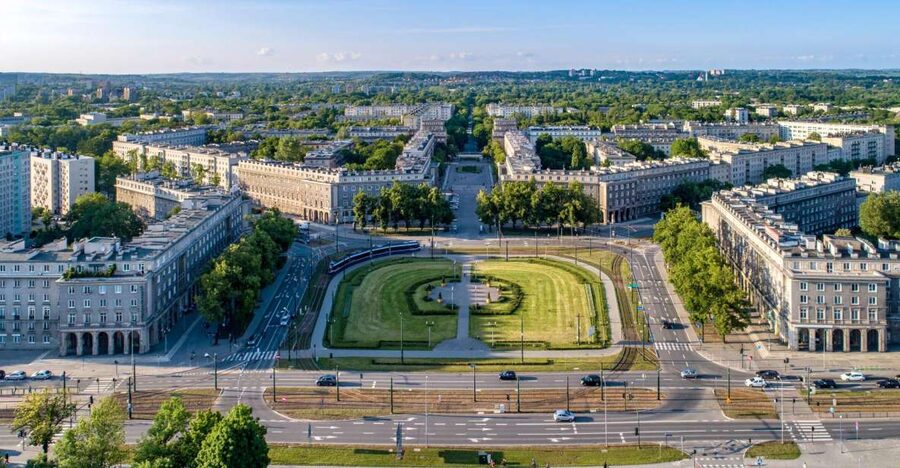
Most first visits to Krakow revolve around medieval streets, handsome churches, and the Main Market Square. Nowa Huta tells a very different story. It was built after World War II as a model socialist city beside the enormous steelworks that gave the district its name.
The Polish phrase Nowa Huta means New Steelworks. The name sounds plain, but the project carried a large political message. The authorities wanted a modern industrial center filled with loyal workers, planned housing, wide streets, and monumental civic spaces. It was also useful propaganda for Joseph Stalin’s totalitarian system.
That political purpose gives the district its unusual character. The architecture was not simply designed for beauty or convenience. Public spaces, housing, work, and state power were meant to fit together. On foot, you can see how the city’s scale was intended to make the new order feel permanent.
I value this tour because it gives you a way to read those streets. Without a guide, you may notice broad avenues and large buildings but miss why they were built that way. The stories connect architecture with daily life, official ideology, and the workers who eventually challenged the system.
More Nowa Huta communist-era tours in Krakow:
- Krakow: Nowa Huta Guided Tour in Vintage Car
★ 4.9 · 277 reviews - Legendary Private Nowa Huta Communism Tour with Crazy Guides
★ 5.0 · 262 reviews - Nowa Huta: Steelworks Administration Buildings/Shelters Tour
★ 4.9 · 160 reviews
Central Square and the Avenue of Roses
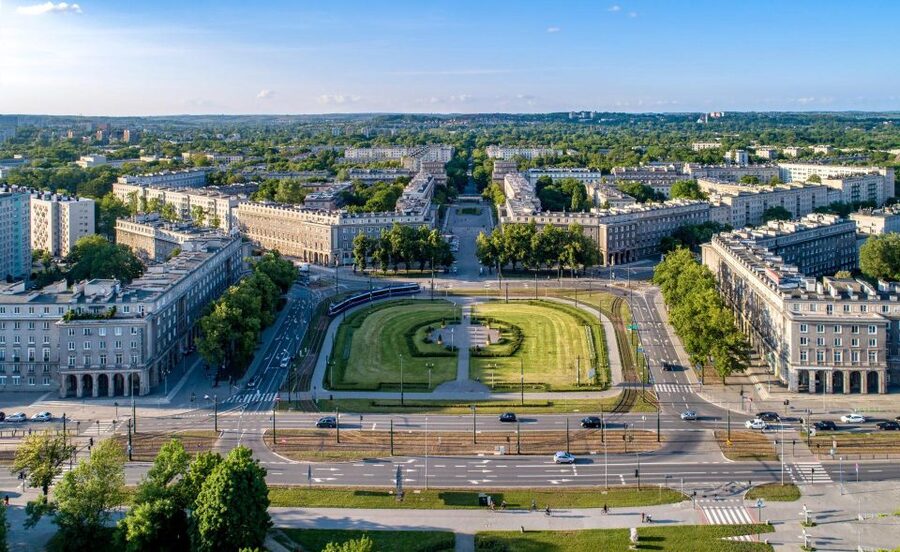
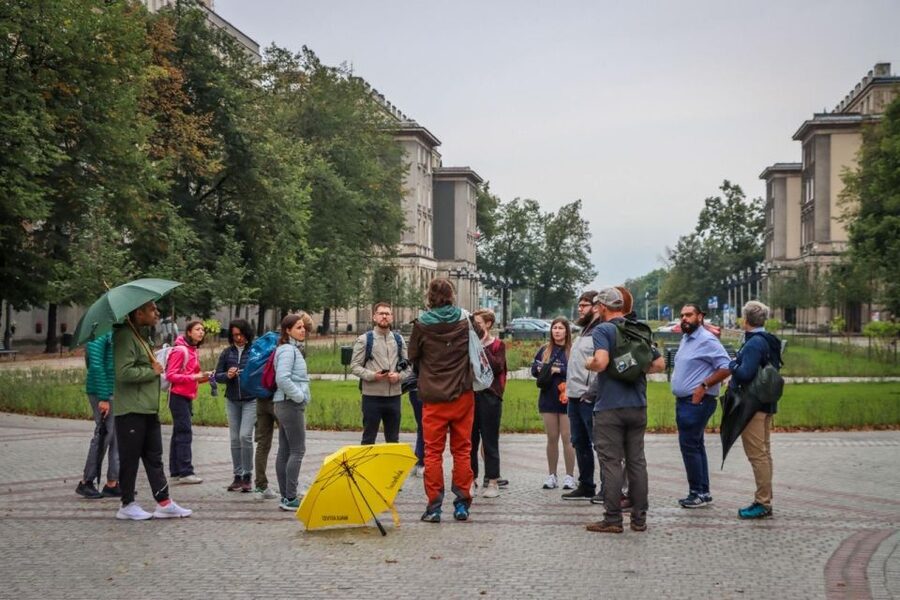
Central Square is one of the defining places in Nowa Huta. Its size and layout reflect the ambition of the original plan. This was meant to be a representative center, not a modest neighborhood plaza.
The square helps explain the contrast between the state’s vision and the lives of ordinary people. The authorities could create monumental spaces and carefully planned avenues, but they could not fully control how residents understood those places. The same streets that projected confidence in socialism also became settings for frustration, protest, and public memory.
The Avenue of Roses adds another layer. Its name sounds gentle, but the area is tied to the formal image the communist authorities wanted to present. On the walk, your guide can use this setting to explain how public design and political symbolism worked together.
I would pay attention to proportion here. Broad open areas and grand planning can feel impressive, even when you know they were connected to dictatorship. That tension is part of the point. Nowa Huta is not a theme park version of communism. It is a living district where the old plan remains part of everyday life.
The route also includes Ronald Reagan Plaza. Its name signals a later political shift and gives the tour a useful way to discuss change after the communist period. The walk is therefore not frozen in the 1950s. It follows Nowa Huta from its creation through the struggles that reshaped Poland.
The workers behind the official story
The strongest part of the tour is the human story. Nowa Huta was built for industrial workers, yet those workers did not simply accept every decision made by the communist party.
The tour focuses on a heroic struggle by Polish workers and on the tension between imposed ideology and local life. That matters because the district can look orderly from the outside. Its streets and squares were carefully planned, but its political story was full of conflict.
Your guide explains how communism affected daily life, not only government offices and factory production. That wider view helps you understand why Nowa Huta became an important place of resistance. Catholic identity, worker solidarity, and demands for dignity all pushed against the official system.
The personal approach makes a difference. Chris has been described as someone who mixes historical facts with anecdotes about growing up in the area. A local connection can explain details that a textbook misses, such as how residents remember the district and why its past still carries emotional weight.
Guides vary by date. Ania, Damian, Jakob, and Chris are among the names associated with especially strong tours, but you should expect the guide assignment to change. The common thread is an English-language walk built around storytelling rather than a simple list of dates.
One guide may stress the wider history of postwar Poland. Another may focus more closely on local buildings, personal memories, or the religious struggle. That variation is normal in a walking tour and can make the experience feel less scripted.
The Ark of the Lord and spiritual resistance
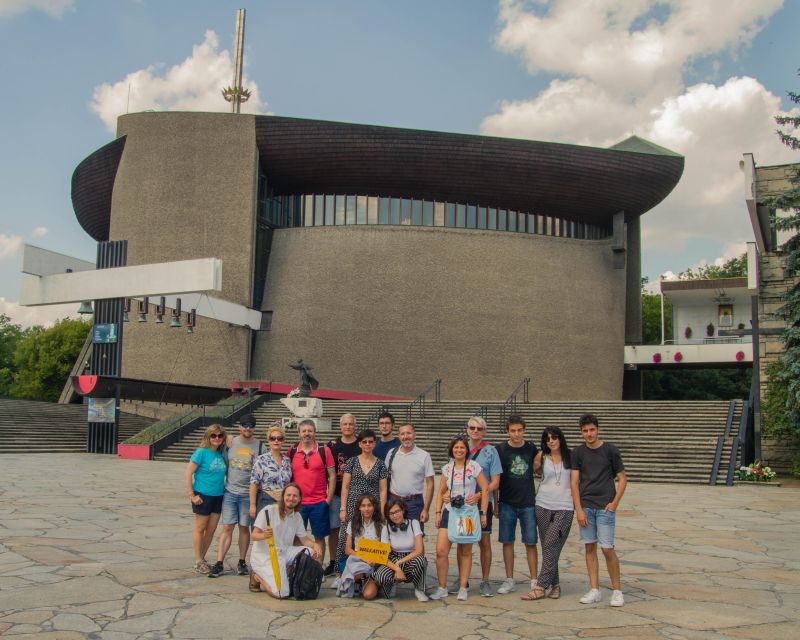
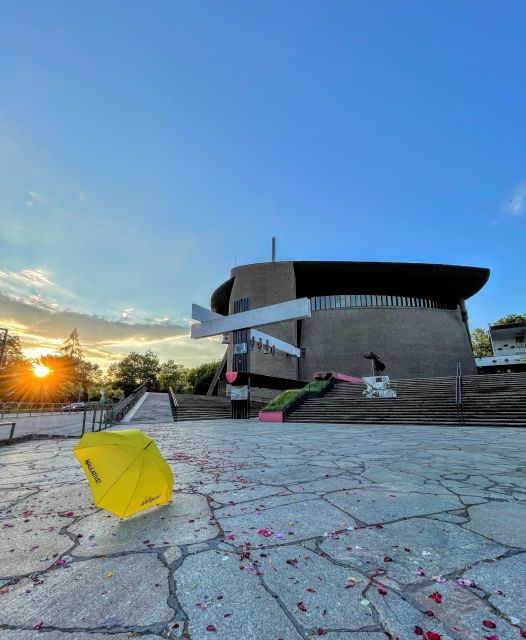
The Ark of the Lord is the tour’s most striking stop. It is a church with an unusual architectural form, and its importance goes beyond appearance.
The church represents spiritual resistance by Catholic workers against the communist party. In a state that wanted public life organized around socialist principles, the presence of a major Catholic church carried real political weight.
This is where the tour moves from urban planning into belief and identity. You see how architecture can express resistance without being a monument to a military victory. The church is tied to the people who wanted a place for worship and a public sign that the state did not control every part of life.
Give this stop time. The building is not just another photo opportunity on a route through the district. Its meaning depends on the political setting around it, and the guide’s explanation helps connect the structure to the workers’ struggle.
The church also keeps the tour from becoming a dry architectural lesson. You are not only looking at concrete, avenues, and planning diagrams. You are considering the choices residents made when their faith and political system pulled in opposite directions.
More Old Town walking tours in Krakow:
- Old Town Krakow & Wawel Castle Walking Tour
★ 5.0 · 1,508 reviews - Creepy Krakow: 2-Hour City Walking Tour
★ 4.7 · 1,131 reviews - Krakow: The Old Town Walking Tour
★ 4.8 · 794 reviews - Krakow: Kazimierz Jewish Quarter Walking Tour
★ 4.8 · 571 reviews
A living district, not a communist museum
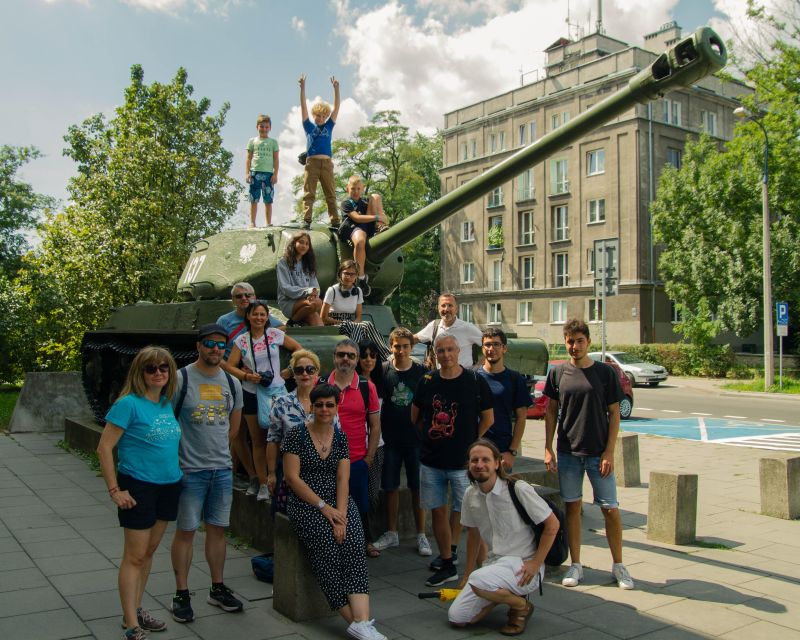
One reason to choose Nowa Huta is that it has not been polished into a tourist stage set. You still encounter a functioning Krakow neighborhood rather than a site arranged only for sightseeing.
That can be a strength and a limitation. The area offers a more direct sense of ordinary urban life, but not every corner will feel visually dramatic. If you need famous monuments every few minutes, the Old Town will suit you better.
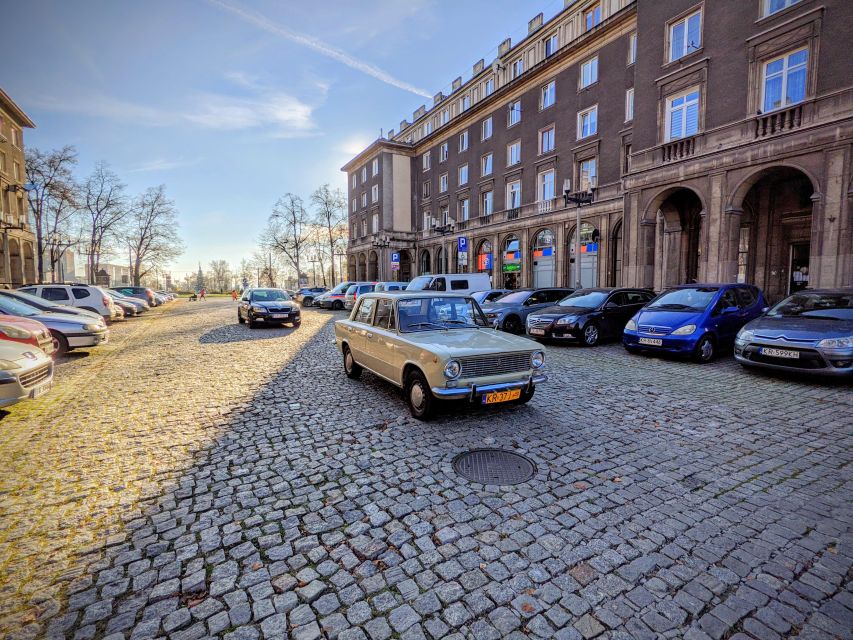
I prefer the district’s everyday quality. It makes the history harder to separate from the present. The communist period is not sealed away behind glass. It remains visible in the plan of the streets, the public spaces, the housing, and the memories attached to them.
The tour also helps correct the idea that Nowa Huta is dangerous or empty. A guide can place the district in context and show why it deserves attention. You should still follow normal city habits, but this is presented as a place full of life and worth visiting, not an area to avoid.
The district’s lack of mass tourism is especially useful if you have already spent time around Krakow’s busiest sights. You get a change of pace and a different social setting without leaving the city.
What the 150-minute format gives you
Two and a half hours is a sensible length for this subject. It gives the guide room to explain the district’s creation, communist-era significance, worker resistance, and later transformation without asking you to spend a full day on one neighborhood.
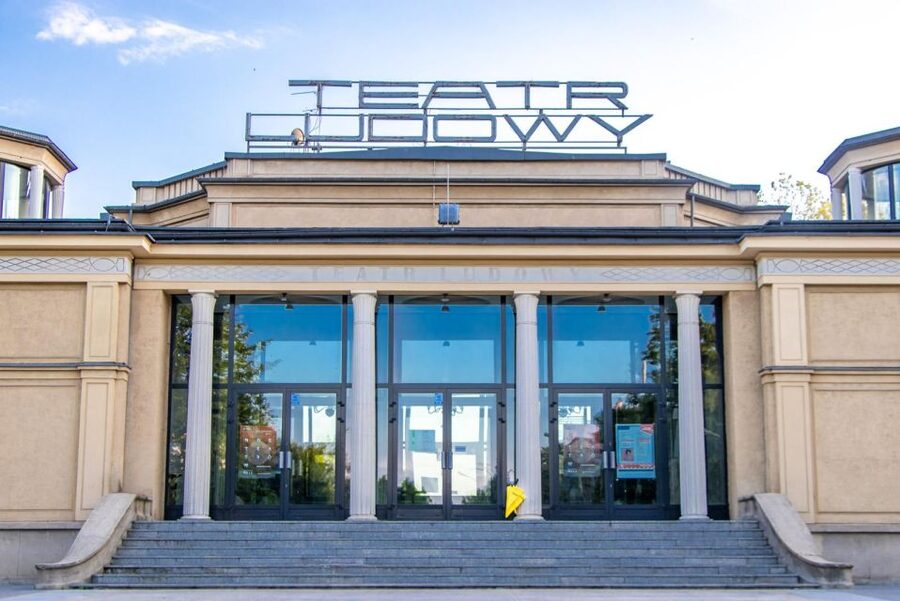
Expect a walking experience built around the major representative parts of Nowa Huta. The named stops include the Nowa Huta Cultural Centre, Central Square, the Avenue of Roses, Ronald Reagan Plaza, and the Ark of the Lord church.
The exact order and amount of time at each stop can vary. The tour description does not promise entry to every building, and it does not include food, hotel pickup, or drop-off. Plan to meet the guide at the stated meeting point and arrive 10 minutes early.
Wear shoes suitable for city walking. That is simple advice, but the value of the tour depends on listening while moving between different parts of the district. You will get more from the stories if you are comfortable enough to stay focused.
The activity is wheelchair accessible, which is an important practical advantage. Still, if you have particular mobility needs, confirm the current route details before booking, since the information provided confirms access but does not describe every surface or interior entrance.
Is $26 a fair price?
At $26 per person, this is a reasonable price for a two-and-a-half-hour guided history walk, especially if Nowa Huta is new to you. The real value is not the number of stops. It is the explanation that connects them.
You could walk around Central Square and the Avenue of Roses on your own. You could also see the Ark of the Lord church without knowing how it relates to Catholic resistance. The guide supplies the political and social links that are difficult to pick up from buildings alone.
The booking arrangement needs a little attention. This is a general pay-as-you-wish tour format, and the amount paid through this booking covers the reservation fee and the guide’s payment. The information also notes that smaller private tours can be arranged if you contact the provider.
That makes the $26 useful for people who want a confirmed place and a standard group experience. If you prefer a private walk or want the guide to spend more time on one topic, ask about that option before booking.
The tour includes an English-speaking local guide and a carefully constructed narrative. Snacks are not included, so plan around the 150-minute timing if you need food before or after the walk.
Who will enjoy this tour most?
I would choose this tour if you have already seen Krakow’s historic center and want to understand Poland after World War II. It is also a good match for anyone interested in communism, industrial planning, religious resistance, or the politics of public space.
History-minded visitors should get the most from it. The tour does not treat Nowa Huta as a collection of pretty views. It asks you to think about why a city was built, who it was meant to serve, and how residents changed its meaning.
It also suits people who prefer storytelling to a museum display. The best guide style here combines dates and political background with local anecdotes. Ania has been praised for her passion, Damian for balancing serious and lighter stories, and Jakob for looking after the group as well as telling the history.
You may want a different activity if your priority is extensive interior access, food, or a small private group by default. You should also know that one part of the experience may feel broader than specifically local. A guide can explain Poland’s national story well, while you may still wish for more detailed Nowa Huta anecdotes.
If you have extra time, consider using the tour as an introduction and then returning to the district on your own. One guide’s route may leave you curious about bunkers and other parts of Nowa Huta that are not covered in this 150-minute format.
Should you book the Nowa Huta walk?
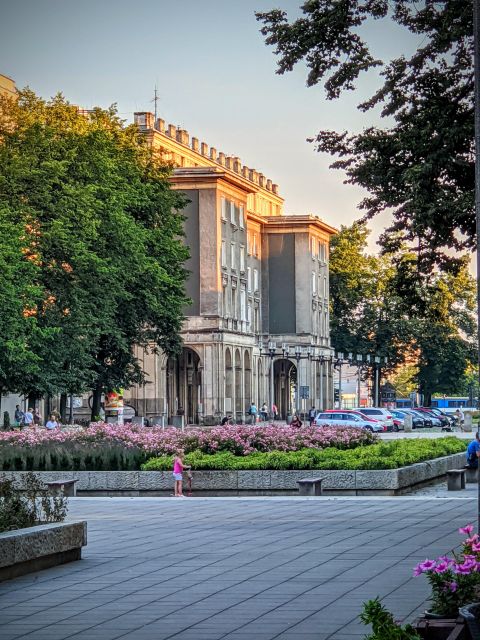
Book it if you want the Krakow story to extend beyond kings, churches, and the medieval center. The combination of Central Square, the Avenue of Roses, worker resistance, and the Ark of the Lord gives you a clear way to understand a difficult period in Polish history.
The biggest reason to go is the guide. This tour depends on explanation, and the strongest guides bring the subject to life with local memories, political context, and a sense of humor. The exact guide varies, so the experience may differ in emphasis.
Skip it only if you want a short list of famous sights or a fully private, tightly customized tour. For a first visit to Nowa Huta, $26 is a fair price for the background you would otherwise miss, and the district provides a welcome change from Krakow’s crowded historic center.
FAQ
Where does the Communist Krakow tour take place?
The activity takes place in Nowa Huta, a district of Krakow in Lesser Poland, Poland.
How long is the tour?
The walking tour lasts 150 minutes, or two and a half hours.
What language is the tour conducted in?
The tour is conducted in English with a live English-speaking guide.
What places are included?
The listed places include the Nowa Huta Cultural Centre, Central Square, the Avenue of Roses, Ronald Reagan Plaza, the Ark of the Lord church, and Rynek Główny.
Is the Ark of the Lord church part of the tour?
Yes. The tour includes the Ark of the Lord, an architecturally unusual church connected with Catholic workers’ spiritual resistance to the communist party.
Is the tour wheelchair accessible?
Yes, the activity is listed as wheelchair accessible.
Is hotel pickup included?
No. Hotel pickup and drop-off are not included.
Are snacks included?
No. Snacks are not included in the activity.
Can I cancel the booking?
Yes. You can cancel up to 24 hours in advance for a full refund. You can also reserve now and pay later, according to the booking terms.
Just added around Krakow
- From Krakow: Zakopane and Dunajec River Rafting Tour★ 4.6 · 31 reviews
- From Krakow: Zakopane Full-Day Tour with Lunch Option★ 4.4 · 62 reviews
- From Krakow: Zalipie and Painted Village Guided Tour★ 4.0 · 4 reviews
- From Krakow: Zakopane and the Tatra Mountains★ 4.7 · 36 reviews
- From Krakow: Zakopane and Gubałówka Cable Car Private Tour★ 4.3 · 12 reviews
- From Krakow: Zakopane Tatra Mountains & Hot Springs Tour★ 3.0 · 29 reviews
- Zakopane & Tatra Mountains Private Full-Day Tour from Krakow★ 4.5 · 33 reviews
- From Krakow: Hot Springs and Zakopane with Gubałówka★ 4.7 · 25 reviews
Nowa Huta Communist Tours, compared.

Legendary Private Nowa Huta Communism Tour with Crazy Guides
Read our review →
Steelworks Administration Buildings/Shelters Tour
Read our review →
Private Nowa Huta Adventure Tour in Communist Cars
Read our review →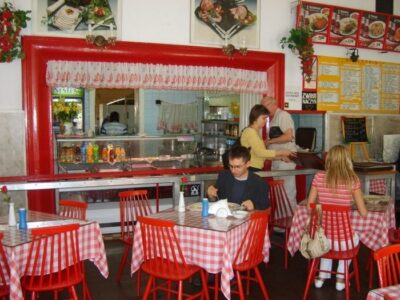

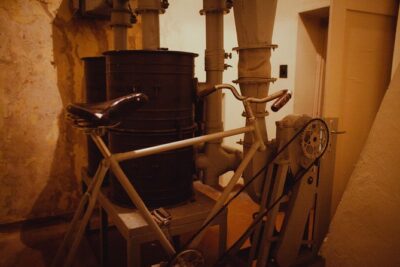
Nowa Huta Steel Mill Administration Buildings and Shelters with local NGO
Read our review →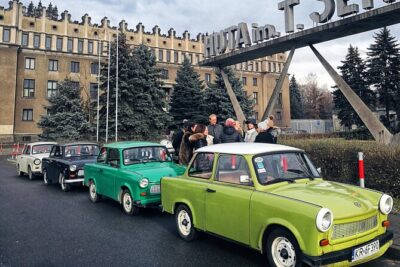
1.5h Crazy Guides’ Communism Tour of Nowa Huta in Classic Car
Read our review →Browse the lists this tour appears in