
Reviewed · NOWA HUTA COMMUNIST TOURS
Nowa Huta Tour from Krakow: Communist City, Vodka & Zapiekanka
Nowa Huta was built as a model communist city, but its story is more complicated than rows of concrete blocks and grand avenues. This four-hour tour takes you from a Cold War shelter to a local bar, then on to a church that became a symbol of resistance. I especially like the underground museum and the chance to hear personal memories from guides such as Anna, who lived through the communist period.
I also like the simple food stop: a hot zapiekanka and a shot of vodka connect political history with ordinary daily life. The drawback is value. At $114.14 per person, you are paying for a small-group experience and a human guide, not a long list of major sights. If you want a formal lesson in socialist architecture or a detailed account of worker protests, you may find the commentary too personal.
Key points to know before you book
- A Cold War shelter sets the scene: The underground museum uses original interiors, household objects, propaganda, and personal stories to explain daily life under communism.
- Nowa Huta is best understood on foot: Wide avenues, planned housing blocks, monumental squares, and public spaces reveal how politics shaped the city.
- Anna and Marta are especially strong guide names to request: Anna is known for personal memories of student life and protests, while Marta has been praised for her history knowledge and easy pace.
- The food stop is part of the history: You receive one local zapiekanka and a vodka tasting at a communist-style restaurant.
- Arka Pana gives the tour its moral center: The Church of Our Lady Queen of Poland shows how faith and community challenged communist control.
- Plan for level walking and tram travel: The tour begins near Długa Street, uses public transport to reach Nowa Huta, and ends at Krakow’s Main Market Square.
Why Nowa Huta belongs on your Krakow list
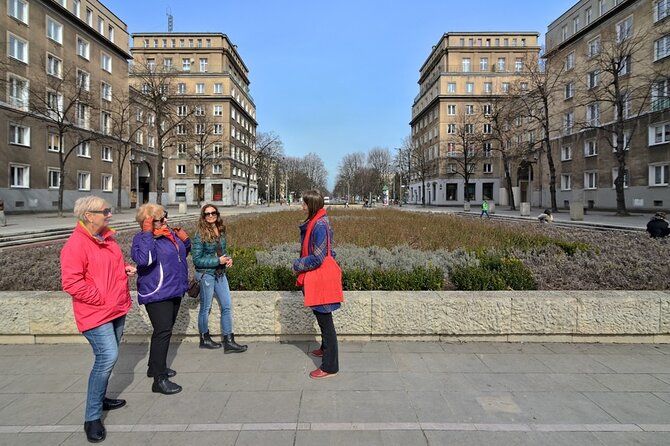
Most Krakow itineraries focus on the Old Town, Wawel Castle, and the former Jewish quarter. Nowa Huta offers a different Poland. It was built after the Second World War as an industrial district and planned socialist city, with broad roads, formal public spaces, and housing for workers connected to the steel industry.
That planning gives the district a very different feel from medieval Krakow. Instead of winding streets and old churches, you see geometry, scale, and political purpose. The city was meant to shape modern socialist life, right down to the placement of housing, services, cultural buildings, and gathering places.
The tour helps you read those details. I like that it does not treat Nowa Huta as a collection of old buildings. You learn how architecture affected daily routines and how the district changed after communism ended.
Still, this is not a conventional architectural tour. The experience mixes city planning, personal memory, religion, food, and political history. That blend is a strength if you want a human account of Poland from 1945 to 1989. It is less satisfying if your main goal is a technical study of socialist realism.
More Nowa Huta communist-era tours in Krakow:
- Krakow: Nowa Huta Guided Tour in Vintage Car
★ 4.9 · 277 reviews - Legendary Private Nowa Huta Communism Tour with Crazy Guides
★ 5.0 · 262 reviews - Nowa Huta: Steelworks Administration Buildings/Shelters Tour
★ 4.9 · 160 reviews
Starting at the Nowa Huta underground museum
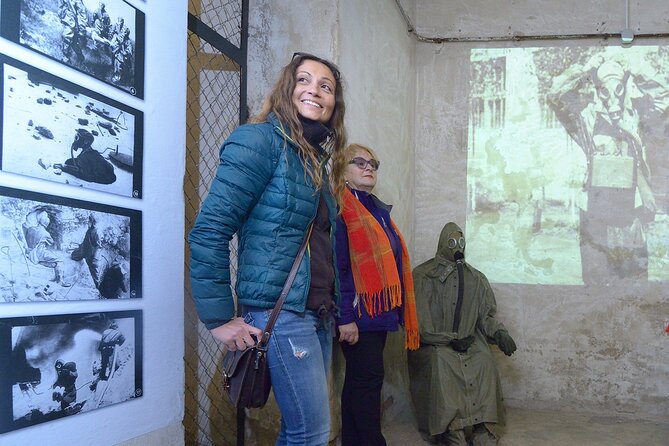
The first major stop is Podziemna Nowa Huta, part of the Museum of Krakow. It occupies a former Cold War shelter, which gives the visit a useful sense of place before the walking tour begins.
Inside, you see original interiors, propaganda displays, household goods, and objects linked to ordinary life under the socialist system. This is where Nowa Huta stops being an abstract political story. The subject becomes food, work, school, family life, public messaging, and the practical habits people used to manage shortages and restrictions.
The museum visit lasts about 45 minutes, and admission is included. That matters because the shelter supplies the historical groundwork for everything that follows. You can better understand why the city was built, who it was meant to serve, and how ideology reached into the home.
A guide such as Anna can add a personal layer here. She has spoken about being a student and protester during the period of Soviet influence in Poland. That kind of memory can make the displays easier to place in time, though it also means the tour may lean toward lived experience rather than a fully structured academic lecture.
The museum is closed on Mondays, so check the day before booking. If the museum is central to your decision, do not choose a Monday and assume the full program will run unchanged.
Reading the city through its broad avenues
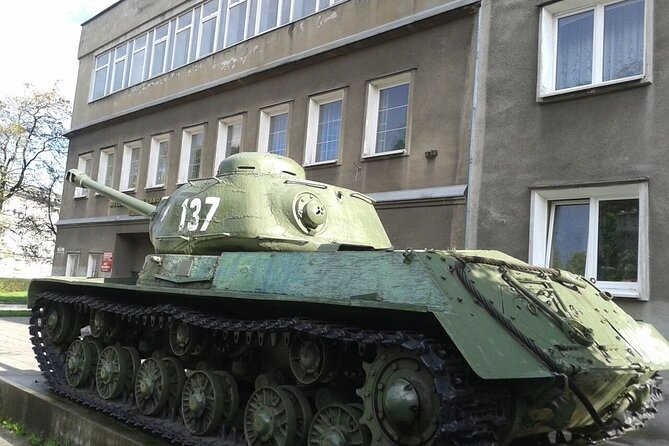
After the shelter, you walk through Nowa Huta itself. The walking portion is not steep, and the ground is described as level, but you should wear comfortable shoes. The tour lasts about four hours in total, with the outdoor sections spread through the day.
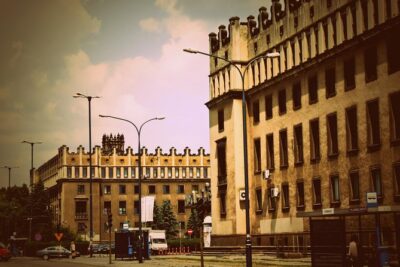
Your guide explains the logic behind the broad avenues, symmetrical blocks, monumental squares, and planned public areas. These were not random choices. The design was intended to create a new kind of urban community, one tied to industry and socialist ideals.
This is the part where the guide makes the largest difference. A good explanation helps you see how scale can communicate authority. Wide streets can serve parades and public gatherings. Large open spaces can support official ceremony. Housing blocks and shared services can reflect a belief that the city should organize communal life.
You also hear how Nowa Huta functions today. It is not frozen as a museum district. People live there, use its services, attend cultural events, and move through the same streets for ordinary reasons. That present-day view keeps the tour from becoming a simple nostalgia trip or a parade of communist relics.
One point to keep in mind: only about 30 minutes is specifically allocated to the main outdoor walk before the other stops enter the schedule. If you want an extended survey of the city’s socialist realist buildings, that may feel short. The experience is broad rather than highly specialized.
The Nowa Huta Cultural Centre and public life
Along the route, you pass the Nowa Huta Cultural Centre. During the socialist period, it helped promote official values through art, theatre, and music. Today, it continues as a cultural institution for the local community.
That change is worth noting. Buildings connected to state ideology did not all disappear after 1989. Some found new roles, and this center shows how a place can move from political messaging toward ordinary cultural use.
The stop is not presented as a separate long museum visit, so think of it as part of the wider walk. Your guide explains its former role and current function, adding another layer to the question of how Nowa Huta changed after communism.
I like this kind of stop because it avoids an overly simple story. The district was not merely built, controlled, and then abandoned. Its institutions adapted, and its residents continued to give the area meaning.
More vodka tastings in Krakow:
- Krakow–Zakopane: Cable Car, Chocholow Baths, Cheese & Vodka
★ 5.0 · 10,720 reviews - Krakow: Zakopane Cable Car, Vodka, Cheese & Hot Springs Tour
★ 4.9 · 1,832 reviews - The Kraków Vodka Tour
★ 5.0 · 862 reviews - Krakow: Food Tour of 10 Tastings with Pierogi, Vodka & More
★ 5.0 · 169 reviews
Zapiekanka, vodka, and the taste of daily life
The food stop provides a welcome break from the walking and the political history. You receive one zapiekanka, Poland’s open-faced toasted baguette, followed by a shot of traditional Polish vodka at a communist-style restaurant.
Zapiekanka is modest food, but that is exactly why it fits this tour. It was an everyday snack, not a grand national dish served for special occasions. Eating it in a local spot connects the city’s history to ordinary habits and familiar flavors.
The vodka tasting adds a social element. In Poland, a drink can be tied to hospitality, work, celebration, and the informal conversations that official histories often miss. Here, the bar stop gives you room to talk with the guide and ask about the period in a less formal setting.
The food and vodka are included, but additional food and drinks are not. Vegetarian food is supported, while vegan needs and several combined food allergies should be discussed in advance. The operator says most other food allergies can be handled.
This part may be the most appealing feature for someone who wants history without a museum-heavy schedule. It also explains some of the cost, since the tour includes local food, a tasting, and business at places away from the main tourist routes. Still, do not book it expecting a full meal. It is a snack stop, not lunch.
Arka Pana and the story of resistance
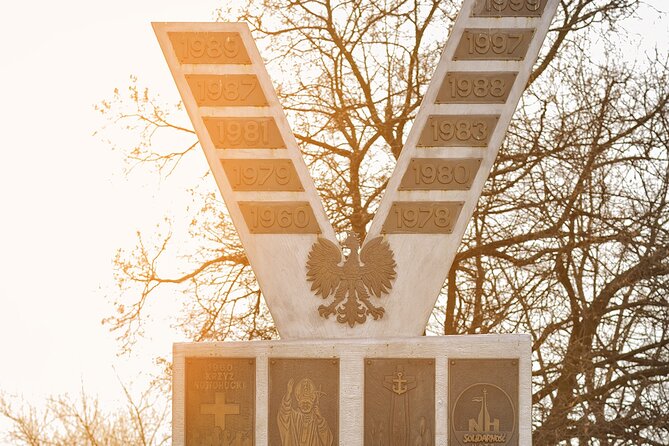
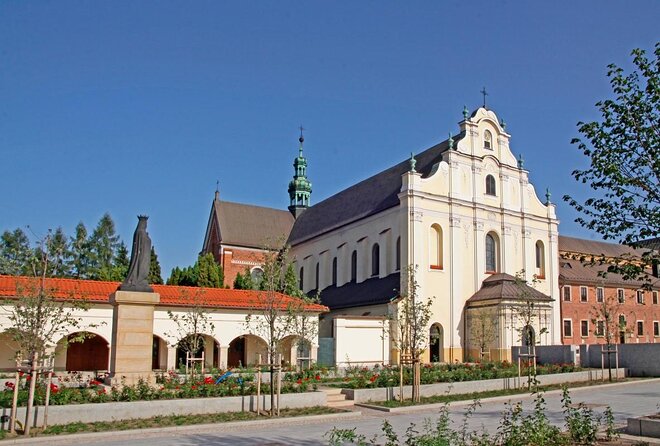
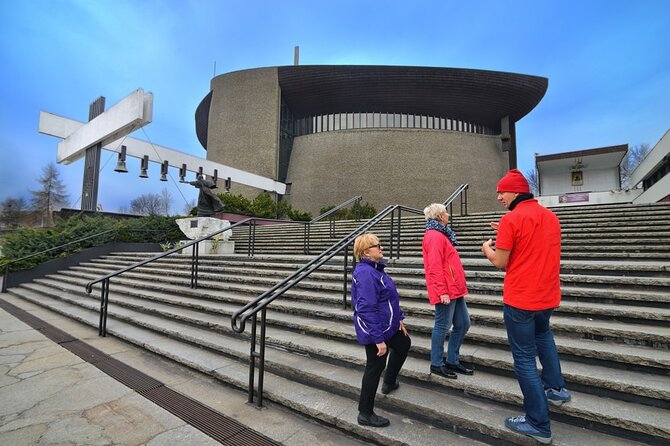
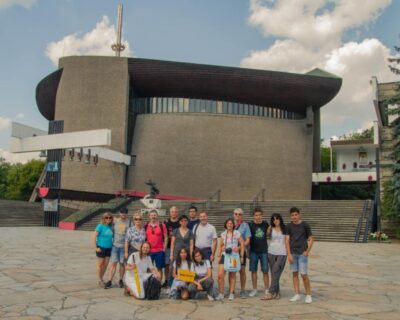
The final major stop is the Church of Our Lady Queen of Poland, commonly called Arka Pana, or the Ark of the Lord. Its presence in Nowa Huta carries unusual political weight.
The church was built despite opposition from communist authorities. The struggle to establish it made the building a symbol of religious faith, local organizing, and resistance to a state that wanted the district to represent secular socialist life.
This gives the tour a strong ending. Earlier, you see how the state shaped streets, housing, culture, and public space. At Arka Pana, you see a community pushing back and claiming room for its own beliefs.
Your guide explains how religion helped shape modern Nowa Huta and how the church connects to wider opposition movements, including the Solidarity era. If your interest is the workers’ protests, ask direct questions here. One potential weakness of the tour is that the protest story may not receive as much detail as some history-minded visitors want.
The church is free to enter as part of the walk, and the stop lasts about 45 minutes. Its importance is not only architectural. It represents the contest over who could define public life in a planned communist city.
What the guides add to the experience
This tour depends heavily on the person leading it. Anna has received special praise for combining her personal experience of communist Krakow with stories of student life and protest. Her strength is not just recalling dates. She can explain what the era felt like to someone living through it.
Marta has also been praised for keeping a comfortable pace and explaining both the district’s past and its continued life today. That is useful because the tour includes walking, tram travel, museum time, and conversation.
The guide’s style can shape your impression of value. A personal account may help you understand the period in a way a printed display cannot. On the other hand, a guest seeking more formal detail on socialist realism or labor unrest may want to ask for added explanation during the walk.
The tour is limited to 12 people. That is small enough for questions and conversation, and it should make the tram and walking portions easier to manage than a large coach group. A private version is available with pickup from central Krakow hotels, but the small-group option does not include hotel pickup.
Transport, timing, and the real cost
The tour lasts about four hours and includes tram transport to the district and back. It begins at Długa 1 in Krakow and ends near the Main Market Square. That ending is handy if you have an afternoon or evening plan in the Old Town.
The tram ride is more than a transfer. It helps you move from central Krakow into a district with a different scale and purpose. You see the city change as you go, though the tour does not promise a dedicated sightseeing route from the tram.
At $114.14 per person, this is not a budget walking tour. The fee covers an English-speaking local guide, tram transport, museum admission, a zapiekanka, vodka tasting, and the smaller group format. A tip is not compulsory, but it is customary to budget for one if the guide provides good service.
I would judge the price by your priorities. If you want a personal introduction to communist Poland, local food, and a district you might not reach on your own, the package can make sense. If you mainly want an architecture lecture, you may get better value from a more specialized option.
The experience is often booked well ahead, with an average lead time of about 37 days. That suggests booking early if your Krakow dates are fixed. Free cancellation is available up to 24 hours before the start time, but changes or cancellations inside that window are not refunded.
Who should book this Nowa Huta tour?
I would choose this tour if you are interested in the Eastern Bloc, postwar Poland, Cold War life, the Solidarity movement, or the way political systems shape cities. It is also a good choice if you want a local snack and a drink built into a history outing.
You should be comfortable walking for much of the four-hour program, though the route is level and the guide can adjust the pace. Most people can participate, and the tour is near public transport.
I would hesitate if your main interest is Krakow’s medieval center. Nowa Huta is not an alternative Old Town sightseeing route. It is a separate district with a modern political story, and the value comes from understanding its ideas and conflicts.
Should you book it?
Book it if you want a human account of communist Krakow rather than a checklist of famous buildings. The Cold War shelter, local food, tram ride, and Arka Pana church create a varied half-day, and a guide such as Anna or Marta can make the history personal.
Skip it if $114.14 feels high for four hours or if you need a tightly organized lecture on socialist realist architecture and workers’ protests. For the right audience, this is a thoughtful way to see a less familiar side of Krakow. Just arrive ready to walk, ask questions, and treat the vodka and zapiekanka as part of the history, not the main event.
FAQ
How long does the Nowa Huta tour last?
The tour lasts approximately four hours.
Where does the tour begin?
It begins at Długa 1, 31-147 Krakow, Poland.
Where does the tour end?
The tour ends near Krakow’s Main Market Square, Rynek Główny.
Is transport included?
Yes. Tram transport to the communist district and back is included.
Is the museum entrance included?
Yes. Admission to the communist museum in the former Cold War shelter is included.
Is the museum open every day?
The museum is closed on Mondays.
What food and drink are included?
You receive one local zapiekanka and a vodka tasting at a communist-style restaurant.
Is the tour offered in English?
Yes. An English-speaking local guide leads the experience.
How many people can join the small group?
The tour has a maximum of 12 participants.
Just added around Krakow
- From Krakow: Zakopane and Dunajec River Rafting Tour★ 4.6 · 31 reviews
- From Krakow: Zakopane Full-Day Tour with Lunch Option★ 4.4 · 62 reviews
- From Krakow: Zalipie and Painted Village Guided Tour★ 4.0 · 4 reviews
- From Krakow: Zakopane and the Tatra Mountains★ 4.7 · 36 reviews
- From Krakow: Zakopane and Gubałówka Cable Car Private Tour★ 4.3 · 12 reviews
- From Krakow: Zakopane Tatra Mountains & Hot Springs Tour★ 3.0 · 29 reviews
- Zakopane & Tatra Mountains Private Full-Day Tour from Krakow★ 4.5 · 33 reviews
- From Krakow: Hot Springs and Zakopane with Gubałówka★ 4.7 · 25 reviews
Nowa Huta Communist Tours, compared.

Legendary Private Nowa Huta Communism Tour with Crazy Guides
Read our review →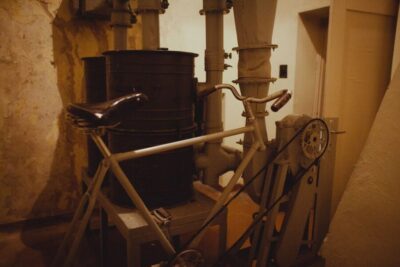
Steelworks Administration Buildings/Shelters Tour
Read our review →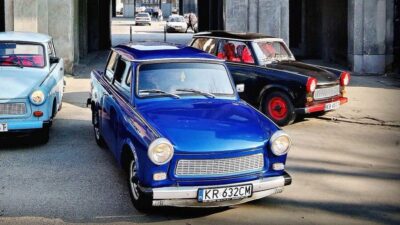
Private Nowa Huta Adventure Tour in Communist Cars
Read our review →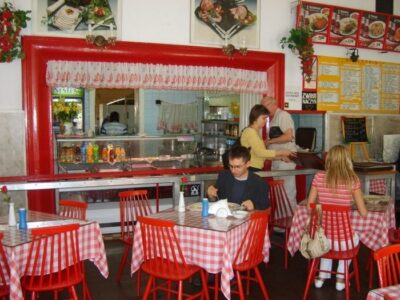
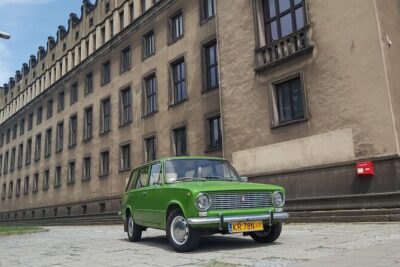
Communist Krakow – Nowa Huta Walking Tour in English
Read our review →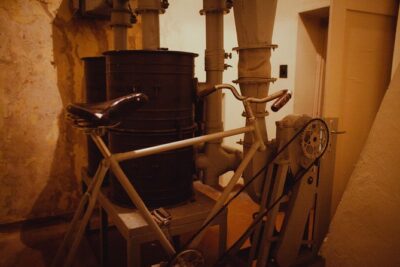
Nowa Huta Steel Mill Administration Buildings and Shelters with local NGO
Read our review →Browse the lists this tour appears in